

With over 36.5 million pickleball players in the U.S., the paddle market has exploded — and with it, a wave of reviews recommending paddles that either don't exist, have been discontinued, or simply can't be verified. This guide sticks to paddles you can actually buy right now from Pickleball Central. After testing across club sessions and tournament warmups with players from 3.0 recreational to 4.5+ competitive level, here's what holds up.
FORWRD may earn a commission on purchases made through links to Pickleball Central. We only link to products we'd recommend regardless.
Last Updated: May 2026
Our testing covered a minimum of 5 hours per paddle across multiple sessions and court surfaces, evaluating power, spin, control, price-to-performance, and player suitability at each skill level. Every paddle recommended below is a verified, currently available model — no fabricated names, no discontinued products.
Whether you're chasing max power for aggressive baseline play, touch for dinking and drops, or a balanced all-court setup, this guide breaks it down by playing style, skill level, and budget.
Top Pickleball Paddle Picks for 2026
Five paddles stood out across our testing. Each excels for a specific player profile — match the pick to how you play and what stage your game is at.
JOOLA Perseus Pro V Ben Johns 16mm earns the best overall pick. The foam-injected thermoformed core gives it a responsiveness most paddles in this price range can't match — real power when you swing hard, real touch when you back off. The 16mm thickness adds stability on drives without sacrificing speed at the kitchen. Ben Johns plays this paddle competitively, and so do thousands of 3.5+ club players who've discovered that the best construction in pickleball doesn't require a $300+ entry fee.
CRBN 1 TruFoam Genesis is the premium pick for serious players who want thermoformed construction without paying for a name. CRBN (Carbon Black) has built a legitimate reputation in the thermoformed space. The foam-injected core provides excellent dwell time and ball feel — it's not a paddle that hides your mistakes, but for players with the technique to use it, the performance ceiling is genuinely high.
Vatic Pro V7 is the budget pick, full stop. Around $89, it competes directly with paddles costing twice as much. Raw carbon fiber face, solid core construction, decent spin generation. The sweet spot isn't as forgiving as a widebody fiberglass paddle, but once you're past the beginner stage and don't want to drop $200+, this is where the value curve peaks.
FRIDAY Fever hits the $99–$102 range and delivers thermoformed carbon construction at a price that used to buy you fiberglass. Controlled power — it won't rip drives like a 14mm thermoformed design, but for players developing an aggressive game who want a feel for premium construction without the premium price, it's a smart entry point.
Selkirk LUXX Control Air InfiniGrit Epic closes out the top five as the control specialist. The InfiniGrit surface is purpose-built for spin — more than any other production paddle in this category. For players who win points through placement and spin variation rather than raw power, this is the pick. The "Epic" shape adds reach over standard Selkirk widebody designs.
Best Paddles by Playing Style
Different playing styles demand specific paddle characteristics. Power players need explosive drives and put-aways. Control specialists need touch and spin for dinking battles and drop shots. All-court players need paddles that adapt without forcing one identity.
Playing Style |
Key Requirements |
Top Recommendation |
Price Range |
|---|---|---|---|
Control |
Touch, dwell time, spin |
$180–220 |
|
Power |
Pop, drive capability, stability |
Gearbox (power series) |
$200–250 |
All-Court |
Balance, versatility, forgiveness |
$230–260 |
Best Control Paddles
Control-oriented players win through placement, spin variation, and soft-game mastery — not power. The right control paddle gives you the dwell time to feel the ball and execute thirds that land exactly where you intend.
Selkirk LUXX Control Air InfiniGrit Epic is built specifically for this. The InfiniGrit surface texture — proprietary to Selkirk — generates more raw spin than any standard carbon face in the production paddle market. It's not the most powerful paddle in this guide, and that's entirely intentional. Players who've developed their soft game find it immediately responsive to what they're trying to do.
Vatic Pro PRISM Flash delivers remarkable softness for around $100. Big sweet spot, excellent touch, genuinely forgiving on off-center contact. For players who haven't committed to a $180+ investment but want a control-biased paddle to develop their soft game, the PRISM Flash is where Vatic earns its reputation in this category.
Six Zero Double Black Diamond Control at around $180 uses a gritty face texture purpose-designed for spin generation. Consistent surface grit across the full face — players who rely on heavy topspin on thirds and dinks find it immediately comfortable. The Control version is softer than the standard Double Black Diamond and rewards a touch-first approach.
These control paddles excel in hands-at-the-net situations, extended dinking rallies, and the third-shot drop. They're not power paddles — don't buy them expecting to out-drive players from the baseline.
Best Power Paddles
Power paddles prioritize drive capability and stability on hard contact. They typically have stiffer faces and less dwell time — the ball comes off fast rather than feeling responsive. The tradeoff: touch shots require more technique, not less.
Gearbox makes some of the most power-focused paddles in the sport. Their construction approach — solid carbon, stiff face — produces paddles that hit harder than most at equivalent weights. For baseline-dominant players who want the paddle to do more hitting and less feeling, Gearbox's power lineup is worth evaluating. Current model lineup updates regularly — confirm stock and current offerings at Pickleball Central.
Selkirk Vanguard Power Air is Selkirk's answer to the thermoformed power market. The Power Air series generates notably more pop than the Control Air — built for players who've developed their soft game and want more offensive capability. The Vanguard shape adds reach for baseline coverage.
FRIDAY Fever is the accessible power option at $99–102. Thermoformed carbon construction under $100, for players developing a more aggressive game who want a feel for premium construction before committing to a $200+ investment.
Power paddles excel for baseline attackers and players who prefer topspin drives over drop shots. They require more technique on touch shots — not the right choice if kitchen-zone battles are where you earn most of your points.
Best All-Court Paddles
Most recreational players aren't pure power or pure control specialists — they're somewhere between, and their paddle needs to match. All-court paddles provide enough pop for drives and enough feel for dinks without forcing a single playing identity.
JOOLA Perseus Pro V Ben Johns 16mm defines this category. The foam-injected thermoformed core gives it a dual nature that's genuinely unusual — real power when you swing through, real touch when you back off. The 16mm thickness keeps it stable without feeling sluggish. Players from 3.0 recreational to 4.5+ competitive find something to like in it immediately.
Six Zero Double Black Diamond (standard version) sits in all-court territory with balanced construction. Slightly more power-oriented than pure control paddles while maintaining the gritty face texture Six Zero is known for. A solid choice for players who want spin capability without sacrificing drives.
CRBN 1 TruFoam Genesis is a true all-court paddle in thermoformed construction. The hybrid shape gives reach for baseline coverage and maneuverability for net play. If you want premium foam-injected construction in a versatile shape, the CRBN TruFoam Genesis is worth the investment for serious players.
In-Depth Paddle Reviews
Detailed reviews of the top-performing paddles from current 2026 testing. Every paddle below is verified available at Pickleball Central.
JOOLA Perseus Pro V Ben Johns 16mm Review
The Perseus Pro V is JOOLA's flagship competitive paddle — and Ben Johns' choice for professional tournament play. The foam-injected thermoformed construction creates a paddle that behaves differently from standard thermoformed designs. The foam injection fills dead spots in the honeycomb core, producing consistent feel across the entire face rather than a hot center and dead edges.
The 16mm core thickness is the key spec choice here. Thicker core means more dwell time, which means better control and touch — at a slight cost to raw pop compared to the 14mm version. For players who play across all game situations rather than specializing at the baseline, the 16mm is the better call.
Swing weight sits in the mid-range. The Perseus Pro V reacts fast at the kitchen without feeling unstable on drives. It's not the easiest paddle for players new to thermoformed construction, but once you're used to it, it becomes the benchmark everything else gets compared against.
Pricing sits around $230–260 at Pickleball Central, depending on colorway. That's real money for a paddle. For 3.5+ players who play 3+ times a week and want pro-level equipment that will last, the performance-per-dollar at this price point is hard to argue with. Check current pricing at Pickleball Central →
CRBN 1 TruFoam Genesis Review
CRBN built its reputation on raw carbon fiber construction before thermoformed became the dominant technology. The 1 TruFoam Genesis is their foam-injected entry — and the result retains CRBN's characteristic precision feel while adding the dwell time advantages of foam cores.
The hybrid shape — slightly elongated compared to traditional widebody designs — benefits intermediate and advanced players who want reach without going fully elongated. It's a compromise that works for most playing styles rather than specializing for one.
On-court, the TruFoam Genesis rewards technique. It's a precision instrument — delivers exactly what you put into your swing. Players who've developed clean mechanics find it immediately responsive. Players still building consistency may find it less forgiving than designs with more flex in the face.
At around $185–195, the CRBN 1 TruFoam Genesis is competitive pricing for foam-injected thermoformed construction. Long-term durability has been positive — foam-injected designs generally outlast standard thermoformed under regular play. See the CRBN 1 TruFoam Genesis at Pickleball Central →
Gearbox Power Series Review
Gearbox has been making paddles longer than most brands currently dominating the market, and their power lineup reflects that experience. The construction philosophy differs from thermoformed brands — Gearbox uses solid carbon construction rather than foam injection, resulting in paddles with immediate pop and a stiffer, punchier feel.
The power lineup delivers maximum drive capability with notable touch improvements over earlier generations. Players consistently find the effective sweet spot larger than spec'd — the construction distributes energy across a wider area than most stiff-face paddles.
Gearbox power paddles are not for every player. If you rely on dwell time for your soft game, a stiff Gearbox construction will feel foreign at first. But for baseline-dominant players who want drives to hit hard and volleys to punch through, Gearbox does this better than most alternatives in the market.
Pricing sits in the $200–250 range depending on model. Browse current Gearbox paddle selection at Pickleball Central →
Budget Pickleball Paddle Reviews
Budget paddles have gotten genuinely better over the past two years. You no longer need to spend $200+ to get respectable performance. These two picks deliver real on-court capability without forcing a major financial commitment.
Vatic Pro V7 Review
Vatic Pro cracked one of the hardest problems in the paddle market: build a sub-$100 paddle that doesn't feel like a compromise. The V7 does it with raw carbon fiber face construction and a solid polypropylene core — the same basic spec you'd find in paddles costing twice as much.
The sweet spot is generous for a carbon fiber paddle at this price. Off-center hits don't punish you the way they do on cheaper fiberglass alternatives. Spin generation is solid — not at the InfiniGrit level of the Selkirk LUXX, but enough to execute topspin thirds and drops with genuine intention rather than hoping the ball goes where you want it.
Handle length on the V7 runs slightly extended, making it comfortable for two-handed backhand players and tennis converts. Weight sits around 7.8 oz — right in the midweight range where most players are comfortable.
The V7 is the budget pick for players past the beginner stage who know they'll play consistently. If you're still figuring out whether pickleball is your sport, start with something cheaper. Once you're playing 2–3 times a week, the V7 is worth the step up. Check the Vatic Pro V7 at Pickleball Central →
FRIDAY Fever Review
FRIDAY is a relatively new brand in the pickleball space, but they've launched with a sensible lineup at prices that undercut the established players significantly. The Fever ($99–$102) is their entry model — thermoformed carbon construction at a price that used to buy you fiberglass.
On-court, the Fever performs above its price point in power. The thermoformed construction gives it more pop than standard cold-pressed paddles at equivalent pricing. Touch is adequate — not the control-oriented feel you'd get from Selkirk or Six Zero's control-focused designs, but enough to execute drop shots when you need to.
For beginners who've played a dozen times and know they're sticking with the sport, the Fever is a genuinely good starting point. The thermoformed construction gives you room to grow as your technique develops, rather than immediately outgrowing a budget fiberglass option.
FRIDAY also offers bundle pricing with two-paddle packs — the value per paddle improves meaningfully in bundle format. See FRIDAY paddles at Pickleball Central →
Paddle Selection by Skill Level
The right paddle at 2.5 is wrong at 4.0. Equipment needs shift significantly as your technique develops — here's what to prioritize at each stage.
Best Paddles for Beginners
Beginning players need forgiveness, lightweight handling, and pricing that doesn't hurt if they end up playing twice a year. The goal is a paddle that teaches proper contact points — not one that demands perfect mechanics to perform at all.
Selkirk SLK Halo is Selkirk's budget line — same brand quality standards, lower price point. Widebody shape, large sweet spot, forgiving feel. Selkirk's quality control at this tier runs better than most competitors in the same price range.
FRIDAY Fever at $99–102 gives committed beginners thermoformed construction for not much more than a basic starter paddle. If you already know you're going to play regularly, don't waste money on entry-level equipment you'll outgrow immediately.
Vatic Pro V7 works well for beginners who want real carbon fiber performance at budget pricing. The extended sweet spot reduces frustration during skill development while still teaching proper contact points.
Key features for beginners: lightweight construction around 7.5 oz for easy handling, large sweet spots for forgiveness, adequate power for shot development, and pricing under $120. These characteristics support consistent improvement while keeping the game enjoyable during the learning curve.
Best Paddles for Intermediate Players
Intermediate players (3.0–4.0) have developed consistent mechanics and need paddles that support continued skill development — not just maintain current performance. The jump from beginner to intermediate paddle is where most players feel the biggest real-world difference in what equipment can do for them.
JOOLA Perseus Pro V 16mm is the top pick for advanced-intermediate players ready for pro construction. The foam-injected core rewards technique they've already developed while giving them room to grow. Not a starter paddle — but for a 3.5+ player who plays consistently 3+ times a week, it's the right investment.
FRIDAY Fever makes sense for players at the lower-intermediate range who want to develop more aggressive shots without committing to a $200+ paddle yet. Controlled power at $99–102 that doesn't punish developing technique.
Selkirk LUXX Control Air InfiniGrit Epic is right for intermediate players whose soft game is their competitive strength. If your wins come from drop shots, dinking, and spin placement rather than drives, the InfiniGrit surface will immediately improve your spin application and consistency.
What to look for at this level: improved sweet spot consistency, better balance of power and control for tactical shot selection, enhanced durability for increased play frequency, and construction that rewards improving technique rather than masking it.
Best Paddles for Advanced Players
Advanced players (4.0+) have the technique to push equipment to its ceiling. The construction differences between paddles become meaningfully more apparent at this level — you'll notice nuances that intermediate players simply can't fully utilize yet.
JOOLA Perseus Pro V Ben Johns 14mm is the power-forward version of the Perseus family. The 14mm core trades some dwell time for more explosive pop — the right tradeoff for advanced players who want more offensive capability at both the kitchen and baseline. This is what Ben Johns runs in tournament play.
CRBN 1 TruFoam Genesis is for advanced players who prioritize precision over power. The foam-injected construction rewards clean mechanics with exceptional feel. Tournament players who run two paddles often keep a CRBN as their control-situation backup for dinking-heavy matches.
Selkirk Vanguard Power Air targets advanced players who've dialed in their soft game and want to add offensive capability. The Vanguard shape provides reach; the Power Air construction provides pop. Selkirk's quality control is there for consistency under tournament pressure.
Elite construction features to look for: foam-injected or thermoformed carbon that rewards clean technique, consistent face texture for spin repeatability, and build quality that holds up under heavy competitive play without performance degradation.
Paddle Technology and Construction
Understanding what's inside a paddle helps you cut through marketing claims and evaluate options based on actual construction. Modern paddle development focuses on core materials, face construction, and shape design.
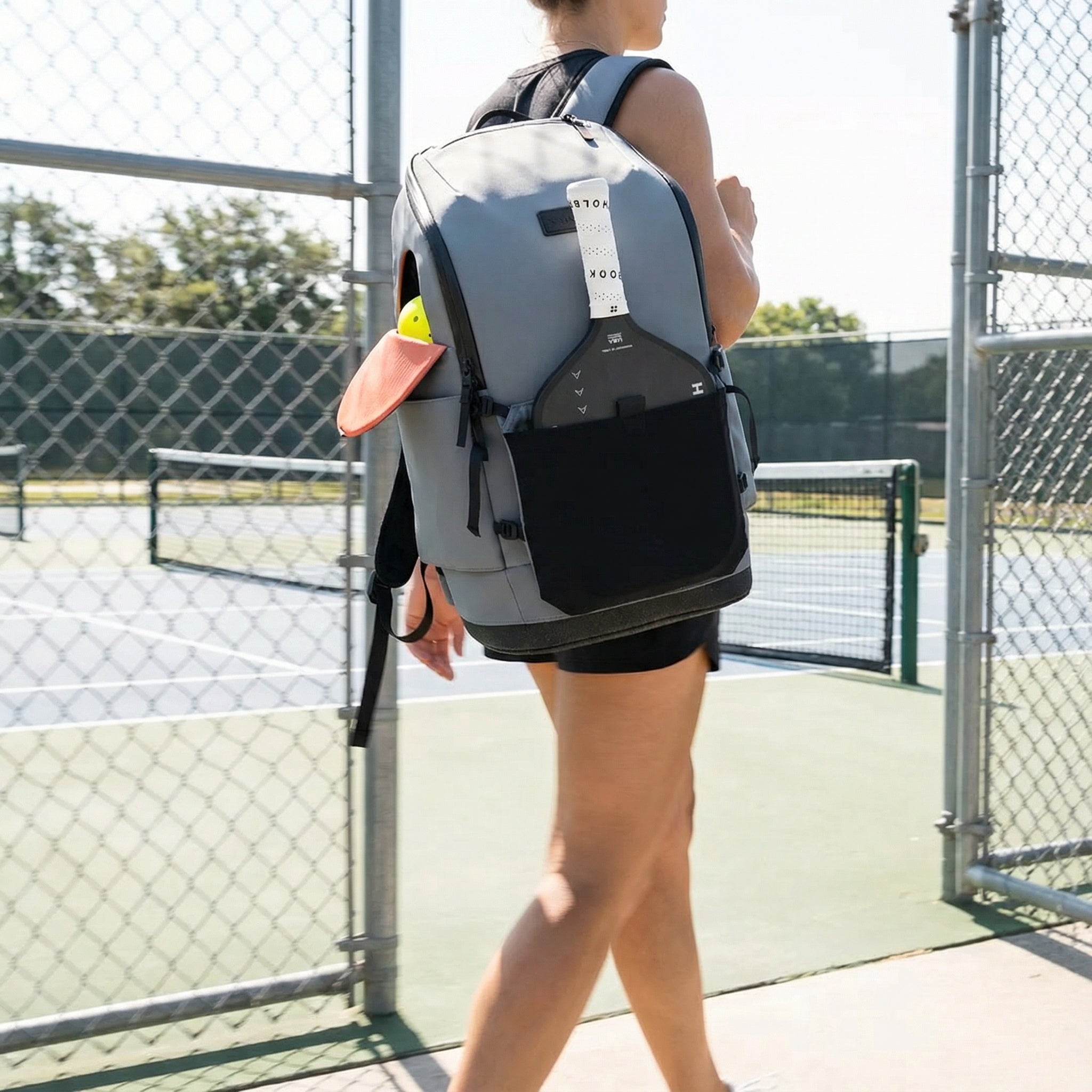
Tournament players often run two paddles — and the Court Caddy ($325) was built for exactly that: a modular sleeve that holds two paddles with face protection between them, plus a 15" laptop bay for those who warm up in the car en route to the courts.
Foam-Injected vs Standard Thermoformed Core
Foam injection is the most significant construction development in pickleball paddles over the past two years. The foam fills the cell voids in the standard polypropylene honeycomb core, creating a denser structure that increases dwell time and generally improves both power transfer and control characteristics simultaneously.
Foam-injection benefits include better energy transfer through the face, longer ball contact for spin generation, improved touch and feel on soft shots, and — in most cases — better durability than standard air-core thermoformed designs. The JOOLA Perseus Pro V and CRBN 1 TruFoam Genesis are both foam-injected designs with demonstrated performance advantages over standard thermoformed alternatives.
Cost comparison: foam-injected paddles typically run 15–25% more than equivalent standard thermoformed designs. For serious players, the performance gap generally justifies the premium. For recreational players who play twice a month, standard thermoformed construction delivers fine performance at lower cost.
The most immediate difference players notice when switching to foam-injected construction is feedback — the ball feels more alive on the face, and off-center hits feel less dead. Players with clean mechanics find it the most "responsive" class of paddle currently available.
Face Materials and Textures
Face material selection determines where on the power-control spectrum a paddle lands. This is where most of the real construction decisions happen — marketing language often obscures it.
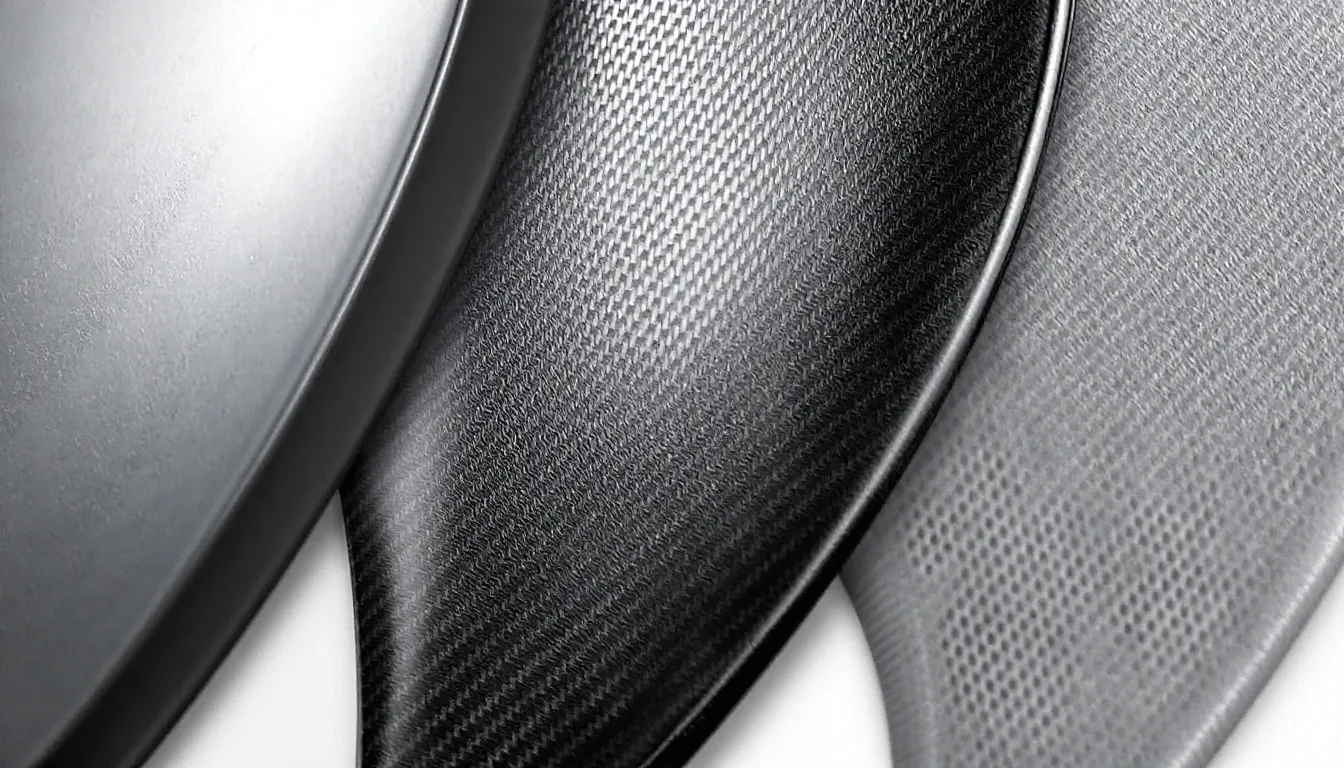
Carbon fiber provides stiffness and the immediate energy transfer that produces pop. Thermoformed carbon (heat-bonded to the core) generates more power than cold-pressed carbon. Most paddles $150+ use carbon fiber faces in some form.
Fiberglass is softer and more forgiving. The flex absorbs some energy on impact — that's why fiberglass feels "softer" and naturally produces more dwell time. Better for control-focused players and beginners who need forgiveness on off-center contact. At equivalent prices, carbon fiber outperforms fiberglass for experienced players with developed mechanics.
Textured surfaces like the Selkirk InfiniGrit or Six Zero's grit face generate spin by increasing friction between face and ball. Not all "textured" carbon is equal — some are lightly sanded finishes that wear off after 20 hours of play; others are engineered textures that maintain grit significantly longer. The Selkirk LUXX InfiniGrit falls in the latter category and is why control players specifically seek it out.
Face material impact: power varies significantly between stiff thermoformed carbon and flexible cold-pressed fiberglass. Control depends heavily on face material and texture. Spin generation benefits from both material selection and engineered surface texture working together.
How to Choose the Right Paddle
Selecting the right paddle requires honest self-assessment of your play style, skill level, physical characteristics, and budget constraints. Most buying mistakes happen when players buy for their aspirational game rather than their actual current game.
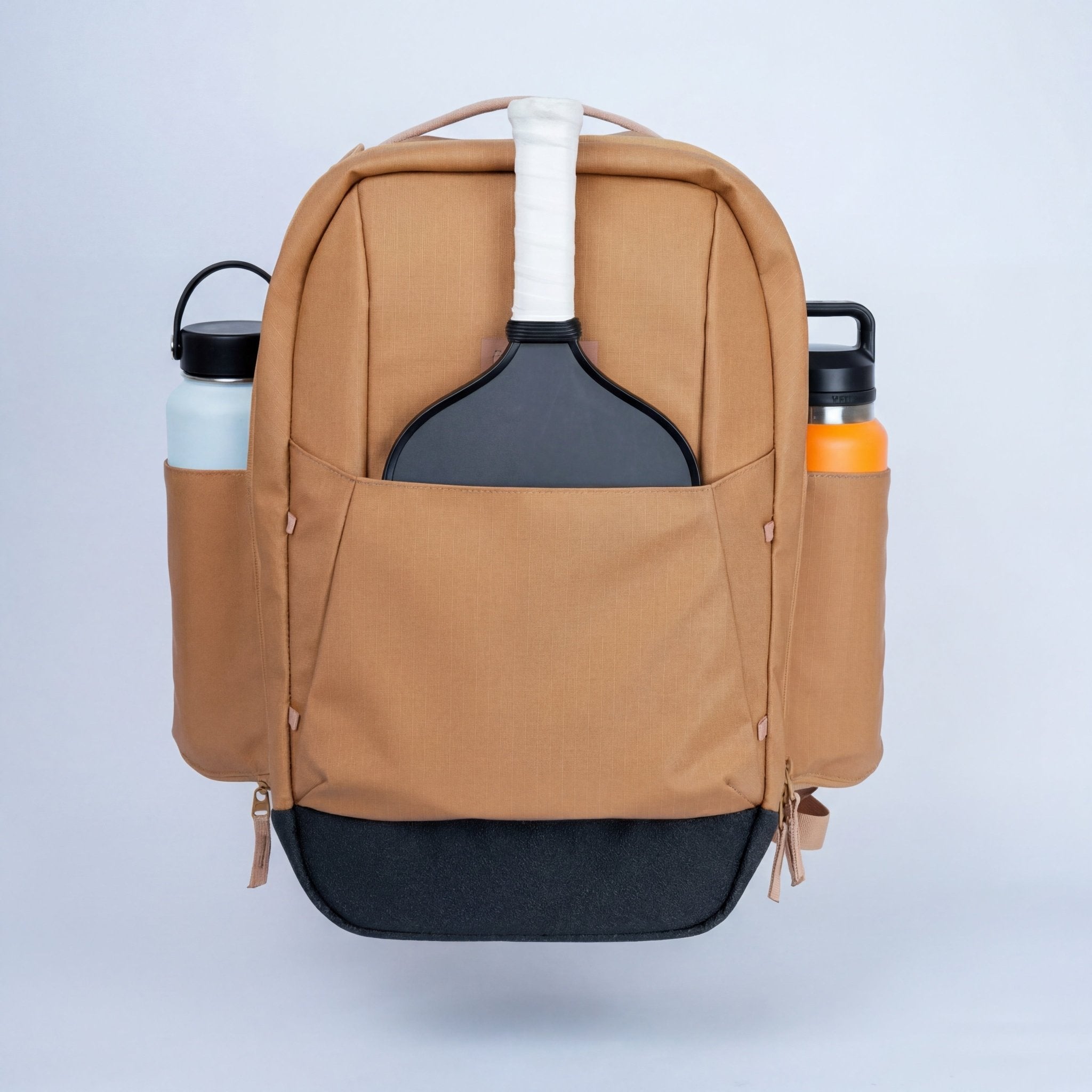
Once you've found the right paddle, you'll want a bag that protects it. The Court Ranger V2 ($195) features a dedicated modular paddle sleeve — your blade stays safe from the sharp edges of keys, water bottles, and the rest of your gear.

Assessing Your Play Style
Understanding your natural play style guides paddle selection toward equipment that enhances your strengths rather than trying to compensate for weaknesses you haven't worked out of your game yet.
Power vs control identification: think about your last 10 rally wins. Did you win with drives and put-aways, or through placement and forcing errors? Power players benefit from stiffer, faster face constructions. Control players benefit from dwell time and surface texture for spin application.
Aggressive vs defensive style: aggressive players benefit from heavier paddles with stability for hard contact. Defensive players prefer lighter options that enable quick reactions and precise ball placement on counterattacks.
Court position preferences: baseline players benefit from elongated shapes and additional reach. Kitchen specialists need maneuverability over reach — a slightly more compact shape handles fast exchanges better and allows quicker resets.
Shot preference analysis: players who favor drives and put-aways need different equipment than players who specialize in thirds and dinks. Don't buy a power paddle if most of your winning shots are touch shots — the equipment will work against you.
Paddle Shape Considerations
Widebody paddles provide larger sweet spots and increased forgiveness. Best for beginners and players prioritizing consistency over specialized performance. The generous striking surface reduces mishits while building confidence during skill development.
Elongated paddles offer increased reach and power generation at the expense of maneuverability. Benefit tall players and baseline-dominant players. Require better timing than widebody shapes — off-center hits on an elongated paddle punish you more noticeably.
Hybrid shapes like the CRBN 1 TruFoam Genesis balance widebody forgiveness with elongated reach. These designs work well for versatile players who adapt their tactics across different opponents and match situations. Most premium paddles in this guide use hybrid shapes for this reason.
Swing weight affects how a paddle handles in fast exchanges. Wider paddles tend toward higher swing weights — more stable on hard contact but slightly slower on quick hands exchanges. Understanding this helps you evaluate paddles beyond the raw weight spec alone.
Frequently Asked Questions: Pickleball Paddles
What is the best pickleball paddle for beginners?
A widebody fiberglass paddle in the 7.5–8.0 oz range. Look for a large sweet spot and forgiving feel — you need to build consistency before worrying about spin optimization or power characteristics. Budget $80–$120 to start. Upgrade once you're playing 3+ times per week.
What's the difference between carbon fiber and fiberglass paddle faces?
Carbon fiber is stiffer and punchier — better for power-focused players who live at the baseline. Fiberglass is softer and more forgiving, giving you better touch on dinks and drops. Most developing players find fiberglass easier to control. Once your soft game is dialed in, consider moving to carbon fiber.
How much should I spend on a pickleball paddle?
Beginners: $60–$120. Intermediate: $120–$200. Advanced/competitive: $200–$280. Don't buy professional-grade equipment before you have the technique to use it. A $250 paddle doesn't fix a broken third-shot drop — it just means an expensive paddle is absorbing your mistakes.
What paddle weight is best for pickleball?
Most players land between 7.6–8.2 oz (midweight). Heavier paddles are more stable and powerful but tire your arm faster. Lighter paddles react faster at the net but feel skittish on drives. Start midweight, then adjust once you know what feels off. Weight preference almost always changes as your game develops.
Does paddle grip size matter?
Yes — the wrong grip causes arm strain and reduces precision. Measure from the middle crease of your palm to the tip of your ring finger. Under 4 inches: use 4.0-inch grip. 4 1/8–4 1/4 inches: use 4.25-inch grip. Go smaller when in doubt — overgrip tape adds size; nothing reduces it. A grip that's too large is much harder to fix than one that's slightly too small.
Professional Insights and Current Picks
What pro players choose tells you something real about which paddles perform under competitive pressure. Pros have access to manufacturer deals and prototypes — when they consistently choose specific production paddles over custom alternatives, it signals something about the construction quality.
Pro Player Paddle Choices in 2026
Ben Johns and the JOOLA Perseus Pro V is the most visible pro-paddle relationship in pickleball right now. Johns' signature paddle has been his consistent tournament equipment since JOOLA's thermoformed line launched. The fact that the production version is available without a pro-partnership markup makes it unusual in the market — you're buying what the #1 player in the world actually plays with, not a consumer-grade version of it.
Professional tournament trends in 2026 show strong movement toward foam-injected thermoformed construction at the top of the game. Players appreciate the performance floor that foam injection provides — even off-center hits retain more energy than standard thermoformed designs, which matters in fast exchanges at the professional level.
Adaptation advice for recreational players: don't try to match professional equipment to your current playing level. A 3.0 player on a Ben Johns paddle won't play like Ben Johns. But a 4.0+ player who's developed clean mechanics will genuinely benefit from pro-grade foam construction. Skill-level alignment matters more than brand prestige.
Testing Methodology
Our testing covered a minimum of 5 hours per paddle across multiple sessions and court surfaces. Evaluation criteria covered power generation, spin capabilities, control precision, value, and player suitability across skill levels.
Multiple player perspectives — from 3.0 recreational club players to 4.5+ competitive players — ensured recommendations cover diverse playing styles rather than optimizing for a single profile. On-court performance during actual game situations was prioritized over controlled testing metrics. Every paddle recommendation in this guide was verified available at Pickleball Central at time of publication — confirm stock before purchasing.
2026 Paddle Market Trends
The paddle market in 2026 looks meaningfully different from three years ago. Here's what's actually shifting versus what's marketing noise.
Real Technology Developments
Foam injection is now mainstream. It started with JOOLA and CRBN as premium-tier features. Now multiple brands at multiple price points offer some version of foam-injected or foam-infused construction. Quality varies significantly — the JOOLA Perseus Pro V and CRBN 1 TruFoam Genesis implementations remain benchmark standards for what foam injection should actually do for performance.
Sweet spot optimization has improved across the board. Standard thermoformed paddles in 2026 have noticeably larger effective striking zones than equivalent 2023 designs. This benefits every skill level — beginners get more forgiveness, advanced players get better off-center recovery without sacrificing face stiffness.
Durability improvements are real. Thermoformed construction generally outlasts cold-pressed, and foam-injected thermoformed generally outlasts standard thermoformed under heavy competitive play. The durability math matters for 4.0+ players who go through paddles quickly under regular tournament use.
Brand Landscape
JOOLA's rise from table tennis brand to pickleball market leader happened faster than anyone predicted. The Ben Johns partnership and thermoformed construction investment paid off — the Perseus Pro V is the most-discussed paddle in competitive circles heading into the second half of 2026.
Selkirk's response with the LUXX line and InfiniGrit surface represents genuine product innovation rather than just spec escalation. Instead of competing on raw power, they doubled down on the spin and control market — the segment that foam-injected designs don't fully own.
Budget brands are getting serious. Vatic Pro and FRIDAY have pushed the quality floor significantly higher. You no longer need to spend $200 to get carbon fiber construction that doesn't embarrass itself in a competitive match. That's genuinely good for recreational players and for the sport overall.
Buying Guide: Getting the Most for Your Budget
The best paddle at each price tier delivers performance-per-dollar that the tier above doesn't justify. Here's how to shop smart across the range without getting talked into something that doesn't fit your game.
Demo programs matter. Most local pro shops carry demo inventory. Testing a paddle for 30 minutes on-court before buying tells you more than any review — including this one. Use them if you can before making a $200+ commitment.
Trial and return policies from paddle brands vary significantly. Some offer 30-day returns on paddles even after play. Know the policy before you buy, especially on premium paddles where fit and feel are everything.
Warranty considerations: premium paddles typically have better warranty terms than budget options. If you're spending $200+, understand what the brand covers. Delamination, core cracking, and face separation are the most common failure modes — quality brands cover these for a meaningful period.
Timing around new model releases: when a paddle gets a successor model, previous generations see immediate discounting. If a paddle you like just had a sequel announced, the previous gen at reduced pricing can be excellent value — same construction, less marketing premium.
The right paddle matches your current technique, not your aspirational game. Whether you choose the proven all-court construction of the JOOLA Perseus Pro V, the spin-focused Selkirk LUXX Control Air InfiniGrit Epic, the value leader Vatic Pro V7, or the budget-conscious FRIDAY Fever — success comes from matching the tool to your actual playing style and skill level rather than what the #1 ranked player is running.
Pair your new paddle with the Court Ranger V2 backpack for convenient on-court transport. The modular paddle sleeve keeps your blade protected from everything else in your bag, and the 16" laptop sleeve means your pickleball bag can double as your commuter bag.
Complete Your Setup
Your paddle handles what happens on the court. The Court Caddy Backpack ($325) handles everything else — modular paddle sleeve, 15" laptop bay, YKK AquaGuard zippers. Built with 500+ real players for exactly this kind of gear load.

Leave a comment
This site is protected by hCaptcha and the hCaptcha Privacy Policy and Terms of Service apply.