

FORWRD may earn a commission on purchases made through links to Pickleball Central. We only link to products we'd recommend regardless.
TSA allows pickleball paddles in carry-on bags — no exceptions, no forms, no special approval required. In practice, paddles go through security without issues the vast majority of the time. The short version: pack it in your carry-on, keep it accessible, and you're done.
The longer version involves airline size policies, international customs differences, and a few edge cases worth knowing before you get to the checkpoint — lead-taped paddles, smart paddles with electronics, specific budget carriers. This guide covers all of it, with the actual TSA guidance, not just vague reassurances.
Last Updated: September 2026
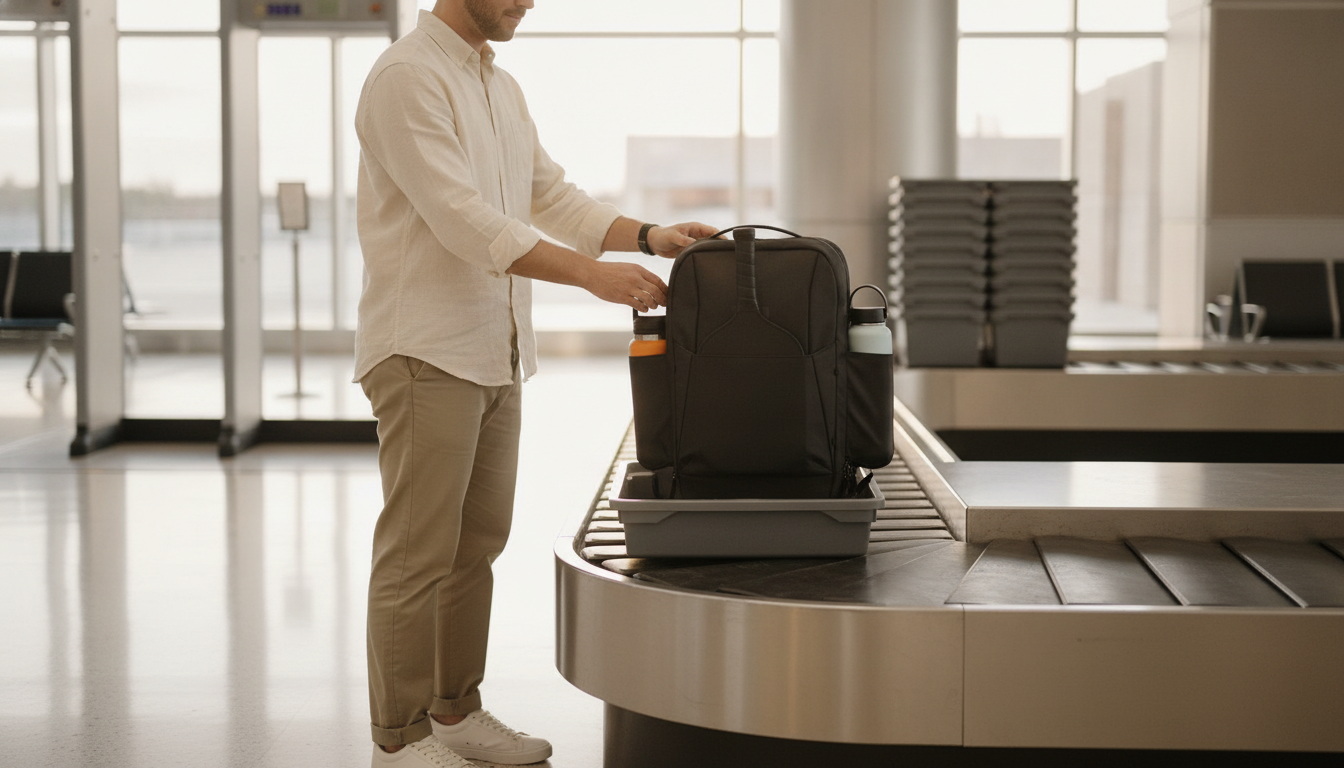
A compact, TSA-friendly backpack like the Court Ranger V2 makes traveling through security faster while protecting your equipment.
Traveling with pickleball paddles is straightforward once you know the framework: TSA sets what can go through security, airlines set size and fee rules, and international destinations have their own customs requirements. All three are manageable — none are complicated once you know what to expect.
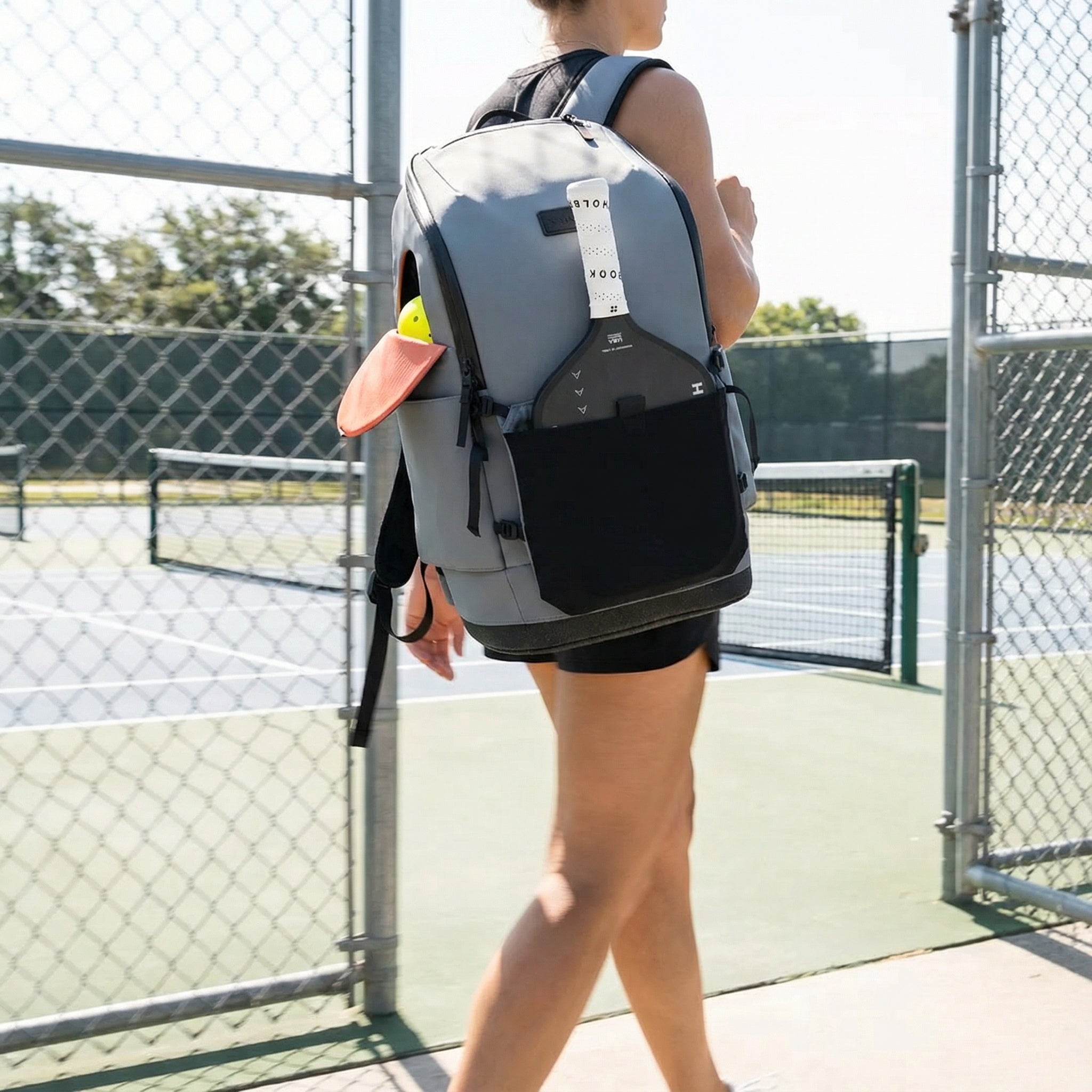
When traveling frequently with your paddle, a dedicated pickleball bag like the Court Caddy ensures proper organization and protection throughout your journey.
Whether you’re a tournament player heading to competitions or a recreational enthusiast planning a vacation to destinations with pickleball courts, understanding these rules will help you avoid surprises at the airport and ensure your equipment travels safely to your destination.
For more comprehensive guidance, check out our article on choosing the best travel pickleball bag.
Can You Bring Pickleball Paddles on Planes in 2026?
Yes, pickleball paddles are permitted in both carry on and checked baggage according to current TSA guidelines. The Transportation Security Administration continues to classify pickleball paddles as allowed sports equipment for air travel, with no major rule changes implemented from 2024 to 2025.
However, there’s an important caveat that every traveler should understand: TSA officers maintain discretion to prohibit items they consider potentially dangerous, even when those items aren’t specifically listed on the prohibited items list. In a February 2022 response, AskTSA explicitly stated that while pickleball paddles aren’t specifically mentioned on their prohibited items list for carry on bags, officers “have the discretion to not allow an item through security if it triggers an alarm during the screening process or poses other security concerns based on its size or weight.”
This discretionary authority means that while paddles are generally allowed, individual experiences at security checkpoints may vary. TSA recommends placing paddles in checked luggage to avoid potential complications, though many travelers successfully carry their paddles in the cabin without issues.
Airlines maintain their own individual policies that may differ from TSA baseline requirements. While TSA determines what can pass through security, airlines set their own rules regarding carry on items, personal item dimensions, sports equipment classifications, and associated fees.

The key to successful travel with pickleball paddles lies in understanding both federal security requirements and specific airline regulations, then preparing accordingly to avoid any potential complications during your journey.
Updated TSA Regulations for Pickleball Paddles in 2026
Current TSA policy allows pickleball paddles in carry on luggage provided they meet standard size restrictions and don’t trigger security concerns during screening. The agency’s “What Can I Bring?” database indicates that paddles are permitted in both carry on and checked bags, though this guidance comes with the standard disclaimer about officer discretion.
For travelers with TSA PreCheck status, the screening process with sports equipment typically moves faster, as these passengers can often leave sports gear in their bags during X-ray screening. However, paddles may still require separate inspection if they trigger an alarm or appear unusual on security monitors.
Smart paddles equipped with electronic components must follow specific FAA guidelines for lithium battery-powered devices. If your paddle contains built-in sensors, tracking devices, or other electronic features, the lithium batteries must remain in carry on luggage rather than checked baggage, following the same rules that apply to laptops and smartphones.
Paddles modified with lead tape for weight adjustment are generally permitted but may trigger additional screening. The metallic tape can appear prominently on X-ray machines, potentially requiring manual inspection to verify the modification is legitimate sports equipment rather than something concerning.
Size and Weight Restrictions
Standard pickleball paddles measuring 16-17 inches in length typically meet carry on dimension requirements without issue. Most composite paddles fall well within the TSA and airline size limits, making them easy to pack in backpacks or duffel bags alongside other travel items.
Airlines generally enforce maximum carry on dimensions of 22” x 14” x 9” for domestic flights, with slight variations between carriers. Since pickleball paddles are typically around 16 inches long and 8 inches wide, they easily fit within these parameters when packed properly.
Oversized paddles or dedicated paddle bags may require checking as regular baggage if they exceed carry on limits. Some specialized paddle cases designed to hold multiple paddles can push beyond standard dimensions, necessitating checked baggage rather than cabin storage.
Weight limits apply to the overall bag weight rather than individual paddle weight. A standard composite paddle weighs between 7-9 ounces, so even multiple paddles rarely contribute significantly to weight restrictions. The primary consideration is fitting everything within your carry on weight allowance, which typically ranges from 35-50 pounds depending on the airline.
Major Airline Policies for 2026
American Airlines permits pickleball paddles in both carry on and checked luggage as part of standard baggage allowances. The carrier treats individual paddles as regular carry on items provided they fit within dimension limits. However, oversized sports equipment bags containing multiple paddles and accessories may incur additional fees ranging from $30-150 depending on the route and bag size.
Delta Airlines takes a similar approach, allowing paddles in regular luggage without additional charges for standard sizes. The airline’s generous baggage policies make it particularly friendly for travelers carrying sports equipment, and they rarely apply extra fees for individual paddles packed within normal baggage.
United Airlines permits pickleball paddles as personal items if they fit comfortably under seats. Their policy allows passengers to carry small paddle bags as their personal item, leaving space for a full carry on bag. This approach works well for travelers with single paddles in compact cases.
Southwest Airlines’ two free checked bags policy provides excellent value for travelers with larger quantities of equipment. Players can pack multiple paddles, protective cases, and other gear without worrying about additional baggage fees that other carriers might impose.

International Carriers and 2025 Updates
British Airways includes pickleball paddles in standard baggage allowances but requires advance notification for sports equipment on certain international routes. Travelers should declare paddle transportation when booking to ensure proper handling and avoid potential complications at check-in.
Air Canada follows policies similar to US carriers for cross-border travel, making it convenient for players traveling between the United States and Canada. The airline treats paddles as standard sports gear without special restrictions or fees for normal-sized equipment.
European carriers like Lufthansa may require sports equipment declarations for paddles, particularly on international flights. While the requirements aren’t burdensome, passengers should check specific airline websites before departure to ensure compliance with carrier policies.
Asian carriers frequently have stricter size limitations for recreational equipment in cabin baggage. Travelers to destinations in Asia should verify both outbound and return flight policies, as rules may differ significantly from US domestic standards.
Best Packing Practices for 2026 Travel

Proper protection starts with essential equipment: paddle covers, bubble wrap, and hard cases designed specifically for pickleball gear. These protective measures become crucial whether you’re packing for carry on or checked baggage, as even cabin storage involves handling and potential impacts.
The recommended packing method involves placing paddles between layers of soft clothing in your luggage. This technique provides cushioning while maximizing space efficiency. Wrap each paddle individually in bubble wrap or towels, then surround them with soft garments to create a protective buffer against impacts.
For checked bags, use TSA-approved locks on any luggage containing expensive paddles. While these locks won’t prevent determined theft, they deter casual interference and help ensure your gear stays secure throughout the baggage handling process. Additionally, labeling paddle cases with contact information aids in lost luggage recovery.
Consider packing strategies that keep paddles easily accessible for security screening. Place them near the top of carry on bags or in separate compartments that can be quickly accessed if TSA officers request inspection. This preparation helps avoid delays and demonstrates cooperation during the screening process.
"I've taken the Court Ranger V2 on 15+ trips this year — regional tournaments, destination resorts, a few international stops. The paddle sleeve keeps the faces from touching, and it's gone through security a hundred times without a single secondary inspection. TSA agents see it, recognize it as a backpack, and wave it through. Pack paddles near the top, not buried, and you're done."
— Topher, FORWRD co-founder and 4.5-rated tournament player
Smart Paddle and Electronic Equipment Guidelines
Paddles with built-in sensors or tracking devices must travel in cabin baggage due to lithium battery restrictions. The FAA prohibits lithium batteries in checked luggage but allows them in carry on bags under specific conditions. These rules apply to any paddle with electronic components.
Remove batteries if possible and pack them separately in your carry on luggage. Many smart paddles have removable battery compartments that allow you to separate the power source from the paddle itself. This separation can simplify security screening and reduce the risk of device damage.
Declare electronic paddles at security checkpoints to avoid delays during screening. Proactively informing TSA officers about electronic components helps them understand what they’re seeing on X-ray monitors and can prevent unnecessary secondary inspections.
Follow FAA guidelines for devices with batteries under 100 watt-hours, which covers most consumer electronic devices including smart paddles. Devices exceeding this limit require special approval, though standard paddle electronics rarely approach these power levels.
International Travel Considerations for 2026
Research destination country customs regulations for sports equipment before departure, as requirements vary significantly worldwide. Some countries classify sporting goods as potential weapons and may impose additional restrictions or documentation requirements beyond airline and TSA rules.
Canada and Mexico generally follow policies similar to US TSA rules, making North American travel relatively straightforward. However, travelers should still verify current regulations, as border security policies can change with little notice.
European Union countries may classify rigid paddles as potential blunt instruments under their security regulations. While most EU nations allow sports equipment, some airports apply stricter interpretations that could result in paddles being restricted from cabin baggage.
Asian countries often require sports equipment declarations at customs, particularly for travelers bringing multiple paddles or expensive gear. Research specific country requirements and prepare appropriate documentation to avoid complications upon arrival.
Customs and Documentation Requirements
Carry purchase receipts for expensive paddles to prove ownership and value when crossing international borders. Customs officials may question travelers carrying high-end equipment, and receipts help demonstrate legitimate ownership while expediting the inspection process.
Professional players should bring tournament documentation that explains their need to travel with equipment. Official tournament invitations, player credentials, or sponsorship letters can help customs officials understand why you’re carrying sports gear and reduce suspicion about your travel purpose.
Consider travel insurance that specifically covers sports equipment loss, damage, or theft. Standard travel insurance may not adequately cover specialized sporting goods, so verify coverage limits and consider additional protection for expensive paddle sets.
Research local pickleball courts and equipment rental options at your destination as backup plans. Knowing where you can rent or purchase replacement equipment provides peace of mind and ensures you can still play even if your paddles encounter problems during travel.
Security Checkpoint Procedures in 2026
Place your paddle in a separate bin during X-ray screening to give TSA officers a clear view of the equipment. This practice demonstrates transparency and helps officers quickly identify the item as legitimate sports gear rather than something requiring further investigation.
Be prepared for manual inspection of paddle bags, particularly if you’re carrying multiple paddles or electronic equipment. TSA officers may need to physically examine paddles to verify their construction and ensure they don’t contain prohibited materials or modifications.
Allow extra time for security screening when traveling with sports equipment. Even routine inspections can add several minutes to the checkpoint process, and complex equipment like smart paddles may require additional time for proper screening.
Keep TSA guidelines printed or saved on your smartphone for reference during discussions with security officers. Having official documentation readily available can help resolve questions quickly and demonstrate your knowledge of current regulations.
Tips for Smooth Security Screening
Pack paddles at the top of your bag for easy access during inspections. This organization allows you to quickly retrieve equipment if officers need to examine it manually, reducing delays for both you and other passengers in line.
Remove paddles from protective cases if requested by TSA agents during screening. Hard cases or thick padding can obscure X-ray images, and officers may need to see the paddle directly to complete their inspection safely and efficiently.
Explain smart paddle features if questioned about electronic components. Briefly describing the legitimate sporting purpose of any electronics helps officers understand what they’re examining and can prevent unnecessary complications during screening.
Arrive at the airport 30 minutes earlier when traveling with sports equipment to accommodate potential delays during security screening. This additional time buffer ensures you won’t miss your flight even if equipment inspection takes longer than expected.
Cost Considerations and Fees
Most airlines don’t charge extra fees for standard-sized paddles packed in regular luggage as part of normal baggage allowances. Individual paddles easily fit within standard baggage without triggering sports equipment surcharges that apply to larger items like golf clubs or ski equipment.
Oversized sports equipment bags may incur fees ranging from $30-150 depending on the airline and destination. These charges typically apply when paddle bags exceed standard baggage dimensions or when you’re carrying large quantities of equipment that require special handling.
International flights often include higher sports equipment fees, particularly on budget carriers or when traveling to destinations with strict customs requirements. Factor these potential costs into your travel budget when comparing flight options and planning your trip expenses.
Budget airlines typically charge for any checked baggage, including paddle cases. While major carriers often include at least one checked bag in their ticket prices, low-cost airlines may charge $25-75 for each checked bag regardless of contents.
Consider the value of your equipment when deciding between carry on and checked baggage. High-end paddles costing hundreds of dollars may justify the inconvenience of carry on travel to ensure safety and prevent loss or damage during baggage handling.
Compare total trip costs including baggage fees when selecting airlines and booking flights. Sometimes a slightly more expensive ticket on a full-service carrier can be more economical than a budget airline once baggage fees are factored into the total price.
What To Do If Your Paddle Gets Flagged at Security
It rarely happens — but when it does, players freeze. Here's what to do instead.
Stay calm and cooperative. Tell the officer immediately: "It's a pickleball paddle — it's a sport similar to tennis." Most flagged paddles are flagged because the officer hasn't seen one, not because of any actual concern. A 30-second explanation almost always resolves it.
If they want to inspect it, let them. Don't volunteer information beyond what's asked. If they're unsure, ask them to check the TSA "What Can I Bring?" tool — it's on their phones. Pickleball paddles are on the allowed list.
Lead-taped paddles get a closer look. The metallic tape reads on X-ray. If your paddle has lead tape, be upfront: "It has lead tape for weight adjustment — it's a common modification in court sports." This tends to move the inspection along faster than saying nothing.
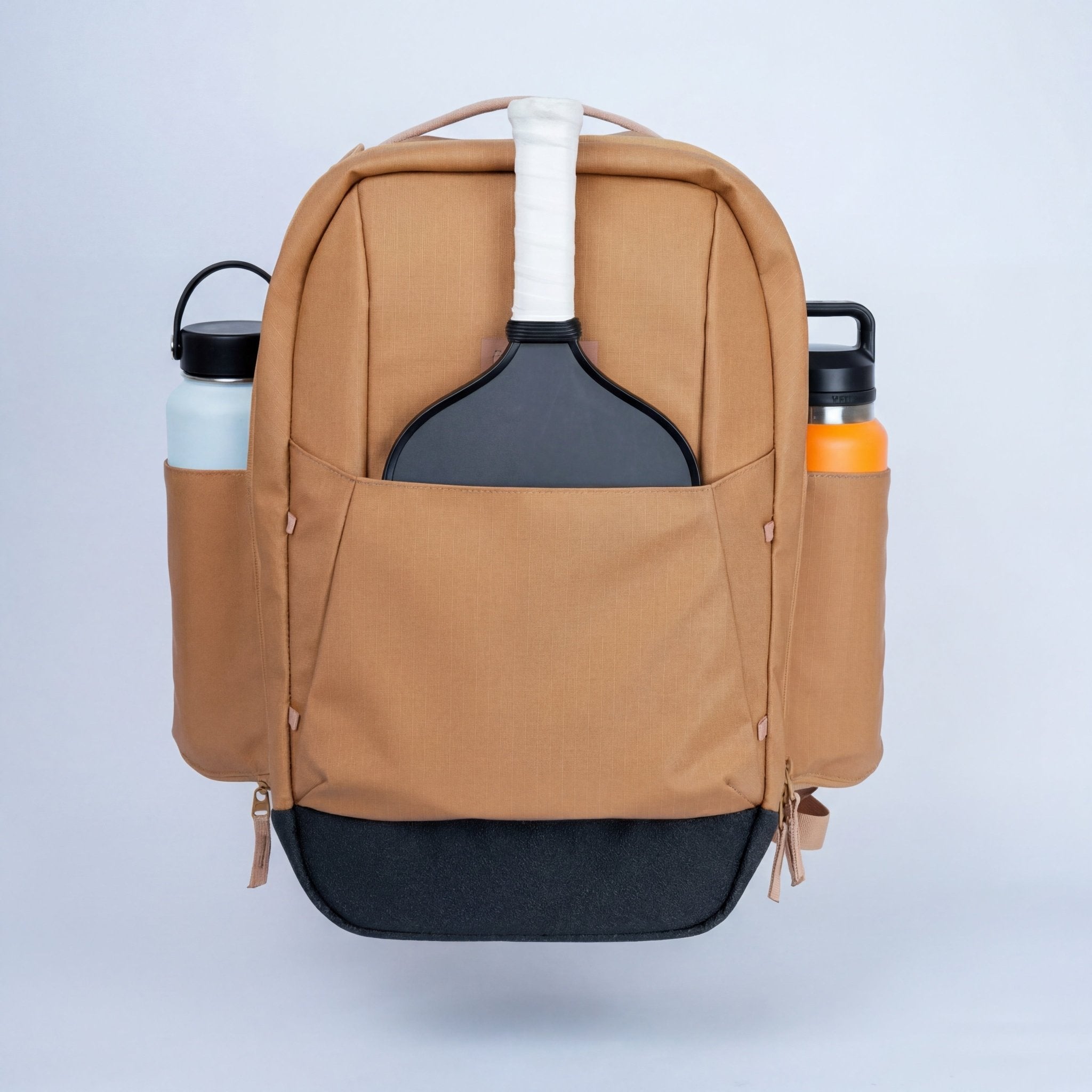
The Court Ranger V2's paddle sleeve keeps the face protected and makes the shape obvious on X-ray — agents who aren't familiar with the sport still see a backpack, not a weapon. The clear silhouette of a paddle in a dedicated sleeve reads better than a paddle rattling loose in a bag.
Frequently Asked Questions: Pickleball Paddles on Planes
Can you bring a pickleball paddle in a carry-on bag?
Yes — TSA allows pickleball paddles in carry-on luggage. They're classified as sports equipment, not weapons. The key caveat: individual officers have discretion, and a paddle that looks like a hard-edged weapon to someone unfamiliar with the sport could get flagged. Keep it accessible and be ready to explain what it is. In practice, pickleball paddles go through security without issue the vast majority of the time.
Will airlines charge extra fees for pickleball equipment?
Only if your bag exceeds the airline's size or weight limits. A pickleball paddle inside a standard carry-on backpack — like the Court Caddy or Court Ranger V2 — is treated exactly like any other carry-on item. If you're checking a bag with paddles, the paddle itself won't trigger a fee, but if it pushes you over the 50-lb checked bag limit, you'll pay for the overage. Paddles typically weigh 7–8 oz each, so this is rarely an issue.
What's the best way to pack pickleball paddles to prevent damage?
Carry-on travel in a dedicated backpack — not checked luggage — is the safest option. Checked bags get thrown, stacked, and compressed in cargo. Carbon fiber faces crack and edge guards pop off. The Court Ranger V2's modular paddle sleeve and the Court Caddy's 4-paddle capacity both keep faces isolated from hard surfaces. If you must check paddles, wrap each in at least one layer of clothing, keep them face-to-face, and use a hard-shell roller bag.
Do international countries have different rules for pickleball paddles?
Most don't restrict paddle entry specifically. However, customs agents occasionally flag sports equipment for brief inspection — particularly in countries where pickleball is newer and officers aren't familiar with the sport. The rare issue arises at border crossings, not airports. Carry a printed equipment list and keep paddles accessible, not buried. Countries like Mexico, Canada, and most of Europe have no restrictions on recreational sports equipment.
Can pickleball balls go in a carry-on?
Yes, pickleball balls are not on any restricted items list. Unlike pressurized tennis balls, pickleball balls are solid plastic with no compressed gas — no special handling required. Pack them in a mesh pocket or side zip for easy access at security if asked. A dozen balls weigh about 14 oz combined, well within carry-on limits.
Complete Your Setup: FORWRD Court Caddy
The Court Caddy's 15" padded laptop sleeve and YKK AquaGuard zippers keep your paddles and gear protected through security, overhead bins, and everywhere in between. Built with 500+ real players — including tournament travelers who can't afford gear damage mid-trip.
The Bottom Line
TSA will let your paddles through carry-on — that's the answer most people need. Padding matters more than rules-memorization. Know your airline's bag policy before you book, pack paddles face-to-face with something soft between them, and you'll arrive ready to play.
Check TSA guidelines and your specific airline's page the week before departure. Policies rarely change, but when they do, you want to know before the counter. And for international trips, a quick customs check for your destination country takes five minutes and saves hours of uncertainty at the border.
Ready to upgrade your travel setup? Shop the Court Caddy — built with 500+ real players, designed for the court-to-gate commute.

Leave a comment
This site is protected by hCaptcha and the hCaptcha Privacy Policy and Terms of Service apply.