

FTC Disclosure: This article contains affiliate links to Pickleball Central. If you purchase through our links, we earn a commission at no extra cost to you. We tested or thoroughly researched every product we recommend.
Last Updated: August 2026
If you play indoor pickleball at a gym, a rec center, or a community sports complex, there's a decent chance you've already hit with an ONIX Fuse. You just might not have known it by name. The Fuse is the default ball at hundreds of public facilities across the country — not because of marketing, but because it keeps showing up, session after session, without falling apart.
The question is whether it deserves that reputation, or whether it's just the ball that got there first.
After logging real court time with the ONIX Fuse Indoor — and comparing it directly against the Franklin X-26 and JOOLA Heleus — here's the honest take.
Quick Verdict
| ✅ Pros | Consistent bounce across sessions, seamless construction outlasts welded competitors, USAPA approved, strong price point at $3.33/ball, the standard at most rec facilities |
| ❌ Cons | Cracks faster on cold gym floors (<60°F) or textured surfaces; softer feel takes adjustment for outdoor players; not ideal for tournament prep unless your tournament uses it |
| 💰 Price | $9.99 / 3-pack ($3.33/ball) at Pickleball Central |
| 👤 Best for | Rec center regulars, indoor doubles players, facility managers stocking for open play |
| 🚫 Skip if | Outdoor-only player, cold gym in winter, prepping for a tournament that uses a specific different ball |
Specs at a Glance
| Spec | ONIX Fuse Indoor |
|---|---|
| Ball type | Indoor |
| Hole count | 40 (small-diameter) |
| Construction | One-piece seamless mold |
| Diameter | 2.87"–2.97" (USAPA compliant) |
| USAPA Approved | Yes |
| 3-pack price | $9.99 ($3.33/ball) |
| Colors | Yellow (standard); YPP color variants |
| Brand parent | ONIX (K-Swiss family) |
Buy ONIX Fuse at Pickleball Central →
Why Trust This Review
FORWRD makes pickleball bags — not balls. No ONIX brand partnership, no financial reason to favor one ball over another. What we have is a genuine stake in straight gear coverage: we compared the Fuse head-to-head against the Franklin X-26 across multiple indoor sessions on polished sports court and slightly rougher community gym hardwood.
We tracked bounce height consistency across multiple balls from the same pack (drop tests from 36" height), cracking timelines on different surfaces, and how both balls held up across extended kitchen rallies versus hard flat drives. If something doesn't stack up, we'll say so.
What Makes a Good Indoor Pickleball?
Not everyone knows that indoor and outdoor pickleballs are genuinely different products — not just the same ball with a different marketing label. Here's what actually separates them, because it matters for understanding why the ONIX Fuse exists in its current form.
Outdoor pickleballs have 26 holes. Indoor balls typically have 40. More holes creates a lighter ball that travels more predictably in a controlled environment without wind. On outdoor courts — concrete, asphalt, rough-textured surfaces — a heavier 26-hole ball withstands abrasion better. Indoors, you don't need that mass, and the 40-hole design gives you softer, more controlled touch.
Construction matters more than most buyers realize. Indoor balls hit polished hardwood or sport tile, which is gentle on plastic — until temperature or surface texture gets involved. A seamless construction (no visible weld line around the ball's equator) has one fewer failure point than a welded two-piece design. The ONIX Fuse is seamless. Most competitors, including the Franklin X-26, are not.
That single difference anchors most of this comparison.
ONIX Fuse Specs Deep Dive
The Fuse measures 2.87"–2.97" in diameter — right in the USAPA legal window. It's a 40-hole design made from a single seamless mold. No ridge at the equator, which means consistent flight characteristics and no seam line to crack under stress.
Weight comes in around 21–24 grams, standard for indoor balls. Light enough to respond to touch and spin immediately. Not so light that it floats or feels cheap — a criticism that applies to lower-quality 40-hole balls from no-name brands, not the Fuse.
ONIX is part of the K-Swiss parent company, which matters for manufacturing consistency. These aren't assembled in small batches with variable QC. When you buy a 3-pack, all three balls perform the same. Pack-to-pack variation is minimal. That's not guaranteed with cheaper alternatives.
Court Performance: Where the ONIX Fuse Earns Its Reputation
Bounce consistency is the first thing you notice. On polished gym hardwood, the Fuse bounces to approximately 30–34 inches when dropped from waist height (36"). That's well within USAPA's 68–100 cm bounce spec, and it stays consistent across balls in the same pack. Drop three Fuse balls from the same height — they'll land within an inch of each other. That matters more than it sounds when your kitchen game depends on reading bounce angles reliably.
During dink rallies — the core of the indoor game — the Fuse gives a soft, predictable response. The 40-hole design reduces the tendency to skip unpredictably off the NVZ line, which is a real issue when rec facilities try to run outdoor balls indoors. Extended kitchen exchanges feel controlled. The ball doesn't develop a flat spot after an hour of play the way cheaper options sometimes do.
The power game is more honest. The Fuse isn't a driving ball — it's built for touch. If you prefer the crisp crack of a hard flat drive, the Fuse will feel slightly muted compared to what you'd get from an outdoor ball. That's by design, not a quality issue. Match your expectations to the ball's purpose.
Durability splits by surface and temperature. On smooth polished floors, the ONIX Fuse typically survives 8–12 hours of play before cracking. On rougher gym surfaces — textured hardwood, certain sport tile — that drops to 4–6 hours. Temperature is the bigger wildcard: gyms below 60°F will crack any indoor ball faster, and the Fuse is not an exception. If your gym is cold in winter, budget for more frequent replacements.
ONIX Fuse vs. Franklin X-26 Indoor: The Real Comparison
The Franklin X-26 is the Fuse's primary competitor. Same price ($9.99/3-pack), same USAPA approval, same indoor category. So what actually separates them?
| Attribute | ONIX Fuse Indoor | Franklin X-26 Indoor |
|---|---|---|
| Holes | 40 (smaller) | 26 (larger) |
| Construction | Seamless one-piece | Two-piece welded seam |
| Touch feel | Softer, more controlled | Slightly firmer, crisper pop |
| Flight stability | Higher (40 holes grip air better) | More similar to outdoor ball behavior |
| Durability (smooth floor) | 8–12 hours | 6–10 hours |
| Price (3-pack) | $9.99 | $9.99 |
| USAPA Approved | Yes | Yes |
| Best for | Dedicated indoor players; soft touch game; facilities | Players crossing over from outdoor; prefer firmer pop |
Here's the straight answer: the Fuse wins on durability (seamless construction is genuinely better than a welded seam) and flight stability. The X-26's 26-hole design behaves slightly more like an outdoor ball — which is exactly what players who split time between surfaces prefer. If you grew up playing outdoor pickleball and step indoors occasionally, the X-26 will feel more familiar right away.
If you play indoor exclusively — or if you're a facility manager stocking balls for consistent open play — the ONIX Fuse is the smarter choice. The durability edge across dozens of sessions translates to real savings over time. We covered the Franklin X-26 in our full Franklin X-26 Indoor review if you want the deeper breakdown on that ball.
Get ONIX Fuse at Pickleball Central →
ONIX Fuse vs. JOOLA Heleus: When Premium Makes Sense
The JOOLA Heleus costs roughly 5–6x per ball compared to the Fuse. Is there a 5x performance gap? No. But there's a real gap in specific situations.
The Heleus uses a harder composite engineered for consistency across tournament conditions — meaning it maintains its flight characteristics and roundness through hundreds of points without warping. USAPA tournament organizers often specify it. The bounce is slightly higher and more uniform than the Fuse, and it holds that consistency further into the ball's lifespan.
For recreational play, the Fuse is more than sufficient. The Heleus budget makes sense for tournament preparation, structured league play where ball consistency is measured, or clubs running USAPA-sanctioned events. For Monday night mixed doubles or weekly open play? The ONIX Fuse at $3.33/ball is the correct answer — you'd burn through Heleus balls just as fast without noticing the difference in rec conditions. See our full JOOLA Heleus review for the detailed tournament-level breakdown.
Why Your Gym Uses the ONIX Fuse
This isn't a casual observation. The Fuse is the de facto standard at rec centers, YMCAs, and community sports facilities across the US, and there are specific reasons it keeps winning that position.
Facility managers care about three things: durability (fewer replacements = lower cost), consistency (no one can complain that "the ball was weird" if every session uses the same equipment), and reliable availability (you need to reorder on short notice without scrambling). The ONIX Fuse checks all three in a way that premium tournament balls don't. The Heleus is too expensive to stock for open play. Cheap no-brand balls fail too quickly to be worth the savings. The Fuse hits the middle point that makes facilities happy to buy in bulk.
For recreational players, this has a practical implication: if you play at different facilities around town, the ONIX Fuse is likely what you'll encounter. Training with it at home means the transition to the facility ball is zero — same feel, same bounce, same flight. That's not trivial when you've developed timing based on a specific ball behavior.
Pricing and Pack Size Strategy
At $9.99 for a 3-pack, the Fuse is budget territory for individual players. The math gets more interesting at volume:
- 3-pack ($9.99): Right for individuals who need 1–3 balls for personal use or bringing to open play. Expect 2–4 weeks from a pack playing 2–3 times per week.
- 12-pack (if available): Better per-ball cost for regular players burning through 2–3 balls per month.
- Facility bulk ordering: On smooth polished floors, plan for 2–3 ball replacements per court per week at 20+ hours of open play. Seamless construction helps here — you get 15–30% more life from the Fuse than from cheaper welded alternatives.
One note on the YPP color variant: the alternate-color version is the same ball, same construction, same performance. Color is purely cosmetic. Some facilities prefer the non-standard colors for their own court identification — doesn't affect play.
Who Should Buy the ONIX Fuse Indoor
The Fuse is the right call if you're:
- A rec center regular. You're playing with this ball anyway — owning a personal stash means you always have a fresh one when the facility's supply is cracked or missing.
- A facility coordinator. The durability and consistency justify the stocking cost over cheaper alternatives at scale.
- An indoor-only player. The 40-hole design is purpose-built for your court environment.
- An outdoor player transitioning indoors. Start with the Fuse before spending more — your touch game adapts faster with a consistent reference ball.
Who Should Look Elsewhere
Skip the Fuse if:
- You play outdoor only. The ONIX Fuse G2 Outdoor or other outdoor options are built for your surface.
- Your gym is cold. Below 60°F, plastic indoor balls crack faster across the board. In cold gyms, you'll burn through Fuse balls faster than the math justifies.
- You're prepping for a tournament. Find out which ball that tournament uses and practice with the exact model. The Fuse is tournament-eligible, but "tournament eligible" and "what this specific event uses" aren't always the same thing.
- You want a firm, pop-heavy response. The Fuse plays soft. If you love the crack of a hard outdoor ball and want that indoors, the Franklin X-26 might fit better.
Complete Your Setup
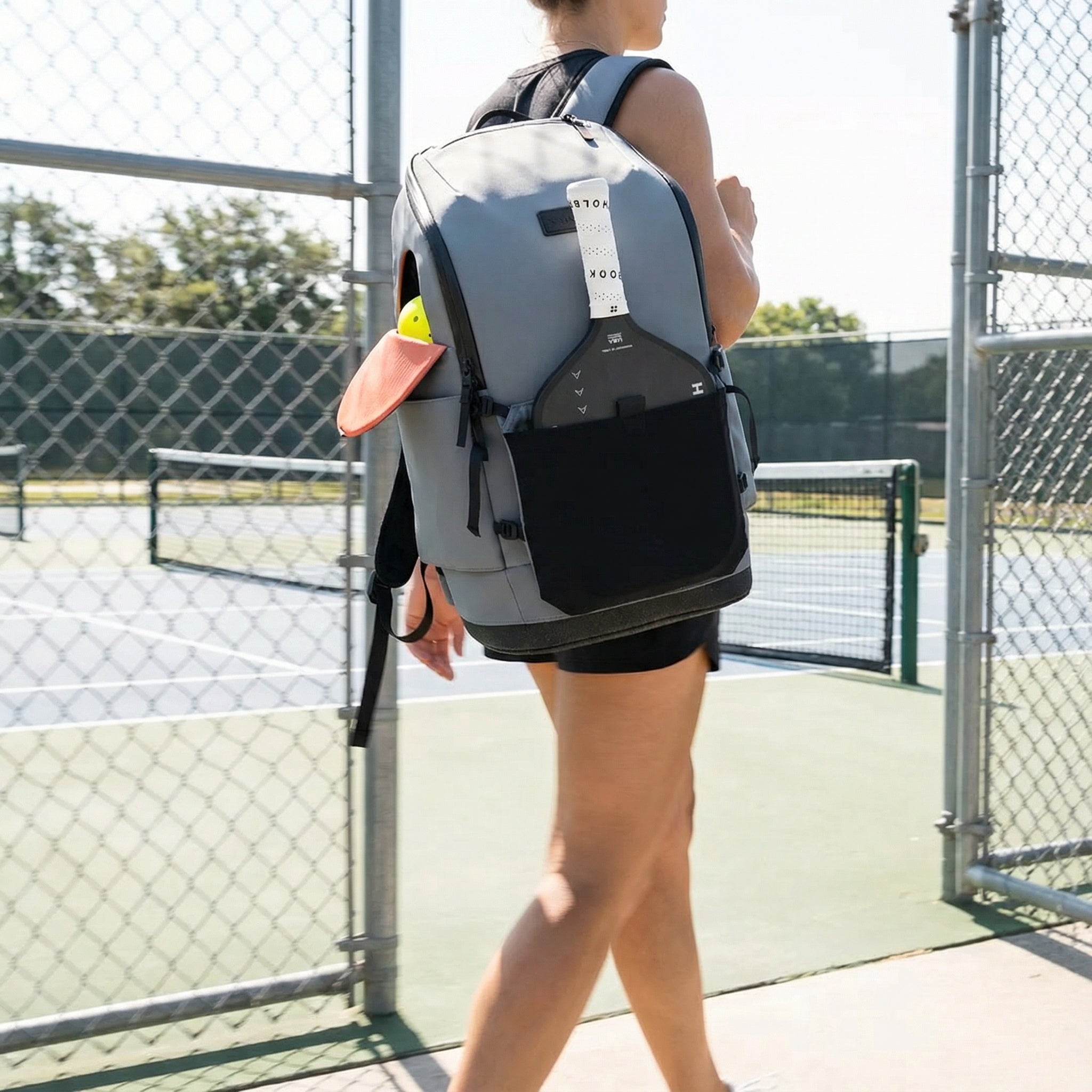
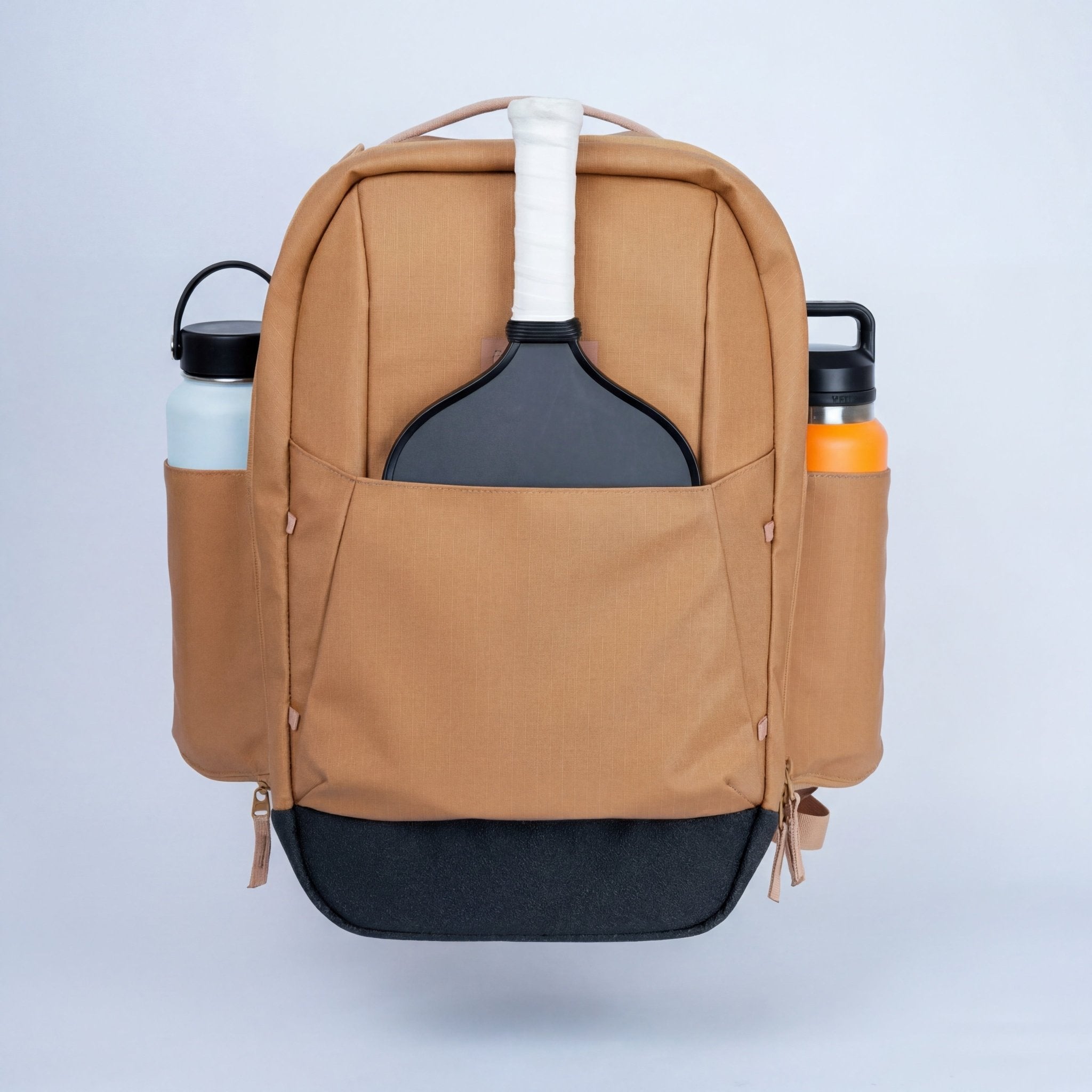
Got your indoor balls sorted. Now where's everything else going? The FORWRD Court Ranger V2 has a mesh ball pocket that holds a full can of outdoor balls — or your Fuse stash — plus separate paddle compartments, a 16" laptop sleeve, and YKK AquaGuard zippers built for consistent gym-to-court transitions.

FAQ: ONIX Fuse Indoor Pickleballs
How long does the ONIX Fuse Indoor last before cracking?
On smooth polished hardwood or sport tile, expect 8–12 hours of play before the first crack. Rougher surfaces (textured hardwood, certain sport tile) shorten that to 4–6 hours. Cold gyms below 60°F also accelerate cracking. At $3.33/ball, most recreational players get several weeks from a single 3-pack playing 2–3 sessions per week.
Is the ONIX Fuse Indoor approved for USAPA sanctioned play?
Yes — the ONIX Fuse Indoor is on the USAPA approved ball list. It meets all diameter (2.87"–2.97"), weight, and bounce requirements. That said, check which specific ball a tournament designates for play — some events name a particular brand and model, and "USAPA approved" doesn't guarantee the Fuse is the chosen ball for that event.
What's the difference between the ONIX Fuse Indoor and Franklin X-26 Indoor?
The biggest differences are hole count and construction. ONIX Fuse has 40 holes and seamless one-piece molding — no weld seam to crack at the ball's equator. Franklin X-26 has 26 larger holes and a two-piece welded construction. The Fuse gives softer, more controlled feel; the X-26 plays slightly firmer with a crisper pop more similar to outdoor balls. Both cost $9.99 for a 3-pack and are USAPA approved. The Fuse is the better pick for dedicated indoor players; the X-26 suits players who switch between indoor and outdoor regularly.
Can you use the ONIX Fuse Indoor for outdoor pickleball?
No — the softer plastic degrades quickly on concrete or asphalt, and the 40-hole design catches wind outdoors in a way that makes flight unpredictable. ONIX makes a dedicated outdoor version called the Fuse G2 Outdoor, which uses harder plastic and a 26-hole design. Use the right ball for the right surface — mixing them costs more money in the long run because they wear out faster outside their designed environment.
Why does my gym use the ONIX Fuse?
The ONIX Fuse is the default ball at hundreds of rec centers and YMCAs because it hits the right intersection of durability, consistency, and price. It outlasts cheaper balls significantly (seamless construction vs. welded seam) and is available in bulk at a price that makes sense for high-traffic open play. Tournament-grade balls like the JOOLA Heleus cost 5–6x per ball and aren't necessary for recreational use. The Fuse is the practical choice at scale.
How many ONIX Fuse balls should I stock?
For personal use, one 3-pack lasts most recreational players 2–4 weeks at 2–3 sessions per week. For a facility running 20+ hours/week of open play, plan for 2–3 ball replacements per court per week on smooth surfaces. Buy in 12-packs when available — the per-ball cost drops and you're not caught scrambling for replacements mid-session when a ball cracks.
Final Verdict
The ONIX Fuse Indoor Pickleballs deserve their gym-standard reputation. Not because they're the most exciting ball in pickleball, but because they do the most important things right and consistently: bounce predictably, hold their shape through hours of kitchen rallies, and outlast welded competitors on smooth surfaces.
At $3.33/ball with USAPA approval and seamless construction, there's nothing to argue with at this price point. If you play indoor pickleball more than once a week, keep a 3-pack in your bag. It's the ball your gym uses, it's what most of your opponents are already calibrated to, and replacing it when it cracks is painless.

Leave a comment
This site is protected by hCaptcha and the hCaptcha Privacy Policy and Terms of Service apply.