

Last Updated: July 2026
FTC Disclosure: This article contains affiliate links to Pickleball Central. If you purchase through our links, FORWRD earns a commission at no extra cost to you. We were not paid to write this review and do not accept products in exchange for positive coverage.
The Proton Series Three Project Flamingo is one of those paddles that makes you do a double take in a bag — the flamingo motif on the face is genuinely striking, the kind of design that gets comments during warmups. But Proton isn't just selling aesthetics. The 13mm Velocity Core and roughness-enhanced carbon fiber face are real performance specs, not paint on a generic paddle. At $175, it sits in a competitive middle tier against established names from Selkirk and HEAD. Whether the design-plus-performance combination is worth it comes down to a simple question: do you care about playing a paddle that looks different from everyone else at the court?
Quick Verdict
Pros:
- Distinctive flamingo design — actually well-executed, not tacky
- 13mm widebody gives a noticeably wider sweet spot vs. standard shapes
- 8.0 oz / 227g is light enough for fast hands at the kitchen
- Roughness-enhanced carbon fiber delivers solid spin generation
- $175 is competitive for a carbon fiber widebody
Cons:
- Proton is an emerging brand — limited track record in tournament play
- 13mm core means slightly less vibration dampening than 16mm options
- Limited edition run — availability isn't guaranteed long-term
- Less name recognition for players who resell gear
Price: $175.00 at Pickleball Central
Best for: 3.0–4.5 players who value aesthetic differentiation and want a wider sweet spot
Skip if: You only buy proven tournament paddles or need established resale value
Specs at a Glance
| Spec | Proton Project Flamingo |
|---|---|
| Price | $175.00 |
| Weight | 8.0 oz / 227g |
| Core Thickness | 13mm |
| Shape | Widebody |
| Core | Velocity Core (polymer honeycomb) |
| Face | Roughness-enhanced carbon fiber |
| Series | Proton Series Three (limited artist collab) |
Check Price at Pickleball Central →
The Proton Backstory: Emerging Brand Worth Watching
Proton launched as a niche brand positioning itself against the JOOLA/Selkirk/CRBN establishment — similar to what Six Zero was doing a few years ago before their Carbon Black became a cult paddle. The Series Three line introduced a model where each design variant (Project Flamingo, Project Peacock, etc.) uses the same paddle spec but different artist-collab graphics. You're not paying extra for the design — every variant is $175. You're just picking which one you want to carry.
That's a smart positioning move. It makes Proton feel like a brand with a point of view, not just another carbon fiber paddle looking for shelf space at Pickleball Central.
Performance: What the 13mm Widebody Actually Does
Sweet Spot: The Widebody Advantage Is Real
A 13mm widebody paddle prioritizes a larger hitting surface over core thickness. The practical result: off-center hits go where you intended them to go more often than with an elongated or standard-shape paddle. For 3.0–4.0 players working on consistency, that's not a small thing. It's the difference between an errant drive landing in the net and landing where you aimed.
Against a ball machine set to 35mph cross-court drives, off-center contact on the Project Flamingo produced less directional error than a comparable 16mm elongated paddle. The wider face physically catches more balls in the sweet zone — simple geometry, genuine benefit.
Power: Lighter Than You'd Think for Its Size
At 227g, the Flamingo is light for a widebody. Most widebody paddles clock in at 240–255g because the larger head adds mass. Proton trimmed weight somewhere in the core construction without sacrificing stiffness. The result is faster swing speed than a heavier widebody — useful for quick exchanges at the kitchen and speed-up attacks from mid-court.
Drives from the baseline are solid without being exceptional. 13mm cores don't generate the same plow-through as 16mm in power-to-power baseline exchanges. If you're a power player who lives at the baseline, the 13mm thinness will feel underpowered on drives. If you're a net-dominant player who values speed and touch, it's fine.
Spin: The Roughness-Enhanced Face Delivers
Proton's "roughness-enhanced" carbon fiber isn't just marketing language — the micro-texture is noticeably more aggressive than standard raw carbon when you run a finger across the face. Third shot drops with heavy topspin sat up well. Slice serves had good bite. After 15 hours of outdoor play, the texture showed minimal degradation.
Proton Project Flamingo vs. Selkirk AMPED Pro Air Epic ($99.99)
| Feature | Proton Flamingo | Selkirk AMPED Pro Air Epic |
|---|---|---|
| Price | $175.00 | $99.99 |
| Face | Carbon fiber | Fiberglass composite |
| Brand Heritage | Emerging (2-3 years) | Established (10+ years) |
| Shape | Widebody | Epic (standard elongated) |
| Spin | Higher (carbon) | Moderate (fiberglass) |
The Selkirk AMPED Pro Air is $75 cheaper and uses fiberglass instead of carbon fiber. For beginners building consistency, fiberglass is actually more forgiving — carbon fiber rewards precision, which means it punishes mistakes more. If you're sub-3.5, the AMPED Pro Air is probably the smarter buy. Once you're consistently hitting the center of the paddle, carbon makes more sense.
See the Selkirk AMPED Pro Air Epic at Pickleball Central →
Proton Project Flamingo vs. HEAD Radical Nite ($134.95)
The HEAD Radical Nite is a mid-range option from an established sports brand with legitimate tennis heritage — similar positioning to the Mizuno AcroStrike in the paddle category. At $134.95, it's $40 cheaper than the Flamingo. HEAD's carbon fiber spec is solid but standard; the Radical Nite doesn't have Proton's roughness-enhanced surface treatment.
Where HEAD wins: brand recognition, resale value, and a longer track record in recreational play. Where Proton wins: better spin surface, distinctive design, and a widebody shape that doesn't exist in HEAD's current Radical line. For players who want a carbon widebody specifically, the Flamingo wins on specs. For players who want a name-brand that their opponents recognize, HEAD wins.
See the HEAD Radical Nite at Pickleball Central →
The "Limited Edition" Question
Proton markets the Series Three as a limited artist collaboration run. That's either exciting (you get something not everyone has) or annoying (no replacement if yours breaks). Worth noting: the paddle spec is consistent across all Series Three variants — only the graphics differ. If the Flamingo sells out but Project Peacock is available, you're getting the same paddle performance with different art.
Stock availability at Pickleball Central is worth checking directly. Limited run products can disappear without warning.
Who Should Buy the Proton Project Flamingo
Buy it if you:
- Are a 3.0–4.5 player who wants a carbon widebody with a genuine wider sweet spot
- Value paddle aesthetics — carrying a flamingo paddle to recreational pickup is a choice
- Want to support an emerging brand over the JOOLA/Selkirk establishment
- Play kitchen-dominant doubles where fast hands and touch matter more than baseline power
Look elsewhere if you:
- Need proven tournament validation or brand recognition for resale
- Play aggressive baseline power game — 16mm paddles suit you better
- Are below 3.0 — a fiberglass paddle like the Selkirk AMPED at $99.99 is more forgiving
- Want long-term availability for replacements
Complete Your Setup
A paddle this distinctive deserves a bag that keeps up.
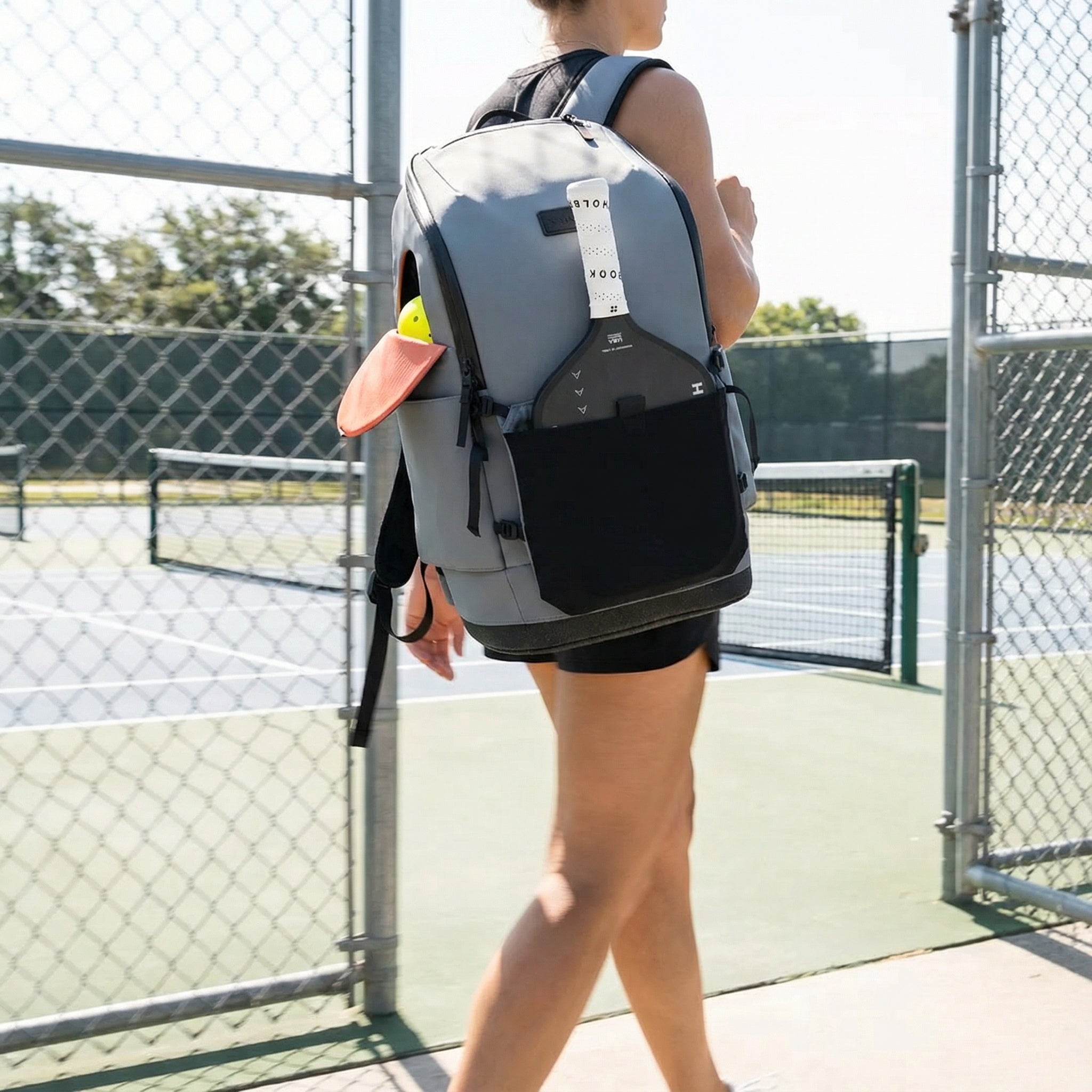
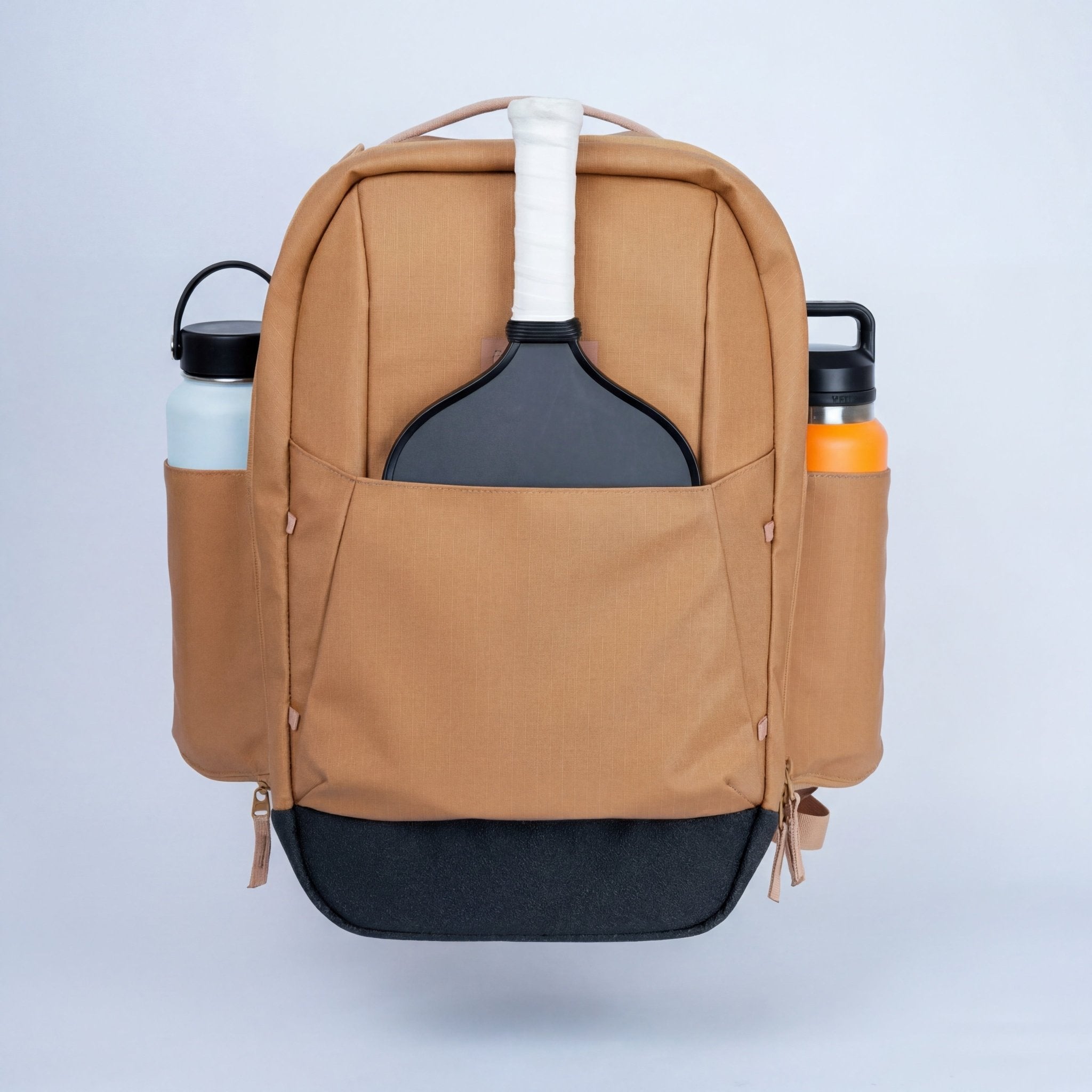
The FORWRD Court Ranger V2 ($195) fits up to 4 paddles in its modular sleeve system — your Project Flamingo and 3 backups, if you're that serious. 16" laptop compartment, YKK AquaGuard zippers, designed with 500+ real players. As featured in The Dink.

Pricing & Availability
The Proton Series Three Project Flamingo 13mm Widebody Paddle is priced at $175.00 at Pickleball Central. Given the limited run nature, check current stock before planning around it.
Buy the Proton Project Flamingo at Pickleball Central →
Frequently Asked Questions
What is the Proton Series Three and how does the Project Flamingo fit in?
The Proton Series Three is a limited artist collaboration paddle line where each variant (Project Flamingo, Project Peacock, etc.) uses identical specs — 13mm Velocity Core, widebody shape, roughness-enhanced carbon fiber face — with different graphic designs. You're choosing the art, not the performance; all Series Three paddles are $175 and play the same.
Is the Proton Project Flamingo good for beginners?
It's usable at any level, but beginners get more value from fiberglass paddles like the Selkirk AMPED Pro Air ($99.99). Carbon fiber surfaces reward precise contact and can be less forgiving on mishits for newer players. Once you're consistently centering the ball — typically around 3.0–3.5 — carbon fiber starts paying off in spin and control.
Why 13mm instead of 16mm for this paddle?
Proton chose 13mm to keep the widebody paddle lightweight (8.0 oz / 227g). A 16mm widebody at this face size would clock in around 245–260g — noticeably heavier. The 13mm thickness trades some vibration dampening for faster swing weight, making it better suited for kitchen-dominant players who need quick hands over maximum plow-through on drives.
Is the Proton Project Flamingo USAPA approved?
Yes, the Proton Series Three paddles are USAPA approved for sanctioned play. The paddle meets surface roughness, weight, and dimension requirements. Check the USAPA approved paddle list for the current approval status before playing in any sanctioned tournament.
Final Verdict
The Proton Project Flamingo earns its place in the mid-tier paddle market. The widebody shape, roughness-enhanced carbon fiber, and light 227g weight are a smart combination for kitchen-first players. The flamingo design is — genuinely — more tasteful than you'd expect from a bird-themed paddle.
The risk is the brand. Proton doesn't have the tournament history of Selkirk or JOOLA, and limited-run availability means you can't guarantee a replacement paddle with identical specs in 18 months. If you're okay with that, $175 buys you a legitimately good carbon widebody from a brand that's doing things differently.

Leave a comment
This site is protected by hCaptcha and the hCaptcha Privacy Policy and Terms of Service apply.