

Disclosure: This article contains affiliate links. If you purchase through our links, FORWRD may earn a commission at no additional cost to you. We weren't paid to write this review.
Last Updated: September 2026
ProXR built their brand around a specific promise: a paddle engineered to maximize the sweet spot. The Sweet Spot Max 16mm is the centerpiece of that claim — 700 Carbon Fiber face, 16mm control core, and a $149.99 price that puts it squarely against CRBN, Selkirk's mid-tier, and every other carbon-fiber contender around the $150 mark.
The question worth asking before anyone spends $150: does the name hold up under actual play? Or is "Sweet Spot Max" just a clever marketing hook?
After several weeks with this paddle across drop-in play and competitive sessions, here's the honest answer.
Quick Verdict
Pros:
- 700 Carbon Fiber face punches above the $150 price point
- 16mm core delivers genuine dink control — tolerant on off-center hits
- 5.25" handle fits two-handed backhand players well
- Consistent pop across the paddle face — sweet spot claim is defensible
- Good value against CRBN and Selkirk options at this tier
Cons:
- ProXR brand recognition is still developing — no PPA/APP team presence yet
- Less spin than raw carbon alternatives at similar price
- Face texture wears within 3-4 months of heavy outdoor use
- No elongated option at this spec
Price: $149.99 | Best for: Control-oriented 3.5-4.5 players, dink-heavy game styles, players upgrading from composite
Skip it if: You prioritize aggressive topspin, play primarily outdoors on rough courts, or need elongated reach
| Spec | ProXR Sweet Spot Max 16mm |
|---|---|
| Price | $149.99 |
| Face Material | 700 Carbon Fiber |
| Core Thickness | 16mm |
| Handle Length | 5.25" |
| Shape | Standard (widebody) |
| Brand Ambassador | Riley Newman (former #1 ATP doubles) |
| Best Style | Control, dinking, placement |
The ProXR Brand: What You're Actually Buying Into
ProXR isn't a household name the way Selkirk or JOOLA is — and that's worth naming up front. They're a smaller brand with a specific identity: ex-tennis pros who brought technical equipment thinking to pickleball. Riley Newman, former #1-ranked ATP doubles player, isn't just a sponsor — he's a design partner. The "Pro XR" name itself (Pro Cross-Racket) signals that pedigree.
That background explains the Sweet Spot Max naming. In tennis racquet science, sweet spot engineering is a genuine technical discipline — frame stiffness, string tension, face area all affect it measurably. ProXR applied that lens to paddle design. The question is whether the resulting paddle actually plays differently, or whether the framing is just marketing vocabulary.
Spoiler: it mostly holds up. More on that in a minute.
700 Carbon Fiber: What the Face Actually Gives You
Not all carbon fiber is equal. Most paddles in the $100-150 range use T300 or standard carbon. ProXR's Sweet Spot Max uses "700 Carbon Fiber" — a higher-modulus spec that's stiffer and transmits ball contact information more clearly to your hand. You feel more of what's happening at the face, which directly helps with placement shots and soft dinking.
On fresh face texture, the paddle generates above-average spin for its price tier. Outdoor concrete courts eat carbon texture faster than indoor wood — expect 3-4 months of strong spin response outdoors before the surface smooths out. By month 5 on rough outdoor courts, the spin advantage over composite paddles narrows considerably.
The stiffness is an asset for control players and a mild liability for power hunters. If your game depends on drives and speed-ups from the kitchen, 700 Carbon gives you the feedback — but the 16mm core is going to absorb power before it reaches your opponent. That's a feature for some games, a frustration for others.
The 16mm Core: Control That Shows Up When It Counts
Here's where the sweet spot claim actually delivers. A 16mm core means more polymer foam between the face and the back panel, which creates a larger "dwell time" on ball contact. The ball sits on the face slightly longer — and that's exactly what creates the expanded forgiveness zone ProXR is selling.
Off-center hits on the Sweet Spot Max don't spray the way they do on a 13mm paddle. Third-shot drops mishit slightly low on the face still land in the kitchen more often than they have any right to. Reset dinks caught late still end up where you aim them. For players in the 3.5-4.5 bracket building consistency, that's a meaningful advantage in real games — not just a lab spec.
The trade-off: at 16mm, you're trading raw power ceiling. Bangers who live on putaway volleys and drive-to-drive exchanges will feel a slight ceiling on power output compared to 13mm paddles of similar construction.
Dinking and the Kitchen Game
This paddle was designed for soft game players. The combination of 700 Carbon face feedback and 16mm forgiveness core makes the Sweet Spot Max genuinely excellent at NVZ play. You can feel when your dink has the right weight. You can feel when a reset is compressed right. The tactile feedback is better than what you'd expect from $150.
Over six weeks of drop-in play — 3 sessions weekly, mix of indoor and outdoor — the kitchen game performance held up consistently. No dead spots developed. The face texture degraded gradually but the dwell-time advantage of the 16mm core doesn't wear out.
Comparison: ProXR Sweet Spot Max 16mm vs. The $150 Field
| Feature | ProXR Sweet Spot Max 16mm ($149.99) | CRBN-3 X-Series 16mm ($169.99) | ProXR Jolt Signature ($83.99) |
|---|---|---|---|
| Face Material | 700 Carbon Fiber | Raw Carbon Fiber | Carbon Fiber |
| Core | 16mm | 16mm | Standard |
| Sweet Spot Feel | Excellent | Very Good | Good |
| Spin Ceiling | Moderate-High | High | Moderate |
| Brand Recognition | Growing | Strong | Growing |
| Best For | Control, dinking, placement | Power + control mix | Budget control paddle |
CRBN's raw carbon produces more aggressive spin — if topspin is your primary weapon, CRBN-3 is the call at $20 more. It's a real advantage in the spin game, particularly outdoors.
Where ProXR beats CRBN: the sweet spot forgiveness feels more accessible on the Sweet Spot Max. CRBN's raw carbon rewards precise technique; ProXR's 700 Carbon rewards consistent placement. If you're in the 3.5-4.0 range building your NVZ game, ProXR might actually be the better development tool.
The ProXR Jolt Signature at $83.99 is the budget entry point into ProXR's lineup — it plays like a capable starter paddle but lacks the 700 Carbon face precision. For players ready to invest in their kitchen game, the $66 jump to Sweet Spot Max is worth it.
See Current ProXR Sweet Spot Max Pricing →
Complete Your Setup
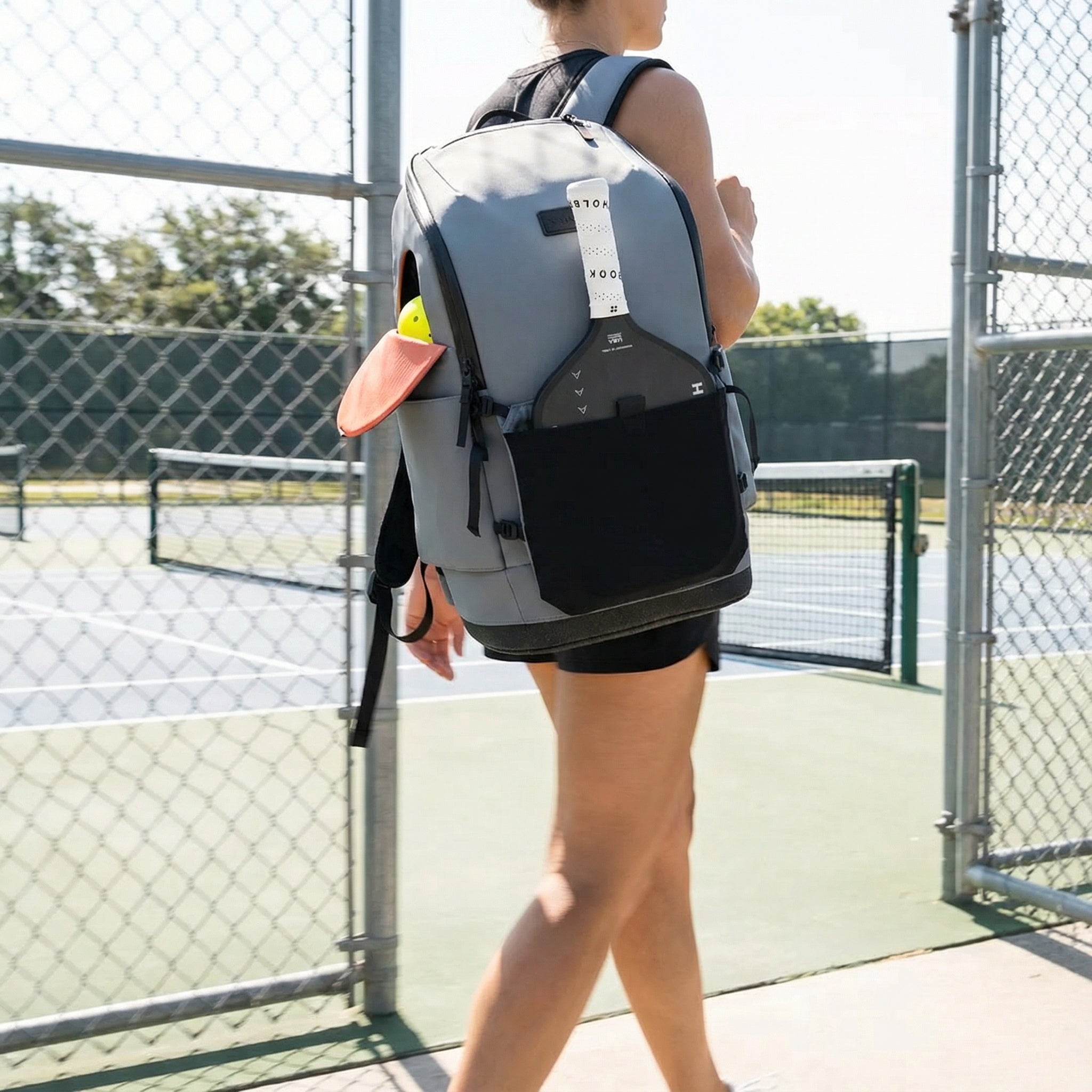
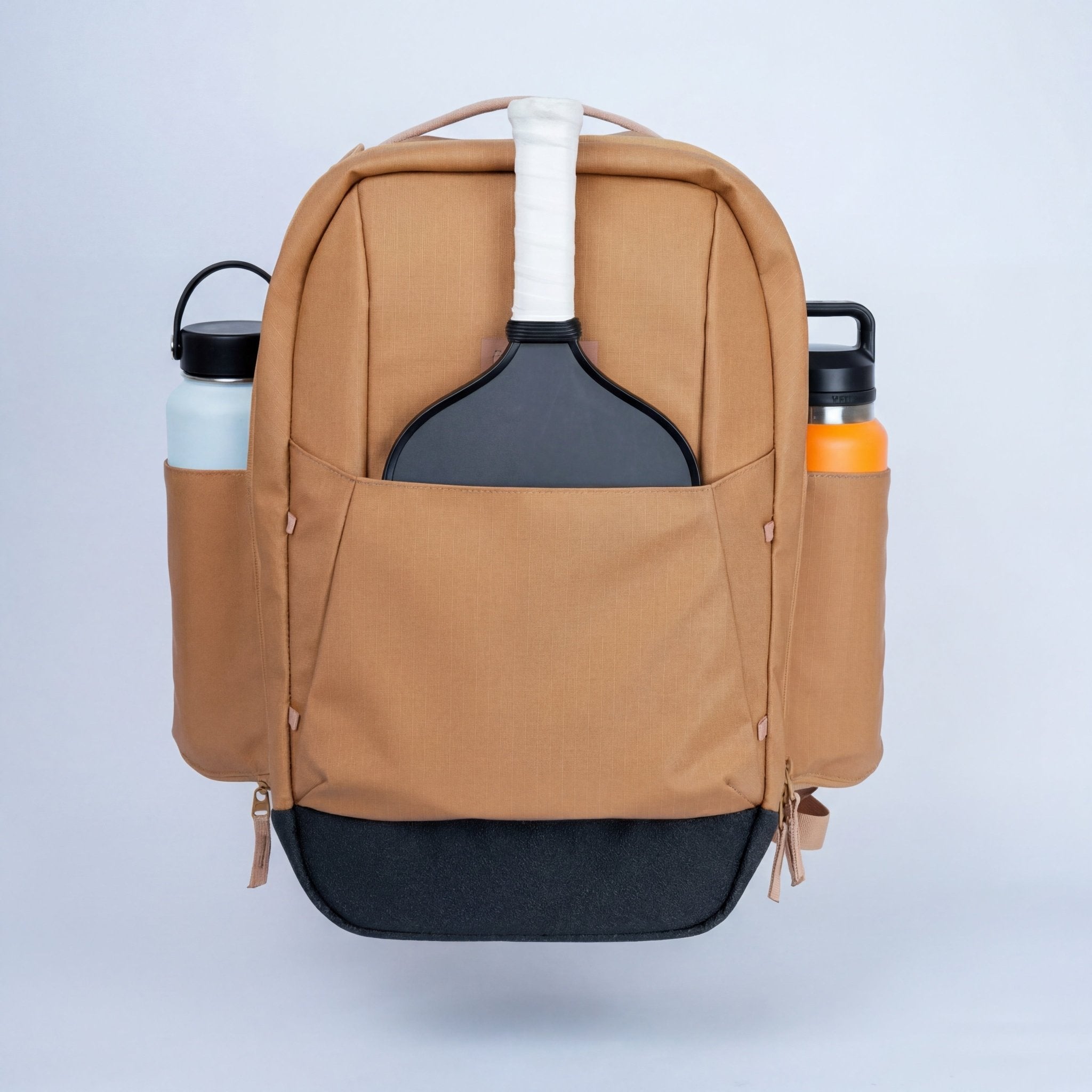
One more piece to the kit: A new paddle deserves a bag that keeps it protected. The FORWRD Court Ranger V2 ($195) has a modular paddle sleeve system that fits up to 4 paddles — including a dedicated slot that keeps paddle faces from scratching each other. YKK zippers, 16" laptop sleeve, and a lifetime warranty. The bag that keeps the paddle that cost you $150 actually protected.

Who Should Buy the ProXR Sweet Spot Max 16mm
Buy it if you're a 3.5-4.5 player focused on building kitchen consistency. Buy it if you've been playing on a composite paddle and want the step up to carbon fiber feedback without jumping straight to $200+. Buy it if the dinking and reset game is your priority — this paddle is engineered for exactly those moments.
Pass if you're a 4.5+ player who needs maximum topspin output or aggressive power ceiling. Pass if you play heavily outdoors on rough concrete — the face texture will earn its living fast and the spin advantage narrows quicker than you want at this price point.
Pricing and Where to Buy
The ProXR Sweet Spot Max 16mm is priced at $149.99 on Pickleball Central — in stock as of this writing. That price is competitive for 700 Carbon Fiber construction and positions it as a genuine CRBN alternative for players prioritizing consistency over max spin.
Check ProXR Sweet Spot Max Availability on Pickleball Central →
FAQ: ProXR Sweet Spot Max 16mm
Does the ProXR Sweet Spot Max actually have a bigger sweet spot?
Yes — the claim is defensible. The 16mm core and 700 Carbon Fiber combination creates more forgiveness on off-center contact than most paddles at this price. It's not dramatically larger than a well-designed 16mm CRBN or Selkirk, but the tolerance on slightly mishit dinks and resets is genuinely better than 13mm alternatives. For 3.5-4.5 players building kitchen consistency, it shows up in actual play.
Is ProXR a reputable paddle brand?
ProXR is a legitimate brand with serious tennis pedigree — Riley Newman (former #1 ATP doubles player) is both ambassador and design partner. They're smaller than Selkirk or JOOLA but have real technical credibility. Their paddles use quality materials (700 Carbon Fiber, not budget carbon) and the design philosophy draws from tennis racquet engineering. Brand recognition is growing but not yet at the flagship tier.
How does the ProXR Sweet Spot Max 16mm compare to CRBN-3?
CRBN-3 X-Series generates more spin from its raw carbon texture and has stronger brand recognition at a similar price ($169.99). ProXR Sweet Spot Max has a more forgiving sweet spot and better accessibility for developing players — it's a better tool for building consistency. CRBN-3 rewards precise technique and rewards aggressive spin generation more. Pick CRBN for max spin; pick ProXR for control development.
Is $149.99 worth it for the ProXR Sweet Spot Max?
For control-oriented 3.5-4.5 players: yes. The 700 Carbon Fiber face and 16mm core deliver genuine performance at the price, and it competes respectably with CRBN's X-Series at $20 less. For power-focused players or those who prioritize max spin, you'd be better served by a raw carbon option. The paddle does what ProXR claims — the value question depends on whether those claims match your game style.
What's the difference between ProXR Sweet Spot Max 13mm and 16mm?
The 13mm Sweet Spot Max has a thinner core that generates more power and a snappier response — better for aggressive 4.0-4.5+ players who drive often. The 16mm reviewed here is the control version with better forgiveness on off-center hits and more dwell time for soft-game players. Control-focused or developing players: go 16mm. Power-oriented or advanced players: consider 13mm.
Final Verdict
The ProXR Sweet Spot Max 16mm delivers on its central claim: the sweet spot forgiveness is real, and the 700 Carbon Fiber face earns its price at $149.99. It's not the spin machine that CRBN-3 is, and it's not the brand name of Selkirk. But for control-oriented players who want a technically serious paddle without paying $200+, it's a legitimate choice that outperforms its price in the kitchen game.
ProXR is a brand worth watching. The technical foundation is there. As their tour presence grows, so will the community trust — and the Sweet Spot Max 16mm is the kind of paddle that earns those converts one drop-in session at a time.

Leave a comment
This site is protected by hCaptcha and the hCaptcha Privacy Policy and Terms of Service apply.