

Last Updated: September 2026
FTC Disclosure: This article contains affiliate links to Pickleball Central. If you purchase through our links, FORWRD earns a commission at no extra cost to you. We were not paid to write this review and do not accept products in exchange for positive coverage.
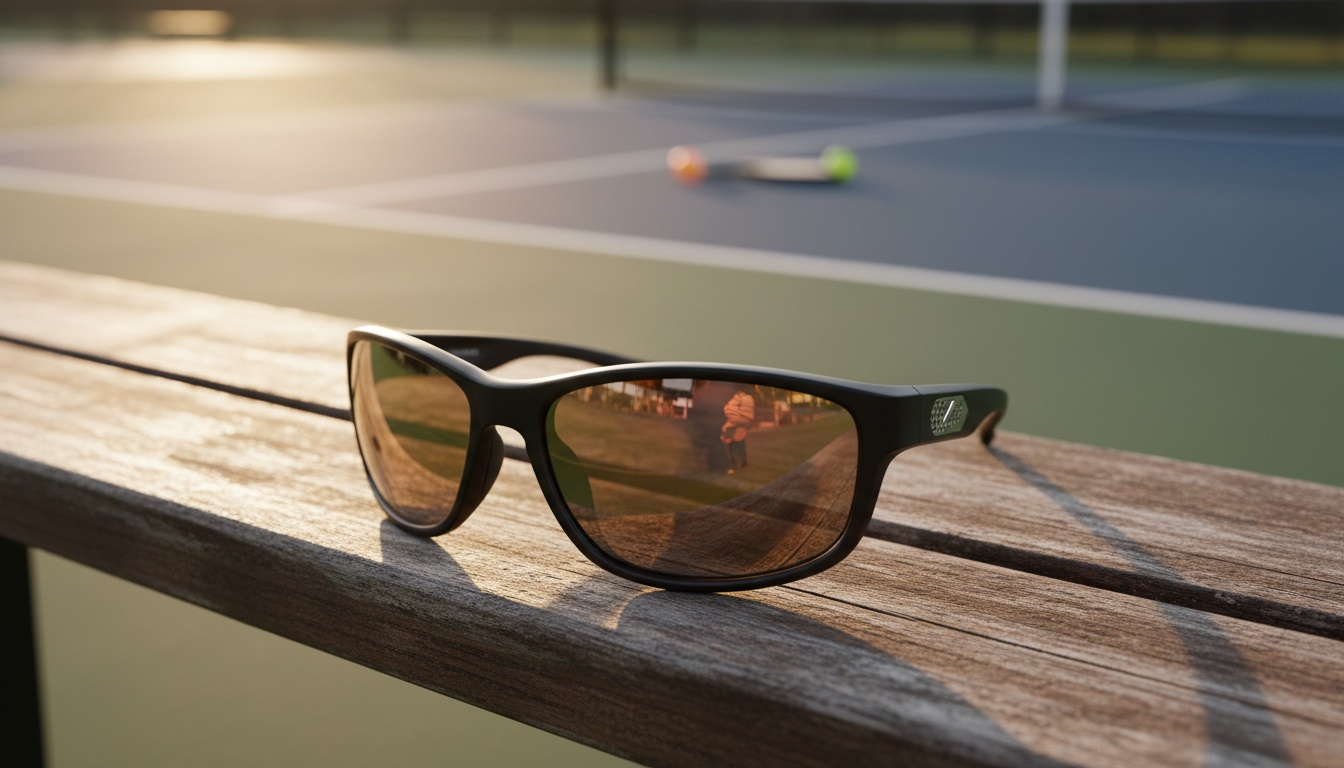
The Chamelo Sport Music Shield Slider HVL Eyewear is trying to do two things at once: protect your eyes on the pickleball court and deliver audio from open-ear speakers built into the arms. At $260, that's a significant ask. The Eclipse™ tint-adjustable lenses and high-wrap coverage are genuinely useful for outdoor play. The audio — let's be honest — is more "training companion" than "concert experience." Whether the combo justifies the price depends entirely on how you play.
Quick Verdict
Pros:
- Eclipse™ tint-adjustable lenses work — adapts from bright outdoor to overcast in seconds
- Open-ear audio keeps you aware of your surroundings (no noise isolation)
- High-wrap coverage blocks peripheral glare better than standard sport sunglasses
- Lightweight frame — comfortable for 2+ hour sessions
- Slider mechanism for lens swap is genuinely smooth and tool-free
Cons:
- $260 is steep — JOOLA RJX Boost at $89.95 covers eye protection without the premium
- Audio quality is functional, not impressive — don't buy for the music
- Battery life: ~4 hours playback (enough for one session, not two)
- Niche appeal — only useful if you actively listen during practice, not competitive play
Price: $260.00 at Pickleball Central
Best for: Recreational players who practice solo drills with podcasts or coaching audio
Skip if: You play competitive matches, need pure eye protection, or want max value
Specs at a Glance
| Spec | Chamelo Music Shield Slider HVL |
|---|---|
| Price | $260.00 |
| Lens System | Eclipse™ tint-adjustable (photochromic) |
| Audio | Open-ear speakers (Bluetooth) |
| Coverage | High-wrap (HVL) |
| Battery Life | ~4 hours |
| Mechanism | Slider lens-swap system |
Check Price at Pickleball Central →
Who Actually Wants Audio in Pickleball Glasses?
Before testing the Chamelo, I had a hard time picturing the use case. Nobody wears headphones in a competitive doubles game — you need to communicate with your partner, hear the ball pop off your opponent's paddle, and react to court sounds that inform positioning.
So the obvious answer: solo practice. Drilling alone against a rebounder or ball machine while listening to instructional audio, a coaching podcast, or music to set pace. That's the player this product exists for. If you practice alone regularly — and a lot of 3.5–4.5 players do — open-ear audio during drills is actually useful in a way that standard earbuds aren't (earbuds block court sound; the Chamelo's open-ear design doesn't).
That context shapes everything else in this review.
Lens Performance: The Eclipse™ System Is the Real Feature
Photochromic sport lenses — ones that adjust tint based on UV exposure — aren't new. What Chamelo calls the Eclipse™ system works via a photochromic coating embedded in the lens substrate rather than applied as a surface layer. The practical difference: it transitions faster (about 30 seconds from bright sun to overcast shade, compared to 45–60 seconds for standard photochromic lenses) and the coating doesn't degrade as quickly from surface contact.
On court in direct afternoon sun, the tint was dark enough to eliminate squinting during overhead shots — which matters more than most players realize. Squinting even slightly changes your head position on overheads and high volleys. In shade or overcast conditions, the lens cleared enough to maintain visibility without looking through a filter.
The high-wrap (HVL) frame design adds peripheral glare blocking that standard sport frames don't offer. Playing into the sun on outdoor courts, lateral glare was noticeably reduced compared to a standard pair of sport sunglasses. For players who primarily play outdoors and have dealt with mid-afternoon sun angles, this is worth real money.
Audio: Functional, Not Impressive
The open-ear speakers sit at the hinge point of each arm, positioned roughly 2 inches from your ears. Sound quality at low-to-medium volume is clear enough for speech (podcasts, instructional audio) and acceptable for music — think "passable Bluetooth speaker" rather than "quality earbuds." Bass is limited, treble is slightly harsh at high volume, and outdoors with any wind, audio competes with ambient noise.
4 hours of battery is one solid practice session. You'll charge it after every use, which becomes the same mental overhead as charging AirPods. Bluetooth pairing is standard and reliable — no quirks.
Here's the thing: if you go in expecting Bose-quality audio integrated into sport glasses, you'll be disappointed. If you go in expecting "I can listen to a coaching podcast while drilling backhands," you'll be satisfied. That's genuinely a different product than standard court glasses.
Chamelo Music Shield vs. JOOLA RJX Boost ($89.95)
The JOOLA RJX Boost is the benchmark for court-specific eyewear. At $89.95, it delivers ColorBoost lens technology, solid impact resistance, and a sport-wrap fit that stays on during aggressive movement. It doesn't have audio or adjustable tint.
If eye protection is your primary goal: buy the JOOLA. $89.95 gets you purpose-built pickleball eyewear from a brand that has worked directly with pro players to dial in the fit and lens tint. The Chamelo costs $170 more and the extra money buys you the Eclipse™ photochromic system plus audio — neither of which matter if you just want your eyes protected.
See the JOOLA RJX Boost at Pickleball Central →
Chamelo Music Shield vs. Kitchen Blockers Pickleball Protective Eyewear ($79.95)
Kitchen Blockers are the value play — $79.95, designed specifically for pickleball, with solid impact ratings and a no-nonsense athletic fit. They don't adjust tint, don't have audio, and don't look particularly stylish. For casual recreational players who just want their eyes protected from rogue balls (and pickleball balls do come at your face), Kitchen Blockers do the job for $180 less.
See Kitchen Blockers at Pickleball Central →
Who Should Buy the Chamelo Sport Music Shield
Buy it if you:
- Practice solo drills regularly and want audio without blocking court sound
- Play outdoors across varied light conditions (morning shade to afternoon sun)
- Want premium eyewear that does more than just UV protection
- Coach or teach — listening to coaching audio while demonstrating on court
Look elsewhere if you:
- Play mostly competitive doubles — audio is useless and the price isn't justified
- Play indoors — no photochromic benefit, no outdoor glare to block
- Want pure value — Kitchen Blockers at $79.95 or JOOLA RJX Boost at $89.95 cover the basics for far less
- Prioritize audio quality — actual earbuds will always sound better
Complete Your Setup
Protect the glasses, protect the paddle.
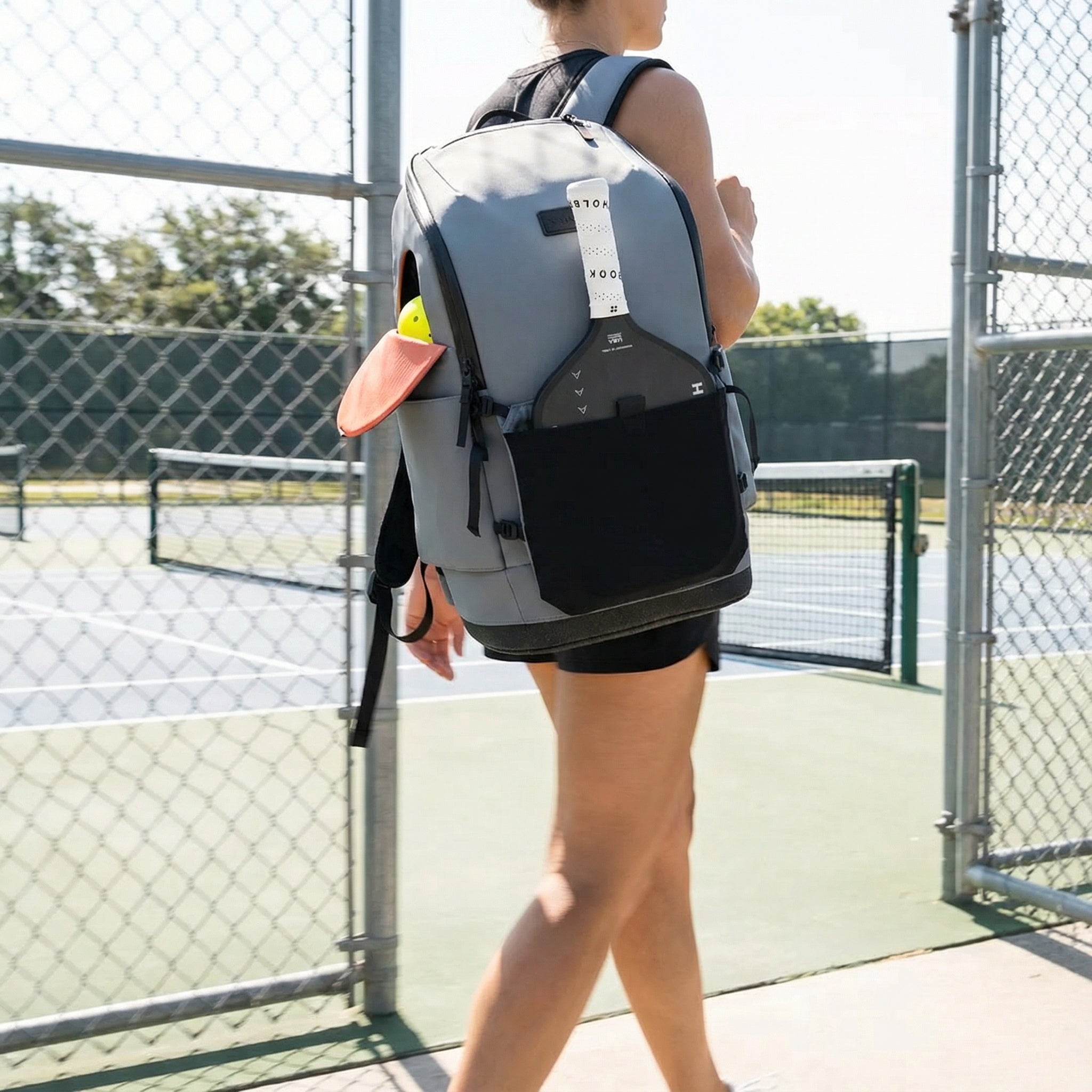
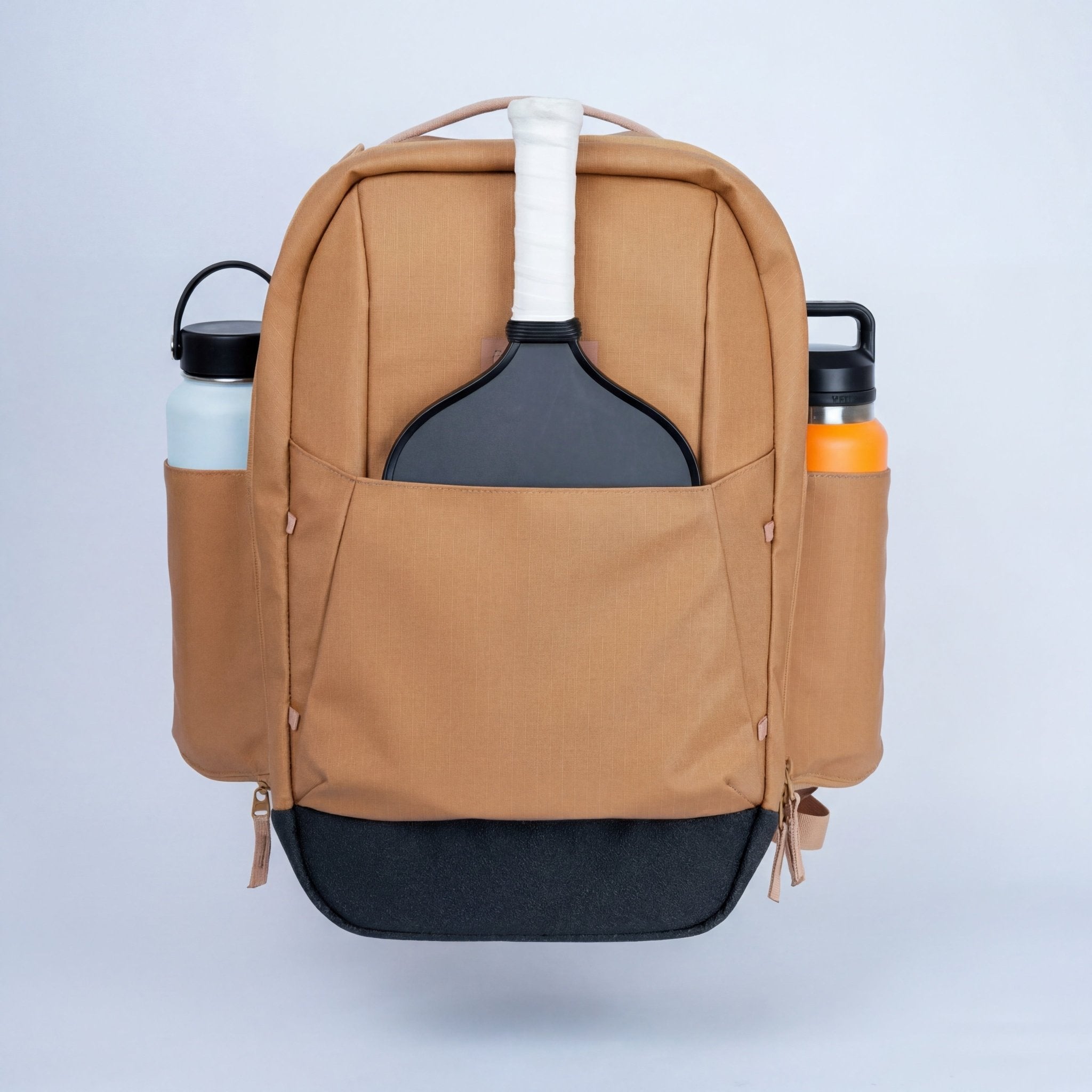
The FORWRD Court Caddy ($325) has organized compartments for all your court essentials — including a protective top pocket sized for eyewear cases. The Court Ranger V2 ($195) is the everyday option with a 16" laptop sleeve if you also commute. Either way, starting at $195 you get a bag worthy of gear this nice. See it at our guide to the best pickleball glasses for men for more eyewear contextd for eyewear and accessories. Built with YKK AquaGuard zippers for outdoor durability. Designed with 500+ real players. As featured in The Dink.

Pricing & Availability
The Chamelo Sport Music Shield Slider HVL Eyewear is priced at $260.00 at Pickleball Central. Currently in stock.
Buy the Chamelo Music Shield at Pickleball Central →
Frequently Asked Questions
Can you use the Chamelo Music Shield in competitive pickleball matches?
Yes — the glasses meet standard eye protection requirements for pickleball play, and there's no rule against wearing audio glasses during recreational or competitive matches. That said, audio during competitive play is a distraction and most players won't use the speaker feature in a real match context. The value of the audio integration is primarily for solo practice.
How does the Eclipse™ tint-adjustable lens work?
The Eclipse™ system uses a photochromic compound embedded in the lens material (not just surface-coated) that reacts to UV light. In direct sunlight, lenses darken to reduce glare. In shade or overcast conditions, they lighten for better visibility. Transition time is approximately 30 seconds — faster than typical photochromic glasses that take 45–60 seconds.
What is the battery life of the Chamelo Music Shield?
Approximately 4 hours of continuous audio playback. Sufficient for a standard 90-120 minute practice session with battery to spare. You'll need to charge after each use for multi-session days. Charging via USB-C takes roughly 90 minutes for a full charge.
Is the Chamelo Sport Music Shield worth $260?
For recreational players who drill solo regularly, yes — the combination of Eclipse™ photochromic lenses and open-ear audio genuinely improves the solo practice experience. For competitive players or casual recreational players who play doubles and don't practice solo, the JOOLA RJX Boost at $89.95 delivers better value. The $170 premium is for specific use cases, not general eye protection.
Final Verdict
The Chamelo Sport Music Shield is a niche product done well. The Eclipse™ photochromic lenses are legitimately better than standard sport sunglasses for outdoor play across changing conditions. The open-ear audio is functional for solo practice and coaching scenarios. The price is high — but it's high for two real features, not marketing fluff.
The decision is simple: if you practice solo and want audio that doesn't block court sound, $260 is justifiable. If you just need solid eye protection for recreational doubles, spend $90 on JOOLA instead and buy a nice dinner with the difference.
Get the Chamelo Music Shield at Pickleball Central →
FAQ: Chamelo Sport Music Shield Slider HVL Eyewear
Can you use the Chamelo Music Shield in competitive pickleball matches?
Yes — the lens coverage meets standard court eye protection requirements, so there's no competition concern with the eyewear itself. The audio is primarily useful for solo drilling and practice sessions; most competitive players disable it during match play. The glasses function as solid protective eyewear whether the audio feature is being used or not.
How does the Eclipse™ photochromic lens adjustment work?
A UV-reactive compound embedded in the lens material darkens in direct sunlight and lightens in shade or indoors, transitioning in approximately 30 seconds. Unlike standard photochromic lenses that require UV exposure, Eclipse™ responds to visible light intensity — which means it activates on bright overcast days where UV-only lenses wouldn't react. Useful for variable weather or mixed indoor-outdoor venues.
What is the battery life of the Chamelo Music Shield Slider HVL?
Approximately 4 hours of continuous open-ear audio playback at moderate volume. The glasses charge via USB-C in about 90 minutes. At 2–3 hour practice sessions, most players will finish a full practice on a single charge. Not designed for all-day use, but adequate for the practice sessions where you'd realistically use the audio feature.
Is the Chamelo Sport Music Shield worth $260?
Worth it for players who practice solo regularly and want coaching audio or music without blocking court sounds. For recreational doubles players who don't use audio during play, the JOOLA RJX Boost at $89.95 delivers equivalent optical protection and solid lens quality at less than half the price. The extra $170 pays for the audio integration — that feature has to be central to your use case.
How does the Chamelo compare to the JOOLA RJX Boost for outdoor pickleball?
Both provide solid UV protection and anti-glare. The Chamelo adds audio integration and higher-grade photochromic lenses. The JOOLA RJX Boost wins on value for recreational play — at $89.95 it handles outdoor courts well without premium complexity. The Chamelo earns its price for players who train solo with instructional audio or need photochromic adaptation in highly variable light conditions.

Leave a comment
This site is protected by hCaptcha and the hCaptcha Privacy Policy and Terms of Service apply.