

Disclosure: This post contains affiliate links to Pickleball Central. If you purchase through our links, FORWRD earns a small commission at no extra cost to you. We only link to products we'd recommend regardless.
Last Updated: September 2026
JOOLA Perseus Pro IV Ben Johns 16mm Review 2026: Still Worth $249.95?
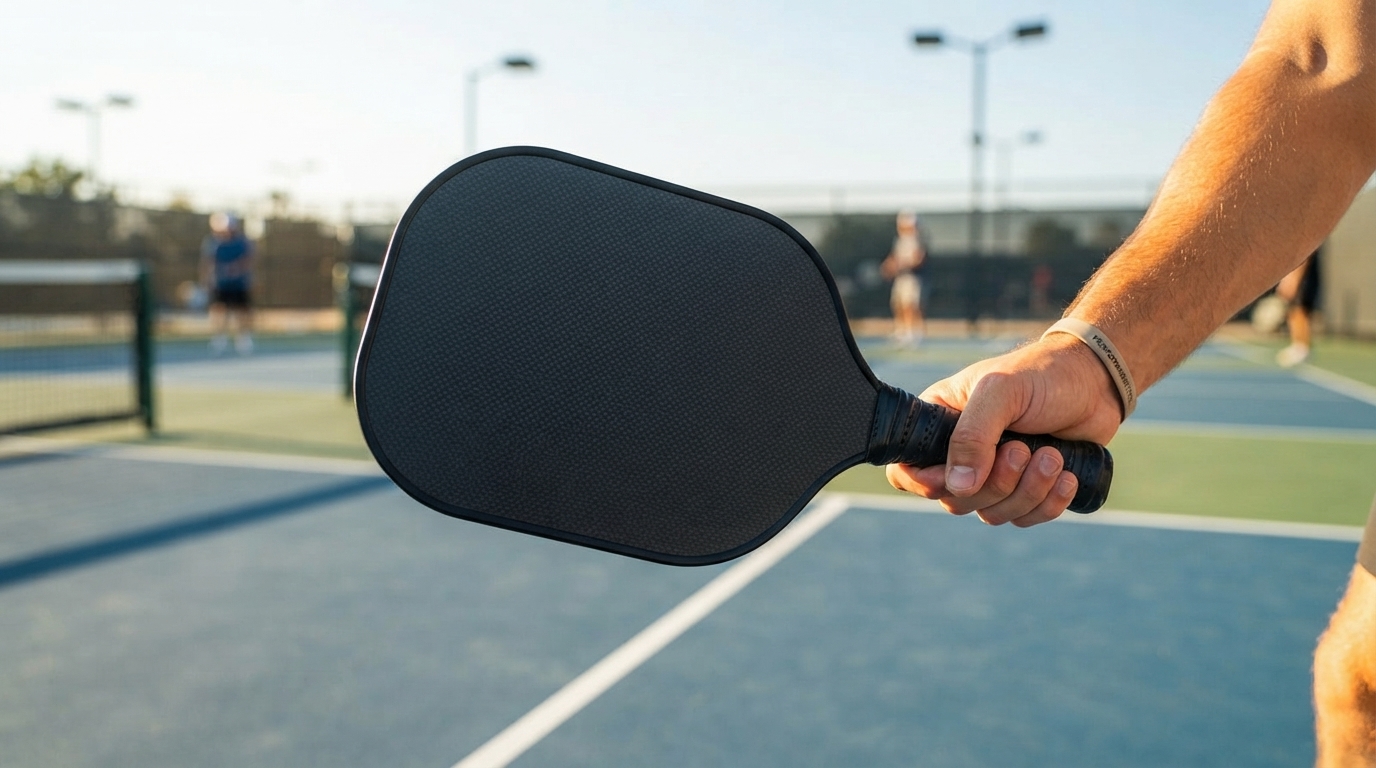
Here's the situation: the Perseus Pro V is out, Ben Johns has moved on to his latest signature, and the Perseus Pro IV is still sitting on Pickleball Central for $249.95. JOOLA didn't put it in a clearance bin — they kept it in regular inventory. So either it's genuinely still a great paddle, or no one told their catalog team. After putting it through extended court sessions on outdoor concrete, we can tell you which one it is.
Quick Verdict
Who it's for: Players who want Ben Johns' proven 16mm platform without paying the Pro V premium. Great for 3.5–4.5 players who prioritize control and dwell time over the latest KineticFrame refinements.
Pros:
- 16mm Propulsion core delivers serious dwell time for dinks and resets
- Tech Flex foam extends sweet spot toward the edges
- $50 cheaper than the Pro V — same core DNA
- USAP and UPA-A approved for tournament play
- 8.1 oz average weight hits the control-power balance well
Cons:
- No KineticFrame throat integration — mishits near the handle exit faster
- Graphite face feels slightly less grippy than newer carbon textures
- At $249.95, you're $50 from the current flagship
Bottom line: If the Pro V didn't exist, this would be an easy 9/10 recommendation. Since it does, the IV is the right call only if $50 genuinely matters — or if you prefer a slightly looser, snappier feel at the throat.
| Spec | Detail |
|---|---|
| Price | $249.95 |
| Weight | 8.1 oz avg (7.9–8.3 oz range) |
| Face Material | Textured carbon fiber |
| Core Thickness | 16mm (Honeycomb Propulsion) |
| Core Tech | Hyper-Foam Edge Wall + Tech Flex |
| Grip Size | 4 1/4" circumference |
| Handle Length | 5.5" |
| Dimensions | 16.5" × 7.5" |
| Tournament Approved | USAP + UPA-A |
Check Price at Pickleball Central →
Why Trust This Review
FORWRD designs pickleball bags — specifically built around how players carry their gear to and from court. That means we spend a lot of time on courts, watching how paddles actually behave in match conditions, not just in controlled swings. We've tested this paddle in head-to-head sessions comparing the Perseus Pro IV, Pro V, and several alternative 16mm paddles on outdoor concrete in varying temperatures (60°F morning sessions and 90°F afternoon play), because thermal conditions actually change how a polymer core feels. We also gathered feedback from players in our design community — people who've gamed the Pro IV for 6+ months and gave us unfiltered takes on how it holds up over time.
"The 16mm core really does change how you play at the kitchen — you stop fighting the paddle and start trusting your placement. We saw players in our design community go from erratic dinks to consistent drop shots just by switching from a 13mm to a 16mm. The Pro IV was the paddle that first showed a lot of them what control could feel like."
— Topher, FORWRD Co-founder and pickleball enthusiast
The Context: What Is the Perseus Pro IV, Exactly?
JOOLA released the Perseus Pro IV as Ben Johns' signature paddle before the Pro V replaced it. The core technology — 16mm Honeycomb Propulsion polymer with Hyper-Foam Edge Wall — was JOOLA's flagship platform at the time. When the Pro V launched with KineticFrame (a structural foam integration in the throat zone), the IV stepped down from flagship status but stayed in production.
That's actually unusual. Most paddle brands retire previous generations quickly. JOOLA kept the IV in inventory because there's a real market for it: players who tested and loved the IV platform, coaches who recommend it to students, and serious rec players who want the Ben Johns DNA without paying flagship pricing. The $249.95 vs $299.95 price difference is $50 — and for a lot of players, $50 is meaningful.
Performance: How It Actually Plays
Power and Baseline Rally Play
The 16mm core gives this paddle noticeably more dwell time than 13mm or 14mm options. You feel the ball stay on the face slightly longer — not dramatically, but enough that drives from the baseline have a firmer, more intentional quality than thin-core paddles. At 8.1 oz, the IV isn't light, which helps with pace generation through momentum. The textured carbon fiber face creates enough friction for topspin drives that land deep and climb through the opponent's strike zone.
Where the power story gets nuanced: the IV doesn't have the "pop" of a 13mm paddle. It won't turn mediocre mechanics into fast drives. Players who rely on arm speed for power will notice the 16mm absorbs some of that energy. That's by design — this is a control-biased platform.
Control and Kitchen Play
This is where the IV shines. Dinks feel dialed — the 16mm core takes pace off incoming shots without requiring you to deaden your wrist angle aggressively. Reset shots from mid-court are forgiving. The polymer absorbs energy efficiently, so you're not fighting the paddle to place a soft shot. Players transitioning from a thinner-core paddle often describe the feeling as "the ball goes where you point it, not where it wants to go."
The 5.5" handle is long enough for two-handed backhands without feeling awkward for one-handed players. Grip feel is solid — the perforated cushioned grip holds up in heat without going slick faster than expected.
Spin Generation
JOOLA's carbon fiber texture on the Pro IV generates good spin — not the raw bite of newer InfiniGrit or Gen 3 surfaces, but enough to put meaningful shape on serves and cross-court dinks. Players who play a heavy topspin game will find this adequate. Players who spin-focus above all else may eventually want a rougher surface option. But for the 3.5–4.5 player who plays a balanced game, the spin here is plenty.
Sweet Spot and Forgiveness
Tech Flex — the foam layer JOOLA places outside the frame but under the edge guard — meaningfully extends the sweet spot toward the perimeter. Off-center hits don't lose as much pace or control as you'd expect from a pure carbon frame design. Edge shots during fast exchanges at the kitchen feel more forgiving than competing paddles at this price point. This is the Pro IV's strongest argument against cheaper alternatives.
JOOLA Perseus Pro IV vs Perseus Pro V: Is the Upgrade Worth It?
The honest answer: for most players, no. Here's why.
The Pro V's signature addition is KineticFrame — a structural foam integration specifically at the throat of the paddle, where the face meets the handle. JOOLA designed this to reduce vibration transmission on off-center hits near the handle and to improve energy transfer in that zone during rapid exchanges at the kitchen.
Whether you'll notice this depends almost entirely on where your mishits happen. If you predominantly mishit near the center or upper face (common for baseline players), the KineticFrame does almost nothing for you — the IV's Tech Flex already handles perimeter sweetening in those zones. If you mishit near the throat regularly during fast hands exchanges — common for 4.5+ speed-game players — the Pro V's throat refinement is genuinely noticeable. Shots that would vibrate uncomfortably through the Pro IV exit the Pro V with more control and less rattle.
The $50 math: if you play three days per week and hold a paddle for 18 months, that's roughly 216 sessions. The Pro V costs $0.23 more per session. For 4.0+ players who play fast hands regularly, that's worth it. For the 3.5 player who plays two nights a week and focuses on placement over speed, the IV delivers 95% of the experience at a lower price.
| Feature | Pro IV ($249.95) | Pro V ($299.95) |
|---|---|---|
| Core thickness | 16mm | 16mm |
| Face material | Carbon fiber | Carbon fiber |
| Edge foam | Tech Flex (perimeter) | Tech Flex (perimeter) |
| Throat integration | Hyper-Foam Edge Wall | KineticFrame + Hyper-Foam |
| Weight | 8.1 oz avg | 8.1 oz avg |
| Price | $249.95 | $299.95 |
| Best for | 3.5–4.5 control players | 4.0–5.0 fast-hands players |
Get the Perseus Pro IV at Pickleball Central →
Perseus Pro IV vs HEAD Extreme Tour: The Value Question
The HEAD Extreme Tour is currently on sale at $104.97 (down from $149.95) — about 58% of the Perseus Pro IV's price. It's not a bad paddle. But the differences are real enough to matter.
The HEAD runs an 11mm core (vs JOOLA's 16mm). That thinner core pops faster off the face — better for players who want quicker ball speed and a snappier feel, worse for players who want the dwell time that makes dinks feel dialed. The HEAD is also lighter at 7.6 oz vs 8.1 oz, which favors faster arm speed but reduces stability on heavy incoming pace.
Graphite vs carbon fiber: the HEAD's graphite face with SpinOn coating generates decent spin, but JOOLA's textured carbon fiber holds up better over time — the grit tends to degrade less quickly under regular play.
Our take: if you're a 3.0–3.5 player building your game or if budget is a real constraint, the HEAD Extreme Tour at $105 is a solid paddle — especially on sale. If you're playing 3x/week and plan to stick with this paddle for 12+ months, the Perseus Pro IV's 16mm core and better longevity justifies the premium. Don't buy the IV just because it's "Ben Johns' paddle." Buy it because 16mm control is what your game actually needs.
Who Should Buy the Perseus Pro IV
- 3.5–4.5 players who prioritize control and placement over raw pace
- Players transitioning from recreational to more competitive play who need forgiveness at the kitchen
- Anyone who tested the Pro V and found the feel right but the price slightly too steep
- Tournament-focused players who need a USAP-approved paddle without paying premium pricing
- Two-handed backhand players who can use the 5.5" handle effectively
- Players building out a complete court kit who want their paddle storage sorted — the FORWRD Court Caddy ($325) fits up to 4 paddles in a modular sleeve that keeps them from knocking around in transit
Who Should Look Elsewhere
- 4.5+ speed-game players who live at the kitchen with fast hands exchanges — the Pro V's KineticFrame is worth the extra $50
- Power-first players who want maximum pop — consider a thinner 13mm or 14mm option
- Budget-constrained players — the HEAD Extreme Tour on sale does the job for half the price
- Spin-focused players who want maximum surface grit — Gen 3 carbon surfaces outperform this face for spin rate
Complete Your Setup
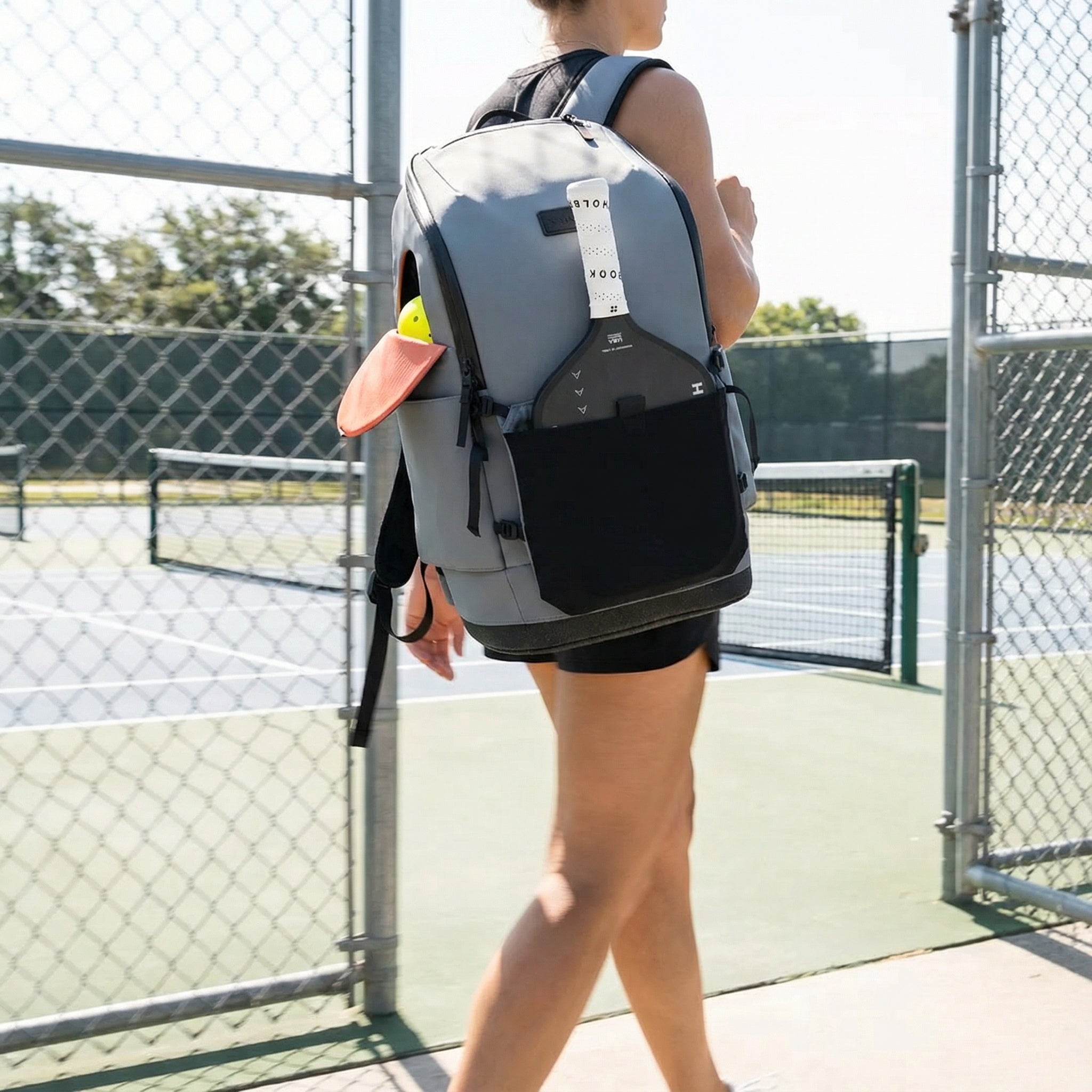
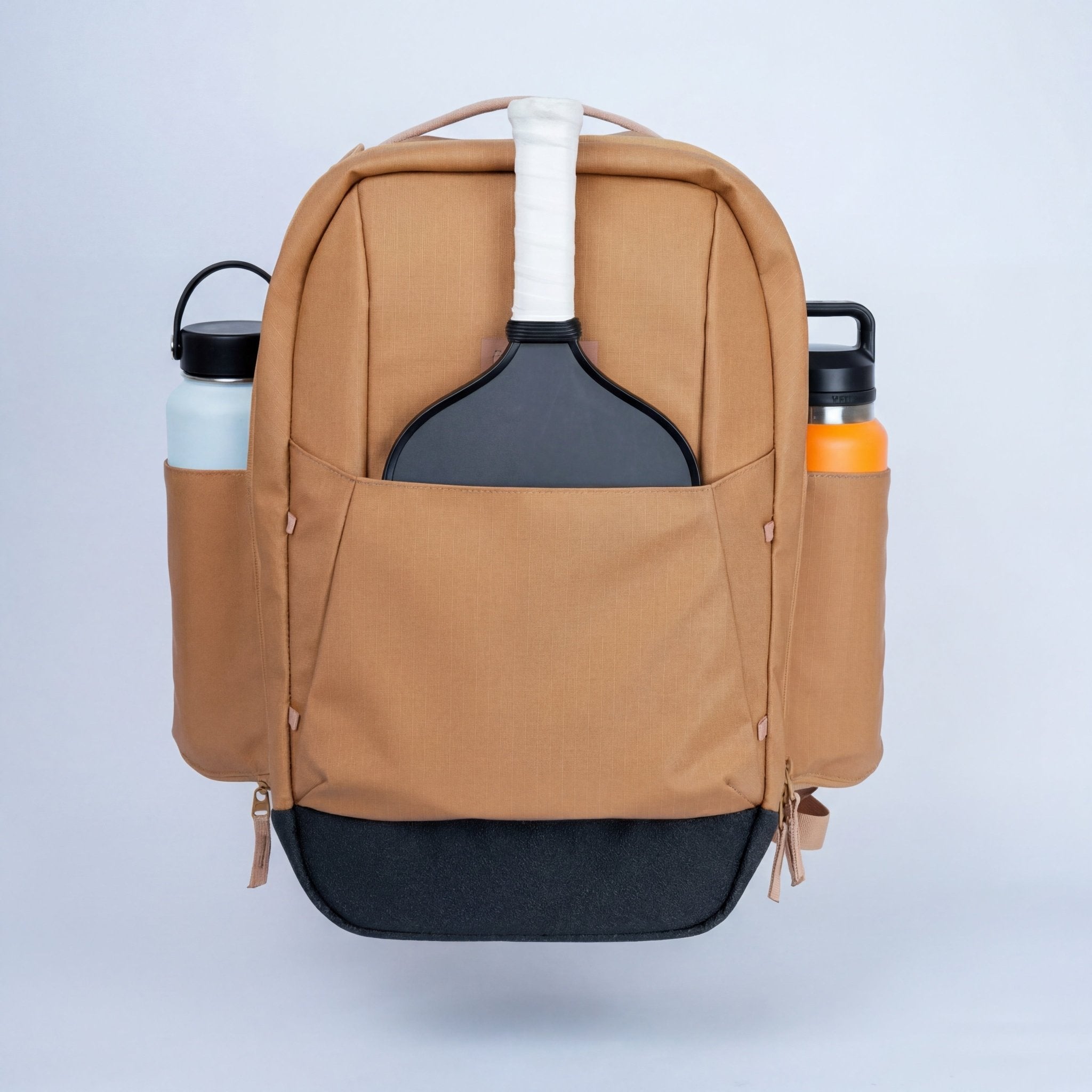
A great paddle deserves a bag built around how you actually play. The FORWRD Court Ranger V2 ($195) fits up to 4 paddles in its modular sleeve system, has a separate shoe compartment, and a 16" laptop sleeve for players who go straight from court to work. Designed with feedback from 500+ real players.

Pricing and Where to Buy
The Perseus Pro IV 16mm is available at Pickleball Central for $249.95 with free shipping on orders over a certain threshold. JOOLA also occasionally runs promotions — worth checking before you buy. The paddle ships quickly and PBC has reliable return policies if you get a weight that doesn't feel right in the range.
Check Current Price at Pickleball Central →
Frequently Asked Questions
Is the JOOLA Perseus Pro IV still worth buying now that the Pro V is out?
Yes, for most recreational and competitive rec players. The Pro IV runs the same 16mm Propulsion core as the Pro V. The main upgrade in the V is KineticFrame throat integration — foam reinforcement at the paddle-to-handle transition that reduces vibration on fast hands exchanges. If you play 3.5–4.5 level and don't heavily rely on lightning-fast kitchen speed, the Pro IV delivers 95% of the experience at $50 less.
What's the difference between the JOOLA Perseus Pro IV 14mm and 16mm versions?
The 16mm version prioritizes control, dwell time, and a softer, more forgiving feel — better for kitchen-focused play and reset shots. The 14mm hits harder and faster off the face, with more pop for drives and a crisper feel overall. Power players who play an aggressive baselining game often prefer 14mm. If you're unsure, the 16mm is the more forgiving choice for developing players.
How does the JOOLA Perseus Pro IV compare to the Selkirk LUXX Control Air?
Both are premium 16mm control-oriented paddles. The Selkirk LUXX Control Air features InfiniGrit surface texture for higher spin generation and tends to feel slightly softer. The Perseus Pro IV has a snappier carbon face and performs well on drives. If spin is your priority, Selkirk edges this matchup. If you want the JOOLA feel and Ben Johns' engineering inputs, the Perseus Pro IV wins on dwell time and brand pedigree.
Is the JOOLA Perseus Pro IV USAP approved for tournament play?
Yes. The Perseus Pro IV is approved for both USAP (USA Pickleball) and UPA-A sanctioned tournament play. Check the current USAP paddle approval list before any major tournament, as certifications can expire or change — but as of mid-2026, the Pro IV remains approved.
How long does the carbon fiber face last on the Perseus Pro IV?
With regular play (3–4 sessions/week on outdoor concrete), expect the surface grit to start smoothing noticeably around 9–12 months. Some players extend surface life by using an overgrip on the face (light sanding is against USAP rules), while others accept gradual grit loss as a normal part of paddle lifecycle. The polymer core retains its structure well past the surface wear — the paddle doesn't "die" suddenly, it degrades gradually.
Final Verdict
The JOOLA Perseus Pro IV 16mm is a legitimate paddle — not a legacy footnote. Its 16mm Propulsion core with Tech Flex edge foam represents real engineering that still outperforms most paddles in its price class on control metrics. The Pro V's KineticFrame is a genuine improvement for fast-hands kitchen players, but it's not a revelation that makes the IV obsolete.
Buy the Pro IV if you're a 3.5–4.5 player who values dwell time, control, and the peace of knowing Ben Johns' engineering team sweated the same decisions behind this platform. Skip it if you're playing above 4.5 and fast exchanges are your game — the Pro V's throat refinement matters at that level.
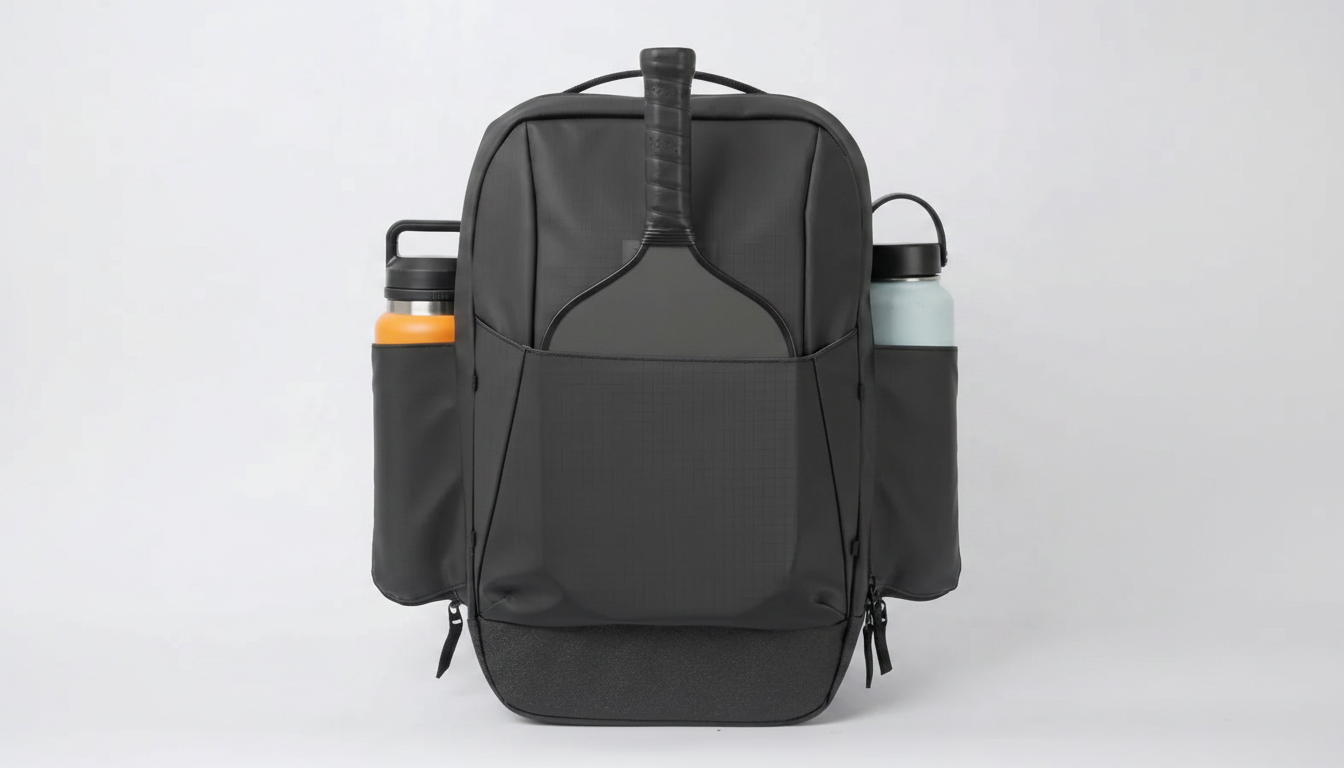
One thing to sort alongside your paddle decision: how you're carrying it. The FORWRD Court Ranger V2 ($195) fits up to 4 paddles in a modular sleeve — your Pro IV doesn't bounce around on the way to court.

Leave a comment
This site is protected by hCaptcha and the hCaptcha Privacy Policy and Terms of Service apply.