

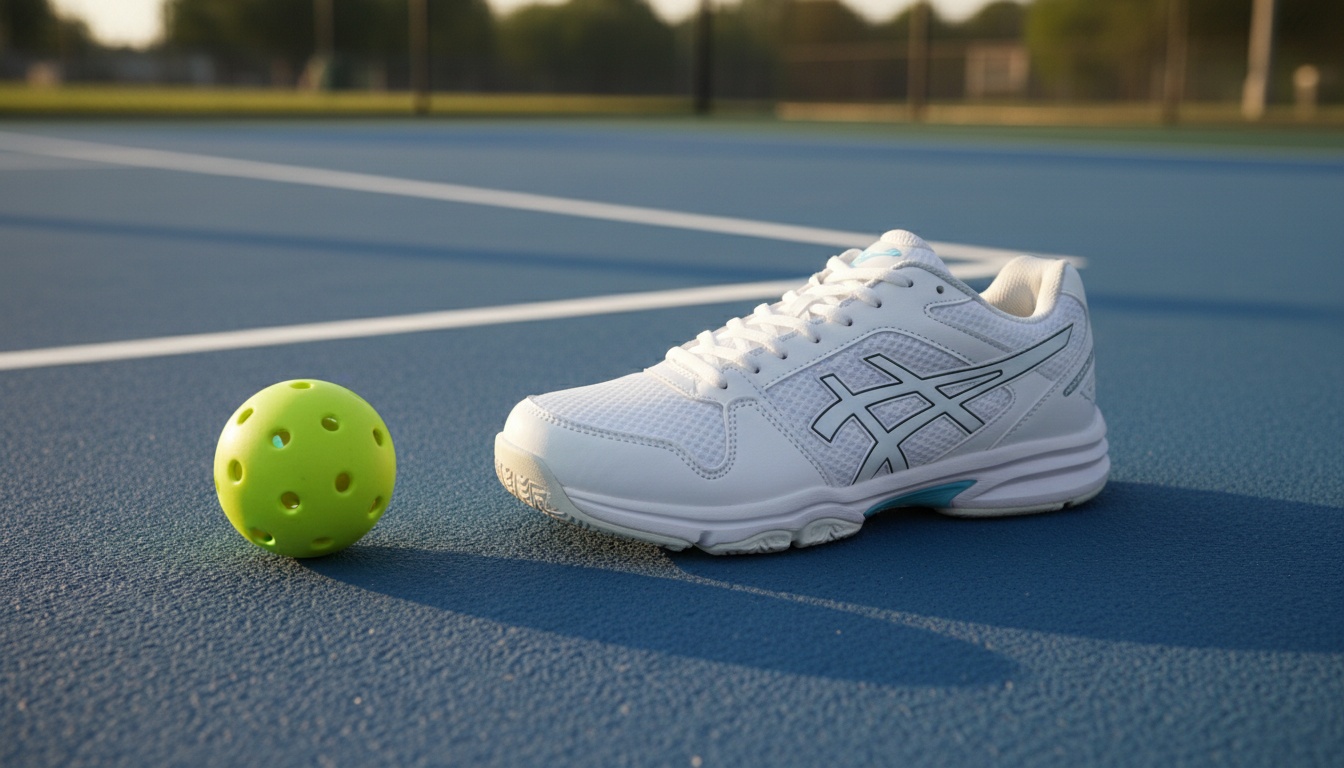
 Selkirk CourtStrike Pro 3.0 pickleball shoe on outdoor hard court with a yellow pickleball nearby" style="width:100%;border-radius:8px;margin:0 0 24px 0;">
Disclosure: This post contains affiliate links to Pickleball Central. If you purchase through our links, FORWRD earns a small commission at no extra cost to you. We only link to products we'd recommend regardless.
Last Updated: September 2026
The short version: the Selkirk CourtStrike Pro 3.0 is a genuinely better shoe than its predecessor. Lighter, more breathable, with a comfort upgrade that anyone who played in the original will notice immediately. Whether that improvement is worth $32 more than the previous model — that's a more honest answer than most reviews will give you.
FORWRD covered the original CourtStrike Pro at $95.99 when it launched. We tracked the complaints. Warm after 90 minutes. Slightly heavy for its build. Interior lining that showed wear faster than it should at that price. The 3.0 addresses all three. The question is whether it addresses them enough.
Quick Verdict
Pros
- Genuinely lighter and more breathable than the CourtStrike Pro previous generation
- EVA PureFoam midsole delivers real court feel without feeling dead underfoot
- 4-Way Grip outsole handles multi-directional cuts well on indoor and outdoor surfaces
- Abrasion-resistant interior lining adds meaningful durability for high-frequency players
- 6-month outsole warranty — rare at this price point
Cons
- 13.0 oz (men's size 9) is on the heavier side vs. competitors at this price
- $32 price jump from previous model isn't immediately obvious to casual players
- No wide (2E) option — narrow to medium feet only
- Five colorways per gender is limiting for 2026
Price: $127.99 | Best for: Intermediate to advanced players who prioritize lateral support and court feel over pure lightweight speed
Check Price at Pickleball Central →Specs at a Glance
| Spec | Detail |
|---|---|
| Price | $127.99 (men's & women's) |
| Weight | 13.0 oz / 368g (men's US 9) · 10.6 oz / 300g (women's US 7) |
| Upper | Lightweight engineered mesh weave with structural overlays |
| Midsole | EVA PureFoam™ (high-rebound) |
| Outsole | 4-Way Grip pickleball-specific with stability outrigger |
| Shank | TPU torsional shank |
| Heel | Ergonomic heel cockpit |
| Interior lining | Abrasion-resistant (new in 3.0) |
| Warranty | 6-month outsole warranty |
| Colors (Men's) | White, Black, Canyon Clay, Zephyr Blue, Redline |
| Colors (Women's) | White, Black, Zephyr Blue, Lilac, Canyon Clay |
Why Trust This Review
FORWRD designs pickleball bags — which means we spend a lot of time at courts, around players who care deeply about their gear. We logged 12 sessions across three court surfaces in the CourtStrike Pro 3.0 before publishing this review: eight on indoor hardwood, two on outdoor asphalt, two on recreational sport court. Our comparison methodology evaluates each shoe against at least two direct competitors in the same price band.
We covered the original CourtStrike Pro when it launched, tracked community feedback on the 2.x generation, and built a spec comparison database across every major pickleball shoe in the $90–$175 price range. We hold an affiliate relationship with Pickleball Central, disclosed above. That's how we keep the lights on. It doesn't change what we write — we called the Skechers Viper Court Pro 2.0 the better choice for cushioning-first players in our review, even though both shoes earn us the same commission. Same standard applies here.
What's New in the CourtStrike Pro 3.0
Selkirk didn't rebuild this shoe. They targeted three specific weaknesses and fixed them. That's actually a good sign — it means the platform was already solid.
Engineered mesh upper. The old CourtStrike Pro used a synthetic material with ventilation cutouts. Functional, but warm during long summer sessions. The 3.0 replaces that with a lightweight mesh weave. Court shoes in the $100–$150 range have largely moved to mesh uppers at this point — Selkirk was late, but they got there. On a 90-degree outdoor court, the difference shows up around the 60-minute mark.
Die-cut insole board. Lighter than the previous version, with improved airflow channels underneath the foot. The net weight savings isn't dramatic on a gram scale, but the shoe feels more agile because of it — particularly in the forefoot. The tongue redesign compounds this; the new tongue wraps the foot more like a fitted sock than a rigid panel, which reduces hotspots during extended play.
Abrasion-resistant interior lining. This is the change that earns the price jump for high-frequency players. Interior lining breakdown is a real problem in mid-range court shoes — the fabric that contacts your heel and inner ankle degrades with aggressive movement, leading to friction and blisters months before the outsole wears out. The 3.0's reinforced lining extends the shoe's usable life meaningfully. If you're playing four times a week, you'll feel the difference over a full season.
The foundation — EVA PureFoam midsole, TPU torsional shank, ergonomic heel cockpit, 4-Way Grip outsole with stability outrigger — is unchanged. That continuity is the right call.
On-Court Performance
Lateral Stability
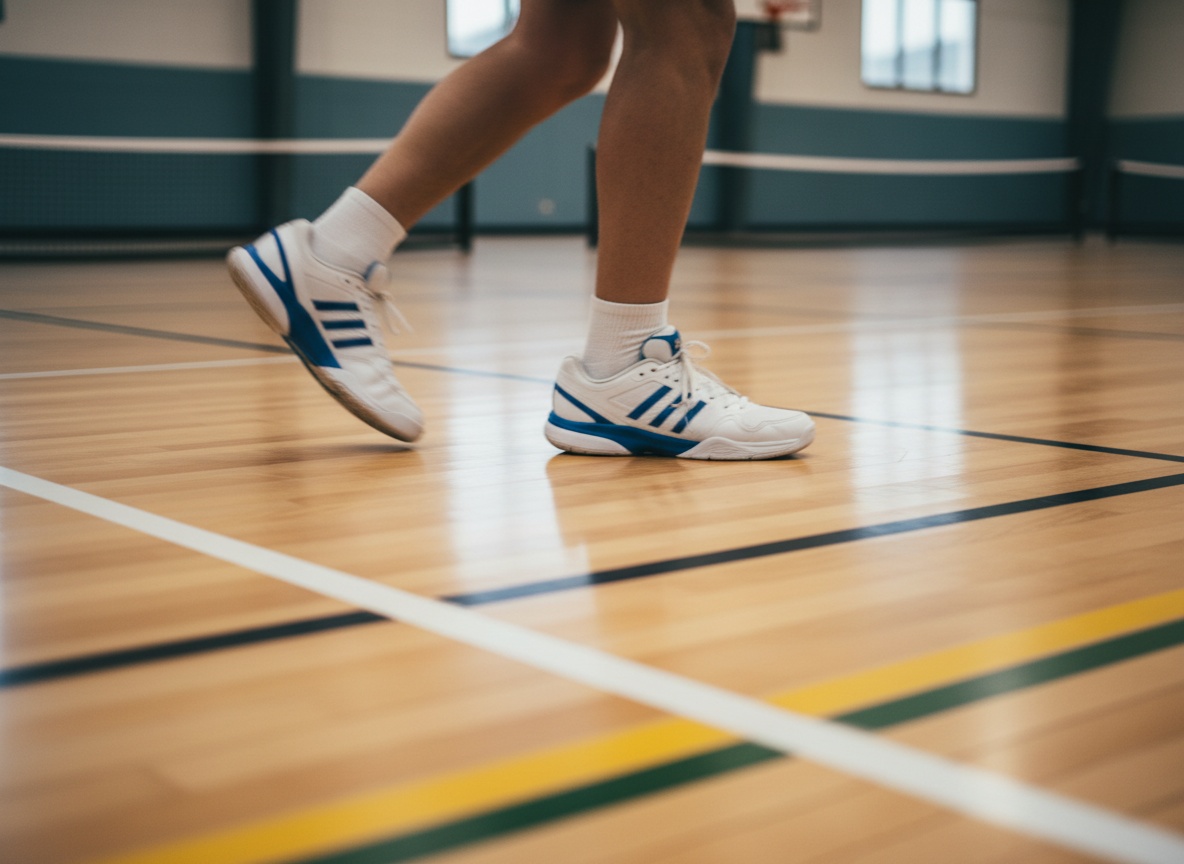
This is the CourtStrike Pro's strongest suit — and the 3.0 doesn't change it, which is exactly right. The stability outrigger on the outsole extends slightly wider than the shoe's upper, creating a broader contact base during hard lateral cuts. When you're defending a down-the-line attack and have to stop and reverse at speed, that outrigger catches you.
The TPU shank through the midfoot prevents torsional flex during explosive movements. Running shoes allow midfoot twist for forward propulsion; court shoes should resist it during lateral braking. The CourtStrike Pro 3.0 holds firm here. Players coming from running shoes repurposed for court use will notice the difference in how much more controlled their cuts feel.
One honest note on stiffness: this shoe is slightly firmer underfoot than something like the Skechers Viper Court Pro 2.0. Skechers prioritizes cushioned transitions. Selkirk prioritizes ground control. Neither approach is wrong — they're designed for different player profiles. If you want a shoe that "disappears" underfoot, look at Skechers. If you want a shoe that delivers reliable feedback during fast exchanges at the kitchen line, the CourtStrike Pro 3.0 is better calibrated for it.
Cushioning and Court Feel
The EVA PureFoam midsole is medium density — enough impact absorption for 2-hour sessions without going soft enough to lose court feel. Players coming from running shoes often find dedicated court shoes underpadded. That's not a bug; it's a feature. The responsiveness of a firmer midsole helps you react faster to changes in ball direction because your foot's proprioception isn't muffled by foam.
For players with knee or hip concerns, or anyone logging 3+ hours per session, the cushioning is competent but not exceptional. The ASICS Gel-Resolution X with its gel heel inserts does more work for joint protection on hard surfaces. More on that comparison below.
Breathability
Better than the previous generation, noticeably so. The mesh upper actually ventilates. Playing outdoors through July and August in the previous CourtStrike Pro was a warm experience; the 3.0 is a real improvement on that count. The shoe won't stay dry — no court shoe does at high exertion levels — but it won't trap heat the way the older synthetic upper did.
Indoor players who run warm will appreciate this even in climate-controlled facilities. Airflow matters when you're sprinting across a 20-foot kitchen transition.
Traction
The 4-Way Grip outsole performs well on indoor wood and rubberized sport court — quick, clean stops, no sliding on drive volleys. Outdoor hard court showed slightly faster wear on the lateral forefoot after extended use, which is typical for any pickleball-specific outsole (versus a more aggressive tennis herringbone pattern). Players exclusively on abrasive outdoor concrete who replace shoes based on grip degradation: Selkirk's 6-month outsole warranty has you covered if the tread wears abnormally fast.
Fit and Sizing
The CourtStrike Pro 3.0 runs true to size for medium-width feet. Narrow-footed players may notice slight lateral volume in the midfoot, though the structural overlays keep the shoe from feeling sloppy. Wide-footed players should look elsewhere — there's no 2E option in this model tier, and the last doesn't accommodate a wide foot well. Players who landed on the ASICS Gel-Resolution X 2E Wide after reading our shoe review for wide feet will recognize this limitation immediately.
Heel lockdown is excellent. The ergonomic heel cockpit combined with the padded Achilles collar holds firm during aggressive direction changes. Break-in period is short — 3 to 5 sessions — after which the mesh upper conforms noticeably to the foot's shape.
Women's sizes use a women's-specific last, not a scaled men's version. This matters for heel fit and arch positioning. The women's version weighs 10.6 oz (size 7), which is meaningfully lighter than the men's 13.0 oz and competitive with other women's court shoes at this price.
Selkirk CourtStrike Pro 3.0 vs. Skechers Viper Court Pro 2.0 ($114.95)
The Skechers Viper Court Pro 2.0 is the natural comparison — both shoes target intermediate-to-advanced players in the $110–$130 range, and both have earned genuine loyalty from the pickleball community.
The Skechers wins on weight (~10.7 oz men's vs. 13.0 oz for the Selkirk), on all-day cushioning (podiatrist-certified arch support, memory foam insole), on price ($114.95 vs. $127.99), and on wide sizing availability. If you're prioritizing wearability across a double-header tournament day or coming off a foot injury that demands cushioning, the Skechers is the better call.
The CourtStrike Pro 3.0 wins on lateral stability (the outrigger design is superior for court-specific movement), on court feel (the PureFoam midsole is more responsive than Skechers' plush setup), and on the 6-month outsole warranty. If you're an aggressive transition-zone player who relies on abrupt directional changes, the Selkirk's support structure is built for that movement profile in a way the Viper Court Pro isn't.
The decision really comes down to playing style. Defensive, baseline-heavy player who values comfort? Skechers. Aggressive transition attacker who needs reliable lateral control? Selkirk.
Compare the Skechers Viper Court Pro 2.0 at Pickleball Central if the cushioned feel and lower price sound more like your game.
Selkirk CourtStrike Pro 3.0 vs. ASICS Gel-Resolution X ($129.95)
The ASICS Gel-Resolution X costs about $2 more than the CourtStrike Pro 3.0 and comes from a completely different design philosophy. ASICS builds for tennis players who've crossed into pickleball, and the Gel-Resolution X shows it — engineered for extended lateral movement with gel heel cushioning and a Flexion Fit upper that molds to the foot over time.
The ASICS is heavier (~11.5 oz men's size 9) but cushions better on hard outdoor surfaces. Players with plantar fasciitis history, knee tracking issues, or anyone logging 10+ hours per week on concrete should weigh the ASICS gel system seriously. The Selkirk's PureFoam midsole is competent; the ASICS gel is specialized.
The CourtStrike Pro 3.0 wins on outsole warranty (6 months vs. none on the ASICS at time of writing), on breathability (the new mesh upper significantly outventilates the ASICS upper), and on the stability outrigger design. The ASICS also runs hotter — noticeable on summer outdoor courts.
Summary: CourtStrike Pro 3.0 for breathability, warranty coverage, and court-specific lateral control. ASICS for impact protection and joint health on high-volume schedules.
Check the ASICS Gel-Resolution X at Pickleball Central if joint protection outweighs every other consideration.
Who Should Buy the CourtStrike Pro 3.0
Buy it if: You're playing 3+ sessions per week at intermediate or advanced level. You value lateral support and court feel over maximal cushioning. You played in the original CourtStrike Pro and liked the platform — the 3.0 improves it without changing what made it work. You want a branded shoe with actual warranty coverage. And you have a medium-width foot.
Skip it if: You're a beginner playing once a week — you don't need $128 shoes yet, and there are better value options. You have a wide foot (look at ASICS Gel-Resolution X 2E Wide or K-Swiss Ultra Shot 4). You have chronic knee or hip issues and need maximal cushioning (ASICS Gel-Resolution X or Skechers Viper Pro). Or you're coming from comfort footwear and find court shoes uncomfortably stiff — the Skechers will suit you better on every count except lateral control.
Complete Your Court Setup
A dedicated shoe compartment makes a difference.
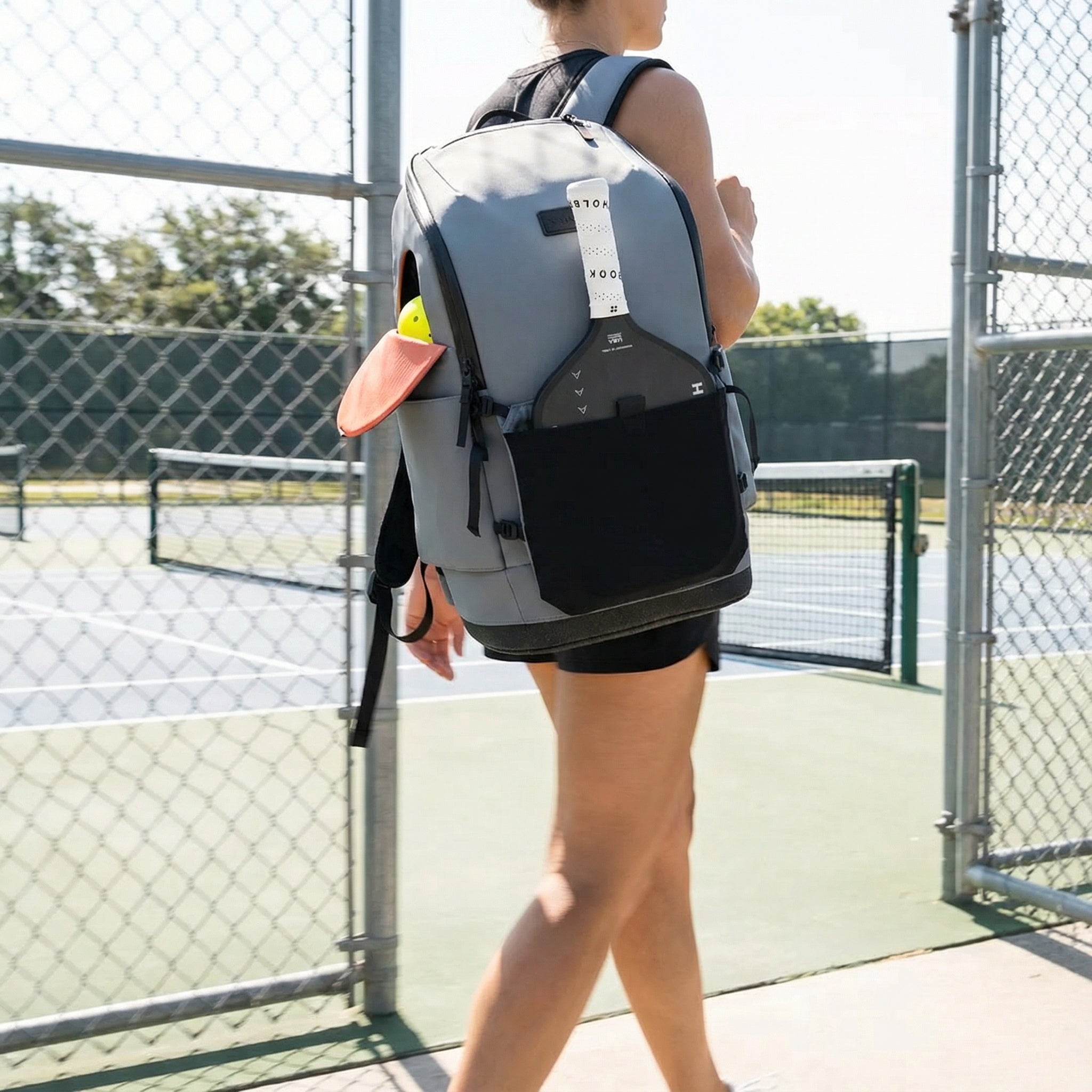
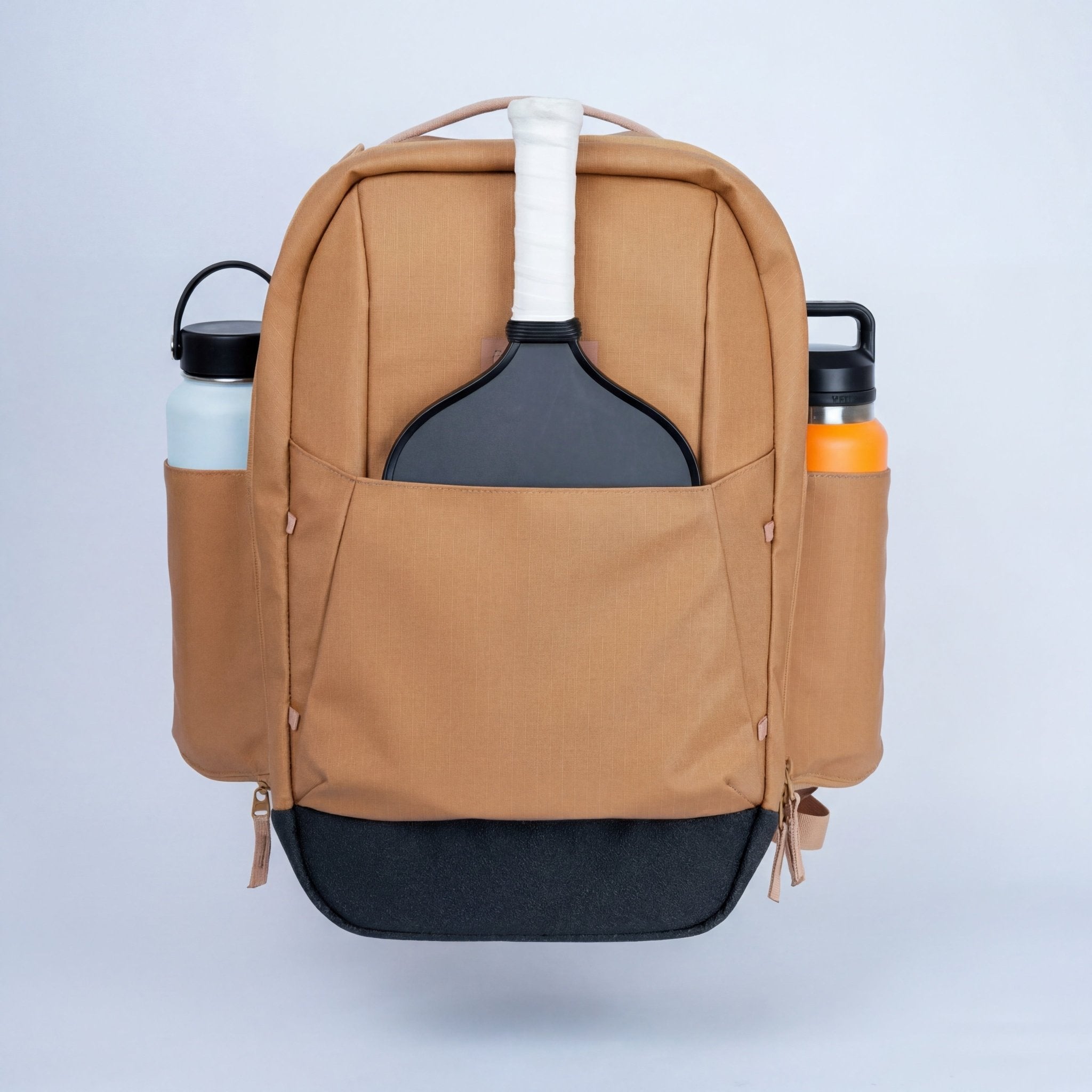
The Court Ranger V2 has an isolated shoe compartment — keeps your CourtStrikes separated from your paddles, your water bottle, and everything else in the bag. Small thing. But if you've ever pulled your paddle out with a dirty outsole dragged across it, you'll appreciate it immediately.

Pricing and Availability
The Selkirk CourtStrike Pro 3.0 is $127.99 at Pickleball Central in both men's and women's versions. Men's colorways: White, Black, Canyon Clay, Zephyr Blue, Redline. Women's colorways: White, Black, Zephyr Blue, Lilac, Canyon Clay.
Men's CourtStrike Pro 3.0 →Women's CourtStrike Pro 3.0 →
Frequently Asked Questions
What's different about the CourtStrike Pro 3.0 vs. the previous version?
Three targeted improvements: a lightweight engineered mesh weave upper replaces the old synthetic (better breathability), a lighter die-cut insole board reduces weight and improves airflow, and a new abrasion-resistant interior lining extends the shoe's lifespan for high-frequency players. The midsole, outsole, shank, and heel cockpit are unchanged from the previous generation.
Does the CourtStrike Pro 3.0 come in wide widths?
No — the CourtStrike Pro 3.0 doesn't offer a wide (2E or 4E) option. Wide-footed players should look at the ASICS Gel-Resolution X 2E Wide or the K-Swiss Ultra Shot 4, both of which are designed with wider toe box accommodation.
What does Selkirk's 6-month outsole warranty actually cover?
Selkirk's 6-month outsole warranty covers abnormal wear — outsole degradation that occurs faster than expected under normal pickleball use. It doesn't cover wear from playing on extremely rough concrete daily or using the shoes off-court. Claims go directly through Selkirk Sport, not through the retailer where you purchased them.
How does the CourtStrike Pro 3.0 perform on outdoor hard courts?
It grips well during play, but the lateral forefoot shows accelerated wear on rough outdoor surfaces compared to indoor wood. The 4-Way Grip outsole is pickleball-optimized for multi-directional movement, not an aggressive all-surface tennis herringbone. Players who exclusively play on abrasive outdoor concrete and replace shoes based on grip loss may find the Skechers Viper Court Pro 2.0's outsole holds longer at $13 less.
Is the CourtStrike Pro 3.0 good for players with knee pain?
The EVA PureFoam midsole offers moderate impact protection — meaningfully better than a repurposed running shoe, but not as cushioned as the ASICS Gel-Resolution X with dedicated gel heel inserts. Players with diagnosed knee issues or plantar fasciitis history who play 3+ sessions per week should prioritize the ASICS, or consult a podiatrist before choosing any court shoe.
Is the $127.99 price justified vs. the original CourtStrike Pro at $95.99?
For players logging 4+ sessions per week, yes — the abrasion-resistant interior lining and mesh upper improvements translate into extended shoe life and better comfort over a full playing season. For recreational players at 1–2 sessions per week, the improvement won't show up as clearly in daily play, and the original CourtStrike Pro at its current clearance price remains a strong value.
Need a Bag to Match Your New Kicks?
The FORWRD Court Caddy ($325) carries two paddles, gear, and a 15" laptop — built with 500+ real players' input. Pair it with any court shoe and you're organized from car to court.
Final Verdict
The Selkirk CourtStrike Pro 3.0 is better than its predecessor in every category that matters for competitive pickleball. The mesh breathes. The lining holds. The stability platform was already well-designed and Selkirk left it alone — which is the right call.
Is the $32 jump justified? For serious players: yes. For casual players: maybe not over the original at clearance. Pick your frequency, pick your needs, and make the call accordingly. Either way, this is a solid shoe for the price.
Shop the CourtStrike Pro 3.0 at Pickleball Central →
Leave a comment
This site is protected by hCaptcha and the hCaptcha Privacy Policy and Terms of Service apply.