

Last updated: May 2026
Every major pickleball bag guide skips the most important demographic in the sport's fastest-growing segment: kids. Here's what no other article will tell you — the right bag depends almost entirely on age, playing frequency, and whether your kid is hauling gear to the neighborhood court or competing in junior USA Pickleball events. Those use cases demand completely different bags.
Short answer: kids under 12 need a lightweight bag under 2 lbs empty, 1–2 paddles max. Players 12–15 can use most standard backpacks. Serious juniors 16 and up? The FORWRD Court Ranger V2 is built to carry them through high school and beyond.
Disclosure: Some links in this article are affiliate links. FORWRD earns a small commission if you purchase through them, at no additional cost to you. This helps support our independent gear reviews.
Why Regular Pickleball Bags Don't Always Work for Kids
Most pickleball bags are engineered for adult frames — 17–20 inch torso lengths, shoulder straps calibrated for adult shoulder widths, and packed weights that routinely hit 8–10 lbs once loaded with paddles, balls, water, and accessories. Apply pediatric health guidelines (bag weight should not exceed 10–15% of body weight), and a 70-lb 10-year-old is already at the limit before they've packed a single item.
The practical consequence: an adult-sized bag sits too low on a child's back, distributes weight poorly, and is organizationally overwhelming for younger players. The most common outcome? The bag gets left in the car.
That said, most kids don't need a specifically "kids" bag — they need a right-sized bag. The distinction matters, because right-sized changes as they grow.
The Age and Skill Framework (What No Other Guide Gives You)
The framework below isn't just age — it accounts for how frequently and seriously they're playing:
- Ages 6–11, casual play (1–2x/week, rec courts): Lightweight sling or compact day pack, 15–20L capacity, under 2 lbs empty. Room for 1–2 paddles, a can of balls, and a water bottle. Nothing more complex.
- Ages 12–15, developing player (leagues, camps, 3x/week): Standard pickleball backpack, 20–28L, under 1.5 lbs empty. Must have a dedicated paddle compartment — scratched paddle faces are the #1 parent complaint from skipping this feature.
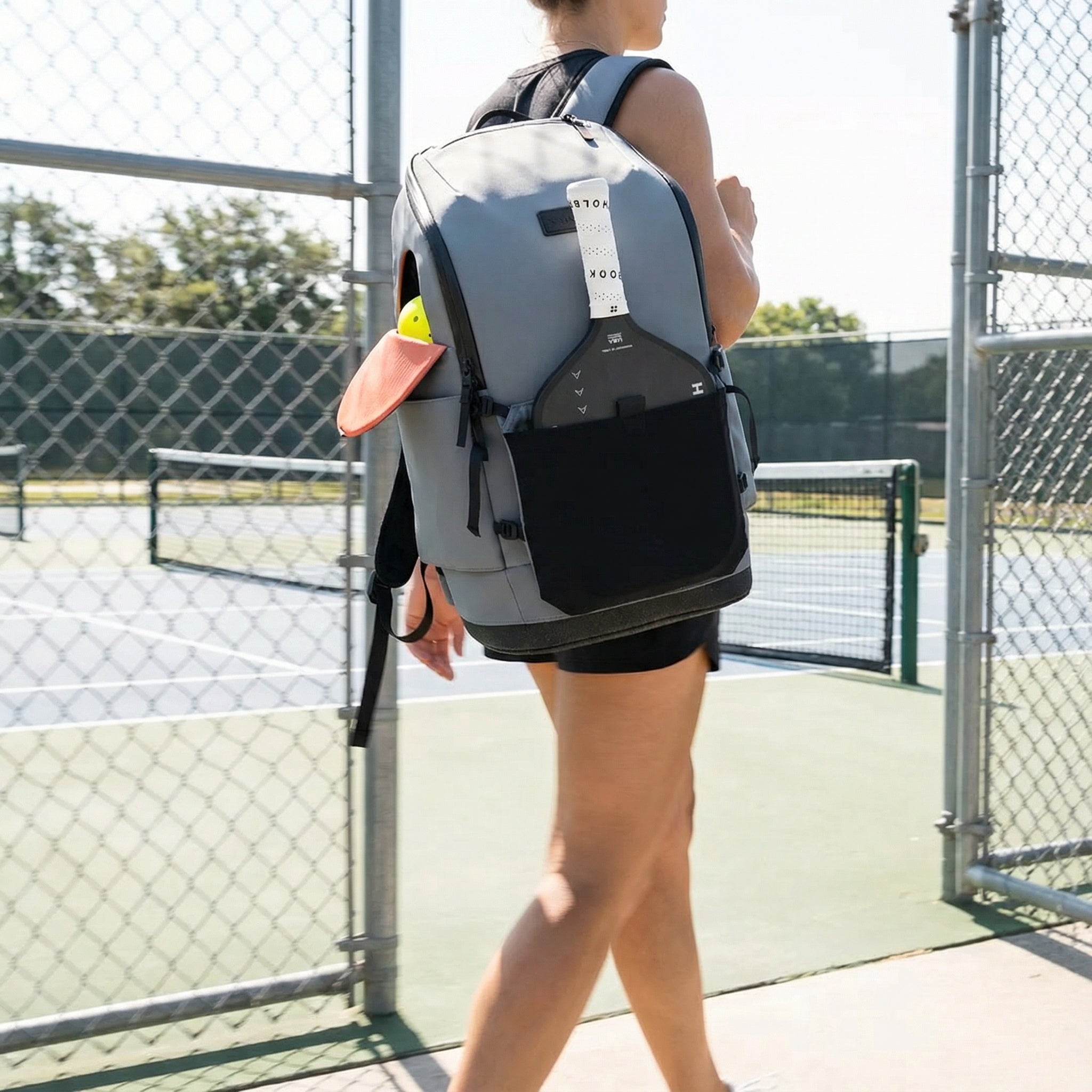
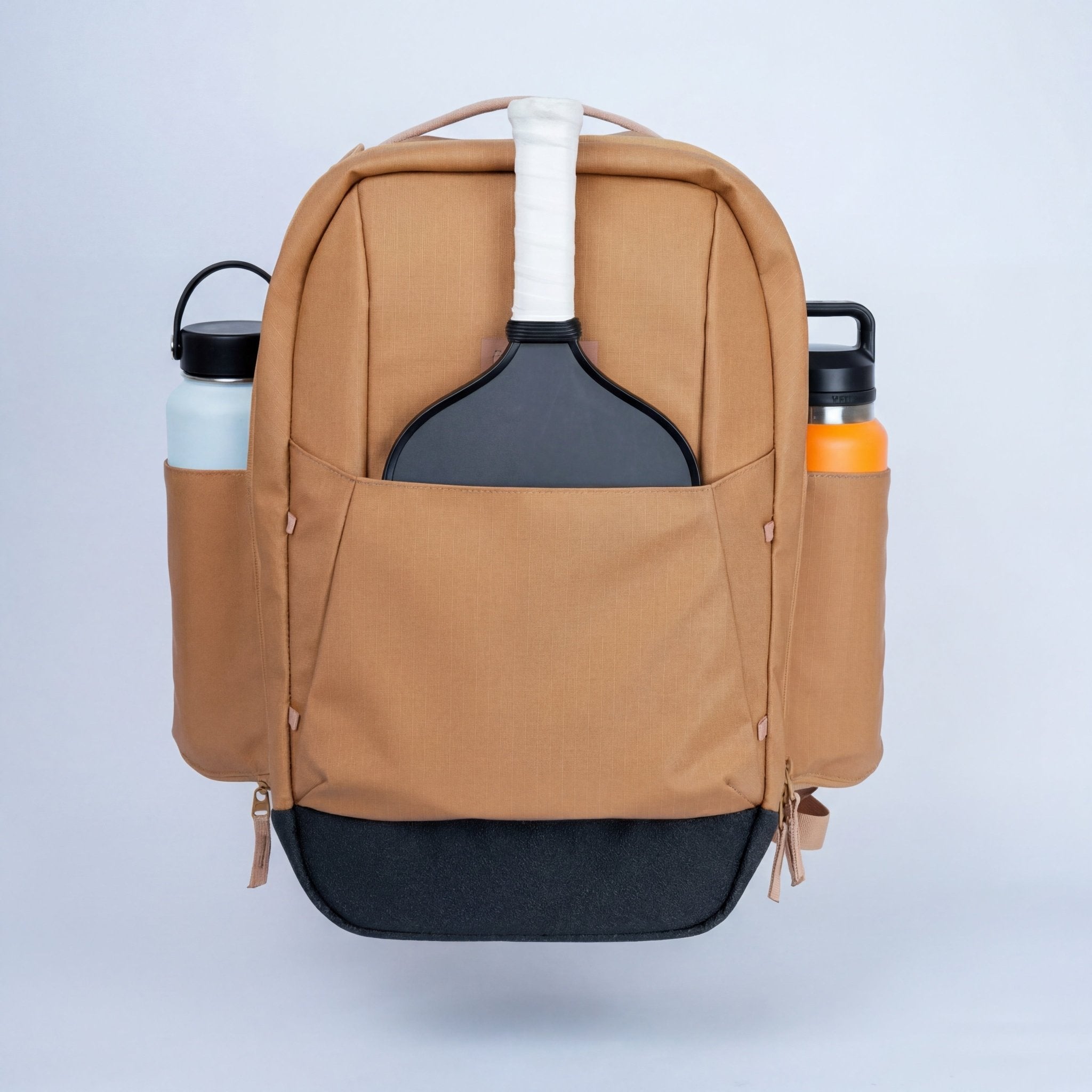
- Ages 16+, serious junior (tournament play, competing in sanctioned events): Full-feature pickleball backpack. The Court Ranger V2 ($195) is the right move — a bag they won't outgrow in high school, college, or beyond.
Best Pickleball Bags for Kids: Our Top Picks

#1 for Serious Juniors (16+): FORWRD Court Ranger V2 — $195
For junior players competing in leagues or sanctioned tournaments, the Court Ranger V2 is the correct bag at the correct moment. Here's why it works specifically for this demographic: it's lighter than the Court Caddy, carries a 16" laptop sleeve that handles school devices, and has a clean enough aesthetic that it doesn't look like "junior gear" — important to 16-year-olds.
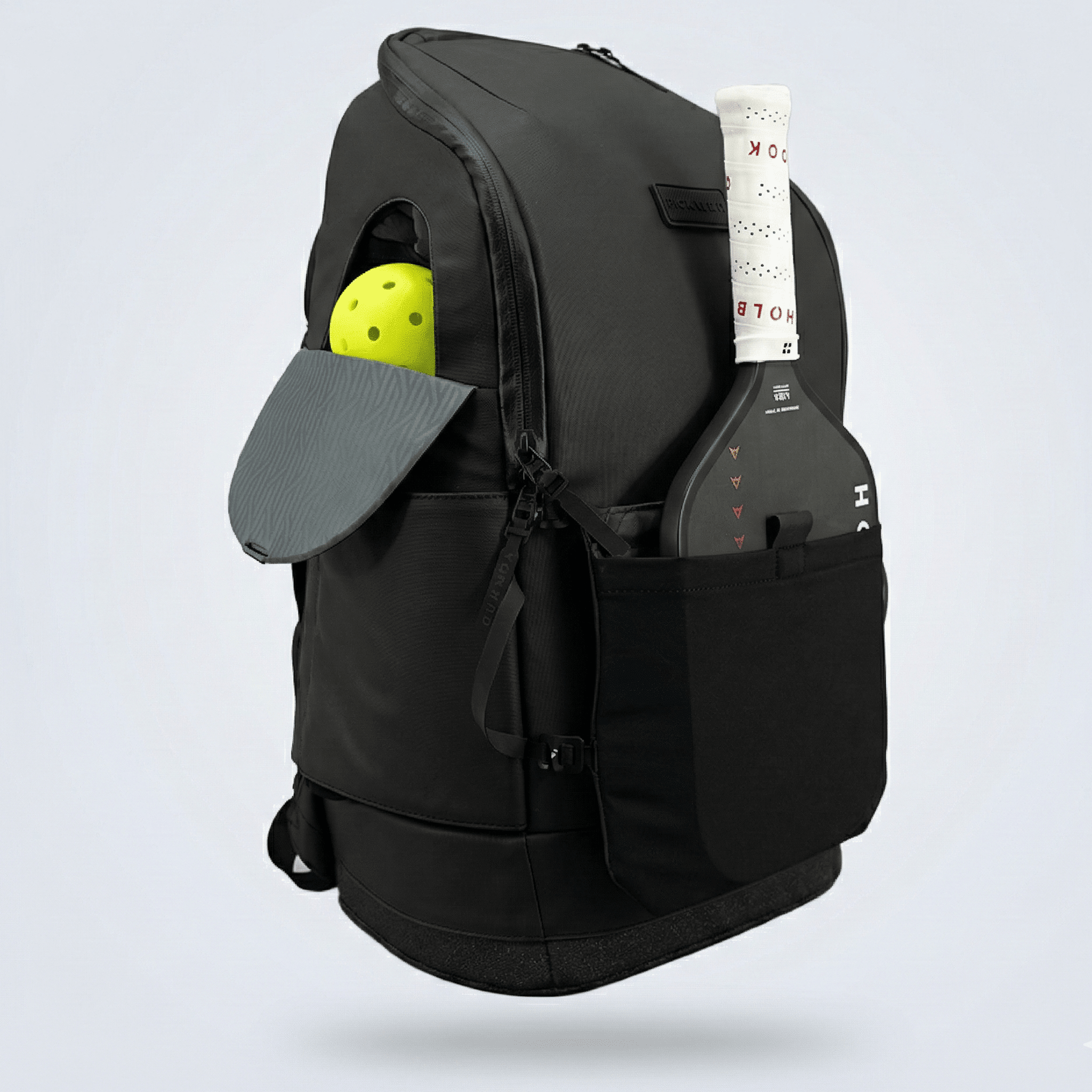
Designed after 12 revisions with input from 500+ real players across skill levels (including junior and developing players), the Court Ranger V2's modular paddle sleeve holds up to 3 paddles cleanly. YKK AquaGuard zippers handle rain-delay tournament conditions. The bag grows from junior competition through adult recreational play without feeling like it was outgrown.
This is the one-purchase solution to the junior bag problem — no cheap starter bag to replace in a year, no oversized adult bag that weighs more than the paddles inside it.
Shop the Court Ranger V2 — $195 →
Best for Developing Players (12–15): Standard Pickleball Backpack, $35–$75
At this stage, players are building their game but gear preferences shift quickly. A purpose-built pickleball backpack from Franklin, HEAD, or similar brands fits the bill at $35–$75. What to require: a dedicated paddle compartment (non-negotiable), padded back panel, and at least one water bottle holder. Skip bags with complex organizational systems — a 13-year-old packing for a 7 AM camp session doesn't need eight pockets.
Browse youth-friendly bags at Pickleball Central for current options in this tier.
Best for Young Kids (6–11): Lightweight Sling or Day Pack, $30–$65
Simplicity over features. A compact sling or day pack that fits 1–2 paddles and a ball — under 15L, under 1 lb empty — is all they need. Babolat's junior pickleball bag line ($49–$69) is purpose-sized for smaller frames. Shop youth pickleball gear at Pickleball Central.
What to Look for in a Youth Pickleball Bag (Size, Weight, Compartments)
Four things matter most for junior players. Two things that come standard in adult reviews don't matter yet — and you shouldn't pay for them if your kid doesn't need them.
What Matters
Empty weight. The most underrated spec in pickleball bag shopping, full stop. A bag at 2.5 lbs empty weighs 8–10 lbs loaded — approaching the upper limit of safe carrying weight for a 12-year-old. Target under 1.5 lbs empty for any player under 14.
Dedicated paddle compartment. Paddles need their own space. A $100 paddle face scratched by a water bottle cap on the way to practice is a frustrating way to learn this lesson. Any bag you buy for a junior player needs at minimum a basic sleeve or divider for paddles.
Torso fit. Most backpacks are designed for adult torso lengths (18+ inches). Kids aged 6–12 have torso lengths of 12–16 inches. A bag that hangs low shifts load to the lumbar — uncomfortable for growing spines and a reason kids stop carrying their own gear. Rule of thumb: packed and on, the bag bottom should rest at the hip, not below it.
Simple organizational layout. One main compartment, one water bottle holder, one small accessories pocket. Complexity can come later. A young player who can't find their overgrip in a seven-pocket bag before a match will stop using the bag properly within a week.
What Doesn't Matter Yet
Laptop sleeve: Save this feature for the upgrade bag at 16+ when the court-to-school use case appears. Most players under 14 aren't bringing a device courtside.
Weather-resistant YKK zippers: A worth-paying-for spec for competitive players in outdoor tournaments — not for casual juniors at the local recreational park.
Youth Pickleball Bag Comparison Table
| Bag | Price | Best Age Range | Empty Weight | Paddle Capacity | Best For |
|---|---|---|---|---|---|
| FORWRD Court Ranger V2 | $195 | 16+ (competitive) | ~1.4 lbs | 3–4 paddles | Serious juniors, tournament players |
| Franklin Sports Pickleball Bag | $35–$55 | 12–15 | ~0.9 lbs | 2 paddles | Developing players, budget-conscious parents |
| HEAD Tour Pickleball Backpack | $55–$75 | 13–16 | ~1.0–1.2 lbs | 2–3 paddles | League players, teens wanting a step up |
| Babolat Junior Backpack | $49–$69 | 6–12 | ~0.7 lbs | 1–2 paddles | Young kids, casual play, rec courts |
| FORWRD Court Caddy | $325 | 16+ (elite/tournament) | ~2.2 lbs | 4–5 paddles | Competitive teens traveling to multi-day events |
Non-FORWRD prices based on published retail. Shop current pricing at Pickleball Central.
When a Kid Is Ready to Upgrade to a Full-Size Bag
The upgrade trigger isn't a birthday — it's behavior. A junior player is ready for a full-size bag when they start doing any of these things:
- Carrying more than two paddles (a backup for tournaments, a spare for a partner)
- Traveling to courts by car rather than walking to a nearby facility
- Bringing a device courtside for video analysis or match recording
- Adding gear — towel, extra grip tape, sun protection, a snack — until their starter bag can't close cleanly
At that inflection point, the Court Ranger V2 is the right first serious bag. Players who invest in it at 15–17 are still using the same bag in college. It's not an adult bag that a junior tolerates — it's sized and weighted correctly for players transitioning into real competitive play.
For competitive teens attending multi-day USA Pickleball-sanctioned events, the Court Caddy ($325) becomes the upgrade call. Four to five paddle capacity, a 15" padded laptop sleeve, and the organizational structure to handle tournament-day packing without digging through compartments between matches.
If your player is just starting out, read our pickleball bag guide for beginners first — it covers what first-time players need before committing to a dedicated bag.
Ready to skip the starter bag entirely? See the Court Ranger V2 — the bag built for serious players who are ready to commit.
Teaching Kids Good Gear Habits Early
The bag is the easy part. What separates junior players who stick with pickleball from those who drift away is whether they develop a sense of ownership over their gear — and that starts with how they treat it from day one.
The Pre-Court Checklist Habit
Junior coaches across the PPA and APP youth development circuits report a consistent pattern: players who pack their own bag before every session — not a parent, not a coach — develop faster. Not because the packing itself matters, but because it builds the mental routine of showing up prepared. Teach your player to run through the same five items every time they leave for the court: paddles, balls, water, towel, grip tape. That ritual becomes the trigger for focused play.
Gear Care: The Habits That Prevent Expensive Mistakes
Two specific habits prevent the most common junior gear damage:
- Never toss paddles loose into the main compartment. A paddle face dragging against a zipper pull across a dozen commutes to the court will show edge wear within weeks. This is exactly what the dedicated paddle sleeve in the Court Ranger V2 is designed to prevent — paddles isolated from everything else, face protected.
- Let the bag air out after outdoor play. Moisture from towels and balls left sealed inside a bag degrades fabric faster than UV exposure. A five-minute post-session unzip is the entire habit.
Ownership Signals Commitment
There's a parenting insight worth stating directly: kids who have a bag they chose — or a bag that feels like theirs, not borrowed adult equipment — treat pickleball differently. Junior players who arrive with a proper bag that fits their level are more likely to commit to lessons, camps, and competitive play. The Court Ranger V2 isn't just functional; it looks the part. A 16-year-old arriving at a junior tournament with a bag that looks like junior gear doesn't feel the same as arriving with a bag that looks like a serious player's equipment.
The bag communicates something. Make sure it communicates the right thing.
FAQ: Common Questions About Pickleball Bags for Kids
What is the best pickleball bag for kids?
It depends on age and playing frequency. For kids under 12 in casual play, any lightweight sling or day pack under 2 lbs empty works well. For serious junior players 16 and up, the FORWRD Court Ranger V2 ($195) is the best option — purpose-built features, correct weight for developing players, and durable enough to last through high school without replacement.
Is a full-size pickleball bag too big for a child?
For players under 12, generally yes. Most full-size pickleball backpacks are sized for adult torsos and weigh 1.5–2.5 lbs empty before any gear is added. That empty weight alone approaches the safe carrying threshold for younger players. For players 14 and up, standard full-size bags work well. The Court Ranger V2 is the lightest full-feature option at approximately 1.4 lbs empty.
What features matter most in a youth pickleball bag?
In priority order: empty weight (under 1.5 lbs for players under 14), a dedicated paddle compartment to prevent scratch damage, proper torso fit so the bag sits at the hip rather than hanging low, and a simple organizational layout. Laptop sleeves and weather-resistant zippers are worth paying for once the player is competing seriously — not necessary for recreational play under 14.
Can kids use adult pickleball bags?
Yes, with caveats. Players 14 and up can use most adult pickleball backpacks without issue — weight and fit are manageable at that age. For players under 12, adult bags are usually too heavy and too large for proper back positioning. The sweet spot: a purpose-built junior bag under 12, a standard backpack at 12–15, and a full adult bag like the Court Ranger V2 at 16+.
Do kids need a special pickleball bag?
Not necessarily "special," but right-sized. Most adult pickleball bags weigh 1.5–2.5 lbs empty — too heavy for players under 12. What matters is that the bag fits the child's torso, stays under 1.5 lbs empty, and has a dedicated paddle compartment. A bag marketed as "kids gear" isn't required; a bag sized and weighted correctly is.
What size pickleball bag works best for junior players?
Under 12: 15–20L capacity, under 2 lbs empty — room for 1–2 paddles, a ball can, and a water bottle. Ages 12–15: 20–28L with a dedicated paddle compartment. Ages 16+: a standard adult backpack sized correctly. The Court Ranger V2 (~28L, ~1.4 lbs empty) fits junior players well from age 15 through adulthood.
How many paddles should a kid's pickleball bag hold?
Under 12 in casual play: 1–2 paddles is enough. Developing players 12–15 benefit from 2–3 paddle capacity — useful when they bring a spare for a partner or camp session. Serious juniors 16+ playing sanctioned events should look for 3–4 paddle capacity to handle backup gear and sharing with teammates.
How much should you spend on a pickleball bag for a junior player?
For casual players under 14, $30–$75 buys a solid starter bag. For serious junior players 14 and up, investing $150–$200 in one quality bag makes more financial sense than cycling through two cheaper ones. The Court Ranger V2 at $195 is the one-purchase solution — built to last through competitive junior play and into adulthood without needing replacement.

Leave a comment
This site is protected by hCaptcha and the hCaptcha Privacy Policy and Terms of Service apply.