

Last updated: August 2026
FORWRD may earn a commission on purchases made through links to Pickleball Central. We only link to products we'd recommend regardless.
Most pickleball bags fail the same way: zipper stiffens, interior starts holding smell, exterior fades after a season of outdoor courts. None of those outcomes are inevitable — they happen when players treat a performance bag like a casual gym bag and skip the maintenance that keeps it performing for years.
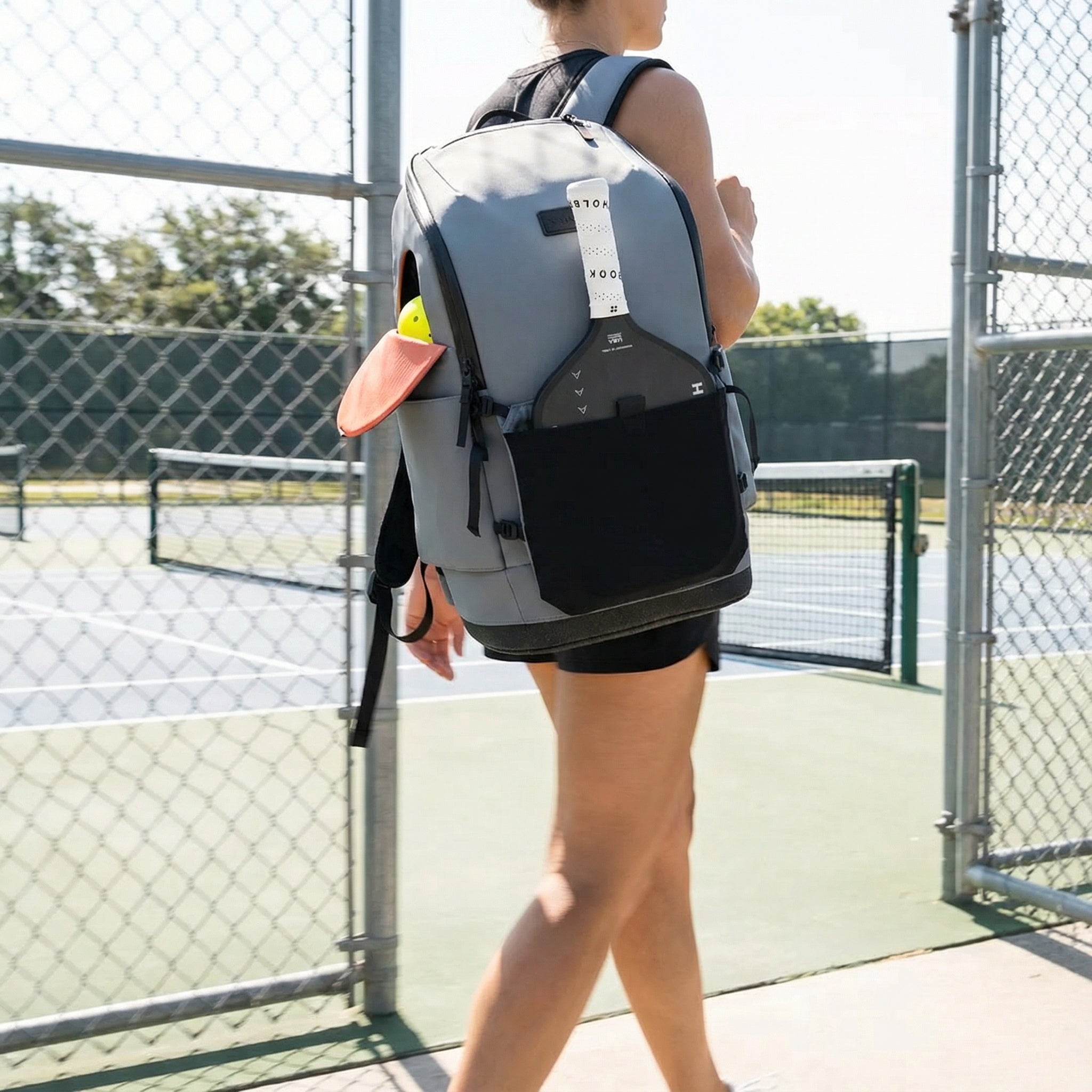
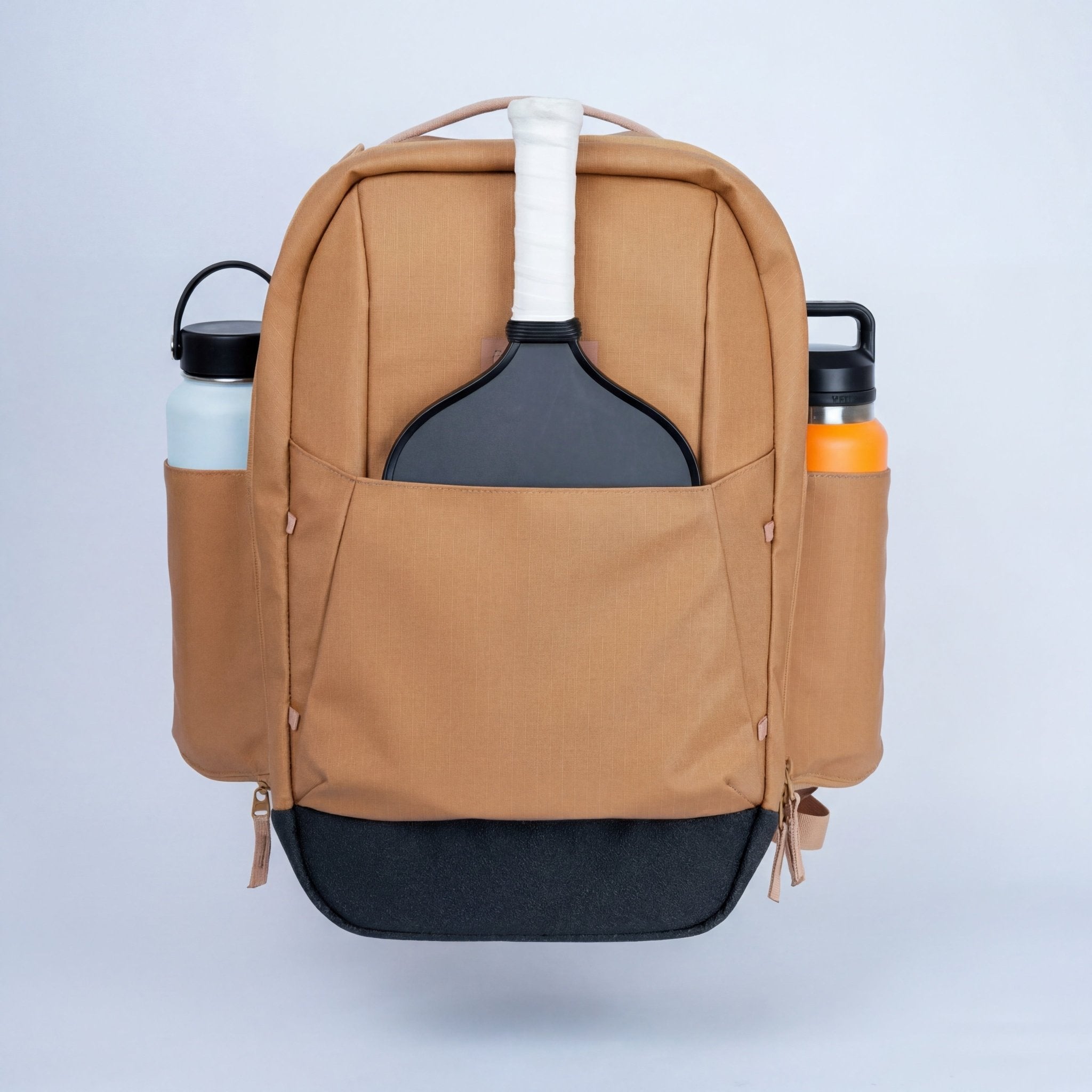
The Court Caddy ($325) and Court Ranger V2 ($195) are built for players who take their gear seriously. YKK AquaGuard waterproof-coil zippers, durable exterior fabric, modular paddle sleeve inserts — these aren't standard bag components. They also require slightly different maintenance than the nylon school bag you'd throw in a washing machine without thinking.
Here's exactly how to clean, maintain, and store both bags to extend their life well beyond the "normal" 2–3 year sports bag lifespan.

Why Pickleball Bags Need Different Care Than Regular Gym Bags
A gym bag lives in a climate-controlled locker room. A pickleball bag lives on outdoor hard courts in UV exposure, humidity swings, and court dust — then gets tossed in a car trunk, then a hotel room, then back out to the court. The environmental stress is different.
Three specific factors make pickleball bag maintenance distinct from generic sports bag care:
Court dust is abrasive. The fine grit from hard court surfaces (especially acrylic and concrete) works into fabric weaves and zipper teeth over time. It's not visible damage at first — it's the zipper drag you feel by month 6, or the fabric that starts pilling near the base. Regular cleaning removes grit before it becomes structural wear.
Wet grip tape and sweaty gear create persistent odor. Overgrips saturated with sweat, wet towels, and damp court shoes don't just smell — they create humidity inside the bag that accelerates fabric breakdown and zipper corrosion over time. This is different from a gym bag where the wet items are usually contained in a separate laundry pouch.
Premium zippers require specific maintenance. Standard bag zippers can be cleaned with soap and water and called done. YKK AquaGuard zippers — the waterproof-coil type used on the Court Caddy and Court Ranger V2 — need zipper lubricant periodically to maintain the waterproof seal and prevent the coil from stiffening. Water alone will not preserve the waterproofing layer on the coil.
The most common complaint we hear from Court Caddy and Ranger owners after year 1 of ownership isn't wear — it's zipper stiffness from court grit buildup. All of that is preventable with 15 minutes of maintenance every 4–6 weeks.
How to Clean Your Pickleball Bag: Step-by-Step (Interior and Exterior)
Don't put your bag in the washing machine. The agitation cycle damages the modular divider inserts, stresses zipper coils at the maximum stretch point, and can cause the padded laptop sleeve to shift or crease permanently. Hand clean only.
What you need: Mild dish soap or sport-gear cleaner (Nikwax Tech Wash or similar), a soft-bristle brush (an old toothbrush works perfectly), two clean microfiber cloths, warm water, and ZipCare or Gear Aid Zipper Lubricant for the zipper step.
Step 1: Empty the bag completely. Remove paddles, pull out the modular paddle sleeve insert if it detaches, empty all pockets including the hidden base pocket. Shake the interior over a trash can — you'll be surprised how much court grit and paddle grip dust accumulates at the bottom.
Step 2: Spot-clean the interior. Dampen one microfiber cloth with warm water and a small drop of dish soap. Wipe down all interior surfaces — main compartment, laptop sleeve, accessory pockets. Pay attention to corners where grit packs in. Don't saturate the fabric; you want damp, not wet.
Step 3: Clean the exterior. Same cloth, same soap dilution. Work from top to bottom. For textured or woven exterior panels, use the soft-bristle brush to work soap into the weave — this dislodges grit that a cloth wipe will miss. Focus extra attention on the base panel, which contacts court surfaces directly.
Step 4: Rinse with a clean damp cloth. No soap residue on the exterior fabric — it attracts dust. Wipe everything down with a clean cloth dampened with plain warm water.
Step 5: Air dry completely before closing. This is the most skipped step. Lay the bag open — all zippers and pockets open — in a ventilated area out of direct sunlight for 4–6 hours minimum. Direct sunlight accelerates UV fading on dark bag colors. Do not close the bag while any interior surface is still damp.
Odor Control: Dealing With Wet Grip Tape, Sweaty Gear, and Court Dust
Bag odor has two sources: biological (sweat, bacteria from wet gear) and chemical (synthetic grip tape adhesive, rubber accessories). They require slightly different treatments.
For biological odor: The cause is usually wet overgrips or a damp towel left inside. Prevention is most effective — change overgrips regularly (used overgrips hold sweat through all the adjacent gear) and never close a bag with a wet towel or wet shoes inside. If odor has already set in, sprinkle baking soda liberally over the interior surfaces, close the bag, leave overnight, then shake out and spot-clean. A second option: activated charcoal deodorizer packets (available at any sporting goods store) left inside the bag between sessions. Replace monthly.
For chemical/grip tape odor: Overgrip adhesive residue that migrates off spent overgrips and into bag fabric is the culprit. The smell is faintly chemical — sharp and synthetic. Clean the paddle sleeve specifically with diluted white vinegar (1 part vinegar to 3 parts water) using a cloth, then rinse and air dry. Vinegar neutralizes the adhesive residue chemistry; plain soap won't touch it.
Don't use: Fabric sprays, Febreze, or any aerosol deodorizer inside a bag with YKK AquaGuard zippers. These products leave a residue that can coat the zipper coil and degrade the waterproofing layer over time. Odor elimination through cleaning and prevention is always preferable to masking sprays.
YKK AquaGuard Zipper Care: Keeping Them Smooth for Years
The YKK AquaGuard zipper uses a waterproof coil structure that sits above the standard zipper tape — that's what creates the weather-resistant seal. It's a premium component that outlasts standard zippers when maintained and degrades faster than standard zippers when neglected, because the coil's sealing layer is sensitive to grit abrasion and dryness.
Cleaning the zipper: Use your soft-bristle brush to clean along the full length of the zipper coil — both sides, from pull tab to end stop. Court grit packs into the coil teeth and increases drag over time. A quick brush-through every 4–6 sessions prevents the "heavy zipper" feeling that most players attribute to wear rather than maintenance.
Lubricating the zipper: After cleaning, apply zipper lubricant along the coil while moving the pull tab slowly from one end to the other. ZipCare, Gear Aid Zipper Lubricant, or beeswax-based zipper wax all work. Apply sparingly — a small amount spread across the full coil length is better than a heavy application in one spot. Do this every 6–8 weeks of regular use, or any time you notice increased zipper drag.
The AquaGuard coil design is engineered for gear that gets wet — same zipper spec used in premium outdoor equipment. YKK’s official site documents why waterproof coil zippers need different maintenance than standard polyester or metal zippers. The sealing layer degrades from grit and dryness, not just wear — which is exactly why the brush-and-lubricate routine matters.
What NOT to do: Don't use petroleum jelly (Vaseline) or WD-40 on AquaGuard zippers. Petroleum-based products degrade the coil's waterproofing layer. Don't force a stuck zipper — if a zipper won't move, clean first (grit is usually the culprit) and lubricate before applying pressure. A forced zipper damages the coil teeth, which is genuinely not repairable.
End-stop check: Every couple of months, visually check that the zipper end stops (the metal or plastic crimps at each end of the zipper tape) haven't loosened. A loose end stop lets the pull tab slide off the coil — easily fixed with needle-nose pliers to re-crimp, but catch it before the pull tab separates.
Paddle Sleeve and Divider Maintenance
The modular paddle sleeve on the Court Caddy and Court Ranger V2 is designed to be removed for washing — take advantage of that. A sleeve that's been inside the bag for 6 months of regular play accumulates grip tape dust, rubber transfer from paddle edges, and general court grit in the interior fabric.
Remove and hand-wash the sleeve separately. Warm water, mild soap, soft brush on interior surfaces. The paddle sleeve fabric is heavy-duty enough to handle firm hand scrubbing without damage. Rinse thoroughly — soap residue left in the sleeve will transfer onto your paddle edges over time.
Padded laptop sleeve spot-cleaning: The laptop compartment is padded and shouldn't be submerged. Spot-clean with a damp cloth and mild soap, working across the padded panels. The important thing is the zipper area — court dust that collects at the laptop zipper entry point will work its way into the compartment over time. Keep it clean with a quarterly wipe-down.
Divider and compartment care: Rigid dividers (if your bag configuration uses them) just need a wipe-down. Fabric dividers can be spot-cleaned or, if removable, hand-washed the same as the paddle sleeve. Never tumble dry — air dry only.
Velcro maintenance: If your bag uses velcro for any closure or adjustment — check it quarterly. Court lint, grip tape fibers, and hair all degrade velcro over time. Pick debris out of the hook side with a stiff brush or toothpick. Velcro that doesn't grip anymore is cheap to replace at any fabric shop; velcro that's badly clogged can often be restored in 5 minutes of manual cleaning.
Long-Term Storage: Off-Season and Travel Care
If you're storing your bag during an off-season (winter league ends, travel ends, or you're just rotating equipment), prep it before putting it away. A bag stored clean lasts significantly longer than one stored with residue inside.
Before storage: Full clean per the steps above, zipper lubrication, air dry completely (24+ hours), remove all items including accessories. Leave zippers half-open — storing with closed zippers under no load is better than open, but if any moisture is present, closed can trap it. When completely dry, closed is fine.
Storage environment: Room temperature, away from direct sunlight (UV fades exterior color and degrades zipper coil over time), low humidity if possible. A closet shelf is ideal. Don't store in a car trunk — temperature extremes in cars (150°F+ in summer, below freezing in winter) stress both zipper hardware and fabric adhesives over months.
Travel care: For tournament travel or weekend trips, pad the bag interior with a towel if you're checking it as luggage. The paddle sleeve protects paddles against impact, but external luggage handling can compress or fold the bag at angles that strain the zipper hardware. A trash bag or simple drawstring cover over the exterior protects the finish against luggage carousel abrasion.
Extended storage (6+ months): Apply a thin coat of zipper lubricant before closing for long storage. Dry zipper coil stored for months can develop micro-cracking in the AquaGuard seal coating — a pre-storage lubrication keeps the coil supple.

FAQ: Pickleball Bag Care and Maintenance Questions
How do you clean a pickleball bag?
Hand-clean only — no washing machine. Empty the bag completely, then spot-clean the interior with a damp cloth and mild soap. Clean the exterior with a soft-bristle brush and diluted dish soap, working it into the fabric weave. Rinse with a clean damp cloth, then air dry completely (4–6 hours minimum) with all pockets open before closing.
How do I get the smell out of my pickleball bag?
For sweat-based odor, sprinkle baking soda on interior surfaces, leave overnight, then shake out and spot-clean. For grip tape adhesive odor, spot-clean the paddle sleeve with diluted white vinegar (1 part vinegar to 3 parts water) and air dry. Prevent future odor by never closing the bag with wet towels, spent overgrips, or damp shoes inside.
Can you put a pickleball bag in the washing machine?
No — not for premium bags with YKK AquaGuard zippers and modular inserts. The agitation cycle stresses zipper coils at maximum stretch, damages padded sleeves, and can warp modular divider inserts. Hand-clean only with a damp cloth and mild soap. The paddle sleeve insert can be hand-washed separately if removable.
How do you care for YKK zippers on a sports bag?
Clean zipper coil teeth with a soft-bristle brush to remove court grit every 4–6 sessions. Apply zipper lubricant (ZipCare, Gear Aid, or beeswax-based) along the full coil length every 6–8 weeks of regular use. Never use petroleum jelly or WD-40 — these degrade the AquaGuard waterproofing coating on the zipper coil.
How often should I clean my pickleball bag?
Spot-clean the interior every 2–3 weeks if you play 3+ times per week — more often if you're leaving wet gear inside. Full exterior clean every 4–6 weeks. Zipper lubrication every 6–8 weeks. Pre-storage deep clean before any storage period over 4 weeks. The whole routine takes under 20 minutes and extends bag life by years.
The players who get 5–7 years out of a performance bag are the ones who spend 15 minutes on maintenance every month. The ones who replace bags every 18 months usually skipped the zipper care and stored wet gear inside. Neither outcome is about bag quality — it's about the maintenance habit.
The Court Caddy and Court Ranger V2 come with a lifetime warranty precisely because they're built to last when maintained. See both at forwrd.co — and if you have specific care questions about your bag, Grub and Topher are reachable directly through the FORWRD site.

Leave a comment
This site is protected by hCaptcha and the hCaptcha Privacy Policy and Terms of Service apply.