

Pickleball courts are popping up everywhere—and so are noise complaints. With more HOAs, parks, and municipalities adopting USA Pickleball’s Quiet Category standards, finding a quiet paddle that doesn’t sacrifice your game has become essential. Whether you’re dealing with court hour restrictions or outright equipment mandates, this guide breaks down the best quiet pickleball paddles available in 2026.
Last updated: September 2026
FORWRD may earn a commission on purchases made through links to Pickleball Central. We only link to products we'd recommend regardless.
Quick answer: the best quiet pickleball paddles right now
If you’re short on time, here’s the snapshot. Quiet paddles matter more than ever because noise-related court closures are real, and the USAP quiet approved certification now gives communities a clear benchmark for what equipment they’ll allow on their courts.
Quiet pickleball paddles can reduce noise by 7–13 decibels.
At a glance:
-
Whisper Silencer – Balanced power and control with USAP Quiet Approved status
-
OWL PXE – Spin-focused control paddle with unique carpet-like surface; the OWL Sport paddle uses Acoustone technology to reduce sound by up to 50% and features a large sweet spot
-
Stafford OverSpin – Budget-friendly option with forgiving sweet spot
-
Diadem Hush – Built for aggressive power players who need reduced volume
-
Gearbox Pro Ultimate Power – Premium elongated paddle for serious competitors; designed to be noticeably quieter than most power paddles, making it suitable for noise-restricted courts
-
Selkirk LUXX Control Air Invikta – Touch-heavy control paddle with thick 19mm core
-
OWL CX – All-rounder with 50%+ noise reduction, certified in the quiet category
Top quiet pickleball paddles designed to reduce noise include the Diadem Hush, OWL Paddle, and Diadem Warrior V2.
Best for winners:
-
Best Overall: Whisper Silencer (~$200) – hits the sweet spot between performance and noise reduction
-
Best Control: OWL PXE (~$169) – exceptional dwell time and spin for kitchen warriors
-
Best Power: Gearbox Pro Ultimate Power (~$275) – elongated shape with serious pop
-
Best Budget: Stafford OverSpin (~$150) – accessible entry point for noise restricted communities
A quick note: at FORWRD, we don’t manufacture paddles. We design premium pickleball bags and accessories built to protect and organize your gear. This guide is purely educational—our goal is helping you find the right paddle, then making sure you have the right bag to carry it in.
These quiet pickleball paddles are capable of meeting both noise reduction and performance standards, making them a smart choice for players and communities alike.
Best quiet pickleball paddles at a glance
This section is for players who already know their style and want a rapid comparison. If you’re a power player, a control specialist, or shopping on a budget, scan these bullets and jump to the detailed section that matches your needs.
-
Whisper Silencer – Best overall quiet paddle for balanced power and control, USAP Quiet Approved, around $200. Thermoformed carbon surface with proprietary Quiet-core technology delivers a muted sound without feeling dead.
-
OWL PXE – Best spin-focused quiet paddle for control players, around $169. The felt-like Acoustene surface creates outstanding dwell time and is quieter than most carbon fiber paddles on the market.
-
Stafford OverSpin – Best budget-friendly option under ~$150. Large sweet spot and grippy face make it forgiving for newer players while meeting most community noise requirements.
-
Diadem Hush – Best for big hitters wanting explosive power with reduced volume. The 18mm polypropylene core and eTPU surface shift that sharp crack to a deeper thump.
-
Gearbox Pro Ultimate Power – Best elongated quiet power paddle, around $275, USAP Quiet Approved. Toray T700 carbon surface with SSTCore damping technology.
-
Selkirk LUXX Control Air Invikta (InfiniGrit) – Best touch and control-focused quiet paddle, around $280. The 19mm core naturally cushions impact and reduces noise.
-
OWL CX – Best beginner-to-advanced all-rounder in the USAP quiet category, ~7.9 oz with 16mm core. Patent pending Acoustene edge guard and composite face.
All these paddles are significantly quieter than a standard polymer honeycomb paddle. They’re not silent—that’s a myth—but they reduce the sharp, high-frequency “pop” that drives neighbors crazy.
Which quiet paddle is right for you?
Here’s the thing: “quiet” is just one variable. You still need to match your pickleball paddle to your skill level. Our complete paddle selection guide breaks down the right choice for every player type, playing style, budget, and whatever rules your local courts enforce. A control player won’t thrive with a power paddle, no matter how quiet it is. The right quiet paddle can enhance your ability to execute shots with precision and consistency, improving your overall game performance.
If you're still building your pickleball fundamentals, read our complete beginner's guide to match your paddle choice to your skill level.Key decision factors:
-
Power vs control vs spin emphasis – Power players should look at Diadem Hush or Gearbox Pro Ultimate Power. Control-focused players will prefer OWL PXE or Selkirk LUXX. If spin is your game, Stafford OverSpin and OWL PXE both deliver excellent control and ball grip.
-
Budget ranges:
-
Sub-$150: Stafford OverSpin
-
$150–$220: Whisper Silencer, OWL PXE
-
$220+ premium: Gearbox Pro Ultimate Power, Selkirk LUXX Control Air Invikta
-
Shape and handle length – Standard shapes work for most players. Elongated paddles like Gearbox Pro Ultimate Power offer extended reach and suit two-handed backhands but sacrifice some maneuverability.
-
Skill level and forgiveness – Beginners benefit from a larger sweet spot (Stafford OverSpin, OWL CX). Advanced players can handle paddles with smaller sweet spots that reward clean mechanics (Whisper Silencer, Diadem Hush). Players may need to adjust their grip or swing to maximize the benefits of a quiet paddle.
Quick self-assessment:
-
If you primarily win at the kitchen with dinks and resets, consider OWL PXE or Selkirk LUXX
-
If you drive hard and smash put-aways, look at Diadem Hush or Gearbox Pro Ultimate Power
-
If you’re transitioning from a basic paddle and want something versatile, OWL CX hits the mark
Quiet paddles help reduce arm fatigue and provide increased control for players.
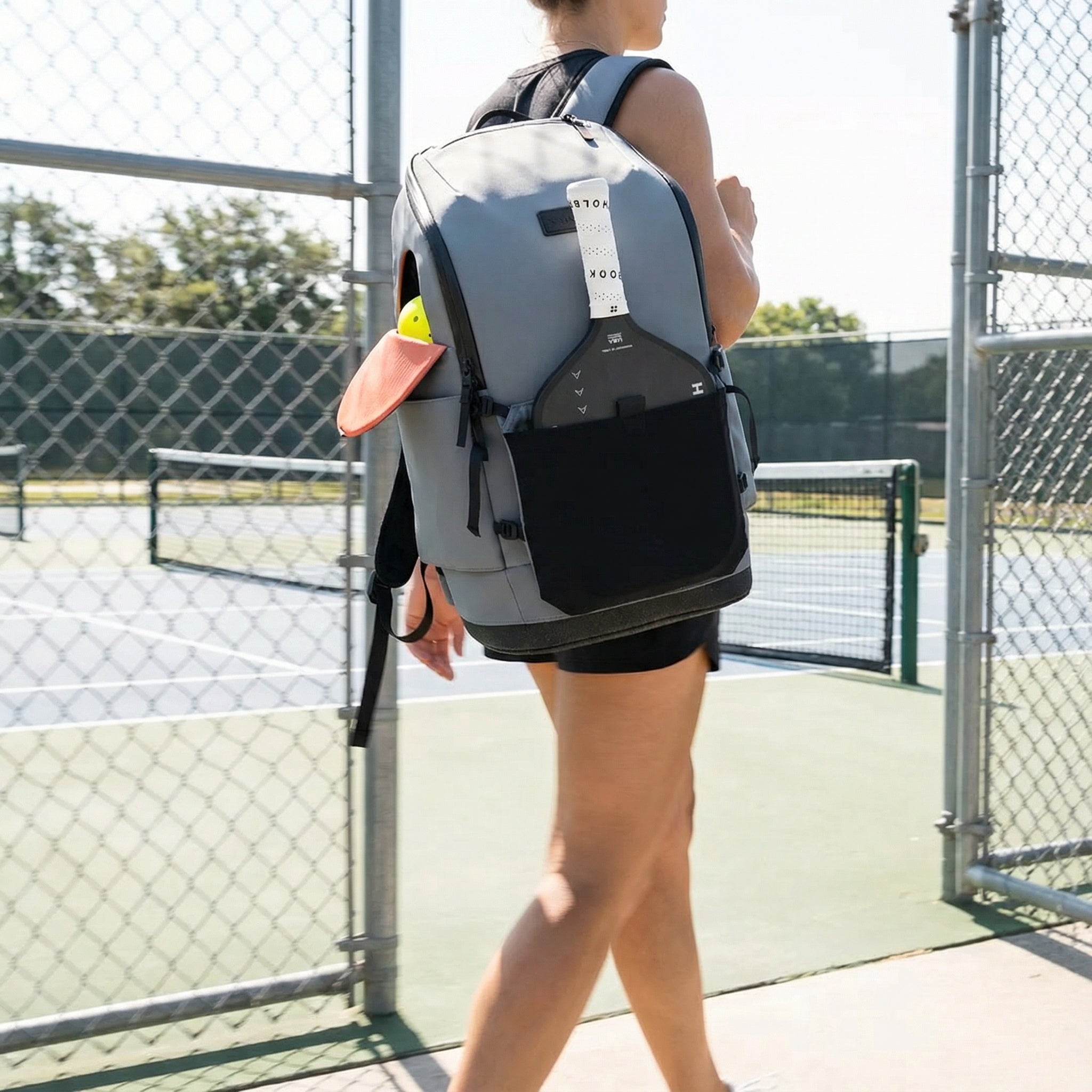
Here’s what we’ve noticed at FORWRD: many of our customers carry multiple paddles—one for standard play and a separate quiet setup for noise-sensitive venues. That’s exactly why we design bags with multiple padded compartments. Having the right paddle for each court beats scrambling at the gate.
The best quiet pickleball paddles in 2026 (detailed picks)
We evaluated these paddles based on four criteria: USAP Quiet Approved status where applicable, real-world noise reduction, on-court performance across power, control, and spin, and overall value at each price point.
Once you've found your quiet paddle, check our beginner's guide to pickleball bags for quiet storage solutions.Each paddle below gets a short narrative plus bullet points covering construction, performance, ideal player type, and any trade-offs. We’re using specific brand names and models as reference points to help you make informed decisions—not as endorsements.
A note on specs: when you see “19mm core,” that means more cushioning and typically less noise. Thicker cores absorb more vibration. Thinner cores (14-16mm) tend to feel snappier but can be louder.
Whisper Silencer
The Whisper Silencer has earned its reputation as a top overall quiet paddle in 2026. Developed through a partnership between Whisper Paddles and Stafford Paddles, it delivers strong power and control with that recognizable muted sound that won’t get you kicked off noise-sensitive courts. It’s USAP quiet approved for residential communities and HOAs with strict equipment rules.
-
Construction: Thermoformed raw carbon surface with undisclosed “Quiet-core technology.” The combination of polymer core materials and internal damping layers lowers the characteristic pop sound dramatically. Second-generation laminate carbon face.
-
Play characteristics: Above-average power with solid spin generation. The paddle face provides good grip for putting rotation on the ball. Slightly smaller sweet spot than some competitors, which rewards clean mechanics but can punish mishits.
-
Ideal player type: Intermediate to advanced players who want an all-court quiet paddle without jumping to the highest price tier. Works well for players who split time between drives and soft game.
-
Price and value: Around $200, sitting comfortably between budget options like Stafford OverSpin and premium offerings like Gearbox or Selkirk. Strong value for the performance delivered.
-
Caveats: Less forgiving on off-center hits than big-sweet-spot paddles. The feel may seem too “soft” for players used to loud, stiff paddles—expect an adjustment period as you dial in your swing.
A protective paddle cover and padded bag compartment help keep the face and edges of premium paddles like this in top condition. These thermoformed surfaces can chip if they’re banging around loose in your trunk.
OWL PXE
The OWL PXE is a control-first quiet paddle known for its unique carpet-like surface and exceptional spin potential. If you’re a tactical player who wins rallies through placement rather than power, this deserves your attention.
-
Surface technology: The paddle face uses a felt-like material that OWL calls Acoustene graphene. This texture increases dwell time—the milliseconds the ball stays on the surface—allowing the ball to stick to the paddle for enhanced grip and control over spin direction and speed. The softer impact also contributes to noise reduction.
-
Performance: Outstanding for placement shots, dinks, and roll volleys. This paddle delivers excellent control and better touch at the kitchen line. Lower raw power compared to other paddles in this guide, and the sweet spot can feel inconsistent during aggressive drives.
-
Noise profile: Significantly quieter than traditional carbon or composite paddles. The felt-like surface naturally dampens the high-frequency ring that bothers neighbors. Suitable for HOAs and parks that emphasize reduced noise.
-
Best for: Tactical players who prioritize resets, third-shot drops, and spin-heavy control rather than crushing drives. Think dinkers over bangers.
-
Price/value: Around $169, making it a strong mid-range option for players who don’t need maximum power. Great control at a reasonable cost.
Many control-focused players carry paddles like the OWL PXE in a dedicated padded sleeve inside a quality backpack. The textured Acoustene surface needs protection from abrasion—tossing it loose with keys and water bottles isn’t ideal.
Stafford OverSpin
The Stafford OverSpin hits the budget-friendly quiet paddle sweet spot with strong spin potential and a forgiving sweet spot that helps newer players develop their game without breaking the bank.
-
Spin and surface: The grippy paddle face generates solid topspin and slice while remaining relatively quiet. Designed specifically for players who want to develop spin technique without the premium price tag.
-
Forgiveness: One of the largest sweet spots among quiet play paddles mentioned in this guide. Off-center hits don’t punish you as severely, which helps newer players or rec players who aren’t always centered on the ball.
-
Noise characteristics: Not silent, but noticeably less sharp and high-pitched than many standard paddles. The sound shifts from that piercing ping to a lower-frequency thump that’s acceptable for most noise restricted communities.
-
Price: Under $150, making it an accessible starting point for players who must comply with local quiet rules but don’t want to overspend on pickleball equipment.
-
Best for: Budget-conscious players, club loaner racks in quiet communities, and players upgrading from basic composite paddles. Also a solid choice if you want a dedicated “quiet court” paddle without investing heavily.
Court bags with multiple compartments make it easy to keep a budget quiet paddle plus a higher-powered spare on hand for different venues. Many serious players maintain both options.
Diadem Hush
The Diadem Hush is a quiet paddle built for aggressive, power-oriented players. If you’re a power player who generates pace and wants explosive drives without the guilty-neighbor volume, this paddle delivers.
-
Build: Two-piece construction with eTPU hitting surface and 18mm polypropylene core. This combination tames noise while preserving the pop that aggressive players crave. The core materials absorb vibration effectively without making the paddle feel dead.
-
Play style: Very powerful with high put-away potential. This is a power paddle that doesn’t apologize. Smaller effective sweet spot and less forgiveness than control-oriented options—it rewards advanced timing and precision.
-
Ideal users: 4.0+ advanced players, tournament competitors who also need quieter equipment for certain facilities. If you’re consistently driving and putting balls away, this paddle matches your game.
-
Trade-offs: Can feel too hot or “jumpy” for casual dinking games. The speed off the paddle face may overwhelm your soft game if you’re not careful. Not ideal for absolute beginners who are still developing feel.
-
Noise: The sound shifts from a sharp “crack” to a deeper “thump,” reducing perceived annoyance near residential fences. Still audible, but noticeably less piercing at distance.
Power paddles like Diadem Hush benefit from vibration-dampening overgrips and wristbands. Store those extras in accessory pockets—a premium pickleball backpack keeps everything organized and accessible.
Gearbox Pro Ultimate Power
The Gearbox Pro Ultimate Power sits at the premium end of the quiet paddle market. This elongated paddle offers better control and forgiveness than the Diadem Hush while maintaining serious power—and it carries USAP quiet approved certification.
-
Construction: Elongated shape with Toray T700 carbon fiber surface and proprietary “Quiet tech” (referenced as SSTCore in some materials) that significantly dampens sound. The paddle’s construction is designed to manage acoustic output without sacrificing performance.
-
Performance: Strong power with high stability on off-center hits. More touch and control than typical power paddles in its category. The thermoformed build creates a consistent response across the paddle face, generating reliable shots even when you don’t hit dead center.
-
Shape and handle: Longer handle (~5.5”) is great for two-handed backhands and extended reach at the kitchen. The elongated body provides a larger sweet spot in the vertical plane, helping on high and low balls.
-
Price: Around $275, clearly in the premium bracket. This investment makes sense for serious players willing to pay for top-tier performance and noise compliance.
-
Best for: Advanced players who want a powerful, quiet, elongated paddle that still offers real feel for dinks and drops. Tournament competitors who play in multiple venues with varying noise rules.
Elongated, higher-end paddles tend to travel with players in structured compartments. A well-designed bag keeps the longer handles from bending or pressing against zippers during transport.
Selkirk LUXX Control Air Invikta (with InfiniGrit)
The Selkirk LUXX Control Air Invikta is a quiet-leaning, control-first option with exceptional spin and a very cushioned feel. The thick 19mm core is the star here—it naturally reduces impact noise while providing a plush response.
-
Core thickness: That 19mm core reduces impact noise and softens feel, making it ideal for touch-heavy games. The extra cushion increases dwell time on the ball, giving you more control over placement.
-
Surface: InfiniGrit treatment produces high spin while maintaining a more muted sound than many raw-carbon competitors. The texture grabs the ball effectively without the harsh acoustic signature.
-
Ideal players: Beginners to intermediates who value consistency, drops, and dinks more than pure power. Also well-suited for players who often play in noise-sensitive residential areas and want a paddle that performs without complaints.
-
Limitations: Less raw pop for drives and overheads. If you’re a banger who lives for the dominant put-away shot, this paddle may feel underpowered. Smaller sweet spot than some competitors may be noticeable on mishits.
-
Price: Around $280, one of the more expensive control paddles on the market. Suited for players committed to a control style who are willing to invest accordingly.
A larger, thicker paddle like this benefits from a structured, protective interior sleeve in a premium backpack. Edge chipping and surface scuffs are real concerns with a paddle at this cost.
OWL CX
The OWL CX carries USAP quiet category certification with over 50% noise reduction compared to standard paddles. It’s designed for a broad range of players from beginners to pros who need competition-approved equipment that also satisfies community noise rules.
-
Specs: Average weight ~7.9 oz, 7.9” width, 15.8” length, 16mm core, 4.6” handle. These dimensions give a familiar, all-round shape that won’t require major adjustment from most players.
-
Materials: Proprietary Acoustene composite face with patented technology (patent pending woven Acoustene edge guard). Both elements are engineered specifically to manage sound and impact without compromising feel.
-
Certification: Explicitly carries USAP quiet category certification and separate USAP tournament approval. This dual certification means it’s suitable for both rec play in residential communities and competitive tournament environments.
-
Play characteristics: Stable and predictable—neither ultra-powerful nor ultra-soft. Good for players dialing in their game while meeting quiet rules. You won’t be realized as underpowered or overly specialized.
-
Best for: Players transitioning from starter paddles who want something quieter but not specialized exclusively toward power or control. A true all-rounder in the quiet space.
A dedicated paddle sleeve or pocket in a quality bag helps preserve Acoustene surfaces. The edges and face are central to OWL’s quiet technology—protect your investment.
Why are quiet pickleball paddles suddenly so important?
Pickleball’s explosive growth since 2020 has put more courts closer to homes, parks, and multi-use facilities than ever before. That’s created an inevitable collision between enthusiastic players and noise-sensitive neighbors.
The noise issue is real:
-
Complaints are mounting: The repetitive pop-pop-pop of standard paddles can travel hundreds of feet. Residents near courts report disturbed sleep, stress, and reduced enjoyment of their properties. Some communities have seen noise disputes escalate to lawsuits and HOA confrontations.
-
Community responses vary: Some municipalities have relocated courts. Others have installed expensive sound barriers. Many have simply restricted playing hours or banned loud equipment during certain times. In extreme cases, courts have been shut down entirely.
-
Health and property concerns: Beyond annoyance, some residents cite potential impacts on property values and quality of life. These claims drive political pressure on parks departments and community boards. Players may also be worried about paddle durability, noise levels, and performance, but quiet pickleball paddles are specifically designed to address these concerns and provide peace of mind.
-
Policy is catching up: More HOAs and municipalities now adopt rules requiring USA Pickleball quiet category paddles or equipment from specific approved lists. If your paddle isn’t on the list, you may not be allowed to play.
-
Players are adapting: Many dedicated players now carry a “quiet kit” in their bags—a designated quiet paddle plus softer balls—for specific venues. It’s the cost of keeping courts open.
At FORWRD, we design bags and backpacks with enough capacity and organization for players who need to bring both standard and quiet-compliant gear to different courts. One bag, multiple setups.
What makes a pickleball paddle “quiet”?
Quiet paddles reduce the acoustic energy of ball-paddle impact, especially in the mid-frequency range that humans find most annoying. It’s not magic—it’s engineering.
Main design elements:
-
Face materials: Some paddles use felt-like hitting surfaces (OWL’s Acoustene graphene) that naturally absorb sound. Others employ carbon fiber with damping layers or specialized composite materials. The key is creating a surface that “soaks up” acoustic energy rather than reflecting it as a sharp crack.
-
Core thickness and composition: Thicker cores (16–19mm) absorb more vibration and produce a lower-frequency thump rather than a high-pitched ping. Core materials matter too—closed-cell foam cores trap sound far more effectively than traditional honeycomb polymer designs.
-
Edge and frame design: Woven or damped edge guards (like the patent pending Acoustene edge on OWL CX) reduce high-frequency ringing. Perimeter weighting can also influence how vibrations travel through the paddle body.
-
One-piece vs two-piece builds: Thermoformed construction or bonded face sheets can be tuned during manufacturing to muffle sound. Paddles like the Whisper Silencer use these techniques to manage acoustics at the design level.
-
Complementary gear: Foam or “quiet” balls and padded court fences also contribute to overall noise reduction. But paddles are often the first piece communities regulate because they’re the most controllable variable.
The goal isn’t to make paddles feel dead or uncontrollable. Modern quiet paddle engineering seeks a balance: enough damping to cut noise without sacrificing the responsive feel players need to generate power, spin, and control.
USA Pickleball “Quiet Category” – what it really means
USA Pickleball launched the quiet category in September 2023 specifically to address community noise concerns. This created an official certification standard that communities, manufacturers, and players can rely on.
What you need to know:
-
Noise requirement: Paddles must demonstrate approximately 50% lower acoustic output compared with typical paddles under standardized testing conditions. This isn’t a marketing claim—it’s a measurable threshold.
-
Testing basics: USAP uses controlled sound measurements, including decibel levels below certain thresholds and specific frequency ranges. OWL was among the first to achieve certification, hitting a hertz level below 600 and decibel level below 80.
-
Scope of the program: The quiet category now includes paddles, balls, and even paddle covers. The list of approved equipment continues to grow as manufacturers invest in noise-reduction technology.
-
Distinction from tournament approval: Quiet Category certification is separate from standard “approved for tournament play” status. Some paddles carry both certifications—meaning they’re quiet AND legal for competitive play. Check for both if you compete.
-
Practical impact: Many HOAs and rec centers rely on USAP Quiet lists when creating their own allowed-equipment rules. Before buying, verify that your paddle appears on the current list. A paddle that was quiet-approved in 2024 should still be on the list, but it’s worth confirming.
Double-check USA Pickleball’s current quiet category listings online before purchasing. Models and certifications can change, and you don’t want to invest $200+ only to find your paddle isn’t on your community’s approved list.
How we evaluated and ranked quiet paddles
FORWRD is a pickleball gear specialist focused on bags, backpacks, and accessories—not a paddle manufacturer. That independence means our evaluation is focused on helping you choose paddles that work well with your overall kit, not pushing our own products.
Evaluation criteria:
-
Noise reduction: We considered both subjective on-court impressions and objective certification. Paddles carrying USAP Quiet Approved status got credit for meeting verified standards. We also noted the difference between paddles that are merely “quieter” and those that genuinely transform the sound profile.
-
Performance: We evaluated power, control, spin, and forgiveness across multiple shot types—dinks, drives, drops, and volleys. A paddle that’s quiet but can’t deliver competitive performance isn’t worth recommending.
-
User profile fit: How well does each paddle serve distinct player types? We considered beginners, control players, power players, and budget-conscious rec players separately. A great paddle for one group may be wrong for another.
-
Build quality and durability: Edge guards, face wear, core stability, and how well paddles hold up when carried in bags, packed for travel, and used regularly. Premium price should mean premium construction.
-
Value: Price versus performance versus noise reduction. We highlighted cases where budget paddles like Stafford OverSpin punch above their cost, and where premium paddles justify their price tags.
At FORWRD, we observe how real players use and store paddles in their bags. We design organizational features—padded paddle sleeves, ventilated compartments, structured interiors—around those habits. Your paddle choice and your bag choice should work together.
Building a complete “quiet-friendly” pickleball setup
Having one quiet paddle is only part of the solution. A complete setup helps you respect local rules without sacrificing convenience or performance—and ensures you’re never turned away from a court because of equipment issues. Plus, using a quiet paddle can make the game more fun and enjoyable, especially in noise-sensitive environments where everyone can focus on the excitement of play.
"The noise debate is real — HOAs and parks are drawing hard lines on equipment. We get asked about quiet-friendly bags constantly, not just paddles. The Court Ranger V2 has a dedicated paddle sleeve that dampens that high-frequency pop when you're packing up. Small detail, but it matters when you're at a noise-sensitive facility."
— Topher, FORWRD Co-Founder
Components of a complete quiet setup:
-
Quiet paddle + ball pairing: Combine a quiet category paddle with softer or USAP-listed quiet balls where allowed. Options like Onix Fuse indoor, Onix Fuse G2 outdoor, or Gamma Librarian foam balls further reduce noise. Some venues require both quiet paddles AND quiet balls.
-
Redundant paddles: Carry both a primary quiet paddle and a backup—or maintain two different styles (power plus control) for different game situations. If your paddle cracks mid-session, you don’t want to be done for the day.
-
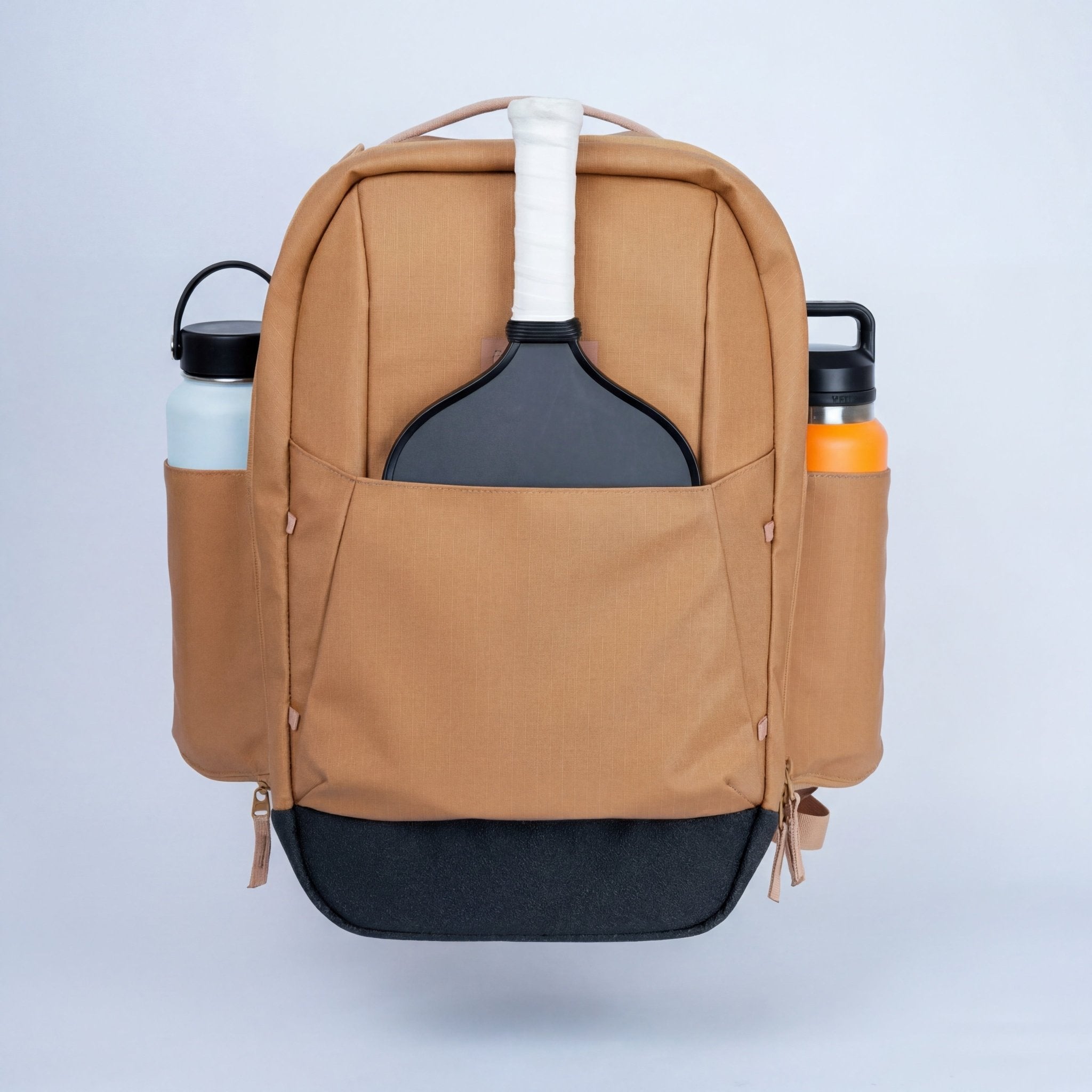
Bag organization: A premium FORWRD Court Caddy or Court Ranger V2 backpack can:
-
Protect multiple paddles in padded, dedicated sleeves
-
Separate quiet balls and standard balls for different venues
-
Keep accessories like overgrips, towels, and even ear protection organized
-
Provide structured compartments that prevent edge damage during transport
-
Travel readiness: Pack for indoor vs outdoor and quiet vs standard courts. Some players label their gear clearly so they can grab the right setup at a glance. Being prepared beats being turned away.
-
Maintenance: Store paddles properly—not loose in the trunk where temperature swings and physical impacts can degrade quiet-tech cores and surfaces. Proper storage extends paddle life and preserves acoustic performance.
FORWRD designs gear for players who carry multiple specialized paddles—quiet, power, control—all protected by durable, lifetime-warranty bags built specifically for pickleball. Your equipment deserves better than a gym bag with a broken zipper.
Frequently Asked Questions About Quiet Pickleball Paddles
Are quiet pickleball paddles less powerful than standard paddles?
Not anymore. The first-generation quiet paddles from 2022–2023 did sacrifice pop for noise reduction. The 2025–2026 generation — Whisper Silencer, OWL CX, Gearbox Pro Ultimate Power — are engineered to hit the quiet category threshold without giving up swing weight or surface texture. You'll notice a slightly softer feel on off-center hits, but at the kitchen line that's barely a factor.
What decibel level qualifies a paddle for USAP's Quiet Category?
USA Pickleball's Quiet Category testing uses a standardized impact test and requires paddles to register below 68 dB. Standard paddles typically land between 70–80 dB. That 7–12 dB gap is meaningful — it's the difference between a sound your neighbors notice and one they don't. USAP publishes an official approved equipment list, updated quarterly; always verify before buying.
Can I use a quiet-category paddle in USAP-sanctioned tournament play?
Yes. Quiet-approved paddles are also USAP-approved for general tournament play. They meet the same core performance standards — face texture, core density, edge guard specifications — so there's no competitive disadvantage from a rulebook standpoint. The only catch: some players find that quiet cores produce less feedback on soft shots, which is a feel preference, not a rules issue.
How do I know if my local courts require quiet-approved paddles?
Most HOA-governed courts post the requirements on their scheduling app or physical signage. Municipal parks usually reference USA Pickleball's quiet standards in their permit language. If you can't find it posted, ask the facility manager directly — and ask them to add it to their signage, because enforcement is inconsistently communicated. When in doubt, a quiet-approved paddle passes anywhere.
Do quiet pickleball paddles wear out faster?
The acoustic-dampening cores used in quiet paddles — typically thicker polymer cores or foam-injected thermoformed structures — can compress slightly faster with high-frequency power play than standard 16mm cores. Heavy bangers may notice performance degradation at 6–8 months rather than 10–12. Control players and recreational 3x/week players should expect similar lifespans to any quality paddle. Store away from heat to extend it.
Bottom line
Quieter paddles like Whisper Silencer, OWL PXE, Stafford OverSpin, Diadem Hush, Gearbox Pro Ultimate Power, Selkirk LUXX, and OWL CX let you keep playing even as noise rules tighten across residential areas and parks.
Key takeaways:
-
Choose based on play style first, then filter by budget and local requirements. Don’t buy the “quietest” paddle if it doesn’t match your game.
-
Verify USAP quiet category status before purchasing, especially if your community maintains an approved equipment list.
-
A well-thought-out gear setup—including a durable, organized FORWRD pickleball bag—makes it easier to carry and protect a quiet-compliant kit across multiple venues.
-
Treat quiet equipment not as a compromise, but as a way to keep more courts open and neighbors happy while you keep progressing in the sport.
The technology in quiet paddles has come a long way. Today’s best options don’t sacrifice performance for noise reduction—they deliver both. That’s good news for players, communities, and the future of the sport.
Now grab your paddle, pack your bag, and get on the court.

Complete Your Quiet Setup: The Court Caddy
A quiet paddle deserves a bag built to protect it. The Court Caddy's modular paddle sleeve holds up to 4 paddles without them banging into each other — no surface damage, no cracked edge guards. YKK AquaGuard zippers and a 15" padded laptop sleeve round it out for the player who takes their gear seriously.

Leave a comment
This site is protected by hCaptcha and the hCaptcha Privacy Policy and Terms of Service apply.