

Last Updated: September 2026
Pickleball franchises are among the fastest-growing investment opportunities in U.S. sports right now. The sport passed 36 million players in 2025, court availability hasn't kept pace with demand, and franchisors are selling multi-unit deals faster than they can open locations.
This guide covers the top pickleball franchise brands for 2026, what you'll actually spend to open one, how to evaluate your market, and what separates franchises that thrive from those that struggle to fill courts after the grand opening rush.
Disclosure: This post contains affiliate links to Pickleball Central. If you purchase through our links, FORWRD earns a small commission at no extra cost to you. We only link to products we'd recommend regardless.
The Case for a Pickleball Franchise (and the Risk)
Pickleball's growth curve is real. SFIA reported pickleball as the fastest-growing sport in America for three consecutive years, and unlike racquetball's late-1970s boom, this one has the demographics: 3x/week recreational players across every age bracket, not just a niche.
But growth also attracts oversaturation. Several markets that saw early franchise announcements now have 2–3 competing clubs fighting for the same membership base. Before you sign a franchise agreement, you need to answer one question honestly: does your specific target market have enough latent demand to support a $1M+ facility?
The franchises that have closed or struggled most often share the same root cause: a strong macro trend story, a weak local demand assessment. The ones that succeed launched with 200+ pre-sold memberships before the doors opened.
Two Franchise Models You'll Choose Between
Court-Focused Indoor Clubs
The dominant franchise format. These facilities — typically 8–16 indoor courts in 15,000–30,000 sq ft — run on membership revenue, court reservations, drop-in fees, leagues, and clinics. Think of it like a tennis club optimized for pickleball. The business model rewards court utilization: the more hours per day courts are booked, the better the unit economics.
Examples: Ace Pickleball Club, Pickleball Kingdom, The Picklr, Dill Dinkers.
Entertainment Hybrid Venues
A newer category that pairs courts with food, beverage, and social programming. Bigger spaces (40,000+ sq ft in some cases), higher revenue per customer when it works, but significantly more complexity: you're running a sports facility and a restaurant simultaneously. The failure mode here is underinvesting in hospitality expertise.
Examples: The Pickle Pad, Camp Pickle, Electric Pickle.
Top Pickleball Franchise Opportunities for 2026
Ace Pickleball Club
Founded in 2022 by the executive team behind Sky Zone Trampoline Parks — meaning these are franchise operators, not just pickleball enthusiasts building their first business. That franchise DNA shows up in Ace's system: structured site selection, standardized build-out processes, and comprehensive franchisee training that actually prepares you to open.
Ace targets 8–12 courts per location, operates on a membership + open-play model, and has awarded 100+ franchises while keeping location count controlled (about 25–30 expected open by end of 2026). Best for: investors who want a proven franchise system and are willing to follow a structured playbook closely.
Investment range: $1M–$2.5M total.
Pickleball Kingdom
One of the earliest brands to franchise specifically around pickleball — founded by Ace Rodrigues (yes, that's the founder's actual name) and backed by eight years of franchise development experience. Pickleball Kingdom was one of the first to use master franchising to scale aggressively, and now has 100+ franchise agreements with international ambitions.
Their pitch is the "Disneyland of Pickleball" — larger facilities, community programming built into the model from day one. That community focus (leagues, clinics, youth programs, spectator seating) tends to drive member retention better than facilities that are purely transactional. Best for: operators who genuinely love the sport and want to build a community hub, not just fill court hours.
Investment range: $800K–$2M+.
The Picklr
The largest indoor pickleball franchise in the world by units sold: 500+ franchise agreements as of mid-2026, with locations open across the U.S. and a master franchise deal covering 20 clubs in Japan. Drew Brees (yes, the NFL quarterback) joined as investor and franchise owner, committing to 30 Midwest locations.
The Picklr differentiates on technology — booking apps, integrated member management, and professional court branding that appeals to younger players. They own a Major League Pickleball team, which creates marketing reach. The downside: their growth speed means corporate support capacity can get stretched thin; franchisees in slower-opening markets sometimes report lag on operational questions.
Best for: investors looking for maximum brand momentum and the network benefit of the largest franchise footprint.
Investment range: $700K–$1.8M.
PickleRage
A newer entrant focused on the competitive player segment — PickleRage positions around leagues, tournament events, and ratings-based play, rather than open rec sessions. Their facilities lean into the club feel with premium court surfaces and pro-shop emphasis. Still early stage with limited open locations, but their target demographic (4.0+ rated competitive players) has strong spending power and low churn if the facility delivers.
Best for: markets with an established, skilled player base that's hungry for organized competitive play beyond what public parks and recreation centers offer.
Investment range: $600K–$1.5M.
The Pickle Pad
The entertainment model done seriously. Led by the Altitude Trampoline Park team, The Pickle Pad combines indoor courts with a full-service restaurant, bar, and social games. The design philosophy is that non-players come for the food and drinks and try pickleball while they're there — expanding the potential customer base beyond just existing players.
The upside: higher revenue per guest. The downside: you need hospitality operators on your management team from day one, not month six. Best for: investors with restaurant or entertainment venue experience who want to serve the full pickleball lifestyle, not just the sport.
Investment range: $2M–$6M+.
Dill Dinkers
A lean, efficient court-focused model that emphasizes keeping overhead manageable. Smaller footprint than some competitors (often 6–10 courts), with a focus on operational simplicity that lets franchisees reach profitability faster. Fewer bells and whistles than the premium brands, but a cleaner P&L and a lower break-even point. Worth considering in secondary and tertiary markets where a $2M facility build-out isn't supportable by local demand.
Best for: smaller markets or first-time franchise owners who want a lower-risk entry point and a simpler operation to learn on.
Investment range: $500K–$1.2M.
What You'll Actually Spend: Investment Reality
| Cost Category | Typical Range | Notes |
|---|---|---|
| Franchise fee | $30,000–$75,000 | One-time; varies by brand and territory size |
| Leasehold improvements / build-out | $300,000–$1.2M | Court surfaces, flooring, HVAC, lighting — the biggest variable |
| Equipment (nets, balls, paddles, tech) | $40,000–$150,000 | Depends on court count and pro shop scope |
| Working capital (12 months) | $150,000–$400,000 | Cover operating expenses while memberships ramp up |
| Marketing / pre-launch | $25,000–$75,000 | Pre-sales before opening is the highest ROI spend you'll make |
| Royalties (ongoing) | 4–8% of gross revenue | Varies by brand; some charge flat monthly fees instead |
How to Evaluate Your Market Before You Sign
This section matters more than which franchise you pick. A strong operator in a weak market will struggle. A mediocre operator in a market with pent-up demand and no competition will thrive — for a while, anyway.
Demand signals to look for
- Waitlists at existing courts. If your city's public and recreation center courts have a 45-minute waitlist on weeknights, there's real demand. If courts are half-empty, think carefully.
- Google Trends for "pickleball [your city]." Search trend acceleration in 2025–2026 is a decent proxy for local interest growth.
- Existing club and league membership counts. USAPA registered clubs per capita, average tournament draw sizes — these tell you how many dedicated players are already there.
- Demographics. Markets with high concentrations of 35–65 year-olds with disposable income tend to be the strongest performers. College towns with young competitive players are secondary but worth noting.
Competition mapping
Before paying the franchise fee, call every indoor pickleball facility within a 30-minute drive. Ask how their memberships are doing. You're not looking for weakness — you're looking for whether the existing supply is enough to meet demand or already saturating it. If three facilities opened in the last 18 months and two of them are running membership promos, that's a signal.
Tips for Running a Pickleball Franchise Successfully
- Pre-sell memberships aggressively before opening. Every successful franchise launch starts with a pre-sale campaign 60–90 days before opening. Founding member pricing ($X/month locked in forever) drives urgency. A 200-membership pre-sale covers a meaningful chunk of your first year's operating costs.
- Hire a court operations manager, not just a general manager. Running a multi-court facility requires someone who knows league scheduling, court maintenance, equipment inventory, and player experience. This is a specific skill set — don't leave it to whoever handles the front desk.
- Build leagues from day one. Leagues drive the highest retention numbers across all pickleball facility formats. Players who join a league play 3–4x per week, bring friends, and renew memberships at dramatically higher rates than open-play-only members.
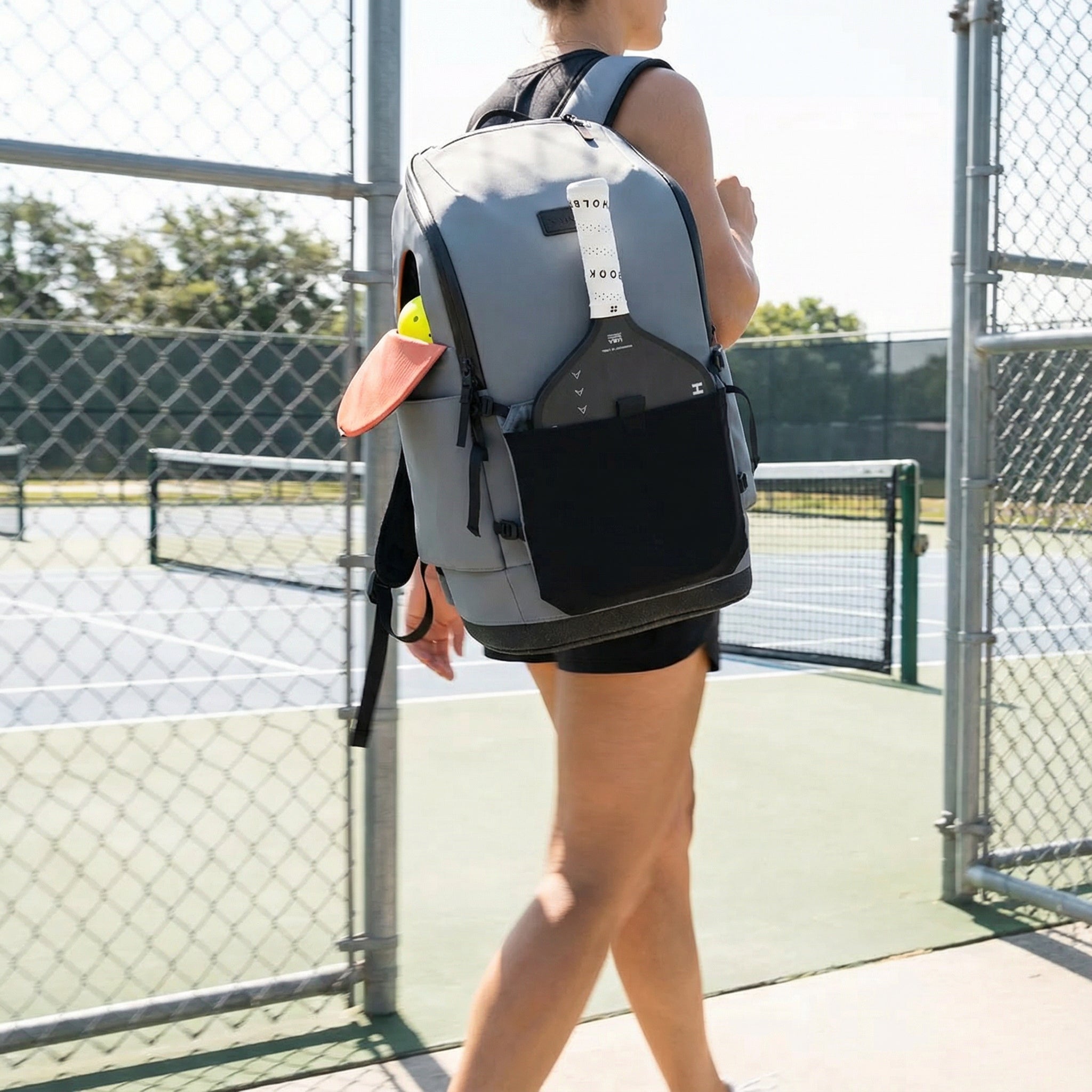
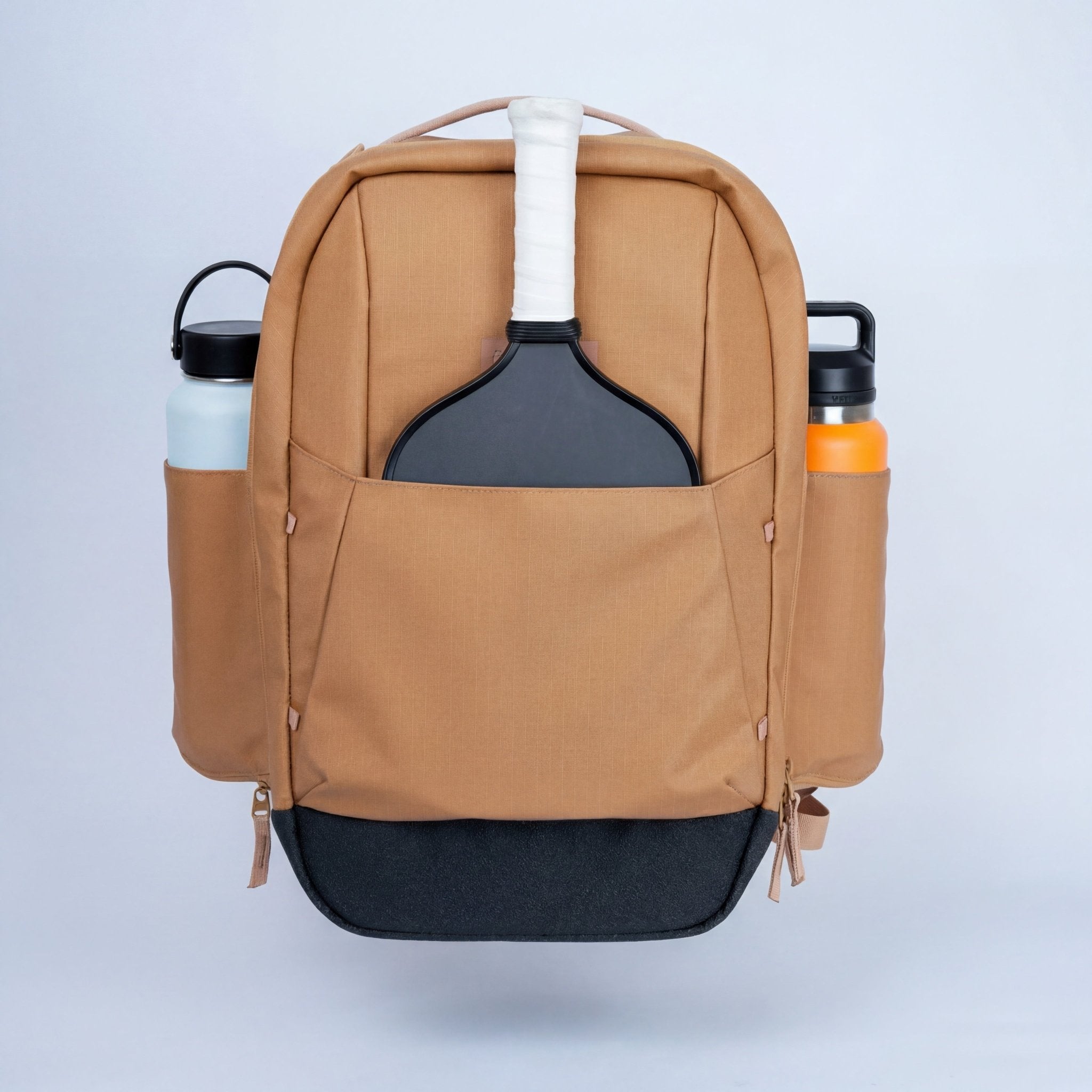
- Stock a real pro shop. Court Caddy and Court Ranger V2 bags, paddles from the brands your players already know, balls from Pickleball Central. Revenue per square foot in a well-run pro shop is excellent, and players appreciate not having to order gear online when they're right there.
- Use the franchisor's systems, not your instincts. Especially in year one. The franchisor has data from dozens of locations. Override their playbook only when you have strong local evidence to justify it.
Common Mistakes That Sink Pickleball Franchises
- Underestimating build-out costs. Court surfacing, lighting to regulation standards, HVAC capable of handling 50+ active players simultaneously — it's expensive. Every franchise owner who has done this says costs ran 15–30% over initial estimates. Budget for that buffer before you sign the lease.
- Skipping serious pre-opening marketing. "Build it and they will come" is not a membership strategy. If you don't have a marketing plan, a pre-sale offer, and someone actively working local pickleball communities 60+ days before opening, your launch will be soft.
- Choosing location on rent, not on traffic. A facility that saves $5,000/month in rent but requires members to drive 20 minutes out of their way will always underperform. Accessibility and convenience drive retention rates more than almost anything else.
- Ignoring the Franchise Disclosure Document (FDD). Read Item 19 (financial performance representations) carefully. Read Item 21 (audited financials). Hire a franchise attorney to review it. The FDD tells you what's actually happened at other locations — not just the optimistic projections in the sales presentation.
Emerging Brands to Watch
Camp Pickle — founded by the creator of Punch Bowl Social, bringing deep restaurant and entertainment industry experience to the pickleball venue model. Not yet franchising broadly, but worth tracking.
24 Hour Pickleball — an autonomous, smaller-footprint concept targeting 24/7 access in 2–4 court facilities via keycard. Interesting model for smaller markets or urban locations where space and cost make a 12-court build-out impossible.
Electric Pickle — another entertainment hybrid with an emphasis on nightlife and social events alongside courts. Targets a younger demographic than traditional club-focused franchises.
Frequently Asked Questions
How much does it cost to open a pickleball franchise?
Total investment for court-focused franchises (Ace, Pickleball Kingdom, The Picklr) typically runs $800,000–$2.5 million, including build-out, equipment, franchise fee, and working capital. Entertainment hybrid venues (The Pickle Pad, Camp Pickle) run $2–6 million or more. Budget an additional 20–30% buffer beyond initial estimates — court build-outs consistently run over.
What is the most successful pickleball franchise?
By units sold, The Picklr leads with 500+ franchise agreements. By operational history, Pickleball Kingdom and Ace Pickleball Club have the most established systems. No single brand dominates by open locations yet — the category is still in early innings, which is both the opportunity and the risk.
How long does it take for a pickleball franchise to turn a profit?
Well-run franchises in strong markets with solid pre-sales have reported positive cash flow within 2–4 months. Most realistic projections point to 12–18 months to meaningful profitability. The single biggest variable: did you pre-sell 100+ memberships before opening day?
Do pickleball franchises require previous business experience?
Franchisors don't require sports industry experience, but they do expect business management capability. Operators with fitness, hospitality, or multi-unit management backgrounds ramp up fastest. First-time business owners can succeed with a strong franchisor support system — just don't try to freelance the opening strategy.
What's the difference between court-focused and entertainment-focused pickleball franchises?
Court-focused (Ace, Pickleball Kingdom, The Picklr, Dill Dinkers) run on membership and court utilization. Entertainment hybrids (The Pickle Pad, Camp Pickle) add food, beverage, and social programming — higher revenue per customer, higher operational complexity. Court-focused is easier to operate; entertainment is higher ceiling if executed well.
Pickleball franchises are real businesses with real investment requirements and real market risk. The sport's growth is genuine — the demand is there. But a franchise is only as strong as the market it opens in and the operator running it. Do the local demand work before you do the brand research, and you'll make a better decision.
Questions about what to stock in your pro shop from day one? The Court Caddy Pickleball Backpack ($325) and Court Ranger V2 ($195) are the bags serious players carry — designed with 500+ real players and built to the standard recreational gear doesn't hit. They belong in any pickleball pro shop worth stocking.

Leave a comment
This site is protected by hCaptcha and the hCaptcha Privacy Policy and Terms of Service apply.