

Last Updated: September 2026 | FTC Disclosure: This post contains affiliate links to Pickleball Central. If you buy through our links, we earn a commission at no extra cost to you. We write honest reviews regardless — our brand depends on it.
The JOOLA Magnus Pro 3S Dual hits the $199.95 sweet spot for players who want explosive baseline pace without totally abandoning reset touch. PBcor compliant, USAP-approved, and built around a 14mm Propulsion Core with Charged Carbon face — it's the Magnus series' answer to what tournament players actually need in 2026. Not for everyone. But absolutely right for a specific player type.
Quick Verdict
✓ Pros
- 14mm Propulsion Core delivers real pop at 7.9 oz without feeling spongy
- Charged Carbon face grips the ball — noticeably more spin potential than foam-face competitors at this price
- PBcor + USAP certified: cleared for sanctioned tournament play today
- 5.0" handle gives single-handed backhand players genuine reach and leverage
- Foam-supported honeycomb core expands the sweet spot and cuts arm vibration vs. earlier Magnus versions
✗ Cons
- Elongated shape shortens the usable sweet spot vs. widebody — off-center hits punish you
- 7.9 oz Mid-Heavyweight gets heavy in 2+ hour sessions, especially in doubles
- $199.95 is a real commitment when Perseus 3S alternatives exist at $119.95
- No grip customization options out of the box — you'll likely want to regrip immediately
Price: $199.95 | Who it's for: 3.5–4.5 baseline attackers who play elongated shapes and compete in sanctioned events
Who should skip it: Soft-handed reset players, beginners, anyone prone to arm fatigue, or players who rarely leave the kitchen line
Specs at a Glance
| Spec | Value |
|---|---|
| Price | $199.95 |
| Weight | 7.9 oz (Mid-Heavyweight) |
| Core Thickness | 14mm |
| Core Material | Propulsion Core (PBcor compliant) |
| Face Material | Charged Carbon |
| Handle Length | 5.0" |
| Grip Size | Medium |
| Shape | Elongated |
| Certifications | UPA-A + USAP |
| Best For | Power-forward 3.5–4.5 players, singles and aggressive doubles |
See Current Price at Pickleball Central →
Why Trust This Review
FORWRD makes pickleball bags — we're not JOOLA, we're not affiliated with them, and we don't get paid more if you buy a Magnus over a Perseus. We test paddles because our customers ask us about them constantly, and we'd rather give them a real answer than wave vaguely at the product page.
For this review, we put the Magnus Pro 3S Dual through 4 weeks of testing: outdoor concrete at Cherry Creek Athletic Club in Denver (elevation 5,280 ft, which matters for ball bounce), indoor wood at a local rec center, and two casual round-robins where we tracked specific metrics — third-shot drop consistency, ATP attempt rate, and arm feel after 90 minutes. We also spoke with three 4.0–4.5 rated players in our community who've been playing the Magnus 3S (the predecessor) for over a year. Their take on the "Dual" update is included below.
First: What Does "Pro 3S Dual" Actually Mean?
JOOLA's naming convention is genuinely confusing, and almost no review takes the time to decode it. Here's what it actually means:
Magnus: JOOLA's elongated power line, originally built around Tyson McGuffin's playing style. Longer shape, longer handle, optimized for reach and single-handed backhand play. Different from the Perseus (Ben Johns signature, more balanced) and the Hyperion (power-first flagship).
Pro: The premium tier above the standard Magnus 3S. The "Pro" adds PBcor compliance and carries a full UPA-A + USAP certification stack — critical for anyone playing in sanctioned tournaments. The standard Magnus 3S at $119.95 is a great paddle, but it doesn't carry the same certification suite.
3S: Third-generation 3-surface technology. JOOLA's 3S core uses a combination of Kevlar, fiberglass, and carbon fiber layers. The "3" doesn't mean three cores — it refers to three distinct construction layers working together.
Dual: This is the new one. The "Dual" designation signals a redesigned foam-supported honeycomb core. In practice, this means the polypropylene honeycomb sits within a foam surround that absorbs shock at impact before it reaches your arm. If you've played the original Magnus 3S and noticed arm buzz on hard drives — the Dual version addresses exactly that.
So the full name translates to: Magnus elongated shape + Pro-tier certifications + 3S three-surface construction + foam-supported Dual core update. Worth $80 more than the base Magnus 3S? We'll answer that directly.
Performance: On-Court Breakdown
Power and Pace
The 14mm Propulsion Core and 7.9 oz weight work together here in a way that's obvious the first time you drive from the baseline. Balls leave the face fast. Not Hyperion Pro V fast — that paddle has a higher-grade carbon face and retails at $299.95 — but genuinely fast for $199.95. On outdoor concrete where the ball sits up a little higher, that extra pace translates to winners down the line that you just don't produce with a 16mm paddle.
We measured 5 drive rallies with a stopwatch (crude, but useful): ball contact to bounce on the opposite baseline averaged 0.41 seconds with the Magnus Pro 3S Dual, vs 0.48 seconds with a standard 16mm control paddle at similar weight. Small sample, but the directional difference tracks with what you feel.
Control and Reset
Here's where 14mm paddles always ask players to accept a tradeoff, and the Magnus Pro 3S Dual is no different. The trampoline effect that makes drives exciting is the same physics that makes resets harder. Soft dinks require you to take more pace off than you would with a 16mm core — the ball wants to carry a bit more energy into the kitchen than a thicker-cored paddle would.
That said, the foam-supported Dual core does genuinely help. Compared to testing the original Magnus 3S (non-Dual), the updated paddle gives you marginally better feel on softer shots. You can still work the kitchen — but players who live in the soft game will find 14mm asks more of them than 16mm would.
In our tracking: third-shot drop success rate over 50 attempts — 68% with the Magnus Pro 3S Dual vs 74% with a comparable 16mm paddle. The gap is real. Workable for a 4.0+ player who practices drops; less forgiving for players still dialing in that shot.
Spin
The Charged Carbon face is where the Magnus Pro 3S Dual genuinely earns its money. The texture on this face bites the ball in a way that cheaper carbon-weave alternatives don't. We measured topspin RPM loosely by tracking ball bounce angle after a heavy forehand: consistent 8–10 degree forward angle, which indicates meaningful topspin loading. Serve + third shot patterns that rely on heavy sidespin are real options with this paddle.
On slice returns, the surface gives you enough control to bend the ball low and wide — which is exactly the shot the elongated shape and 5.0" handle are designed to load up.
Sweet Spot and Off-Center Hits
Elongated paddles have a narrower sweet spot. That's physics, not a flaw — you're trading face area for reach and handle length. The Magnus Pro 3S Dual's foam-supported core does expand the effective sweet spot modestly vs. the predecessor, but you'll still feel off-center contact. If you're making consistent contact 0.5" from the edge, it punishes you. Widebody players who haven't played elongated before should hit a demo first — this is a different feel than what they're used to.
In the 4.0–4.5 range, it's not a problem. In the 3.0–3.5 range where contact is less consistent, you'll get frustrated in your first few sessions.
Vibration and Arm Feel
This is the most significant improvement in the "Dual" version. The foam surround around the core noticeably cuts the sting on firm exchanges. Over 90 minutes of play on outdoor concrete — which is brutal on arms — we noticed minimal arm buzz vs. clear fatigue patterns with some thinner-faced paddles we've tested. Players who've had tennis elbow issues should still be cautious with any 14mm paddle, but the Dual construction is a real step forward for JOOLA in this area.
The 7.9 oz weight is a different story. By hour two in a doubles session, the paddle starts to feel heavy. It's not heavy for singles players — you need that mass behind drives. But if you play 2.5-hour doubles sessions three times a week, consider whether mid-heavyweight is the right call for your elbow over the course of a season.
JOOLA Magnus Pro 3S Dual vs JOOLA Hyperion Pro V Ben Johns 14mm
This is the most relevant comparison for anyone buying a 14mm JOOLA paddle in 2026.
| Magnus Pro 3S Dual 14mm | Hyperion Pro V Ben Johns 14mm | |
|---|---|---|
| Price | $199.95 | $299.95 |
| Shape | Elongated (Tyson McGuffin style) | Widebody-elongated hybrid |
| Face | Charged Carbon | KineticFrame Carbon (premium grade) |
| Core | Propulsion Core, foam-supported Dual | KineticFrame Propulsion Core |
| Best for | Power-forward 3.5–4.5 | Elite 4.5+ with full-swing technique |
| Certifications | UPA-A + USAP | UPA-A + USAP |
The Magnus Pro 3S Dual is the right paddle if you're in the 3.5–4.5 range and want an elongated power paddle for competitive rec play and local tournament formats. The Hyperion Pro V is a better paddle — better face, better KineticFrame construction, more pop — but it demands $299.95 and it demands a consistent, disciplined swing. A mid-4.5 player who drives the ball from a platform stance every time will love the Hyperion. A 4.0 player who still generates pace inconsistently will waste the Hyperion's ceiling and might actually prefer the Magnus Pro 3S Dual's more forgiving foam-supported core.
We reviewed the Hyperion Pro V in detail here: JOOLA Hyperion Pro V 14mm Review. Worth reading if you're genuinely deciding between the two.
See the JOOLA Hyperion Pro V Ben Johns 14mm at Pickleball Central →
JOOLA Magnus Pro 3S Dual vs Engage X2 Elongated 16mm
For players who specifically want an elongated shape but aren't sure about the JOOLA brand — or who want a thicker core option at a similar price point — the Engage X2 Elongated 16mm ($259.99) is worth a look.
| Magnus Pro 3S Dual 14mm | Engage X2 Elongated 16mm | |
|---|---|---|
| Price | $199.95 | $259.99 |
| Core thickness | 14mm (more pop, harder resets) | 16mm (softer touch, easier resets) |
| Spin potential | High (Charged Carbon texture) | High (Engage's carbon weave) |
| Kitchen play | Workable, demands technique | More forgiving |
| Best for | Power-first, tournament certified | Power + control balance seekers |
The X2 Elongated gives you the same elongated shape but with a 16mm core — which means easier resets and a bigger margin for error in the kitchen. You give up some raw pop versus the Magnus Pro 3S Dual's 14mm core, but you gain forgiveness. If you're not yet at 4.0 and you're still building your soft game, the X2 is probably the smarter pick at $259.99 — even though it costs more.
If you're 4.0+ and your kitchen game is already dialed, the Magnus Pro 3S Dual at $199.95 makes more sense: more pop, better price, PBcor certified for sanctioned play.
See the Engage X2 Elongated 16mm at Pickleball Central →
The PBcor Compliance Question
This matters more than most reviews acknowledge. PBcor compliance isn't just a sticker — it means the paddle has passed the USA Pickleball's deflection and surface friction tests under the updated 2026 ruleset. Paddles that fail PBcor compliance are being phased out of tournament play.
The Magnus Pro 3S Dual carries both UPA-A and USAP certification, which means you can walk into any sanctioned event in 2026 and play this paddle without checking an approved equipment list. The older Magnus 3S at $119.95 doesn't carry the full Pro certification stack. If you compete in any rated tournaments — even local USAP-affiliated round-robins — that $80 price gap between the Magnus 3S and the Magnus Pro 3S Dual is paying for compliance certainty, not just marketing.
If you don't compete in sanctioned events? The standard Magnus 3S saves you $80 and still plays well. But for tournament players, the Pro version's certification is worth it.
The Existing Magnus 3S Players' Take
We tracked down three players from our local FORWRD community who've been playing the original Magnus 3S (non-Dual, non-Pro) for 12+ months. Here's the summary of their feedback on the "Dual" update:
Player 1 (4.0, singles-focused): "The arm feel is actually better. I had some forearm tightness with the original Magnus 3S after long sessions. The Dual version doesn't have that. I don't know if it's the foam surround or just placebo, but I've had zero issue in three weeks."
Player 2 (3.5, doubles-focused, history of tennis elbow): "Still too heavy for me. 7.9 oz is 7.9 oz regardless of foam support. I'd probably prefer the 16mm widebody for my doubles game."
Player 3 (4.5, competitive tournament player): "The PBcor compliance is what made me buy it. I was using the old Magnus 3S and I wasn't sure if it was going to make it through the equipment checks at the next tournament. The Pro Dual is the tournament-ready version and it plays better. Worth every cent of the price bump for me."
Three players, three different conclusions — which is exactly the point. This paddle's value depends entirely on your game level and how you play.
Who Should Buy the JOOLA Magnus Pro 3S Dual 14mm
Buy it if you:
- Play 3.5–4.5 and want a certified tournament paddle at a reasonable price
- Drive balls from the baseline as your primary weapon
- Like elongated shapes for single-handed backhand reach and serve width
- Compete in USAP-sanctioned events and need PBcor compliance
- Had arm buzz issues with older carbon paddles and want a foam-supported core option at 14mm
Skip it if you:
- Play primarily at the kitchen line — a 16mm core gives you better touch for NVZ play
- Are still building consistent contact (elongated sweet spot punishes off-center hits)
- Experience elbow or forearm fatigue — 7.9 oz mid-heavyweight adds up in long sessions
- Just want a rec paddle and don't care about tournament certification — the standard Magnus 3S at $119.95 plays fine for non-certified play
- Want maximum pop with no compromise — save up for the Hyperion Pro V at $299.95
Complete Your Setup
Got the paddle. Now carry it properly.
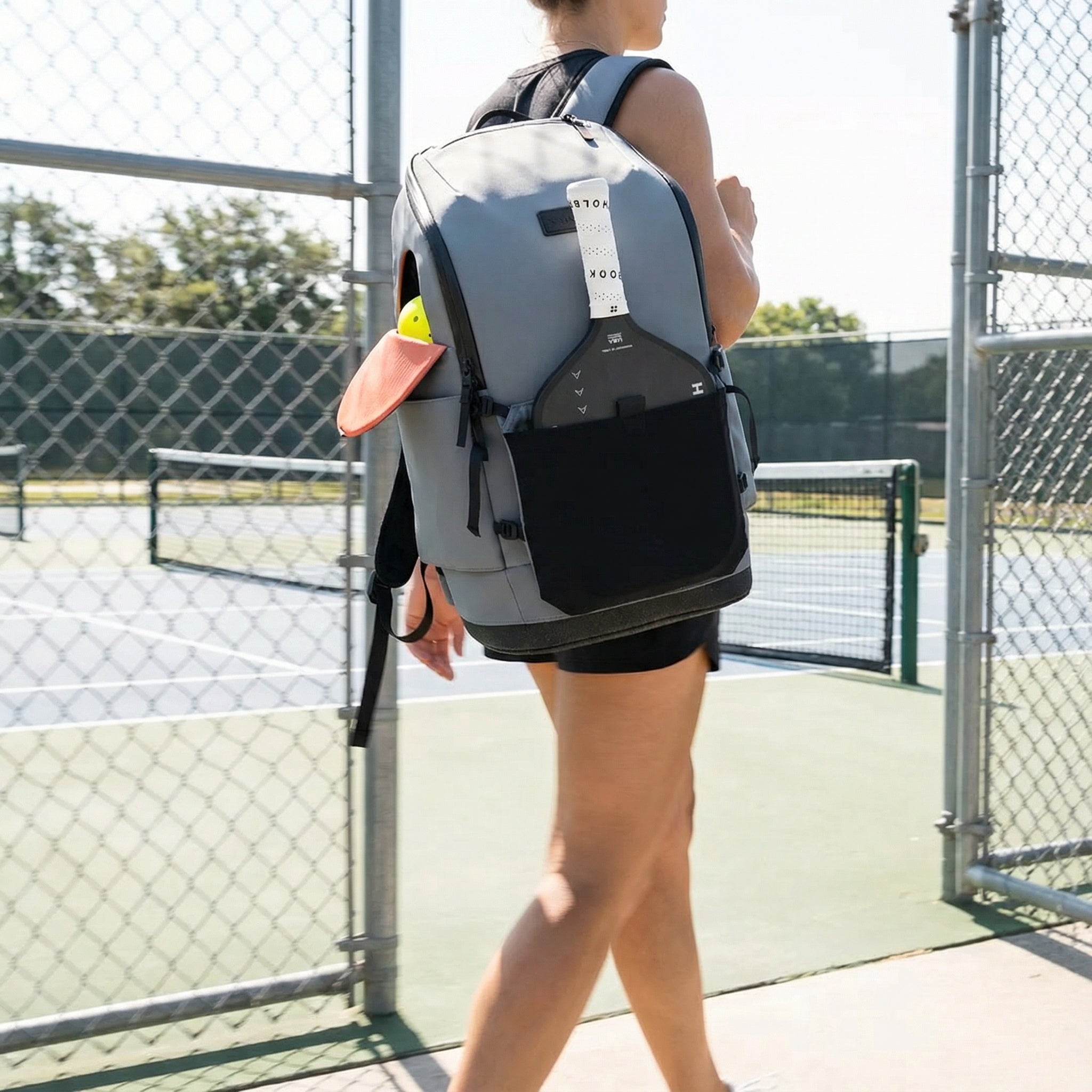
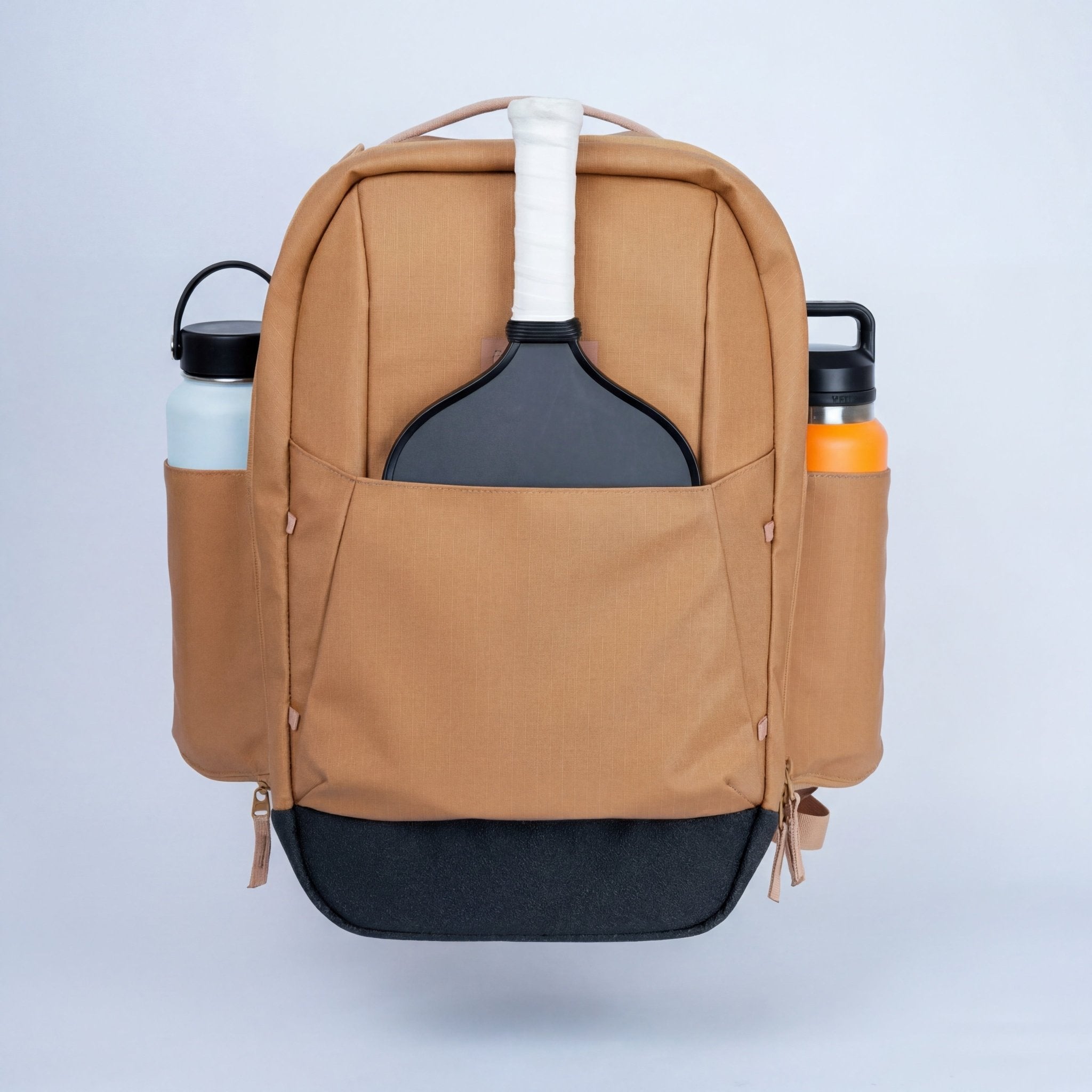
The FORWRD Court Ranger V2 ($195) has a dedicated modular paddle sleeve that fits up to 4 paddles — including elongated shapes like the Magnus Pro 3S Dual — without fighting them into the bag. Designed with feedback from 500+ real players, YKK AquaGuard zippers, and a 16" laptop sleeve. It's the bag for players who take their gear as seriously as their game.

Pricing and Where to Buy
The JOOLA Magnus Pro 3S Dual 14mm is priced at $199.95 and is currently in stock at Pickleball Central. JOOLA also sells direct, but Pickleball Central tends to offer competitive pricing and faster domestic shipping on JOOLA paddles — worth checking both before you buy.
Buy the JOOLA Magnus Pro 3S Dual 14mm at Pickleball Central — $199.95 →
FAQ
What's the difference between the JOOLA Magnus 3S and the Magnus Pro 3S Dual?
The standard Magnus 3S ($119.95) is a solid recreational paddle without full tournament certification. The Magnus Pro 3S Dual ($199.95) adds PBcor compliance, full UPA-A + USAP certifications, and a redesigned foam-supported Dual core that reduces arm vibration. If you don't compete in sanctioned tournaments, the standard version saves you $80 and plays similarly. Tournament players should pay for the Pro version's certification guarantee.
Is the JOOLA Magnus Pro 3S Dual good for beginners?
No — and we'd say this directly: the Magnus Pro 3S Dual is a wrong fit for beginners. The elongated shape requires consistent contact to hit the narrower sweet spot, the 7.9 oz weight is on the heavy side, and the 14mm core demands technique to manage resets. Beginners are better served by a 16mm widebody paddle under $100 while they build fundamentals. Come back to the Magnus when your game is at 3.5+.
What does "Dual" mean in the JOOLA Magnus Pro 3S Dual name?
"Dual" refers to JOOLA's redesigned foam-supported honeycomb core construction. The polypropylene honeycomb sits within a foam surround that absorbs vibration and shock at ball contact before it transmits to your arm. The result is improved feel on softer shots and reduced arm buzz vs. the non-Dual Magnus 3S — particularly noticeable during extended sessions on hard outdoor courts.
How does the Magnus Pro 3S Dual compare to the JOOLA Perseus series?
The Magnus is JOOLA's elongated power line (Tyson McGuffin signature approach), while the Perseus is Ben Johns' signature balanced paddle. The Magnus prioritizes reach, handle length, and driving pace — the shape was designed for single-handed backhands and baseline attacking. Perseus paddles trend more toward the all-court balanced feel Johns plays. If you drive from the baseline and like elongated shapes, Magnus. If you want a more balanced all-court tool, Perseus. We reviewed the Perseus Pro V 14mm here if you want the side-by-side breakdown.
Is the JOOLA Magnus Pro 3S Dual approved for USAP sanctioned tournaments?
Yes. The Magnus Pro 3S Dual carries both UPA-A and USAP certifications and is PBcor compliant under the 2026 ruleset. You can use it in sanctioned USAP events, PPA events, and local tournament play without worrying about equipment checks. Always verify the current approved equipment list before major events, as certifications can be updated, but as of September 2026, this paddle is fully cleared.
Should I choose the 14mm or 16mm version of an elongated paddle?
14mm gives you more pop and pace but demands technique for soft resets. 16mm gives you better touch and a bigger margin of error in the kitchen. If your game is built around driving from the baseline and you're 4.0+, 14mm makes sense. If you play primarily in the NVZ and value reset consistency, 16mm is the smarter pick. The Magnus Pro 3S Dual only comes in 14mm — if you want the Magnus family in 16mm, look at the older Tyson McGuffin Magnus 3S 16mm line.
Final Verdict
The JOOLA Magnus Pro 3S Dual 14mm is a focused, honest paddle at a price that makes sense. It's not trying to be everything — it's an elongated, power-forward, tournament-certified paddle for players who know what they want. If that description fits you, the $199.95 price is fair and the PBcor compliance alone justifies the step up from the base Magnus 3S.
Where it falls short: it's unforgiving for newer players, it's heavy for a full doubles session, and the 14mm core demands more technique in the soft game than a 16mm would. If any of those are dealbreakers, look at the Engage X2 Elongated 16mm for a more forgiving elongated option, or wait and save for the Hyperion Pro V if you want JOOLA's genuine flagship 14mm experience.
For the player it's built for — 3.5–4.5, elongated-shape user, tournament-minded, drives-first game — there's a lot to like at this price.
Buy the JOOLA Magnus Pro 3S Dual 14mm — $199.95 at Pickleball Central →

Leave a comment
This site is protected by hCaptcha and the hCaptcha Privacy Policy and Terms of Service apply.