

Finding the right pickleball paddle grip size can mean the difference between effortless control and nagging elbow pain. Most players grab a paddle off the shelf without a second thought about circumference — then wonder why their forearm burns after a few games. This guide walks you through exactly how to measure your hand, match it to the correct size, and fine-tune your setup for comfort and performance.
Disclosure: This post contains affiliate links to Pickleball Central. If you purchase through our links, FORWRD earns a small commission at no extra cost to you. We only link to products we'd recommend regardless.
Last Updated: September 2026
Quick Answer: What Grip Size Should I Use?
Most adult pickleball paddles range from 4.0" to 4.5" in grip circumference. Getting the correct size reduces strain on your hand, wrist, and elbow while giving you better control over every shot.
- Hand measurement under 4.0" → Start with a 4.0" grip
- Hand measurement 4.0"–4.25" → Try a 4.0"–4.125" grip
- Hand measurement 4.25"–4.5" → A 4.25" grip typically works well
- Hand measurement 4.5"–4.75" → Consider a 4.5" grip
- Between two sizes? → Choose the smaller size and build up with overgrips
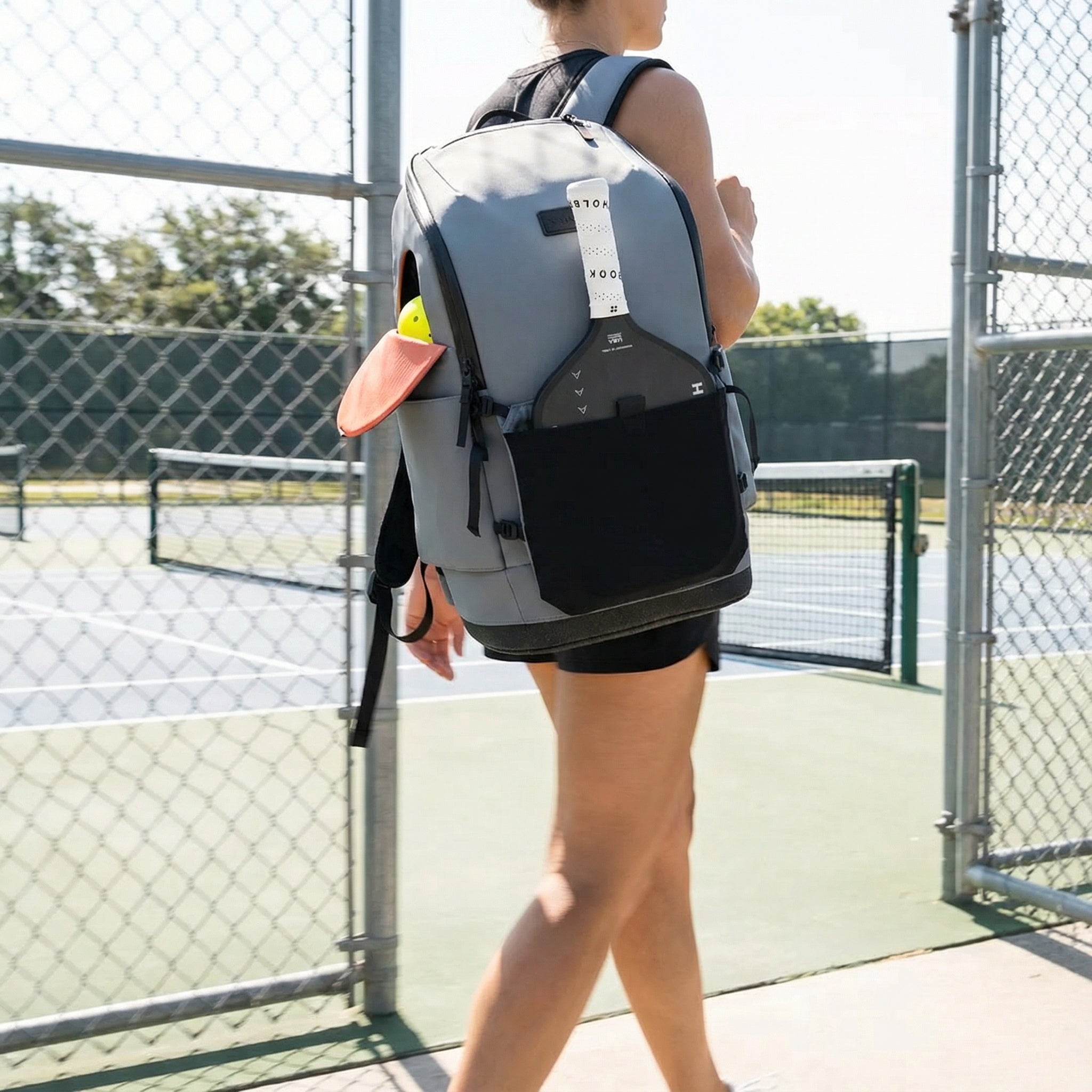
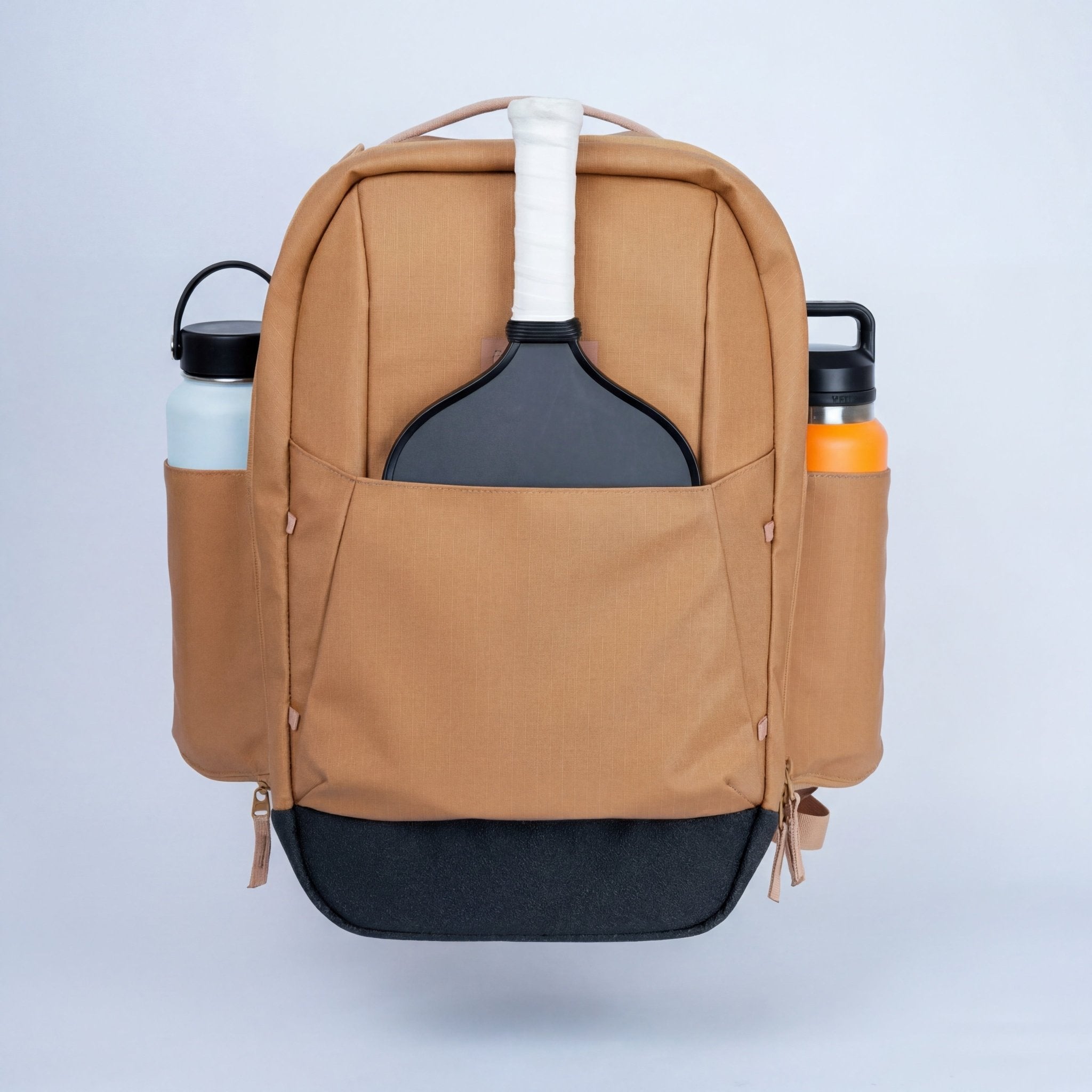
Most players land between 4.0" and 4.25", which is why the majority of paddles ship in that middle range. Once you've dialed in the right circumference, a good bag keeps your paddles organized and protected — the FORWRD Court Ranger V2 ($195) fits 2-4 paddles of any grip size in a padded modular sleeve designed specifically for pickleball setups.
Why Pickleball Grip Size Matters
Grip circumference directly impacts comfort, control, power generation, and long-term joint health. An ill-fitting grip forces compensations that compound over hundreds of shots per session.
- Too-small grips force players to squeeze harder, increasing forearm tension and contributing to tennis elbow and wrist pain over time
- Too-large grips restrict wrist mobility, reduce spin potential and touch, strain fingers, and limit quick grip changes during fast exchanges at the kitchen
- The sweet spot feels secure without squeezing and allows easy wrist action for dinks, rolls, and serves — your fingers should wrap naturally without gaps or cramping
Getting pickleball paddle grip size right also protects your investment in premium gear. When your paddle feels like an extension of your arm, you play more efficiently, stay on court longer, and reduce wear on both your body and equipment.
Pickleball Grip Size Basics
"Grip size" refers to the circumference of the paddle handle, measured in inches around its widest point.
- Most modern paddles fall between 4.0" and 4.5", typically offered in 1/8" increments (4.0, 4.125, 4.25, 4.375, 4.5)
- USA Pickleball limits overall paddle dimensions (maximum 24" combined length and width, maximum 17 oz weight) but does not regulate grip circumference itself
- Many performance paddles ship around 4.25" because this fits a wide range of adult hands
- Players can easily increase circumference with overgrips or replacement grips, but making a grip smaller usually requires removing the base grip entirely — a more involved process
Understanding these basics helps you shop smarter and adjust faster once you find your perfect paddle.
How to Measure Your Pickleball Grip Size
Two reliable methods work at home: the ruler test and the height estimate. Both give you a starting point, but on-court testing and minor adjustments complete the fit.
- The ruler test uses your dominant hand measurement for precise sizing
- The height estimate offers a quick approximation when you don't have a tape measure handy
- Real play is the final test — plan to hit a variety of shots before committing
You only need a ruler or tape measure and a few minutes to get started.
Method 1: The Ruler Test (Most Accurate)
This method, borrowed from tennis racquet fitting but tuned to pickleball's typical 4.0"–4.5" range, gives the most reliable starting point for your hand measurement.
- Extend your dominant hand, palm facing up, with fingers extended straight
- Locate the middle crease (or lower lateral crease) running across your palm
- Place a ruler or tape measure at that crease and measure to the tip of your ring finger
- Read the measurement in inches — this number corresponds closely to your ideal grip circumference
Example conversions:
- 4.1" measurement ≈ 4.125" grip
- 4.3" measurement ≈ 4.25" grip
- 4.6" measurement ≈ 4.5" grip
If your measurement falls exactly between two sizes, choose the smaller grip. You can always add an overgrip to increase circumference by about 1/16" per layer.
Method 2: Height-Based Grip Estimate
When a ruler isn't available, player height offers a rough starting point. This method should always be confirmed on court.
Height |
Suggested Grip Size |
|---|---|
Under 5'3" (under ~160 cm) |
4.0" |
5'3"–5'8" (160–173 cm) |
4.125"–4.25" |
Over 5'8" (173+ cm) |
4.25"–4.5" |
- Players with especially slender or broad hands may need to adjust from these baselines
- Many women and juniors prefer 4.0"–4.125" grips, while many players find 4.25" comfortable
- This estimate is only a starting point — validate with the ruler test and real play when possible
Method 3: Testing Grip Size by Feel
Real play is the final test. If possible, try a few paddles from friends, demo days, pro shops, or club paddle collections before buying.
The grip fit check: Hold the paddle with a standard forehand grip, fingers wrapped comfortably. Slide the index finger of your non-dominant hand into the gap between your fingertips and the heel of your palm. There should be just enough room for that finger to fit snugly without forcing it.
Signs the grip is too small:
- Fingertips dig into the palm
- You find yourself squeezing excessively to maintain a firm grip
- Quick forearm fatigue or elbow twinges after 10–15 minutes
Signs the grip is too large:
- Noticeable gaps between fingers and palm
- The paddle feels "blocky" and hard to maneuver
- Difficulty snapping the wrist for topspin, slices, or quick resets
Hit a variety of shots — dinks, volleys, serves, drives — and notice comfort over at least 15–20 minutes before deciding. A good fit should feel secure and natural from the first rally.
How Grip Size Affects Your Game
The right paddle grip size connects directly to control, power, spin, and injury risk on every point.
- Control: Correct sizing allows fine adjustments at the kitchen and better blocks against hard drives — your paddle feels like an extension of your hand rather than something you're wrestling
- Power: A comfortable grip lets you swing freely without guarding against pain, unlocking natural power through relaxed mechanics rather than forced effort
- Spin: Slightly smaller grips (within a safe range) enable more wrist action for topspin, slice, and roll volleys — adding up to more spin on serves and third-shot drops
- Injury prevention: Properly sized grips reduce strain on fingers, wrist, and elbow over long sessions or tournament weekends, with research suggesting injury rates drop significantly when grip circumference matches hand size
Many players who travel with multiple paddles standardize their grips so every backup paddle feels identical in hand. This consistency builds muscle memory and eliminates adjustment time when switching mid-match.
Common Grip Size Ranges by Player Type
Individual measurement beats generalizations, but patterns emerge across playing populations.
- Smaller hands (many women, juniors, some men): Typical preference around 4.0"–4.125"
- Average adult hands: Most land in the 4.125"–4.25" range
- Large hands: 4.375"–4.5" may feel more secure, especially for tennis players transitioning from larger racquet grips
- Pros and advanced players: Often choose slightly smaller grips than their hand size suggests to increase wrist action — but this assumes strong forearm conditioning and excellent technique
Players who compete frequently and carry multiple paddles benefit from keeping all grip sizes consistent. When you grab a backup from your bag, it should feel exactly like your primary paddle.
Grip Size vs. Grip Length: Don't Confuse Them
"Grip size" is circumference — how thick the handle is. "Handle length" is how long the handle extends from the paddle face throat to the butt cap.
- Most paddles have handle lengths between 4.75" and 5.5"
- Shorter handles (under 5") favor quick volleys and precise control at the net
- Longer handles (5.25"–5.5"+) provide added leverage for power shots and accommodate a two-handed backhand
- Handle length affects reach and leverage but doesn't change circumference — players still need the correct grip size regardless of handle length
Example: A player might use a 4.25" grip on both a standard 5.0" handle and an elongated 5.5" handle, choosing handle length based on playing style while keeping circumference consistent.
When choosing a new paddle, evaluate both handle length and grip size to keep your setup consistent across your collection.
Choosing Grip Material and Texture
Once circumference is correct, material and texture fine-tune feel, sweat management, and long-session comfort.
- Common materials: Synthetic leather or polyurethane with cushioning provides comfort and shock absorption, reducing vibration on off-center hits
- Texture options: Smooth, perforated, or patterned/tacky surfaces add grip security — perforated grips work well in hot or humid conditions
- Sweat management: Some grips prioritize moisture absorption, others prioritize tack; players who sweat heavily often prefer perforated or absorbent overgrips layered on top
Serious players often pack spare overgrips and towels to maintain consistent feel throughout a tournament day. A fresh grip tape layer can restore tackiness mid-session when conditions demand it.
Grip Products Worth Having on Hand
Once you know your grip size, keeping the right products in your bag makes it easy to maintain that feel all season. These are the picks worth buying:
For Comfort: Diadem Comfort Max Replacement Grip (~$7)
Polyurethane base grip that's noticeably softer than most factory grips — good choice when you need to replace a worn-out base before adding an overgrip on top.
For Sweaty Hands: Tourna Grip Pickleball Overgrip (~$12–18/pack)
The standard recommendation for players whose hands run hot and wet. Dry-feel material that gets tackier as it absorbs sweat — the opposite of most grips that get slick.
For Control: Hesacore Replacement Grip (~$20–25)
Honeycomb structure reduces micro-rotation during dinks and resets. Only worth it once you've played enough to feel the difference — but for kitchen-focused players, it's genuinely different.
How to Adjust and Customize Your Grip Size
It's easier to build a grip up than to make it smaller, so starting slightly small is usually the best approach for customization options.
- Overgrips: Each thin overgrip typically adds about 1/16" to circumference. Adding one or two can turn a 4.0" grip into approximately 4.125"–4.25". UDRIPPIN overgrips are a cost-effective option that provide solid tack and moisture absorption for regular maintenance.
- Replacement grips: Thicker replacement grips add more size and cushioning if the base grip feels harsh or thin — these replace the factory grip entirely
- Reducing size: Requires removing the factory grip and possibly using a thinner base grip. This is less common and may be best handled by a pro shop with experience rewrapping handles
Experiment gradually — one overgrip at a time — and note how your hand feels after full matches rather than just a few warm-up hits. What feels good in a five-minute rally might cause fatigue over a two-hour session.
Keeping spare grips, scissors, and tape organized makes it easy to tweak circumference on the go, whether you're at a local rec center or traveling to a tournament.
Best Practices for Comfort and Injury Prevention
Grip size, technique, and consistency form the foundation for pain-free play over the long term.
- Avoid death grip: Even with the correct size, squeezing too hard causes elbow and wrist issues. A proper fit should reduce the urge to over-grip because the paddle feels secure naturally
- Monitor symptoms: Tingling fingers, forearm tightness, or sharp elbow pain after play can signal that your grip is wrong — either too large, too small, or worn out
- Regular maintenance: Replace worn, slick grips and overgrips regularly. Frequent players may need fresh overgrips every few weeks to maintain circumference and added stability
- Seasonal adjustments: In hot summer leagues, some players add extra overgrip layers for sweat absorption, then remove them in cooler months when moisture is less of an issue
Players who log many hours benefit from standardizing grip size and replacement schedules as part of their routine. Consistency prevents surprises and keeps your body adapting to one familiar feel rather than constantly adjusting.
Common Mistakes to Avoid
The most common error is skipping a proper hand measurement. Always use a tape measure or ruler to measure from the middle crease of your palm to the tip of your ring finger — this simple step gives you a reliable starting point. Relying on guesswork or grabbing a paddle off the shelf without measuring is how players end up fighting their own equipment for months without realizing why.
The second mistake: ignoring playing style. If you play a finesse-heavy kitchen game, a smaller grip gives you more wrist action. If you drive the ball hard from the transition zone, a slightly larger grip provides more stability. Neither is objectively right — both are wrong if they don't match how you actually play.
Don't forget that overgrips change the equation. Each layer adds ~1/16" to circumference. If you add an overgrip after measuring, your effective grip size is now different from your measured size. Factor that in before concluding your grip "doesn't fit" — it might just need a layer removed.
Troubleshooting Common Grip Size Issues
Even after careful selection, you might find your grip isn't quite right. Start by reassessing: measure from the middle crease of your palm to the tip of your ring finger to confirm you're using the correct base size, then count how many overgrip layers you have on top.
If your grip feels too small — fingers digging into your palm, or you're squeezing hard to keep the paddle stable — add a layer of overgrip to increase circumference. If it feels too large and you're struggling to snap the wrist for spin or resets, remove a layer before assuming you need a different paddle entirely.
Elbow pain specifically? Check grip size first — a grip that's too small forces excessive forearm clenching, and the tension compounds over hundreds of swings per session. A 1/8" difference in circumference can make a noticeable difference in elbow strain over a full tournament weekend.
Grip Size FAQs
Do tennis grip sizing methods work for pickleball? The ruler test and index finger gap check translate well, but pickleball grips are generally smaller than tennis racquet grips. Tennis players transitioning should re-measure specifically for paddles rather than assuming their tennis size carries over.
Are grip sizes different for men vs. women? Pickleball paddle grip sizes aren't gendered. Both men and women can use any size that fits their hand measurement. Personal preference and hand size matter more than any demographic category.
What size should juniors use? Start juniors with 4.0" grips or smaller, based on the ruler test. Adjust as they grow — checking fit every few months for younger players makes sense since hands change quickly.
Does playing style affect grip size choice? Yes. Touch and spin-focused players might lean slightly smaller (4.0"–4.125") for more wrist action, while power-oriented baseliners may prefer a bit more stability in the 4.25"–4.5" range. Neither approach is wrong — it comes down to what feels similar to your natural stroke mechanics.
What if I own multiple paddles? Keep all paddles within the same 1/8" grip circumference so every backup feels familiar when you switch. Store them together so you can grab any paddle and feel confident immediately.
Can grip size affect injury risk over time? Yes. A grip that's too small forces excessive forearm clenching to maintain paddle control, increasing tension through the wrist and elbow with every swing. Over hundreds of swings per session, that tension compounds. Pickleball elbow — similar to tennis elbow — is frequently linked to grip size being off by just 1/8". If you're experiencing forearm or elbow soreness, check grip size first before assuming technique issues.
Dial In Your Grip, Then Upgrade the Rest of Your Gear
Getting grip circumference right is one of the fastest ways to feel more confident and comfortable on court — and it doesn't require buying a new paddle.
- The process: Measure with the ruler test, confirm with the height estimate, test by feel, and fine-tune with overgrips until everything clicks
- The payoff: Better control, more power, increased spin potential, and fewer nagging injuries as you progress in your pickleball journey
Once you've settled on a grip size and found your perfect paddle, protect that investment with the FORWRD Court Ranger V2 ($195) — a dedicated pickleball backpack with a modular paddle sleeve for 2-4 paddles, 16" laptop compartment for court-to-office commuters, and YKK AquaGuard zippers that handle outdoor conditions without complaint. Designed with 500+ real players who care about details like grip circumference. Or step up to the Court Caddy ($325) for 4-paddle capacity and a 15" padded laptop sleeve.
Complete Your Setup
Once you've dialed in your grip size, protect your paddles with gear that matches your commitment. The Court Ranger V2 has a dedicated paddle sleeve, 16" laptop compartment, and zippers that don't fail mid-tournament. Players who measure their grip size are the same players who show up prepared.

Treat grip sizing, paddle choice, and quality storage solutions as a connected system. When every piece works together, you spend less time adjusting and more time playing your best game.

Leave a comment
This site is protected by hCaptcha and the hCaptcha Privacy Policy and Terms of Service apply.