

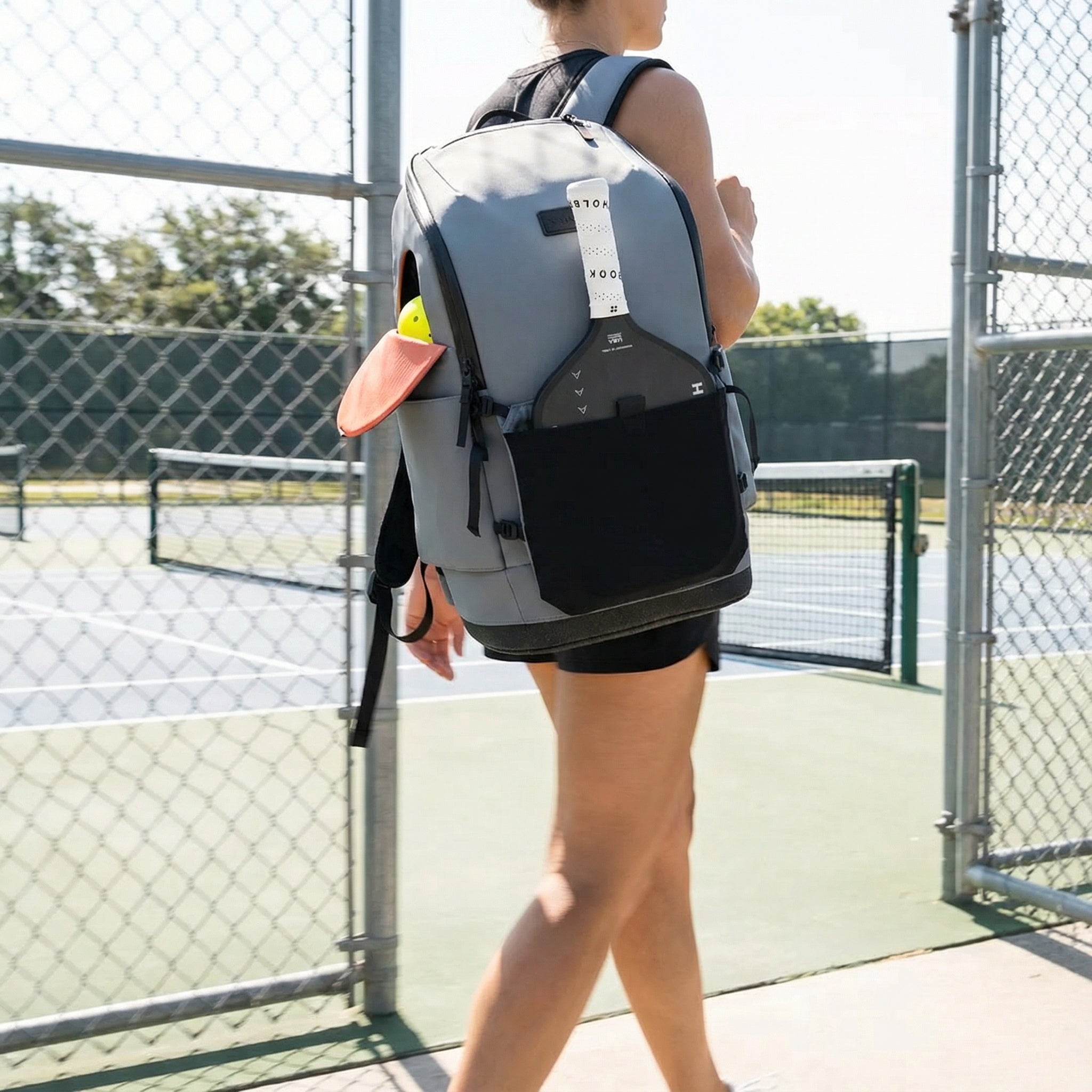
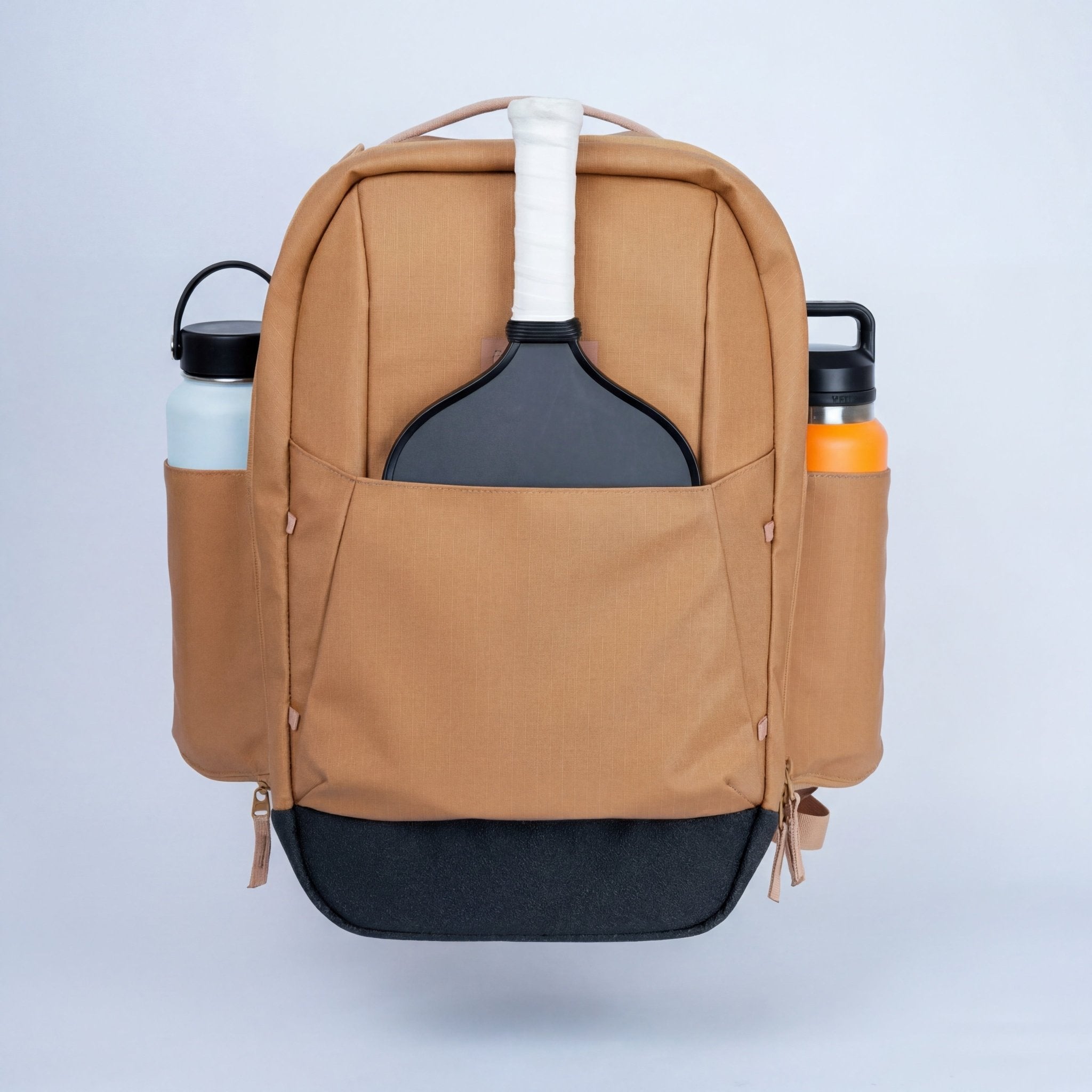
The surface beneath your feet shapes every aspect of your pickleball game—from how the ball bounces to how your knees feel after a two-hour playing session. Environmental factors like heat, humidity, and precipitation during a playing session can significantly impact foot health and safety, influencing your comfort and performance on the court. Whether you're chasing down a dink at the kitchen line or setting up for a third-shot drop, your court surface quietly influences speed, spin, and safety with every point.
Disclosure: This post contains affiliate links to Pickleball Central. If you purchase through our links, FORWRD earns a small commission at no extra cost to you. We only link to products we'd recommend regardless.
Last Updated: September 2026
Pickleball has exploded into one of the fastest growing sports in North America, with over 36.5 million players now active in the U.S. alone. Court construction is racing to keep up, but demand still outpaces supply. That means homeowners, clubs, and facility managers are making more surface decisions than ever—often without a clear roadmap.
This guide is designed to give you exactly that: a practical, no-fluff breakdown of pickleball court surfaces so you can choose wisely whether you're pouring concrete in your backyard or planning a multi-court club installation. At FORWRD, we design premium bags and accessories for players who spend serious time on court—and when you're playing that often, the surface you play on matters just as much as the gear you carry onto it.
Pickleball Court Basics: Dimensions, Layout, and Surface Area
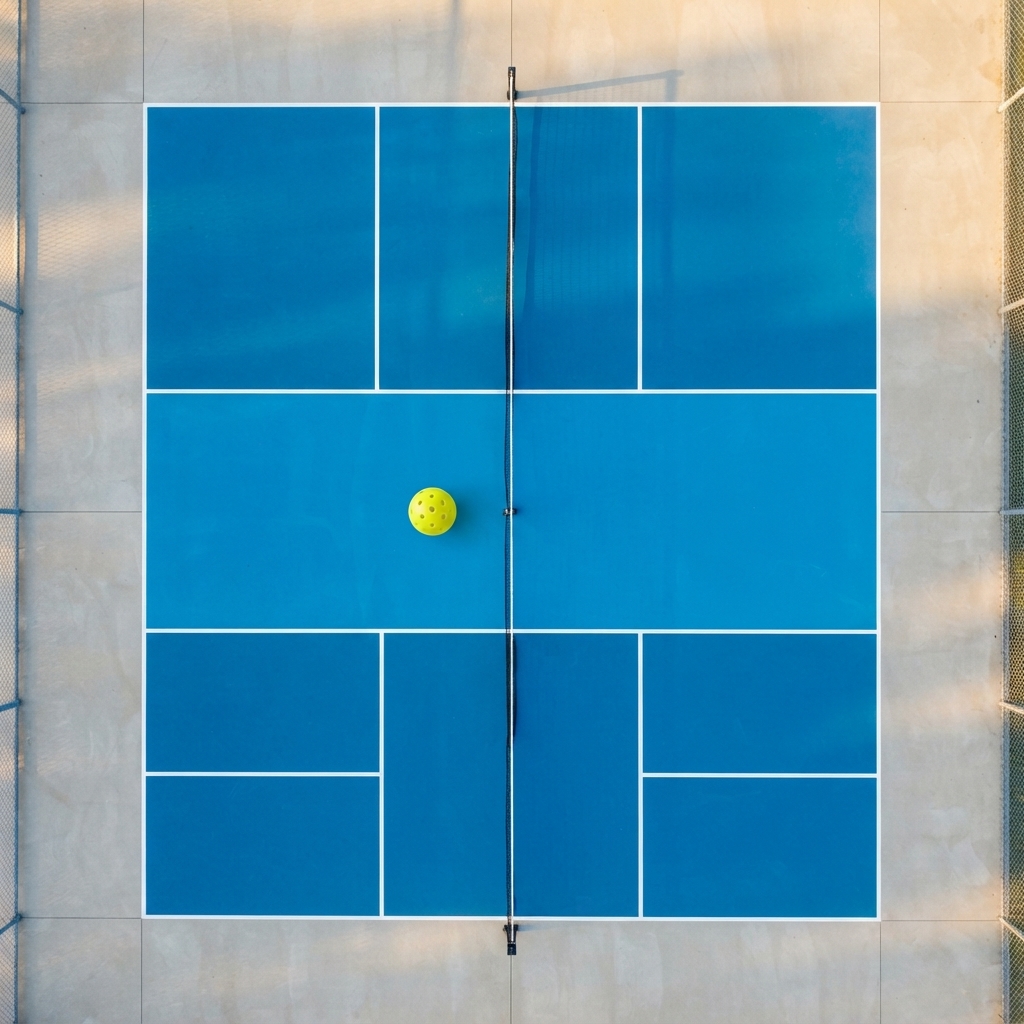
Before diving into surface materials, every decision you make has to work within the physical constraints of a regulation pickleball court. Understanding these dimensions helps you plan surfacing costs, drainage, and safe playing zones.
-
Official court dimensions: For a standard pickleball court, the playing area is 20 feet wide by 44 feet long, identical for both singles and doubles play
-
Recommended total envelope: Approximately 30 feet by 60 feet to accommodate safe runoff zones, fencing, and player movement outside the court lines
-
Multi-court planning: Many backyard builds and clubs plan pods of two pickleball courts or four pickleball courts together, which significantly impacts surfacing budget, grading requirements, and overall layout efficiency
-
Temporary court conversions: Courts frequently overlay existing basketball courts, tennis courts, or volleyball courts—meaning your surface choice must work with existing concrete or asphalt bases
-
Universal principles: Whether you're taping lines on a driveway for a temporary pickleball court or building a permanent court for a full club installation, the same surface considerations apply to playability and safety
Key Factors When Choosing a Pickleball Court Surface
Choosing a court surface isn't just about what's cheapest to pour or fastest to install. It's a balancing act between playability, player safety, climate resilience, maintenance demands, and total cost over time.
Here are the main decision factors you'll need to weigh:
-
Playability and ball behavior: How does the surface affect bounce, speed, and spin?
-
Player comfort and joint impact: How much stress does the surface put on your body over hours of play?
-
Durability and climate resilience: Will the surface hold up to your local weather conditions year after year?
-
Maintenance requirements: How much ongoing work does the surface demand?
-
Upfront vs. lifecycle cost: What's the true cost when you factor in resurfacing, repairs, and longevity?
The sections below will compare popular surface materials against these same criteria, helping you match surfaces to your priorities.
Playability and Ball Response
Pickleball uses a hard plastic ball with precise hole patterns, making even slight differences in surface texture and hardness very noticeable compared to tennis. The playing surface you choose directly affects how the game feels.
Surface smoothness and flatness determine bounce height and consistency. Uneven surfaces create unpredictable bounces that frustrate players and reward luck over skill. A flat surface with uniform texture produces the consistent ball bounce that competitive players expect.
Friction and texture influence game speed. Higher sand content in acrylic coatings slows the ball and gives players more time to set up shots, while lower sand content creates faster courts where reflexes and precision dominate. This is why tournament venues often fine-tune their surface type to specific speed preferences.
Players moving from bare concrete to acrylic-coated to modular tile courts will notice distinct differences. Raw concrete plays fast with high bounces but can feel harsh and unpredictable. Acrylic surfaces offer medium-speed play with true, reliable bounces—the standard for serious facilities. Modular tiles provide good recreational performance but may feel slightly softer with marginally different ball behavior.
Competitive players typically prefer acrylic-coated or cushioned acrylic over raw concrete or asphalt for consistent, tournament-quality bounces.
Player Comfort, Safety, and Joint Impact
Harder surfaces like concrete transmit maximum impact to your joints with every step, pivot, and lunge. For players over 40 who play multiple sports or hit the courts three to five times per week, this adds up fast.
Cushioned systems—whether cushioned acrylic or modular tiles with shock-absorbing underlayment—can reduce impact forces by 30 to 50 percent compared to bare concrete. That's a significant difference for long-term joint health, especially for facilities serving older player demographics where falls are already the leading cause of injury.
Surface traction is equally important for injury prevention. Too slick and players slip during quick directional changes. Too grippy and knees can twist during aggressive pivots. The ideal surface offers consistent traction across dry and slightly damp conditions.
Serious players often adapt to different surfaces by rotating shoes or carrying extra footwear options. Keeping multiple shoes, insoles, and dry socks organized in a well-designed court bag makes it easy to switch setups between playing sessions—one reason why thoughtful gear organization matters as much as surface choice. Check out FORWRD's premium court bags for gear organization solutions.
Durability, Weather, and Climate Considerations
Outdoor courts in Phoenix face completely different challenges than courts in Minneapolis or Miami. Understanding how climate affects your surface material helps you avoid costly repairs and premature replacement.
Hot climates: Asphalt can soften and deform under sustained high temperatures, leading to uneven surfaces and compromised ball bounce. Darker court colors absorb more heat, affecting both surface integrity and player comfort during midday sessions.
Cold climates: Concrete can crack through freeze-thaw cycles if not installed with proper control joints and sub-base drainage. Asphalt is even more vulnerable to temperature fluctuations, requiring more frequent crack filling and sealing.
Humid and coastal climates: UV exposure fades acrylic coatings over time, typically requiring resurfacing every 5 to 8 years. Modular tiles resist UV degradation and drain quickly after rain but need proper expansion gaps to handle thermal movement.
If you're in the desert Southwest, prioritize heat-resistant surfaces and lighter colors. Midwest winters demand proper sub-base engineering and crack-resistant materials. The humid Southeast benefits from surfaces that dry quickly and resist mold or mildew buildup.
Maintenance and Total Cost of Ownership
Upfront cost per square foot tells only part of the story. The true cost of your pickleball court construction includes ongoing maintenance, resurfacing cycles, and expected lifespan before major rehabilitation. Surfaces that are prone to frequent repairs can lead to higher overall expenses and reduced durability, especially for outdoor or high-traffic courts.
Asphalt courts: Lower initial cost but typically need crack filling annually and full resurfacing every 4 to 6 years depending on climate. Budget-friendly for the first year, but maintenance adds up.
Concrete courts: Higher initial cost but better dimensional stability and longer intervals between major work. A well-built concrete base can last 20+ years before needing structural attention.
Acrylic coatings: Add $2 to $5 per square foot over bare bases, with resurfacing needed every 5 to 8 years. Cushioned systems cost more upfront but can extend comfortable play for a decade or more.
Modular tile systems: Range from $5 to $12 per square foot for materials, plus installation. Individual tiles can be swapped when damaged, and entire systems can be relocated if needed—a unique advantage over poured surfaces.
Model your costs over 10 to 15 years rather than just year one. A higher initial cost often delivers lower total cost of ownership.
This mirrors the FORWRD philosophy of investing once in premium, durable gear rather than replacing cheaper options repeatedly.
Comparison of Common Pickleball Court Surface Types
Most permanent pickleball courts are built on either an asphalt or concrete base, then customized with coatings, cushion layers, or modular tiles. Understanding how these common surfaces compare helps you narrow options quickly.
The main surface categories include:
-
Asphalt
-
Concrete
-
Acrylic and cushioned acrylic systems
-
Modular sport tiles
-
Alternative and multi-use surfaces (wood, artificial turf, clay, grass)
Each section below outlines pros, cons, best use cases, typical lifespan, and what kind of players or facilities each option suits best.
Asphalt Courts
Asphalt is one of the most common choices for public parks and cost-sensitive projects. The construction process is familiar to most contractors, similar to parking lots, which keeps initial cost low.
Advantages:
-
Relatively low upfront investment
-
Good playability when new and properly coated
-
Familiar construction process for local contractors
Drawbacks:
-
Prone to cracking and softening over time, especially in heat
-
Requires regular crack sealing and periodic resurfacing
-
Less dimensionally stable than concrete
-
Tree roots can cause significant damage over time
Best for: Municipal public parks, budget-conscious clubs, temporary conversions of parking areas with painted or taped court lines.
Surface behavior: Slightly softer than concrete underfoot but still classified among harder surfaces. Most players benefit from quality cushioned footwear.
Players who regularly use asphalt courts often find value in keeping organized gear—extra footwear, insoles, cooling towels—stored in a sturdy bag to adapt to changing conditions and mitigate joint fatigue over long sessions.
Concrete Courts
Concrete is the long-haul choice: a higher upfront investment that delivers superior structural longevity when properly engineered. It's extremely durable and provides a consistent surface for decades.
Advantages:
-
Excellent dimensional stability over time
-
Long lifespan—20+ years for the base with minimal upkeep
-
Consistent bounce once coated with acrylic
-
Less deformation than asphalt under varying weather conditions
-
Ideal base for premium acrylic and cushioned systems
Drawbacks:
-
Very hard on joints without cushioning layers
-
Requires controlled joints and good sub-base to limit cracking
-
Higher initial cost compared to asphalt
Ideal for: High-traffic clubs, private facilities planning three to four or more courts, communities aiming for tournament-ready venues.
Almost all premium acrylic and cushioned acrylic systems are installed over a concrete or asphalt base, but concrete delivers the best long-term results. If you're building a "forever" home court or a permanent court for a facility, concrete plus a quality surface system is typically the most future-proof solution.
Acrylic and Cushioned Acrylic Systems
Acrylic coatings are the professional standard for tennis courts and have been widely adopted for high-quality outdoor pickleball court installations. They transform raw concrete or asphalt into a consistent, visually appealing, and performance-optimized playing surface.
Standard acrylic: Multiple thin layers applied over the base, providing color, texture, and consistent ball bounce. Sand content can be adjusted to tune game speed—less sand for faster play, more sand for slower, more controlled rallies.
Cushioned acrylic: The same acrylic finish installed over rubber or elastomeric cushion layers that significantly reduce impact forces. This is increasingly the choice for clubs serving players who play pickleball frequently.
Benefits:
-
Professional appearance with customizable colors
-
Excellent traction and predictable ball behavior
-
Easy to stripe clearly for kitchen lines, the pickleball baseline, and the non volley zone
-
Weather resistant with proper maintenance
-
Supports ball control and precise shot-making
Drawbacks:
-
More expensive than bare asphalt or simple paint
-
Cushion layers gradually compact over time
-
Requires resurfacing every 5 to 8 years depending on use and climate
Many dedicated pickleball clubs and tournament venues across the U.S. are moving to cushioned acrylic surfaces for superior player comfort and performance. Real-world examples include private residential courts built with neighborhood leagues in mind and commercial clubs adding 8+ courts as revenue-generating facilities.
Modular Sport Tile Systems
Modular tiles are interlocking plastic or rubber tiles installed over a hard base, featuring built-in texture and drainage channels. They've become popular for both indoor and outdoor applications where flexibility matters.
Advantages:
-
Fast installation over existing surfaces
-
Good shock absorption—reduces joint stress compared to bare concrete
-
Easy to replace individual damaged tiles
-
Excellent drainage for outdoor use in wet climates
-
Can be moved or reconfigured if facility needs change
Playability: Slightly softer feel with lower ball speed compared to acrylic courts. Some advanced players notice a different sound and bounce, but performance is excellent for recreational and club-level play.
Best for: Multi-use spaces, rooftop courts, facilities that may need to move or reconfigure courts, climates with heavy rain where quick drying is essential.
Drawbacks:
-
Higher initial cost compared to basic coatings
-
Tiles can expand and contract with temperature fluctuations
-
Requires proper edge design and expansion gaps
Indoor modular systems are increasingly popular for warehouses or repurposed retail spaces being converted into year-round indoor pickleball centers. At roughly $5 to $12 per square foot for materials—or $9,000 to $21,000 for one pickleball court excluding the base—they represent a significant but worthwhile investment for the right application. Check options like SnapSports modular tiles.
Indoor Surfaces: Wood and Other Alternatives
Many indoor courts are conversions: basketball gyms, school facilities, old racquetball centers, or multi-sport complexes. The surface options differ from outdoor settings.
Wooden courts: Common in gymnasiums, offering smooth, moderate-speed play with excellent bounce. They're gentle on bodies during extended playing sessions but can be slippery if not finished appropriately. Dust and sweat buildup require rigorous maintenance, and aged facilities may have uneven boards that affect ball behavior.
Synthetic sport flooring: Rubberized or polyurethane systems provide excellent shock absorption and consistent traction. Very comfortable for leagues and older players who value cushioned indoor courts.
Turf or artificial grass: Primarily for multi-use or casual settings. Less common for serious indoor pickleball due to inconsistent bounce with a plastic ball.
Indoor surfaces face less weather stress but demand more attention to grip, maintenance scheduling, and line management for multiple sports. Many new indoor pickleball clubs opening since 2022 have chosen cushioned modular tile systems over repurposed concrete for superior comfort and acoustics.
Indoor players often carry more gear—different shoes for wood versus rubber surfaces, towels, hydration—making a functional, well-organized backpack especially useful between courts and facilities.
Grass, Clay, and Other Niche Surfaces
While pickleball can technically be played on grass or clay, these are niche or recreational surfaces rather than standard choices for serious play.
-
Grass courts: Great for casual backyard games and outdoor events. Ball bounce is inconsistent depending on grass height and health, making them unsuitable for competitive play but fun for social gatherings.
-
Clay courts: Sometimes used when tennis courts are repurposed, but the slower ball and high maintenance requirements (constant rolling, water balancing) make clay rarely chosen for dedicated pickleball builds.
-
Temporary solutions: Taped lines on driveways, parking lots, or multi-purpose recreation spaces. The focus is on creating a safe, flat surface rather than optimizing ball behavior. These work well for introducing new players or testing interest before investing in proper court construction.
These other surfaces serve as fun extras or creative ways to add courts when permanent construction isn't possible—not as the gold standard for long-term facilities.
Indoor vs. Outdoor: Surface Strategy by Environment
Location fundamentally shapes which surface options make sense and how they'll age over time. An acrylic surface that performs beautifully outdoors in California might react differently in a temperature-controlled warehouse in Michigan.
Many organizations end up with a mix: acrylic outdoor courts plus indoor wood or modular tile courts, requiring players to adapt slightly between venues. Understanding environment-specific recommendations helps you narrow options quickly for your situation.
Outdoor Courts: Sun, Rain, and Temperature Extremes
Outdoor pickleball court surfaces face constant environmental stress that indoor surfaces never encounter.
Key threats:
-
UV degradation fading colors and breaking down coatings
-
Thermal expansion causing cracks and surface deformation
-
Pooling water from poor drainage creating slip hazards
-
Freeze-thaw cycles destroying bases without proper engineering
-
Debris like sand, leaves, and pollen causing abrasion
Surface choices that excel outdoors:
-
Concrete base with acrylic or cushioned acrylic coatings
-
Asphalt base with properly applied acrylic
-
Outdoor-rated modular tiles in very wet or coastal climates
Drainage matters: Proper slope—typically 1% to 1.5%—and perimeter drainage are critical for long-term surface health and safe footing. Water pooling doesn't just create slip hazards; it accelerates surface deterioration.
Climate-specific examples:
-
Florida (heat, storms): Choose lighter colors to reduce heat absorption; prioritize surfaces that dry quickly
-
Colorado (sun, snow): Invest in properly jointed concrete to handle freeze-thaw; consider cushioned systems for altitude-related joint stress
-
Pacific Northwest (constant moisture): Modular tiles with excellent drainage may outperform acrylic in chronically wet conditions
Color choice affects more than aesthetics. Darker surfaces absorb more heat, affecting both player comfort and ball bounce during midday play.
Indoor Courts: Gyms, Warehouses, and Clubs
Indoor surfaces operate in controlled environments but present their own challenges.
Key considerations:
-
Lighting and glare: Surface sheen (matte vs. glossy) affects ball visibility. Very glossy finishes can create glare under overhead lighting.
-
Noise: Modular tiles or rubberized floors significantly reduce sound compared to hard concrete or old wood—important for facilities in shared buildings or residential areas.
-
Maintenance: Dust control on wood and polished concrete requires regular attention. Overly slick finishes compromise traction and increase injury risk.
Many new indoor pickleball clubs opening since 2022 have chosen cushioned modular tile systems over repurposed concrete for comfort, acoustics, and player satisfaction. The minimal maintenance requirements and less frequent resurfacing cycles also appeal to facility operators.
For high-traffic clubs where courts see 8+ hours of daily use, cushioned surfaces reduce injury complaints and keep members playing consistently. Happy players return regularly—often with their gear bags packed for league night.
Budgeting and Planning Your Pickleball Court Surface
Surface decisions should come early in your planning process—before fencing, lighting, or shade structures—because they affect nearly every other line item in your budget.
Common cost ranges per square foot (2024-2025 estimates):
-
Basic asphalt installation: $3 to $6
-
Concrete installation: $6 to $12
-
Standard acrylic coating: $2 to $4 (over existing base)
-
Cushioned acrylic system: $4 to $8 (over existing base)
-
Modular sport tiles: $5 to $12 (materials only)
Site preparation costs can equal or exceed surface costs if significant excavation, grading, or sub-base compaction is required. Poor prep can ruin even the best surface material—cracks, settling, and drainage failures trace back to shortcuts during site preparation.
Additional cost factors:
-
Perimeter fencing ($15 to $50 per linear foot)
-
Net posts and pickleball net systems ($200 to $1,000+) — see options like Gamma Sports Pickleball Nets
-
Drainage infrastructure (highly variable)
-
Optional windscreens or shade structures
Get multiple quotes and ask contractors specific questions about base design, expansion joints, drainage slope, and warranty terms on the surface system.
Planning a backyard pickleball court or a good pickleball court for community use requires thinking beyond year-one costs. Model your investment over 10 to 15 years to understand true value.
Resurfacing Cycles and Long-Term Care
Understanding maintenance timelines helps you budget accurately and avoid surprise expenses.
Typical resurfacing schedules:
-
Basic acrylic over asphalt or concrete: Every 5 to 8 years depending on climate and usage
-
Cushioned systems: Top coats may need refreshing on similar timelines, but cushion layers can last longer if protected
-
Modular tiles: Regular cleaning and occasional tile replacement; base may need rehabilitation after 10+ years
Maintenance best practices:
-
Regular sweeping or blowing off debris to prevent abrasion and standing water
-
Immediate crack repair to stop water penetration and base damage
-
Annual or biannual professional inspection for busy facilities
-
Prompt attention to any drainage issues
A properly maintained court with regular care can deliver consistent performance for many years. Treat your court like any other capital asset—with a maintenance plan and budget allocation.
This mirrors how serious players treat their gear. Investing in quality and maintaining it properly delivers far better long-term value than constant replacement of cheaper alternatives.
Matching Surfaces to Players, Programs, and Gear
The "best" surface depends entirely on who's playing, how often, and at what level. A casual backyard court has different requirements than a tournament venue hosting sanctioned events.
Different user groups prioritize different court surfaces:
|
User Type |
Top Priorities |
Recommended Surface |
|---|---|---|
|
Homeowners |
Budget, aesthetics, low maintenance |
Concrete + standard acrylic |
|
HOAs/Communities |
Durability, multi-age use, safety |
Cushioned acrylic or quality tiles |
|
Commercial Clubs |
Performance, comfort, member retention |
Cushioned acrylic systems |
|
Tournament Venues |
Consistency, compliance, spectator areas |
Professional acrylic over concrete |
More advanced or high-frequency players tend to carry more paddles, shoes, hydration, and accessories tailored to surface and environment. Thoughtful gear organization becomes essential—exactly what FORWRD designs for with our premium bags and compartmentalized backpacks.
Home and Backyard Courts
Homeowners typically balance budget constraints with the desire for a "real" pickleball experience without tournament-level infrastructure.
For new builds:
-
Concrete base with standard acrylic coating offers excellent long-term value
-
Consider cushioned acrylic if household members play pickleball 3 to 5 times per week
-
Plan for proper drainage and sufficient space beyond court lines
For conversions:
-
Existing driveways or slabs can be cleaned, patched, and striped for casual play
-
Modular tiles can upgrade feel significantly without major construction
-
Even a basic surface material upgrade transforms playability
Practical considerations:
-
Plan for storage and access: a nearby shed, garage wall rack, or dedicated court bag keeps balls, paddles, and shoes organized
-
Consider neighbor relations: quieter cushioned surfaces, appropriate set-back from property lines, and considerate lighting maintain good relationships as play frequency increases
Building your own court is an investment in years of enjoyment. Matching it with organized, durable gear completes the experience.
Community and Club Courts
Communities and clubs must accommodate diverse players: juniors, adults, older players, and competitive athletes. Surface choices need to work for everyone.
Recommended surfaces:
-
Cushioned acrylic or high-quality modular tiles for facilities expecting daily leagues and clinics
-
Surfaces that minimize trip hazards and maintain traction when slightly dusty or damp
-
Options that support players with existing joint issues or mobility concerns
Accessibility matters: The non volley zone and kitchen area see intense activity. Surfaces here must provide consistent traction for quick stops and direction changes.
Branding opportunities: Colored courts and logo zones help clubs visually differentiate their facility while maintaining good visibility for the ball. Lighter playing surfaces with contrasting non volley lines improve gameplay.
Smart clubs support players with amenities: covered benches with hooks for backpacks, shaded areas where bags and gear stay protected during long days of play, and convenient access to hydration and restrooms.
Tournament and High-Performance Venues
Tournament-grade surfaces prioritize consistency, predictability, and compliance with official standards above all else.
Key requirements:
-
Concrete bases with professionally installed acrylic or cushioned acrylic systems tested for sports use
-
Uniformity across all courts so players don't adjust between vastly different court surfaces from match to match
-
Proper court lines with official dimensions and clear kitchen markings
-
Surfaces that have been properly maintained throughout the competition season
Facility planning:
-
Dedicated warm-up courts separate from competition courts
-
Spectator zones with appropriate sightlines
-
Storage areas for officials' gear and media equipment
-
Climate control considerations for indoor venues
Serious tournament players typically travel with multiple paddles, shoes, apparel changes, and accessories. Premium bags with thoughtful compartment design—like those from FORWRD—directly enhance their tournament experience by keeping everything organized and accessible.
Practical Tips for Playing Your Best on Any Surface
Most dedicated players regularly switch between different surfaces—concrete at the local park, cushioned acrylic at the club, wood floors at the gym. Learning to adapt quickly improves your game everywhere.
Adjusting your game:
-
On harder surfaces like concrete, expect higher, faster bounces and prepare for more aggressive play
-
On cushioned surfaces, the ball may sit up slightly longer—giving you more time but requiring adjustment to your timing
-
Modular tiles can feel "grippier" underfoot; adjust your footwork to avoid over-rotating on pivots
Footwear rotation:
-
Keep court shoes with different cushioning levels for different surface types
-
More cushioned shoes for concrete; responsive, lower-profile options for already-cushioned surfaces
-
Indoor court shoes with non-marking soles for gym floors
Joint protection on hard courts:
-
Extend your warm-up before playing on concrete or asphalt
-
Focus on dynamic stretching for ankles, knees, and hips
-
Consider compression sleeves for additional support during longer sessions
Surface-ready packing checklist:
-
Extra socks (moisture-wicking for hot days, thicker cushioned for hard courts)
-
Grip tape or overgrip for humidity changes between indoor and outdoor
-
Hat or visor for outdoor courts
-
Cooling towel for hot-weather play
-
Small first-aid supplies for minor blisters or scrapes
A well-organized bag makes adapting to any surface effortless and efficient. When everything has its place, you spend less time searching and more time playing.
Pickleball Court Surfaces: Frequently Asked Questions
What is the best surface for a pickleball court?
For outdoor courts: asphalt or concrete with an acrylic cushion coating is the most durable, most consistent, and hardest to beat. The cushion layer reduces joint stress meaningfully — worth the extra cost if you're playing 3+ times a week. For indoor: hardwood or sport tile. For temporary setups: modular sport tiles on any flat hard base.
How much does it cost to surface a pickleball court?
Basic asphalt or concrete surfacing runs $15,000–$40,000 for a single court (grading, base, and acrylic coating included). Sport tile systems cost $8,000–$20,000 depending on tile type and installation. Cushion acrylic coatings add $3,000–$8,000 on top. Multi-court installations get meaningful economies of scale on all those numbers.
Is concrete or asphalt better for pickleball?
Both work well with an acrylic top coating. Concrete is more expensive upfront but provides a more consistent surface over time — less prone to cracking in freeze-thaw climates. Asphalt costs less initially but can soften in extreme summer heat and needs more routine maintenance. Either base benefits significantly from a quality cushion coating.
What's the difference between indoor and outdoor pickleball courts?
Outdoor courts use harder surfaces that handle weather and UV. Indoor courts typically use hardwood or sport tile for better shock absorption. Ball physics differ too: outdoor balls are harder and heavier (designed for wind resistance and harder courts), while indoor balls are lighter with smaller holes for slower, more controlled play on wood.
What shoes work best on different pickleball court surfaces?
Pickleball or tennis court shoes with non-marking soles work across all indoor surfaces. For outdoor hard courts, choose shoes with durable hard-court-rated outsoles. Never play in running shoes — they lack the lateral stability pickleball demands and your ankles will pay for it. Players on outdoor courts 3+ times per week should replace shoes every 3-6 months.
Conclusion: Choosing the Right Pickleball Court Surface for the Long Game
The surface you play on shapes not only how the game feels today but also how long you and your community can play without injury or frustration. It's a decision that pays dividends—or creates headaches—for years to come.
The decision framework:
-
Start from your environment: indoor or outdoor, and your specific climate challenges
-
Factor in who's playing and how often: casual recreation versus daily competitive use
-
Balance upfront cost with long-term durability, maintenance requirements, and minimal upkeep potential
Where each surface shines:
-
Asphalt: Budget-friendly for municipal parks and temporary installations
-
Concrete + acrylic: Longevity and performance for serious facilities
-
Cushioned acrylic: Player comfort and injury risk reduction for high-frequency use
-
Modular tiles: Flexibility, drainage, and adaptability for changing needs
Complete Your Court Setup
Whether you're building a backyard court or just figuring out where to play, your gear matters as much as your surface. A FORWRD Court Caddy ($325) or Court Ranger V2 ($195) protects your paddles from the temperature swings, outdoor grit, and UV exposure that come with serious outdoor play. Both are built with 500+ real players who play on all the surfaces described above.

Gear for Serious Court Players
Court Caddy ($325): 4-paddle capacity, 15" laptop sleeve, YKK AquaGuard zippers, lifetime warranty. Built for outdoor players who take their game seriously.
At FORWRD, we don't pour concrete or install acrylic coatings—but we do understand what it means to invest in quality that lasts. We design premium bags and accessories that protect and organize the gear you rely on, no matter what surface you're stepping onto. Our lifetime warranty reflects the same long-game thinking that should guide your court construction decisions.
Plan your surface thoughtfully. Invest in materials that match how seriously you take your time on court. And outfit yourself with durable, well-designed gear that's ready for wherever the game takes you next.
Pickleball Court Construction: From Site Prep to Surfacing
Building a pickleball court starts long before the first ball is served. The process begins with selecting the right location—ideally a spot with good drainage, plenty of sunlight, and easy access for players. Once the site is chosen, it's essential to clear away any debris and level the ground thoroughly. A flat surface is the foundation of a good pickleball court, ensuring consistent play and reducing the risk of injury.
The next step in pickleball court construction is laying a solid base, typically made from concrete or asphalt. This base provides the structural support needed for a durable, long-lasting court. For outdoor courts, choosing a surface material that can handle local weather conditions—like temperature swings, rain, or snow—is crucial. After the base is set, an acrylic surface coating is applied. This layer not only delivers a smooth, consistent playing surface but also helps minimize maintenance and extends the court's lifespan.
Proper court construction also means planning for future upkeep. Regular cleaning and timely resurfacing will keep the playing surface in top condition, ensuring that your pickleball court remains safe, attractive, and enjoyable for years to come.
Temporary Court Options: Portable Nets, Lines, and Surfaces
Not every game of pickleball needs a permanent home. Temporary pickleball courts are a flexible solution for events, pop-up tournaments, or casual play in public parks and backyard spaces. With portable nets that are quick to set up and take down, you can transform almost any flat area into a playable court in minutes.
Court lines can be marked using tape or chalk, allowing you to create regulation boundaries on surfaces like basketball courts, volleyball courts, or even tennis courts. For an improved playing experience, temporary surfaces—such as roll-out mats—can be used to provide a smoother area and more consistent ball bounce, even on less-than-ideal ground.
When setting up a temporary court, keep the surface as level and even as possible. This helps prevent injuries and guarantees a fair, enjoyable game with reliable ball bounce. Temporary pickleball courts make the sport accessible to a wider audience, letting you play almost anywhere without a major investment.
Pickleball Court Lighting and Drainage Essentials
A great pickleball court isn't just about the surface—it's also about what's above and below it. Proper lighting is essential for safe, enjoyable play, especially during evening hours or in indoor facilities. LED lighting is a popular choice for pickleball courts, offering bright, even illumination with minimal energy use and long-lasting performance. Well-designed lighting reduces glare and shadows, making it easier to track the ball and react quickly during play.
For outdoor courts, effective drainage is just as important. A well-planned drainage system prevents water from pooling on the court surface, reducing slip hazards and protecting the court from damage caused by standing water. Good drainage also means less downtime after rain, so you can get back on the court faster. When designing your pickleball court, consider the orientation to minimize the impact of direct sunlight and wind, further enhancing the playing experience.
By investing in quality lighting and drainage, you ensure that your pickleball court remains safe, playable, and enjoyable in all conditions.
Court Surface Repair and Replacement
Even the best pickleball court surfaces will eventually show signs of wear. Cracks, faded lines, and uneven surfaces can develop over time, especially on outdoor courts exposed to the elements. Regular maintenance is key to extending the life of your court, but sometimes repairs or a full replacement become necessary to maintain a high-quality playing surface.
When addressing repairs, fix cracks and uneven surfaces promptly to prevent further damage and ensure player safety. Repainting or restriping court lines keeps the court looking sharp and maintains clear boundaries for play. If the surface is beyond simple repairs, replacing it with a durable, weather-resistant material—such as acrylic surfaces—can restore consistent ball bounce and reduce future maintenance needs. Acrylic surfaces are especially valued for their low maintenance requirements and ability to withstand harsh weather, making them a smart choice for both indoor and outdoor pickleball courts.
By staying proactive with repairs and choosing the right materials for replacement, you'll keep your pickleball court in top shape, providing a safe and enjoyable environment for every game.
Pickleball Court Accessories and Equipment
Enhancing your pickleball court goes beyond the surface itself. The right accessories and equipment can elevate the playing experience and make your court more inviting for players of all levels. Essential items include high-quality nets and clearly marked lines, which are fundamental for any regulation pickleball court.
For those looking to take their game to the next level, ball machines offer valuable practice opportunities, while scorekeepers help track matches during competitive play. Comfortable seating and shade structures provide players with a place to rest and socialize between games, making the court a true community hub.
Maintenance tools, such as court cleaners and resurfacing kits, are also important investments. They help keep the playing surface in optimal condition, extending its lifespan and ensuring consistent performance. By equipping your pickleball court with the right accessories and equipment, you create a welcoming, functional space that supports both fun and serious play.

Leave a comment
This site is protected by hCaptcha and the hCaptcha Privacy Policy and Terms of Service apply.