

Proper footwork and equipment care go hand-in-hand for peak performance. Last updated: July 2026
Answering Your Biggest Pickleball Shoe Questions Up Front
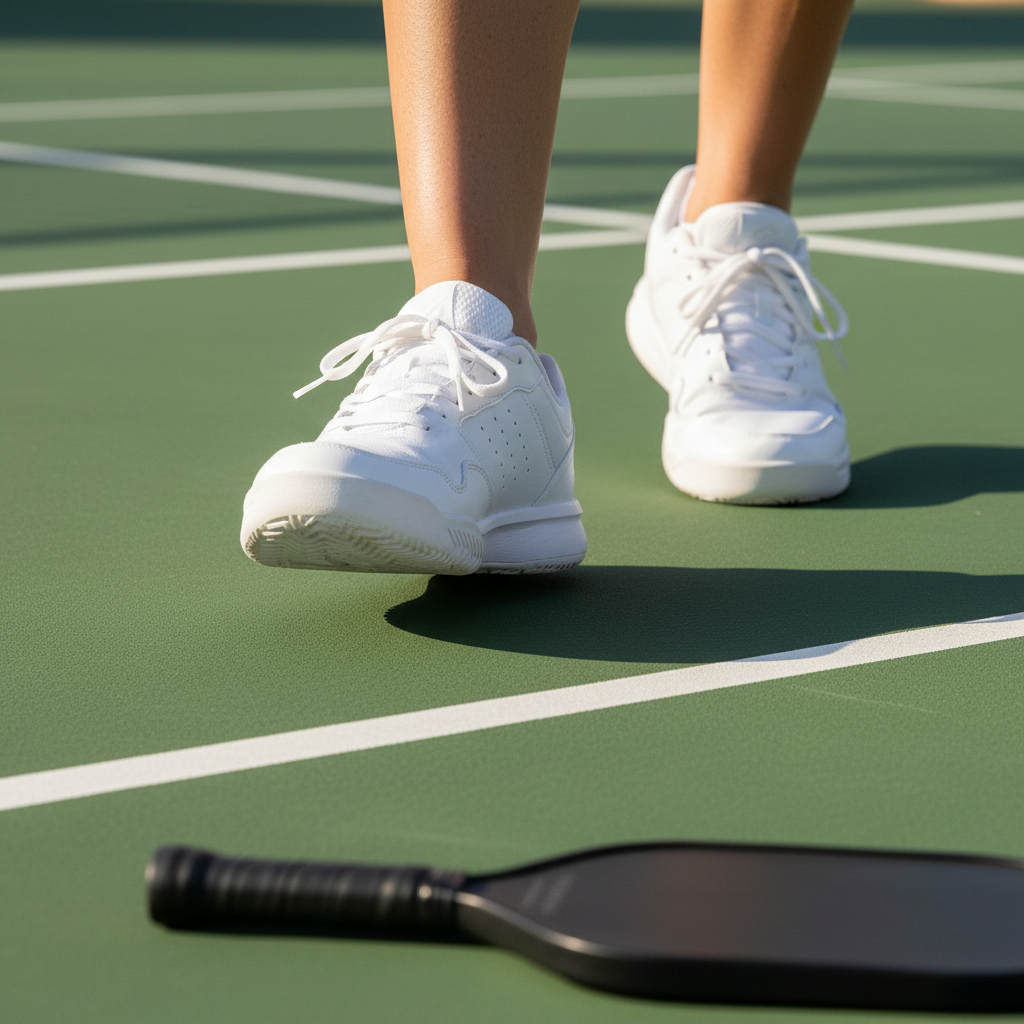
Can you wear any athletic shoes to play pickleball? Technically, yes—but you shouldn’t. Dedicated court shoes, whether designed for pickleball or tennis, are strongly recommended over running shoes or general trainers for both safety and performance on the court. Pickleball-specific shoes provide superior stability, ventilation, cushioning, and support for players, improving both safety and performance during play.
Disclosure: This post contains affiliate links to Pickleball Central. If you purchase through our links, FORWRD earns a small commission at no extra cost to you. We only link to products we'd recommend regardless.
The quick lateral movements, sudden stops, and constant direction changes in pickleball demand footwear engineered for multidirectional stress. Running shoes are built for forward motion with cushioning that can actually work against you during side shuffles and split-steps. Wearing running shoes or street shoes while playing pickleball can lead to injuries such as twisted ankles and other foot or leg injuries. For players hitting the court 3–5 times per week, expect to replace your shoes every 6–12 months depending on surface type and intensity of play.
Here’s an important distinction many players forget: indoor and outdoor courts require different outsole considerations. Use non-marking soles with softer, non-marking 'gum rubber' compounds for indoor wood or gym floors to improve grip on polished surfaces. For outdoor concrete and asphalt, you’ll want more durable tread patterns that resist abrasion.
Popular tennis shoes like the ASICS+Gel+Resolution&oid=1&affid=8612342" target="_blank" rel="sponsored noopener">ASICS Gel Resolution 9, New Balance FuelCell 996 v5, and K-Swiss Hypercourt Express 2 all perform exceptionally well for pickleball play. Other notable models include the K-Swiss Express Light and ASICS Gel-Resolution series for lateral support and durability, the Skechers Viper Court series for cushioning and a durable outsole, the Diadem Court Burst for fast play with comfort and support, the Nike Air Zoom Vapor Pro 2 for lightweight responsiveness and agility, and the Babolat Jet Mach 3 for versatility and traction. Selkirk pickleball shoes can be worn on both indoor and outdoor courts. Popular pickleball shoe brands include K-Swiss, ASICS, Diadem, and Skechers. This guide remains brand-neutral on footwear recommendations—we’re focused on helping you understand what makes a good shoe for your game and improving your overall experience, comfort, and safety.
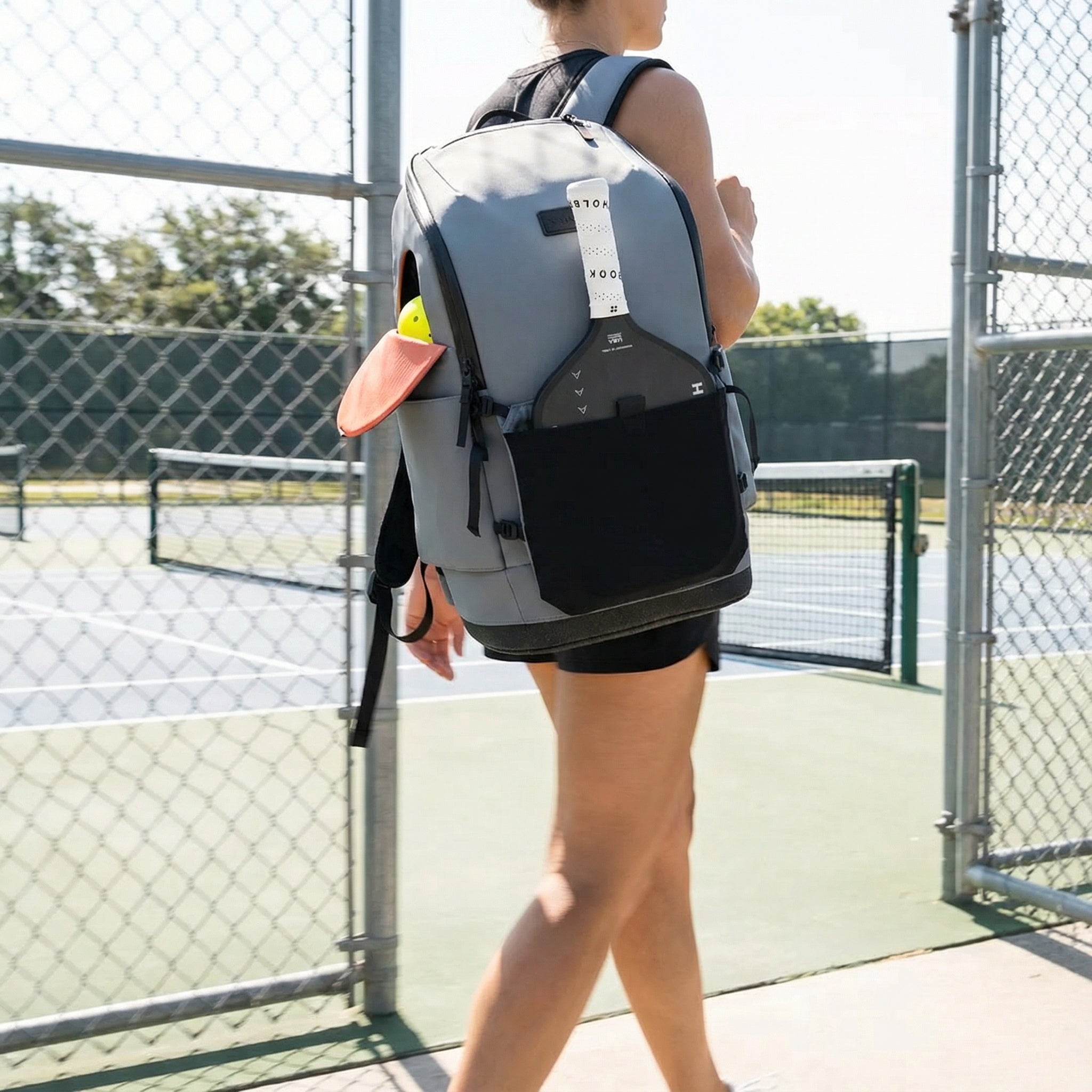
FORWRD doesn’t sell shoes, but we design premium bags and accessories built around how real players move, store, and organize their footwear and gear between sessions. Court Caddy Pickleball Bag
Why Court Shoes Matter for Pickleball (Not Running Shoes)
Pickleball movement patterns are fundamentally different from running or walking. You’re constantly shuffling laterally, executing split-steps at the kitchen line, making explosive stops, and changing direction on hard court surfaces—sometimes dozens of times per point.
Court shoes vs running shoes:
-
Court shoes feature lateral stability with reinforced sidewalls and a flatter platform
-
Running shoes prioritize forward-only cushioning with higher, unstable heels designed for heel-to-toe motion
-
The elevated heel in running shoes raises your center of gravity, making quick lateral cuts dangerous
Court shoes vs everyday sneakers:
-
Court shoes have grip patterns specifically tuned for hard court surfaces
-
Lifestyle sneakers often have smooth or irregular outsoles never meant for fast directional changes
-
Casual footwear lacks the structural support needed for active play
The injury risks from wearing wrong footwear are real and preventable. Players regularly experience rolled ankles from unstable platforms, knee strain from poor lateral support, plantar fasciitis from inadequate arch structure, and toe jamming from sliding inside overly soft uppers.
Tennis shoes often perform as well as—or better than—many pickleball-branded alternatives because they benefit from decades of R&D specifically focused on hard-court traction and durability. Don’t assume a pickleball specific shoe is automatically superior; evaluate shoes based on the features below rather than marketing labels.
Key Features of a Good Pickleball Shoe
When evaluating performance pickleball footwear, focus on stability, cushioning, traction, fit, and durability rather than just the brand name on the tongue. Here’s what matters most:
Stability
A wide, stable base with reinforced sidewalls is essential for side-to-side movement. Look for shoes with medial support structures and rigid heel counters that prevent your foot from rolling during aggressive lateral shuffles. Heavier players or those with a history of ankle issues may prefer slightly more structured models like the ASICS Gel Resolution 9, which integrates DYNAWALL medial sidewalls and rigid shanks for enhanced arch support.
Cushioning
You need enough cushioning to handle the impact of hard outdoor courts without the shoe feeling mushy or slow. Very thick, soft midsoles borrowed from running shoes can actually slow your reaction time and create instability during quick exchanges. The best court shoes balance responsive foam compounds that absorb shock while maintaining court feel—you want to feel connected to the surface, not floating above it.
Traction
Herringbone-style patterns remain the gold standard for court shoes, providing bidirectional grip that supports forward, backward, and lateral movements. Some outdoor-focused pickleball shoes feature more aggressive tread patterns to channel dust and debris. For indoor courts, non-marking rubber outsoles are mandatory—many facilities will turn you away if your soles leave marks on their floors.
Fit
Proper fit means heel lockdown, midfoot security, and adequate room for your toes to splay naturally. About a thumb’s width of space between your longest toe and the front of the shoe prevents jamming during sudden stops. Many customers with wide feet specifically seek brands offering 2E or 4E sizing options to avoid pinching along the forefoot.
Durability
Toe drag protection matters significantly for players who slide or drag their front foot on dinks and volleys. Look for reinforced toe caps or rubber overlays that extend up the medial side. Competitive players on abrasive outdoor courts often wear through outsoles in 4–9 months, so factor replacement costs into your purchase decision.
Indoor vs Outdoor Pickleball Shoes
The surface you play on—indoor wood, gym tile, or rubber versus outdoor concrete and asphalt—places very different demands on your footwear. Understanding these differences helps you select shoes that perform optimally in your primary environment.
Indoor shoes typically feature:
-
Non-marking gum or light-colored rubber soles with high grip
-
Slightly softer rubber compounds designed for polished surfaces
-
Lighter weight and more flexibility, similar to volleyball or badminton shoes
-
Breathable mesh uppers since temperature-controlled environments reduce overheating
Outdoor shoes typically feature:
-
Tougher rubber compounds to resist abrasion on concrete or asphalt
-
More substantial outsole patterns that channel dust and small debris
-
Reinforced uppers and toe caps for durability during slides and toe drags
-
Additional weight from durable materials, though still lightweight by general athletic standards
Some hybrid court shoes can work reasonably well in both environments, but players who primarily play in one setting will likely prefer shoes optimized for that specific surface. The trade-offs become noticeable over time—an outdoor shoe worn indoors may feel clunky and leave marks, while an indoor shoe worn outdoors will degrade rapidly.
Practical tip: If you regularly alternate between indoor and outdoor play, keep two pairs of shoes and swap them based on where you’re playing. This preserves grip, maintains court cleanliness, and extends the lifespan of both pairs.
FORWRD court bags and backpacks are designed with separate ventilated shoe compartments specifically so players can easily swap and store indoor versus outdoor pairs without tracking dirt onto the court or onto clean gear.
"The number one mistake I see is players buying running shoes. They feel comfortable in the store because they're built for forward motion — but pickleball demands lateral cuts, split-steps, and quick pivots. A running shoe's midsole isn't designed for sideways force. You'll be fine for a month, then you'll roll an ankle or blow out your knee on a hard cut. Get court shoes — it's the cheapest injury prevention available."
— Topher, FORWRD co-founder and competitive pickleball player
How Pickleball Shoes Should Fit and Feel
Fit is as important as model or brand selection. Even top-tier shoes can cause blisters, hot spots, and stability issues if the fit is wrong for your foot shape.
Toe box:
-
Recommend about a thumb’s width (roughly 0.5 inch or 1.25 cm) between your longest toe and the end of the shoe
-
Many pickleball players prefer slightly roomier toe boxes for comfort during long sessions
-
Models like the K-Swiss Hypercourt Express 2 are known for accommodating toe splay without sacrificing lockdown
Midfoot and heel:
-
Should feel secure and “locked in” with no heel slip during lateral shuffles
-
Laces should hold the midfoot snugly without creating pressure points
-
If you notice your heel lifting when you push off, try different lacing techniques or a different model
Width:
-
If you experience pinching along the forefoot or outer edge, try wide or extra-wide options
-
Some brands run narrower than others; read reviews from players with similar foot shapes
-
Players with very wide feet often specifically look for 2E options when assessing sizing
Flexibility:
-
The shoe should flex at the ball of the foot, not in the midfoot arch area
-
Too-stiff shoes feel clunky and slow; overly flexible lifestyle shoes lack the support needed for quick direction changes
-
Bend the shoe in your hands before buying—it should resist folding in half
On-court test:
-
Before committing, do quick side shuffles, split-steps, and small lunges indoors to evaluate slippage, hot spots, and stability
-
Walk around for at least 10–15 minutes to let your feet warm up and expand
-
Pay attention to any rubbing or pressure that could become painful during a two-hour session
How Long Do Pickleball Shoes Last?
Shoe lifespan depends heavily on frequency of play, body weight, intensity, and court surface. Here are concrete time ranges based on typical use:
|
Play Frequency |
Surface |
Expected Lifespan |
|---|---|---|
|
1–2 times per week |
Indoor courts |
9–18 months |
|
3–5 times per week |
Outdoor concrete |
4–9 months |
|
Daily (10+ hours per week) |
Mixed surfaces |
3–6 months |
|
Key signs that shoes need replacing: |
|
|
-
Outsole tread is worn smooth under the ball of the foot or along the outside edge
-
Midsole feels “dead,” with less rebound and more soreness after play
-
Uppers show tears at flex points or around the toe box from toe drags
-
You notice less confidence in your footing during quick lateral movements
Many players rotate two pairs of shoes to extend overall lifespan and allow cushioning to rebound between sessions. This rotation strategy can add months to each pair’s usable life.
Using a dedicated shoe compartment or ventilated pocket in a pickleball bag helps shoes dry properly between sessions, reducing odor and material breakdown from trapped moisture.
Even if your shoes still look acceptable, many competitive players proactively replace them every 6–12 months to maintain safety and avoid preventable injuries. A worn outsole might not be visible, but the grip loss can catch you off guard during a critical point.
Care, Maintenance, and Storage of Pickleball Shoes
Simple care routines can easily add months to a shoe’s usable life. Here’s how to keep your footwear in optimal condition:
Cleaning:
-
Wipe down outsoles after outdoor play to remove dust and small stones that degrade traction
-
Hand-wash uppers with mild soap and water when needed
-
Avoid machine washing, which breaks down glues and foams over time
-
Use a soft brush to clean breathable mesh areas without damaging the material
Drying:
-
Air-dry at room temperature, away from direct heat or sunlight
-
Remove insoles and loosen laces after long, sweaty sessions to improve airflow
-
Never use a dryer or place shoes near radiators—heat degrades foam and adhesives rapidly
Storage:
-
Keep shoes in a breathable area of your pickleball bag, not sealed in plastic where moisture builds up
-
FORWRD bags provide ventilated, shoe-specific compartments to separate footwear from paddles, clothes, and tech gear
-
Store in a clean, dry location between sessions to prevent mold and odor
Rotation:
-
Rotate between at least two pairs if playing 3+ times per week
-
Allows midsoles to recover their cushioning properties
-
Significantly reduces odor buildup from repeated use without drying time
Return and warranty considerations:
-
Most footwear brands accept eligible returns only if shoes are tried on indoors and remain in new, unused condition, with tags and original packaging intact. For example, see Selkirk’s return policy.
-
Returned shoes must be in new, unused condition to be eligible for return.
-
Shoes must be returned within the specified return window, typically 30 days from purchase date, and returned items should include original packaging and tags.
-
Review the specific shoe brand’s policy before wearing outdoors—once a shoe is worn outdoors, it’s generally not eligible for return.
-
Keep receipts and packaging until you’ve confirmed the fit works for your game.
Popular Brands in Pickleball Shoes
When it comes to finding the best shoes for pickleball play, choosing a trusted brand can make all the difference in your comfort, safety, and performance on the court. Leading footwear companies have invested years in designing court shoes that address the unique demands of pickleball—quick lateral movement, stability, and all-day comfort.
ASICS is a top choice among pickleball players, renowned for their lightweight, durable designs and exceptional support. The ASICS Gel Resolution series, for example, is engineered with advanced cushioning and a stable platform, making it a good shoe for players who value both comfort and confidence during intense matches. The fit is designed to accommodate a variety of foot shapes, with a toe box that allows for natural movement and long-term wear.
Nike’s Vapor line, including the popular Nike Vapor Pro, is another favorite for those who want a responsive, agile shoe. These shoes are built for rapid direction changes and explosive movement, featuring breathable mesh uppers that keep your feet cool even during the most active play. The Nike Vapor’s snug fit and lightweight construction help players stay quick on their feet, while still providing the support needed for safety and stability.
New Balance stands out for its commitment to comfort and fit, offering a range of court shoes with options for different widths and foot shapes. The FuelCell series is especially popular for its lightweight feel and responsive cushioning, making it ideal for players who prioritize speed and agility. Many New Balance models feature a roomy toe box, ensuring a comfortable fit for extended sessions on the court.
K-Swiss has made a name for itself with the Hypercourt Express series, blending classic tennis shoe style with modern performance features. These shoes are designed for durability and support, with ample cushioning and a stable base that holds up to the demands of frequent pickleball play. The Hypercourt Express is a reliable choice for players seeking a comfortable, long-lasting pair that can handle both indoor and outdoor environments.
For those looking for a pickleball specific shoe, Selkirk offers models designed exclusively for the sport. Selkirk shoes provide targeted support, comfort, and durability, making them a strong option for players who want footwear tailored to pickleball’s unique movements. Montis is another brand gaining traction, known for its high-performance features like a secure fit and breathable mesh, ideal for players who play several times a week and need shoes that can keep up.
No matter which brand you choose, it’s important to assess sizing and fit before making a purchase. Always try on shoes in a clean, indoor environment to ensure they feel comfortable and supportive from the start. Check the warranty terms and read the return and exchange policies carefully—most brands require shoes to be in new condition, with tags attached, for eligible returns or exchanges.
By investing in a quality pair of pickleball shoes from a reputable brand, you’ll enjoy greater comfort, improved stability, and the confidence to play your best game. The right shoes not only enhance your performance but also help prevent injuries, so take the time to find the perfect fit for your feet and playing style.
Integrating Your Shoes with the Rest of Your Pickleball Gear
Your footwear is just one component of full-court readiness. Paddles, balls, apparel, bags, and accessories all work together for consistent, comfortable play session after session.
A well-designed pickleball bag makes shoe management significantly easier:
-
Dedicated, ventilated shoe bay keeps sand, dust, and odor away from paddles and clothing
-
Easy-access side or bottom shoe zips let players swap shoes quickly at the court without unpacking everything
-
Extra space for socks, insoles, and spare laces means you’re never caught unprepared
-
Separation from other items prevents dirt from outdoor courts transferring to clean gear
FORWRD bags and backpacks are built for players who bring court shoes, spare socks, and post-match sandals to every session. Our emphasis on premium materials, heavy-duty zippers, and lifetime warranty matches the long-term mindset serious players have about their shoes and gear. When you invest in durable, purpose-built equipment, you’re not just organizing your items—you’re protecting them.
Your pickleball shoe is the foundation of every movement you make on the court. Invest in the right court shoes for your body, playing style, and primary surface. Then pair them with a purpose-built FORWRD pickleball bag to protect and organize all of your gear—from paddles to footwear—so you can step onto the court with confidence every time.
For more insights, see our guide on HEAD Motion Pro Pickleball Shoe Review 2026: Excellent Indoor Grip, One Real Trade-off.
For more insights, see our guide on Nike Air Zoom Vapor Pro 2 Pickleball Shoe Review 2026: Is the Premium Worth It for Court Players?.
For more insights, see our guide on Onix Dura Fast 40 Outdoor Pickleball Review 2026: The Honest Take on the Most Famous Ball in the Game.
Don't Forget: Protect Your Shoes Between Sessions
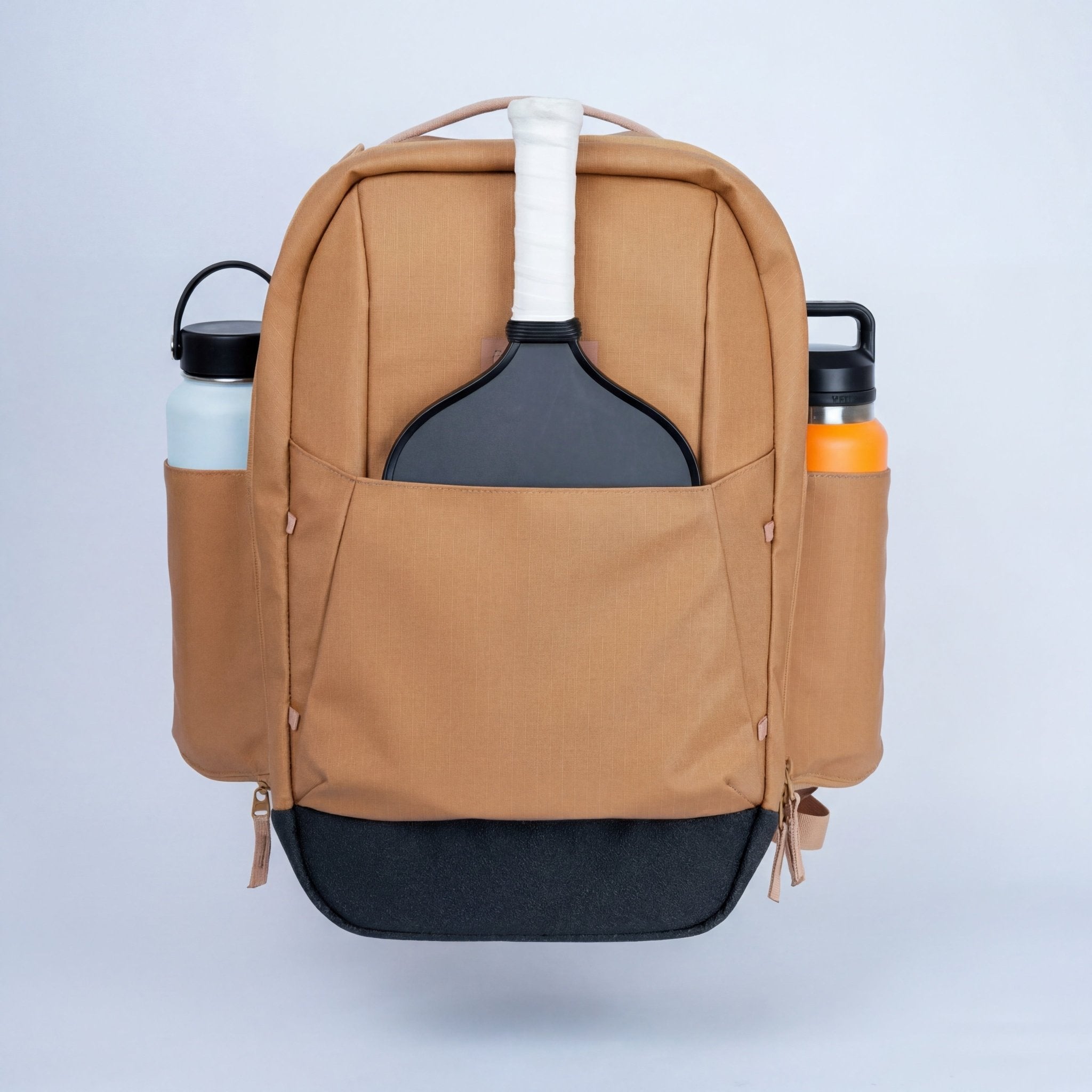
Dedicated court shoes need to breathe after a session — storing them in the bottom of a generic tote bag (especially with sweaty gear around them) breaks down the materials faster. The FORWRD Court Ranger V2 ($195) has a dedicated ventilated bottom compartment built specifically for shoes. Your footwear stays separate from paddles, clothes, and balls. It's a small design decision that extends shoe lifespan — and that matters when you're spending $100-$150 on court shoes.
Complete Your Court Setup
The right shoes protect your ankles and improve your movement. The right bag protects your shoes and everything else. The FORWRD Court Ranger V2 — $195, 16-inch laptop sleeve, YKK AquaGuard zippers, designed with 500+ players — is built to do both.

Ready to upgrade your court bag? Shop the Court Ranger V2 — built for the player who treats gear seriously.
Pair your selection with complementary gear for a complete setup.
Frequently Asked Questions
What's the best pickleball shoe for outdoor hard courts?
For outdoor concrete or asphalt, prioritize a durable rubber outsole with herringbone tread that resists abrasion. The Skechers Viper Court Pro and K-Swiss Express Light are both built for outdoor durability without being too heavy for quick footwork. Expect to replace outdoor shoes every 6-9 months with regular 3x/week play.
Can I wear tennis shoes for pickleball?
Yes — tennis shoes designed for hard courts transfer well to pickleball. The lateral support, non-marking soles, and low-profile cushioning all work for pickleball's movement patterns. The ASICS Gel Resolution and K-Swiss court shoes are examples that players use across both sports. Just avoid running shoes, which are built for forward motion and lack lateral stability.
How long do pickleball shoes typically last?
For players hitting the court 3-5 times per week, expect 6-12 months depending on surface and intensity. Outdoor concrete wears through outsoles 2-3x faster than indoor gym floors. Signs it's time to replace: outsole tread worn smooth in the forefoot, midsole compression (the shoe stops bouncing back), or the upper separating from the sole. Don't push past 18 months regardless of visible wear.
What's the difference between pickleball shoes and court shoes?
Functionally, very little for recreational players. "Pickleball-specific" shoes are increasingly just rebranded tennis or court shoes with pickleball marketing. The important features are the same: lateral support, non-marking outsoles, low-to-medium profile cushioning. Brands like Selkirk and JOOLA have released pickleball-branded shoes, but established court shoe brands (K-Swiss, Skechers Viper, HEAD) often have better construction at comparable prices.
Do I need different shoes for indoor vs outdoor pickleball?
The outsole matters most. Indoor wood or gym floors need non-marking gum rubber for grip — most court shoes qualify, but confirm before playing on a facility's courts. Outdoor hard courts need a harder, more abrasion-resistant compound. Some shoes work for both, like the Skechers Viper Court Pro. If you play both surfaces regularly, either get two pairs or choose a dual-surface shoe and check facility rules about indoor use.
For more insights, see our guide on Best Pickleball Graduation Gifts 2026: 12 Picks That Make the Grade.

3 comments
Ali khan
Great guide for anyone getting serious about pickleball in 2026! Choosing the right court shoes really makes a huge difference in comfort, balance, and injury prevention. I especially liked the tips about grip and lateral support. If anyone is still searching for the pickleball shoes, this article is definitely worth reading before buying a pair!
https://pickleballsgear.com
Maria k
Great guide for anyone getting serious about pickleball in 2026! Choosing the right court shoes really makes a huge difference in comfort, balance, and injury prevention. I especially liked the tips about grip and lateral support. If anyone is still searching for the pickleball shoes, this article is definitely worth reading before buying a pair!
Minat
This is a fantastic and very practical guide—perfect for anyone trying to understand what really matters in pickleball shoes. I like how you broke down key factors like grip, support, and durability in a way that’s easy to follow.
Many players underestimate how important proper court shoes are, but they can seriously improve movement, balance, and overall performance. Choosing the right pair isn’t just about comfort—it’s about playing smarter and avoiding injuries too.
Great job putting this together—this kind of guide really helps players make confident decisions before buying. For more details Click here
Leave a comment
This site is protected by hCaptcha and the hCaptcha Privacy Policy and Terms of Service apply.