

Last Updated: May 2026
The latest pickleball rule changes took effect on January 1, 2026, and while most are clarifications rather than overhauls, a few significantly affect how you serve, score, and make line calls. USA Pickleball introduced these updates after conducting third-party research on rally-scoring matches across skill levels, resulting in a new rulebook designed to eliminate gray areas and improve game flow.
Whether you're grinding through your next round robin event or just enjoying weekend games at your local courts, understanding these changes will keep you compliant and competitive. Grab the updated USA Pickleball rulebook if you want the full picture—but here's what you actually need to know to step on the court with confidence.
Key 2026 pickleball rule changes at a glance
The 2026 rulebook package addresses several changes that had been causing confusion and disputes in competitive play. Here are the biggest updates:
Stricter volley serve: requires a "clearly" legal upward arc, paddle head below the wrist, and contact below the waist—borderline serves will be called faults
Spin restriction: players cannot use fingers to create spin on the ball before striking it during the serve release
Additional ball rule: carrying a visible second ball or having one drop onto the court during play is now a fault
Prompt line calls required: you must call the ball out immediately, not after conferring with your partner or waiting to see if the return succeeds
Double hits and more: legal only if they occur in one continuous motion with no pause or direction change
Rally scoring freeze eliminated: both the serving team and receiving team can now score the game-winning point in approved rally-scoring formats
New adaptive standing division: a two-bounce allowance has been formalized for players with significant mobility or balance impairments
Pre-match conduct: warm-ups and briefings are now fair game for warnings and technical fouls if conduct issues arise
Updated serve rules: volley serve standards and spin restrictions
As of January 1, 2026, the definition of a legal volley serve is stricter, and spin manipulation before contact is more clearly restricted. These changes address the gray areas that had refs scratching their heads on borderline serves.
The serve must be "clearly" legal across three requirements: contact must occur below the waist, the paddle head must be below the highest point of the wrist at contact, and the paddle must be moving in a clear upward arc when striking the ball
Referees are now instructed to rule borderline serves as a fault rather than giving the server the benefit of the doubt—a philosophical shift from the old rule approach
You cannot use your fingers to add spin to the ball during the release phase of your serve; rolling, flicking, or manipulating the ball with your hand to create spin before contact is illegal
Using the paddle prior to the strike to "pre-spin" the ball is also prohibited—spin generation must happen at the moment of paddle contact through your stroke mechanics
Sidearm serves, high-contact power serves, and tricky tosses that lived in gray areas will now face stricter scrutiny; if it doesn't look clearly legal, expect a fault call
Common habits like tossing the ball with deliberate rotation or releasing it in a way that adds inherent spin need adjustment—practice a clean, neutral release
For players who rely on tricky spin serves, this is a significant adjustment. The tweaked language around "clearly" visible legality puts the burden on you to demonstrate compliance rather than asking refs to prove a violation.
Rally scoring and the end of the "freeze"
The 2026 rulebook formally updates rally scoring formats with one major change: removal of the old "freeze" limitation where only the serving team could win on game point.
Under the updated rules, both the serving and receiving team can score the winning point in approved rally-scoring formats—if you're up 14-10 and your opponent's serve goes into the net, you win the game immediately
This eliminates the psychological disadvantage receiving teams faced when trailing teams had repeated serve opportunities while leaders couldn't finish
USA Pickleball's third-party research showed the old freeze dynamic caused games to artificially stall near completion, hurting match momentum
Rally scoring remains optional—some tournaments and championship pathways will continue using traditional side-out scoring, while others adopt rally scoring by choice
More rallies per hour and faster turnarounds mean players may want to carry extra towels, hydration, and spare grips in their pickleball backpack to stay fresh across multiple games
Ball contact clarifications: double hits, extra balls, and permanent objects
The 2026 rules clean up several "weird point" situations that previously sparked arguments: multiple hits in one swing, extra balls appearing on court, and balls striking posts or other objects.
Double hits are legal, and now triple or more hits are also explicitly legal—but only if they occur in one continuous motion with the paddle moving in one direction without pause or change of direction
Carrying, catching, or guiding the ball on the paddle face is still a fault; the ball must deflect naturally during your upward motion or swing
The additional ball rule is new: if a second ball falls out of your pocket or becomes visible to an opponent during a rally, it's a fault on you. Keep spare balls securely stored off the playing surface—not tucked in shorts pockets where they might drop mid-rally
The permanent object rule has been clarified: if the ball hits a net post, fence, ceiling, or fixture on the fly before landing in the court, your opponent wins the point. However, if the ball bounces legally in your opponent's court first and then contacts a permanent object, you win the point because the ball already landed in-bounds
Line calls, spectator involvement, and sportsmanship
The 2026 updates tighten expectations around prompt line calls, eliminate spectator input, and strengthen conduct rules. These changes respond to real incidents in competitive pickleball during 2025.
Players must make prompt line calls—typically before the ball bounces twice or play meaningfully progresses; hesitating and then claiming "out" after conferring will likely be overruled
The rulebook shifted from "should not" to "must not" regarding spectator consultation—players cannot ask spectators about specific line calls; doing so in officiated play can result in warnings or penalties
Referees and tournament directors now have expanded authority to issue verbal warnings, technical fouls, and ejections for unsportsmanlike conduct, paddle abuse, aggressive behavior, or physical altercations
This authority extends to before the match officially begins: refs can penalize players for conduct during warm-ups, pre-match briefings, or while entering the court area
Technical fouls carry real consequences—when a team receives one, their score is reduced by one point
For competitive players, this means keeping frustration in check and protecting your gear. No throwing or slamming paddles or bags—both to avoid sanctions and to preserve the longevity of premium equipment. The Court Caddy Pickleball Bag is built to take daily tournament punishment, with YKK AquaGuard zippers and a modular paddle sleeve that holds up even when match pressure runs high.
Inclusive play: new adaptive standing division and hybrid formats
The 2026 rulebook formalizes an adaptive standing division and refines adaptive and hybrid play rules to expand access for players with mobility or balance impairments—USA Pickleball's commitment to making the sport genuinely inclusive at all competitive levels.
The new Section 25 addresses rules specifically for wheelchair play, standing adaptive athletes, and hybrid doubles events
The adaptive standing division is designed for players with permanent physical disabilities—such as limb difference, amputation, cerebral palsy, stroke, or neurological and orthopedic conditions—who play standing but have significant mobility limitations
A two-bounce allowance applies to eligible adaptive standing players: the ball may bounce twice anywhere on the playing surface before the player must return it
In doubles, the two-bounce allowance applies only to the designated adaptive athlete on the team, not their non-adaptive partner
Assistive devices including prosthetics, braces, orthotics, crutches, and canes are explicitly allowed, with clearer guidelines on how these interact with fault situations
Hybrid play refers to mixed-ability doubles where adaptive standing players compete alongside non-adaptive partners, with clear boundaries ensuring accommodations apply only to the eligible player
What these 2026 rule changes mean for you
Most casual games won't feel radically different, but competitive players and serious rec athletes need to adjust habits around serves, line calls, and on-court behavior to stay compliant.
For rec players adapting to 2026:
Agree with your regular partners on whether you're using 2026 rules or sticking with house rules at local parks
Be consistent with out calls—call them promptly and don't second-guess after seeing the rally develop
Avoid visible extra balls in pockets; stash spares in your bag off the playing surface
Keep sportsmanship high even without referees—the culture of the sport benefits everyone
For tournament players preparing for 2026:
Study the 2026 rulebook highlights before your first sanctioned event of the year
Practice clearly legal serves with a clean release, obvious upward arc, and paddle head well below the wrist
Drill prompt line calls with your partner so you're making decisions instantly, not conferring
Discuss strange situations—net post bounces, permanent objects, double hits—with your partner in advance so you're aligned on calls
Expect stricter enforcement from referees and adjust your behavior accordingly
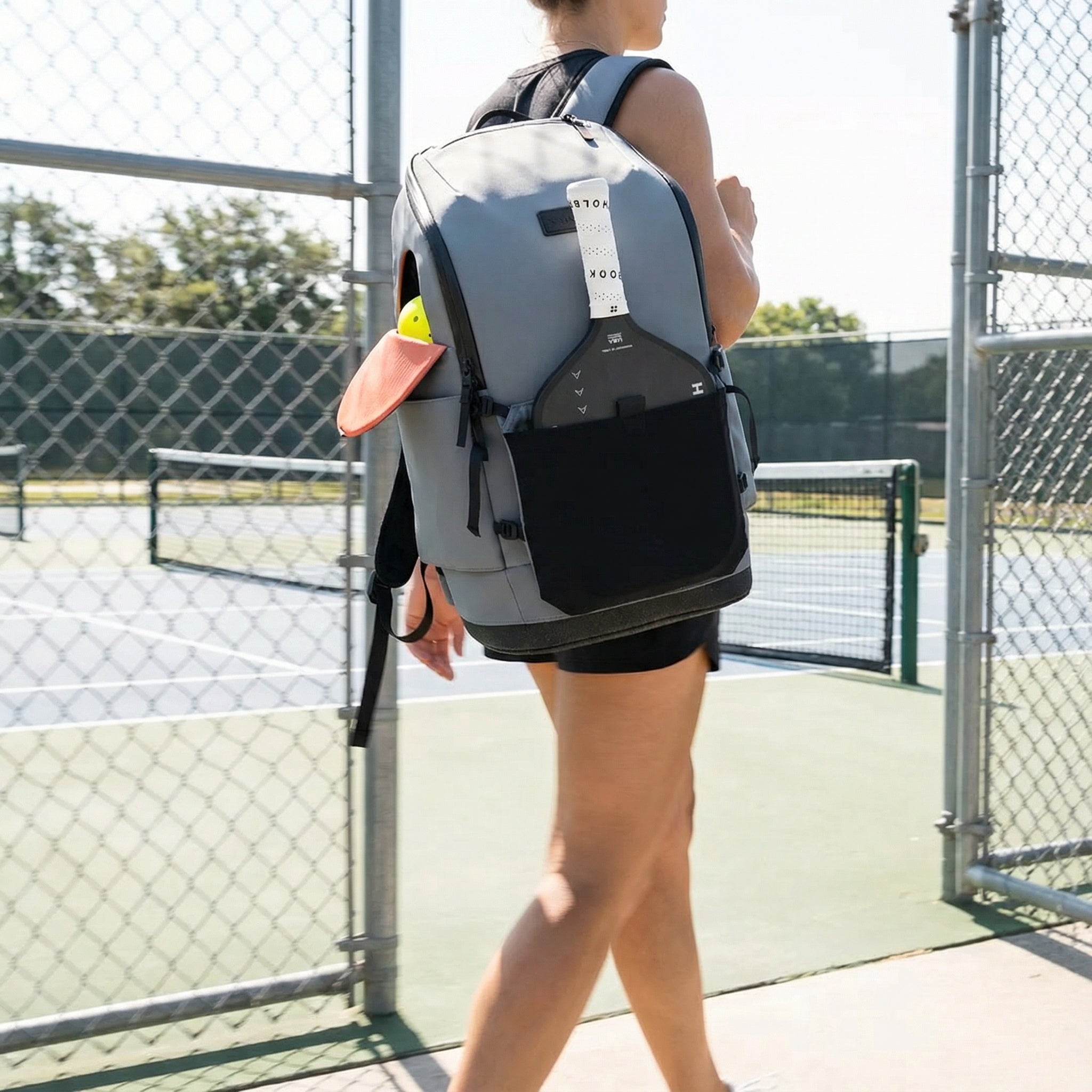
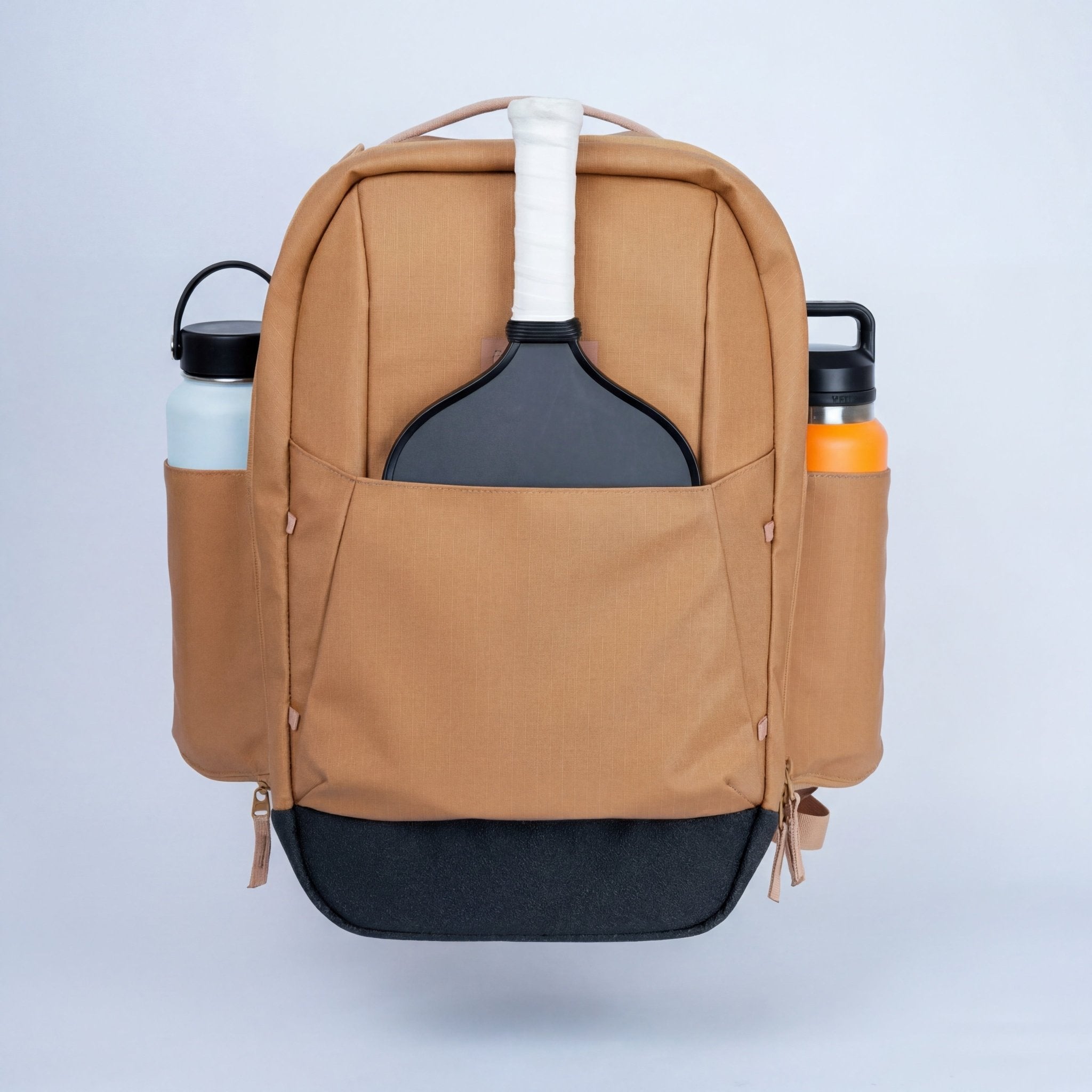
Staying organized under the new rules starts with keeping extra balls, towels, hydration, and spare gear off the playing surface and neatly stowed in a reliable pickleball bag. FORWRD designs premium, organized pickleball bags built with input from 500+ real players—helping you protect your paddles, manage multiple balls, and arrive at every match fully prepared.

Frequently asked questions: 2026 pickleball rule changes
What are the biggest pickleball rule changes for 2026?
Three changes matter most. First, stricter volley serve standards—borderline serves now default to fault rather than giving the server benefit of the doubt. Second, the rally-scoring freeze is gone—both teams can score the game-winning point. Third, the additional ball rule makes it an immediate fault if a spare ball drops from your pocket during a rally.
Is rally scoring now the official format in pickleball?
No. Rally scoring remains optional for 2026. Event organizers choose whether to use traditional side-out scoring or rally scoring. If rally scoring is used, the 2026 update removes the old "freeze" limitation—both teams can now score the game-winning point regardless of who's serving. Check your tournament's format before you show up.
What is the additional ball rule in pickleball 2026?
The 2026 additional ball rule calls an immediate fault if a second ball becomes visible or drops from a player's pocket onto the court during an active rally. Keep spare balls in your bag off the playing surface—not tucked in shorts pockets where they can slip out mid-point and hand your opponent a free point.
Do the 2026 rule changes apply to casual recreational play?
USA Pickleball rules officially govern all sanctioned tournament and league play. For casual rec games without referees, players typically use house rules. But knowing the 2026 updates helps resolve disputes—especially around prompt line calls, double hits, and serve legality—even in informal games at your local park.
USA Pickleball will continue annual updates as the sport grows. Staying informed—and keeping your gear dialed in—is now part of being a serious pickleball player. Bookmark the official USA Pickleball website for the most current rulebook and prepare for your next event with confidence.
Ready to organize your gear for tournament day? Shop the Court Ranger V2—designed with 500+ real players, with a 16" laptop sleeve, modular paddle compartment, and YKK AquaGuard zippers built to handle whatever the 2026 season throws at you.

Leave a comment
This site is protected by hCaptcha and the hCaptcha Privacy Policy and Terms of Service apply.