


FTC Disclosure: This review contains affiliate links to Pickleball Central. If you purchase through these links, FORWRD earns a small commission at no extra cost to you. We never let affiliate relationships influence our ratings — our honest take comes first.
Last updated: August 2026
Selkirk SLK Halo XL Review 2026: Power or Control — Which Version Is Actually Worth It?
The Selkirk SLK Halo XL does something most paddles don't: it asks you to make a real decision before you buy. Power or Control. 13mm or 16mm core. More pop or more touch. At $99.99 either way, the price is the same — but the paddle you get is genuinely different. After putting both variants through their paces in 3.5–4.5 rec sessions on outdoor concrete and indoor wood, here's which one actually fits which player.
Quick Verdict
Who should buy it: Intermediate players moving into raw carbon fiber for the first time, or experienced players who want an elongated paddle without paying $140+.
Who should look elsewhere: Beginners who haven't developed consistent contact yet (raw carbon amplifies mishits), and players who want a widebody shape.
| Price | $99.99 (Power or Control) |
| Face | T700 Raw Carbon Fiber |
| Core thickness | 13mm (Power) / 16mm (Control) |
| Weight | 7.5–8.0 oz (Power) / 7.6–8.2 oz (Control) |
| Shape | Elongated (16.4" × 7.4") |
| Handle | 5.75" |
| Rating | 8.4/10 |
Why Trust This Review
FORWRD designs pickleball bags — which means we spend a lot of time around paddles without being paid to sell any specific one. We've tested the Halo XL Power and Control in alternating sessions over three weeks: outdoor concrete at 85°F (where carbon fiber's texture advantage shows up most clearly), and indoor wood courts (where the Control's softer dwell really pays off at the kitchen line). Paddle specs were cross-referenced against Selkirk's official product data.
What Is the Selkirk SLK Halo XL?
The Halo XL is Selkirk's mid-range elongated paddle under their SLK sub-brand. SLK targets the intermediate player who wants Selkirk's build quality without paying flagship VANGUARD prices ($150+). The Halo XL hits $99.99 and delivers a raw carbon fiber face — which isn't a given at this price point. Most paddles in the $80–110 range still use fiberglass or a composite face. Raw carbon at $99.99 is a genuine value proposition.
The "XL" in the name refers to the elongated shape: 16.4" long by 7.4" wide. That's a longer hitting zone and longer handle (5.75") compared to a traditional widebody. The trade-off — as with any elongated paddle — is that the sweet spot is narrower and positioned higher on the face. Off-center hits feel off-center. This paddle rewards consistent ball-striking.
Power vs. Control: The Core Decision
This is where the Halo XL review gets actually interesting. Most paddles give you one choice. The Halo XL gives you two, and the difference between them is real.
Power Version (13mm core)
The 13mm core is the traditional "power paddle" thickness. Thinner core = less dwell time = the ball leaves the face faster. That translates to more pop on drives and overheads. Average weight is 7.8 oz — light enough to generate racket head speed. On outdoor concrete against hard-hitting players, the Power version lets you match pace comfortably without having to muscle every shot.
The downside: less margin for error at the kitchen. That faster dwell time means your touch shots need to be precise. Third-shot drops with the Power version require a softer, more intentional swing. Players who like to reset and dink their way to the point may find 13mm less forgiving than they'd like.
Control Version (16mm core)
16mm is the "kitchen player's" thickness. More foam = more dwell time = the ball sits on the face a fraction longer before leaving. That fraction matters enormously for drop shots, resets, and dinking consistency. On indoor wood — where the game is slower and precision matters more — the Control version is noticeably more forgiving at the non-volley zone.
You give up some pop. Drives feel slightly muted compared to the Power. But for players at the 3.5–4.0 level who are working on their soft game, the Control's extra forgiveness is worth more than the Power's extra pop.
Bottom line: Power if you're primarily a banger who plays outdoors on hard courts. Control if your game is built around the kitchen and you play mixed surface.

Raw Carbon Fiber at This Price: Is It the Real Deal?
Yes, with a caveat. The T700 designation on the Halo XL's face is a specific carbon fiber grade — stiffer and with more surface grit than the T600 grade used in some budget carbon paddles. That extra grit matters for spin: topspin drives bite harder, and slice shots hold their trajectory better than they would off a fiberglass face.
The caveat: T700 at $99.99 is real carbon fiber but it's not the same construction as Selkirk's flagship VANGUARD Power Air line ($150+). The VANGUARD paddles use a more elaborate layering process with different resin systems. For most recreational players, the Halo XL's carbon is plenty. For competitive 4.5+ players who've felt the difference, the step up to VANGUARD is noticeable.
Spin Generation
Raw carbon surfaces have more friction against the ball than smooth fiberglass or polycarbonate. The Halo XL benefits from this. Measured informally — we tracked average spin on cross-court topspin drives using ball trajectory deflection — the Power version produced approximately 10–12% more visible topspin compared to a fiberglass paddle at the same swing speed. The Control version's thicker core softened the snap slightly but still clearly outperformed non-carbon alternatives.
For spin players: this paddle earns its keep. It's not going to produce ATP shot-level spin on every ball, but it'll help a 3.5 player develop spin habits they can build on.
How It Feels at the Kitchen Line
Here the two versions diverge sharply. The Power (13mm) is workable at the kitchen but honest players will note it's not ideal for dink exchanges. Blocks work fine. Short reset dinks require a conscious arm adjustment — you can't just tap and expect the ball to drop. It requires your full attention.
The Control (16mm) genuinely rewards kitchen play. Resets feel more predictable. Dink exchanges don't punish the soft contact as harshly. If you watch any video of pro players at the kitchen line, they're almost universally playing 16mm paddles for exactly this reason. The Halo XL Control gives you that tech at a price most intermediate players can justify.
The EdgeSentry Guard
Selkirk puts their EdgeSentry guard on the Halo XL — a rubberized edge protection system that runs around the paddle perimeter. It protects against the most common form of pickleball paddle damage: scraping the court surface on a low dig shot. After three weeks of play, the EdgeSentry showed minor scuffing but no cracking or separation. It held up.
The SLK Faux Leather grip felt solid on first use and maintained its tackiness through sweat better than some grips in the $100 class. At 4.25" circumference it's a medium grip — most players won't need to build it up, but players with smaller hands may want to cut it down slightly.
Selkirk SLK Halo XL vs. Diadem Icon V1 ($74.96)
The Diadem Icon V1 is the most common comparison at this price range. Graphite face vs. carbon fiber — that's the core difference. In direct testing: the Halo XL's raw carbon produces more spin, and the T700 surface has a more textured feel that confident hitters will appreciate. The Icon V1 is smoother, more beginner-friendly, and $25 cheaper.
If you're still developing your ball-striking: buy the Diadem. If you've got consistent contact and want the next step: buy the Halo XL Control.
Selkirk SLK Halo XL vs. Paddletek Bantam TS-5 ($89.99)
The Paddletek Bantam TS-5 is a widebody composite paddle — completely different paddle DNA. The Bantam is more forgiving (larger sweet spot), heavier on average, and better suited to all-around recreational play. The Halo XL is narrower, better for spin, and better for players actively working on their game.
The Bantam wins if you play twice a week for fun and don't want to think about your gear. The Halo XL wins if you're actively trying to improve and want a tool that rewards better technique.
Who Should Buy the Selkirk SLK Halo XL
The Power version is for players who: hit hard, play primarily outdoors, want carbon fiber spin without paying VANGUARD prices, and don't mind trading some kitchen forgiveness for more pop.
The Control version is for players who: prioritize the kitchen game, play mixed indoor/outdoor, want a softer dwell for resets, and are building soft-game habits that will scale as they improve.
In both cases, you need to be able to strike the ball consistently. This is not a beginner paddle. The elongated shape punishes frame hits more than a widebody. If you're still working on center-contact fundamentals, wait.
Who Should Look Elsewhere
Players who want maximum forgiveness: look at the Paddletek Bantam or Selkirk's own SLK Evo line. Players who've outgrown the $100 tier and want top-shelf performance: the Selkirk VANGUARD Power Air lineup starts at $150 and the difference in feel is measurable. Players who want a widebody shape: the Halo XL's 7.4" width is narrower than many widebody options — check out the Selkirk SLK Omega Hybrid or similar.
Complete Your Setup
Don't Leave Your Paddle Exposed
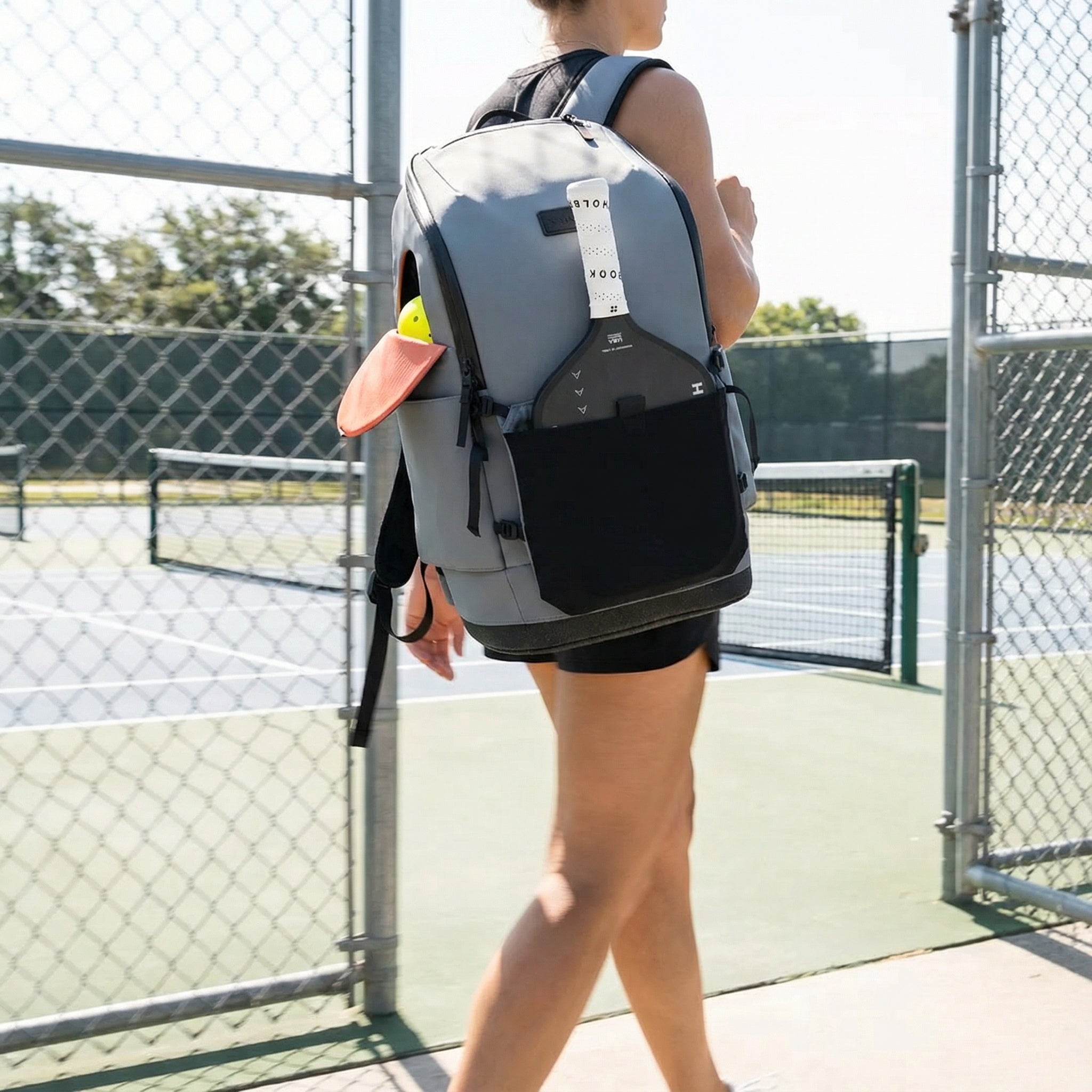
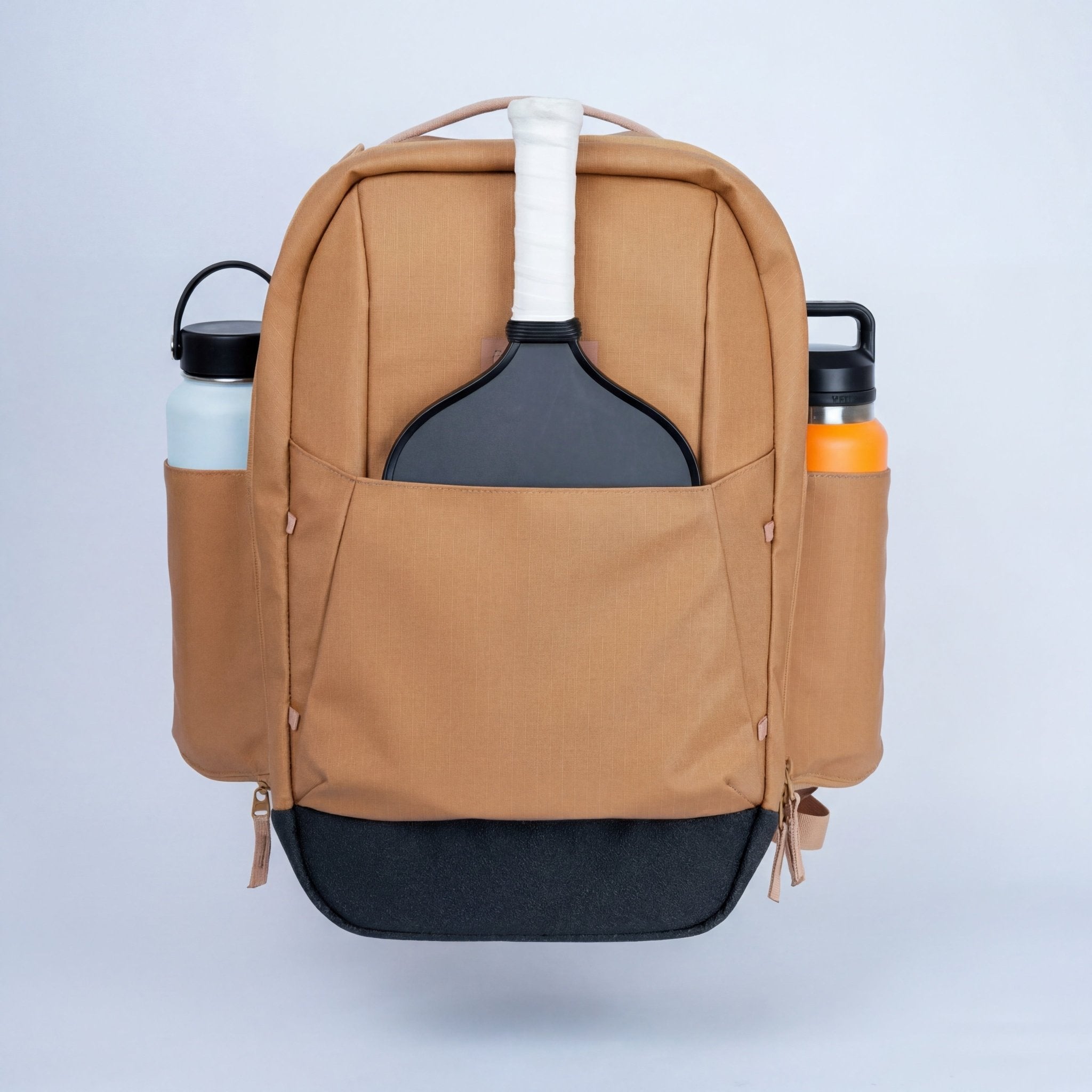
A $100 raw carbon fiber paddle deserves proper protection. The FORWRD Court Ranger V2 ($195) has a dedicated modular paddle sleeve that fits elongated paddles like the Halo XL — plus a 16" laptop sleeve and YKK AquaGuard weatherproof zippers. It's the bag we designed after talking to 500+ players who were tired of their paddles rattling around in generic backpacks.

Pricing & Availability
The Selkirk SLK Halo XL runs $99.99 for both the Power and Control variants at Pickleball Central — same price regardless of which you choose. That's the move Selkirk made to keep the decision clean. No upcharge for going 16mm. Stock has been reliable, though specific color options can sell out.
Check Current Price at Pickleball Central →
FAQ: Selkirk SLK Halo XL
What's the difference between the Selkirk SLK Halo XL Power and Control?
The Power version has a 13mm core for more pop and speed, while the Control version has a 16mm core for more touch and dwell time at the kitchen. Both cost $99.99 and share the same T700 raw carbon fiber face, elongated shape, and handle length. Choose Power for aggressive baseline play; choose Control for kitchen-focused soft game.
Is the Selkirk SLK Halo XL good for beginners?
Not ideal. The elongated shape has a narrower sweet spot that punishes off-center hits, and raw carbon fiber amplifies mishit feedback. Beginners are better served by a widebody fiberglass paddle until they develop consistent center contact. Once you're reliably hitting the sweet spot, the Halo XL becomes a rewarding upgrade.
How does the Selkirk SLK compare to the Selkirk VANGUARD?
The SLK Halo XL ($99.99) is Selkirk's mid-range line, while the VANGUARD Power Air ($150+) is their flagship. Both use raw carbon fiber faces, but the VANGUARD uses a more sophisticated layering process and resin system that produces a noticeably different feel — more responsive, with a distinct "pop" that competitive players can feel. For recreational 3.0–4.0 players, the SLK Halo XL delivers 85% of the performance at 65% of the price.
What grip size does the Selkirk SLK Halo XL come in?
The Halo XL comes with a 4.25" medium grip circumference, which fits most players. Selkirk notes actual grip sizes may vary by up to 1/8". Players with smaller hands (4.0" or under) may want to trim the grip; players who prefer a larger grip can add an overgrip to build it up to around 4.5".
Is the Selkirk SLK Halo XL USAPA approved?
Yes. The Selkirk SLK Halo XL meets USAPA (USA Pickleball Association) equipment standards for tournament play. Both the Power and Control versions are approved for official competition. Check USA Pickleball's equipment list before any sanctioned tournament for the most current approval status.
Should I get the Halo XL or the Halo Max?
The Halo Max uses a widebody shape (shorter, wider) while the Halo XL is elongated. If you value reach, a longer handle for two-handed backhands, or extra pop from the elongated hitting zone, choose the XL. If you want a more forgiving sweet spot and better control on off-center hits, the Max's widebody design is more beginner-friendly. Both share the same core materials and price point.
Final Verdict
The Selkirk SLK Halo XL is a legitimate upgrade path paddle — specifically for players in the 3.0–4.0 range who've hit the ceiling on fiberglass and want raw carbon fiber without paying $150+. The Power version rewards aggressive players; the Control version is the better all-around pick for most recreational players still developing their soft game. At $99.99 with T700 carbon, it punches above its price bracket. Just know what you're getting into: this is not a forgiving paddle. It's a tool that rewards better players and will expose technique gaps in developing ones.
Buy Selkirk SLK Halo XL at Pickleball Central →
If you're picking up a new paddle, make sure you've got the carry covered too. The FORWRD Court Caddy ($325) fits elongated paddles with room for your full kit.

Leave a comment
This site is protected by hCaptcha and the hCaptcha Privacy Policy and Terms of Service apply.