

Playing pickleball in singles format is a different beast than doubles. You’re covering every inch of that 20-by-44-foot court alone, sprinting side-to-side, and managing rallies that demand both power and precision. While doubles allows you to share the workload with a partner, singles puts everything on your shoulders—your footwork, your shot selection, your stamina.
Last Updated: August 2026
That’s exactly why focused singles drills accelerate improvement faster than casual play ever will. Singles emphasizes full-court coverage, relentless recovery to the middle, depth on every groundstroke, and accurate serves and returns that set up the first four shots. These aren’t skills you stumble into. They’re built through deliberate practice.
The good news? You don’t need a pro coach or a fancy facility. Singles drills can be done with a partner, a ball machine, or even solo against a wall. At FORWRD, we build gear for serious, frequent players who treat practice with the same intention they bring to their equipment. If you’re the kind of player who shows up ready to work, this guide is for you.
What follows are concrete drill ideas, work-to-rest guidance (think 60–90 second reps), and clear progressions by skill level. Let’s get to work.
Introduction to Singles Pickleball
Singles pickleball is a fast-paced, demanding game that tests every aspect of your skills and fitness. Unlike doubles, where teamwork and shared court coverage are key, singles play puts the spotlight on your individual ability to control the court, execute precise shots, and maintain stamina throughout the match. Every point requires you to move efficiently, hitting forehand and backhand shots with both power and precision, often from challenging positions.
Mastering singles pickleball means understanding how to use the entire court to your advantage. The non volley zone (NVZ) and kitchen line become critical battlegrounds, as you’ll need to approach, defend, and finish points with confidence near the net. Singles drills that focus on footwork, shot selection, and recovery are essential for building the skills needed to outlast and outmaneuver your opponent. Whether you’re preparing for a tournament or just looking to elevate your game, dedicating time to singles-specific practice will help you develop the precision, power, and stamina required to win in this intense format.
Foundations First: Warm-Up, Footwork, and Court Positioning
An extra 10–15 minutes of structured warm-up reduces injury risk and improves the quality of every drill that follows. Skipping it to “save time” costs you in the long run—cold muscles move slower, react slower, and break down faster.
Start with a basic dynamic warm-up circuit that covers 1–2 laps of the court:
|
Exercise |
Duration/Reps |
Focus |
|---|---|---|
|
High knees |
Half court length |
Hip flexor activation |
|
Butt kicks |
Half court length |
Hamstring warm-up |
|
Side shuffles |
Full width, both directions |
Lateral movement prep |
|
Karaoke/carioca |
Full width, both directions |
Hip rotation |
|
Lunges with rotation |
8–10 each leg |
Lower body and core |
Once your body is warm, focus on the split step. This is the athletic pause-and-push that happens right as your opponent makes contact. In singles play, landing your split step at the moment they hit lets you explode toward the ball in any direction. Miss the timing, and you’re always a step behind.
A simple “shadow movement” drill builds this habit without a ball:
-
Stand at the center of the baseline
-
On a verbal cue or self-timed interval, shuffle to the forehand corner
-
Shadow swing a forehand, then recover to center
-
Repeat to the backhand corner
-
Complete 10–15 total movements per side
The coaching cue here is critical: stay slightly outside the baseline in your ready position and always recover toward the middle after every imaginary shot. Use the court lines as visual targets for your recovery spots. In singles, owning the center wins points.
Baseline Accuracy: Forehand and Backhand Target Drills
Singles points often start and end with groundstrokes. If you can’t consistently land the ball deep with accuracy, you’re handing free opportunities to your opponent. Depth and precision from the baseline are non-negotiable.
Set up two cone targets on each side of the court:
-
One deep cross court (2–3 feet from baseline, near sideline)
-
One deep down the line (2–3 feet from baseline, opposite corner)
For the forehand target drill:
-
Hit 20–30 balls aiming deep crosscourt first
-
Then hit 20–30 balls aiming down-the-line
-
Focus on net clearance (2–3 feet above net) and depth past the transition zone
-
Recover back to center after every stroke, even in drills
For the backhand target drill, follow the same structure but give your weaker wing extra volume. A solid ratio is 3 backhand reps for every 2 forehand reps if that’s where you struggle.
Coaching cues to keep in mind:
-
Use a semi-open stance for groundstrokes
-
Complete your shoulder turn before initiating the swing
-
Finish with the paddle high
-
Move your feet back to center immediately—don’t admire your shot
Keep simple stats: how many out of 20 land deep in the target zone? Track this weekly. Progress shows up in the numbers, not in how the practice “felt.”
Patterned Ball Machine / Partner Feeding for Consistency
If you have access to a ball machine or a willing partner hits from across the net, use alternating forehand and backhand feeds to build rhythm.
Set a concrete work block:
-
10 alternating balls per set
-
3–5 sets total
-
Focus on balanced movement and controlled, deep replies
This drill should feel steady and rhythmic, not all-out power. The goal is building shot tolerance and reliability under fatigue—the kind of consistency that holds up in the third set when your legs are heavy.
Alternate sets where you only hit cross court, then only down-the-line. This develops directional control without overthinking mid-rally. When match pressure hits, your body knows where to send the ball.
Side-to-Side Movement: Singles Passing and Recovery Drills
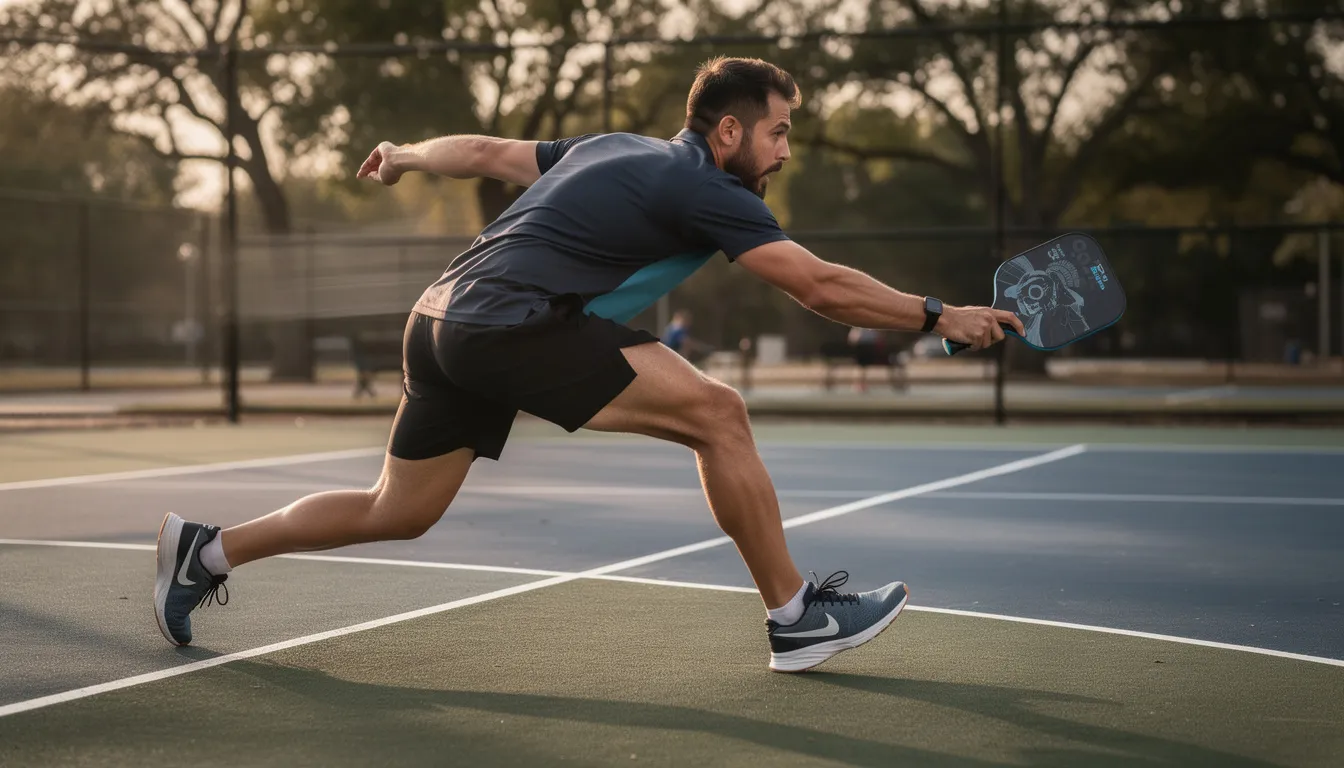
Wide balls and recovery back to center separate good singles players from average ones. You can have the prettiest strokes in the club, but if you can’t get to the ball and reset your position, you’re losing to players with less talent and more movement.
The “side-to-side feed” drill builds exactly this:
-
Partner stands at net or opposite baseline
-
They feed 10 balls alternating wide to your forehand and wide to your backhand
-
You hit passing shots and recover to center after each
-
Target heavy crosscourt shots past the moving feeder, or firm drives deep through the middle to reduce angles
Workload recommendation:
-
5–6 sets of 10 balls
-
60–90 seconds rest between sets
-
Build both cardio and footwork quality
Coaching cues for this drill:
-
Keep a low center of gravity when you change direction
-
Plant your outside foot before pushing back toward center
-
Reestablish your split step before each feed arrives
To add challenge, progress by playing a “live point” after the third or fourth feed. This teaches you to transition from drill mode into competitive mindset without losing form.
Scramble and Reset: Turning Defense into Neutral
Sometimes you’re on the run and a winner isn’t realistic. This drill teaches you to turn defense into a neutral position.
Have your coach or partner deliberately pull you off court with a wide feed to your forehand corner or backhand corner. Your goal isn’t a highlight-reel passing shot. Instead, hit a high, deep, heavy ball crosscourt or through the middle to buy recovery time. For example, Player A can execute a deep middle shot, forcing Player B to position himself to defend crosscourt deep. This scenario emphasizes the importance of strategic shot placement and court coverage, as Player B must anticipate and cover the deep crosscourt return.
The focus here:
-
Height over net: 4–6 feet clearance
-
Landing zone: past opponent’s transition zone to keep them back
-
Recovery speed: how quickly can you get back to center and reset?
Count how many shots it takes to recover to a strong neutral position. The faster you can scramble and reset, the more pressure you absorb without giving up easy points.
Serve and Return Drills for Singles Control
In singles pickleball, the serve and return often decide who controls the rally’s first four shots. A weak serve gifts your opponent an attack. A shallow return lets them dictate the point.
Set up concrete serve targets with cones or towels:
|
Target Location |
Cone Position |
|---|---|
|
Deuce side wide |
2 feet from sideline, 2 feet from baseline |
|
Deuce side body |
Center of service box, near baseline |
|
Ad side wide |
2 feet from sideline, 2 feet from baseline |
|
Ad side body |
Center of service box, near baseline |
Serve drill structure:
-
Hit 10 serves to each target
-
Record makes vs. misses
-
Strive for at least 70% in the target zone at game-like pace
-
Pros intentionally miss 1–2 serves per game to maintain velocity—don’t play it too safe
After every serve, add this recovery habit: sprint into the court to a predetermined recovery spot and execute a split step with a shadow swing. Build the full pattern, not just the isolated skill.
For return drills, have your partner serve while you focus on landing returns deep to the middle third of the court or deep to the opponent’s backhand corner:
-
20 returns from the right side (deuce)
-
20 returns from the left side (ad)
-
All must land past the transition zone
-
Rest between sets
Serve + First Ball and Return + First Ball Patterns
The concept of “first four shots” matters because scripted patterns beat improvisation under pressure. Practice your most common sequences during drills, not just during matches.
Serve pattern drill:
-
Serve wide on deuce side
-
Anticipate the predictable crosscourt reply
-
Drill your planned second shot: deep through the middle or a short angle
Return pattern drill:
-
Hit a deep middle return
-
Step forward and advance with a specific approach shot (e.g., deep through the middle or to the backhand)
-
Simulate the position you’d take for the next ball
Choose 1–2 primary patterns per side and rehearse them repeatedly. When tournament pressure arrives, these patterns become automatic. You’re not thinking—you’re executing.
Kitchen and Transition Drills for Singles Players
Sustained dinking happens less in singles than in doubles, but the non volley zone still matters for finishing points. Research suggests 70% of points are often decided at the net. You need touch, discipline, and confidence defending from the kitchen line.
The “work-up” drill builds these skills:
-
One player at the kitchen line
-
One player at the baseline
-
The baseline player tries to advance via drives and drops
-
The kitchen player keeps them back with deep volleys
This teaches touch on drops, discipline on when to move forward, and confidence defending from the NVZ against singles players who attack.
The “short ball approach” drill works differently:
-
Coach or partner feeds a short ball around the service line
-
You approach through the middle
-
Hit a controlled volley or swing volley to a big target area
-
Close one step forward to simulate putting away the next ball at the net
Coaching cues for approach shots:
-
Approach on diagonals, not straight lines
-
Stop with small adjustment steps before contacting the volley
-
Keep your first volley conservative—body or deep middle
Skinny Singles for Patterning and Fitness
Skinny singles is a favorite drill format among pros and club players alike. You use only half the court (e.g., deuce side only, from center line to sideline), serving and playing points to 11 with normal scoring.
Benefits include:
-
Reduced distance but high precision demands
-
Clear targets on one side of the court
-
Intense rallies that closely mimic real singles decision-making
-
Excellent hand speed development in tight spaces
Rotate court halves (deuce and ad) after each game to build balanced patterns on both your forehand and backhand sides.
Layer in specific goals to elevate the drill:
-
Hit at least 70% of serves deep
-
Limit unforced errors to 5 or fewer per game
-
Win 7 of 10 points when you’re at the kitchen line
This format delivers match-like pressure without the full-court cardio demand, making it perfect for working on patterns and tactics.
Kitchen Movement and Shot Placement on the Left Side
Navigating the left side of the court in singles pickleball requires sharp footwork and smart shot placement, especially when working along the kitchen line. The angles on the left side can be tricky, demanding quick lateral movement and the ability to hit forehand shots with both speed and accuracy. Practicing your kitchen movement here not only improves your ability to defend but also sets you up to attack your opponent’s weaknesses.
Try the “left side shuffle” drill: start at the center line, shuffle laterally along the kitchen line toward the left side, and practice hitting forehand shots to specific targets—such as deep to your opponent’s backhand or right at the center line. Focus on keeping your hand speed up and your feet active, always recovering back to the center after each shot. Another effective drill is to set up targets along the left side and practice hitting forehands with varying depth and direction, challenging your accuracy and speed.
By consistently working on these drills, you’ll develop the footwork and shot precision needed to control rallies from the left side, making it harder for your opponent to find openings and giving you more opportunities to dictate play.
Playing to the Right Side
Attacking the right side of the court in singles pickleball opens up new tactical options and can put your opponent on the defensive. Playing to the right side often means using cross-court shots to stretch your opponent and target their backhand, especially if that’s their weaker side. Precision and power are key here, as well-placed shots can force errors or set up easy winners.
Incorporate the “cross-court drill” into your practice: from the left side of your court, hit balls diagonally across to the right side of your opponent’s court, aiming for deep targets near the sideline or baseline. This not only improves your ability to hit with accuracy but also helps you develop the court awareness needed to exploit angles in singles play. Another useful drill is “right side targets,” where you focus on hitting a series of shots to specific spots on the right side, mixing in both forehand and backhand strokes to build versatility.
By mastering these skills and drills, you’ll enhance your ability to play to the right side, making your singles game more dynamic and difficult to defend against.
Footwork and Fitness: Off-Court Drills That Win Third Sets
Singles success connects directly to repeat sprint ability, lateral quickness, and endurance. Your shot mechanics might be beautiful, but if your body can’t sustain the effort, you’re giving away late-game points.
Simple ladder or line drills build the foundation:
|
Drill |
Duration |
Rest |
|---|---|---|
|
In-and-out steps |
20–30 seconds |
20–30 seconds |
|
Lateral two-feet-in |
20–30 seconds |
20–30 seconds |
|
Forward/backward hops |
20–30 seconds |
20–30 seconds |
For the “shadow + swing” version, hold your paddle and add a shadow forehand or backhand at the end of each footwork pattern. This connects conditioning to on-court reality.
Court sprint intervals:
-
Baseline to kitchen and back (one rep)
-
Side-to-side baseline sprints
-
6–8 repeats with 30–45 seconds rest
Two to three short conditioning blocks (8–12 minutes total) after drilling is enough for many club players to see major gains in match stamina. Top singles players cover 2–3 km per match at 80% max heart rate. You don’t need marathon training—you need focused bursts.
Cooldown with light walking and mobility work targeting calves, hip flexors, and hamstrings. This supports frequent weekly play without breaking down your body.
Learning from Pro Pickleball
Watching and learning from professional pickleball players is one of the fastest ways to improve your singles play. Pros like Catherine Parenteau demonstrate advanced footwork, hand speed, and shot selection that can be adapted to your own practice sessions. By studying their drills and routines, you can pick up valuable techniques that translate directly to better performance in matches and tournaments.
“Singles forces you to own every inch of the court. The players who improve fastest aren’t the ones hitting harder — they’re the ones who show up with a structured drill plan and stick to it. Two sessions a week with a real objective beats five casual hitting sessions every single time.”
— Topher, FORWRD Co-Founder & 4.5-rated singles player
One drill favored by top singles players is the “side-to-side feed,” where you move laterally across the court, hitting shots back and forth to improve both footwork and hand speed. This drill not only builds endurance but also sharpens your ability to change direction quickly and maintain control under pressure. Another pro-inspired drill is “drops or drives,” where you alternate between hitting soft drops and powerful drives to specific targets, such as your opponent’s forehand or backhand. This helps you develop the decision-making skills needed to choose the right shot at the right time.
By incorporating these pro-level drills into your regular practice, you’ll build the skills, speed, and confidence needed to compete at a higher level in singles pickleball. Whether you’re aiming for tournament success or just want to elevate your game, learning from the best is always a smart move.
Frequently Asked Questions About Singles Pickleball Drills
How often should I practice singles pickleball drills?
Two to three dedicated sessions per week is the sweet spot for most recreational players. One session focuses on footwork and baseline accuracy, the second on serve/return patterns, and a third on skinny singles or match play. More is fine, but quality beats volume — 45 focused minutes beats 2 hours of casual hitting every time.
Can I do singles drills without a partner?
Yes — wall work, ball machines, and shadow drills cover most of the fundamentals. Wall hitting builds hand speed and consistency. Shadow movement drills build footwork patterns and split-step timing. You do need a partner for serve/return pattern work and live point drills, but 60-70% of the drill catalog above works solo.
What’s the most important singles drill for beginners?
Start with the baseline target drill — hitting 20 forehands and 20 backhands to cone targets deep in the court. This builds the depth and directional control that singles demands above all else. Once you can land 70% of balls in your target zone at game-like pace, add movement by incorporating the side-to-side feed drill.
How do I improve my singles serve consistency?
Set concrete targets with cones (2 feet inside each corner of the service box) and record your make percentage. Aim for 70%+ at game-like pace before you start adding spin variations. Most players improve dramatically just by slowing down their serve motion 10-15% and focusing on contact point consistency rather than maximum pace.
What’s skinny singles and why do singles players love it?
Skinny singles uses only half the court — either deuce or ad side, from center line to sideline — with full scoring to 11. It creates the same pressure as full singles but in a compressed space that demands extreme precision. Pros use it to sharpen directional control, reduce angles, and build explosive lateral footwork in a format that’s actually more fun than baseline grinding.
Putting It All Together: Sample Singles Drill Sessions and Gear Tips
Here are three practice templates you can use starting this week:
For tournament prep, the FORWRD Court Caddy ($325) fits 4 paddles, your laptop, and all drill accessories in one organized bag.
45-Minute Solo Session (Wall or Ball Machine)
|
Time |
Activity |
|---|---|
|
0–8 min |
Dynamic warm-up + shadow movement |
|
8–20 min |
Wall hitting: 50 forehands, 50 backhands, varying distance |
|
20–32 min |
Ball machine baseline targets (or wall targets) |
|
32–40 min |
Footwork ladder + shadow swings |
|
40–45 min |
Cooldown and mobility |
60-Minute Partner Session
|
Time |
Activity |
|---|---|
|
0–10 min |
Dynamic warm-up together |
|
10–25 min |
Baseline target drills (forehand/backhand) |
|
25–40 min |
Side-to-side passing drill (5 sets each) |
|
40–50 min |
Serve/return patterns |
|
50–60 min |
Skinny singles to 11 |
30-Minute Quick Tune-Up
|
Time |
Activity |
|---|---|
|
0–5 min |
Dynamic warm-up |
|
5–15 min |
Serve targets (10 to each zone) |
|
15–25 min |
Partner feed: 3 sets of 10 alternating groundstrokes |
|
25–30 min |
Light cooldown |
Extra Drill Suggestions and Tips:
-
Try Wall Dinking/Driving: Stand close to a wall and alternate between soft dinks and hard drives. This drill helps you practice quick hands and transition between touch and power.
-
Add the 30/60/90 Drill: Practice hitting your third shot at three different speeds—start with a soft drop, then a reset drive, and finish with a hard drive. This builds control and adaptability for singles play.
Track 1–2 metrics per session instead of relying on vague “feel.” Examples:
-
Deep serve percentage
-
Target hits out of 20
-
Points won in skinny singles
This data shows real progress over weeks and months.
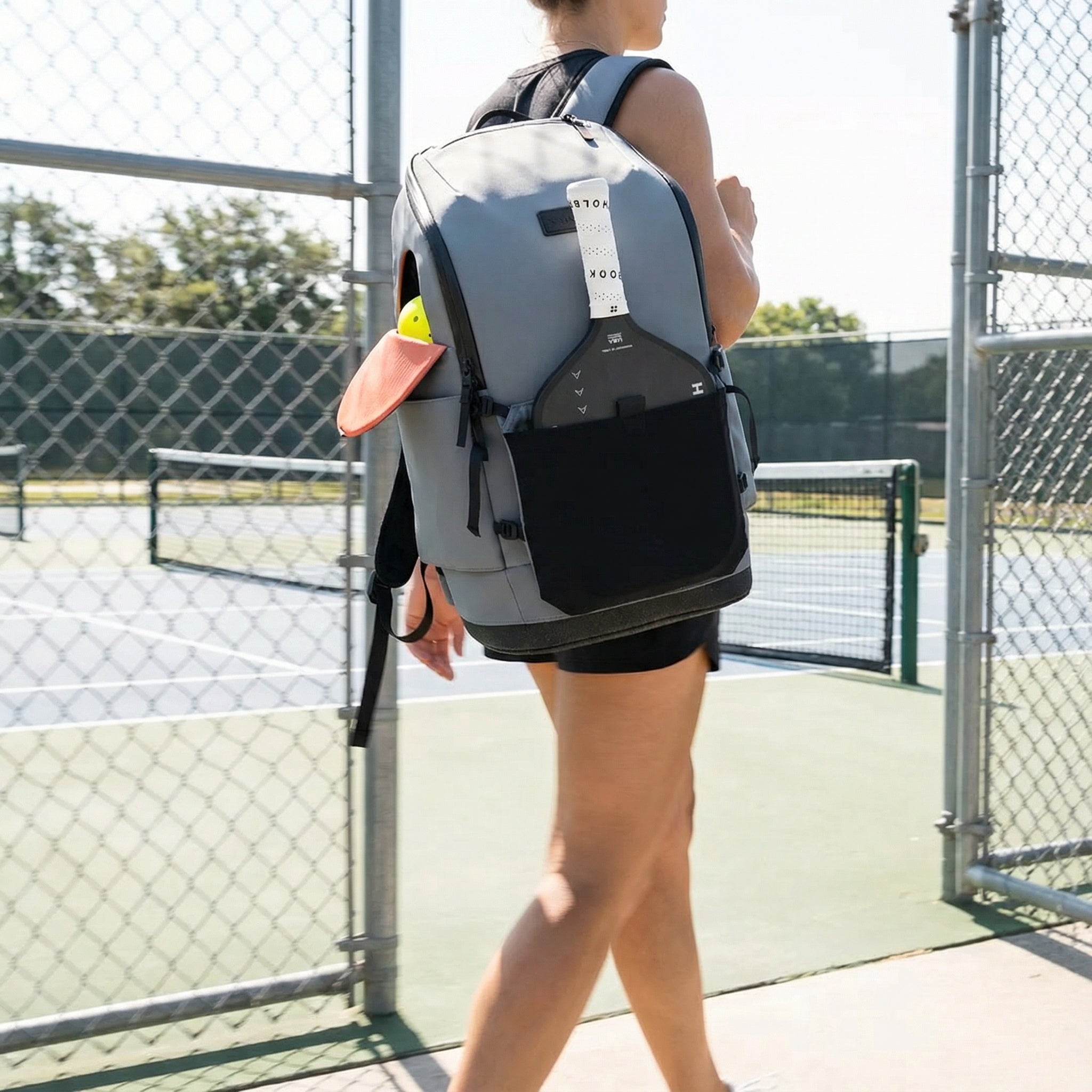
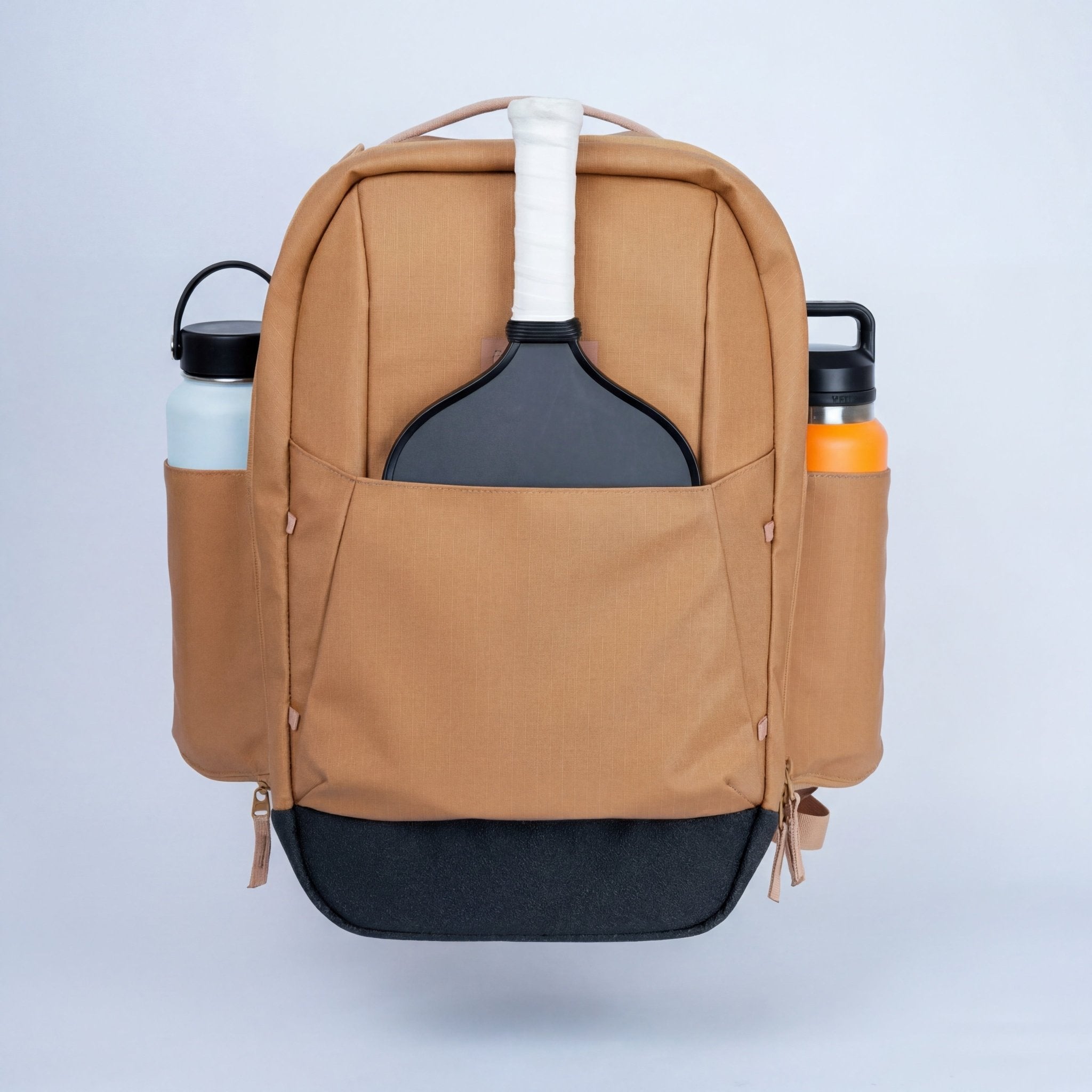
From a gear perspective, dedicated players benefit from organized equipment. Bags with separate paddle compartments, ventilated shoe pockets, and durable zippers make frequent drill sessions smoother. A well-designed pickleball backpack or court bag helps keep cones, extra balls, resistance bands, and towels organized—making it easier to run structured drills consistently. That’s exactly the design philosophy behind the FORWRD Court Ranger V2 ($195) — a dedicated pickleball backpack with a modular paddle sleeve, 16" laptop compartment, and YKK AquaGuard zippers that serious players rely on from warmup to cooldown.
One to two focused singles drill sessions per week will transform your results over a season. The drills above give you the footwork, depth, accuracy, and stamina to compete at higher levels. Pick a template, commit to it this week, and track the results.
Complete Your Setup
Serious singles players need gear that keeps up. The FORWRD Court Ranger V2 ($195) holds 2-4 paddles in a modular sleeve, has a 16" laptop compartment for commuting court-to-office, and YKK AquaGuard zippers that handle outdoor court conditions. Designed with 500+ real players — built for the kind of player who treats practice like a job.
Shop Court Ranger V2 →

Leave a comment
This site is protected by hCaptcha and the hCaptcha Privacy Policy and Terms of Service apply.