

Your equipment takes a beating every time you step onto the pickleball court. Between intense rallies, quick lateral movements, and the constant compression of ball against paddle face, gear naturally degrades over time, with pickleball paddles wear being a common example of this process. Knowing when to replace your pickleball gear can make all the difference between playing your best game and unknowingly handicapping yourself with worn out equipment, which may be affecting performance.
Last updated: May 2026
Quick answer: how often to replace key pickleball gear
Here's what most players miss: performance feel and visible wear matter more than any calendar date. How long a paddle last depends on your play style—according to the table, a tournament player's paddle may only last 6-12 months, while a casual player's paddle can last up to 18-36 months. Over the course of a season, pickleball paddles tend to wear out faster than some other sports equipment, especially with frequent, intense use. A paddle that's seen 300 hours of drilling will break down faster than one with 300 hours of casual rec play. Premium, well-designed gear with solid materials extends replacement intervals significantly—which is exactly why we at FORWRD build our bags to withstand years of heavy use.
What affects the lifespan of your pickleball gear
Gear lifespan isn't one-size-fits-all. How long your paddle, shoes, and bag last depends on a combination of use patterns, materials, and environmental conditions that vary wildly from player to player. The lifespan of your paddle depends on these factors, as well as your playing style and how you maintain your equipment.
Frequency of play and intensity accelerates wear faster than anything else:
-
A player drilling 3-5 times per week puts exponentially more stress on gear than someone playing casual doubles on Saturdays
-
Tournament players hitting hundreds of balls during warm-ups and matches compress paddle cores faster
-
Intense rallies with heavy topspin wear down paddle surface grit and shoe treads quicker than soft dinking sessions
Build quality and materials create massive differences in durability:
-
Carbon fiber paddle faces generally outlast fiberglass, though both naturally wear over time
-
Indoor court shoes designed for lateral movement hold up better than repurposed running shoes
-
Premium bag fabrics (600D+ polyester, coated zippers, reinforced stitching) last years longer than cheap alternatives
Indoor vs. outdoor play matters more than many players realize:
-
UV exposure from direct sunlight degrades paddle materials and bag fabrics
-
Extreme temperatures—whether a scorching car trunk in July or a freezing garage in January—can warp paddle cores and crack shoe midsoles
-
Rough outdoor court surfaces chew through shoe treads and add scratches to paddle edges at accelerated rates
Maintenance habits either extend or shorten gear life:
-
Regular cleaning of the paddle's surface preserves grit and spin capability
-
Regripping on schedule maintains control and prevents unnecessary wear on your hands
-
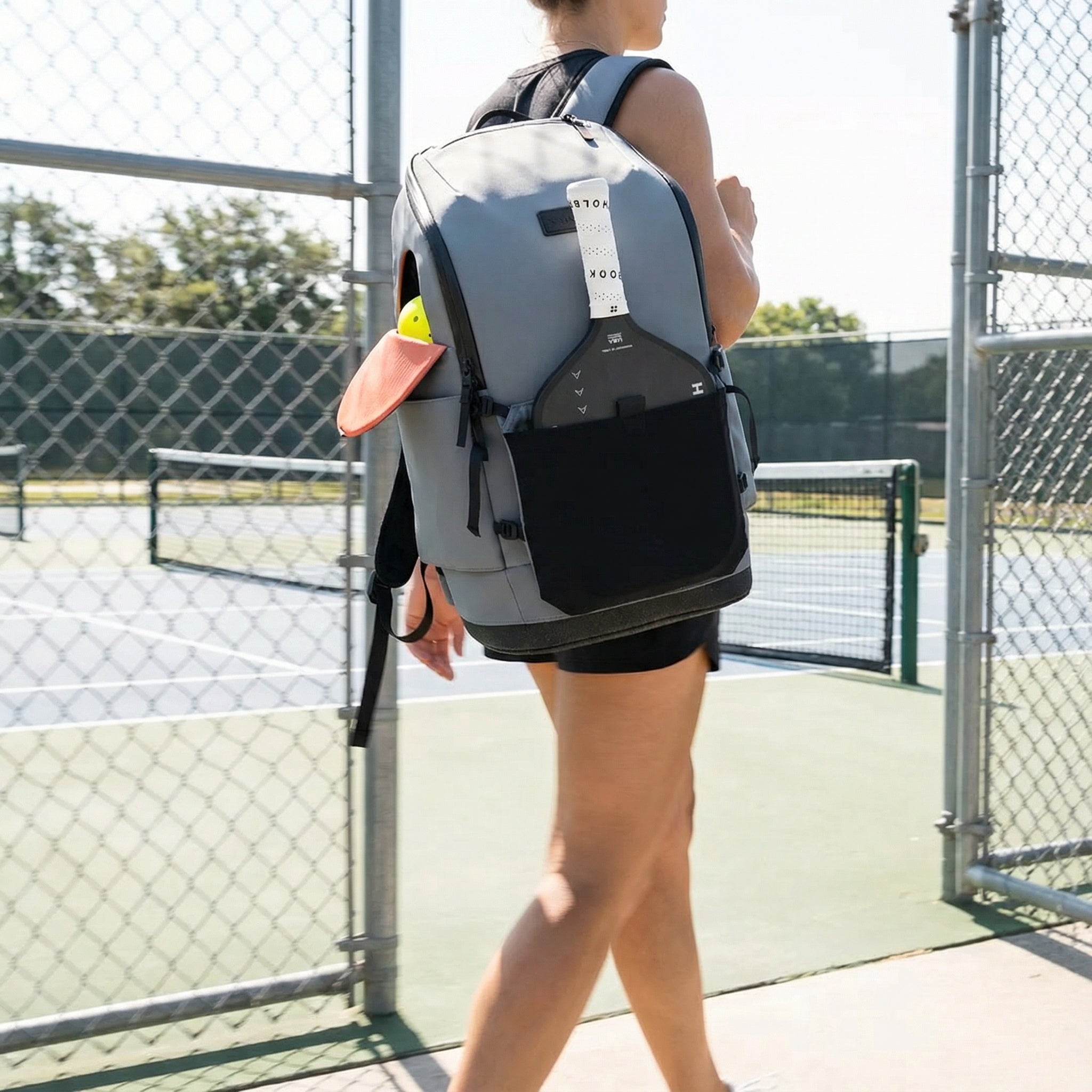
Using a dedicated pickleball bag instead of tossing loose gear in your trunk protects paddles from dings and shoes from crushing
-
Impacts with the ground, such as dropping or banging your paddle, can cause chips, cracks, and other damage that significantly reduce its lifespan
At FORWRD, we design our bags and accessories specifically to withstand heavy, year-round pickleball use—especially for players who practice multiple times per week and need gear that keeps up with their commitment.
When to replace your pickleball paddle
Your paddle condition directly affects your control, spin, and power on every single shot. Here's the uncomfortable truth: many players in the pickleball community unknowingly play with "dead" paddles for months, wondering why their game has plateaued when the answer is sitting right in their hands.
Typical lifespan ranges break down like this:
-
Competitive players (4-5x/week): 6-12 months
-
League players (2-3x/week): 9-18 months
-
Casual players (1-2x/week): 18-24+ months with proper care
The key replacement triggers include clear performance dips, dead spots on the face, core issues you can hear or feel, and visible structural damage. Don't rely only on looks—a paddle can appear fine while its core has quietly crushed from thousands of ball strikes. Changes in the paddle's surface, such as dullness or loss of responsiveness, can also signal it's time for a replacement, as these affect shot accuracy and power transfer.
Even high quality paddles will eventually wear out. The core and face materials constantly compress and flex with each hit, and that cumulative stress adds up regardless of price point. Players often notice they're swinging harder to achieve the same depth, losing touch on dinks, or missing passing shots that used to be automatic—before they ever see obvious damage. Additionally, the shape of your paddle can influence shot control and spin, so if your playing style or needs change, or if the paddle's shape becomes less effective for your game, it may be time to consider a replacement.
Visual and feel signs your paddle is worn out
Consider this your quick inspection checklist to run through after your next match:
Surface texture check: Run your hand across the paddle face. If the grit is mostly gone and the surface feels glassy smooth, your spin and control are already reduced. Rough gouges or scratches that catch your fingertips also affect ball contact.
Edge inspection: Small chips limited to the edge guard are mostly cosmetic. But chips that creep onto the hitting surface alter how the ball comes off your paddle. Check for:
-
Edge guard separation or gaps you can catch with a fingernail
-
Warping along the edges that indicates structural stress
-
Loose sections that could lead to delamination
Frame and throat area: Hairline cracks or soft spots in the frame are non-negotiable replacement signs. These compromise safety and structural integrity—no amount of careful play will fix them.
Feel-based clues: Pay attention if you notice:
-
More vibration transmitting into your hand on contact
-
Less "connected" feel on touch shots and dinks
-
A paddle that suddenly feels tinny, hollow, or oddly heavy
-
Inconsistent response that wasn't there six months ago
Sound and performance clues it's time for a new paddle
Sound is one of the clearest day-to-day clues for spotting paddle degradation, even if you're not a gear expert.
Try this simple test: bounce a ball around different zones of the paddle face. A fresh paddle produces a consistent, crisp pop across the entire surface. A worn paddle? You'll hear a dull, muted thud in certain zones—usually the center where you hit most often—while other areas still sound okay. That difference indicates dead spots and core crushing.
Listen for these warning sounds during play:
-
Rattling noises on contact suggest internal core breakdown or loose material
-
Buzzing sounds may indicate delamination between face layers and core
-
Inconsistent acoustics from shot to shot point to uneven wear patterns
Performance symptoms that confirm what your ears are telling you:
-
Needing extra swing effort to achieve the same depth on drives
-
Losing consistent depth even when you feel like you hit the ball cleanly
-
Struggling with spin that used to come naturally
-
Erratic response on off-center hits that the same paddle used to forgive
If two similarly skilled players swap paddles and both instantly feel a difference in pop and control, that's a strong indicator one paddle needs replacement.
How often different types of players should replace paddles
Usage level—not just calendar time—should guide your replacement decisions. A new pickleball paddle sees completely different stress depending on who's wielding it.
Concrete replacement timelines by player type:
-
4.0+ tournament player drilling 4-6 days per week: every 6-9 months
-
League player competing 2-3 times weekly: every 9-18 months
-
Social player hitting once a week: every 18-24+ months if the paddle is quality construction
Juniors and improving players might replace sooner to match their evolving playing style. As you progress from a control-heavy beginner approach to a spin-and-power intermediate game, your paddle needs change too.
Practical rule of thumb: If you've logged roughly 200-300 hours of play on a composite or carbon fiber paddle, begin actively checking for the signs listed above each month. Track your hours if you're serious about performance.
One final note: having a backup paddle in your bag—stored safely in a padded sleeve, not loose in the car—ensures you're never forced to play a tournament or league match with a failing paddle. Most players learn this lesson the hard way.
When to replace pickleball shoes
Pickleball shoes are the most overlooked but arguably most important gear for safety, joint health, and quick court movements. A failing paddle costs you points; failing shoes cost you ankles.
Typical replacement ranges:
-
Heavy players or those on rough outdoor courts 3-5x/week: 3-6 months
-
Moderate players or indoor-only use: 6-12+ months
Tread wear indicators to watch for:
-
Smooth patches under the ball of your foot where you pivot
-
Flat, shiny areas where herringbone patterns used to provide grip
-
Worn heel edges that affect your split-step stability
Structural and comfort signs that shoes have reached end of life:
-
Midsole collapse—the shoe feels flat, dead, or no longer cushions landings
-
New aches in knees, ankles, or feet after sessions that didn't happen before
-
The shoe twists too easily when you hold it by heel and toe (indicates structural breakdown)
Visual damage requiring immediate replacement:
-
Separated soles, even partial separation
-
Frayed uppers around the toe drag area
-
Split eyelets or torn lacing systems
Track roughly how many matches or hours each pair sees. Around 250-400 hours of play often correlates with the need for new shoes—though aggressive court movement and outdoor surfaces can cut that significantly.
When to replace your pickleball bag and accessories
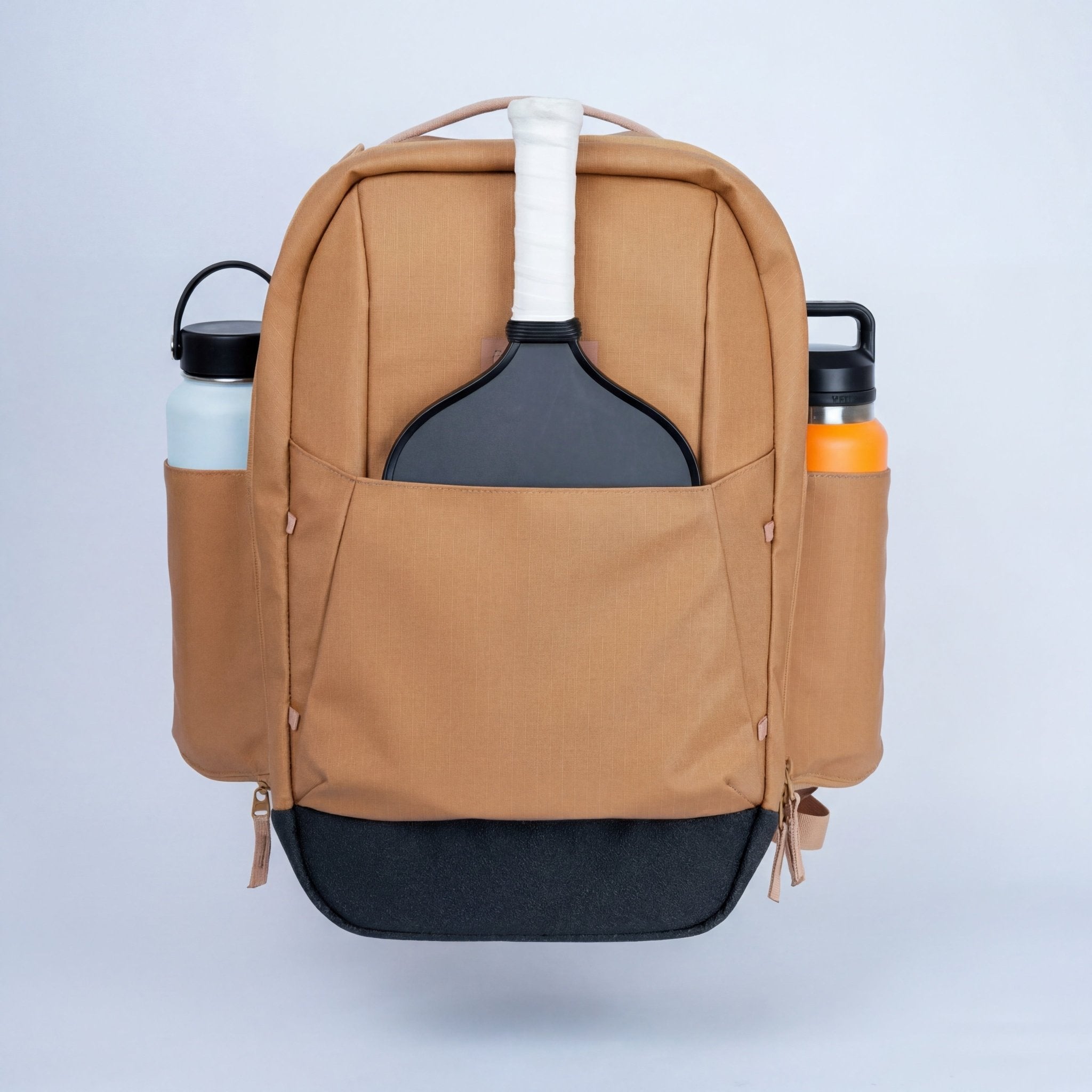
While paddles and shoes wear faster, a high-quality pickleball bag is a long-term investment in organization and gear protection. At FORWRD, we build premium court bags and backpacks with heavy-duty fabrics, quality stitching, and durable zippers specifically so players don't have to think about replacement for years. Our flagship Court Caddy ($325) and the streamlined Court Ranger V2 ($195) are both built with YKK AquaGuard zippers and 600D+ polyester—materials chosen specifically to outlast the bags you'd find at a big-box sporting goods store.
That said, even the best bags eventually need replacement when compromised.
Clear replacement signs for bags:
-
Persistent zipper failures that can't be repaired
-
Torn paddle compartments that expose paddles to impact and scratches
-
Fraying shoulder straps that distribute weight unevenly
-
Collapsed structure that no longer protects gear during transport
Functional reasons to upgrade even before failure:
-
Needing more paddle slots as your collection grows
-
Wanting insulated pockets for summer tournaments (protects paddles from extreme temperatures)
-
Requiring ventilated shoe compartments to keep grit off paddle faces
-
Better organization for balls, grips, towels, snacks, and valuables
Smaller accessories need attention too:
-
Replace grips when they feel slick, hard, or show visible cracks—grip affects every shot you hit
-
Swap overgrips every few weeks or immediately after heavy tournament blocks
-
Rotate balls frequently—outdoor balls going soft, out-of-round, or cracking affect game quality more than most players realize
How a dedicated pickleball bag extends gear life
Using a purpose-built pickleball bag is one of the easiest ways to extend the lifespan of your paddle, shoes, and accessories.
Protective benefits:
-
Padded paddle sleeves prevent dings, edge guard damage, and surface scratches
-
Separate shoe compartments keep court grit off paddle faces and clean clothes
-
Lined pockets protect valuables from loose gear impacts
Climate protection:
-
Insulated or lined pockets help shield paddles from extreme heat in summer
-
Proper bag storage prevents cold-weather damage in winter
-
Critical for players who leave gear in the car between sessions
From FORWRD's perspective, design details matter: reinforced handles, weather-resistant materials, and lifetime warranties reduce long-term cost of ownership versus replacing cheap bags repeatedly. Premium materials like quality zippers and 600D+ fabrics simply hold up better under the stress of frequent use.
If you've upgraded your paddle and shoes but still carry everything in a generic gym bag, consider a dedicated court bag as your next quality-of-life upgrade. Your gear will last longer, and you'll wonder how you ever managed without proper organization. Browse our selection of pickleball bags here to find one that fits your needs.

Protect Your Gear: FORWRD Court Caddy ($325)
Built with 500+ real players. Modular padded paddle sleeve, YKK AquaGuard zippers, 15" laptop compartment. The bag that extends your paddle's lifespan.
How to extend the life of your pickleball gear
A few simple habits can significantly delay replacement without sacrificing performance. Most wear isn't from play—it's from poor storage and neglected maintenance.
Storage tips that prevent unnecessary wear:
-
Never leave paddles or shoes in a hot car trunk (summer heat can warp cores and break down adhesives)
-
Avoid freezing garage storage in winter (cold makes materials brittle)
-
Store gear indoors, dry, and out of direct sunlight
-
Use paddle covers or padded sleeves, especially when traveling or flying to tournaments
Cleaning habits that maintain performance:
-
Wipe paddle faces with a damp cloth after play to preserve surface grit
-
Use gentle eraser-style cleaners for stubborn ball marks
-
Brush shoe soles periodically to restore traction patterns
-
Empty bags of used towels and wet gear after every session to prevent mildew and odor
Regular small refreshes instead of crisis replacements:
-
Regrip paddles every few months before the grip becomes slick
-
Replace insoles in shoes as cushioning breaks down
-
Swap cracked or dead balls out of your primary match rotation immediately
Organize your bag strategically:
-
Keep heavy items (water bottles, extra shoes) away from paddle compartments
-
Use dedicated pockets for accessories so nothing shifts and causes damage
-
A well-designed bag layout—like FORWRD's compartmentalized designs—prevents avoidable crushing and contact damage
Frequently Asked Questions: Replacing Pickleball Gear
How do I know when my pickleball paddle is worn out?
The clearest signs: dead spots you can hear (a dull thud instead of a crisp pop), loss of surface grit (the face feels glassy smooth), and noticeable drops in spin and control. If you're swinging harder to achieve the same depth on drives, the core is compressed. Replace it—don't fight it.
How long do pickleball shoes last?
For players on outdoor courts 3-5 times per week, expect 3-6 months. Indoor-only or moderate players typically get 6-12 months. The key signal isn't mileage—it's when the midsole feels flat and dead, your knees start aching after sessions that didn't bother you before, or the traction pattern has worn smooth under your pivot points.
When should I replace my pickleball bag?
A quality bag lasts several years. Replace it when zippers fail beyond repair, paddle compartments tear and expose your gear to impact, or straps fray badly enough to distribute weight unevenly. If you're carrying a Court Caddy or Court Ranger V2—both built with YKK AquaGuard zippers and 600D+ polyester—you won't be thinking about replacement anytime soon.
How often should I replace pickleball balls?
Outdoor balls crack and go out-of-round faster. Rotate them out of match play when you notice visible cracks, soft spots, or a bounce that doesn't match the rest of your batch. Most serious players rotate fresh balls every 2-4 weeks during heavy training. Indoor balls last much longer—they don't face UV exposure or rough outdoor court abrasion.
Does a better bag actually help preserve my paddle longer?
Yes, noticeably. A bag with proper padded paddle sleeves prevents the edge dings, surface scratches, and compression damage that happen when paddles bounce loose in a gym bag or car trunk. Add proper temperature management—no scorching car trunks in July, no freezing garage storage in January—and you can meaningfully extend your paddle's useful life.
Should you upgrade even if your gear isn't "dead" yet?
Many players consider upgrading when their gear still technically works but no longer matches their style or goals. That's a legitimate reason to replace equipment.
Performance-driven reasons to upgrade paddles:
-
Moving to a more spin-oriented face texture as your game develops
-
Wanting a different swing weight that suits your evolved playing style
-
Seeking a softer or firmer feel based on what you've learned about your preferences
-
Your current paddle doesn't match how you want to play anymore
Comfort and safety upgrades for shoes:
-
Switching from generic running shoes to court-specific models with proper lateral support
-
Getting fresh cushioning before joint issues develop
-
Choosing shoes designed for the specific court surface you play most
Functional upgrades for bags:
-
Shifting from a basic backpack to a dedicated pickleball bag with real paddle protection
-
Adding laptop sleeves for players going from office to court
-
Getting tournament-ready storage with space for multiple paddles, balls, and accessories
Practical guideline: If you've played at least a full season with the same core setup and feel that your gear is limiting—not supporting—your shots or logistics, it's reasonable to demo or test upgrades. Trust what your hands and body tell you.
At FORWRD, we build premium, community-informed gear for players who see pickleball as a long-term passion. Our bags and accessories are designed to grow with your game, not hold it back. When you're ready to upgrade your setup, invest in equipment that protects everything you've already invested in—and that's built to last as long as your love for the sport.

Leave a comment
This site is protected by hCaptcha and the hCaptcha Privacy Policy and Terms of Service apply.