

Last updated: August 2026
Disclosure: This post contains affiliate links to Pickleball Central. If you purchase through our links, FORWRD earns a small commission at no extra cost to you. We only link to products we'd recommend regardless.
Introduction: Budget vs Premium Paddles in 2026
Here's the truth most players don't want to hear: you probably don't need a $250 paddle—or even a $200 paddle—to enjoy pickleball or make progress. Expensive paddles can offer slight improvements in spin, stability, and feedback, but most players can achieve great results with more affordable options. But if you're still playing with that $35 paddle you grabbed on a whim, you might be holding yourself back more than you realize—especially once you start playing regularly and pushing toward 3.0–3.5 level.
The pickleball paddle market in 2025–2026 breaks down into clear tiers:
-
Budget paddles run roughly $40–$90 and cover everything from starter sets to decent entry-level options
-
Mid-range paddles sit around $100–$160 and represent the sweet spot for most recreational players
-
Premium paddles command $180–$260+ and feature the most advanced construction and materials available
With so many best budget pickleball paddles now on the market, affordable options under $60 are more competitive than ever, thanks to improvements in inexpensive paddle technology and quality.
What's changed in recent years is significant. Inexpensive paddles have improved dramatically over the years, but there are still subpar options. A practical way to frame paddle performance is that the first 80–90% of performance is achievable with modern sub-$100 designs. Modern sub-$100 pickleball paddles now deliver approximately 80–90% of the performance you'd get from top-tier options. That's genuinely impressive. But there are real tradeoffs in durability, feel, and warranty coverage that matter more the harder you play.
This guide focuses on helping you match your paddle spend to your actual commitment level and play style. At FORWRD, we design premium pickleball bags and accessories, which means we see firsthand how paddles actually wear inside real players' gear—the chips, the dead spots, the edge guard failures. We're not here to sell you a paddle, but we can tell you what separates the ones that last from the ones that don't.
We'll start with a quick answer on who should buy what, then dig into materials, construction, cost of ownership, and even injury risk.
One thing we can speak to firsthand: we design pickleball bags used by players across all these tiers. The premium paddle owners at 4.0+ always have a padded paddle sleeve. That's not coincidence—it's how they protect a $250 investment.
Quick Answer: Should YOU Choose a Budget or Premium Paddle?
If you play once a week or less and you're still learning the basics (under 3.0 skill level), a $60–$120 paddle will serve you well. Spend your money on court time and maybe a lesson or two. You can always upgrade later when your skills—and your commitment—justify it.
If you're playing 3–4 times per week, participating in organized leagues, or actively working toward 4.0+ play, you'll feel real benefits from stepping up to a $140–$220 paddle. The cleaner feel, more consistent sweet spot, and better arm comfort become noticeable advantages at this level of play.
If you have any history of tennis elbow, wrist pain, or shoulder issues, lean toward better-built paddles regardless of your skill level. Cheaper construction transmits more vibration and shock on every hit—especially off-center shots. Your joints will thank you.
The goal isn't to buy the most expensive pickleball paddle you can find. It's to hit the "smart money" range that fits how often you're actually on court.
What Actually Makes a Paddle "Budget" vs "Premium"?
The difference between cheap paddles and high end paddles goes far beyond the price tag. Here's what you're actually paying for at each tier:
Budget Paddles ($40–$90)
-
Fiberglass or basic composite faces
-
Standard polymer cores with minimal quality control
-
Automated assembly with glued construction
-
Basic edge guards that separate over time
-
Limited or no warranty coverage
Mid-Range Paddles ($100–$160)
-
Better-grade carbon fiber faces (not always premium Toray)
-
Thicker polymer cores with improved consistency
-
Enhanced edge protection and handle construction
-
Traditional glued assembly but with tighter tolerances
-
Typically 1-year warranty coverage
Premium Paddles ($180–$260+)
-
Toray T700 or equivalent aerospace-grade carbon fiber faces
-
Thermoformed unibody construction
-
Foam-filled edges for enlarged sweet spots
-
Rigorous manual quality control
-
Often lifetime or multi-year warranty coverage
The key difference isn't just "power vs control"—it's consistency. A premium paddle maintains its feel and sweet spot far longer under frequent play. Budget paddles can change dramatically after just a few months of heavy use.
Materials Deep Dive: Face and Core Differences
Two paddles can both claim "carbon fiber" faces and "polymer cores" yet play completely differently. Higher-end paddles often feature advanced materials like carbon fiber, which can provide more control and spin. Premium paddles often use advanced materials like Toray T700 carbon and DuPont Kevlar, which enhance performance and durability. Understanding why helps you cut through marketing noise and find what actually matters for your game.
At FORWRD, we don't manufacture paddles—we design bags around how players actually use and transport their gear. That perspective shows us which materials survive heavy use and which ones don't.
Face Materials: Fiberglass vs Graphite vs High-Grade Carbon Fiber
Fiberglass faces (common on paddles under $80) deliver raw power and pop. They're forgiving on mishits but offer less ball grip and finesse. You'll find these on starter paddles sold at big-box stores and most Amazon bundles. They work fine for casual play but limit spin potential as your skills develop.
Graphite and basic carbon fiber faces (typically $90–$140 range) provide a noticeable upgrade in consistency and spin capability. However, quality varies significantly between paddle companies—surface grit longevity differs wildly, and some "carbon fiber" faces are barely better than fiberglass after a few months of play.
High-grade Toray T700 or equivalent carbon fiber (usually $150–$260 paddles) offers superior spin potential, more stable feel across the entire face, and significantly better long-term performance. The surface texture maintains its grit far longer than cheaper alternatives.
Control-oriented and spin-focused players notice the biggest difference between fiberglass and true performance carbon fiber faces once they reach about 3.5+ level. For beginners, prioritize a forgiving face with a large sweet spot over chasing the highest-spin marketing claims.
Core Materials: Low-Grade Polymer vs Reactive Polymer vs Nomex
Standard polymer honeycomb cores appear in most recreational paddles, but cheaper versions (typically under $70) have inconsistent cell density. These cores develop "dead spots" after a few months of heavy use—areas where the ball simply doesn't respond the way it should.
Higher-grade reactive polymer cores (common in $120–$200 paddles) undergo longer compression processes—sometimes up to 16 hours—to eliminate air pockets and create uniform bounce across the face. This consistency translates directly to more predictable shots.
Nomex cores (hard, loud, power-focused) appear in some specialty paddles. They suit advanced players who prioritize raw pop over forgiveness, but most intermediate players find them too unforgiving for consistent performance.
Better cores reduce shock and vibration—a significant consideration for players dealing with elbow or shoulder sensitivity who log high weekly court hours. Most players should stick with softer polymer cores for better control, comfort, and quieter play.
Construction and Durability: Why Some Paddles Fail Faster
Budget and many mid range paddles use traditional layered construction: face, core, opposite face, edge guard, and handle all glued together. Each layer represents a potential failure point.
Common failure modes we see when FORWRD customers replace paddles in their bags:
-
Edge guard separation – the protective rim peels away, exposing the core
-
Handle wobble – the connection between handle and paddle face loosens
-
Surface bubbling – the face material delaminates from the core
-
Dead spots – areas of the core compress permanently, killing energy transfer
Thermoformed unibody construction (standard in $180–$260 paddles) fuses the paddle into a single piece. This eliminates most delamination risk and actually enlarges the effective sweet spot by creating a more consistent surface tension across the face.
Real-world timelines matter here. Serious players who hit the courts 3–4 times weekly often "outplay" a bargain paddle in 6–12 months. The edge guard starts separating, dead spots develop, or the face loses its grit. A well-built premium paddle can stay consistent over multiple seasons—especially if stored and transported in a protective bag rather than rattling around in a car trunk.
Mid-Range Paddle Options: The Overlooked Middle Ground
Mid-range pickleball paddles are often the unsung heroes of the sport, offering a sweet spot between affordability and high-end performance. Falling in the $100–$180 price range, these paddles deliver a noticeable step up from basic budget paddles without the premium price tag of the most expensive models. What sets mid-range paddles apart is their use of quality materials—think carbon fiber faces, advanced polymer cores, and improved construction techniques that boost both power and control.
For intermediate players looking to elevate their game, mid-range paddles provide the perfect paddle for developing skill and confidence. You'll find a great balance of power, spin, and control, making these paddles ideal for those who want to fine-tune their play style without overspending. Brands like Selkirk, Onix, and Prince are known for producing some of the best mid range options, with features like high quality materials, larger sweet spots, and reliable power control.
When choosing a mid-range paddle, consider your skill level, preferred balance of control and spin, and the type of core that matches your game. Whether you're looking for more pop on your drives or a softer touch at the net, there's a mid-range paddle that fits your needs and budget—making it a smart investment for most pickleball players.
Cost of Ownership: Budget vs Premium Over 2–3 Years
The sticker price tells only part of the story. Total cost of ownership depends heavily on how often you play.
Casual Player Example (Playing 1× Weekly) A $70 paddle replaced every 18–24 months runs about $70–$105 over three years. A $220 paddle bought once may never need replacement at this play frequency. For truly casual players, the budget option often makes more sense—you may never wear out that premium paddle enough to justify the investment.
League Player Example (3.5–4.0, Playing 4× Weekly) Burning through two $80 paddles every 12–18 months adds up to $160–$320 over three years. A single $200+ paddle with better durability—and potentially a lifetime warranty—ends up costing the same or less while delivering consistent performance throughout.
Warranty matters more than most players realize. Premium paddles from reputable brands typically include solid warranty policies (sometimes lifetime coverage) protecting against defects like early delamination or handle failure. These protections rarely exist on ultra-cheap options.
Equipment protection extends paddle life regardless of price tier. Storing paddles in a dedicated pickleball bag or backpack—rather than tossing them in a gym bag or car trunk—shields them from heat, impact, and moisture. At FORWRD, we've designed our bags specifically around this reality: a $150 paddle protected properly outlasts a $200 paddle that gets cooked in summer trunk heat.
Performance and Play Feel: What You Actually Notice on Court
Performance differences between budget and premium paddles vary dramatically based on your skill level.
At pure beginner level (just learning scoring and basic strokes), the difference between a $70 and $220 paddle is subtle. Good form matters far more than equipment at this stage. A great paddle won't fix bad mechanics.
Intermediate players (3.0–3.5) start noticing meaningful differences:
-
Larger, more forgiving sweet spots that reduce mishit penalties
-
More predictable ball exit angles on drives and volleys
-
Easier spin generation on dinks, serves, and third-shot drops
-
Better feedback on what the ball is doing off the face
Advanced players (4.0+) often appreciate premium paddles for the "last 10–15%" of performance. This includes:
-
Ball dwell time for better touch shots
-
Stability on defensive blocks at the net
-
Higher spin ceiling on roll volleys and drives
-
Consistent response under tournament pressure
A reliable paddle face and core allows you to trust your muscle memory, which speeds up improvement. Cheap paddles that change feel over time can actually stall progress—you're constantly adjusting to a moving target rather than building consistent performance.
Injury Risk and Comfort: Vibration, Weight, and Grip
Cheaper paddles with thin cores and stiff fiberglass faces transmit more vibration to your wrist, elbow, and shoulder—especially on off-center hits. Over time, this repeated shock accumulates.
Better polymer cores and premium carbon faces (common in $140–$220 paddles) soften impact and reduce shock transfer. For players logging high weekly court hours, this difference becomes significant for long-term joint health.
Grip quality deserves attention. Budget paddles typically include basic wraps that:
-
Wear out quickly and become slick with sweat
-
Offer minimal ergonomic contouring
-
Contribute to over-gripping and forearm fatigue
Higher-end paddles ship with better ergonomic grips, and aftermarket grip upgrades are always an option. Either way, maintaining your grip's tackiness and cushioning matters for comfort and control.
Proper storage protects grip condition. Quality pickleball bags and backpacks—like those from FORWRD—keep paddles out of extreme heat and humidity, preserving core integrity and grip tackiness. This indirectly supports joint health by ensuring your paddle performs consistently every session.
Matching Paddle Spend to Skill, Frequency, and Goals
The right pickleball paddle depends on honest assessment of how you actually play—not aspirations or what touring pros use. Here's a practical framework:
New or Casual Players (Under 3.0, Playing 1× Weekly or Less)
Recommended budget: $60–$120
Priorities:
-
Generous sweet spot for forgiveness on learning shots
-
Comfortable grip that doesn't fatigue your hand
-
At least a basic carbon or graphite face if possible
-
Decent edge guards for durability
Avoid ultra-cheap $30 "Amazon specials" that chip or develop dead spots quickly. These budget pickleball paddles can make learning soft game skills—dinks, drops, resets—more frustrating than necessary.
At this level, extra court time and some coaching deliver far more improvement than a $220 paddle. Keep equipment simple and reliable. A basic but well-organized pickleball bag helps reduce friction to actually getting out and playing pickleball.
Regular Recreational and League Players (3.0–3.5, Playing 2–3× Weekly)
Recommended budget: $120–$180
Priorities:
-
High-quality carbon fiber face for good spin and control
-
14–16mm polymer core for balance of power and touch
-
Solid edge protection to withstand frequent play and paddle clashes
-
Consistent feel across the hitting surface
This price range often represents the best paddles for value—you're getting quality materials and construction without paying for marginal refinements most recreational players won't notice.
Players at this level appreciate better spin potential, more stable blocking at the net, and a more predictable feel on resets and drops. This is also when most players upgrade to dedicated pickleball backpacks or court bags to protect their investment and transport multiple paddles, shoes, and accessories efficiently.
Serious, Tournament, and 4.0+ Players (Playing 3–5× Weekly)
Recommended budget: $180–$260+
Priorities:
-
Thermoformed unibody construction for maximum consistency
-
Top-tier carbon faces for highest spin ceiling
-
Advanced core technologies for optimal power control balance
-
Premium edge construction and handle ergonomics
Fine tune your choice based on play style:
-
Elongated, thinner paddles suit power-focused players who value reach
-
Thicker, traditional shapes work for control-heavy, kitchen-oriented players
Competitive players at this level feel the value of a more stable face, higher spin ceiling, and consistent response across the entire paddle—especially under tournament pressure. Brands like JOOLA, CRBN, and Six Zero dominate the premium tier, though serious tournament grinders often justify stepping up to these top-shelf options for that extra edge.
Treat paddles like other performance equipment: store in padded compartments, avoid trunk heat, and use quality bags to carry multiple paddles for different conditions.
Best Paddles for Specific Needs: Top Picks for Every Player
Every pickleball player brings unique preferences and requirements to the court, and the best pickleball paddles are those that match your individual needs. For beginners, paddles with large, forgiving sweet spots and a softer feel make learning the game more enjoyable and help build confidence. These forgiving sweet spots reduce mishits and support skill development, especially for those just starting out.
Intermediate players often seek a paddle that balances power and control, allowing them to experiment with spin and refine their soft game. Brands like Paddletek and ProLite offer models designed for this level, featuring ergonomic grips for comfort and materials that provide both touch and pop.
Advanced players, on the other hand, may gravitate toward paddles with premium materials and advanced technologies that maximize spin, power, and precision. For those with arm or shoulder concerns, look for paddles with vibration-dampening cores and ergonomic grips to minimize strain and keep you playing longer.
No matter your skill level or play style, there's a paddle designed to enhance your game. Consider what matters most to you—be it control, power, soft game finesse, or injury prevention—and choose a paddle that supports your goals on the pickleball court.
Paddle Maintenance and Care: Making Your Investment Last
Taking care of your pickleball paddle is key to maintaining its performance and extending its lifespan. Start by cleaning your paddle regularly with a soft cloth and mild soap to remove dirt and sweat that can degrade materials over time. Always avoid exposing your paddle to extreme heat or cold, as temperature swings can damage the core and face.
Edge guards play a crucial role in protecting your paddle from chips and cracks, especially during intense play or accidental drops. Using a paddle cover when not in use helps prevent scratches and dings, keeping your paddle looking and performing its best. Be mindful not to use your paddle as a lever or push it against the net, as this can stress the core and reduce its responsiveness.
By following these simple care tips, you'll help your paddle maintain its edge, core integrity, and overall performance—ensuring you get the most out of your investment every time you step onto the pickleball court.
Paddle Warranty and Support: What to Expect After Purchase
When investing in a new pickleball paddle, it's important to consider the warranty and support offered by the manufacturer. Top brands like Selkirk and Onix stand behind their paddles with warranties that cover defects in materials and workmanship, ranging from one year to lifetime coverage depending on the model. This means you can play with confidence, knowing your paddle is protected against unexpected issues.
In addition to warranty coverage, look for brands that offer responsive customer support through phone, email, or online resources. Clear warranty information and a commitment to customer satisfaction are signs of a reputable paddle company. Should your paddle need repair or replacement, having strong support ensures your investment in quality materials and performance is safeguarded for the long haul.
Paddle Customization and Personalization: Making It Yours
For players who want their gear to stand out, paddle customization and personalization options are a great way to make your paddle truly yours. Some manufacturers, like Paddletek and ProLite, offer the ability to choose from a variety of colors, designs, and even add personalized text or logos to your paddle. While these custom touches may not directly impact performance, they can make your pickleball experience more enjoyable and help you express your unique style on the court.
Customization options may include different materials, grip styles, or face designs, allowing you to tailor your paddle to your preferences. Keep in mind that personalized paddles may come at a higher price and may not be available for every model. Still, for many players, the added enjoyment and sense of ownership make customization a worthwhile consideration when selecting your next pickleball paddle.
FORWRD's Perspective: Why Your Bag Still Matters More Than You Think
We've spent this entire guide talking about paddles, but here's what we see daily at FORWRD: the same paddle can last six months or three years depending on how it's stored and transported.
As a premium pickleball bag and accessories brand, we design products based on feedback from players who own everything from basic starter paddles to $250 thermoformed models. The wear patterns tell a consistent story.
Our bag design priorities address real-world paddle protection:
-
Padded paddle compartments that absorb impact during transport
-
Ventilated shoe storage to keep moisture away from gear
-
Separate pockets for wet items and sweaty grips
-
Durable zippers that survive daily courtside use without failing
Protecting a $150–$250 paddle from impact, temperature swings, and moisture easily extends its useful life. This improves your cost-per-game compared to unprotected carry—whether that means a gym bag, a car trunk, or just leaning paddles against a fence.
Regardless of whether you choose budget or premium materials, think of your bag as part of your performance system. It keeps gear organized, protected, and ready so more of your money goes into actual court time instead of premature replacements.
Budget vs Premium Pickleball Paddles: Your Questions Answered
Is a more expensive pickleball paddle worth it?
Depends on your skill and commitment. Playing under twice a week while still learning? A $60-$120 paddle is the right call. Playing 3x+ per week at 3.5 or above? A $150-$200 mid-range paddle delivers real gains in spin, durability, and feel that justify the cost. The sweet spot isn't always the top shelf.
What's the sweet spot price for a pickleball paddle?
The $100-$160 range is where most rec and club players find the best value. You get legitimate thermoformed or carbon fiber construction, decent spin surface, and a real warranty — without paying pro-grade premium pricing for performance characteristics most rec players won't fully use.
How long do budget paddles last vs. premium?
Budget paddles ($40-$90) typically last 6-12 months under regular play — noticeably shorter than premium options at similar usage. Edge guards separate sooner, grit wears away faster, cores compress quicker. You might spend more replacing cheap paddles over two years than buying one quality mid-range paddle upfront.
What should I carry my pickleball paddle in?
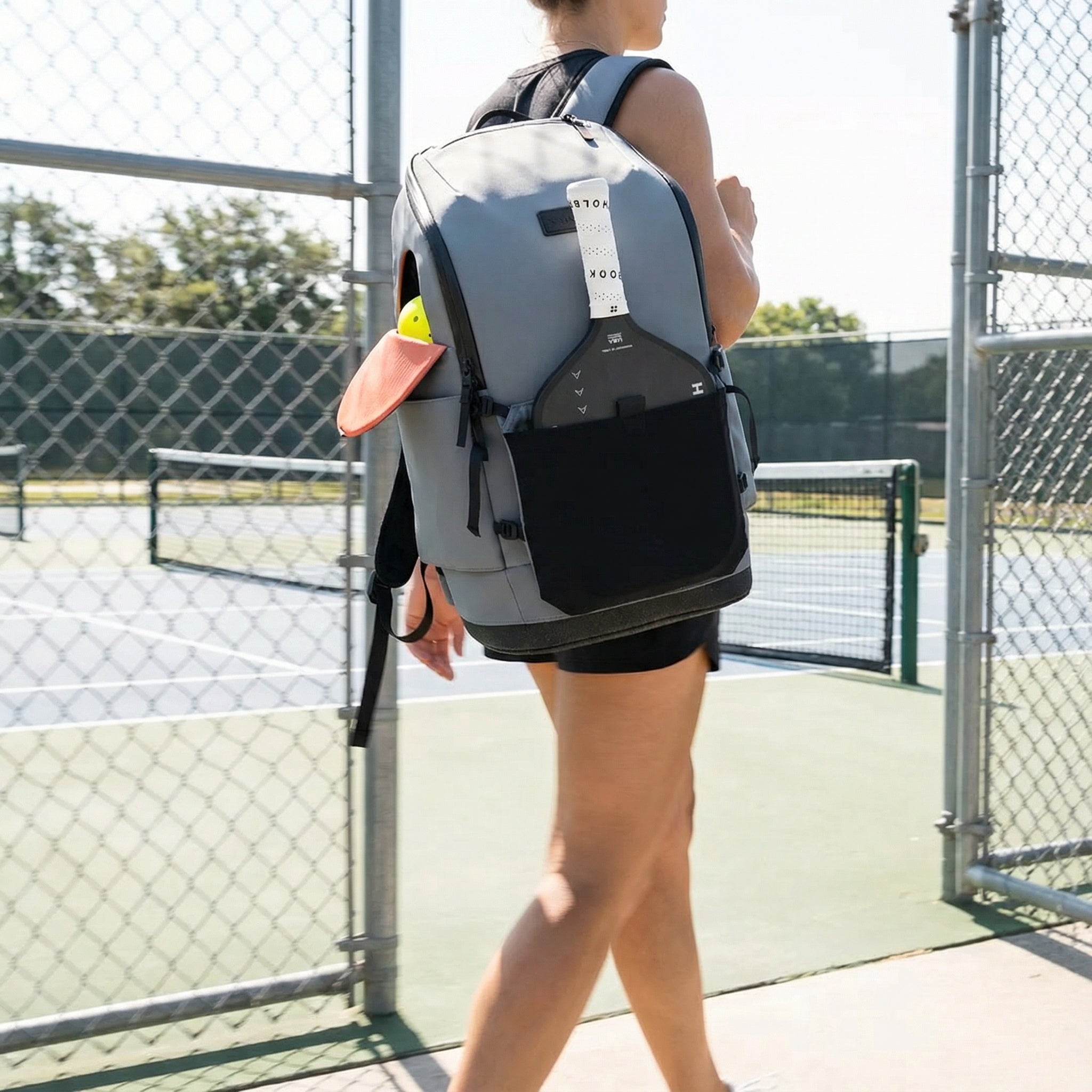
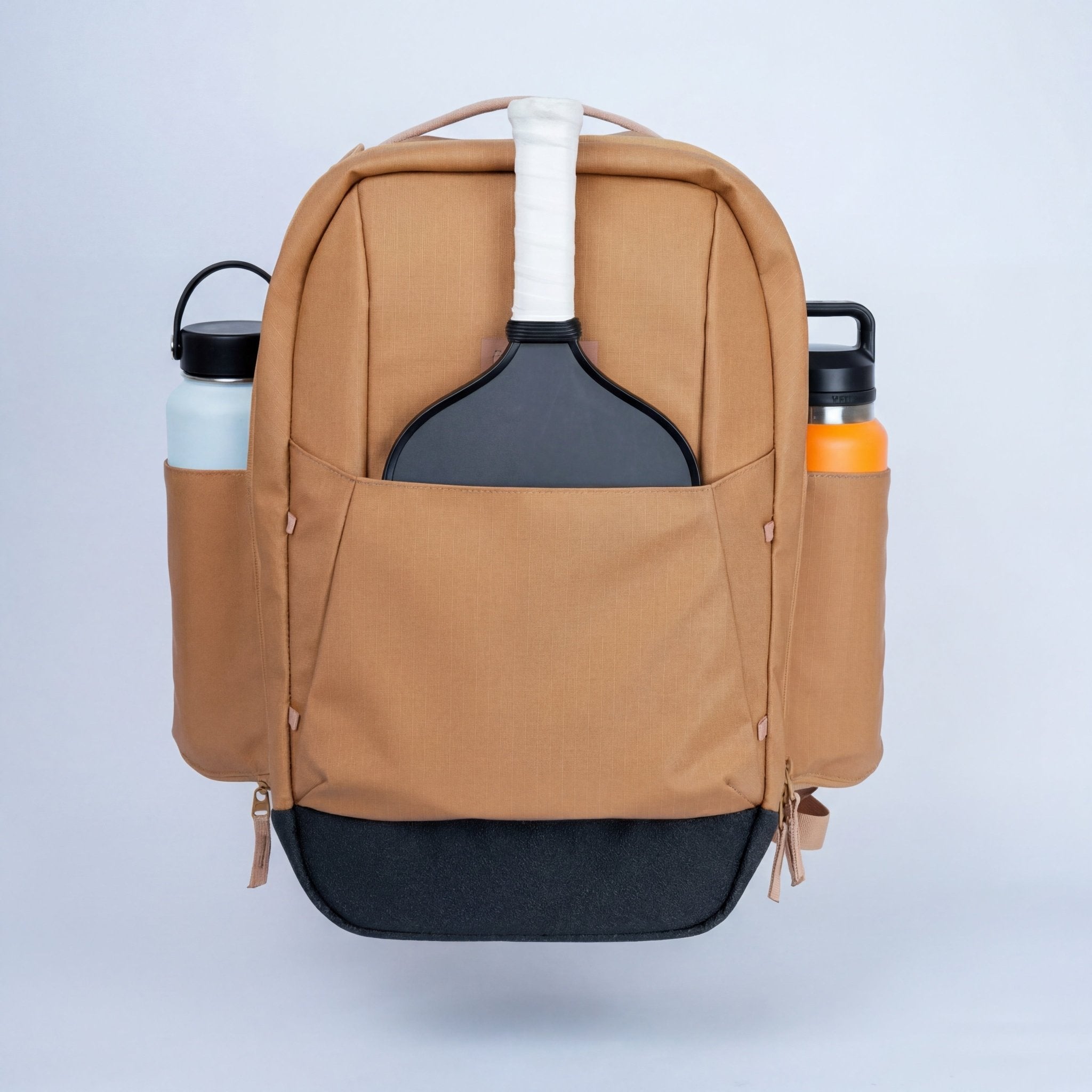
A bag with a proper padded paddle sleeve — not a gym bag, not your car trunk. The FORWRD Court Caddy and Court Ranger V2 both have modular paddle sleeves that prevent the edge dings and surface scratches that cut a paddle's useful life short. Worth it on a $60 paddle. Non-negotiable on a $250 one.
Complete Your Setup: Protect Whatever Paddle You Buy
Budget or premium, every paddle needs proper storage. A padded paddle sleeve prevents the edge dings, surface scratches, and temperature damage that cut a paddle's life short. The FORWRD Court Caddy ($325) and Court Ranger V2 ($195) both feature modular paddle sleeves designed with 500+ real players — the same players who told us their $200 paddle got chipped in a gym bag.

Ready to upgrade? Shop FORWRD Bags
Court Ranger V2 ($195) — the everyday backpack. Court Caddy ($325) — the tournament bag. Both built with 500+ real players, YKK AquaGuard zippers, lifetime warranty.
Conclusion: Smart Spending on Pickleball Paddles (and Gear)
Here's what makes sense for most players heading into 2025–2026:
-
Sub-$100 paddles are now surprisingly capable for new and casual players—the pickleball effect of technology trickling down means budget options have genuinely improved
-
Heavy-use league and tournament players benefit from premium paddles through better durability, consistency, and comfort over time
-
The performance curve flattens above about $180–$200—you're paying for refinements rather than night-and-day differences
-
Match paddle spend to actual play frequency, not aspirations or what Ben Johns uses
-
Protecting your paddle investment with a well-designed bag makes any paddle—budget or premium—last longer and feel better every session
-
The perfect paddle is the one that fits how you actually play—skill development matters more than equipment at every level
-
All-court paddles provide a balanced blend of power and control, performing well in all aspects of the game.
Premium paddles often provide great value for players seeking long-term performance and durability. Power paddles are known for their high level of power and pop, enhancing offensive capabilities but sometimes sacrificing control. The Friday Original is a standout affordable paddle, offering a great price and advanced features for its cost; while it may be $70 on its own, the two-paddle deal drops it under $50 per paddle. The JOOLA Essentials is an affordable paddle from a brand normally associated with the top pros, making it a strong option for budget-conscious players. Also check out Franklin for solid entry-level and mid-range options widely available across skill levels. Choosing the right paddle for your play style can help you win games and enjoy the sport more.
The sport is more fun when your equipment works with you instead of against you. That doesn't require the most expensive paddle on the market. It requires honest assessment of your weekly court time, your goals for the coming year, and what your current gear situation looks like.
Choose the paddle and bag combination that supports how you actually play—not just what's trending. Your game (and your wallet) will thank you.

Leave a comment
This site is protected by hCaptcha and the hCaptcha Privacy Policy and Terms of Service apply.