

Last updated: May 2026
Why Eco-Friendly Pickleball Gear Matters in 2025
Pickleball has exploded. With over 48 million players hitting courts across the United States in recent years, the sport has transformed from a backyard pastime into a full-blown phenomenon. But that explosive growth comes with a hidden cost: millions of paddles, balls, bags, and apparel items flowing through the market each year. Most of this gear ends up in landfills after surprisingly short lifespans. The environmental footprint of our favorite sport is growing faster than we’d like to admit.
Here’s the good news: eco friendly pickleball gear has matured rapidly. High-performance eco-friendly gear is now available across all types of pickleball equipment, including paddles, balls, and apparel. We’re no longer talking about sacrificing performance for sustainability. Modern eco friendly options can match or beat traditional materials in durability, feel, and competitive edge. Whether you’re looking at paddles built from hemp and flax fibers or bags engineered to last a decade, environmentally conscious choices no longer mean settling for second-best. High-quality eco friendly gear is now designed for an extended lifespan, which reduces waste and replacement frequency.
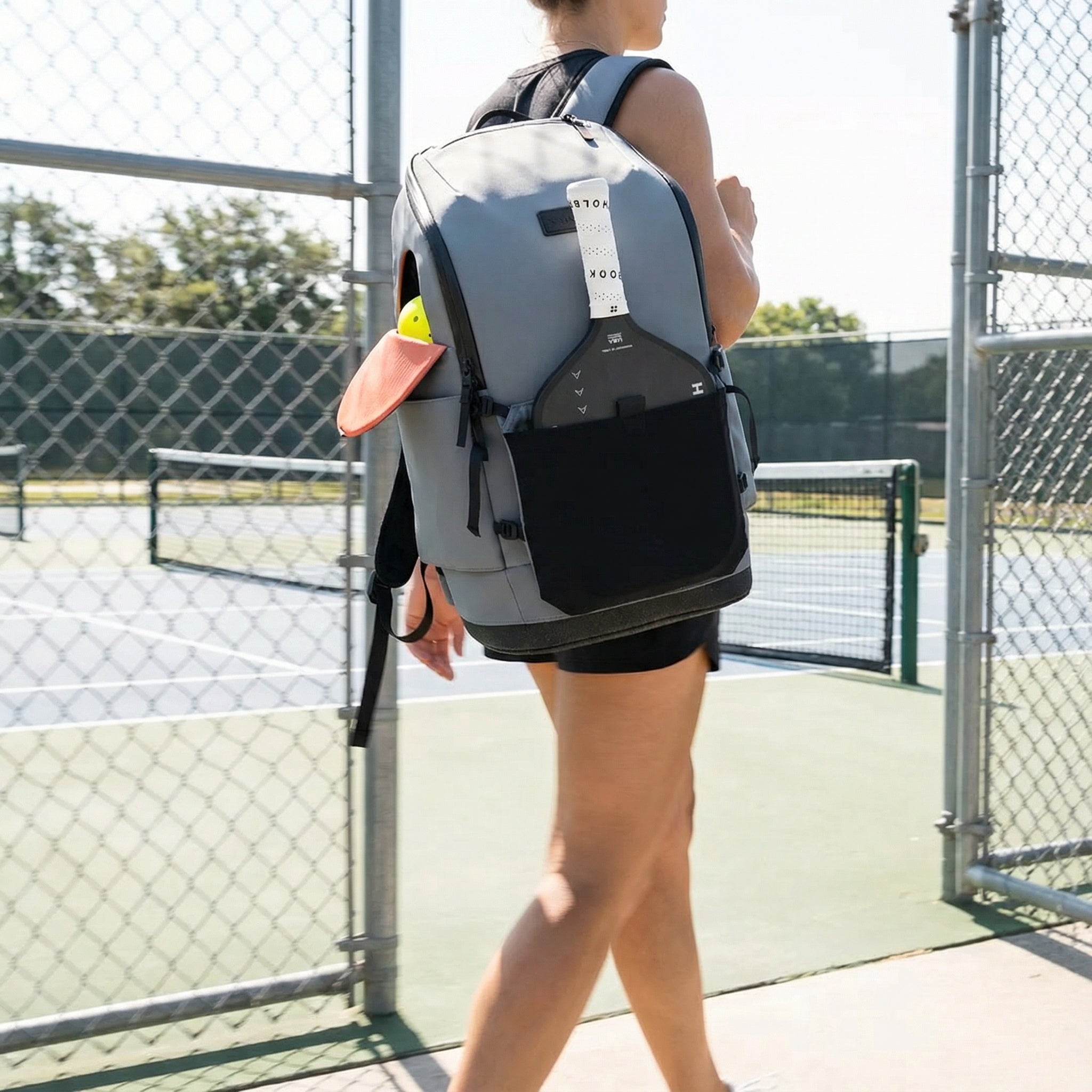
At FORWRD, we’ve built our entire approach around this principle. Our premium pickleball backpacks and court bags are designed by players, for players—with durability, thoughtful design, and lifetime-use construction at the core. Some sustainable bags and fabrics are now made from recycled plastic bottles, reducing waste and supporting environmental conservation. We believe the most sustainable gear is the gear you never have to replace. This article will walk you through how to start buying greener gear immediately, then dive deep into paddles, balls, apparel, and bags so you can make smarter, longer-lasting choices across your entire kit. Eco-friendly pickleball balls are now made from 100% recyclable materials or plant-based polymers, a major innovation you’ll learn more about as you read on.
When it comes to apparel, sustainable brands like ALWRLD now offer clothing made from recycled plastic bottles (rPET), further expanding eco friendly options for pickleball players.
Quick Start: How to Choose Eco-Friendly Pickleball Gear Today
If you read nothing else, read this: the single most impactful thing you can do is stop buying cheap, disposable gear. Every flimsy bag that falls apart after a season, every cracked paddle replaced after three months, every box of balls that warp too quickly—all of it adds up to unnecessary waste and a bigger carbon footprint than one well-made, long-lasting piece of equipment.
Here’s your action plan:
-
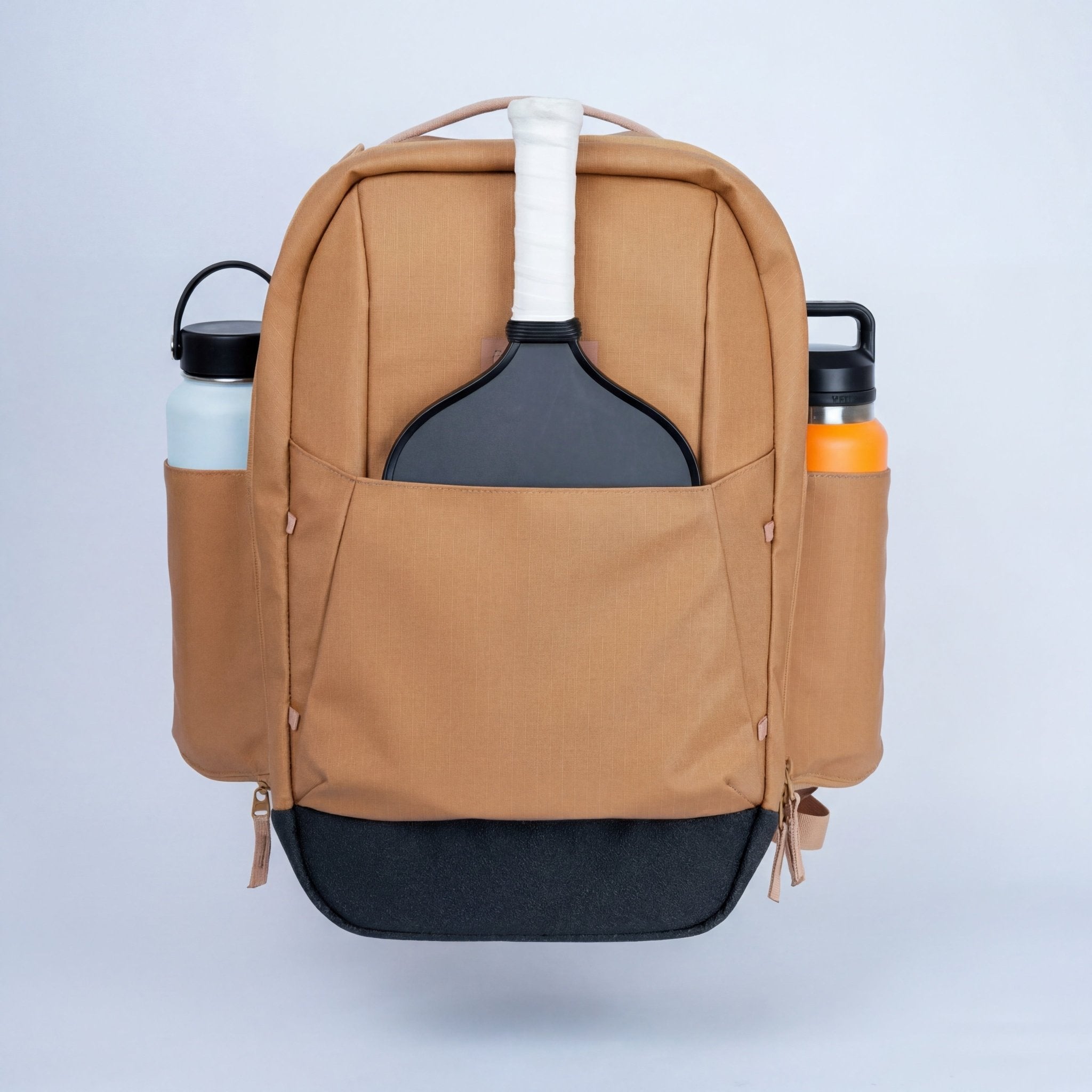
Choose durable gear with strong warranties. A lifetime warranty isn’t just a sales pitch—it’s a commitment to building products that resist wear and stay in service. Look for brands that stand behind their construction, as high-quality construction helps gear maintain performance over time. For example, check out FORWRD Court Caddy or the Court Ranger V2 for lifetime-backed options.
-
Look for recycled or plant-based materials. Recycled polyester, natural fibers like flax and hemp, and recycled materials in paddle construction all reduce environmental impact without sacrificing performance. Brands like Revolin Sports offer paddles featuring BioFLX™, a flax and hemp composite.
-
Avoid cheap “disposable” kits. Those $30 starter sets seem like a deal until you’re replacing them every few months. The initial purchase might be lower, but replacement frequency drives both cost and waste higher.
-
Repair before replacing. Minor damage to bags, apparel, or accessories can often be fixed. Extending lifespan by even six months compounds across millions of players.
-
Clean paddles regularly with appropriate cleaners. Players can extend the lifespan of their gear by cleaning paddles regularly with appropriate cleaners. Products like Pickleball Paddle Cleaner help maintain surface quality.
-
Recycle or donate old gear. Check for recycling programs in your area, and pass usable paddles to new players learning the game. The RePickle Project is one initiative focused on recycling pickleballs.
Prioritize three categories first: paddles, balls, and bags. These are where waste and environmental impact run highest.
Check the label on any gear claiming sustainability—look for specific recycled content percentages, not vague marketing language. Ask about end-of-life: does the brand offer take-back programs or guidance on recycling? And above all, buy once, buy well. When it comes to bags, choosing a single high-quality, lifetime-backed pickleball bag from FORWRD eliminates the cycle of replacing worn-out budget options every year or two.
The Environmental Footprint of Pickleball Gear
Most players don’t think about what goes into their paddle when they’re drilling at the kitchen line. But traditional materials come with significant environmental costs. Traditional pickleball gear is often made from synthetic materials like carbon fiber and fiberglass, which have a high carbon footprint during production. During pickleball play, these gear choices contribute to a larger environmental impact due to the energy-intensive manufacturing processes and the frequency of replacements. Carbon fiber—the gold standard for high performance gear—requires enormous energy to produce, generating substantial carbon dioxide emissions per paddle. The manufacturing process involves high-temperature furnaces, specialized chemicals, and petroleum-derived precursors. And when that paddle eventually cracks or delaminates? Straight to the landfill, where it will sit for centuries.
Synthetic materials dominate the pickleball market. Plastic pickleballs persist in the environment indefinitely, shedding microplastics on outdoor courts and into surrounding soil. Virgin carbon fiber paddles consume fossil fuel resources. Apparel made from virgin polyester relies on petroleum extraction. Even bags and accessories typically use synthetic fabrics that never fully break down.
The frequent replacement of low-cost gear often has a bigger environmental impact than one well-made item used for years. A cheap bag replaced three times creates three times the manufacturing emissions, three times the transportation emissions from global shipping, and three times the landfill waste. The same math applies to paddles, balls, and apparel. Oversized packaging, plastic wraps, and long supply chains compound the problem.
The rest of this article will show you how new materials and better design can cut this footprint dramatically—without asking you to give up peak performance on the pickleball court.
The Benefits of Eco-Friendly Gear
Switching to eco-friendly gear isn’t just about feeling good—it’s about playing better and making a real difference. When you choose sustainable apparel and equipment, you’re actively reducing your ecological footprint and supporting a more environmentally responsible approach to pickleball. Eco friendly gear is designed with both performance and the planet in mind, using recycled materials like recycled polyester to cut down on plastic waste and lessen the demand for virgin carbon fiber.
Sustainable practices in the manufacturing process also mean fewer transportation emissions and lower carbon dioxide output, helping to shrink the overall environmental impact of your gear. Natural materials such as hemp and flax fibers are not only better for the environment, but they also deliver superior performance on the court. Flax fibers, for example, provide great control and excellent vibration dampening, making them a top choice for players seeking both comfort and competitive edge.
By investing in eco friendly gear, you’re choosing products that are built to last, reducing the need for frequent replacements and minimizing unnecessary waste. Whether it’s a paddle made from natural materials or apparel crafted from recycled polyester, every sustainable choice you make helps protect the environment while enhancing your pickleball performance. Eco-friendly gear is a sustainable choice that benefits both you and the planet—so you can play your best game with a clear conscience.
Reducing Waste in Pickleball: Smarter Habits On and Off the Court
Reducing waste in pickleball goes far beyond simply choosing eco friendly gear—it’s about building smarter habits both on and off the court. As a player, you can make a real difference by opting for paddles crafted from recycled materials or sustainable natural fibers like hemp and flax, and by selecting apparel made from recycled polyester. But the impact doesn’t stop with your initial purchase. Reusing gear, repairing minor damage, and properly recycling old equipment all help minimize unnecessary waste and shrink your environmental footprint.
Manufacturers are stepping up as well, adopting sustainable practices such as using recycled materials in their products, streamlining production to reduce energy consumption, and designing gear that lasts longer. These efforts not only reduce waste but also set a new standard for environmental responsibility in the industry.
Tournament organizers play an important role, too. By providing recycling bins at events, encouraging carpooling or the use of public transportation, and choosing environmentally responsible materials for signage and infrastructure, they help foster a culture of sustainability within the pickleball community.
Ultimately, reducing waste in pickleball is a team effort. When players, manufacturers, and organizers all commit to eco friendly choices and sustainable practices, the result is a cleaner, greener game for everyone. Every recycled paddle, every reused bag, and every thoughtful disposal decision adds up—helping to ensure that pickleball remains a sport we can all enjoy, without leaving a heavy environmental footprint behind.
Eco-Friendly Pickleball Paddles: Natural Fibers, Recycled Composites & Smarter Design
Paddles are the most tech-heavy and material-intensive piece of gear in your bag. They’re also where sustainable practices have made the most dramatic progress. Unlike any other paddle, sustainable models made with innovative materials like natural plant fibers offer unique benefits such as superior performance, enhanced control, and a lower environmental impact. These paddles are engineered for perfect balance, optimizing both reach and maneuverability for players. If you want to reduce your ecological footprint while maintaining—or improving—your game, the paddle is the place to start. Sustainable alternatives to traditional pickleball gear, such as paddles made from hemp and flax, can reduce CO2 emissions by up to 85%.
Natural Plant Fibers: Hemp, Flax, and Bamboo
The biggest innovation in sustainable pickleball paddle design is the shift to natural materials. Companies like Revolin Sports have developed patented technologies using hemp and flax fibers combined with a specially engineered resin system to create paddles that outperform many traditional options. Materials like hemp and flax used in eco-friendly paddles provide superior vibration control and a unique feel. Revolin's Equinox paddles use BioFLX™, a composite made from hemp and flax fibers. Note: Revolin paddles are sold direct through their website and are not currently available through major pickleball retailers like Pickleball Central.
Flax fiber paddles offer several advantages:
-
Lower carbon footprint: Natural fibers absorb carbon dioxide as they grow, offsetting production emissions. Revolin’s BioFLX technology achieves an 85% reduced CO2 footprint compared to leading carbon fiber paddles.
-
Superior feel and control: Flax naturally provides a grittier surface texture, delivering great control and enhanced spin without additional coatings.
-
Vibration dampening: The plant-based construction naturally reduces impact shock—a major benefit for players dealing with tennis elbow or joint fatigue from intense matches.
-
Biodegradability: Unlike synthetic materials, flax fiber paddles can decompose naturally after their functional lifespan ends.
In addition to plant fibers, advanced paddle technology is now incorporating volcanic rock and lava rock as innovative materials. Volcanic rock is melted into fibers and used in paddle surfaces, providing superior elasticity, durability, and environmental benefits compared to traditional synthetic materials like carbon fiber. Lava rock, as a volcanic fiber, enhances paddle performance and elasticity while supporting eco-friendly manufacturing.
Paddles feature hemp and flax in multiple layered configurations, achieving structural integrity and powerful play comparable to carbon fiber performance. Manufacturing in West Michigan means reduced transportation emissions compared to overseas production, with tighter quality control and support for domestic sustainable practices.
Recycled Carbon Fiber
For players who want carbon fiber performance but with reduced environmental impact, recycled carbon fiber composites offer a middle path. These paddles feature lightweight construction, maintaining high performance and durability while supporting sustainability. Companies like Fairmat have developed processes to reclaim composite waste from aerospace and automotive industries, retaining aerospace-grade quality at equivalent price and performance to virgin carbon fiber. Like Revolin, Fairmat paddles are specialty products sold through their own channels rather than mainstream pickleball retailers.
The critical limitation: carbon fiber is not biodegradable. Recycled carbon fiber addresses production-phase emissions and keeps material out of landfills during manufacturing, but it doesn’t solve the end-of-life problem. It’s an incremental improvement rather than a complete solution.
Bamboo and Sustainable Wood
Bamboo represents the most rapidly renewable paddle material available. It grows without pesticides, requires minimal water, and regenerates quickly after harvest. While bamboo paddles may not deliver the same power as advanced composites, they’re ideal for recreational or entry-level players who prioritize renewability over maximum performance. Some quality paddles now incorporate sustainably sourced wood cores paired with eco-conscious face materials.
Durability as Sustainability
A well-built eco friendly pickleball paddle that maintains performance for two to three seasons is far greener than a fragile “greenwashed” option requiring frequent replacements. When evaluating any sustainable pickleball paddle, ask:
-
What’s the expected lifespan under regular play?
-
Is the manufacturing process certified or transparent about recycled content percentages?
-
Does the brand offer repair services or take-back programs?
-
Where is it manufactured, and what does that mean for shipping emissions?
The greenest paddle is often the one that stays in your bag longest while still delivering consistent performance.
Greener Pickleball Balls: Durability, Better Plastics, and Take-Back Programs
Balls are pickleball’s biggest consumable waste problem. They crack, warp, lose bounce, and go soft—especially outdoor balls exposed to UV, heat, and hard court surfaces. The average player might go through dozens of balls per season, and almost none get recycled. They’re made from hard plastics designed to persist in landfills for centuries, shedding microplastics along the way.
Durability as the First Eco Upgrade
The simplest way to reduce environmental impact from balls is choosing premium balls that last significantly longer. These premium options offer an extended lifespan, reducing the frequency of replacements and supporting more sustainable play. Komodo’s BIOBALL technology, for example, claims durability of up to 60 games per ball—five times more than some alternatives. Fewer replacements mean less manufacturing, less shipping, and less plastic waste accumulating in landfills. Additionally, eco-friendly pickleball balls made from thermoplastic elastomer (TPE) are recyclable and require less energy to produce compared to conventional plastics.
Alternative Materials
Emerging innovations include:
-
Accelerated-decomposition plastics: The BIOBALL is engineered to break down through natural processes after disposal, without leaving harmful residues—in a fraction of the time conventional pickleballs take.
-
Thermoplastic elastomers (TPE): More recyclable than traditional hard plastics, though availability and pickleball performance vary.
-
Plant-based polymers: Experimental materials showing promise but not yet widely available at competitive performance levels.
Trade-offs exist. Alternative materials may cost more, perform slightly differently, or be harder to source. But supporting brands investing in these solutions accelerates market development.
Practical Tips for Extending Ball Life
-
Rotate balls regularly: Don’t always use the same two balls. Spread wear across your collection.
-
Reserve newer balls for matches: Use older balls for drilling and warm-ups; save fresh premium balls for competitive play.
-
Avoid extreme storage conditions: Heat and cold accelerate cracking and warping. Store balls at room temperature.
-
Support take-back initiatives: Some tournament organizers and local programs collect worn balls for recycling process experiments or repurposing.
What to look for when buying balls:
-
Long-lasting construction
-
Recyclable or biodegradable materials
-
Higher-quality construction with thicker walls and better seams
-
Brand participation in recycling or take-back programs
Sustainable Apparel & Footwear: From Recycled Fibers to Low-Impact Care
Pickleball apparel has followed broader sportswear sustainability trends. By 2025, recycled polyester, organic cotton, hemp, bamboo, and low-impact dyes have
The Future of Eco-Friendly Pickleball: Trends, Innovations, and What’s Next
The future of eco friendly pickleball is bright, with new trends and innovations poised to transform the sport for the better. One of the most exciting developments is the use of advanced natural materials in paddle construction, such as lava rock and volcanic fibers. These materials not only deliver superior performance and durability but also significantly reduce environmental impact compared to traditional synthetic options. As more brands embrace these sustainable materials, players can expect high-performance paddles that are as good for the planet as they are for their game.
Another promising trend is the push to reduce plastic waste through the creation of biodegradable pickleballs. These innovative balls are designed to break down naturally after use, eliminating harmful residues and helping to tackle the growing problem of plastic waste in the sport. Manufacturers are also rolling out recycling programs and take-back initiatives, making it easier for players to give their old paddles and balls a second life instead of sending them to the landfill.
Eco friendly gear is becoming the new standard, with brands like Team Pickleball leading the way by combining environmental responsibility with top-tier performance. As demand for sustainable practices grows, expect to see even more creative solutions—like paddles made from upcycled materials, apparel crafted from organic fibers, and expanded recycling programs that close the loop on pickleball equipment.
The next chapter of eco friendly pickleball will be defined by innovation, collaboration, and a shared commitment to reducing environmental impact. By supporting brands and initiatives that prioritize sustainability, players can help drive the sport toward a more environmentally responsible future—one where peak performance and environmental stewardship go hand in hand.

The Sustainable Bag Choice: FORWRD Court Caddy ($325)
Built with 500+ real players. Modular paddle sleeve, YKK AquaGuard zippers, 15" laptop compartment, lifetime warranty. The bag you buy once.
Eco-Friendly Pickleball Gear: Frequently Asked Questions
What makes a pickleball paddle eco-friendly?
Eco-friendly paddles use natural materials like hemp, flax, or bamboo instead of virgin carbon fiber. Revolin's BioFLX technology achieves an 85% reduced CO2 footprint compared to leading carbon fiber paddles. Recycled carbon fiber composites offer a middle path — reducing production waste without fully solving the end-of-life problem.
Are eco-friendly pickleball paddles as good as regular ones?
For most players: yes. Flax fiber paddles deliver excellent vibration dampening and surface grit for spin — often matching carbon fiber at the recreational level. For 4.0+ players demanding maximum stiffness and pop, some tradeoffs exist. For rec and club players, eco-friendly paddles perform great without the environmental cost.
What is the most eco-friendly pickleball bag?
The most sustainable bag is the one you never have to replace. FORWRD's Court Caddy and Court Ranger V2 are built with 600D+ polyester, YKK AquaGuard zippers, and lifetime warranties. One quality bag eliminates the cycle of replacing cheap alternatives every year or two.
Can I recycle old pickleball balls?
Standard plastic pickleballs aren't widely recyclable through curbside programs. Some tournament organizers collect worn balls for recycling experiments. Better move: choose premium balls that last longer (cutting replacement frequency), or look for brands using biodegradable materials like Komodo's BIOBALL technology.
How can I reduce my pickleball gear's environmental footprint today?
Three moves that matter most: (1) Stop buying cheap, disposable gear — replacing a $30 bag three times creates three times the manufacturing waste. (2) Choose paddles made from natural fibers or recycled composites. (3) Extend ball life by rotating your stock and storing at room temperature. One quality bag, one quality paddle. Buy once, play for years.
Conclusion: Playing for a Greener Tomorrow
The pickleball community stands at a moment to champion environmental responsibility and shape a more sustainable future for the sport. By choosing paddles and gear made from recycled materials, reducing plastic waste, and adopting eco friendly habits both on and off the court, every player can help lower the sport’s environmental footprint. Whether you’re investing in sustainable gear from brands like Team Pickleball, or simply making small changes to reduce your carbon footprint, your choices matter.
Peak performance and environmental stewardship no longer have to be at odds. With innovative products, recycling programs, and a growing commitment to sustainability, eco friendly pickleball is within everyone’s reach. Let’s work together—players, brands, and organizers alike—to ensure that pickleball remains a game we can all enjoy for generations to come. By making informed, environmentally conscious choices, we can play our part in reducing plastic waste and building a greener tomorrow, one paddle at a time.

Leave a comment
This site is protected by hCaptcha and the hCaptcha Privacy Policy and Terms of Service apply.