

Disclosure: This post contains affiliate links to Pickleball Central. If you purchase through our links, FORWRD earns a small commission at no extra cost to you. We only link to products we'd recommend regardless.
Last Updated: June 2026
More than 13 million Americans now play pickleball. It's been the fastest-growing sport in the country for five consecutive years, and the pace isn't slowing. What started as a backyard game in 1965 is now drawing professional athletes, celebrities, and former tennis players — while packing community courts on Tuesday mornings and Friday evenings alike.
Here's why pickleball took off, where it's headed, and what you actually need to start playing.
A Brief History of Pickleball
Pickleball was invented in 1965 by Joel Pritchard, Bill Bell, and Barney McCallum on Bainbridge Island, Washington. The three fathers improvised a game for their bored kids using ping pong paddles, a wiffle ball, and a badminton court. The rules evolved organically over the following summers.
For decades it stayed a niche senior activity, popular at retirement communities for its low-impact nature. Then social media happened. Between 2020 and 2023, participation tripled. Players under 35 became the fastest-growing demographic. Pro leagues formed. Celebrities bought teams. The NBA's LeBron James and Tom Brady both invested in professional franchises.
The sport that started in a backyard is now headed for the Olympics.
Why Pickleball Is Growing So Fast
Low Barrier to Entry
Tennis takes months before a beginner can sustain a rally. Pickleball takes one afternoon. The smaller court, slower ball, and larger paddle sweet spot mean most new players experience actual gameplay within their first session. That immediate payoff drives repeat play and referrals better than any marketing campaign.
Anyone Can Play With Anyone
Pickleball's scoring and court size make it genuinely cross-generational. A 70-year-old retiree and a 28-year-old weekend athlete can have a competitive, enjoyable game together. That's nearly impossible in tennis or basketball. The social mix is a core part of the sport's culture — strangers on adjacent courts invite each other into games, and communities form organically.
Courts Are Everywhere
One tennis court converts to four pickleball courts. That math has driven a nationwide buildout. USA Pickleball estimates there are now over 10,000 dedicated pickleball venues across the country, with more converting from tennis every month. Finding a game within 15 minutes of almost any American city is now routine.
It's Affordable to Start
A solid beginner paddle runs $50–$100. Balls cost a few dollars each. Court access at public parks is free. Compare that to golf ($200+ in greens fees before equipment) or tennis (club memberships, lessons, racket restringing). Pickleball's low buy-in is a direct driver of its mass adoption.
The Social Layer
Few sports have the community culture pickleball does at the recreational level. Open play sessions at community centers draw regulars who genuinely get to know each other. Tournament weekends feel more like festivals than competitions. The game attracts people who want an activity, not just exercise.
Health Benefits
Pickleball isn't just fun — it's legitimately good for you. A standard 60-minute session burns 400–600 calories. The lateral movement, quick reaction time, and sustained moderate cardio make it one of the most complete low-impact workouts available.
Research published in the Journal of Aging and Physical Activity found that older adults who played pickleball 3+ times per week saw significant improvements in cardiovascular health, balance, and reported mood. Critically, the sport's low injury rate compared to tennis — primarily due to the smaller court and lower impact per shot — makes it sustainable long-term.
For players coming off knee injuries or joint issues, pickleball offers a path back to competitive sport that tennis or basketball often can't.
The Competitive Scene in 2026
Pickleball now has a legitimate professional infrastructure:
- PPA Tour (Professional Pickleball Association): The top pro circuit, featuring the sport's biggest names including Ben Johns, Anna Leigh Waters, and Tyson McGuffin. Events broadcast on CBS Sports and ESPN+.
- MLP (Major League Pickleball): Team-based format with celebrity investors. Drew Brees, LeBron James, and Tom Brady have all backed franchises.
- USA Pickleball Nationals: The largest amateur tournament in the country, with thousands of competitors across age and skill brackets.
For recreational players, amateur tournaments run nearly every weekend somewhere in the country. DUPR (Dynamic Universal Pickleball Rating) has standardized skill ratings, making it easy to find competitive matches at your level.
"Most people getting into pickleball underestimate how fast they'll want to upgrade their gear. Start with a solid $70 paddle, but get a proper bag from day one — once you're playing three times a week, a drawstring isn't cutting it."
— Grub, co-founder, FORWRD
What You Need to Start Playing
Getting started in pickleball takes about 15 minutes of setup and a small upfront cost:
- A paddle: Start with a mid-weight (7.5–8.5 oz) polymer core paddle in the $60–$100 range. Don't buy cheap — a low-quality paddle develops dead spots quickly and will frustrate your development. See our guide to the best paddles for beginners.
- Balls: Outdoor Dura Fast 40s or Franklin X-40s are the standard. Buy a tube of 6.
- Court shoes: Any lateral-support court shoe works. Running shoes are acceptable but you'll notice the difference in quick direction changes.
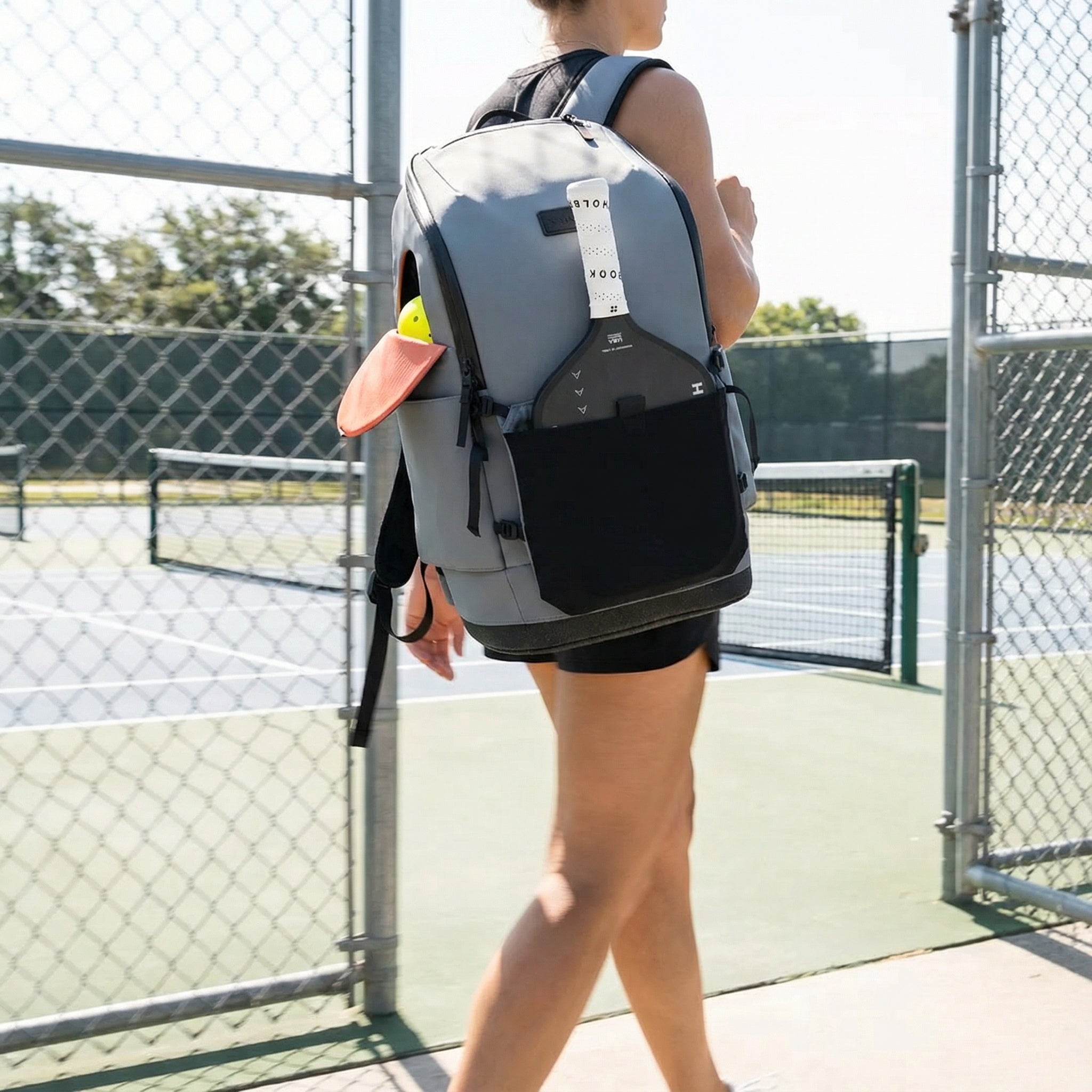
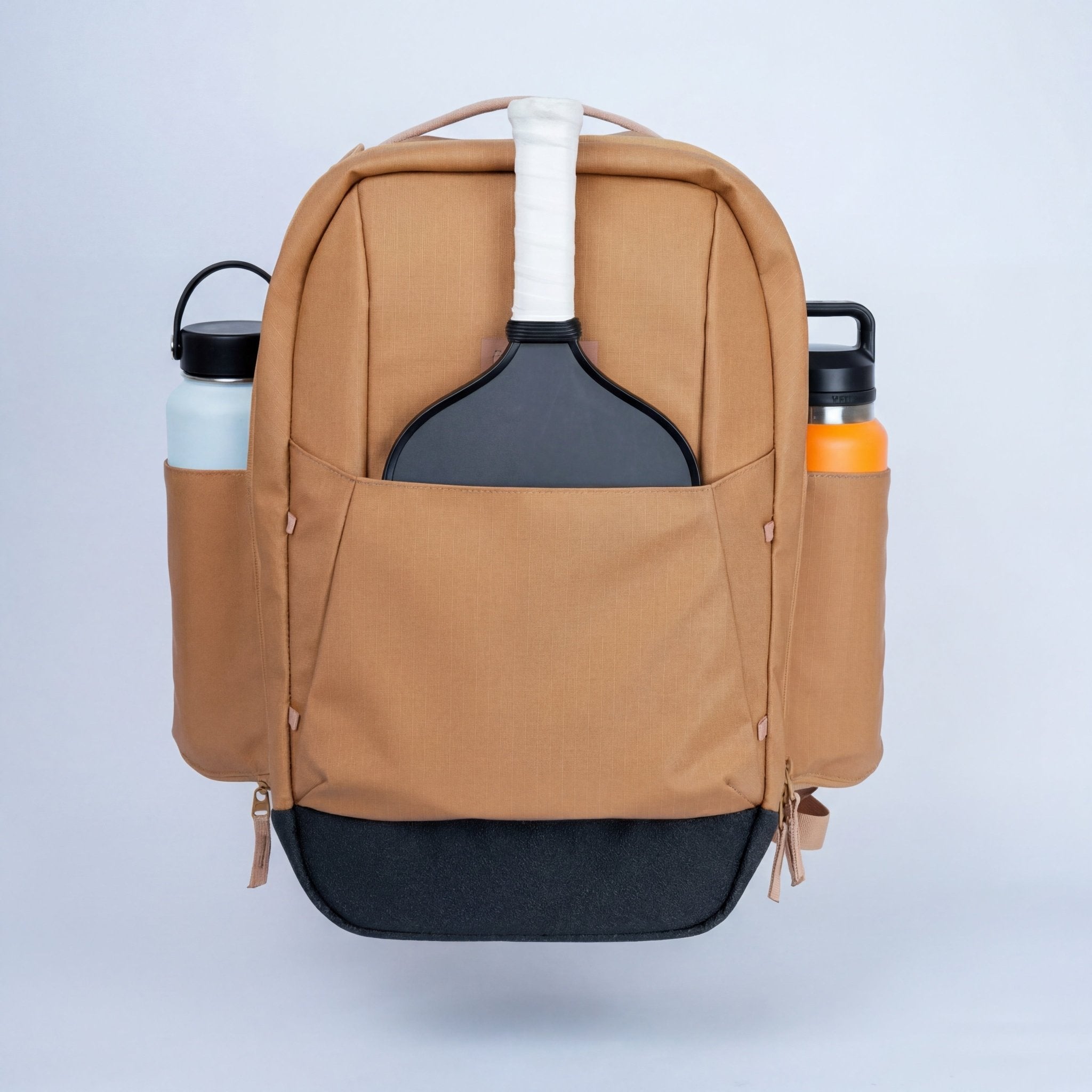
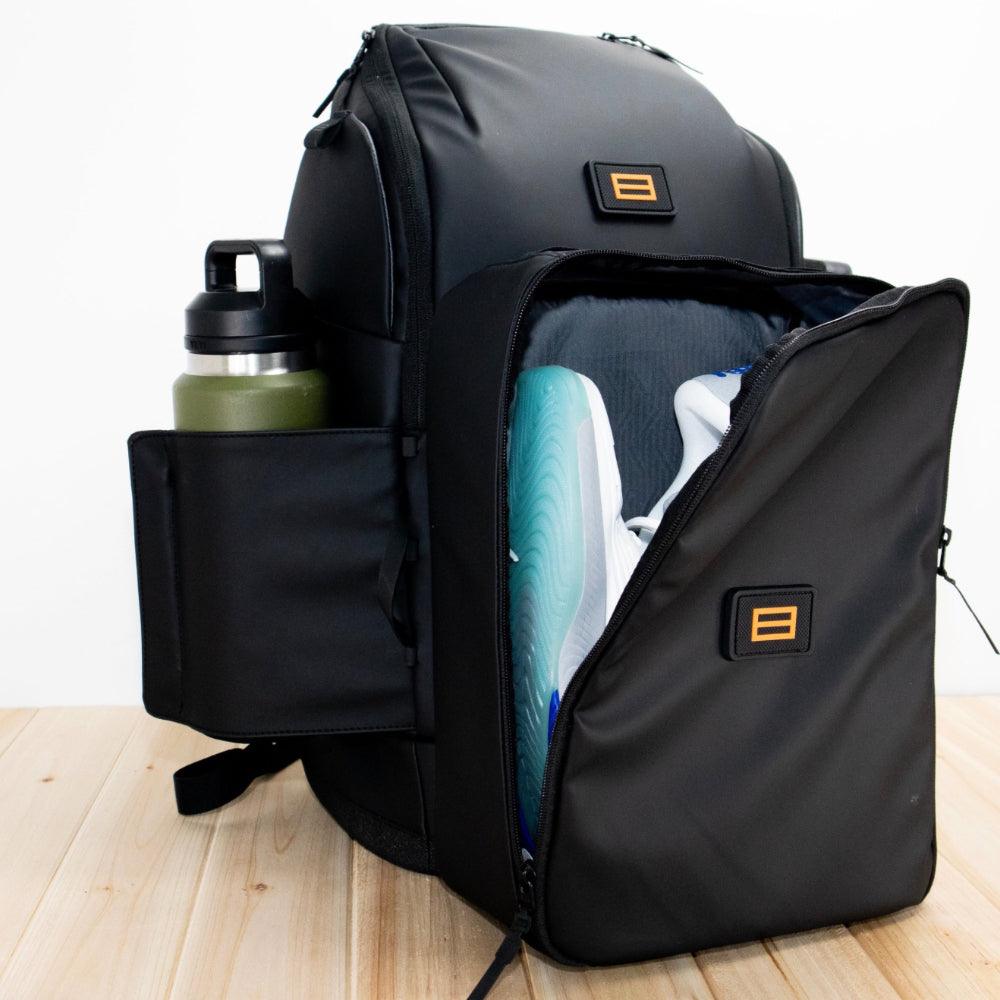
- A bag: A drawstring works for your first few sessions. Once you're hooked, you'll want something built for the sport — with paddle organization, a water bottle pocket you can access mid-game, and enough room for your shoes.

On the bag front: the Court Caddy ($325) is the best pickleball backpack on the market for serious players — modular paddle sleeve, 15" laptop compartment, detachable shoe cube, and YKK AquaGuard zippers. If you want a lighter, more streamlined option, the Court Ranger V2 ($195) is the Court Caddy's leaner sibling. Both were designed with 500+ real players and featured in The Dink and The Kitchen.
See our full guide to the best pickleball bags for a complete breakdown.
Frequently Asked Questions
Why is pickleball growing so fast?
Pickleball's growth comes from a rare combination of low skill barrier, low equipment cost, and high social value. Players of any age can rally within a few sessions. Courts are cheap to build and easy to find. And the community culture — where strangers share tips and invite each other to play — drives word-of-mouth better than any sport marketing campaign.
How many pickleball players are there in the US?
Estimates from USA Pickleball put the active player count above 13 million as of 2025. The sport has been the fastest-growing sport in America for five consecutive years, with the largest growth in adults aged 18–34 — a demographic shift accelerating the move from retirement communities to mainstream athletic culture.
What do I need to start playing pickleball?
To get started, you need a paddle, a ball, and access to a court. A beginner paddle runs $50–$100. Many community centers and parks have free public courts. The only upgrade worth making early is a proper pickleball bag — you'll quickly outgrow a drawstring backpack once you're playing regularly.
Is pickleball good exercise?
Yes — especially for cardiovascular health, agility, and hand-eye coordination. A moderate pickleball session burns 400–600 calories per hour. Studies in the Journal of Aging and Physical Activity found that pickleball significantly improved cardiovascular health and mood in adults over 50, making it one of the most effective low-impact fitness options for older adults.
What's the difference between pickleball and tennis?
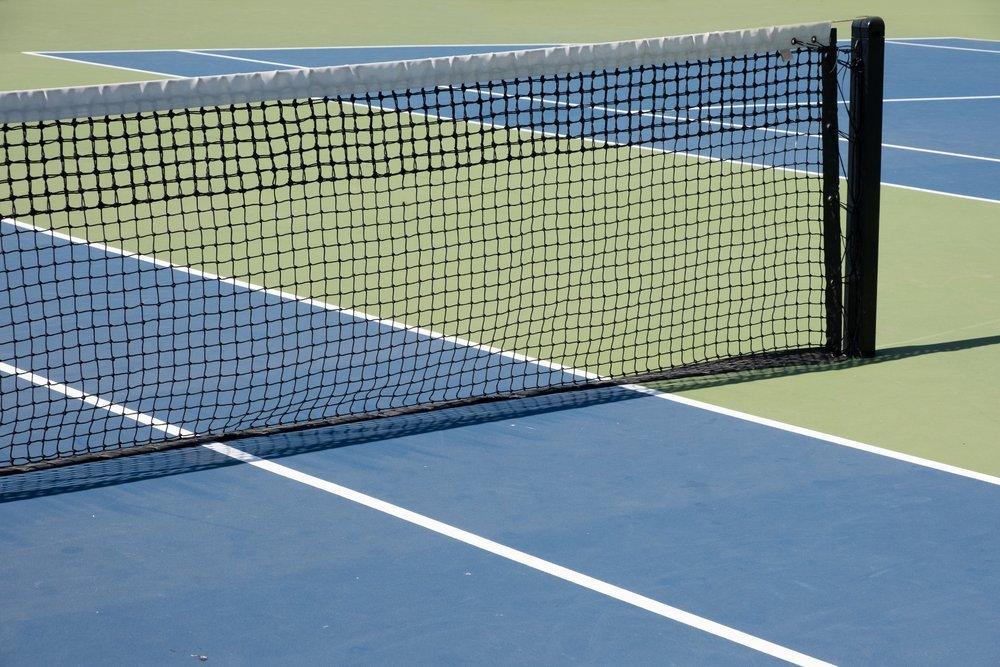
Pickleball is played on a smaller court (44' x 20' vs. 78' x 27' for tennis), uses a wiffle-style ball, and features a 7-foot non-volley zone called the kitchen. The smaller court and lighter paddle make pickleball less physically demanding than tennis — a key reason older players and beginners adopt it faster.

Leave a comment
This site is protected by hCaptcha and the hCaptcha Privacy Policy and Terms of Service apply.