

Disclosure: This post contains affiliate links to Pickleball Central. If you purchase through our links, FORWRD earns a small commission at no extra cost to you. We only link to products we'd recommend regardless.
The best budget pickleball shoes under $100 can run you anywhere from $1.50 to $3.40 per hour of court time — depending entirely on which model you pick and where you're playing. That math matters more than the sticker price. An $85 shoe that lasts 50 court hours beats a $75 shoe that falls apart in 20.
We tested purpose-built court shoes from K-Swiss, Selkirk, Skechers, Wilson, and HEAD across this price tier. Two models punch well above their class. Two are decent for casual players. And one is a value trap that looks appealing on paper.
Last updated: September 2026
What You Actually Get in a $100 Pickleball Shoe (And What You Give Up)
Here's what you're buying in the $80–$100 range: a court-specific outsole, decent lateral support, and enough cushioning to handle 1.5–2 hours without your feet staging a protest. What you're giving up is mostly longevity and premium materials — thinner midsoles, lighter tread, occasionally a narrower width profile that gets uncomfortable after hour two.
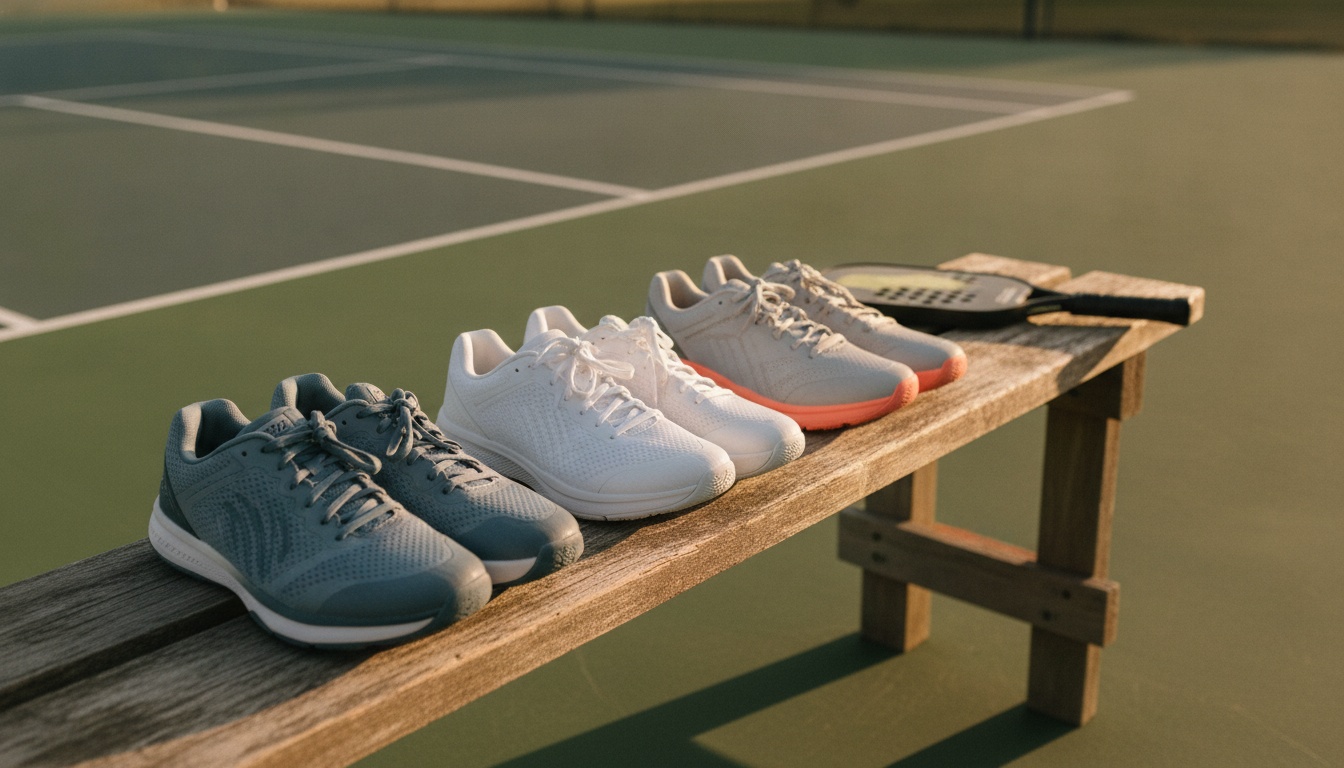
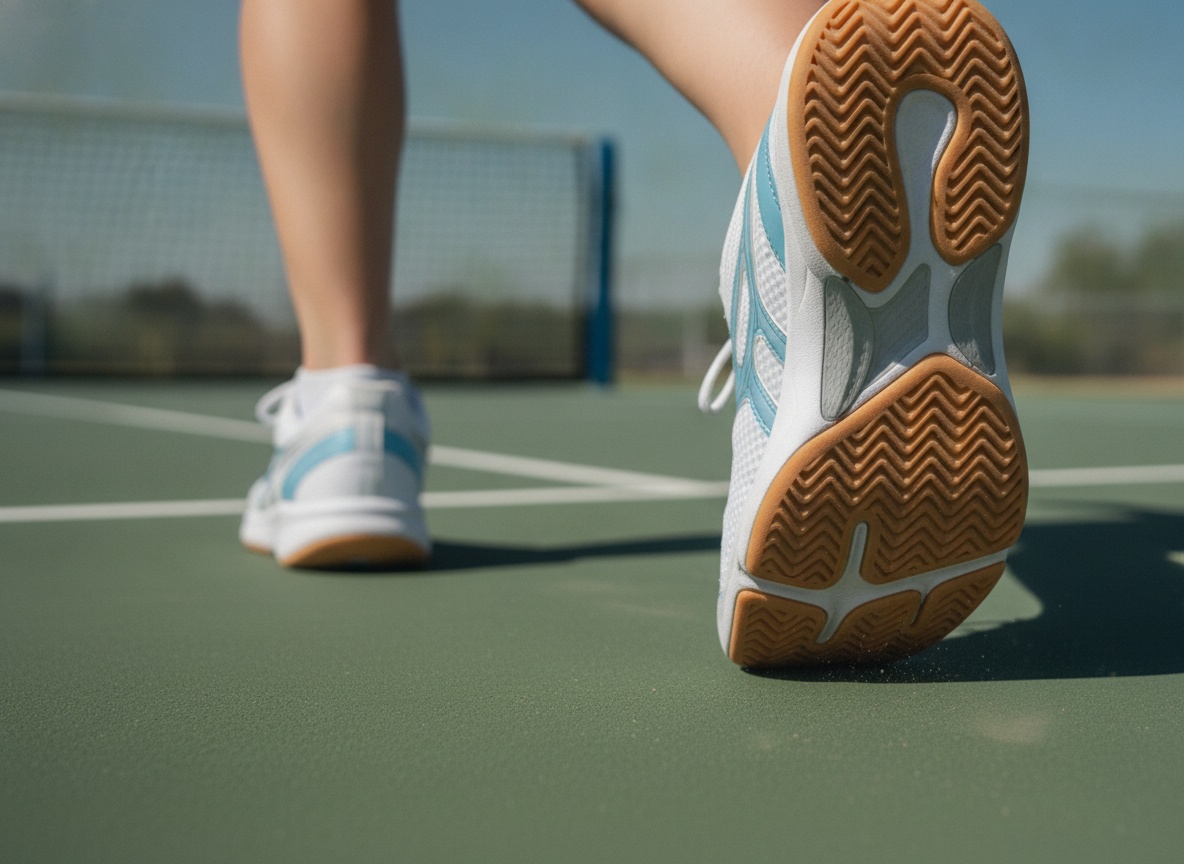
The more important distinction is purpose-built vs. adapted. A shoe designed specifically for pickleball or court sports — with a herringbone outsole and reinforced lateral sidewall — will outperform a repurposed running shoe at any price. Brands like K-Swiss, Selkirk, Skechers, Wilson, and HEAD all make dedicated court shoes in this range. You're not settling for a cross-trainer hoping for the best.
What specifically gets trimmed at this price tier:
- Midsole foam density. Budget cushioning compresses faster under repeated lateral stress. You'll feel it around the 8-week mark if you're playing 3+ times a week on hard courts.
- Outsole rubber compound. Cheaper rubber wears faster on outdoor concrete. The herringbone pattern lasts, but the tread depth shallows quicker than premium models.
- Upper durability. Mesh uppers breathe better but take more surface damage over time. Reinforced overlays help — not all budget models have them in the same spots.
None of these are dealbreakers. They're honest tradeoffs. The question is whether your play frequency makes those tradeoffs acceptable. (If you're shopping for women's-specific options, see our guide to lightweight women's pickleball shoes and women's wide-fit options.)
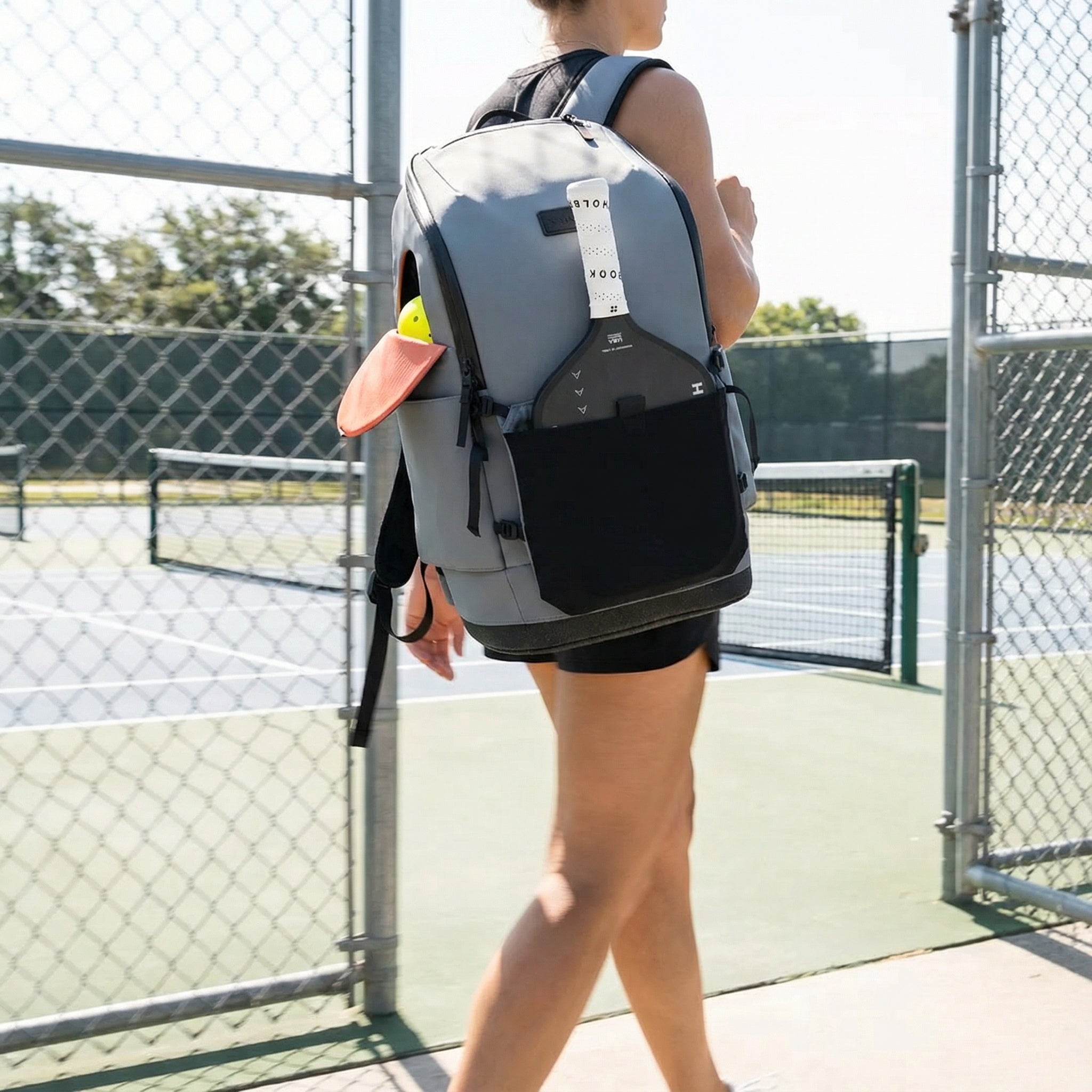
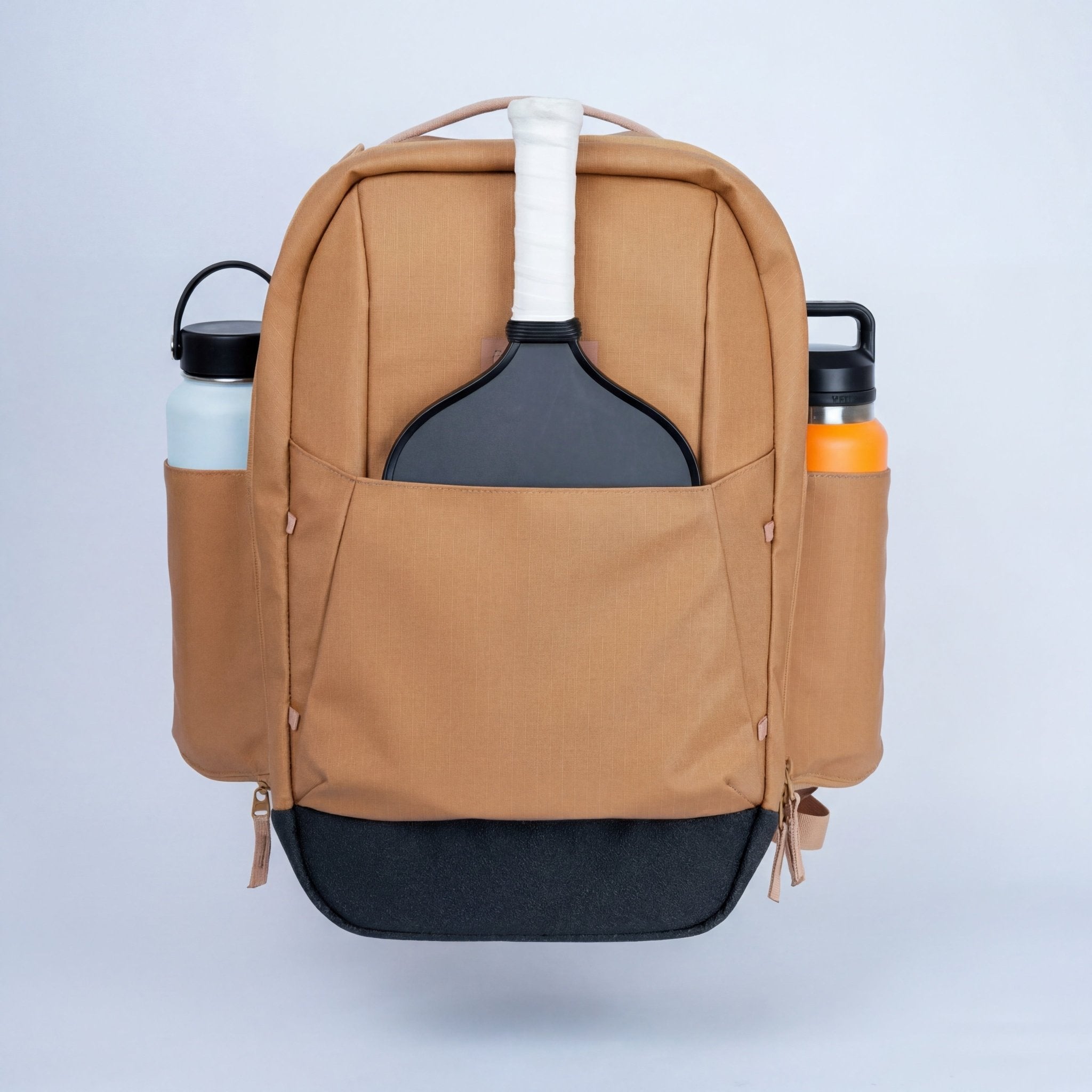
Once your shoes are locked in, the Shop the Court Ranger V2 Pickleball Backpack ($195) ties the rest of your court kit together — the vented shoe compartment keeps sweaty shoes separated from clean gear, and the modular paddle sleeve means you're not digging around for anything between games.
Best Budget Pickleball Shoes Under $100 — Ranked
| Shoe | Price | Best For | Key Tradeoff | Verdict |
|---|---|---|---|---|
| K-Swiss Express Light | $86 | Best all-around pick | Narrow toe box | ⭐⭐⭐⭐⭐ |
| Selkirk CourtStrike 2.0 | $81 | 3–4x/week rec players | Slightly heavier | ⭐⭐⭐⭐½ |
| Skechers Viper Court Pro | $71 | Casual/beginner play | Less lateral structure | ⭐⭐⭐⭐ |
| Wilson Pickle Pro | $73–82 | Mixed-surface players | Stiffer break-in | ⭐⭐⭐⭐ |
| HEAD Motion Pro | $89 | Indoor/outdoor versatility | Heaviest of the group | ⭐⭐⭐⭐ |
1. K-Swiss Express Light — The Budget Tier's Best Performer
If you play 2–4 times per week and want to stay under $100, start and end your search here. The K-Swiss Express Light ($86) is purpose-built for pickleball — not adapted from a tennis shoe — which shows immediately in the outsole grip and the lateral sidewall reinforcement that keeps you from rolling an ankle on hard cuts.
The lightweight construction (approximately 7.5 oz in men's sizing) means you're not carrying deadweight through long points. Cushioning is adequate for sessions up to 2.5 hours, though players with high arches will want an aftermarket insole by week four of regular play.
The honest critique: the toe box runs narrow. That's a genuine problem if you're wider than a standard D width — go up half a size or look at the 2E wide version. Also available in women's sizing at the same price point.
Our Pick: K-Swiss Express Light
The only purpose-built pickleball shoe in this tier that nails both weight and lateral structure — works for recreational through serious club play.
2. Selkirk CourtStrike 2.0 — Solid Brand Trust at $81
Selkirk's footwear line doesn't get as much attention as their paddles, but the CourtStrike 2.0 ($81) is a legitimately good court shoe. Slightly heavier than K-Swiss but with a more forgiving toe box and a sole pattern designed specifically for pickleball's short lateral bursts rather than the sustained slide of tennis.
Players with wider feet will find this more comfortable right out of the box. Break-in period is minimal — one or two sessions and they're settled into the foot. The brand trust from Selkirk's paddle reputation carries real weight: their court equipment goes through the same player-driven design process as their paddles.
3. Skechers Viper Court Pro — Best Under $75 for Casual Play
At $71 for men's, the Skechers Viper Court Pro is the most accessible name-brand pickleball shoe on this list. The cushioning is surprisingly good for the price — Skechers knows comfort — but lateral support is the weakest of the group. It's fine for 1–2 sessions per week. For players making hard direction changes 3–4 times per week, you'll feel the lack of sidewall structure within a few weeks.
Best suited for beginners or players still figuring out whether pickleball is a long-term hobby. Don't invest $160 in shoes before you know you'll play 50 more times.
4. Wilson Pickle Pro — For Players Who Switch Between Court Surfaces
The Wilson Pickle Pro ($73) has a more durable outsole compound than most shoes in this range — which matters if you're switching between indoor gym floors and outdoor concrete. Indoor court shoes get torn up fast on rough outdoor surfaces. The Pickle Pro's rubber compound handles both without sacrificing too much grip on either surface.
The tradeoff: it's stiffer than K-Swiss and takes 4–5 sessions to fully break in. Not ideal if you're shopping for a tournament next weekend.
5. HEAD Motion Pro — Closest to the $100 Ceiling, Best Cushioning
If you want to get as close to $100 as possible without crossing it, the HEAD Motion Pro ($89) gives you noticeably better cushioning than the rest of this list. The midsole holds up longer under extended sessions — particularly noticeable in play over 2 hours where cheaper midsoles start to feel flat and unforgiving.
Heavier than K-Swiss by about half an ounce. That's a minor issue for most players, a real issue for anyone whose court game relies on quick first steps and fast splits.
Durability Reality: How Long Do $80–$100 Shoes Last?
"We watch players burn through $90 shoes every two months on outdoor concrete, then say they can't afford better gear. The math never works in their favor. Track your hours, not your receipts."
— Grub, FORWRD
Here's the framework everyone skips: cost per hour of play.
An $86 K-Swiss Express Light on indoor or outdoor-with-shade courts realistically lasts 45–55 hours of active play. That's $1.56–$1.91 per hour. A $165 premium shoe lasting 90–100 hours runs $1.65–$1.83 per hour — comparable to budget, sometimes slightly worse depending on the shoe.
Here's where the math turns against you: outdoor concrete in summer sun is merciless on rubber. The same $86 shoe on hot concrete courts gets worn down in 25–30 hours of play. That's $2.87–$3.44 per hour — the most expensive way to buy shoes in the sport.
The framework:
- Indoor courts primarily → budget tier is the smart call. These shoes will last you a year at 2x/week play.
- Mixed indoor/outdoor → budget is fine. Consider rotating two pairs if you play daily — alternating extends both pairs significantly.
- Outdoor concrete only, 4+ times per week → you'll save money spending $140–$160 once. Do the math before your next clearance purchase.
When to Spend More: Signs You've Outgrown the Budget Tier
Budget shoes are the right call for maybe 60% of recreational players. Here's how to know you're in the other 40%:
You're replacing shoes every 2 months. If you're buying $85 shoes every 8–9 weeks, you've already spent $200+ in the last five months — two pairs of premium shoes that would've covered you for a year. Do the math once, then decide what "budget" actually means.
You're getting knee or ankle soreness specifically from court play. It's not always the shoe — but thinning midsoles that don't absorb lateral impact push that force elsewhere. If your knees started complaining around the 6-week mark of consistent play, the midsole is worth investigating before you chalk it up to age.
You're playing tournaments seriously. Tournament conditions — outdoor surfaces, full days, multiple matches — stress shoes harder than recreational sessions. Budget cushioning doesn't hold up through 6 competitive matches in a day the same way premium does. Your footwork suffers when your feet are tired.
You have foot conditions that need specific support. Plantar fasciitis, Morton's neuroma, and wide-foot bunion issues all benefit from shoes engineered with those conditions in mind. Budget shoes rarely offer meaningful orthopedic support. Spend more — or at minimum get fitted for custom insoles and save the shell cost.
Complete Your Court Kit
Got your shoes sorted? Your bag's next. The Shop the Court Ranger V2 Pickleball Backpack ($195) has a dedicated vented shoe compartment that keeps court shoes separated from your clean gear — no more sweat-soaked paddles or funky bag smell. Designed with feedback from 500+ real players and built for the people who take their on-court kit seriously.

Ready to complete your court kit? Shop the Court Ranger V2 Pickleball Backpack → — 16" laptop sleeve, vented shoe compartment, designed with 500+ real players.
FAQ: Budget Pickleball Shoes Under $100
What are the best pickleball shoes under $100?
The K-Swiss Express Light ($86) is the top all-around pick under $100 — purpose-built for pickleball with a court-specific outsole, lightweight construction, and adequate lateral support. The Selkirk CourtStrike 2.0 ($81) is the runner-up for players who need a more forgiving toe box.
Are cheap pickleball shoes durable enough for outdoor courts?
Budget shoes ($80–$100) last 40–55 hours on indoor or shaded outdoor courts — a solid value. On hot outdoor concrete played 4+ times per week, the same shoes may only last 25–30 hours. In that situation, spending $140–$160 on a premium model saves money long-term when you calculate cost per hour.
Can I use tennis shoes for pickleball if they're under $100?
You can, but the performance gap is real. Tennis shoes are designed for slide-and-recover movement patterns; pickleball demands tighter directional cuts and more frequent rapid stops. A purpose-built pickleball shoe with a herringbone outsole provides better grip and lateral support for how the sport actually moves. At the same price point, pickleball-specific wins every time.
Do budget pickleball shoes have enough lateral support?
The K-Swiss Express Light and Selkirk CourtStrike 2.0 have reinforced lateral sidewalls that provide meaningful support for recreational and club-level play. The Skechers Viper Court Pro is lighter on lateral structure — fine for 1–2 sessions per week, less ideal for 4+ sessions where hard direction changes accumulate.
How long do $80–$100 pickleball shoes typically last?
Expect 40–55 hours of court time on indoor or mixed surfaces — roughly 5–8 months for a player who plays 2–3 times per week. Players who go 4+ times weekly on outdoor concrete will see 25–35 hours before meaningful outsole wear. Track your sessions if you want to predict replacement timing accurately.

Leave a comment
This site is protected by hCaptcha and the hCaptcha Privacy Policy and Terms of Service apply.