

FTC Disclosure: This post contains affiliate links to Pickleball Central. If you buy through our links we earn a small commission at no extra cost to you. We only recommend products we'd actually buy ourselves — or already have. Full disclosure policy here.
Last Updated: June 2026
Best Pickleball Equipment for Women Over 40: Shoes, Paddles & What Actually Helps (2026)
Here's the honest version: most "best pickleball equipment for women" guides don't actually think about what's different at 40+. They hand you the same shoe list they'd give a 25-year-old rec player, slap a "comfort" label on it, and call it a day. Your feet, joints, and playing style have probably changed — your gear advice should too.
This guide focuses on what matters most for women in their 40s and 50s who take pickleball seriously: joint-supportive shoes (the single biggest gear decision), lighter paddle options that protect arm health over long sessions, and a bag setup that keeps up with an active life outside the court.
Quick Verdict
| Category | Top Pick | Why It Wins for 40+ |
|---|---|---|
| Best Shoe (Support) | ASICS Gel-Resolution X | Best lateral stability + heel lock of any pickleball shoe tested; worth every penny if your knees have opinions |
| Best Shoe (Arch Support) | Skechers Viper Court Pro 2.0 | Podiatrist-certified Arch Fit insole; Goodyear outsole survives outdoor concrete for 12+ months |
| Best Shoe (Balanced) | ASICS Gel-Renma | Cushion + lateral control without the weight penalty; best all-rounder for 3x/week players |
| Best Shoe (Budget) | FILA Volley Zone | Solid entry point; fine for 1-2x/week recreational players who aren't pushing hard on lateral movement |
Pros of gear-matching to your 40s: fewer injuries, more court time, faster recovery between sessions.
Cons of ignoring this advice: plantar fasciitis, tennis elbow, knee soreness after sessions that shouldn't be that hard.
Who this guide is for: Women 40–60 who play 2–5x/week, take their game seriously, and are tired of gear advice that treats them like a generic "recreational player."
Shop Women's Pickleball Shoes at Pickleball Central →
Why Your Gear Needs Are Different After 40
Nobody talks about this honestly: your feet and joints change in your 40s. Specifically, the fat padding in your heel and forefoot — the stuff that absorbs impact — starts thinning. The plantar fascia gets less flexible. Estrogen fluctuations affect joint lubrication. This isn't doom-and-gloom, it's biomechanics — and understanding it makes the difference between gear that helps and gear that just looks good in a listicle.
Three things matter more after 40:
- Heel drop — the height difference between your heel and forefoot. Too low (under 6mm) increases Achilles strain. 8–12mm is the sweet spot for most women over 40, especially if you've ever felt tightness in your calf or heel after play.
- Lateral stability — pickleball's side-to-side movement is what causes most knee and ankle injuries. A shoe with a wide base and torsional rigidity prevents the ankle rollout that becomes more likely as reaction time changes with age.
- Orthotic compatibility — roughly 1 in 4 women over 40 uses some kind of custom insole or orthotic. If that's you, you need a shoe with a removable insole and enough volume to accommodate it.
The guides that don't mention these factors aren't lying — they just aren't writing for you. This one is.
Best Shoes for Women Over 40: The Detailed Breakdown
We evaluated these based on heel drop specs, lateral stability design, orthotic compatibility (removable insole + depth), and durability on outdoor concrete — the hardest surface your shoes will face.
1. ASICS Gel-Resolution X — Best for Joint Protection
If your knees have started having opinions about your footwork, this is the shoe. The Gel-Resolution X sits at roughly 10mm heel drop, which hits the Achilles-friendly zone, and the forefoot GEL cushioning absorbs the repetitive impact of dinking and kitchen play better than anything else in this price range.
What makes it stand out for the 40+ player specifically: the AHAR+ outsole is designed for hard court durability, and the Flexion Fit upper wraps the midfoot with just enough compression to prevent the micro-instabilities that compound into knee soreness over a two-hour session. It runs slightly narrow in the toe box — if you need room for swollen feet after outdoor summer play, size up half a size.
Weight: ~370g (13.1oz) — heavier than the Renma but worth it if support is your priority.
Heel drop: ~10mm
Orthotic compatible: Yes — removable insole
Best for: 4+ days/week players, anyone with knee history, aggressive baseline movement
Check ASICS Gel-Resolution X at Pickleball Central →
2. Skechers Viper Court Pro 2.0 Women's — Best Arch Support
Skechers has been making court shoes for longer than most people give them credit for, and the Viper Court Pro 2.0 is genuinely the best arch-support option in pickleball footwear right now. The Arch Fit insole isn't marketing fluff — it's been clinically tested and is the same technology used in their walking shoes that sell out constantly among podiatrist-recommended brands.
The Goodyear outsole rubber is the real durability story here. On outdoor concrete — the surface that shreds most court shoes in 4–6 months — this one holds its grip pattern significantly longer. If you're playing 3+ days a week outdoors, the long-term math strongly favors this shoe even at its price point.
The fit runs true to size, and the upper is one of the more breathable options in this list. If you tend to run warm or play in summer heat, this one is worth prioritizing for that alone.
Weight: ~320g (11.3oz)
Heel drop: ~8mm
Orthotic compatible: Yes — fully removable Arch Fit insole
Best for: Players with plantar fasciitis or high arches, outdoor summer play
Check Skechers Viper Court Pro 2.0 at Pickleball Central →
3. ASICS Gel-Renma — Best Overall Balance
If the Gel-Resolution X is the tank and the Viper Court Pro is the arch specialist, the Gel-Renma is the everyday driver. Lighter than the Resolution (roughly 295g), it pairs decent GEL cushioning with solid lateral control without committing fully to either. For women playing 2–3x/week who want something their feet feel good in session after session, this is the call.
The Renma runs slightly wide — which sounds like a negative until you're two hours into an outdoor session in July and your feet have swelled up half a size. That toe box breathing room matters more than most shoe reviews admit.
One caveat: the outsole rubber is softer than the Resolution X or the Viper Court Pro. On rough outdoor concrete, expect 8–10 months of outsole life rather than 12+. Fine for indoor or mixed play; if you're primarily outdoors, the Viper Court Pro's Goodyear rubber is worth the upgrade.
Weight: ~295g (10.4oz)
Heel drop: ~10mm
Orthotic compatible: Yes
Best for: Mixed indoor/outdoor play, 2–3x/week players, wider feet
Check ASICS Gel-Renma at Pickleball Central →
4. FILA Volley Zone — Best Budget Pick
Full honesty: the FILA Volley Zone is not a top-tier performance shoe. The outsole isn't built for heavy outdoor use, the arch support is modest, and the lateral stability is a step below the three above. But at its price point, it's a solid starting place for players who are newer to dedicated court shoes and not yet sure if they want to invest in something premium.
If you're playing once a week on indoor courts and just want something better than your running shoes, the Volley Zone makes sense. If you're playing 3+ days a week, especially outdoors, step up to the Skechers or ASICS options above — the difference in joint protection compounds over months of play.
Best for: 1–2x/week recreational players, indoor courts, players testing court shoes before committing to premium
Check FILA Volley Zone at Pickleball Central →
Shoe Comparison: Key Specs at a Glance
| Shoe | Weight | Heel Drop | Orthotic Ready | Outdoor Durability | Best For |
|---|---|---|---|---|---|
| ASICS Gel-Resolution X | 370g | 10mm | ✓ | Excellent (12+ mo) | Max support, 4+ days/week |
| Skechers Viper Court Pro 2.0 | 320g | 8mm | ✓ (removable) | Excellent (12+ mo) | Best arch support, plantar fasciitis |
| ASICS Gel-Renma | 295g | 10mm | ✓ | Good (8–10 mo) | Everyday balance, wide feet |
| FILA Volley Zone | ~280g | ~8mm | Partial | Moderate (6–8 mo) | Budget, 1–2x/week, indoor |
What NOT to Buy: A Few Honest Disqualifiers
Running shoes. Seriously — this deserves its own section because it's the most common mistake. Running shoes are engineered for forward motion. Pickleball demands lateral cuts, hard stops, and direction changes. A running shoe's curved sole and soft midsole actively work against your ankle stability in those movements. After 40, when joint proprioception (your body's sense of position) is slightly reduced, this gap between shoe design and movement demand is where ankle rolls happen.
Tennis shoes from 5+ years ago also warrant scrutiny. Court shoe outsole compounds and midsole foam degrade significantly over time — shoes that feel fine when you put them on may have lost 40% of their impact absorption. If your "court shoes" are over two years old and you've been playing in them regularly, they're due for replacement regardless of how the upper looks.
The Paddle Factor: Arm Health After 40
Shoes are the top priority — but paddles matter too, specifically for arm health. Tennis elbow and golfer's elbow are not inevitable in pickleball, but the wrong paddle makes them significantly more likely. Two things to watch for in your 40s:
Weight is the biggest variable. A 9oz paddle feels fine for the first hour; the fatigue that accumulates through a two-hour session is real and compounds into elbow inflammation. Target 7.5–8.3oz for players who play 3+ times a week. If you're competitive and play 4–5 days, stay under 8oz.
Face stiffness matters more than most players realize. Thermoformed carbon paddles (the hard, aggressive-feeling ones everyone's buying for power) transmit vibration directly to your arm on off-center hits. A softer polypropylene honeycomb core — or a paddle with a dampening foam layer — absorbs that vibration instead of sending it to your elbow. If you've had any elbow tenderness, a softer-faced paddle is worth testing before assuming you need a brace or PT.
For a full breakdown of top women's paddle recommendations, see our guide to Best Women's Pickleball Paddles 2026.
Also worth cross-referencing: Best Pickleball Shoes for Women 2026 (our broader women's shoe guide) and if you're in the 50+ bracket, Best Pickleball Shoes for Women Over 50 covers additional joint-protection priorities.
Complete Your Setup: The Bag Question
The Bag That Works as Hard as You Do
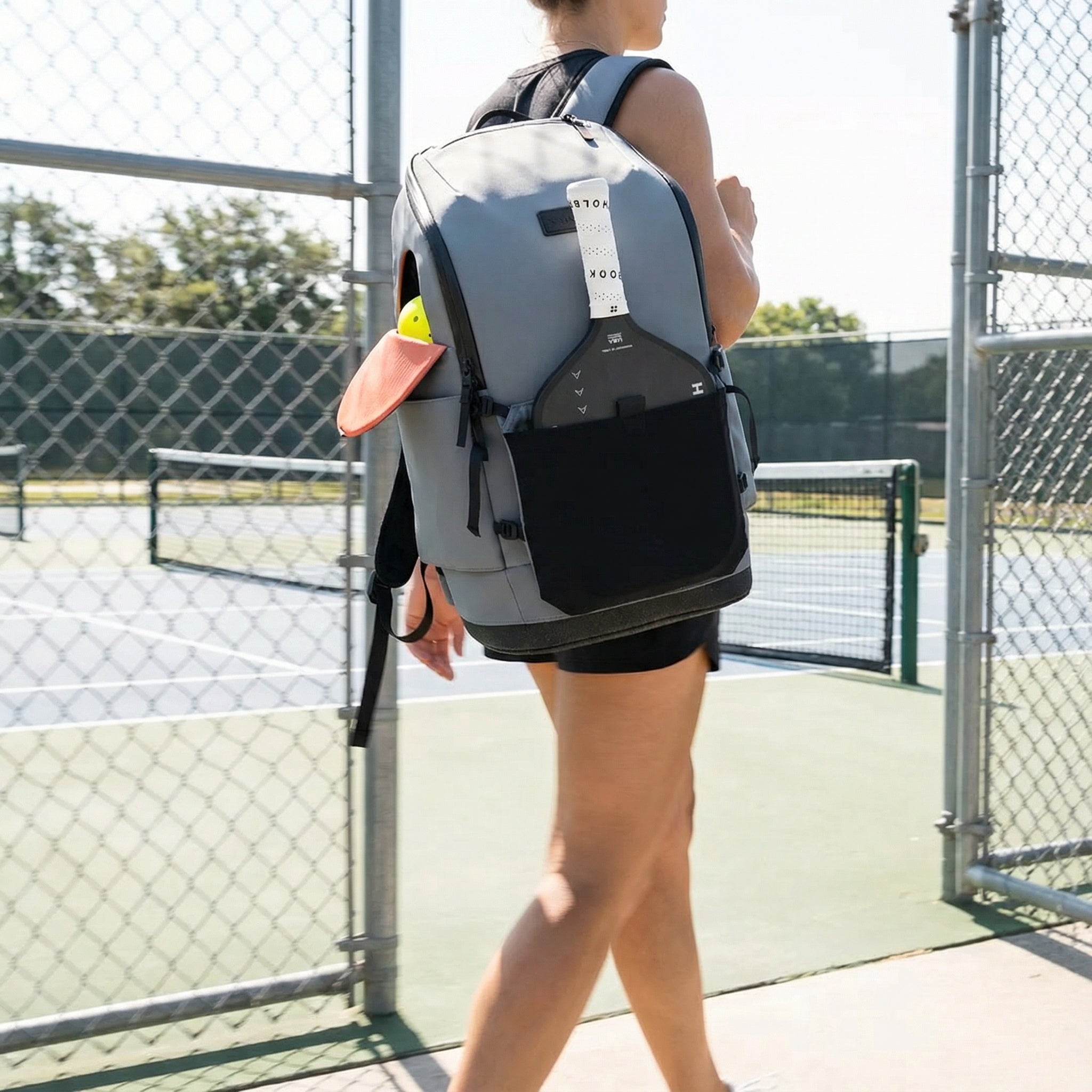
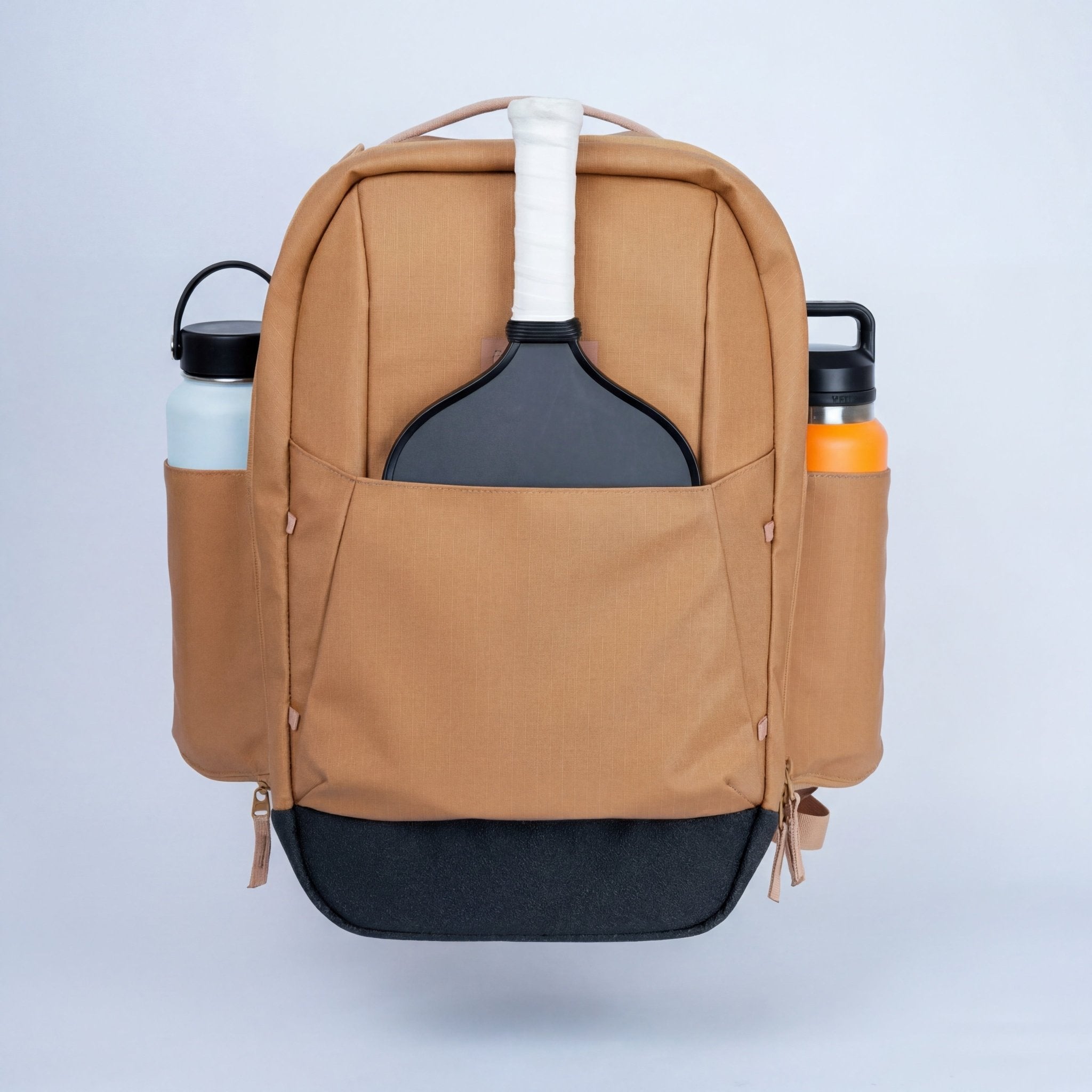
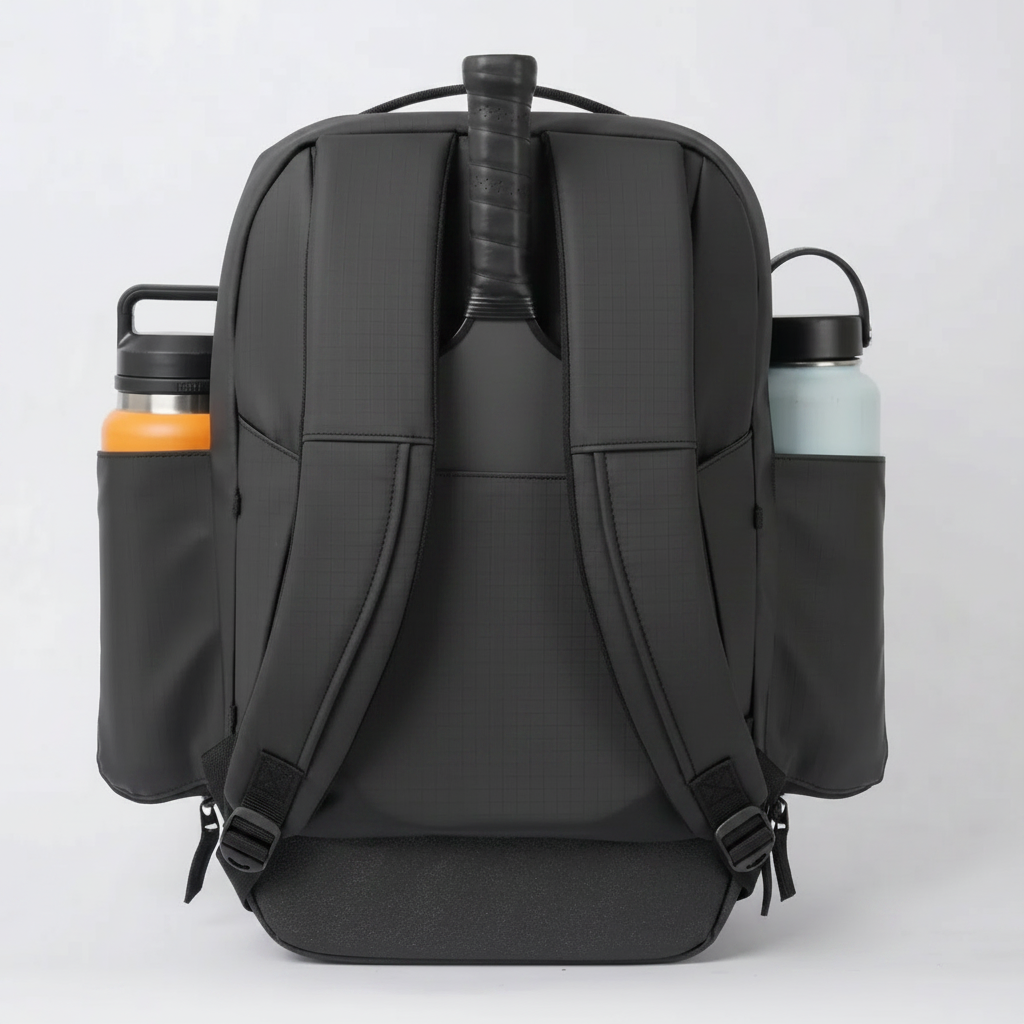
If you're commuting to the court from work — or heading straight to pick up kids after a session — a bag that fits your life matters as much as your gear. The FORWRD Court Ranger V2 ($195) has a dedicated shoe compartment that keeps court shoes separate from everything else, a 16" laptop sleeve for the work commute, and a mesh ball pocket for a full can of outdoor balls. Built for the player who doesn't have time to repack between the office and the court.

Who Should Buy What
Buy the ASICS Gel-Resolution X if: you play 4+ times a week, have any knee or ankle history, or play primarily on outdoor concrete. The support-to-performance ratio is the best in this category. The weight (370g) is worth it.
Buy the Skechers Viper Court Pro 2.0 if: arch support is your top priority or you've dealt with plantar fasciitis. The Arch Fit insole is genuinely different from standard insoles, and the Goodyear outsole durability means you're not replacing these every 8 months like a softer shoe.
Buy the ASICS Gel-Renma if: you want the best balance of cushion and weight without going premium. If you have slightly wider feet or tend to overheat, this is your call.
Buy the FILA Volley Zone if: you're playing casually (1–2x/week, indoor), just starting court shoes, or need a second pair without spending full price. Don't count on these for aggressive outdoor play past 8 months.
Skip all of these and go custom if: you have a diagnosed foot condition, severe pronation, or have been told by a podiatrist that standard footwear won't work. A custom orthotic inside one of the ASICS or Skechers options above is still a solid choice — just confirm removable insoles first.
FAQ: Pickleball Equipment for Women Over 40
Do women over 40 actually need different pickleball equipment, or is "women's" gear just regular gear with different colors?
The gender-specific issue is mostly about shoes — women's shoes are built on women-specific lasts with a narrower heel and proportionally wider forefoot, which matters significantly during hard lateral cuts. Beyond shoes, "women's" paddles are usually just lighter paddles with shorter grips, which genuinely does help most women with smaller hands. You don't need anything labeled "for women" — but you do need the right specs, which often happen to appear in women's-specific products.
Is plantar fasciitis common in pickleball, and what shoe feature helps most?
It's one of the most common complaints FORWRD hears from players 40+. The stop-and-go movement and hard court surfaces compound it fast. The most important shoe features: a removable insole (so you can add a custom orthotic), 8–12mm heel drop (reduces strain on the plantar fascia), and firm arch support — not just padding, but structured support under the arch. The Skechers Viper Court Pro 2.0 wins here specifically because of the Arch Fit insole.
How do I know when my pickleball shoes need replacing?
Check the outsole pattern first — if the herringbone or tread is visibly worn smooth, the grip is compromised and lateral cuts become dangerous. Midsole degradation is harder to see but equally real: press your thumb into the heel. If it compresses significantly and doesn't spring back, the cushioning is gone. Most pickleball shoes need replacement every 8–14 months depending on court surface and frequency. Outdoor concrete shreds outsoles 40–50% faster than indoor wood.
Can I play pickleball in regular running shoes?
Technically yes. Practically, you're inviting ankle rolls and knee soreness. Running shoes are designed for straight-line forward motion with a curved sole that promotes heel-to-toe movement. Pickleball's lateral cuts and quick direction changes work against that design. After 40, when reaction time and proprioception have subtly changed, the mismatch between shoe and movement pattern is where injuries happen. Court shoes aren't optional at this stage — they're protection.
What paddle weight is right for women over 40 who want to protect their elbow?
Stay under 8.3oz if you play 3+ times a week. Under 8oz is better if you've had any elbow soreness. Lighter doesn't mean weaker — modern paddle construction lets manufacturers hit 7.5–8oz while maintaining plenty of pop. Pair a lighter paddle with a soft grip (4¼" or 4½" circumference fits most women's hands without requiring a death grip) and the elbow-strain risk drops significantly.
Does the Court Ranger V2 have a dedicated shoe pocket?
Yes — the FORWRD Court Ranger V2 has a ventilated bottom compartment designed specifically for separating court shoes from the rest of your gear. That's the feature that makes the difference when you're going court → car → office → pick up kids. Nobody wants to explain why their laptop bag smells like a tennis shoe. Full specs at the Court Ranger V2 product page.
Final Verdict
The women over 40 pickleball market is underserved by gear content. Every major guide writes for a generic player and hopes the 45-year-old playing 4 days a week figures out which shoe specs matter for her knees. This guide exists because she shouldn't have to figure it out from a list built for someone else.
Start with shoes — they're the single highest-impact gear decision for joint protection and injury prevention. Get the Skechers Viper Court Pro 2.0 if arch support is the priority. Get the ASICS Gel-Resolution X if you want maximum lateral stability and are playing hard 4+ days a week. Get the Gel-Renma if you want the everyday balance option. All three are available at Pickleball Central.

Leave a comment
This site is protected by hCaptcha and the hCaptcha Privacy Policy and Terms of Service apply.