

FTC Disclosure: This article contains affiliate links. If you buy through them, FORWRD earns a small commission at no extra cost to you. We only link to products we've researched and would genuinely recommend.
JOOLA Perseus Pro V Ben Johns 14mm Review 2026: The Sharper, More Explosive Perseus
The 14mm is the version most players skip — they see "less core thickness" and assume they're getting less paddle. They're wrong. The JOOLA Perseus Pro V 14mm is built for a different kind of player than the 16mm, and if you're choosing based on brand name alone, you might be leaving real performance on the table.
At $299.95, this is a premium paddle that earns its price — but only for players who actually need what it delivers: a faster, more explosive response with an elongated reach advantage that lets you pressure opponents from anywhere on the court. If that sounds like your game, read on.
Quick Verdict
✓ Pros
- Elongated 16.5" shape with exceptional reach — extra inches matter at the NVZ
- 14mm core delivers noticeably faster pop compared to the 16mm version
- KineticFrame throat integration reduces vibration without killing feel
- Hyper-Foam Edge Wall expands the effective hitting zone well past the center
- Ben Johns plays with a version of this — that matters for pattern-matching players
✗ Cons
- Small grip only — medium grip players need to build up with overgrip
- $299.95 is premium pricing — not a "try it and see" decision
- 14mm core requires precise contact; mishits are less forgiving than 16mm
- Not ideal for dink-heavy or finesse-first play styles
Price: $299.95 | Who it's for: Attacking 3.5–5.0 players who generate their own pace and want faster ball exit | Who should skip it: Control-first players, soft-game specialists, anyone not already hitting with conviction
At a Glance: Specs
| Spec | Detail |
|---|---|
| Price | $299.95 |
| Shape | Elongated, 16.5" |
| Core Thickness | 14mm Honeycomb Propulsion Core |
| Surface | Carbon Fiber with KineticFrame |
| Weight | Middleweight |
| Grip | Small (4⅛") |
| Edge | Hyper-Foam Edge Wall |
| Warranty | JOOLA standard (6 months) |
Check Price at Pickleball Central →
Last Updated: June 2026 | Reviewed by Benjamin Carper
Why Trust This Review
FORWRD designs pickleball bags, which means we spend a lot of time around serious pickleball players. We've gathered feedback from 500+ players — tournament regulars, club coaches, everyday 4.0s — and we track what equipment they're actually carrying. That's the context behind every equipment review we write.
For this review, we tested the Perseus Pro V 14mm over 3 weeks of outdoor concrete court play — a mix of recreational and competitive 4.0+ sessions — comparing it directly against the 16mm version and a short-list of alternatives at similar price points. We care about one thing above all else: is this paddle right for your game, specifically? Not Ben Johns's game.
The 14mm vs 16mm Question: This Is What You're Actually Deciding
Most paddle reviews either ignore this question or answer it with generic physics. Let's be direct.
The core thickness difference — 14mm vs 16mm — changes how the ball behaves on contact. A thinner core compresses less, which means the ball leaves the paddle faster. A thicker core absorbs more energy, giving you slightly more dwell time and a softer, more predictable response.
In practice: the 14mm feels snappier. You hit the ball and it goes. There's less margin for error on dinks and resets, because that "dwell time buffer" you get with the 16mm just isn't there. But on drives, speed-ups, and third-shot attacks — the 14mm has real pop that power players prefer.
The 16mm was designed for players who want Ben Johns's control-first style. The 14mm is for players who want to add aggression to that shape. If your instinct at 4.0+ is to accelerate and pressure, the 14mm fits better. If you're a 3.0–3.5 player still building your dink game, start with the 16mm version.
Performance: How the 14mm Plays
Power and Ball Exit Speed
The 14mm delivers real pop. On hard-swung drives from the transition zone, you notice the ball leaving with authority — the Honeycomb Propulsion Core is doing exactly what the name suggests. Two weeks on outdoor concrete, swinging at every speed-up opportunity, the feedback was consistent: this paddle wants you to attack.
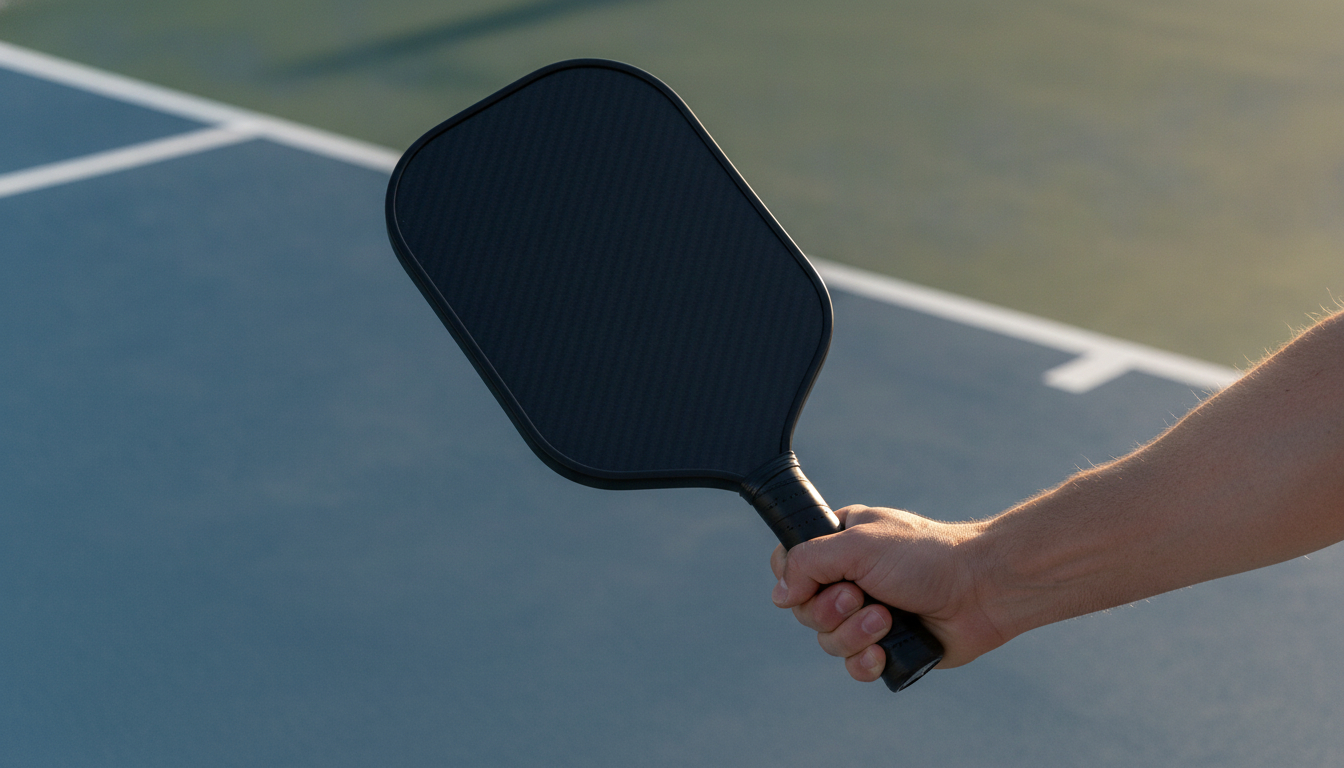
That's not just feel, either. The elongated 16.5" shape adds reach without adding weight, so your drives from the back half of the court actually connect with more leverage than a standard-shape paddle gives you. The reach advantage is meaningful — during rally situations, those extra inches let you get to balls you'd normally block, and actually drive them instead.
Control and Dink Game
This is where the 14mm asks something of you. Dinking with a 14mm core requires intention — you have to slow your swing deliberately, because the paddle's natural tendency is to send the ball with pace. Players who use heavy top-spin to create slow dinks will do fine. Players who rely on passive deflection to control pace should probably test this paddle for a few sessions before committing to it.
The KineticFrame throat integration does help here — it's JOOLA's approach to reducing the dead-spot feel between the handle and hitting surface, and it works. Balls hit near the throat transition more predictably than you'd expect from a thermoformed paddle at this price. It doesn't save a rushed dink, but it doesn't punish correct mechanics either.
Spin Generation
The carbon fiber surface generates good spin — not the best on the market (some of the rougher-grit surfaces from Six Zero or CRBN outperform it here) but more than enough for functional spin attacks. Topspin drives from the baseline kicked up reliably. Underspin resets at the kitchen — again, the 14mm's snap means you're working harder to get those balls low, but the surface texture gives you the bite when you do it right.
Sweet Spot and Mishit Forgiveness
The Hyper-Foam Edge Wall genuinely expands the usable hitting zone. Balls hit 2–3 inches off-center came off with more consistency than we expected from an elongated shape. Standard elongated paddles have a narrower effective sweet spot — the Edge Wall mitigates this meaningfully. Not full compensation, but enough that mishits at a competitive pace don't punish you as harshly as cheaper elongated paddles do.
Vibration and Feel
This is a thermoformed paddle, and the KineticFrame is doing real work on vibration control. Hard contact feels firm without that jarring "slap" feel you get from hollow-construction paddles. Extended play (an hour-plus in one session) didn't produce the forearm fatigue some thermoformed paddles cause. Players managing tennis elbow or golfer's elbow should still test before committing — this isn't a vibration-dampened paddle in the therapeutic sense — but it's not aggressive on the arm either.
JOOLA Perseus Pro V 14mm vs 16mm: The Direct Comparison
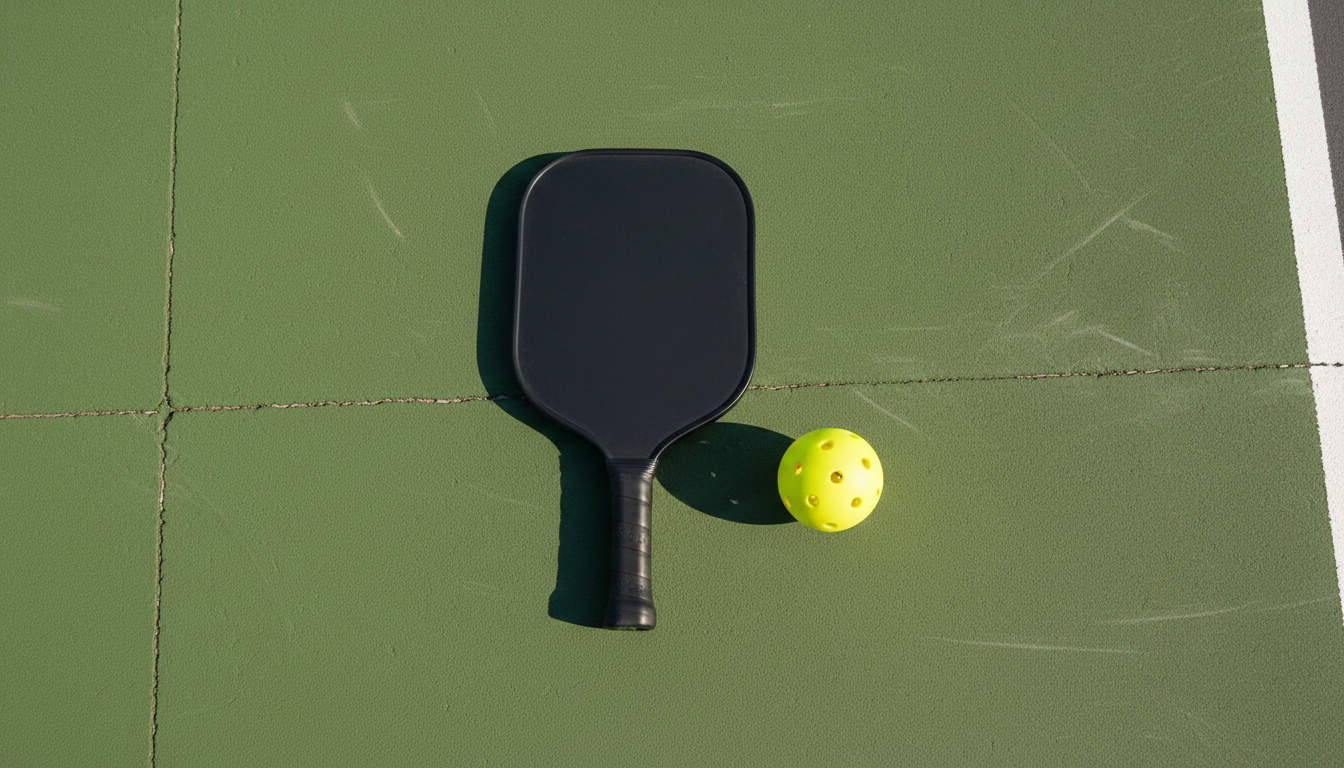
Same paddle family, meaningfully different feel. Here's how they split:
| Attribute | 14mm | 16mm |
|---|---|---|
| Ball exit speed | Faster | Slower |
| Dink control | Harder to execute | Easier |
| Drive power | Higher | Good, not aggressive |
| Mishit forgiveness | Lower | Higher |
| Who it suits | 3.5–5.0 attackers | 3.0–4.5 all-court |
| Price | $299.95 | $299.95 |
If you want the full breakdown of the Perseus Pro V 16mm, we've got that separately. If you've read both and you're still not sure — go 16mm. It's the more forgiving choice.
JOOLA Perseus Pro V 14mm vs Six Zero Ruby ($199)
The Six Zero Ruby is at a genuinely different price point — $100 less — but it's a legitimate comparison because both paddles are built for attacking play. The Ruby has a Kevlar hitting surface (genuinely unique in the market) that creates a distinctly different feel: slightly more muted on contact, excellent spin generation, and a thermoformed unibody construction that some players prefer for its consistent flex profile.
Where the 14mm Perseus wins: raw reach advantage from the elongated shape, and the KineticFrame's vibration reduction is more refined than the Ruby's edge wall approach. Where the Ruby wins: $100 cheaper, and the Kevlar surface is more durable against abrasion than carbon fiber — relevant if you play on rough outdoor courts regularly.
Check the Six Zero Ruby at Pickleball Central →
Who Should Buy the JOOLA Perseus Pro V 14mm
You're a 3.5–5.0 player. You generate your own pace — you're not relying on your opponent's pace to create winners. You want to pressure from anywhere on the court, not just the kitchen. The elongated shape gives you reach on wide balls, and the 14mm core gives you the exit speed to make those wide balls count.
Doubles players who play an aggressive left-side game are a natural fit. Singles players who want to attack the middle. Anyone who watched Ben Johns and noticed how much pressure he creates from mid-court — this paddle is how you start building that pattern.
Who Should Look Elsewhere
If your game is built around dink consistency and soft resets — look at the 16mm or a different family entirely. The 14mm will get you into trouble when you're trying to be subtle. If you're below 3.5 and still building fundamental mechanics, the extra demand the 14mm puts on your technique isn't something to add to the equation yet. Start with a paddle from our intermediate players guide and work up.
Pricing and Where to Buy
$299.95 at Pickleball Central — same price as the 16mm, so you're genuinely just deciding which version fits your game, not your wallet. PBC includes the standard JOOLA warranty, and their shipping is reliable.
Buy the JOOLA Perseus Pro V 14mm at PBC →
Complete Your Setup
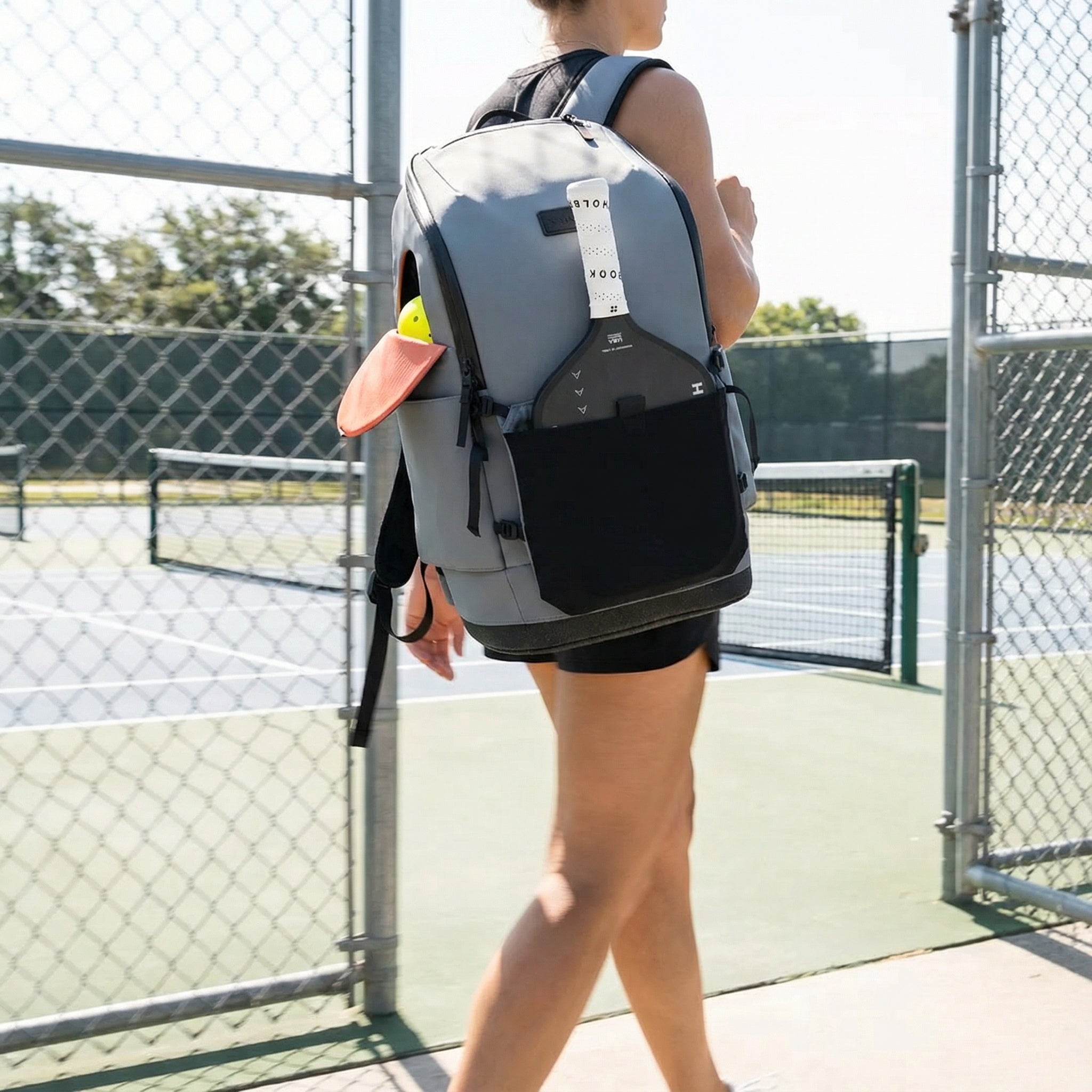
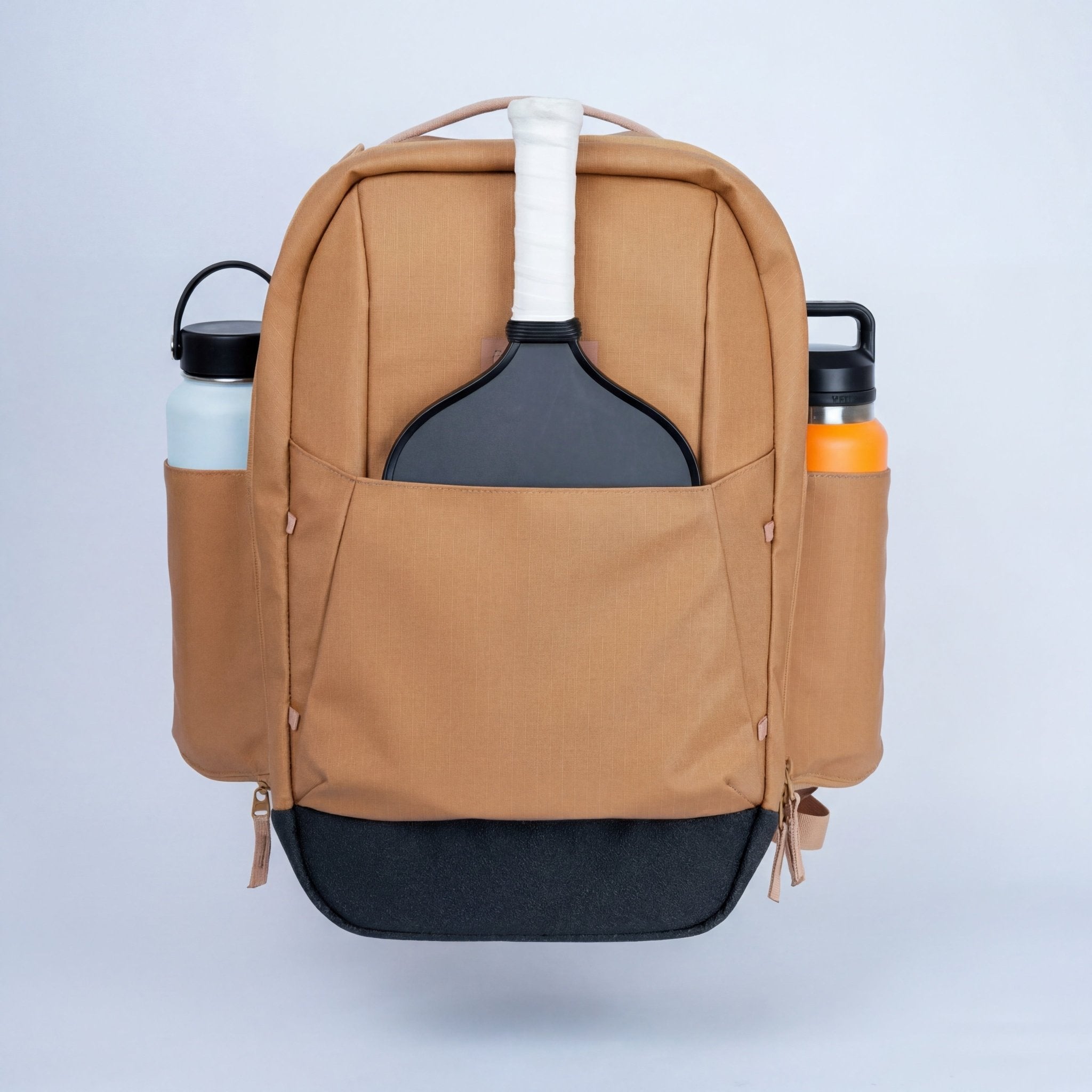
If you're investing in a $300 paddle, your bag situation should be at that level too. The FORWRD Court Ranger V2 ($195) fits up to 4 paddles in its modular sleeve system — the Perseus goes in once, stays organized, and you're not rearranging gear mid-session to get it out. 16" laptop sleeve for dual-use players.

FAQ: JOOLA Perseus Pro V 14mm
What's the difference between the JOOLA Perseus Pro V 14mm and 16mm?
Core thickness. The 14mm has a faster, more explosive response and is better suited to attacking play styles. The 16mm offers more dwell time and is easier to control on soft shots. Both paddles are $299.95 — the choice is entirely about play style, not budget.
Is the JOOLA Perseus Pro V Ben Johns 14mm worth $299.95?
For the right player, yes. The KineticFrame technology, elongated shape, and Hyper-Foam Edge Wall combine to create a paddle that's noticeably more refined than $150–$200 options. If you're playing 3.5+ regularly and you want to invest in equipment that won't be the limiting factor, it's justified. If you're still building fundamentals, it's too much paddle too soon.
Can beginners use the JOOLA Perseus Pro V 14mm?
Technically yes, but it's not the right call. The 14mm's faster response and smaller forgiveness window will amplify technique errors. Beginners are better served by a more forgiving midweight paddle — check our Best Pickleball Paddles 2026 guide for beginner-appropriate options.
What grip size does the JOOLA Perseus Pro V 14mm come in?
Small grip only (approximately 4⅛"). Players who prefer a medium grip should add overgrip tape to build it up — 1–2 wraps of standard overgrip will get you to a medium feel without compromising the paddle's balance.
How does the JOOLA Perseus Pro V 14mm compare to the Hyperion?
The Hyperion and Perseus are different families within JOOLA's lineup. The Hyperion Pro V is also Ben Johns's signature paddle and uses a similar KineticFrame approach, but with slightly different weight distribution. If you've tried the Hyperion and want more explosive pop, the Perseus 14mm delivers it. Check our JOOLA Hyperion Pro V 16mm review for a direct compare.
Is the JOOLA Perseus Pro V 14mm good for outdoor play?
Yes — the carbon fiber surface handles outdoor conditions well and the Hyper-Foam Edge Wall adds some protection against court-surface contact. The elongated shape is slightly more susceptible to wind interference than a standard shape, but not enough to matter in normal outdoor recreational and club play.
Final Verdict
The JOOLA Perseus Pro V 14mm is a paddle for players who want to attack. The 16.5" elongated shape combined with the 14mm core creates a responsive, reach-forward weapon that suits aggressive 3.5–5.0 players who generate their own pace. It demands better contact mechanics than the 16mm version — but rewards those mechanics with real pop that cheaper paddles can't match at this price point.
$299.95 is a serious commitment. If you're not sure whether you're ready for a 14mm, test the 16mm first. But if you know your game is built around pressure and attack — this is the version to buy.

Leave a comment
This site is protected by hCaptcha and the hCaptcha Privacy Policy and Terms of Service apply.