

FORWRD earns affiliate commission on Pickleball Central product purchases through links in this article. This doesn't affect the price you pay. We only recommend gear we genuinely believe in.
Last Updated: May 2026 | By Cosmo, FORWRD
Pickleball Starter Kit 2026: Everything You Need to Play
You're about to play your first session and someone told you to "just grab a paddle." They're not wrong — but they also left out a few things that'll make the difference between enjoying that first game and showing up under-equipped. This guide covers exactly what to buy, what to skip, and how to think about gear in two phases: what you need on day one, and what you'll want to add once you know you're hooked.
Everything recommended here is available with a specific product and a specific price. No vague category suggestions. For the full rundown on every piece of pickleball equipment — beginner through advanced — check the FORWRD Pickleball Equipment Guide 2026.
The 5 Things You Need Before Your First Session
Here's what actually matters before you step on a court for the first time:
- A paddle. You can't borrow one every time. Get something in the $60–$130 range with a composite or graphite face. Not wood. Not a $25 Amazon mystery brand.
- Court shoes. This is the one most beginners skip and regret. Regular running shoes don't have lateral support. The first time you make a hard side shuffle and your ankle rolls, you'll understand why this matters.
- Outdoor balls. If you're playing at a public park or outdoor court, you want outdoor balls. They're harder with smaller holes than indoor balls. Most open play sessions will have some floating around, but having your own 3-pack means you're never the player showing up empty-handed.
- Something to carry your gear. Even a gym bag works at first. We'll cover when it's worth upgrading.
- A basic understanding of the kitchen rule. Not gear, but still. Go read this before your first game: 10 Pickleball Mistakes Every Beginner Makes. You're welcome.
That's it. No grip tape, no ball machine, no compression sleeves. Those come later. Phase 1 is just those four items, and your first session will be fine.
Best Beginner Pickleball Paddle (Under $120)
For a first paddle, you want something with a composite or graphite face — not wood — in the $60–$100 range. Wood paddles are cheap but heavy (9+ oz) and have almost no feel. They'll make the game harder to learn and you'll replace the paddle in two months anyway. Start in the right tier.
The pick: Diadem Riptide Composite Paddle at $59.47 (on sale from $84.95 at time of writing). Diadem is a respected brand with a real product catalog — not a white-label import with a logo slapped on it. The Riptide has a fiberglass composite face with a polymer honeycomb core, which gives it a softer feel and a larger sweet spot than the budget wood paddles you'll find at big-box stores. At just under $60, it's one of the best entry points on the market right now.
What you get with the Riptide: control-oriented play, good dink response, lighter swing weight than wood paddles, and a paddle that'll hold up for six months of real play. What you don't get: the raw carbon fiber spin-generation of a $200 thermoformed paddle. You don't need that yet.
One thing to be realistic about: a composite face generates less spin than a carbon fiber face. For a beginner, that's a non-issue — you're not executing topspin drops yet. By the time spin matters to your game, you'll know it, and you'll have a clear upgrade target.
→ Get the Diadem Riptide at Pickleball Central — $59.47 (sale price)
If you're curious how this fits into the broader paddle landscape — and when to think about upgrading — the equipment guide covers the full progression from beginner to advanced paddles.
Court Shoes: Don't Skip This One (Why Running Shoes Are the Wrong Call)
Running shoes are designed for forward motion. The cushioning is built under your heel for toe-to-heel stride mechanics. Pickleball demands something completely different: constant lateral movement, quick stops, split-steps, and direction changes. When you're shuffling hard to your left and planting to reverse direction, a running shoe's midsole collapses inward — that's the ankle roll risk that takes people off the court for weeks.
Court shoes have a flatter, more stable midsole with lateral support structures and a herringbone or similar high-grip outsole pattern that plants on court surfaces instead of sliding. This isn't marketing language — it's a measurable structural difference that affects how your foot responds under load.
The pick: K-Swiss Express Light Pickleball Shoe at $115.00. It's purpose-built for court play with a modified herringbone outsole that grips well on both outdoor concrete and indoor wood floors. The mid-foot support banding noticeably reduces ankle wobble on hard direction changes. It runs true to size with a slightly narrow heel (68mm) and standard toe box — fits most players well unless you're wide-footed.
Available in both Women's ($115.00) and Men's (~$115.00) at Pickleball Central.
If you have wide feet, this specific shoe isn't your best fit — the narrow heel will cause discomfort. Check the FORWRD guide to pickleball shoes for wide feet for alternatives that actually fit correctly.
Bottom line: budget $115 for court shoes before you budget anything else. It's the most injury-prevention spend in your entire kit.
Balls: Indoor vs. Outdoor — Which to Buy First?
Pickleball balls aren't interchangeable, and the indoor vs. outdoor distinction is real.
Outdoor balls are harder plastic with 40 smaller holes. They're designed to fly straight in wind and hold up against rough concrete and asphalt surfaces. They crack more easily in cold weather and wear out faster than indoor balls, but they're what you need for park and outdoor court play.
Indoor balls are softer with 26 larger holes. They're designed for the slower air movement in a gym, with a softer feel that generates more control during dinks. They'll crack on outdoor concrete faster than you'd want.
If you're starting at a public outdoor court — which is where most beginners start — buy outdoor balls. Full stop.
The pick: Franklin X-40 Performance Outdoor Pickleballs. The X-40 is the official ball of USA Pickleball and more professional tournaments than any other outdoor ball. It's not just a marketing claim — the ball's durability and consistent bounce are why it's the tournament standard. At roughly $4–6 per ball in bulk packs, you can stock up on a dozen without spending more than $50–$60. A well-made outdoor ball lasts 15–40 games depending on court surface and temperature — concrete eats them faster than sport tile.
→ Get the Franklin X-40 Outdoor Balls at Pickleball Central
Buy a 6-pack minimum. You'll lose a few, crack a few in cold weather, and want extras when you find people to rally with.
What Bag Do You Need as a Beginner?
Honest answer: not much. In your first month, a gym bag, a school backpack, or literally any bag that fits a paddle works fine. You're not carrying tournament gear. You've got a paddle, a few balls, and a water bottle.
Where it changes is around the 2–3 month mark. By then, you've probably accumulated: a second paddle (borrowed or gifted), 6–10 balls, court shoes, a towel, an extra grip, snacks for long sessions, maybe a phone and earbuds. That's when a purpose-built pickleball bag stops being a luxury and starts being a sanity move.
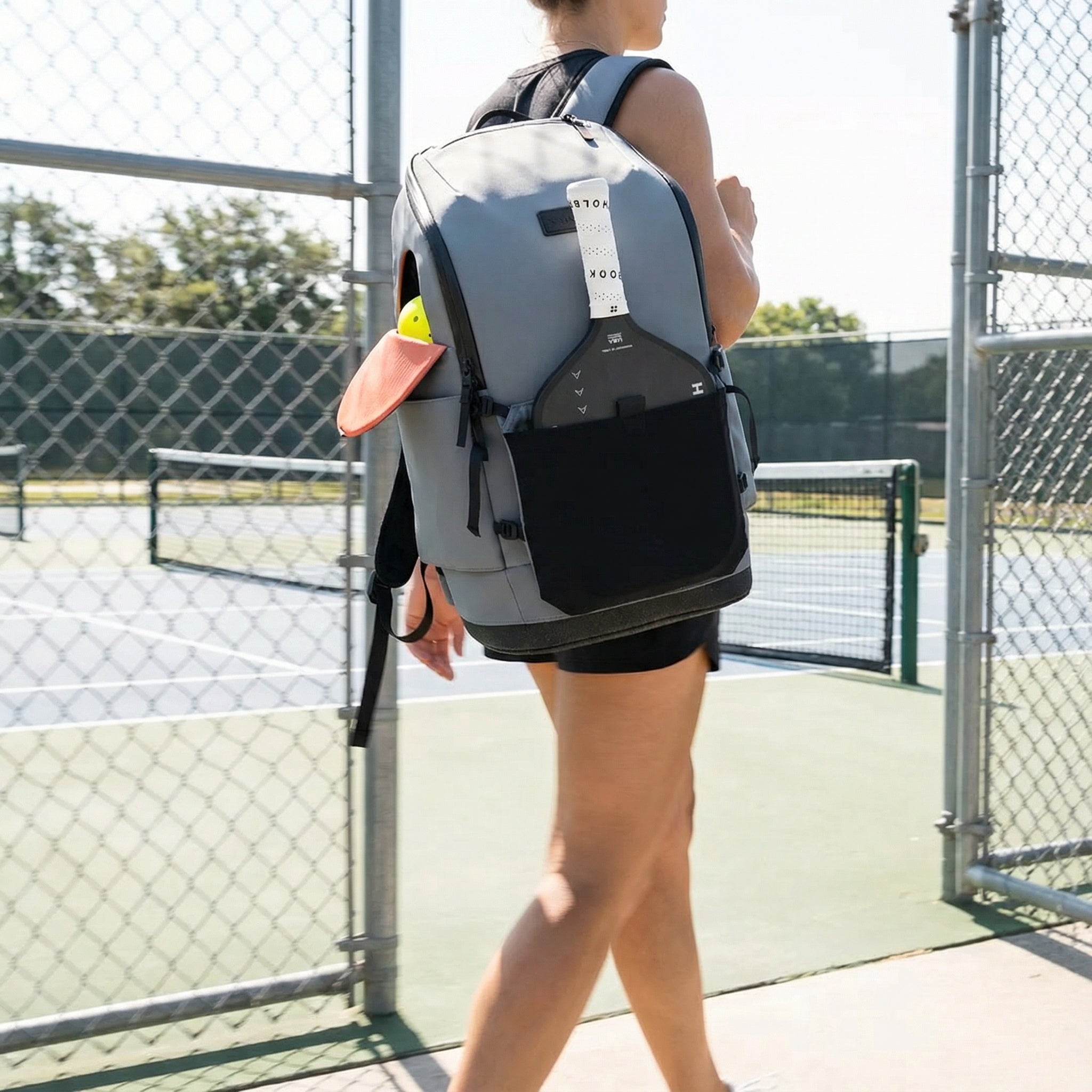
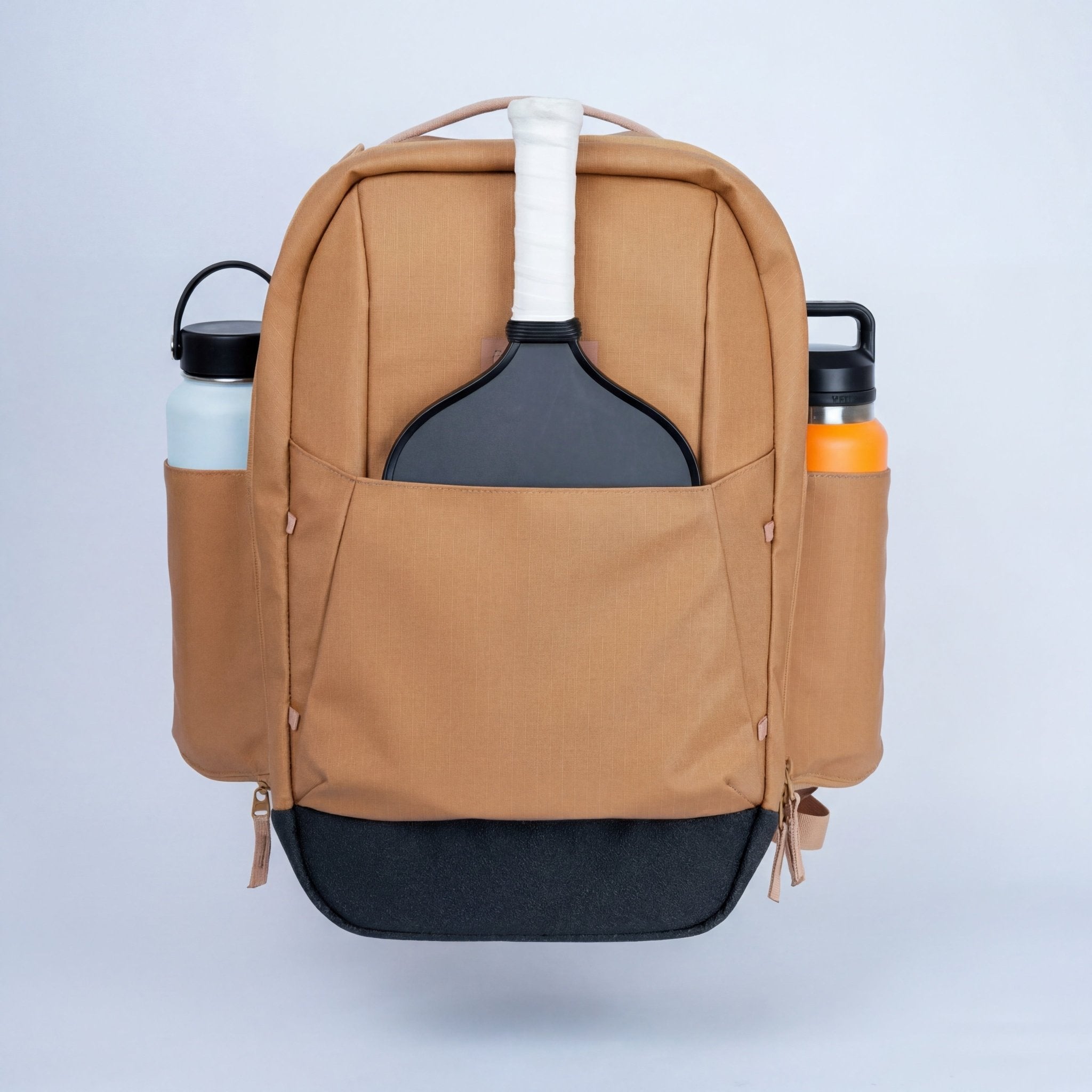
The bag we'd point you toward when you're ready: FORWRD Court Ranger V2 at $195. Full disclosure — this is our product, not a third-party recommendation. But that also means we know exactly what's in it and why it exists. The Court Ranger V2 was designed for the way serious rec players actually use their bag: two paddle sleeves, a dedicated shoe compartment with ventilation, a 16" laptop sleeve for players who go straight to the office from morning open play, and enough organization to stop dumping balls loose into every pocket.
It fits paddles, shoes, and everything else you'll accumulate as you level up — organized from day one. That's the point. See the Court Ranger V2 at FORWRD →
If $195 is more than you want to spend in Phase 1, use whatever bag you have. The Court Ranger is a Phase 2 upgrade when you know you're committed to the sport. You'll know when you hit that point — it's usually when your current bag stops closing properly.
What You Can Skip for Now (But Will Want Later)
Gear that doesn't belong in a beginner kit but will show up in your wish list eventually:
Overgrip. The grip that ships on your paddle is fine for the first 30–60 hours of play. After that, it gets slippery and loses tackiness. A roll of overgrip ($6–$10) is one of the most cost-effective gear upgrades you'll make — but it's not a day-one purchase.
Indoor balls. If you're only playing outdoors, you don't need these. If you join an indoor session or a gym league, grab a 6-pack of Franklin X-26 balls. They're the indoor equivalent of the X-40 and play noticeably better on a wood gym floor than outdoor balls do.
Second paddle. At some point you'll want a backup, or you'll want to try a different weight or grip size. Don't buy a second paddle until you've played with your first one enough to know what you'd change. That usually takes 2–3 months of consistent play.
Ball hopper or cart. You don't need one unless you're drilling alone or running drills with a partner. Most rec players never buy one. Competitive practice players will want one eventually.
Compression gear and braces. Elbow tendinitis ("pickleball elbow") is real, but you won't develop it in your first month. Play first. Add supports if something starts to hurt.
Complete Starter Kit: Budget $200–$350 with Exact Picks (Phase 1 + Phase 2)
Here's exactly what to buy, when to buy it, and what it costs.
Phase 1: Day One — $200–$250
These are the three purchases you make before or immediately after your first session. Nothing else is required.
| Item | Pick | Price |
|---|---|---|
| Paddle | Diadem Riptide Composite | $59.47 (sale) |
| Court shoes (Women's) | K-Swiss Express Light (W) | $115.00 |
| Court shoes (Men's) | K-Swiss Express Light (M) | ~$115.00 |
| Balls (outdoor, 6-pack) | Franklin X-40 Performance Outdoor | ~$25–$35 |
| Bag | Whatever you already own | $0 |
Phase 1 total: ~$200–$215 (depending on shoe gender sizing and ball quantity). That's your complete playable kit. You're ready.
Phase 2: Month 3 — ~$150 upgrade
By month 3, you've played enough to know your game. You're showing up 2–3 times per week. You have opinions about paddles. Your current bag is a mess. This is when you make two targeted upgrades:
| Item | Pick | Price |
|---|---|---|
| Bag | FORWRD Court Ranger V2 | $195 |
| Overgrip (3-pack) | Tourna Mega Tac or similar | ~$8–$12 |
Phase 2 total: ~$203–$207. Combined with Phase 1, your full kit lands around $415–$425 for a setup that'll serve you through your first year and beyond. The paddle upgrade — when it comes — is a separate conversation for when you hit the 4.0 skill level and know exactly what you're chasing. Until then, the Riptide is plenty.
Complete Your Setup
When you're ready to stop stuffing a paddle into a gym bag, the FORWRD Court Ranger V2 ($195) fits paddles, shoes, and everything else you'll accumulate as you level up — organized from day one. Two paddle sleeves, a ventilated shoe compartment, and a 16" laptop pocket for players who go from open play straight to the office.
Already have a bag but want something more compact for lighter sessions? The Court Caddy is the slim-carry option that holds one paddle, balls, and the essentials without the full backpack footprint. See both at forwrd.co.
FAQ
What do I need to start playing pickleball?
Three things: a paddle, court shoes, and outdoor balls. A paddle in the $60–$100 range (composite or graphite face) is plenty for a beginner. Court-specific shoes — not running shoes — protect your ankles during the lateral movement the game demands. A 6-pack of outdoor balls like the Franklin X-40 rounds out the basics. Total cost for all three: roughly $200–$215. You don't need a specialized bag, extra grip, or any other gear for your first month of play.
How much does it cost to start playing pickleball?
A complete beginner kit — paddle, court shoes, and balls — runs $200–$250 if you're buying quality gear from the start. You can go cheaper (skipping court shoes, buying a $30 wood paddle) but you'll pay for those shortcuts in performance and injury risk. Public courts are free at most parks. A proper bag is a month 2-3 purchase, not a day-one necessity. Full two-phase kit including a bag: roughly $415–$425 spread across your first few months.
What pickleball paddle should a beginner buy?
For a beginner, look for a composite or fiberglass face paddle in the $60–$100 range. Avoid wood paddles — they're too heavy and have no feel. The Diadem Riptide Composite at $59.47 (sale) is one of the best values at this tier: it has a polymer honeycomb core, a proper sweet spot, and a weight and balance that teaches good form. Don't buy a premium carbon fiber paddle until you're at the 3.5–4.0 skill level and understand what you'd use the extra performance for.
Do I need special shoes for pickleball?
Yes — and this matters more than most beginners expect. Running shoes are engineered for forward motion with heel-to-toe cushioning. Pickleball demands constant lateral movement, quick stops, and direction changes. Running shoes provide almost no lateral stability, which increases ankle roll risk significantly. Court shoes have a flatter midsole, lateral support structures, and a herringbone outsole that grips on court surfaces. The K-Swiss Express Light ($115) is a solid entry-level court shoe that handles both outdoor concrete and indoor wood floors. Don't skip this one.
Can I use tennis shoes for pickleball?
Tennis shoes are actually a reasonable option for pickleball — much better than running shoes. They're designed for lateral movement and have herringbone or similar outsole patterns that grip on hard courts. If you already own quality tennis shoes that fit well, you can start with those. Over time, purpose-built pickleball court shoes offer small improvements in fit and court-specific traction, but they're not a dramatic upgrade from good tennis shoes the way they are from running shoes.
What's the difference between indoor and outdoor pickleball balls?
Outdoor balls (like the Franklin X-40) have 40 smaller holes and are made from harder plastic to handle wind and rough court surfaces. Indoor balls (like the Franklin X-26) have 26 larger holes and softer plastic for better control on smooth gym floors. If you're starting at an outdoor park, buy outdoor balls. If you're playing in a gym, buy indoor. Using the wrong ball for the surface type affects playability and shortens the ball's life.

Leave a comment
This site is protected by hCaptcha and the hCaptcha Privacy Policy and Terms of Service apply.