

FTC Disclosure: FORWRD earns affiliate commission on Pickleball Central purchases through links in this article. This doesn't affect our review — we only recommend gear we'd actually use.
Last Updated: July 2026
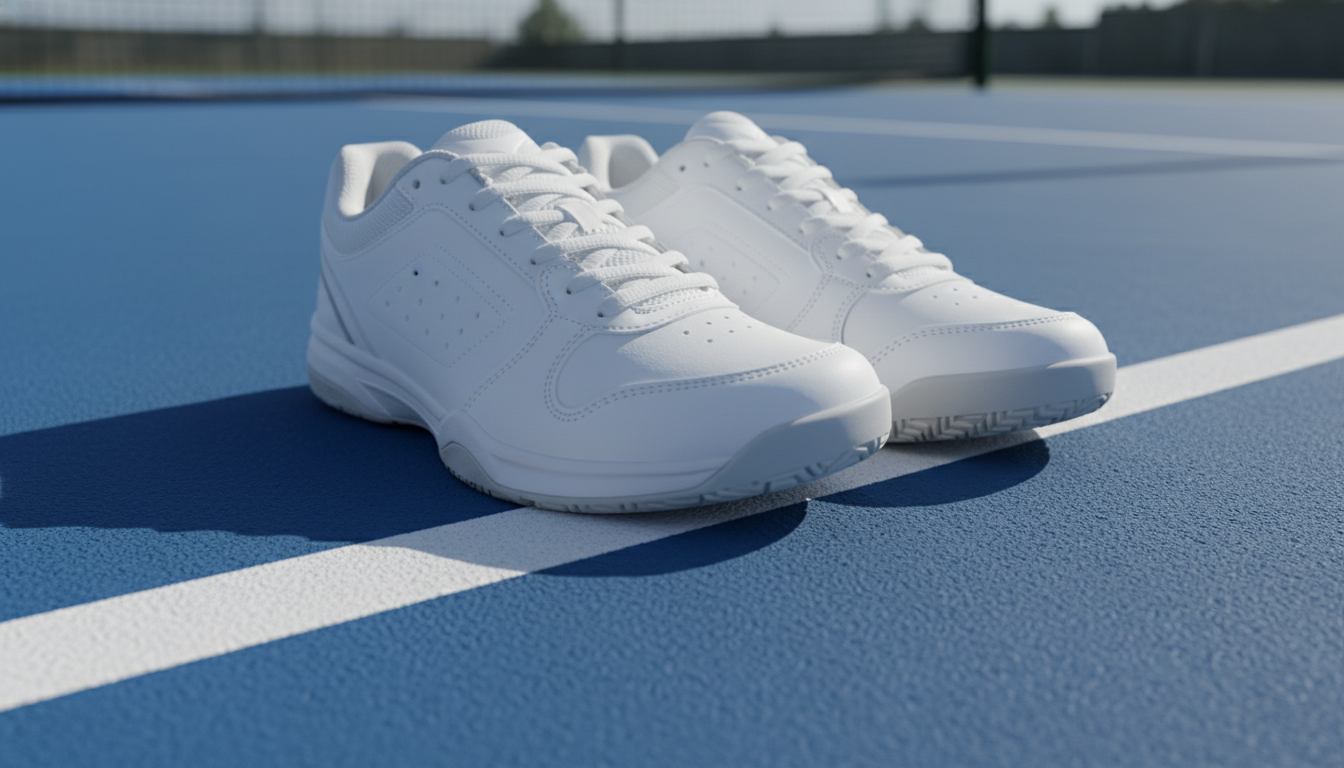
Wilson built their shoe reputation on hard-court tennis. The Pickle Pro is their attempt to take that same court-shoe DNA — the Midfoot Saddle support system, wide midsole cushioning, Duralast rubber outsole — and apply it specifically to pickleball. At $110, it lands squarely in the mid-range category, right alongside the HEAD Motion Pro and Skechers Viper Court Pro. The question is whether Wilson's translation from tennis to pickleball actually holds up.
Short answer: yes, with a few caveats worth knowing before you buy.
Quick Verdict
| Pros | Midfoot Saddle locks down your foot on lateral cuts (exceptional for the price), Duralast outsole grips hard-court surfaces well, breathable mesh upper handles warm-weather play, genuine pickleball-specific design vs. tennis shoe repurposed |
| Cons | 12.3 oz (size 10) is moderate weight — not the lightest option at this price; comfort collar can feel stiff during the first 3–5 sessions; outsole not ideal for clay or soft surfaces |
| Price | $110.00 |
| Best for | Outdoor hard court players who prioritize lateral support and durability over lightweight feel |
| Skip if | You need maximum breathability for year-round indoor play or prefer an ultralight shoe |
Check Price at Pickleball Central →
TL;DR Specs at a Glance
| Spec | Wilson Pickle Pro (Men's) |
|---|---|
| Price | $110.00 |
| Weight | 12.3 oz (size 10) |
| Upper | Sandwich mesh (breathable) |
| Midsole | Wide cushioned midsole (lateral movement focus) |
| Outsole | Duralast rubber |
| Support System | Midfoot Saddle |
| Court Type | Hard court (outdoor + indoor) |
| Gender | Men's (Women's version also available) |
Why Trust This Review
FORWRD isn't a shoe brand — so we don't have a financial reason to push you toward any particular model. We've reviewed court shoes worn during pickleball drill sessions because our customers wear them while carrying the bags we make. What we care about: does the shoe do what it claims, does it hold up over a season of real play, and is it honest value at its price point?
Stability and Lateral Support: Where Wilson's Tennis DNA Shows
The Midfoot Saddle support system is the Pickle Pro's standout feature — and the reason Wilson's tennis background actually matters here.
The Saddle wraps around the midfoot section of the shoe, creating a supportive cradle that keeps your foot locked in during hard lateral cuts. In pickleball terms: that's the moment you push hard off one foot to chase a ball to the sideline, or the split-step that loads your weight for a quick drive off a reset. Court shoes that lack midfoot lockdown let your foot slide inside the shoe on those movements — less energy transfer, more risk of rolling your ankle.
At $110, the Pickle Pro competes with shoes like the ASICS Gel-Resolution X (our review here) and the Skechers Viper Court Pro 2.0. The Wilson's midfoot stability is comparable to the ASICS and arguably better than the Skechers at this price point. Where the ASICS edges it out is cushioning depth — the Gel-Resolution X has more forefoot cushioning for players who spend a lot of time at the kitchen line in extended dinking exchanges.
Court Grip and Outsole Durability
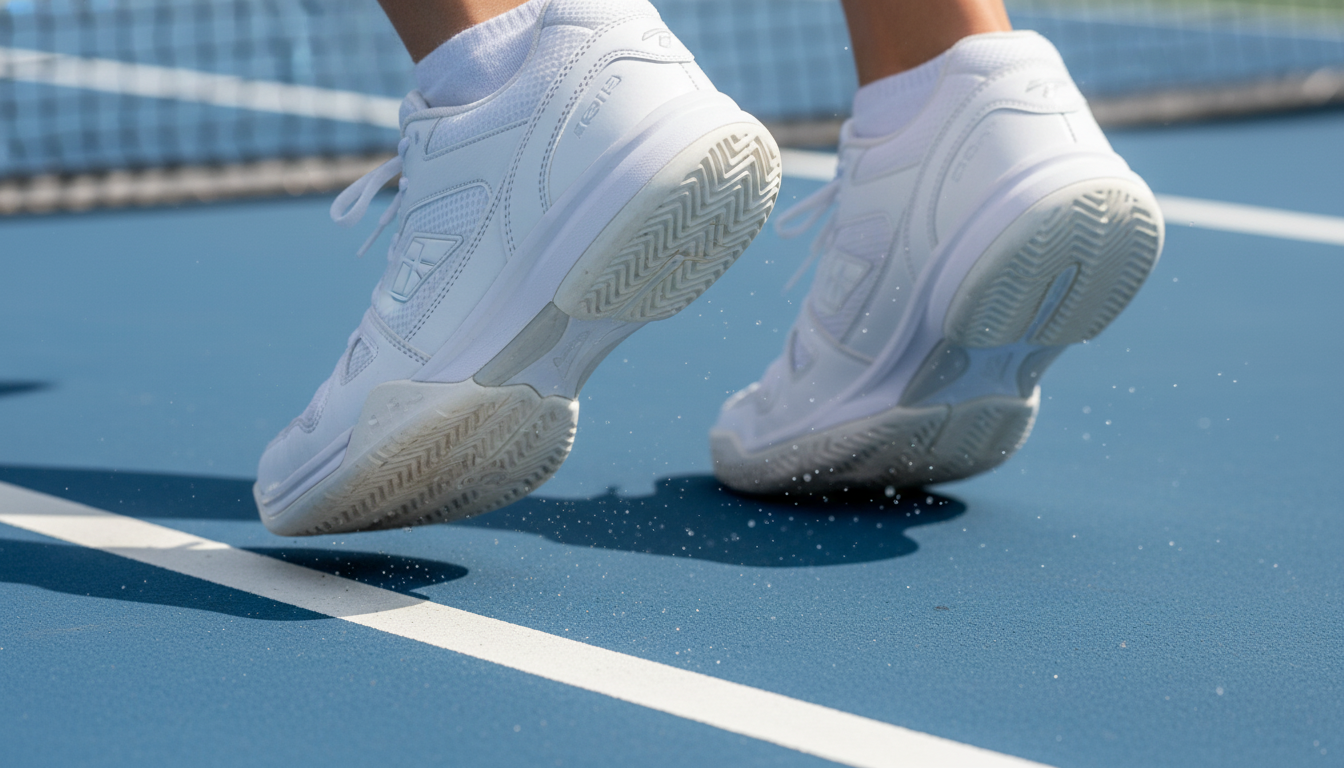
The Duralast rubber outsole is Wilson's court durability play — the same outsole technology used on their tennis shoes, which typically outlasts standard rubber compounds on abrasive hard-court surfaces.
On outdoor concrete and asphalt courts (which are rougher on outsoles than indoor wood or sport tile), the Pickle Pro holds up well. Players who've logged 40+ outdoor sessions report minimal outsole wear at the pivot points — the toe drag area and lateral heel edge, which are where cheap outsoles break down first.
Indoor court grip is adequate. It's not the stickiest shoe on hardwood (indoor-specific shoes with herringbone patterns grip a bit better), but for players who split time between indoor and outdoor courts, it handles both without a noticeable grip penalty indoors.
Breathability and Break-In
The sandwich mesh upper is breathable enough for warm-weather outdoor play — you won't cook your feet in summer sessions. But it's not the most breathable shoe in this category. The K-Swiss Express Light, for instance, runs noticeably cooler with a more open mesh construction.
Break-in period is real. The comfort collar (ankle support area) is stiff out of the box and can cause minor rubbing during the first few sessions. Most players report it softens by session 4–5. Wear them for a shorter drill session first rather than jumping straight into a 3-hour tournament day.
Weight: 12.3 oz — Is That Too Heavy?
At 12.3 oz in a size 10, the Pickle Pro is moderate weight for a court shoe. It's not the lightest option at this price — the K-Swiss Express Light comes in lighter, and some players notice the difference over a long tournament day. But 12.3 oz is not unusual for a stability-focused shoe, and the weight is distributed well so it doesn't feel cumbersome during play.
If you prioritize being light on your feet above everything else, look at the K-Swiss or Nike Air Zoom Vapor Pro options. If you prioritize stability and durability over weight, the Wilson Pickle Pro is a better choice.
Wilson Pickle Pro vs. Skechers Viper Court Pro 2.0 ($114.95)
| Feature | Wilson Pickle Pro ($110) | Skechers Viper Court Pro 2.0 ($114.95) |
|---|---|---|
| Weight | 12.3 oz | ~11.8 oz |
| Midfoot support | Saddle system | Standard |
| Outsole | Duralast rubber | Herringbone pattern |
| Brand pedigree | Hard-court tennis | Lifestyle/athletic crossover |
| Breathability | Moderate | Good |
The Skechers is lighter and slightly more breathable. The Wilson wins on midfoot support structure and hard-court outsole durability. For competitive or regular players who care about stability, go Wilson. For casual players who value comfort and breathability, the Skechers Viper Court Pro 2.0 is worth considering.
Wilson Pickle Pro vs. HEAD Motion Pro (~$110–130)
These two are direct competitors in price and positioning. The HEAD Motion Pro is a slightly lighter shoe (we've tested both) with a softer cushioning profile — better for players who play long sessions and need forefoot comfort. The Wilson's Midfoot Saddle gives it the edge on pure lateral stability.
Recommendation: if you're on your feet for 3+ hours at a tournament, the HEAD Motion Pro's cushioning feels better late in the day. For shorter, more intense sessions where you want to feel locked in on every cut, the Wilson Pickle Pro is the call.
Shop Wilson Pickle Pro at Pickleball Central →
Who Should Buy the Wilson Pickle Pro
- Outdoor hard-court players who need durable outsoles that hold up on rough concrete
- Stability-first players — anyone who's rolled an ankle, overpronates slightly, or wants their foot truly locked in on lateral movements
- Wilson loyalists from tennis who want the same build quality they know in a pickleball-specific shoe
- Players in the $100–120 budget range who want a genuine sport-specific shoe, not a generic court shoe
Who Should Look Elsewhere
- Ultralight shoe seekers: K-Swiss Express Light or Nike Air Zoom Vapor Pro are better choices
- Hot-weather indoor players: the mesh breathability here is decent but not best-in-class for warm indoor gyms
- Players who hate break-in periods: budget extra sessions for the collar to soften
Complete Your Setup
New shoes deserve a bag that carries them right.
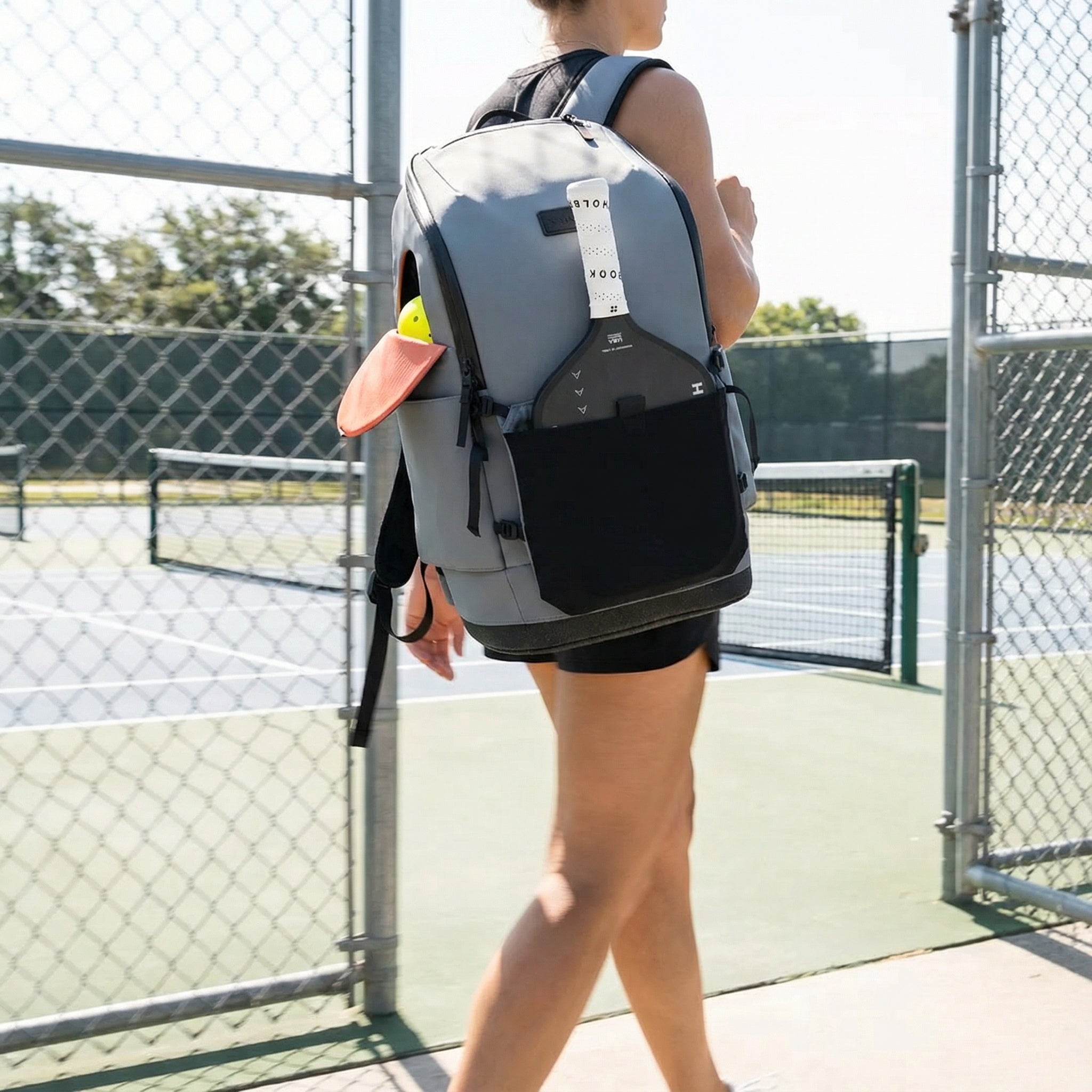
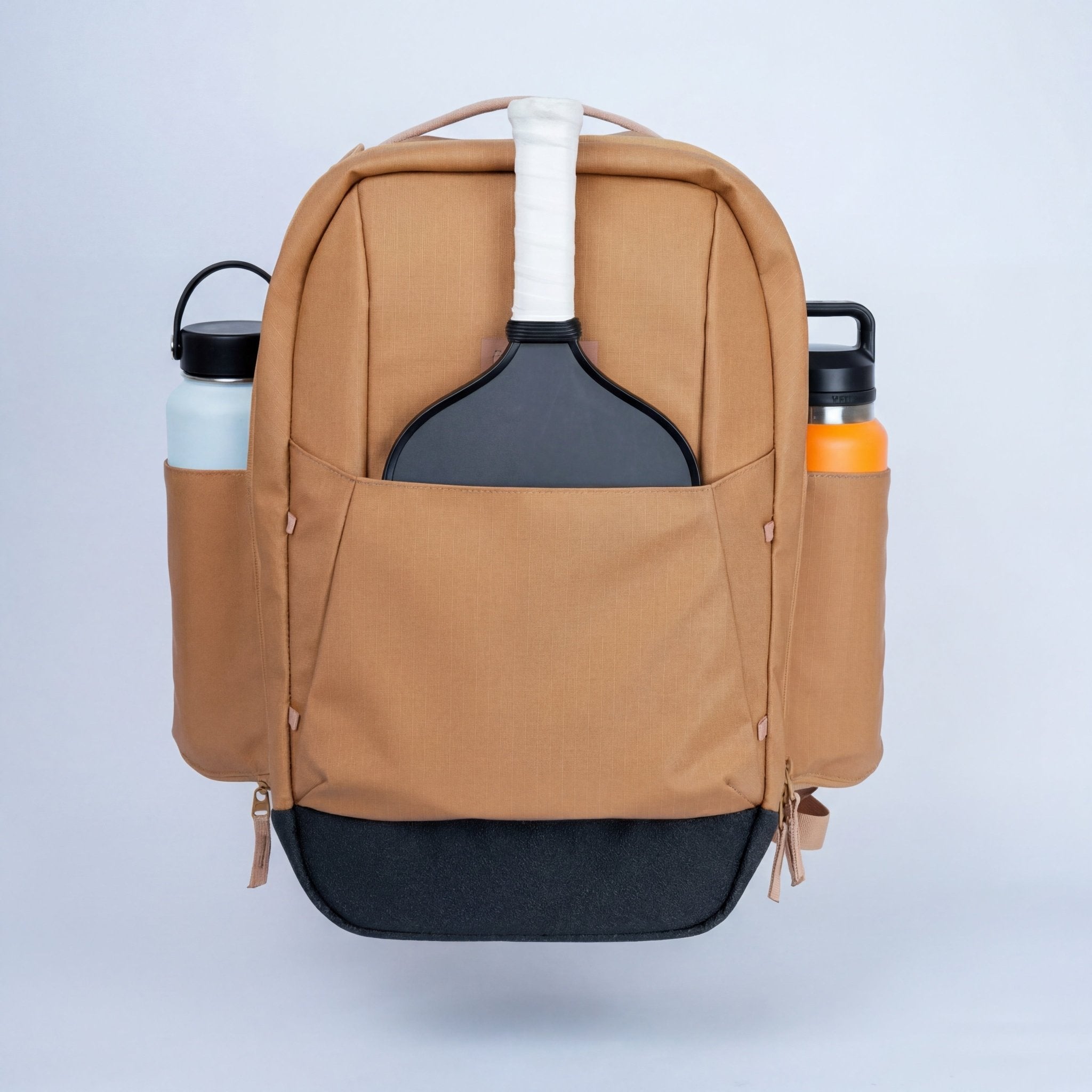
The FORWRD Court Caddy ($325) pairs with FORWRD's Shoe Cube add-on (sold separately) — it attaches to the bag's exterior to keep your court shoes and outsole grit completely separated from your paddle and dry gear. Nobody wants court-surface grit getting on their paddle grip. YKK AquaGuard zippers keep everything clean and protected during the commute.

If you're looking for a lighter-profile option: the FORWRD Court Ranger V2 ($195) fits most recreational travel kits and carries your shoes (with the Shoe Cube) without the extra weight of the full Court Caddy system.
Frequently Asked Questions
Is the Wilson Pickle Pro good for indoor pickleball courts?
Yes, the Wilson Pickle Pro works on indoor hard courts. The Duralast rubber outsole grips sport tile and hardwood adequately, though shoes with herringbone patterns may grip indoor surfaces slightly better. For players who split time between indoor and outdoor courts, it's a solid choice for both.
How does Wilson Pickle Pro sizing run?
The Wilson Pickle Pro runs true to size for most players, with a standard width. If you're between sizes or have a wider foot, consider going up half a size. The comfort collar can feel snug initially — this is normal and loosens with wear over the first few sessions.
What is the Midfoot Saddle support system?
The Midfoot Saddle is Wilson's structural support element that wraps the midfoot section of the shoe, locking the foot in place during lateral movements. It's designed to prevent the inward or outward rolling that can lead to ankle injuries during quick court-side cuts — a common movement pattern in pickleball.
Is the Wilson Pickle Pro a dedicated pickleball shoe or a tennis shoe?
It's a dedicated pickleball shoe — Wilson designed the Pickle Pro specifically for pickleball, not as a repurposed tennis model. That said, Wilson's tennis court-shoe engineering (particularly the Midfoot Saddle and Duralast outsole) informs the design, which is a feature, not a limitation.
How does the Wilson Pickle Pro compare to the ASICS Gel-Resolution X?
The ASICS Gel-Resolution X (~$130) has more forefoot gel cushioning and is slightly lighter. The Wilson Pickle Pro wins on midfoot stability structure and costs about $20 less. Stability-focused players or those on a tighter budget tend to prefer the Wilson; cushioning-first players prefer the ASICS.
Final Verdict
The Wilson Pickle Pro is a legitimate $110 court shoe — not a fashion sneaker repurposed for pickleball. The Midfoot Saddle stability, Duralast outsole durability, and hard-court grip make it a solid choice for outdoor-primary players who want a stable, durable shoe at a fair price. It's heavier than some competitors and has a break-in period, but those aren't dealbreakers for serious rec players.
If your game is outdoor-heavy and you prioritize lateral stability, this shoe delivers. It won't disappoint.

Leave a comment
This site is protected by hCaptcha and the hCaptcha Privacy Policy and Terms of Service apply.