

Last updated: August 2026
Every October, the same thing happens: temperatures drop, outdoor courts start closing down, and the indoor court scramble begins. Slots that were open in September are suddenly booked through mid-November. That's not bad luck — it's a supply problem that gets worse every year as player numbers climb and new indoor venues struggle to keep pace.
There are more indoor options than most players realize. The problem is that the tools people use to find them vary wildly in accuracy, and some of the most accessible venues aren't indexed in any app at all. This guide covers the tools that actually work in 2026, the venues most players overlook, and how to lock in court time before the October scramble puts you on a waitlist until spring.
Why Indoor Court Time Gets Scarce Every Winter
The actual math: outdoor pickleball participation has roughly tripled in many regions since 2022. Indoor court capacity hasn't tripled. In most markets, the ratio of players to available indoor court-hours is getting worse each year.
The squeeze hits hardest anywhere north of roughly the 37th parallel — Kansas City, Richmond, even Las Vegas during the cold months. That's five to six months of players competing for the same limited pool of gym time, converted tennis courts, and dedicated indoor facilities. Even in warmer climates, rain seasons and extreme heat push players inside for stretches players in temperate zones forget about.
The YMCA booking crunch compounds it. Most branches now require advance reservations for pickleball — the era of walking in and finding an open court is largely over. Some use waitlist apps; others fill slots by phone at 6 AM on Monday mornings. If you don't know the system at your local facility, you're automatically last in line.
Knowing where to look and when to book is the real skill. The playing part is easy by comparison.
The Tools That Actually Work: Places2Play vs. Pickleheads vs. Global Pickleball Network
Three platforms dominate court discovery in 2026. Each has a legitimate use case — but the landscape shifted significantly this year, and using the wrong tool for the wrong job wastes time you could be spending on court.
Pickleheads — Now the Official USA Pickleball Court Finder
Here's the 2026 update most players haven't seen yet: Pickleheads replaced Places2Play as the official court and game finder of USA Pickleball. That partnership matters practically — Pickleheads now connects to USA Pickleball's 2,200+ ambassador network, the people responsible for verifying and maintaining court data nationwide. The platform lists roughly 14,000 court locations as of mid-2026.
Where Pickleheads wins: real-time open play schedules, community reviews, clean indoor/outdoor filters, and the best mobile experience of the three. For finding a court tonight, it's the fastest tool by a significant margin.
Where it still falls short: listing data for newly opened facilities can lag weeks or months. A dedicated club that opened in fall 2025 and hasn't claimed its Pickleheads listing won't show up — even if it has 12 courts running 14 hours a day. Always cross-check with a direct search before ruling out a venue.
Places2Play — Valuable Data, Updating Slowly
USA Pickleball built Places2Play as their original court directory, and it accumulated years of venue data — including clubs and rec centers that haven't fully migrated into Pickleheads yet. For verifying whether a specific venue offers indoor pickleball, it's worth running a parallel search on both platforms.
The honest caveat: schedule and hours data on Places2Play hasn't been consistently maintained since the Pickleheads partnership began. Some listings show 2024 hours. Use it to confirm a venue exists. Call to confirm current availability.
Global Pickleball Network — Best for Tournament Travel
GPN is a different product entirely. It combines a court finder with player rankings and league management tools — more useful for tournament travel or playing outside the US than for finding a Tuesday night game near home. If you're in an unfamiliar city and need courts quickly with context about local league structures, GPN is worth opening. For domestic winter play, start with Pickleheads.
Quick Comparison
| Platform | Best For | Listings | Live Open Play Schedules | Cost |
|---|---|---|---|---|
| Pickleheads | Finding courts + open play tonight | 14,000+ | Yes | Free |
| Places2Play | Verifying established venues | 10,000+ | No | Free |
| Global Pickleball Network | Tournament travel + international play | Worldwide | Partial | Free tier |
The Practical Workflow for Winter 2026
Don't treat these as either/or. Start with Pickleheads for open play listings. Cross-reference Places2Play for any venue you can't confirm. Run a direct Google search for "indoor pickleball [your city] 2026" to catch facilities that haven't claimed a listing on either platform. Then call. Outdated listings cause the most wasted trips — a two-minute phone call beats 45 minutes of driving to a locked gym.
For a broader look at digital tools beyond court-finding, the FORWRD pickleball apps guide covers the full stack of options for finding games and tracking your progress.
Where to Look Beyond the Apps
The apps index what's registered with them. A significant chunk of indoor court availability never makes it into any database — and some of the cheapest, most accessible options are exactly the ones that don't bother to claim a listing anywhere.
YMCAs and Community Centers
The Y is the most consistent indoor pickleball option nationwide — more locations and more consistent programming than any single private chain. Most branches in medium-to-large markets have converted at least one gym or multipurpose room to pickleball, typically running sessions several days per week.
The fastest lookup: go to your local YMCA's website directly — not through an app — and check the activity schedule. Or call the program desk. Member priority is real. Non-member drop-in players typically book 24–48 hours behind members. If you're playing indoor pickleball at a Y more than twice a month, a membership often pays for itself within a season.
Parks and Recreation Departments
City and county rec departments are chronically underrepresented in every court-finding platform. Many run winter indoor pickleball in rec center gyms with two to four courts — often the cheapest option at $3–$8 per session. Finding them requires checking your local parks department website directly. Search "[city name] parks and rec indoor pickleball winter" and you'll often find session-based programs that open registration in late September and fill within days.
Health Clubs and Private Gyms
LA Fitness, Planet Fitness, 24 Hour Fitness, and many regional chains added pickleball courts between 2022 and 2024. Some are purpose-built; others are converted racquetball rooms. Worth calling your local club to ask — policies and court availability change faster than websites get updated, and plenty of members have no idea their gym has pickleball courts.
Dedicated Indoor Pickleball Clubs
The dedicated indoor facility category expanded fast between 2023 and 2025. Chains like PickleRage and Pickle In The Middle, plus hundreds of regional independents, now operate in most major metros. These offer the best playing experience — 9+ courts, proper lighting, climate control, purpose-built surfaces — at $15–$25 per session without a membership.
For players who want consistent, high-quality indoor play through winter, a club membership often makes more financial sense than chasing rec center availability. Run the math: $25/session × 3 sessions/week × 22 weeks versus a $150/month club membership with unlimited play.
"The players who consistently have court time in winter are the ones who booked it in September. By the time October hits, the good slots are gone. Build your indoor routine before you need it." — Grub, FORWRD Co-founder
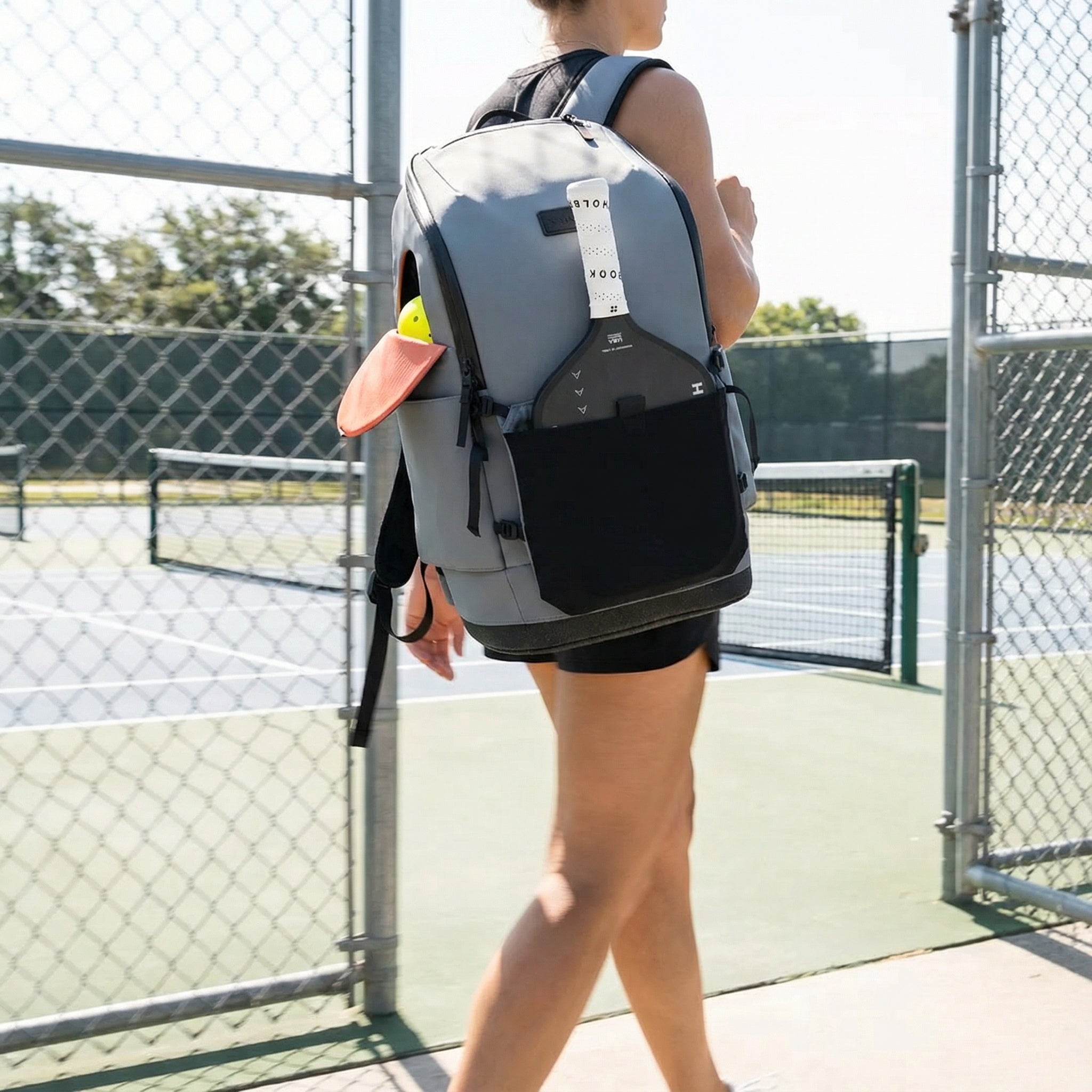
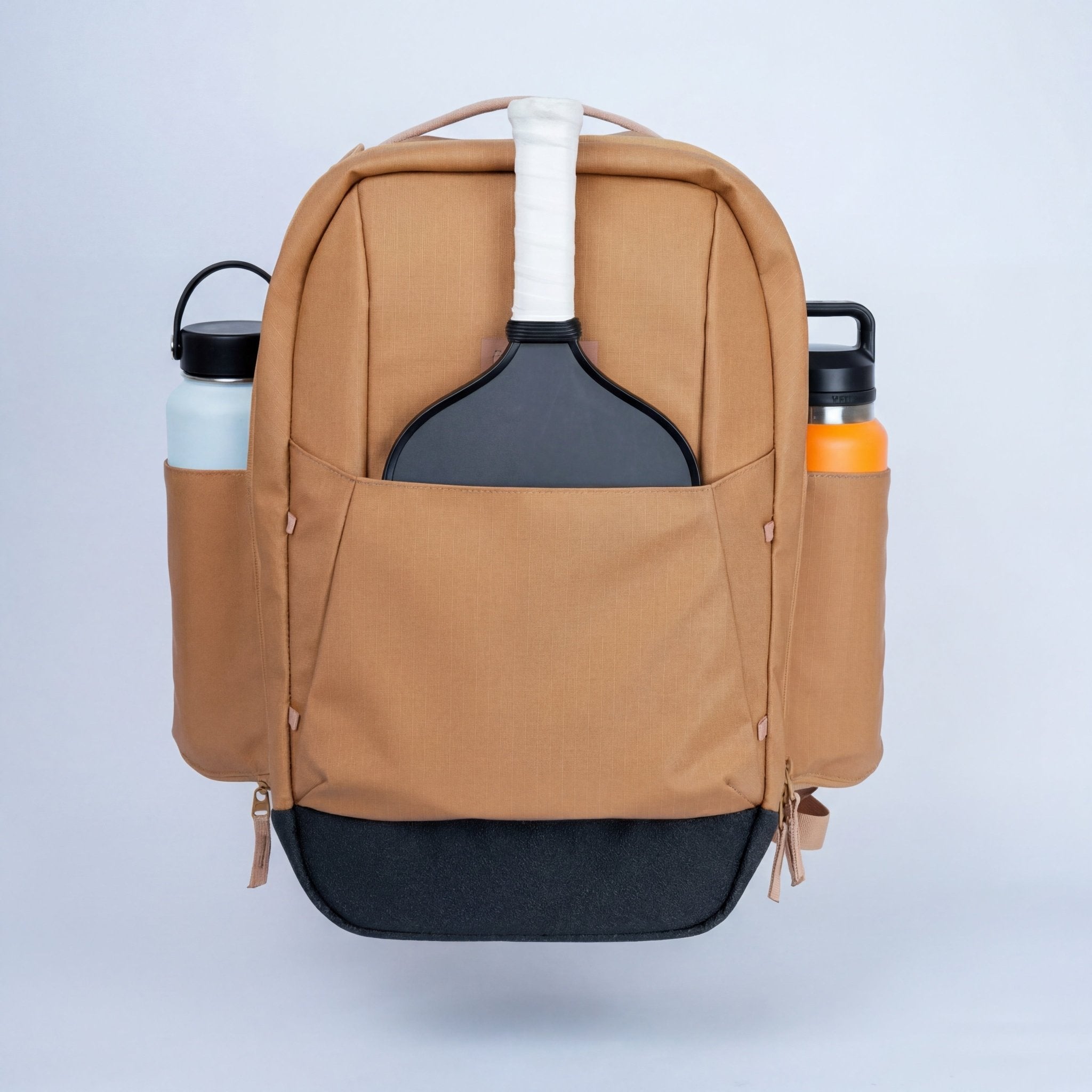
FORWRD Court Ranger V2 — $195
Organized gear matters more when court time is limited. The Court Ranger V2 keeps everything ready between sessions — 16" padded laptop sleeve, modular paddle storage, YKK AquaGuard zippers built for year-round use.

How to Reserve Court Time Without Getting Locked Out
Knowing where courts exist and actually securing a slot on them are two separate problems. Here's what works.
Book Weeks Out, Not Days
Popular indoor sessions — especially at YMCAs and dedicated clubs — fill 2–4 weeks ahead during winter. If you want consistent court time in December, start looking in November. The players who always seem to have access operate on a recurring booking: same slot every week, auto-renewed. Treat it like a standing calendar commitment, not a weekly scramble.
Learn the Booking System Before You Need It
Different facilities use different platforms. Common ones: Pickleball Den (popular with YMCAs), Court Reserve, and Bookeo. Some facilities still use phone-only booking or an in-person signup sheet. Know which system your preferred venue uses — and have your account created — before you're trying to grab a slot that's about to fill. Players who have to create accounts under pressure consistently lose to people who were already set up.
Use the Waitlist Actively
Most indoor venues with high winter demand run cancellation waitlists. Get on the list for peak times — weekday mornings and early evenings — even when sessions show full. Winter cancellation rates run 15–25%, driven by illness, work schedule changes, and weather hesitation. Active waitlist members regularly get court access within one to two weeks. Passive players who don't bother with the list wait until spring.
Open Play vs. Reserved Court Time
Open play — show up, pay a drop-in fee, play with whoever's there — is more flexible but less consistent for developing as a player. Reserved court time with your regular group gives you control but requires coordination. Most competitive recreational players combine both: open play on weekday mornings when it's available, reserved courts with a regular group for evening and weekend sessions.
Tips for Playing Well on Courts You've Never Been On
Most indoor guides skip this section. They shouldn't — court variation affects how you play significantly, and transitioning from outdoor concrete to a gym floor without adjusting is a reliable source of unforced errors.
Surface Types and How They Change Ball Behavior
Indoor courts aren't uniform. The three most common surfaces:
- Hardwood gym floors: The repurposed basketball court. Wood has give — the ball bounces higher and faster than on outdoor concrete. Footwork is also different, since hardwood is more slippery, especially with shoes not designed for it. Expect a learning curve in your first session on unfamiliar wood.
- Cushioned modular tile: Common in newer dedicated pickleball clubs. Slightly lower bounce than wood, significantly better joint absorption. For players coming from concrete outdoor courts, this is the most forgiving transition.
- Coated concrete: Indoor sports coating over concrete. Ball behavior is closest to outdoor play, which makes this the easiest adjustment for outdoor-trained players.
For a deeper breakdown of how surfaces affect bounce, footwork, and joint load, the FORWRD court surfaces guide covers the physics by surface type.
Lighting and Ball Tracking
Indoor lighting changes ball visibility in ways that catch outdoor players off guard. The yellow Franklin X-40 that stands out against an outdoor blue court can get lost against white ceiling tiles under fluorescent gym lights. Give yourself a full 15-minute warmup specifically for tracking — your outdoor tracking habits don't transfer automatically. Some regular indoor players switch to a different ball color specifically for gym lighting conditions.
Sound and Partner Communication
Multiple courts running simultaneously creates a wall of sound that makes verbal partner communication unreliable. Work out a non-verbal system before you play: a hand signal for poaching, a point for who covers the middle. Relying on verbal cues during rallies is a liability in a busy indoor facility — this matters most when you're in a tight match and your partner can't hear you calling the middle ball.
Non-Marking Shoes Are Non-Negotiable
Virtually every indoor facility requires non-marking soles and enforces it. Your outdoor court shoes work fine if they have gum rubber soles — but bring a spare pair if you're not certain. Gum rubber is also the right choice specifically for hardwood: it grips wood better than the compound on outdoor-optimized shoes. Get turned away once for wrong shoes on a court you waited two weeks to book, and you'll never forget this step again.
FAQ: Finding Indoor Pickleball Courts in Winter 2026
How do I find indoor pickleball courts near me in winter?
Start with Pickleheads — the official USA Pickleball court finder with 14,000+ locations and indoor/outdoor filters. Cross-reference Places2Play for venues that haven't updated their Pickleheads listing. For any facility that opened in the last 12 months, a direct Google search for "indoor pickleball [your city] 2026" catches venues that haven't claimed a listing anywhere. Always call to confirm current hours before making a trip.
What's the best app to find open pickleball courts?
Pickleheads is the most useful single app in 2026 — it combines court listings with live open play schedules, community reviews, and USA Pickleball's official backing. For tournament travel or international play, Global Pickleball Network has better coverage. Places2Play remains worth checking for historical venue data, but its schedule information is increasingly stale compared to Pickleheads.
Do YMCAs offer indoor pickleball in winter?
Most YMCAs in medium-to-large markets run indoor pickleball year-round. Formats vary by branch: daily open play, monthly session leagues, or skill-specific groups. Most now require advance reservations. Check your local Y's website directly — search "[city] YMCA pickleball schedule" — or call the program desk. Members typically get earlier booking access than non-member drop-in visitors.
How do I reserve time at an indoor pickleball court?
Booking systems vary by venue: YMCAs commonly use Pickleball Den or Court Reserve; dedicated clubs have proprietary apps or websites; community centers often use Bookeo. Create an account before you need it. Book 2–4 weeks out for peak winter slots. Get on waitlists for any session that shows full — winter cancellation rates run 15–25%, so active waitlist members regularly get court time within a week or two.
Ready to make the most of your indoor season? The Court Ranger V2 ($195) keeps your gear organized and ready for every session — because when indoor court time is scarce, showing up unprepared isn't an option. Built with a 16" padded laptop sleeve, modular paddle storage, and YKK AquaGuard weatherproof zippers, designed with 500+ real year-round players.

Leave a comment
This site is protected by hCaptcha and the hCaptcha Privacy Policy and Terms of Service apply.