

The fastest way to find a pickleball league or social club near you: search Places2Play.org, filter by your zip code and "open play" or "leagues," and show up on the scheduled day. That's the short answer. But the format you choose — formal league, social club, or drop-in open play — determines how fast you improve and whether you actually enjoy it. Getting that match right takes five minutes more research.
Most guides stop at "check your local rec center." This one covers all three paths, the social dynamics nobody warns you about, and real cost numbers so you know what to budget before you walk in.
Last updated: August 2026
Table of Contents
- The Three Ways to Join
- Where to Find Leagues and Clubs Near You
- What to Expect Your First Night
- The Cost Breakdown
- How to Level Up From Casual to Competitive
- FAQ: Common Questions About Joining Pickleball Leagues and Clubs
The Three Ways to Join
There are three distinct paths into organized pickleball. Know which one fits your situation before you commit time or money — they suit very different players.
Formal Leagues
Structured schedule. Standings. Seeding by skill level. An end-of-season bracket. Parks and recreation departments run most of them, though private clubs and the USA Pickleball official league program also organize seasons. Leagues typically run 6–10 weeks with guaranteed games each week, and you pay the entry fee upfront for the whole season.
Best for players who want accountability and consistent competition. Not ideal for true beginners — many leagues seed by DUPR or self-reported skill group, and showing up unrated creates awkward placement. Get 2–3 months of open play under your belt first.
Social Clubs
Organized but informal. A club might run Tuesday night doubles and Saturday morning round-robins without competitive standings or bracket play. There's usually a membership fee or drop-in guest rate, but no pressure, no seeding, no scoreboard. Clubs are where most players actually develop their game — consistent opponents, real community, and the social component that brings people back every week.
Best for players at any level who want regular play without the stakes of league competition. Newcomers get integrated quickly because the culture is explicitly social.
Open Play (Drop-In)
Show up, pay a small session fee (or use your YMCA card), put your paddle in the rotation queue, and play when courts open. No registration. No schedule commitment. No partner required. The skill mix is wider — you'll share courts with 2.5s and 3.5s in the same session, and that's part of what makes it educational early on.
Best for complete beginners, players who've relocated, or anyone who wants pickleball without strings attached.
The honest recommendation on where to start: open play first, always. It teaches you the rotation system, the etiquette, and the culture of local play before you commit to a league or club. Most experienced players started with open play and graduated once they knew they were staying.
Where to Find Leagues and Clubs Near You
The tools for finding local pickleball have improved significantly. Here's where to actually look:
Places2Play (places2play.org) — the most comprehensive court and organized play database in the US. Built with USA Pickleball involvement and maintained by the community. Search your zip code and filter for "open play" or "leagues." Most listings include the schedule, contact info, and whether the session is skill-tiered.
USA Pickleball Club Directory (usapickleball.org/clubs) — a national directory of USA Pickleball-affiliated clubs. Self-reported by club organizers, so coverage is stronger in high-density markets (Florida, Arizona, Pacific Northwest, Texas). Worth checking alongside Places2Play — the two databases don't overlap completely.
Pickleheads — primarily a court-finder, not a league directory. But courts listed often have affiliated groups. Useful for finding where play is happening, less useful for finding structured leagues.
Facebook Groups — search "Pickleball [your city]" or "Pickleball [your county]." These groups are remarkably active. Local organizers post about open courts, rain cancellations, and new sessions before they update any directory. The informal stuff — Wednesday evening round-robins at the park, Saturday morning beginner clinics — often exists only in these groups. Find them.
Your city's Parks & Recreation website — look under "adult sports" or "racket sports." These programs tend to be lower cost than private clubs and more beginner-friendly by default. Registration windows open seasonally, so check early if you want a spot.
One underrated move: walk onto any outdoor pickleball court during open play and ask the regulars where the organized leagues are. Local knowledge beats any app.
Ready to show up organized?
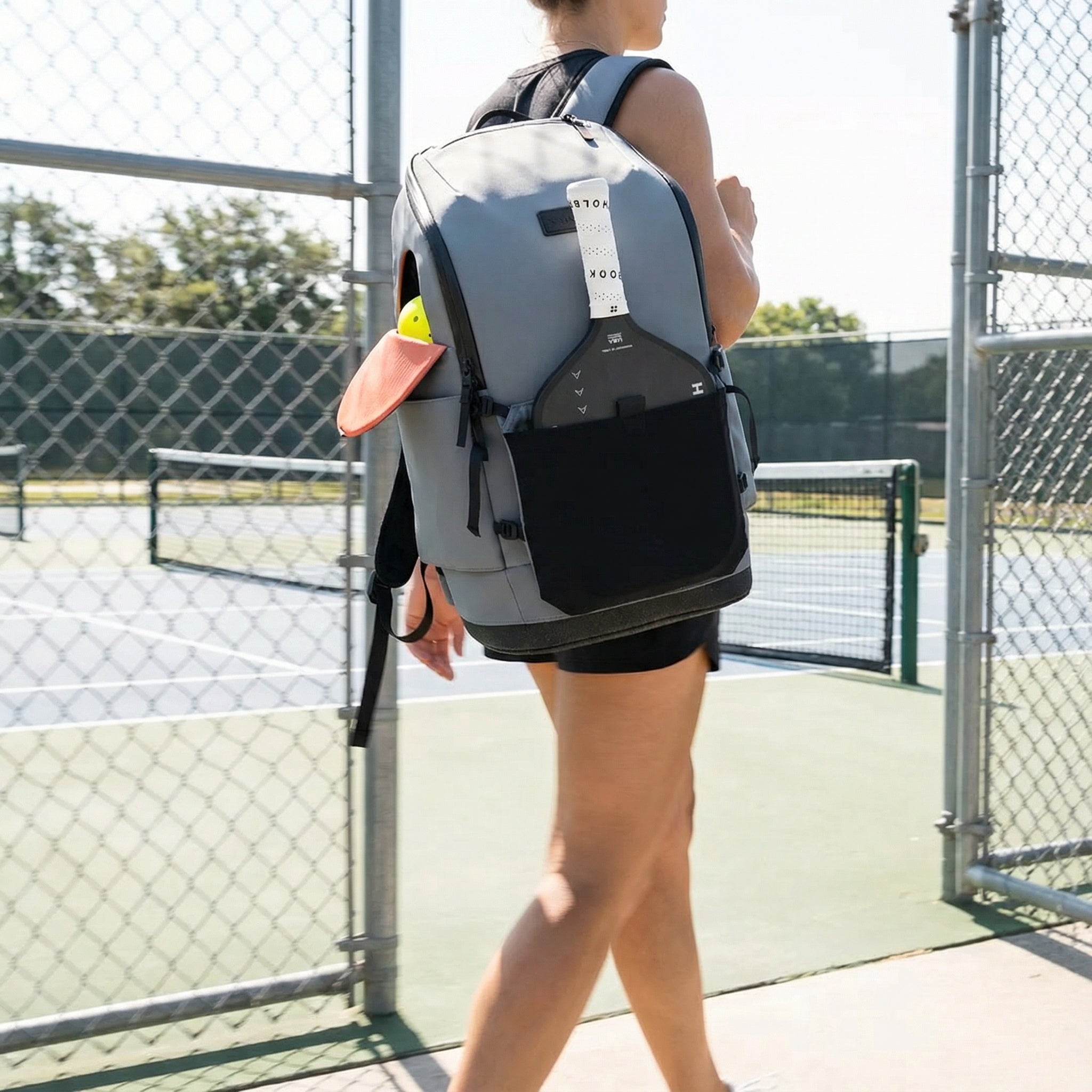
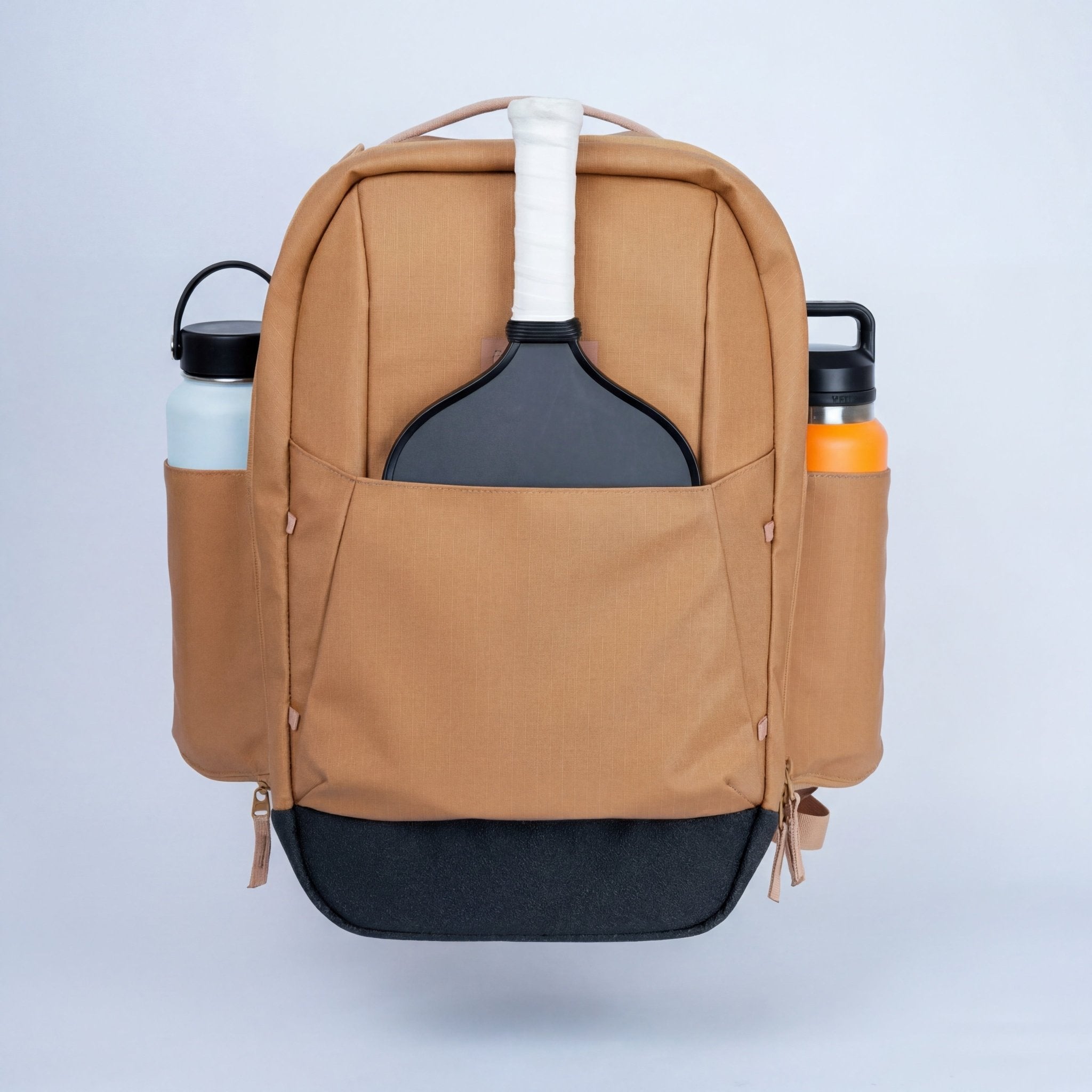
The Court Ranger V2 handles 2–3 paddles, a 16" laptop, shoes, and a water bottle — everything for a club night, without digging through a repacked gym bag.
What to Expect Your First Night
Real talk: the first open play or club night is awkward. Not because pickleball players are unfriendly — they're famously the opposite — but because there's an invisible structure to how courts operate, and newcomers don't know it yet.
The Paddle Queue
At most open play sessions, players put their paddles on a board or rack in order of arrival. The four paddles at the top of the queue form the next game. When your game ends, your paddle goes to the bottom. If there's no visible system, ask one of the regulars — every court has one, and nobody will explain it unprompted.
Signaling Your Skill Level
This matters more than people expect. If you're a 2.5 showing up to advanced open play, you'll notice the vibe shift. Most organized sessions are segmented by skill — make sure you're in the right tier. If the session is unsegmented, play conservatively for your first few games. Players figure out the natural sorting fast; let it happen without forcing your way into competitive courts before you're ready.
Asking to Play
You don't have to wait to be chosen. After watching a game complete, it's completely normal to ask "who's got next?" and slot into the queue. The community is genuinely welcoming — most of the awkwardness in those first 10 minutes is in your head, not on the court.
"The hardest part of joining isn't showing up — it's that first 10 minutes before someone invites you into a game. Once you're in, you're in. The pickleball community actually is as welcoming as everyone says."
— Grub, FORWRD
For a full breakdown of court etiquette (rotation systems, ball-calling, game formats), our guide to pickleball etiquette and unwritten rules covers what you need before your first session.
What to Bring
A paddle, water, court shoes (non-marking soles). That's the minimum. One thing that signals you're there to play seriously: a proper bag. Not a gym duffel repacked around your paddle — an actual pickleball bag with a dedicated sleeve. The Court Ranger V2 ($195) is what most club regulars carry — paddle sleeve, 16" laptop compartment, YKK AquaGuard zippers. It won't make you a better player your first night, but it removes one friction point from a session where you're already managing a lot of new information.

The Cost Breakdown
No guide covers this honestly. Here are real numbers based on what recreational programs actually charge in 2026:
| Format | Typical Cost | Commitment |
|---|---|---|
| Open play (parks/rec) | $3–$10/session | Drop-in, none |
| Open play (private club) | $10–$20/session | Drop-in or day pass |
| Social club membership | $30–$100/month | Monthly or annual |
| League — parks/rec | $40–$80/season | 6–10 weeks |
| League — private | $80–$150/season | 6–10 weeks |
| YMCA/JCC (pickleball included) | $40–$70/month | Monthly membership |
A few cost notes worth knowing:
- First session free — many parks and rec leagues offer a trial session for new players before you pay the season fee. Always ask before registering.
- USA Pickleball membership ($35/year) — required for their official league program and some sanctioned clubs. Not required for open play or informal clubs.
- Private metro clubs can run $150–$300/month for full access with courts, lessons, and league play — the country club equivalent of pickleball. These are the exception, not the rule.
Most recreational players settle into spending $15–$50/month once they find their spot. Open play 2–3 times per week at a parks facility is usually under $25/month total.
How to Level Up From Casual to Competitive
The progression is shorter than most people expect. Here's what it actually looks like:
Months 1–3: Open play. Learn the rotation, the etiquette, and your real skill level. Play against a range of opponents. Don't worry about your rating yet.
Months 3–6: Social club or club membership. Regular weekly play with consistent opponents. Your game improves faster when you stop adjusting for completely unknown playing styles and start actually working on shots.
Months 4–9: First league season. Expect mixed results. You'll lose matches to players who've been playing longer — that's exactly the environment that drives improvement fastest. Go in knowing that.
~Month 6+: DUPR rating establishment. Once you've played enough rated matches, your DUPR (Dynamic Universal Pickleball Rating) reflects your actual level. This makes league placement cleaner and opens higher-quality competitive opportunities.
Optional (typically 12+ months in): Tournament play. Not everyone goes this route, and there's no pressure to. But for players who want it, USA Pickleball sanctioned tournaments run year-round nationally at every skill tier. Our 4-week tournament preparation guide covers everything from registration to what to pack when you're ready.
One thing nobody mentions: the jump from open play to a real league feels bigger than it is. After one season, it feels normal. Start one level below where you think you belong. You'll compete more, enjoy the season more, and actually improve faster than getting bageled by players two levels above you.
FAQ: Common Questions About Joining Pickleball Leagues and Clubs
How do I join a pickleball league near me?
Search Places2Play.org or your city's parks and recreation website under adult sports. Most recreational leagues accept walk-in registration at the start of each season. For USA Pickleball official leagues, register at usapickleball.org/leagues — you'll need a $35/year USA Pickleball membership. Year-round leagues run in most markets; if the current season is full, ask to be waitlisted for the next registration window.
What's the cost to join a pickleball social club?
Parks and recreation clubs typically charge $30–$60/month or a per-session drop-in rate of $5–$10. Private club memberships range from $50–$150/month in most markets. High-end metro clubs can run significantly more. Most clubs offer a free trial session before you commit — always ask if it's not advertised.
Can beginners join mixed-skill leagues?
It depends on the league structure. Most recreational leagues offer skill-tiered divisions (2.5, 3.0, 3.5+) with self-placement for players without a DUPR rating. If you're a true beginner, look for programs explicitly labeled "beginner" or "novice" — or start with a social club where skill level is less formalized. After 2–3 months of consistent open play, you'll have a clear enough sense of your level to self-place accurately.
How do I find pickleball open play near me year-round?
Places2Play.org has the most reliable year-round listings. Indoor courts (recreation centers, gyms, dedicated indoor pickleball facilities) keep schedules running through winter when outdoor courts go quiet. If you're struggling to find year-round options in your area, our guide to finding indoor pickleball courts in winter covers resources by region and what to search for when the standard directories come up short.
Once you've found your league or club, the next question is usually gear. The Court Ranger V2 is what club players carry to every session — $195, designed with 500+ real players, and built to handle the gym-to-court routine without a full repack.

Leave a comment
This site is protected by hCaptcha and the hCaptcha Privacy Policy and Terms of Service apply.