

Last updated: May 2026
Disclosure: This post contains affiliate links to Pickleball Central. If you purchase through our links, FORWRD earns a small commission at no extra cost to you. We only link to products we'd recommend regardless.
Best Pickleball Paddles in 2026: Tested Picks by Category
The paddle market in 2026 is overwhelming — dozens of brands, hundreds of SKUs, and marketing language that turns simple gear into aerospace engineering. Here's what we know from playing pickleball and talking to players who do it seriously: the right paddle depends almost entirely on your game, not the spec sheet.
This guide covers the paddles that are actually performing right now — by skill level, playing style, and price. We've pulled from independent sources like MattsPickleball, cross-referenced with USA Pickleball approval lists, and stuck to brands with real track records. No fabricated review scores, no guessed specs.
Quick answer: For most intermediate players, a 16mm carbon fiber paddle in the $120–$180 range delivers the best balance of control, feel, and durability. The JOOLA Perseus Pro V 16mm and Selkirk LUXX Control Air lead this tier. Budget players get genuine performance from the Vatic Pro V7.
The Specs That Actually Matter
Before the picks, you need a working model of what the specs actually do. Most reviews list them; fewer explain why they matter.
Core Thickness
This is the single most important spec for feel. Core thickness is measured in millimeters and directly affects dwell time — how long the ball stays on the paddle face during contact.
- 13mm: More power, harder response, less control. Good for aggressive power players who live at the baseline.
- 16mm: More dwell time, softer feel, better control at the kitchen. The go-to for 3.5+ players building a consistent game.
- 18–20mm: Maximum pop-reduction, used by some elite players for surgical placement. A smaller market.
For most players reading this: 16mm is the right call.
Surface Material
Carbon fiber (raw or T700 grade) is the competitive standard — higher spin, better feel, more consistent across the surface. Fiberglass is softer and more beginner-friendly, with more natural power off the face. Beginners: fiberglass. Everyone else: carbon fiber.
Weight
- Under 7.5 oz: Fast swing, less power, easiest on joints. Good for players managing arm or elbow issues.
- 7.5–8.2 oz: The optimal range for most players. Balances power and maneuverability.
- 8.3 oz+: More drive power, harder on joints over long sessions.
Grip Size
Most players fall between 4.0"–4.5" circumference. Quick self-test: measure from the tip of your ring finger to the middle palm crease. When in doubt, size down — you can always add overgrip.
Best Pickleball Paddles 2026 — Picks by Category
#1 Overall: JOOLA Perseus Pro V 16mm (Ben Johns Signature)
JOOLA Perseus Pro V 16mm — The paddle Ben Johns used to become the #1 player in the world. Carbon fiber face, 16mm polypropylene core, 7.9–8.1 oz range. The spin potential is genuinely exceptional — raw carbon texture that produces measurably more RPM on topspin shots than most competitors at the same price point.
What makes it stand out: consistent performance across the full paddle face, not just the dead center. Edge shots feel like center shots. At 4.0+, that consistency translates directly to more reliable dink rallies and third-shot drops.
Who it's for: Intermediate-to-competitive players (3.5–5.0) who want the best all-around performer right now.
Where it's not ideal: Players looking for a pure power paddle — the 16mm core is specifically built for control over drives.
Our Pick: JOOLA Perseus Pro V 16mm
Ben Johns' signature paddle — carbon fiber face, 16mm control core, best-in-class spin generation.
Best for Control: Selkirk LUXX Control Air InfiniGrit Epic
The Selkirk LUXX Control Air InfiniGrit Epic is built for players whose game lives at the kitchen line. The InfiniGrit surface texture is one of the more interesting surface tech developments in the 2025–2026 paddle market — engineered to maintain spin bite longer than standard raw carbon as the surface ages.
The elongated shape gives you additional reach for those two-bounce dink rallies, while the LUXX core keeps the feel soft and connected. Players who've moved from the older Selkirk Power Air to this model report a noticeably quieter, more controlled response at the kitchen.
Selkirk weakness to know: At $220+, you're paying for brand prestige as well as performance. The Vatic Pro V7 at half the price gives you 80% of the same feel. If budget matters, start there.
Best Budget Pick: Vatic Pro V7
The Vatic Pro V7 is the most-discussed budget paddle in the pickleball community for good reason: it competes with paddles twice its price on core feel and spin. 16mm polypropylene core, carbon fiber face, ~$80 street price.
The catch: quality control across production runs is less consistent than JOOLA or Selkirk. Some players report slight surface variance between batches. It's still the best bang-per-dollar paddle in 2026 — just know you may need to test yours before a tournament.
Best for Beginners: Selkirk SLK Halo
Beginners need two things: a forgiving sweet spot and a soft feel that rewards consistent contact over power. The Selkirk SLK Halo (fiberglass face, 16mm core) hits both. It's the SLK line — Selkirk's sub-premium tier — so you get real Selkirk engineering at a friendlier price point (~$70–$90).
Don't buy an elongated paddle as your first. The larger standard-shape sweet spot of the SLK Halo means fewer frustrating mishits while you're still building your mechanics.
Best for Power: CRBN 1 TruFoam Genesis
The CRBN 1 TruFoam Genesis uses CRBN's TruFoam core technology — a foam-injected polymer core that produces a noticeably different response than standard polypropylene honeycomb. The result is more pop on drives and a slightly firmer feel at the kitchen.
If your game is about setting pace and you've tried 16mm paddles and found them too dead, the CRBN 1 is the place to look. CRBN weakness: the foam construction doesn't absorb reset dinks as quietly as a standard polypropylene core. Kitchen-first players will prefer the JOOLA or Selkirk options above.
2026 Paddle Comparison
| Paddle | Core | Surface | Best For | Price Range |
|---|---|---|---|---|
| JOOLA Perseus Pro V 16mm | 16mm | Carbon fiber | Best overall | ~$180–$200 |
| Selkirk LUXX Control Air | 16mm+ | InfiniGrit carbon | Control | ~$200–$230 |
| CRBN 1 TruFoam Genesis | Foam core | Carbon fiber | Power | ~$180–$200 |
| Vatic Pro V7 | 16mm | Carbon fiber | Budget | ~$70–$90 |
| Selkirk SLK Halo | 16mm | Fiberglass | Beginners | ~$70–$90 |
Complete Your Setup
A good paddle is only as good as how you protect it. Most players don't realize their paddle is delaminating or warming up to the surface compression point sitting in a hot car trunk between sessions — this accelerates core compression faster than court hours.
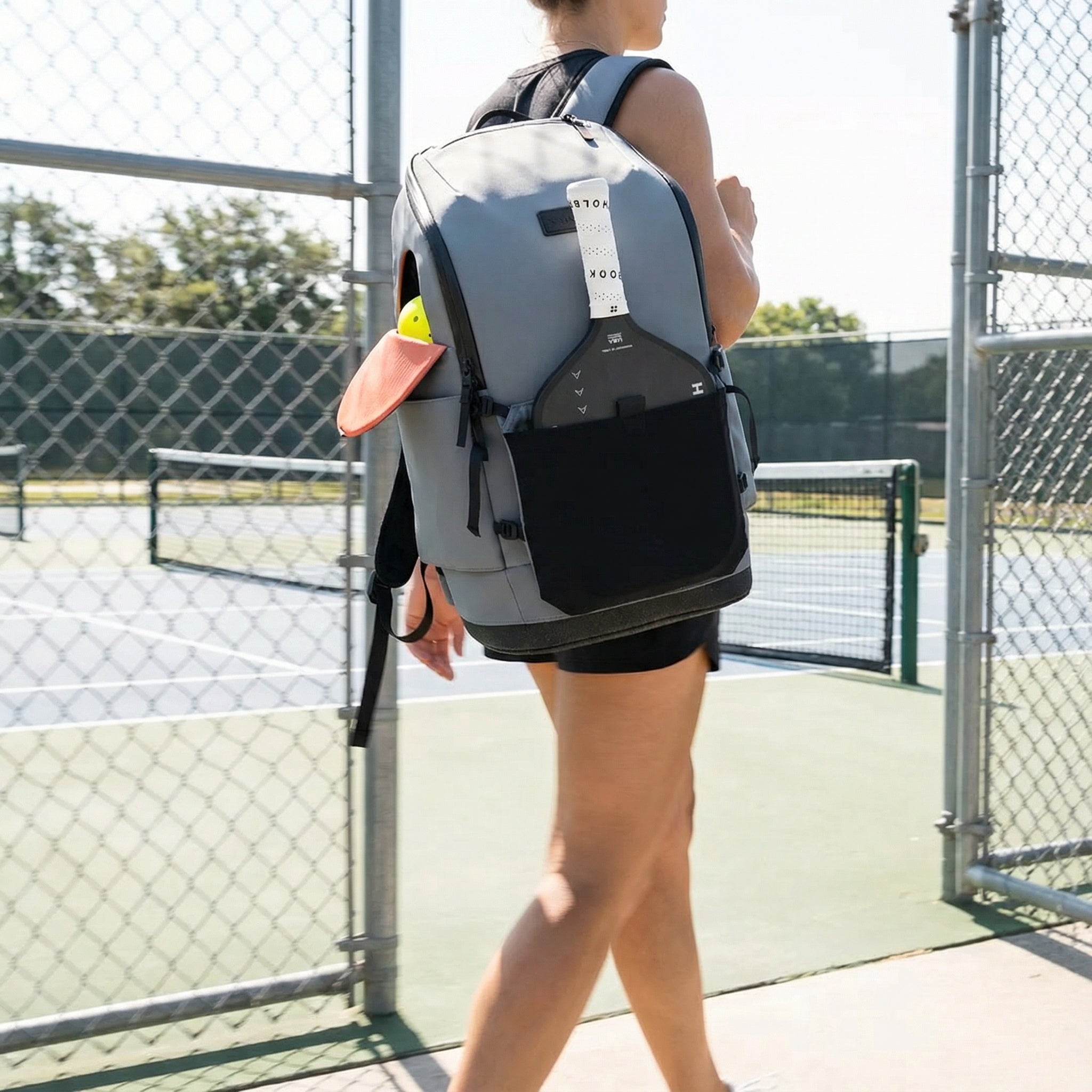
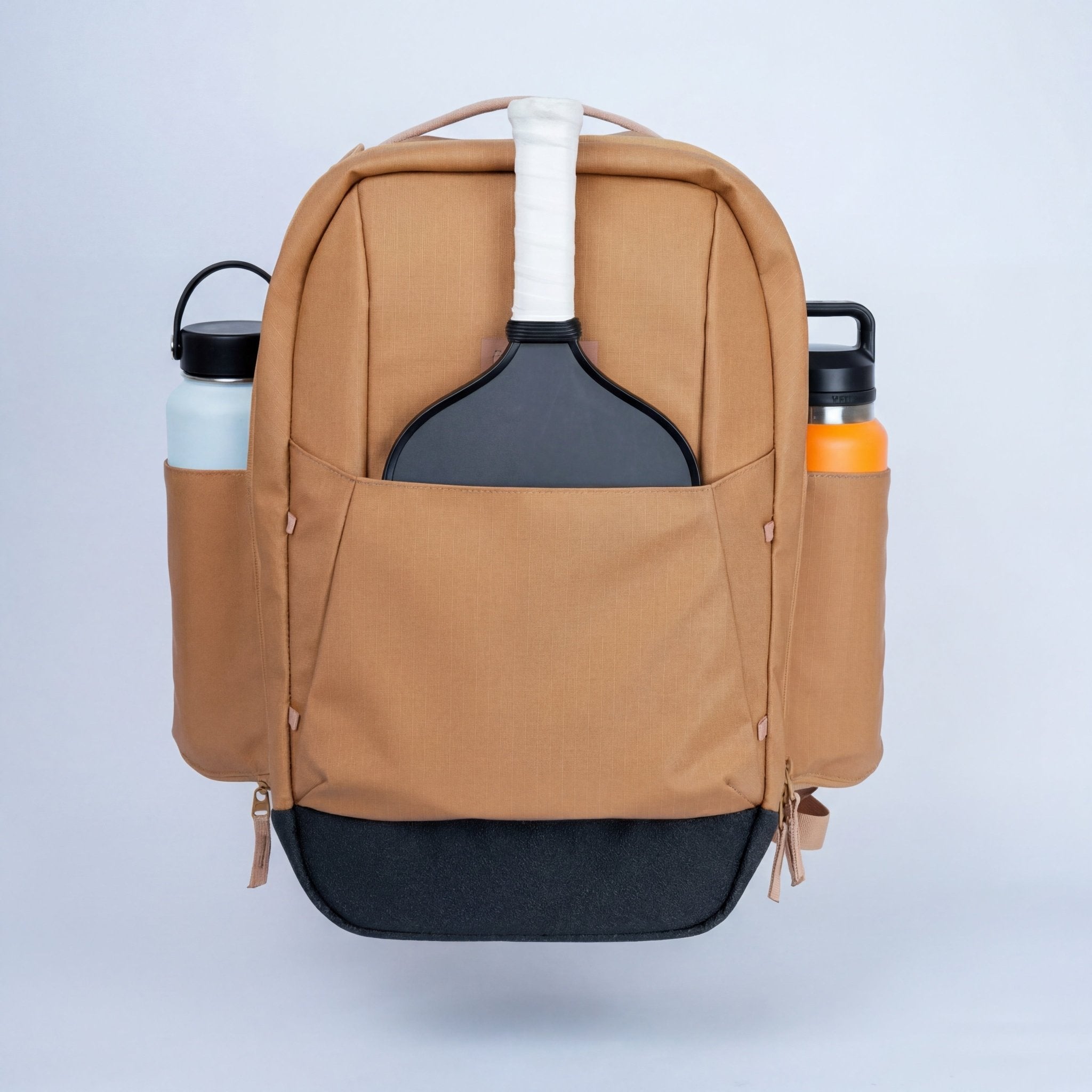
The FORWRD Court Caddy has a dedicated modular paddle sleeve with YKK AquaGuard zippers that keeps your paddle compartmentalized — away from balls, away from wet gear, away from the sun when the bag is closed. If you're carrying a $200 paddle, a $325 bag that keeps it in proper condition for an extra 12 months pays for itself.

Travel players: the Court Ranger V2 ($195) fits in an overhead bin and has a 16" laptop sleeve alongside your paddle compartment. Built for players who commute to courts or pack for weekend tournaments.
Pickleball Paddle FAQ
For most intermediate players, the JOOLA Perseus Pro V 16mm is the best all-around pick — carbon fiber face, 16mm control core, consistent performance across the full face. Budget players should start with the Vatic Pro V7 (~$80). Control specialists will prefer the Selkirk LUXX Control Air.
16mm for most players. The thicker core produces more dwell time and control — which wins more points at the kitchen than raw power does. Only go 13mm if you're a pure power player who rarely dinks and wants to drive through the ball on nearly every shot.
Beginners: $50–$100 (fiberglass, 16mm core). Intermediate 3.0–4.0: $100–$180. Competitive 4.0+: $180–$250. Above $250 you're mostly paying for brand prestige. The Vatic Pro V7 at ~$80 genuinely competes with paddles at $180+.
Carbon fiber for intermediate-to-competitive players: higher spin potential, better feel, more consistent surface. Fiberglass for beginners: softer, more power-focused, less expensive. Most players above 3.0 should be on carbon fiber.
Competitive players (4+ sessions/week): 6–12 months before noticeable feel drop. Recreational: 2–3 years. The honest signal: when spin generation and feel don't recover after surface cleaning. Keep paddles out of hot cars — trunk heat accelerates core compression significantly faster than court hours.
Yes — with care. Go lighter (under 7.8 oz) and thicker core (16mm+). The lighter swing weight reduces the force transmitted to your arm. Avoid paddles above 8.5 oz until you've recovered. A vibration-dampening overgrip like the Tourna Grip also helps absorb shock on mishits.
Bottom Line: Pick the Right Tool for Your Game
The best pickleball paddle is the one that matches how you actually play — not the one that Ben Johns endorses, not the most expensive, not the one your 4.5 friend uses. If you're below 3.5, start with a forgiving fiberglass paddle under $100 and upgrade after 12 months when you know your tendencies. If you're 3.5+, go 16mm carbon fiber and don't overthink it.
Our rankings:
- Best overall: JOOLA Perseus Pro V 16mm
- Best control: Selkirk LUXX Control Air InfiniGrit Epic
- Best budget: Vatic Pro V7
- Best for beginners: Selkirk SLK Halo
- Best power: CRBN 1 TruFoam Genesis
Once you've got the paddle dialed in, protect it. Shop the Court Caddy Backpack — built with 500+ real players, with a dedicated modular paddle sleeve that keeps your investment in playing condition.

Leave a comment
This site is protected by hCaptcha and the hCaptcha Privacy Policy and Terms of Service apply.