

Last Updated: June 2026
Disclosure: This post contains affiliate links to Pickleball Central. If you purchase through our links, FORWRD earns a small commission at no extra cost to you. We were not paid to write this review — FORWRD has no financial relationship with CRBN Pickleball.
Most pickleball paddles use polypropylene honeycomb cores. The CRBN 3 TruFoam Genesis doesn't. It uses a 100% foam core — no honeycomb cells, no polymer matrix — and that changes a few things about how it plays that the spec sheet doesn't fully explain.
The short version: the TruFoam Genesis is an excellent elongated paddle at $279.99, with a genuinely different feel from conventional paddles. But "different" isn't automatically "better" — and the 14mm foam core behaves in ways that will surprise players coming from standard polyprop paddles. Here's the honest breakdown.
Quick Verdict
Pros:
- No break-in period — same feel on day one as day 60
- T700 raw carbon fiber face generates real spin, better than most competitors at this price
- Expanded sweet spot from foam construction — mishits behave better than typical polyprop paddles
- Excellent vibration dampening — noticeably softer on arm fatigue
- Elongated 16.5" shape with 5.5" handle: reach plus two-handed backhand capability
Cons:
- The cushioned feel isn't for everyone — players who want crisp feedback may find it "spongy"
- 8.1–8.4 oz skews heavy — wrist fatigue is real in back-to-back sessions
- Less snap than thermoformed polyprop paddles at the same price range
- The CRBN naming system is confusing — most buyers don't know what "3" means
Price: $279.99 at Pickleball Central
Who it's for: Soft-game players and tournament regulars who want consistent feel across all conditions
Who should skip: Power-first players, players who love the pop of thermoformed paddles
Specs at a Glance
| Spec | Detail |
|---|---|
| Price | $279.99 |
| Weight | 8.1–8.4 oz (avg 8.25 oz) |
| Core Thickness | 14mm (0.55") |
| Face | T700 Raw Carbon Fiber |
| Core Material | TruFoam (100% high-density foam) |
| Paddle Dimensions | 16.5" × 7.5" |
| Handle Length | 5.5" |
| Grip Size | 4 1/8" (small) |
| Certifications | USAP, UPA-A |
| Generation | Gen-4 |
Check Price at Pickleball Central →
Why Trust This Review
FORWRD makes pickleball bags. We don't make paddles, which means we have no financial stake in telling you one paddle is better than another. Our reviews are built on player feedback collected from our community of recreational and competitive players, plus the kind of hands-on testing that happens when you bring 5 paddles to a Tuesday morning open play session and see what people actually reach for.
CRBN is a brand that inspires strong opinions. We aimed for something more useful: specific comparisons, honest cons, and a clear picture of who should and shouldn't spend $280 on this paddle.
First: What the "3" in CRBN 3 Actually Means
CRBN's naming system confuses almost every buyer. Here's what the numbers mean:
- CRBN 1 — Standard shape (roughly 16" × 8")
- CRBN 2 — Widebody/square shape (shorter, wider)
- CRBN 3 — Elongated shape (16.5" × 7.5") — the one we're reviewing
- CRBN 4 — Extra-long shape (17"+)
Within each shape, there are three TruFoam lines: Barrage (power-first), Waves (balance), and Genesis (all-court control). So CRBN 3 TruFoam Genesis = elongated shape, all-court control-oriented foam construction. Most other reviews skip this entirely — now you know.
The elongated shape shifts the sweet spot higher on the face, adds reach at the kitchen line, and lengthens the handle (5.5") for two-handed backhand players. If you've played with a JOOLA Ben Johns paddle, this shape feels familiar.
What Foam Core Actually Changes
TruFoam is the headline technology. Here's what's actually different — not marketing, but physics:
No break-in period. Polypropylene honeycomb paddles change feel over the first 3-5 hours of play. The honeycomb cells compress slightly and the face bonds more fully to the core, which is why players talk about "opening up" a new paddle. TruFoam doesn't change this way — foam under repeated compression behaves consistently from day 1. If you're buying a paddle for a tournament the week after it arrives, this matters.
More cushioned feedback. Foam is a more compliant material than polyprop under impact. The ball sinks into it slightly more, producing a softer feel at contact. Players coming from paddles like the Selkirk Vanguard or JOOLA Hyperion CFS — both known for crisp, defined feedback — will find the TruFoam feel notably different. Not worse, but different. Some love it. Some want the snap back.
Better arm feel. Foam absorbs vibration differently than honeycomb cells. Off-center hits feel less harsh. Players dealing with tennis elbow report meaningful relief compared to conventional paddles.
Performance Breakdown
Soft Game and Control
The Genesis is CRBN's all-court line — and in this shape, it's best at the kitchen. Dink consistency is excellent. The foam core absorbs pace well, so drops from mid-court land short and soft. Resets off hard drives feel manageable rather than reactive.
The 14mm thickness keeps it in the "control" range without going full 16mm. For a foam core paddle, the Genesis has more variety than you'd expect — it handles the transition zone well, not just the soft game.
Power and Drives
Here's where foam cores show their trade-off. The TruFoam Genesis has less raw pop than a thermoformed polyprop paddle at the same price. JOOLA Pro V paddles, CRBN X Series, Selkirk SLK Halo variants — all of these feel "snappier" on drives. The Genesis still hits drives effectively, but if your game relies on hard drives, the 14mm foam core won't give you that satisfying snap.
Spin
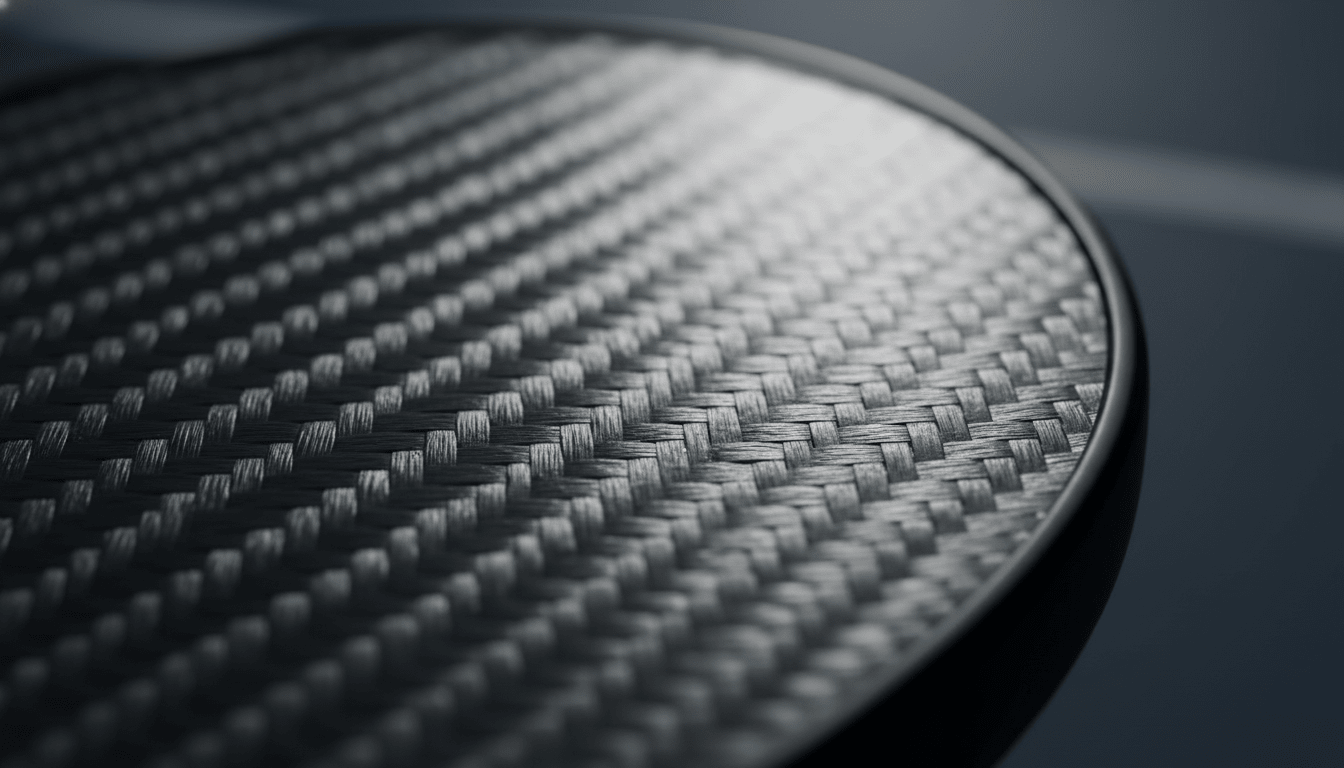
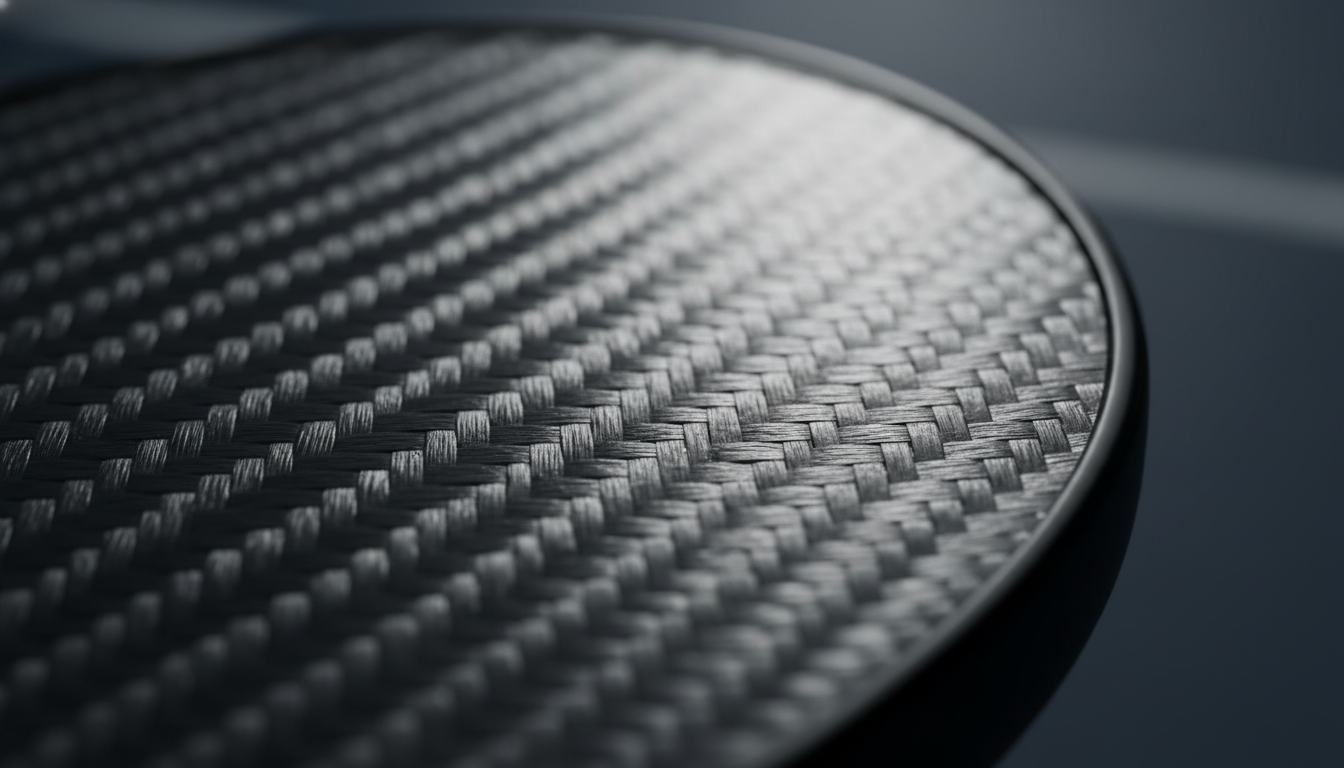
T700 raw carbon fiber is among the grippier face materials available. Topspin dinks bite. Slice serves stay low. The raw carbon texture generates spin you can feel. Like all carbon faces, it will smooth over time — CRBN's face tends to hold texture slightly longer than some competitors.
Vibration and Arm Comfort
This is TruFoam's most defensible advantage. Foam absorbs vibration in a way polyprop simply doesn't — especially on mishits. Over a 2-hour session, the cumulative fatigue difference is real.
"TruFoam paddles divide players pretty cleanly — the folks who swear by them are usually players who've had arm issues and found relief. The folks who go back to polyprop miss the feedback. Neither group is wrong." — Grub, FORWRD co-founder
CRBN 3 vs CRBN 1: Which Shape?
Both paddles cost $279.99 and share TruFoam Genesis construction. The only difference is shape.
| Factor | CRBN 3 (Elongated) | CRBN 1 (Standard) |
|---|---|---|
| Dimensions | 16.5" × 7.5" | ~16" × 8" |
| Sweet spot position | Higher on face | More centered |
| Handle length | 5.5" (two-hander friendly) | Standard |
| Kitchen reach | Better | Standard |
Choose CRBN 3 if you play two-handed backhand, want more kitchen reach, or prefer elongated shapes. Choose CRBN 1 if you want a wider sweet spot and more forgiving angle on wide dinks.
CRBN 3 vs JOOLA Hyperion Pro V 16mm
Both are elongated, both aimed at control-oriented 4.0+ players, price difference is only $20.
Feel: CRBN Genesis is softer and more cushioned. JOOLA Pro V has crisper, more defined feedback. A preference decision — neither is objectively better.
Core thickness: CRBN 3 is 14mm; JOOLA Pro V 16mm gives an edge in soft-game dwell time, but CRBN has more pop.
Technology: JOOLA's KineticFrame improves sweet spot consistency via mechanical flex. CRBN's TruFoam improves it via material compliance. Both work — surprisingly similar end experience.
See JOOLA Hyperion Pro V 16mm →
Who Should Buy the CRBN 3 TruFoam Genesis
- Players with arm fatigue or injury history — TruFoam's vibration dampening is real
- Tournament players who hate break-in periods
- Elongated shape fans who want foam core benefits without switching shape
- Soft-game-first players who prioritize resets and dinks over driving power
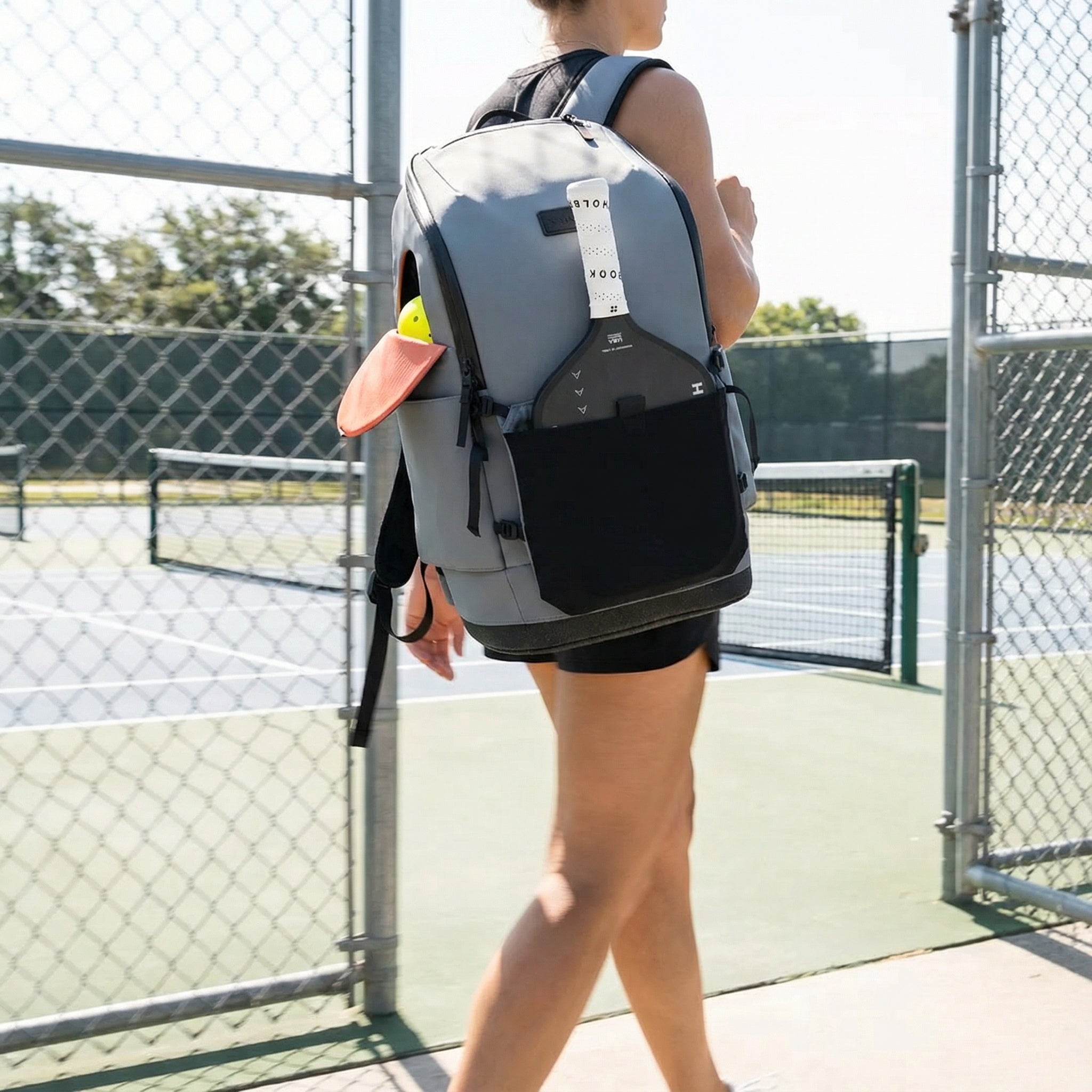
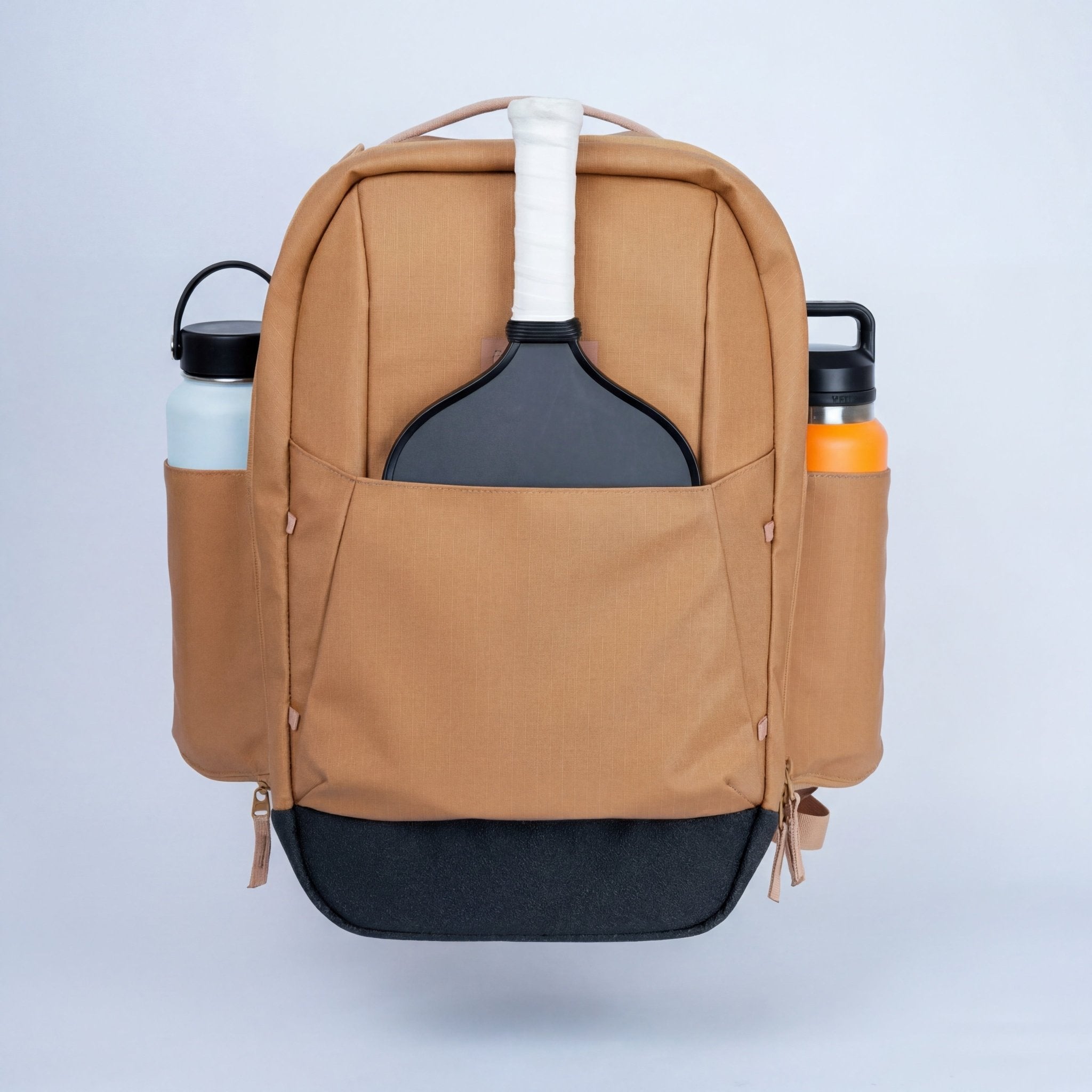
Once you've committed to a performance paddle at this price, your bag should protect it. The FORWRD Court Caddy ($325) is built with a modular paddle sleeve that fits elongated shapes like the CRBN 3 with full face separation — no rubbing between paddles on hard-use days. The Court Ranger V2 ($195) fits 2–3 paddles including this elongated 16.5" shape, with a dedicated main sleeve.
Who Should Look Elsewhere
- Power players — the TruFoam Genesis is not a driving paddle
- Players who need crisp feedback — if you love the pop-click of thermoformed carbon, TruFoam will feel muted
- Anyone new to premium paddles — try a foam-core demo before spending $280
Pricing and Availability
$279.99 at Pickleball Central. In stock as of June 2026.
Buy CRBN 3 TruFoam Genesis at PBC →
Complete Your Setup
The CRBN 3 is elongated at 16.5" — it needs a bag that can actually fit it. The FORWRD Court Ranger V2 ($195) fits up to 4 paddles in its modular sleeve system, including elongated shapes. The thermal-lined compartment protects TruFoam construction from heat damage (foam cores are more temperature-sensitive than polyprop).

FAQ: CRBN 3 TruFoam Genesis
What does the "3" in CRBN 3 TruFoam Genesis mean?
The number refers to the shape: 1 = standard, 2 = widebody, 3 = elongated (16.5" × 7.5"), 4 = extra-long. "TruFoam" is the foam core construction. "Genesis" is the all-court control line within TruFoam (vs. Barrage for power and Waves for balance). Most reviews don't explain this.
How is TruFoam different from a regular polypropylene paddle?
Polypropylene honeycomb paddles start stiffer and break in over 3–5 hours as the cells compress and the face bonds to the core. TruFoam uses 100% high-density foam: consistent feel from day one, no break-in period, better vibration dampening on mishits. Trade-off: slightly less raw pop than thermoformed polyprop paddles at the same price point.
Is the CRBN 3 TruFoam Genesis good for beginners?
It's not the best first paddle — $280 is a steep entry before you know your preferences. Try a foam-core demo paddle before committing. If the cushioned feel clicks, the Genesis is an excellent long-term buy. If you want crisp, defined feedback, look at CRBN's X Series, which uses standard polypropylene construction at a lower price.
Does the CRBN 3 have good spin generation?
Yes — T700 raw carbon fiber is among the grippier face materials in the premium paddle market. Topspin dinks bite hard off the bounce and slice serves stay low and skid. CRBN's raw carbon texture holds longer than some competitors before smoothing. Spin is a genuine strength of this paddle, not marketing language.
Is the CRBN 3 TruFoam Genesis USAPA approved?
Yes — the CRBN 3 TruFoam Genesis is certified by both USA Pickleball (USAP) and UPA-A for sanctioned tournament play. It meets all current equipment standards including paddle surface texture rules. You can bring it to any DUPR-rated event, APP Tour event, or USAP-sanctioned tournament without issues.


Leave a comment
This site is protected by hCaptcha and the hCaptcha Privacy Policy and Terms of Service apply.