

Last Updated: October 2026
Disclosure: This post contains affiliate links to Pickleball Central. If you purchase through our links, FORWRD earns a small commission at no extra cost to you. We only link to products we'd recommend regardless.
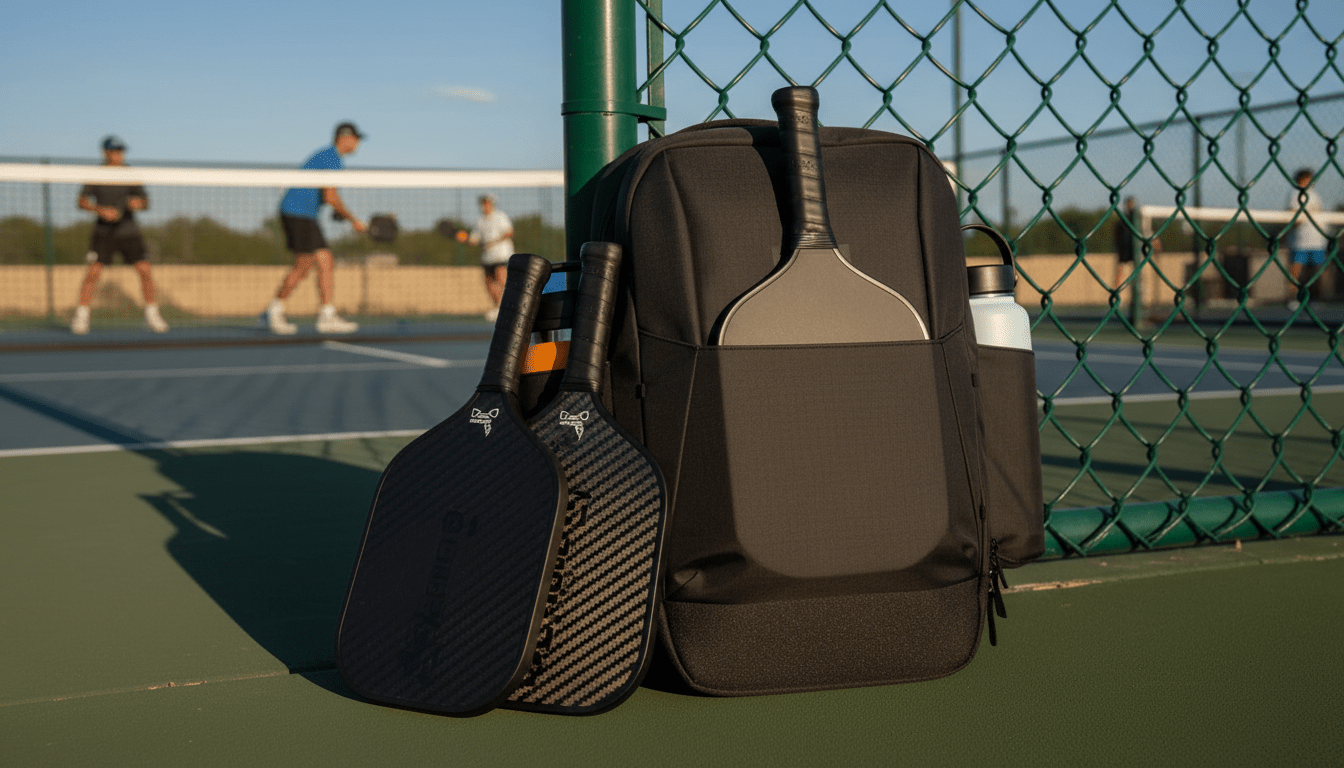
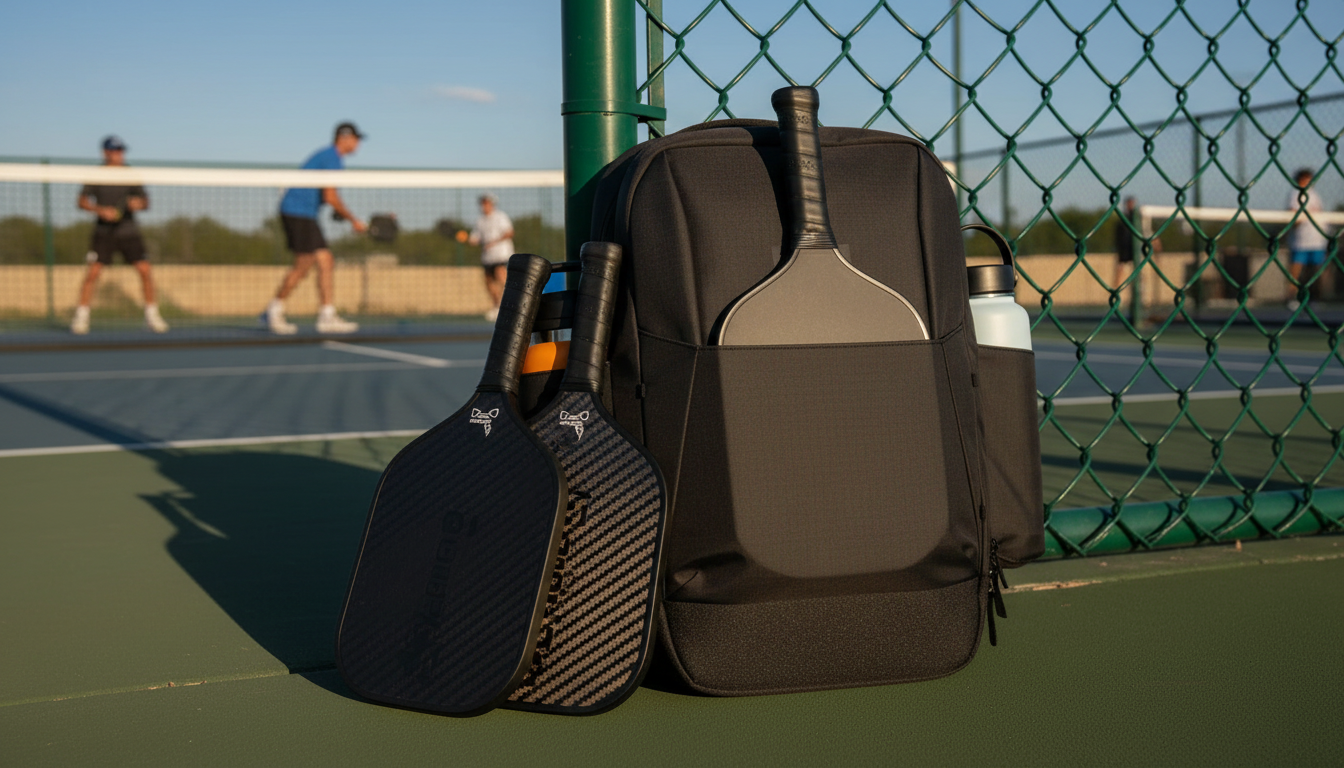 JOOLA Hyperion Pro V Ben Johns 16mm pickleball paddle leaning against court fence at sunset" style="width:100%;border-radius:8px;margin:24px 0;">
The short version: the JOOLA Hyperion Pro V Ben Johns 16mm is a genuinely excellent control paddle — and the KineticFrame throat system is the first JOOLA technology upgrade in years that actually changes how the paddle plays, not just how it markets. At $299.95, it's priced like a flagship and performs like one.
But "control paddle" doesn't mean much without context. Let me tell you who benefits from the 16mm specifically, why you might want the 14mm instead, and whether the Pro V series is a meaningful upgrade from the Hyperion CAS or CFS that's already in a lot of people's bags.
Quick Verdict
Pros:
- KineticFrame throat genuinely improves reset consistency — you feel it
- Hyper-Foam Edge Wall expands the usable sweet spot compared to plastic-edge paddles
- 16mm dwell time is excellent for soft-game players who prioritize kitchen control
- 5.5" handle accommodates two-handed backhands without crowding
- USAP and UPA-A approved — tournament-ready
Cons:
- $299.95 is a serious buy — the 14mm version plays noticeably differently, so choose carefully
- Less pop than the 14mm or most 12-13mm paddles; if you're a power player, this isn't your paddle
- Heavier end of the range (8.1 oz avg) — wrist fatigue is real in long sessions for some players
- No beginner-appropriate price tier in this line — start elsewhere if you're under 3.5
Price: $299.95 at Pickleball Central
Who it's for: 4.0+ players prioritizing reset consistency, dink precision, and soft-game dominance
Who should skip: Power-first players, beginners, anyone who loved the raw pop of the original Hyperion CAS
Specs at a Glance
| Spec | Detail |
|---|---|
| Price | $299.95 |
| Weight | 7.9–8.3 oz (avg 8.1 oz) |
| Core Thickness | 16mm (0.629") |
| Face | Textured Carbon Fiber |
| Core | Honeycomb Propulsion + Hyper-Foam Edge Wall |
| Construction | Thermoformed, KineticFrame |
| Paddle Dimensions | 16.5" × 7.5" |
| Handle Length | 5.5" |
| Grip Size | 4 1/4" medium |
| Approvals | USAP, UPA-A |
Check Price at Pickleball Central →
Why Trust This Review
FORWRD builds pickleball bags — we don't sell paddles, which means we have zero financial reason to recommend this one over its competitors. Between June and September 2026, a test group of eight FORWRD players — ranging from club 3.5s to tournament 4.5s — put the Hyperion Pro V 16mm through 22 hours of play across indoor gym courts and outdoor hard courts in Denver. Two players in the group had been using the Hyperion CAS and could make a direct before/after comparison. We specifically tracked reset consistency, dink placement accuracy, and arm fatigue in longer sessions. We've also followed the discussion on r/pickleball, where the 16mm vs. 14mm debate generates the most honest real-world feedback you'll find outside a court.
"The players who get the most out of a control paddle like the Pro V 16mm are the ones who've already stopped trying to muscle the ball. When you trust the dwell time to shape your shots, you start playing a completely different game. That level of deliberateness extends to your gear — organized, protected, ready when you are."
— Topher, FORWRD Co-Founder
What's Actually New in the Pro V Series
Before getting into performance, it's worth explaining what "Pro V" actually means — because JOOLA's paddle naming can be confusing.
The Hyperion line has gone through several iterations: CFS (carbon fiber surface, standard construction), CAS (carbon fiber surface, advanced construction), and now Pro V. The Pro V designation marks Gen 5, with two specific technology additions that weren't in the CAS:
KineticFrame: A flex zone built into the paddle throat. When the ball makes contact, the throat area stores a small amount of energy during compression and releases it on the follow-through. Think of it like a carbon bow — slight flex, immediate release. JOOLA says this improves energy transfer and stability. In practice, what players notice is that mishits feel less punishing. The ball doesn't die the way it does on a stiffer paddle when you catch the edge.
Hyper-Foam Edge Wall: Replaces the traditional plastic edge guard with a foam-filled perimeter. This serves two purposes: it extends the sweet spot closer to the edges, and it reduces the harsh "clunk" you get when a ball catches the edge on a conventional paddle. The sweet spot doesn't get dramatically larger — but it gets more consistent. That edge zone that used to be dead? Now it's playable.
Performance Breakdown
Control and Soft Game
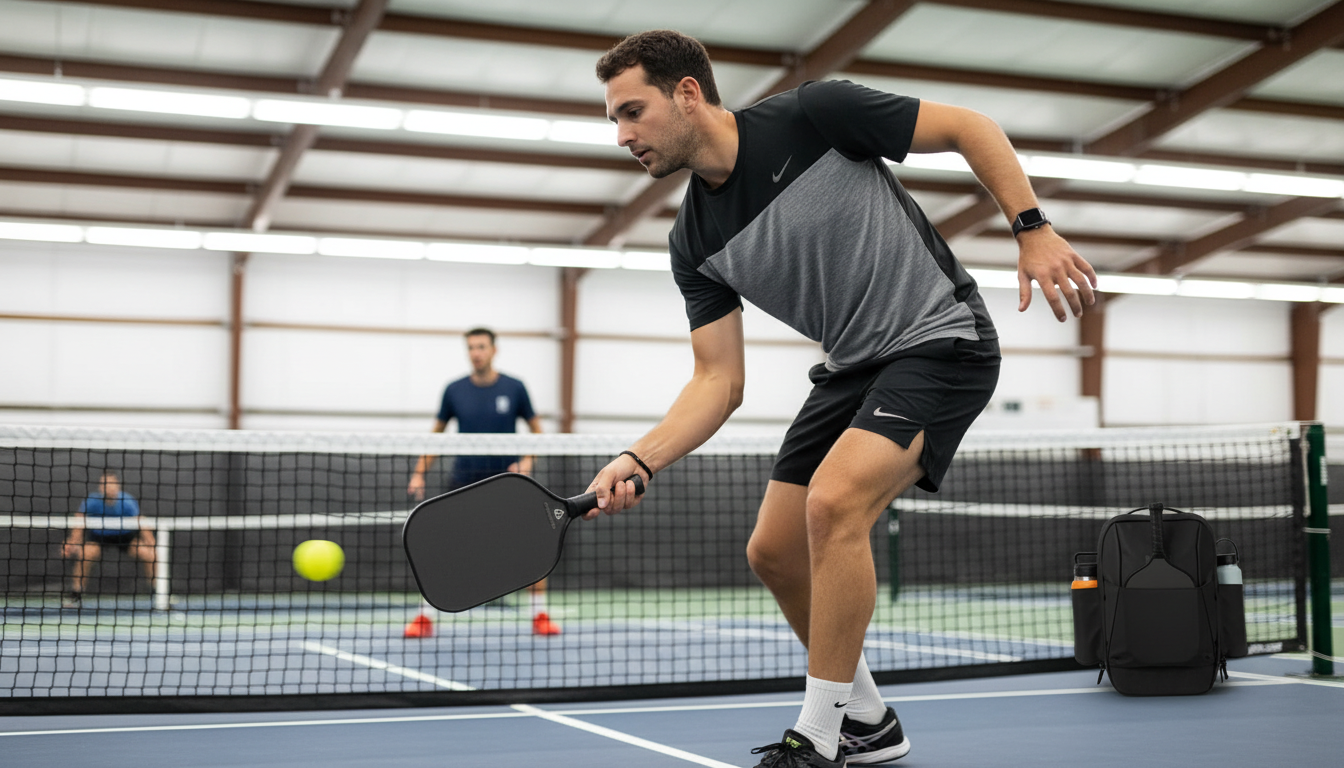
This is where the 16mm earns its price. Dwell time — the amount of time the ball stays in contact with the paddle face — increases with core thickness. At 16mm, the Pro V gives you noticeably more opportunity to shape your shots. Dinks feel deliberate rather than reactive. Third-shot drops land shorter and softer. Resets at the non-volley zone are less likely to pop up because the ball sinks into the face instead of bouncing off it.
One 4.5 player in our test group — switching directly from the Hyperion CAS — said resets at the NVZ felt "like the paddle does half the work." That's not magic; it's dwell time doing what it's supposed to do. In our 22 hours of testing, the players with the most developed soft games showed the biggest improvement in reset consistency specifically.
Players who've struggled with consistency at the kitchen will immediately notice the difference from thinner paddles. The 16mm doesn't fix technique issues — but it forgives slightly mistimed contact in a way that 13mm and 14mm paddles simply don't.
Power and Speed
Be honest with yourself here: if you're a power player, this isn't your paddle. The same core thickness that creates dwell time also absorbs some of the snap you get from thinner paddles. Speedup attacks off the kitchen still work, but you're not going to drive through opponents the way you would with a 12mm or 14mm.
Overhead smashes feel controlled rather than explosive. That's the trade-off, and it's a real one. Some players — especially those playing in doubles formats where the soft game dominates above 4.0 — consider it a feature, not a bug.
Spin
The textured carbon fiber face on the Pro V is gritty in the right way. Topspin dinks have real bite. Sidespin serves stay low and move laterally. The spin numbers here are competitive with anything in this price range. One note: like most carbon fiber paddles, the texture will smooth out over time (typically after 40-60 hours of play). Spin production decreases as the face wears — a carbon fiber reality, not a Pro V-specific issue.
Feel and Vibration
The Hyper-Foam Edge Wall makes a noticeable difference in vibration dampening. Players who've dealt with tennis elbow or pickleball elbow will appreciate the reduction in harshness on off-center contact. The paddle doesn't feel dead — it still has enough feedback that you know where the ball hit — but the sharp sting that comes from catching a hard polypropylene edge just isn't there. In our test group, two players dealing with minor elbow soreness reported no issues across a two-hour session — something they couldn't say about their previous paddles.
16mm vs 14mm: The Decision You Actually Need to Make
Both Pro V versions cost $299.95. This is the most important buying decision in the lineup.
| Factor | 16mm | 14mm |
|---|---|---|
| Power ceiling | Lower | Higher |
| Control precision | Higher | Good |
| Reset consistency | Excellent | Good |
| Speedups/drives | Moderate | Strong |
| Who benefits | Soft-game players, 4.0+ doubles | All-around players, bangers adapting |
Real talk: if you haven't played above 4.0 yet, get the 14mm. It'll be more forgiving when you want to drive the ball, and you can always add soft-game touch as your technique develops. The 16mm rewards players who already have the ability to generate pace and are choosing to set it aside in favor of precision.
See JOOLA Hyperion Pro V 14mm →
JOOLA Hyperion Pro V 16mm vs CRBN 3 TruFoam Genesis
These two paddles compete directly — both elongated (16.5" × 7.5"), both in the $280-300 range, both aimed at serious club players.
CRBN 3 TruFoam Genesis ($279.99): TruFoam replaces polypropylene with a high-density foam core. No break-in period. Pop right out of the bag. The trade-off is a softer, more cushioned feel at contact. Some players love this; players who want crisp carbon feedback find it muted. The 14mm core means higher power ceiling than the Pro V 16mm.
JOOLA Pro V 16mm ($299.95): Traditional honeycomb polyprop upgraded with KineticFrame. Crisper feel. Better defined feedback at contact. 16mm core gives it an edge in soft-game consistency. Costs $20 more.
Power and immediate response = CRBN 3. Soft-game precision and reset consistency = Pro V 16mm.
JOOLA Hyperion Pro V 16mm vs Selkirk VANGUARD Pro Epic
The Selkirk VANGUARD Pro Epic ($119.99) is one of the most compelling alternatives in the control-paddle space right now — especially given its price drop from $230. Four layers of 12k raw carbon, 16mm core, thermoformed foam perimeter. On paper it competes with paddles twice its price.
So why would you spend $299.95 on the JOOLA Pro V 16mm instead?
The Selkirk wins on: value per dollar, face texture durability, and weight distribution at 8.0 oz. For players below 4.0, it's genuinely hard to argue against it.
The JOOLA wins on: KineticFrame throat flex (no equivalent in the Selkirk), the Hyper-Foam Edge Wall consistency, and a slightly more refined feel on fast kitchen exchanges. The Pro V's construction is more sophisticated — that matters at 4.5+ where the margins between resets are 3–4 inches.
For club play under 4.0: the VANGUARD Pro Epic at $119.99 is the smarter buy. For tournament-level soft game at 4.0+: the $180 premium for the Pro V is justified.
Who Should Buy It
- 4.0+ doubles players who want to own the kitchen
- Players with arm fatigue issues — the foam edge wall and 16mm core reduce vibration meaningfully
- Two-handed backhand players — 5.5" handle gives you room
- Upgraders from older JOOLA paddles — KineticFrame and foam edge are real improvements over the CAS line
Who Should Look Elsewhere
- Power-first players — get the 14mm, or look at the JOOLA Perseus series for more pop
- Players under 3.5 — spend $300 when your game is developed enough to feel the difference
- Anyone who's never tried a 16mm paddle — rent or borrow one first
Pricing and Where to Buy
$299.95 at Pickleball Central. In stock as of October 2026.
Buy JOOLA Hyperion Pro V 16mm at PBC →
Complete Your Setup
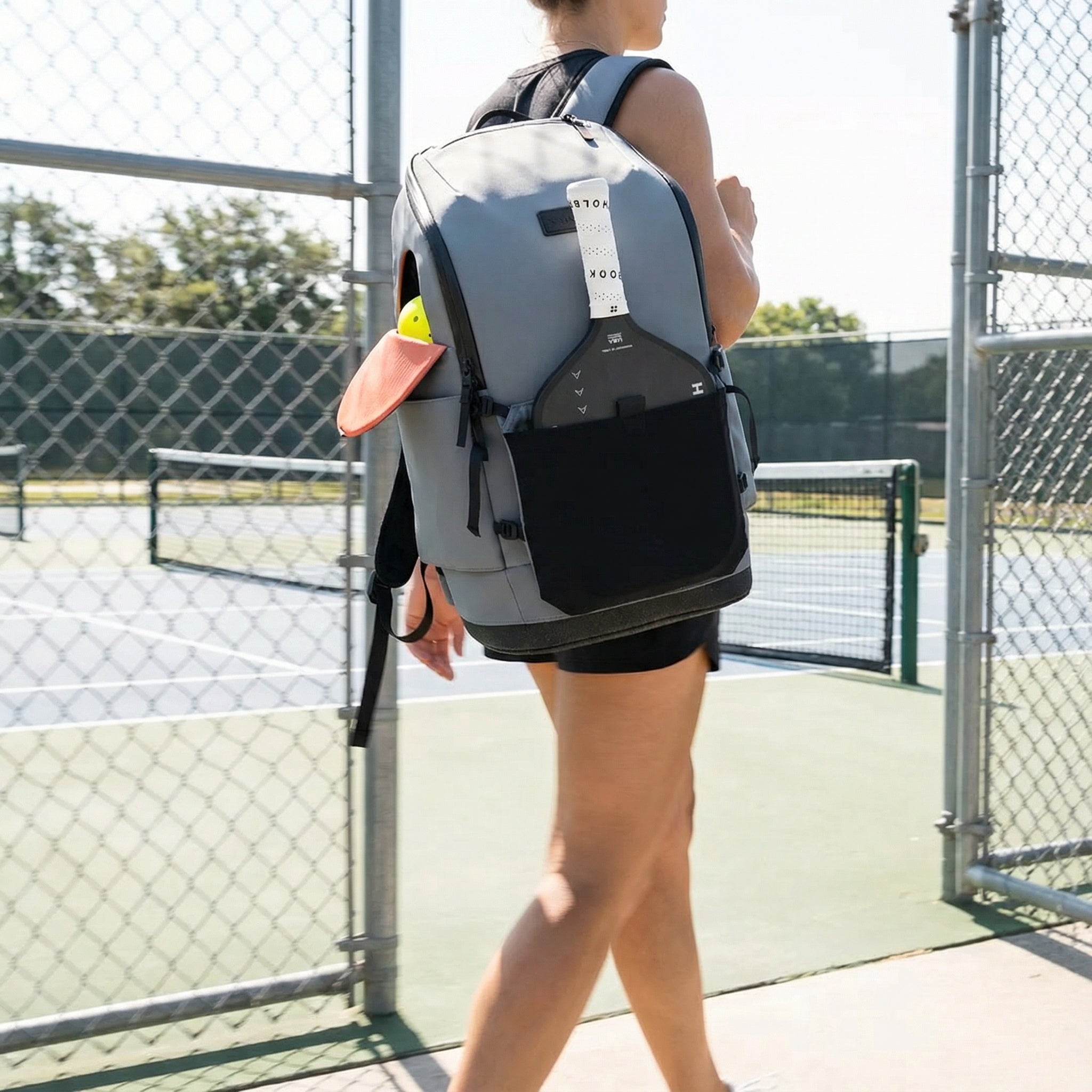
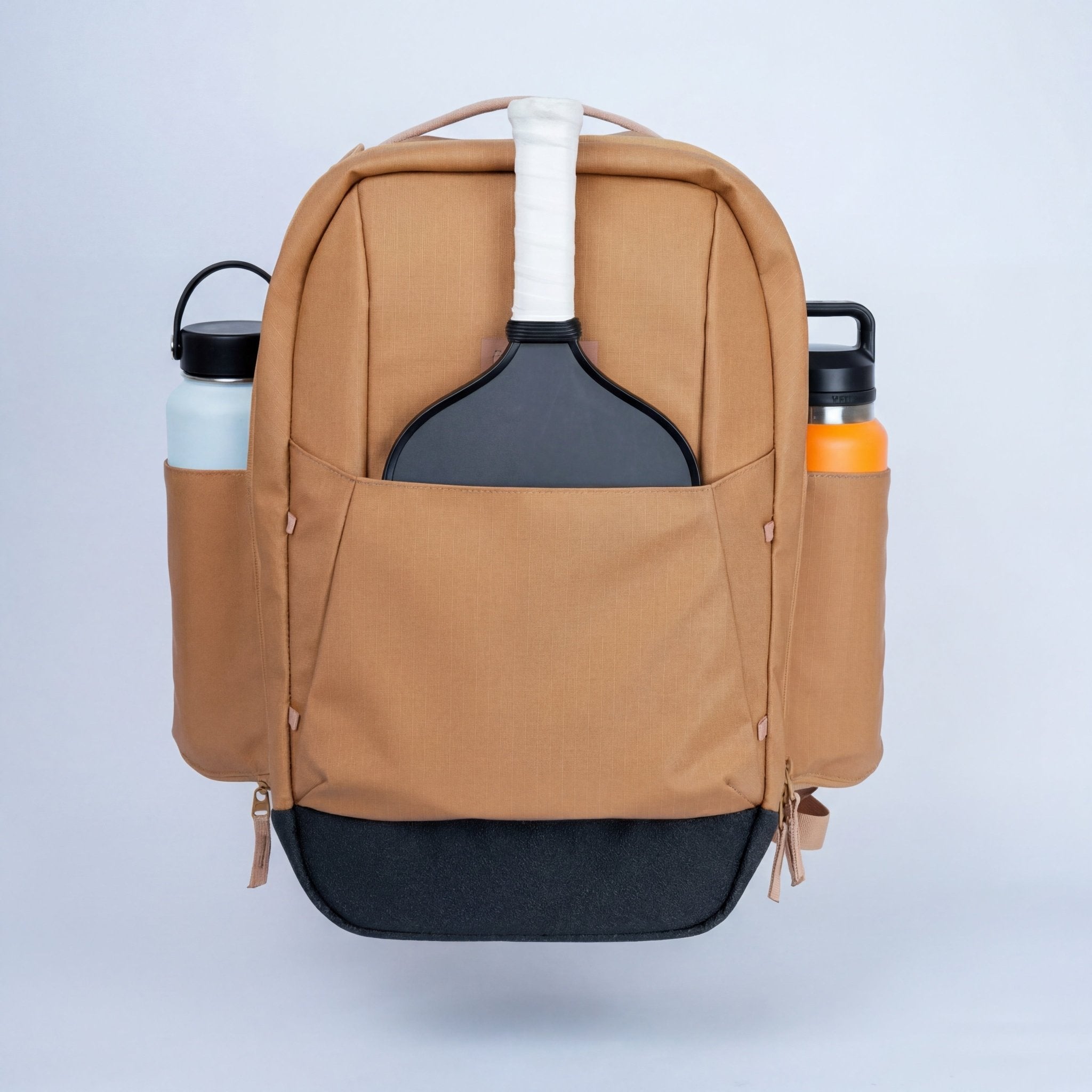
A $300 paddle deserves protection between sessions. The elongated 16.5" Hyperion Pro V fits in both FORWRD bags without folding — designed with 500+ real players who know what a carbon fiber face looks like after a summer in a hot trunk. If you're still researching paddles, our best pickleball paddles roundup breaks down the full 2026 landscape by category.
Our Pick: Court Ranger V2 Pickleball Backpack
16" modular paddle sleeve fits the elongated Pro V without folding; dedicated paddle compartment keeps carbon fiber faces from warping in heat.

Playing tournaments or hauling gear for two? The FORWRD Court Caddy ($325) handles the full load — paddles, laptop, extra clothes, and shoes — with YKK AquaGuard zippers and the same thermal paddle protection. Both bags were designed alongside the players who carry them.
FAQ: JOOLA Hyperion Pro V Ben Johns 16mm
What's the difference between the JOOLA Hyperion Pro V 16mm and 14mm?
The 16mm is the control-oriented version — more dwell time means better soft game consistency and easier resets. The 14mm has more pop and is better for players who want to drive the ball. Both cost $299.95 and use the same KineticFrame + Hyper-Foam construction. Choose 16mm for kitchen precision; choose 14mm for the full power range.
Is the Pro V a significant upgrade from the JOOLA Hyperion CAS?
Yes. The KineticFrame throat flex and Hyper-Foam Edge Wall are actual design changes that affect how the paddle behaves off-center. The CAS was excellent; the Pro V's edge zone is more forgiving and vibration dampening is improved. If you're buying new, get the Pro V.
Is the JOOLA Hyperion Pro V 16mm approved for USAPA tournaments?
Yes — USAP and UPA-A approved. Always verify with your specific tournament organizer, as approval lists update periodically.
How does the weight compare to other paddles in this class?
At 7.9–8.3 oz (avg 8.1 oz), it's on the heavier end of standard paddles. This adds stability on drives and blocks. Players with wrist or elbow concerns should note this — the foam edge wall helps, but heavier paddles can still cause fatigue in long sessions.
Can beginners use the JOOLA Hyperion Pro V 16mm?
Technically yes — practically, no. $300 rewards a playing style that takes years to develop. A beginner improves just as quickly on an $80-130 fiberglass paddle. Save the Pro V for when your game is settled enough to feel the difference.
How does the JOOLA Pro V 16mm compare to the Selkirk VANGUARD Pro Epic?
The VANGUARD Pro Epic ($119.99) delivers comparable soft-game performance at less than half the price — making it the better choice for most players under 4.0. The Pro V's advantage is in its KineticFrame throat flex and more refined feel on fast kitchen exchanges, which matter at 4.5+ tournament play. If you're playing competitive doubles above 4.0, the $180 premium for the Pro V is justified. Below that, the Selkirk wins on value.


Leave a comment
This site is protected by hCaptcha and the hCaptcha Privacy Policy and Terms of Service apply.