

Last updated: June 2026
America's fastest-growing sport isn't just a recreational trend—it's a comprehensive wellness solution that's transforming how people approach fitness and health. With an astounding 311% growth rate over three years, pickleball has captured the attention of millions seeking an accessible, enjoyable way to stay active and improve their well-being.
This unique racket sport combines elements of tennis, badminton, and ping pong, creating a dynamic game that's easy to learn yet challenging enough to provide substantial health benefits. What makes pickleball particularly appealing is its accessibility across all ages and skill levels, from teenagers to adults well into their 80s.
The health benefits of pickleball extend far beyond simple physical activity. This social sport delivers a powerful combination of cardiovascular conditioning, strength building, cognitive enhancement, and mental health support—all while being gentler on joints than traditional racket sports. Whether you're looking to prevent chronic disease, improve balance, or simply stay active in a fun, engaging way, pickleball offers a complete wellness package that addresses both physical and mental health needs.
What Makes Pickleball a Health Powerhouse
Pickleball has earned its reputation as one of the fastest growing sports in America for good reason. This paddle sport successfully bridges the gap between competitive athletics and accessible recreation, making it an ideal choice for anyone seeking to improve their overall health through regular exercise.
The sport is played on a smaller court than tennis—just 44 feet by 20 feet—which makes it less demanding on mobility while still providing excellent physical benefits. The game uses a perforated plastic ball similar to a wiffle ball and paddles that are larger than ping pong paddles but smaller than tennis rackets. This unique combination creates a sport that's easier on the joints while still delivering comprehensive fitness benefits.
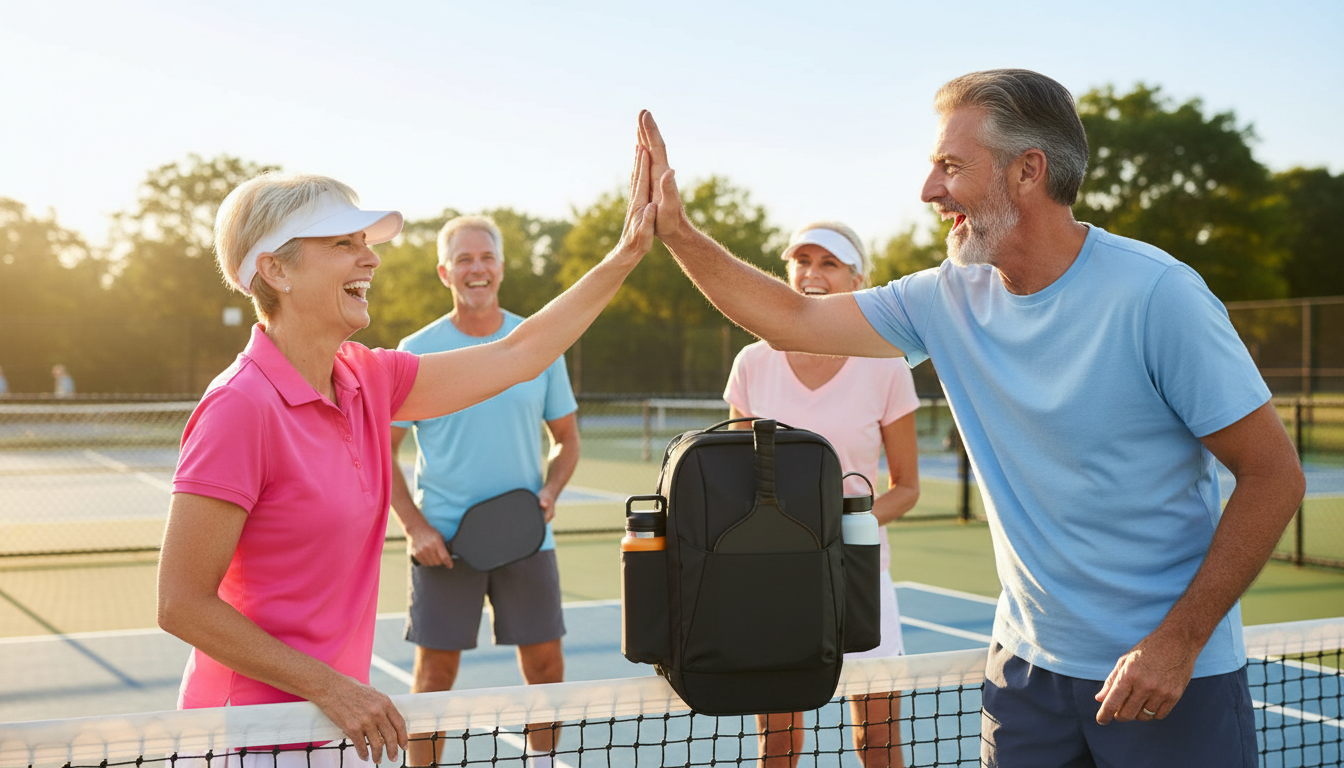
What sets pickleball apart from other physical activities is its remarkable ability to provide both vigorous exercise and social interaction simultaneously. The social aspects of the game contribute significantly to its health benefits, as players often engage in more frequent pickleball sessions due to the enjoyable, community-oriented nature of the sport.
Research from Harvard Medical School and other leading institutions consistently highlights pickleball as an excellent form of exercise for healthy aging. The sport's design naturally incorporates elements that address multiple health concerns simultaneously—from cardiovascular fitness to balance improvement to cognitive stimulation.
Cardiovascular Health Benefits
The cardiovascular benefits of playing pickleball are substantial and well-documented. According to the Apple Heart and Movement Study, one of the largest datasets examining pickleball activity, players typically reach peak heart rates of approximately 70% of their estimated maximum during play, placing the activity firmly in the moderate-intensity exercise category.
During active play, participants can burn up to 600 calories per hour, making pickleball workouts highly effective for weight management and cardiovascular conditioning. This calorie burn rate compares favorably to many traditional forms of exercise while being more enjoyable and sustainable for long-term participation.
The American Heart Association recommends 150 minutes of moderate-intensity aerobic activity per week for optimal heart health. Playing pickleball for just 4.5 hours weekly easily meets this recommendation while providing the added benefits of skill development and social interaction that help maintain exercise adherence.
Interestingly, research shows that doubles pickleball provides significant heart health benefits despite requiring 54% fewer steps than walking-based exercises. This efficiency makes it an excellent option for people who may have mobility limitations but still want to achieve meaningful cardiovascular improvements.
Regular pickleball participation has been linked to:
Reduced risk of heart disease and cardiovascular disease
Lower cholesterol levels
Improved blood pressure control
Enhanced circulation and oxygen utilization
Strengthened heart muscle function
The sustained nature of pickleball play, with matches typically lasting 30-90 minutes, provides the consistent cardiovascular challenge necessary for meaningful improvements in heart health and endurance.
Musculoskeletal Strength and Bone Health
The dynamic movements required in pickleball provide excellent benefits for musculoskeletal health and bone density. As a weight-bearing activity, pickleball helps maintain and improve bone strength through the impact forces generated during play, jumping, and quick directional changes.
Unlike non-weight-bearing exercises such as cycling or swimming, pickleball's varied movements stimulate bone formation and help prevent osteoporosis, particularly important for older adults at risk for bone density loss. The sport engages multiple muscle groups simultaneously, including the legs, core, arms, and stabilizing muscles crucial for maintaining balance and preventing falls.
The constant movement patterns in pickleball—including lateral shuffles, forward and backward movements, reaching, and quick pivots—work muscles in ways that many traditional exercises don't address. This comprehensive muscle engagement helps build functional strength that translates to improved performance in daily activities.
Key musculoskeletal benefits include:
Enhanced muscle tone and strength throughout the body
Improved bone density from weight-bearing impact
Better joint flexibility and range of motion
Strengthened core muscles for improved posture
Increased muscular endurance
While pickleball provides excellent muscle conditioning, experts recommend combining it with dedicated strength training for maximum muscle-building benefits. The sport serves as an outstanding complement to resistance training, providing the functional movement patterns that help translate gym strength into real-world capability.
The varied court movements also help maintain joint health by promoting synovial fluid circulation, which keeps joints lubricated and reduces stiffness commonly associated with aging or sedentary lifestyles.
Balance, Coordination, and Cognitive Function
One of the most significant yet often overlooked health benefits of pickleball is its impact on balance, coordination, and cognitive function. The fast-paced nature of the game requires split-second decision-making, precise hand-eye coordination, and constant spatial awareness—all of which contribute to enhanced neurological function.
The sport challenges the vestibular system and improves proprioception (the body's awareness of its position in space), which are crucial for maintaining balance and reducing fall risk. This is particularly valuable for older adults, as falls represent a major health threat that can lead to serious injuries and reduced independence.
Pickleball's cognitive demands include:
Tracking the ball's trajectory and speed
Anticipating opponents' shots and positioning
Making quick strategic decisions
Coordinating complex movement patterns
Processing multiple sensory inputs simultaneously
Research indicates that these cognitive challenges can improve memory recall and executive function. The Parkinson's Foundation specifically endorses pickleball as an ideal exercise for patients with neurodegenerative conditions, citing its potential to slow disease progression and preserve neurological function through coordinated movement patterns.
The hand-eye coordination required to successfully return shots helps maintain and improve fine motor skills, while the strategic elements of the game provide mental stimulation that supports cognitive health. Players must constantly adapt their positioning, shot selection, and tactics based on changing game conditions, providing excellent exercise for the brain.
Regular pickleball participation has been associated with:
Improved reaction times
Enhanced spatial awareness
Better multitasking abilities
Increased mental flexibility
Reduced cognitive decline associated with aging
Mental Health and Social Wellness
The mental health benefits of playing pickleball extend well beyond the endorphin release associated with physical exercise. As an inherently social sport, particularly when played in doubles format, pickleball provides crucial social interaction that combats loneliness and isolation—significant health risks, especially among older adults.
The social aspects of pickleball contribute to improved mental health through multiple mechanisms. Regular participation creates opportunities for meaningful social connections, new friendships, and community engagement. Many players report that the sport has provided them with a renewed sense of purpose and belonging.
"I've seen players come to their first session looking defeated by their health and walk out genuinely excited for the first time in years. Pickleball does something most gym programs can't — it gives people a reason to show up that has nothing to do with counting reps."
— Topher Carper, FORWRD Co-Founder and daily pickleball player
Key mental health benefits include:
Reduced anxiety and depression through endorphin release
Decreased stress levels from engaging in enjoyable physical activity
Improved self-esteem and confidence from skill development
Enhanced mood through regular social interaction
Reduced feelings of loneliness and isolation
The competitive yet friendly nature of pickleball provides positive stress that can improve resilience and coping skills. Players often describe the sport as a healthy outlet for daily pressures and a way to maintain a positive outlook on life.
Research on racket sports participation, including studies referenced by Harvard Medical School, suggests that people who regularly engage in social sports like pickleball may have life expectancies nearly 10 years longer than those who don't exercise. This longevity benefit appears to be linked not just to the physical activity itself, but to the social connections and mental health improvements that come with regular participation.
The inclusive nature of pickleball, where players of different skill levels can enjoy games together, creates an environment that promotes acceptance, encouragement, and mutual support—all factors that contribute to improved psychological well-being.
Joint-Friendly Exercise Benefits
One of pickleball's greatest advantages as a form of physical activity is its joint-friendly nature. Compared to high-impact sports like running or traditional tennis, pickleball places significantly less stress on joints while still providing substantial health benefits.
The smaller court size—44 feet by 20 feet compared to tennis's 78 by 36 feet—naturally reduces the distance players must cover, resulting in less overall joint stress. This makes pickleball an excellent option for people with arthritis, previous joint injuries, or those concerned about joint health as they age.
Several design elements make pickleball easier on the body:
Underhand serving: Reduces stress on shoulders and elbows compared to overhead serves
Lower ball bounce: Eliminates the need for excessive reaching or jumping
Shorter rally distances: Less running and sudden direction changes
Lighter paddle weight: Reduces strain on wrists and forearms
Non-volley zone: Prevents aggressive net play that could stress joints
The sport's moderate impact level provides enough stimulus to strengthen bones and muscles without the joint trauma associated with high-impact activities. This makes pickleball particularly suitable for people transitioning back to exercise after injury or those looking to stay active despite joint concerns.
Players with conditions like osteoarthritis often find pickleball more comfortable than other racket sports because the movement patterns are more controlled and predictable. The ability to play at various intensity levels also allows individuals to adjust their exertion based on how their joints feel on any given day.
Despite being gentler on joints compared to other sports, pickleball still provides the varied movement patterns necessary to maintain joint flexibility and range of motion. The lateral movements, rotational elements, and multi-directional play help keep joints mobile while building the surrounding muscle strength that supports joint stability.
Safety Considerations and Injury Prevention
While pickleball is generally considered a safe sport with lower injury rates than many other physical activities, proper preparation and safety awareness are essential to prevent injuries and maximize the health benefits of participation.
The most important safety consideration is consulting with a healthcare provider before starting, especially for individuals over 50 or those with existing health conditions. This is particularly crucial for people with heart conditions, joint problems, or those who have been sedentary for extended periods.
Essential Safety Practices
Proper Warm-up and Cool-down: Spending 5-10 minutes warming up with light movement and dynamic stretching helps prepare muscles and joints for activity. Cooling down with static stretches prevents stiffness and promotes recovery.
Appropriate Footwear: Court shoes with good lateral support are essential for preventing ankle injuries. Running shoes don't provide adequate support for pickleball's multi-directional movements. Check out our guide to choosing the best pickleball court shoes for a breakdown by playing style.
Eye Protection: Protective eyewear is recommended, especially for beginners who may have difficulty tracking the ball consistently.
Gradual Progression: New players should start slowly, focusing on proper technique rather than aggressive play. Beginning with shorter sessions and gradually increasing intensity helps prevent overexertion and reduces injury risk.
Common Injury Prevention Strategies
Learn proper technique from qualified instructors
Stay hydrated, especially during outdoor play
Be aware of court conditions and weather
Use appropriate equipment sized for your skill level
Listen to your body and rest when needed
Maintain overall fitness to support pickleball activities
The most common pickleball injuries are minor sprains, strains, and occasional falls, typically among beginners or those unfamiliar with court sports. These injuries are largely preventable through proper preparation, appropriate equipment, and gradual skill development.
Understanding your skill level and choosing appropriate opponents helps ensure games remain safe and enjoyable. Many courts offer beginner-friendly sessions and lessons that focus on safety and proper technique development.
Getting Started with Pickleball for Maximum Health Benefits
Beginning your pickleball journey doesn't require significant investment or extensive preparation, making it one of the most accessible ways to improve your physical and mental health through regular exercise.
Finding Courts and Communities
Most communities now have pickleball courts available at:
Local recreation centers and community parks
Tennis clubs that have added pickleball lines
Dedicated pickleball facilities
Schools and churches with converted courts
Private clubs and retirement communities
Many venues offer beginner classes, open play sessions, and organized leagues that provide structured opportunities for new players to learn the game while meeting others with similar fitness goals.
Equipment Essentials
Getting started requires minimal equipment:
Paddle: Beginner paddles range from $30-60 and provide adequate performance for learning
Balls: Indoor and outdoor balls are available, typically sold in packs for under $10
Court shoes: Proper athletic shoes with lateral support ($50-100)
Comfortable athletic clothing: Standard workout attire works perfectly
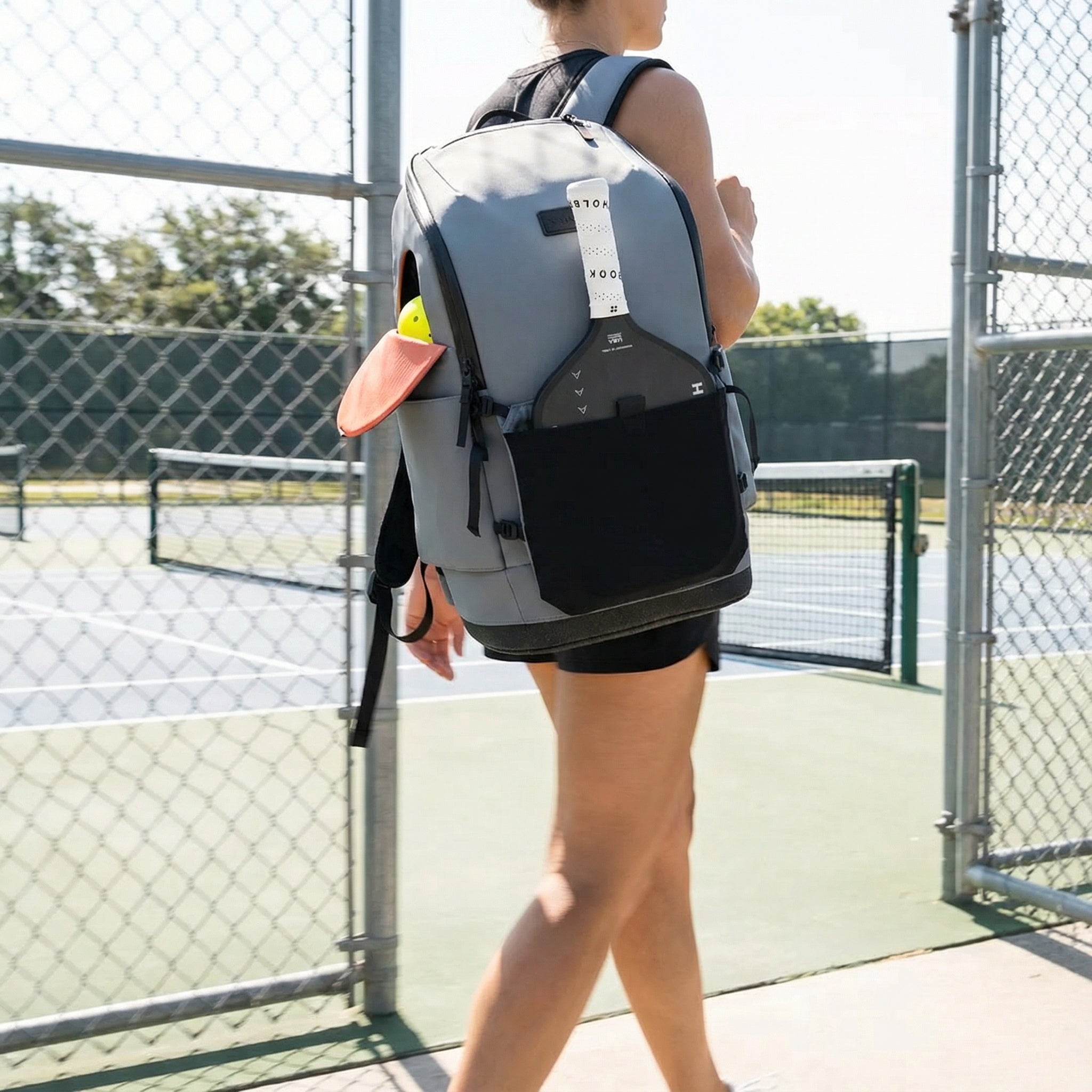
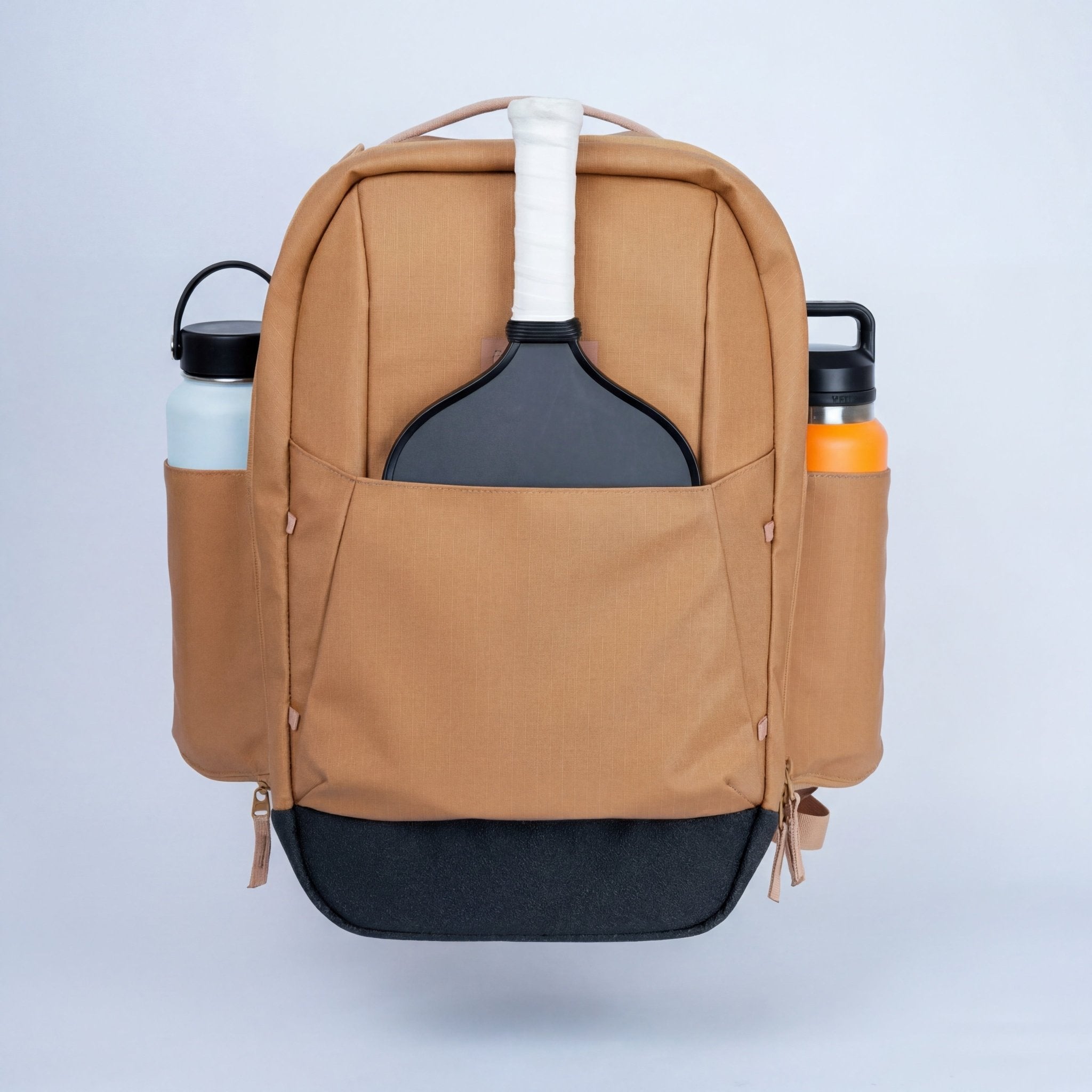
Total initial investment typically ranges from $100-200. One thing most beginners overlook until they're hooked: a bag to carry all of it. Once you're playing 3x per week, a dedicated pickleball backpack saves a lot of awkward juggling in the parking lot. The Court Ranger V2 ($195) from FORWRD fits two paddles, a 16-inch laptop, court shoes, a water bottle, and gear — designed specifically for players who commute to the court before or after work.

Setting Realistic Goals
For maximum health benefits, aim for:
2-3 sessions per week to start
45-60 minutes per session including warm-up
Gradual intensity increases as fitness improves
Combination with other physical activities like strength training
Building a Sustainable Practice
The key to gaining long-term health benefits from pickleball is consistency. Focus on:
Regular scheduling: Treat pickleball sessions like important appointments
Social connections: Join leagues or regular groups for accountability
Skill development: Take lessons to improve technique and enjoyment
Cross-training: Combine pickleball with complementary exercises
Progress tracking: Monitor improvements in fitness, skills, and well-being
Many players find that the social aspect of pickleball naturally encourages regular participation. The friendships formed on the court often extend beyond the game, creating a support network that promotes overall wellness and healthy aging.
Starting slowly and focusing on proper technique rather than competitive intensity helps ensure a positive experience that encourages long-term participation. As skills develop and fitness improves, players naturally find themselves able to play longer, more intensely, and more frequently—maximizing the comprehensive health benefits this remarkable sport provides.
The beauty of pickleball lies in its ability to grow with you. Whether you're seeking gentle exercise for rehabilitation, moderate activity for general fitness, or competitive play for athletic challenge, pickleball can accommodate your needs while delivering substantial benefits for both physical and mental health.
Complete Your Setup: FORWRD Court Ranger V2
You've got the paddle and the court shoes. Now you need a bag that actually fits everything — two paddles, a 16-inch laptop, court shoes, a change of clothes, and a water bottle. The Court Ranger V2 was designed with 500+ real players and featured in The Dink and The Kitchen.
Frequently Asked Questions
Is pickleball good exercise for seniors?
Yes — pickleball is one of the best exercises for seniors. It burns 400-600 calories per hour, improves cardiovascular health, strengthens bones, and sharpens balance and reaction time. The smaller court and underhand serving make it far gentler on joints than tennis while still delivering meaningful fitness benefits that meet the American Heart Association's weekly activity recommendations.
How many calories does pickleball burn per hour?
Pickleball burns approximately 400-600 calories per hour depending on play intensity and body weight. Recreational doubles play typically lands around 400 calories/hour, while competitive singles pushes closer to 600. That's comparable to cycling or jogging — with significantly less joint stress and dramatically more fun, which means you'll actually keep showing up.
Is pickleball good for weight loss?
Pickleball can absolutely support weight loss. Playing 3-4 times per week burns 1,200-2,400 calories through activity alone, and the social enjoyment factor keeps people consistent far longer than solo gym routines. Pair it with sensible eating and you have a sustainable system. Three 60-minute sessions per week is the sweet spot most fitness researchers recommend.
Is pickleball hard on your knees and joints?
Pickleball is significantly easier on joints than tennis, basketball, or running. The compact 44x20-foot court means less distance to cover. Underhand serving eliminates shoulder strain. The lower ball bounce reduces jumping and lunging that wear down knees. That said, proper court shoes with lateral support are essential — don't play in running shoes. If you have existing knee issues, consult your doctor before playing competitively.
Can pickleball improve mental health?
Research consistently shows pickleball improves mental health through multiple pathways: endorphin release from physical exercise, social connection from the community-oriented format, confidence from skill development, and reduced stress from enjoyable activity. Studies referenced by Harvard Medical School suggest regular racket sport players may live up to 10 years longer, with the social component credited as a major factor beyond physical fitness alone.
Begin your pickleball wellness journey today by locating a nearby court and joining the millions who have discovered that staying healthy can be both effective and enjoyable. Your cardiovascular system, muscles, bones, mind, and social well-being will all benefit from this perfect combination of exercise, skill, and community.

Leave a comment
This site is protected by hCaptcha and the hCaptcha Privacy Policy and Terms of Service apply.