

Ultimate Pickleball Packing List 2025: Complete Tournament and Recreation Guide
Key Takeaways
-
Essential gear includes USAPA-approved paddles, tournament balls, proper court shoes, and backup equipment for uninterrupted play
-
Pack weather protection items like SPF 50+ sunscreen, moisture-wicking clothing, and rain gear for year-round outdoor play
-
Hydration essentials include 32-64oz water bottles, electrolyte tablets, and energy snacks to maintain peak performance
-
First aid supplies, grip tape, and recovery tools help manage minor injuries and equipment maintenance on-site
-
Organized packing with dedicated compartments for paddles, balls, and accessories streamlines tournament preparation
With over 13 million pickleball players now competing across thousands of sanctioned tournaments annually, the difference between a successful tournament day and a frustrating experience often comes down to thoughtful preparation. As pickleball continues its explosive growth, players are traveling more frequently, competing in longer tournaments, and facing increasingly diverse weather conditions that demand comprehensive packing strategies.
Gone are the days when showing up with just a paddle and some balls was sufficient. Today’s serious pickleball players understand that proper tournament prep requires a systematic approach to gear selection, organization, and contingency planning. Whether you’re heading to your local recreation center for league night, traveling to a weekend tournament, or preparing for a multi-day championship event, having the right items packed and easily accessible can make all the difference in your performance and enjoyment on the pickleball court.
This comprehensive pickleball packing list 2025 guide covers everything from essential gear and backup equipment to recovery tools and comfort items that most players only think to pack after they’ve experienced the frustration of forgetting them. We’ll break down specific brand recommendations, optimal quantities, and strategic packing methods that can help you play your best game while staying comfortable, safe, and prepared for any situation that arises during tournament play.
Essential Pickleball Equipment
Your essential gear forms the foundation of any successful pickleball packing list, and getting this category right ensures you can actually play regardless of other circumstances. The key principle here is redundancy for critical items - having backup equipment prevents a single equipment failure from ending your tournament day prematurely.
Modern tournament play demands USAPA-approved equipment that meets current specifications, as paddle regulations continue to evolve with new materials and technologies. Tournament directors are increasingly strict about equipment compliance, making it crucial to double check that your paddles remain on the approved list before any major competition.
Pickleball Paddles
Pack your primary USAPA-approved paddle in the $100-250 range from established brands like Selkirk Vanguard, Joola Ben Johns, or Paddletek Tempest. These paddles offer the performance and durability needed for serious play while meeting all current regulations. Your main paddle should be broken in and familiar - tournament day is never the time to test new equipment.
Include a backup paddle with similar weight and grip size to maintain consistency in your play style. Many experienced players actually prefer their backup paddle to be nearly identical to their primary, as switching between different paddle characteristics mid-tournament can disrupt muscle memory and timing. However, some advanced players carry a third paddle with slightly different characteristics - perhaps a more control-oriented option for windy conditions or a power paddle for slower indoor balls.
Consider packing an alternate paddle for different playing styles, especially if you compete in both singles and doubles formats. A control-oriented paddle with a softer face and thicker core works well for windy days or bouncy balls, while a power-oriented paddle with raw carbon fiber face and thinner core excels with slower balls or indoor play.
Before each session, inspect your paddle’s edge guard for chips or damage, check grip condition for wear or slippage, and examine the surface for any cracks or delamination. Tournament officials may inspect equipment, and a damaged paddle could be deemed illegal for play. Store paddles in protective covers or sleeves during transport to prevent face damage from other equipment.
Pickleball Balls
Pack 6-8 tournament-approved balls including Franklin X-40, Dura Fast 40, or Selkirk Pro S1, depending on your tournament’s specifications. Even when tournaments provide balls for matches, you’ll need your own balls for warm-up sessions and practice between matches. Having fresh, unopened balls also provides a competitive advantage during crucial points, as newer balls tend to have more consistent bounce and flight characteristics.
Bring both indoor balls (40 larger holes) and outdoor balls (smaller holes) for venue flexibility, as many players don’t realize how significantly the ball type affects gameplay. Indoor balls have larger holes and softer plastic for controlled bounce on smooth surfaces, while outdoor balls feature smaller holes and harder plastic to handle wind and rough court conditions. Using the wrong ball type for conditions can dramatically change the pace and bounce of the game.
Include 2-3 fresh unopened balls specifically for tournament play advantage - these balls will have optimal bounce and responsiveness that can make a measurable difference in close matches. Store balls in a separate compartment or mesh bag to prevent them from rolling around and potentially damaging paddle faces or other equipment during transport.
Tournament directors increasingly specify exact ball brands and models for their events, so check event pages for the official ball requirements well before tournament day. Practice with those exact balls in advance, as switching from Dura to Franklin balls, for example, requires adjustment to timing and shot selection due to different bounce and speed characteristics.
Grip and Paddle Maintenance
Pack replacement overgrip tape in the $8-15 per pack range from trusted brands like Gamma or Tourna. Overgrips wear faster in 2025’s high-friction raw carbon paddle era, especially during sweaty conditions or extended play sessions. Having fresh grip tape available allows you to maintain optimal paddle feel throughout long tournament days.
Include a grip enhancer or rosin bag for sweaty hands, particularly important during humid conditions or high-stress matches when hand perspiration can compromise your comfortable grip on the paddle. Many players underestimate how much grip security affects their confidence and shot consistency.
Bring small scissors or a knife specifically for grip tape installation, ensuring you can make quick equipment adjustments between matches without borrowing tools. Practice your grip tape installation technique at home so you can execute it quickly and efficiently during tournament pressure situations.
Add paddle edge guard tape for quick repairs to protect your investment. Premium paddles now cost $150-300, making edge protection increasingly important. A small chip or ding that exposes the paddle core can lead to delamination and complete paddle failure, potentially ending your tournament run.
Clothing and Footwear
Your clothing system should prioritize moisture management, temperature regulation, and movement freedom while maintaining a professional appearance suitable for tournament play. The key is having multiple options available so you can adapt to changing conditions and stay fresh throughout long competition days.
Modern pickleball-specific apparel offers significant advantages over general athletic wear, with features designed specifically for the lateral movement, quick direction changes, and stop-and-start nature of pickleball gameplay. Investing in sport-specific clothing pays dividends in comfort and performance, especially during all-day tournaments.
Court Shoes
Pack dedicated pickleball shoes like ASICS Gel-Renma ($90-120) or K-Swiss Express Light ($70-100) rather than running shoes or general cross-trainers. Court shoes provide essential lateral support for the quick direction changes that define pickleball, along with non-marking soles required by most venues.
Ensure your court shoes have proper lateral support systems and reinforced toe areas to handle the frequent dragging that occurs during pickleball gameplay. Many players experience toe-out issues when wearing running shoes designed primarily for forward motion rather than the multi-directional movement patterns of court sports.
Break in new court shoes well before tournaments to prevent blisters and hot spots that could impact your mobility and focus. Comfortable feet are crucial for maintaining proper footwork and court positioning throughout multiple matches. Consider packing moleskin or blister prevention tape if you’re playing in relatively new shoes.
Include a backup pair of athletic shoes for extended tournament days when your feet need a break from court shoes, or bring flip-flops or slides for recovery between matches. This allows your primary court shoes to air out and your feet to relax while maintaining readiness for your next match.
Performance Clothing
Pack 2-3 moisture-wicking shirts in quick-dry polyester or merino wool blends to stay fresh and comfortable throughout tournament play. Having multiple shirt options allows you to change into dry clothing between matches, preventing the chill and discomfort that comes from wearing sweat-soaked apparel during rest periods.
Include shorts or skirts with built-in compression shorts and dedicated ball pockets, as the convenience of having secure ball storage during play cannot be overstated. Many recreational players don’t realize how much time and mental energy they waste managing loose balls compared to players with proper ball pocket systems.
Bring extra socks in the $12-20 per pair range with cushioning and moisture management features. Fresh, dry socks are crucial for blister prevention and foot comfort during extended tournament days. Most experienced tournament players rank extra socks as one of their most important comfort items, as wet or dirty socks can quickly lead to painful hot spots and reduced mobility.
Add compression sleeves for knees, elbows, or wrists if you have any history of joint issues, along with athletic tape for additional support options. The repetitive lateral movement and quick stops in pickleball put significant stress on joints, making preventive support increasingly important as players age or increase their playing frequency.
Health and Safety Essentials
A comprehensive first aid kit tailored to common pickleball injuries can mean the difference between treating a minor issue on-site and having to withdraw from tournament play. Most pickleball injuries are relatively minor but can significantly impact performance if not properly addressed immediately.
The physical demands of pickleball, combined with the sport’s popularity among older adults, make health and safety preparation particularly important. Having the right supplies readily available shows professionalism and helps maintain the health and safety of both yourself and your playing partners.
First Aid Kit
Pack a complete aid kit with adhesive bandages in multiple sizes, antiseptic wipes, and specialized blister treatment patches. Blisters are incredibly common in tournament play due to the repetitive gripping motion and increased playing time, making blister pads one of the most frequently used first aid items.
Include ibuprofen or your preferred pain reliever for minor aches and inflammation that commonly develop during extended play sessions. The repetitive nature of pickleball can create minor soreness in shoulders, elbows, and knees that benefits from anti-inflammatory treatment.
Add athletic tape for both injury management and equipment repairs - quality athletic tape can temporarily fix paddle grip issues, provide joint support, and even repair small equipment problems that might otherwise end your tournament day. Make sure to get professional-grade tape that maintains adhesion despite sweat and movement.
Bring instant ice packs for immediate treatment of acute injuries or overheating situations. The compact, single-use ice packs don’t require refrigeration and can be crucial for managing minor sprains, strains, or heat-related issues that occur during play.
Store personal prescriptions and emergency medical information in waterproof packaging, including any specific medications you might need and emergency contact details for family members who should be notified in case of serious injury.
Recovery Tools
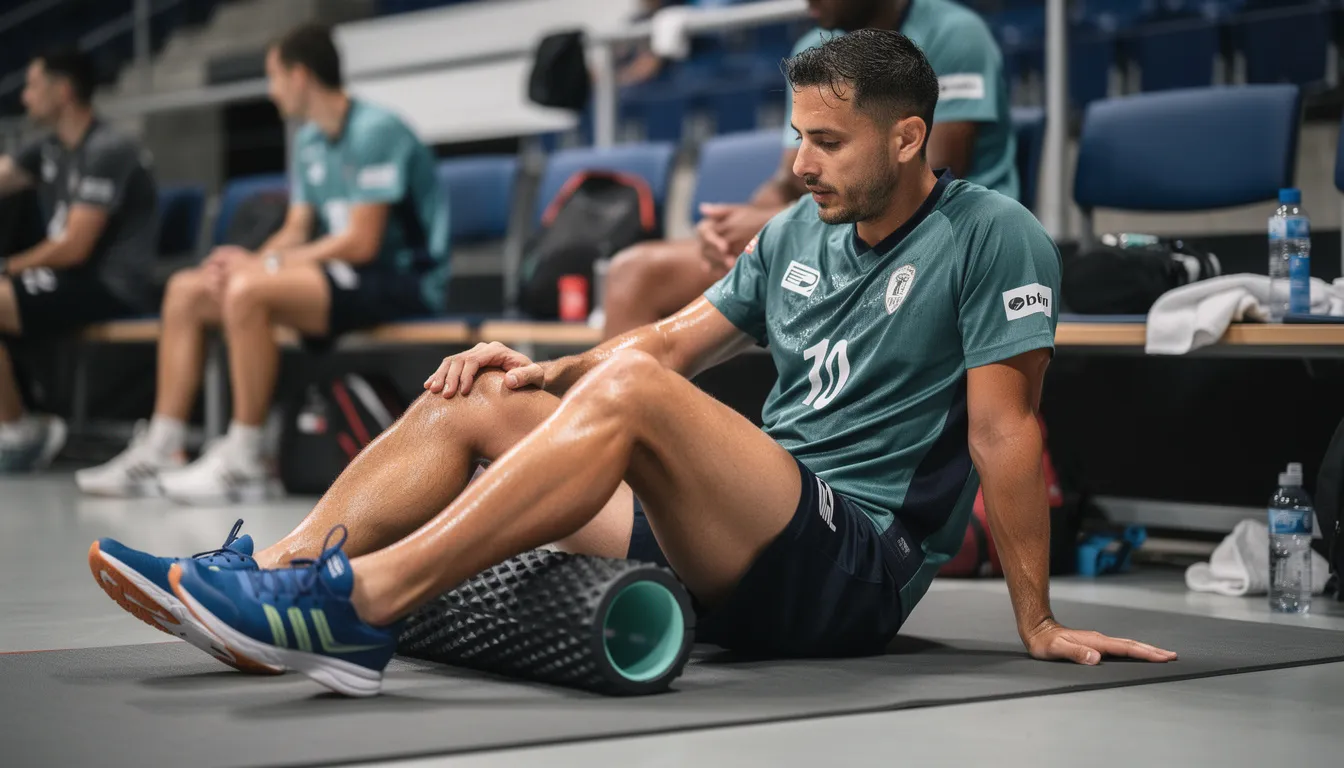
Include a compact foam roller or massage ball specifically designed for travel to address muscle tightness and promote recovery between matches. The repetitive movements of pickleball can create muscle tension in the calves, glutes, and forearms that benefits from immediate attention.
Pack compression sleeves for knees, elbows, or wrists as needed based on your injury history and playing intensity. Many players find that compression gear provides both injury prevention benefits during play and recovery support between matches.
Add cooling towels or instant cold packs for overheating management, particularly important during summer tournaments or indoor venues with poor ventilation. Heat-related performance decline is common and preventable with proper cooling strategies.
Bring topical pain relief cream like Tiger Balm or similar products for muscle soreness and joint stiffness that develops during long tournament days. Having immediate access to pain relief options allows you to address minor discomfort before it impacts your game performance.
Hydration and Nutrition
Strategic hydration and nutrition planning becomes increasingly critical as match duration and tournament length increase. Proper fueling strategies can maintain energy levels, prevent cramping, and support mental clarity throughout demanding competition schedules.
The key to tournament nutrition is selecting foods that provide sustained energy without causing digestive issues or energy crashes. Focus on items that are easy to consume quickly between matches while providing the nutrients needed for continued high-level performance.
Hydration Strategy
Pack 32-64oz insulated water bottles from reliable brands like Hydro Flask or YETI to maintain proper fluid temperature throughout the day. Adequate hydration becomes more challenging during tournaments due to nerves, busy schedules, and the tendency to focus on competition rather than self-care.
Include electrolyte tablets like Nuun Sport or Liquid IV packets to replace minerals lost through sweating, especially important during hot weather tournaments or extended indoor play sessions with poor ventilation. Simple water replacement isn’t sufficient for maintaining performance during multi-hour competition.
Add coconut water or low-sugar sports drinks for natural electrolyte replacement that provides additional flavor variety to encourage consistent fluid intake. Many players struggle with plain water consumption during stressful tournament situations, making flavored options valuable for maintaining hydration compliance.
Bring extra water bottles specifically for hot weather tournaments where fluid needs can double or triple compared to casual play. Having multiple bottles also allows you to designate some for drinking and others for cooling purposes like pouring over your head or soaking cooling towels.
Performance Nutrition
Pack quick energy snacks like energy bars, bananas, or trail mix that provide easily digestible carbohydrates for immediate energy without causing stomach upset. Avoid foods that are high in fat or fiber immediately before matches, as these can cause digestive issues during physical activity.
Include protein recovery items like Greek yogurt cups or protein shakes for muscle recovery support between matches and after tournament completion. Protein becomes increasingly important during multi-day tournaments where muscle recovery occurs overnight.
Add complex carbohydrates like whole grain crackers or dried fruit for sustained energy release that prevents the energy crashes associated with high-sugar snacks. Plan your nutrition timing so that you’re consuming complex carbs 1-2 hours before matches for optimal energy availability.
Bring emergency snacks including granola bars for unexpected tournament delays or scheduling changes that extend your day beyond original plans. Tournament schedules frequently run behind, making backup nutrition options essential for maintaining energy and focus during extended waiting periods.
Weather Protection
Weather protection equipment becomes essential for outdoor tournament play, where conditions can change rapidly and significantly impact both comfort and performance. Even indoor venues may have temperature control issues or outdoor transition areas that require weather preparation.
The key to effective weather protection is layering and adaptability - having options available for various conditions rather than trying to predict exact weather needs. Tournament days often start cool and become hot, or feature unexpected weather changes that require quick adaptation.
Sun Protection
Pack broad-spectrum SPF 50+ sunscreen in a non-greasy formula that won’t interfere with grip or cause eye irritation from sweat runoff. Reapply every two hours or after heavy sweating, as sunburn can develop quickly during outdoor tournament play and significantly impact your comfort and focus.
Include a wide-brim hat or visor with moisture-wicking headband to provide consistent shade and sweat management. Choose hat styles that won’t interfere with your vision or swing mechanics while providing maximum sun protection for your face and neck.
Add non-polarized sunglasses in the $30-80 range to avoid ball tracking issues that can occur with polarized lenses. Proper eye protection reduces glare-related eye strain and helps maintain visual clarity during long outdoor playing sessions, particularly important for players over 40 who may experience increased light sensitivity.
Bring lip balm with SPF protection specifically designed for outdoor sports use. Lip sunburn is painful and distracting, yet frequently overlooked by players who focus primarily on facial and arm sun protection while neglecting this sensitive area.
Weather Adaptability
Pack a lightweight rain jacket or poncho for unexpected showers that could delay play or require you to wait outdoors for extended periods. Many outdoor tournaments continue in light rain, making water protection essential for maintaining comfort and equipment dryness.
Include a windbreaker or light jacket for cool morning tournaments, as many events start early when temperatures are significantly cooler than midday conditions. Having warm layers available prevents muscle stiffness and maintains optimal body temperature for peak performance.
Add extra layers for temperature management throughout the day, including arm sleeves or light long-sleeve shirts that can be easily added or removed as conditions change. Tournament days often span 8-12 hours with significant temperature variations that require clothing adjustments.
Bring multiple towels for equipment drying in wet conditions and personal cooling in hot weather. Wet equipment becomes slippery and potentially dangerous, while personal cooling strategies become essential for preventing heat-related performance decline and health issues.
Technology and Documentation
Modern tournament play increasingly relies on technology for communication, scheduling, scoring, and documentation. Having your tech gear properly charged and organized ensures you can stay connected with tournament directors, partners, and family while managing your competitive responsibilities.
The integration of technology into tournament operations means that players without proper tech preparation may miss important announcements, schedule changes, or other critical information that could impact their tournament experience.
Digital Essentials
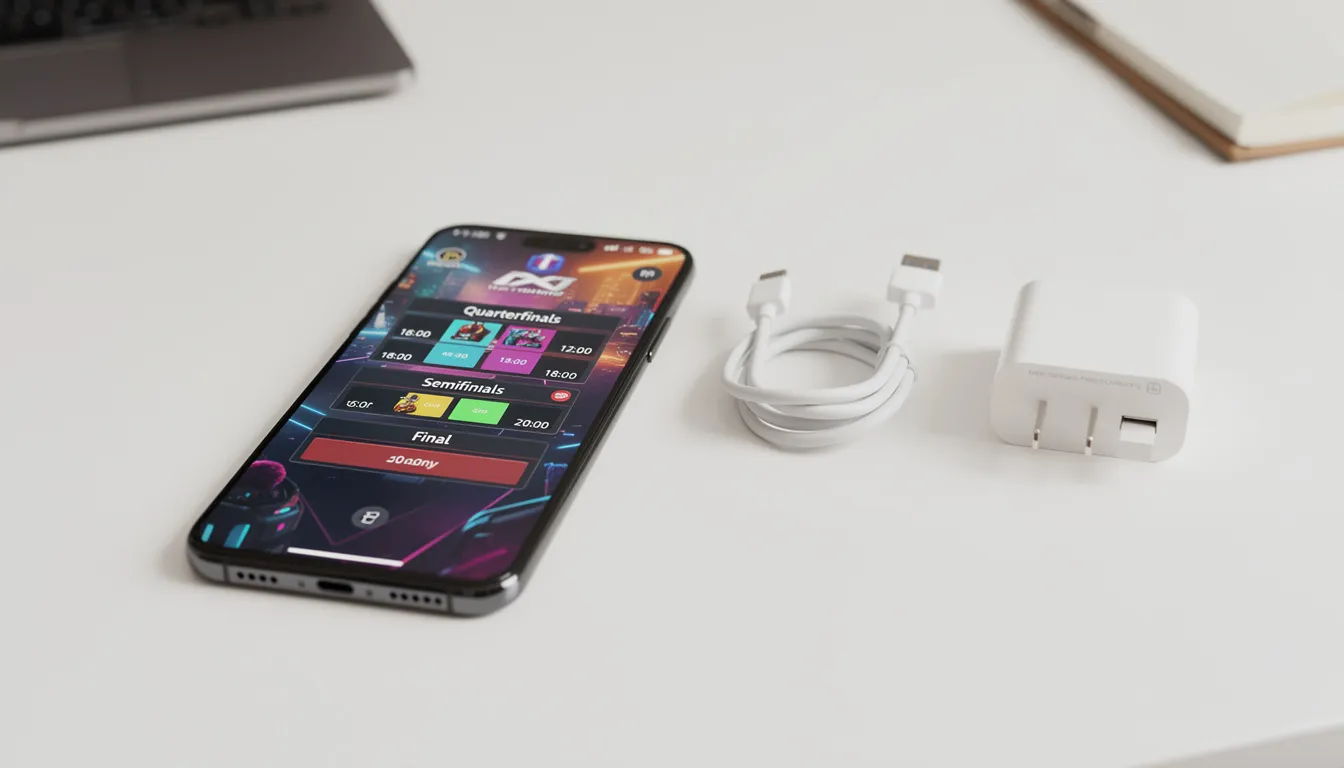
Pack your fully charged smartphone with tournament apps downloaded and emergency contact information easily accessible. Many tournaments now use apps for scheduling, bracket updates, and communication, making smartphone functionality essential for staying informed about your matches and any schedule changes.
Include a portable charger or power bank with minimum 10,000mAh capacity to ensure your devices remain functional throughout long tournament days. Tournament venues often have limited charging access, and having dead devices can create serious communication and logistical problems.
Add charging cables and wall adapters for overnight charging during multi-day tournaments, including backup cables in case of failure. Keep charging equipment organized and easily accessible so you can maintain device power without disrupting your competitive routine.
Bring headphones for warm-up music, instructional content review, or mental preparation activities that help you maintain focus and emotional regulation throughout stressful competition periods.
Documentation
Carry tournament registration confirmation and player ID in a waterproof sleeve or document protector. Having proof of registration easily accessible speeds check-in processes and resolves any administrative issues that could delay your participation.
Include emergency contact information and relevant medical details like allergies, medications, or medical conditions that emergency responders should know about. Store this information separately from your identification to ensure it remains available even if you lose your primary documents.
Pack copies of important documents stored separately from originals to provide backup access to critical information. This includes insurance cards, identification, and any travel confirmations needed for tournament logistics.
Add cash and credit cards for unexpected expenses like tournament fees, food purchases, or emergency equipment replacement. Many tournament venues have limited payment options, making multiple payment methods essential for handling unexpected costs.
Comfort and Recovery Items
Tournament comfort items may seem secondary to performance gear, but they significantly impact your ability to maintain energy, focus, and physical comfort throughout demanding competition schedules. Having proper rest and recovery options available between matches can be the difference between peak performance and fatigue-induced errors.
The psychological benefits of comfort items should not be underestimated - feeling comfortable and well-prepared reduces stress and allows you to focus entirely on competition rather than managing discomfort or inconvenience.
Tournament Comfort
Pack a portable folding chair or stadium seat cushion to provide comfortable seating during rest periods between matches. Many tournament venues have limited or uncomfortable seating options, and having your own ensures you can rest properly without muscle stiffness or discomfort.
Include cooling towels and a personal fan for hot weather comfort management. These items can provide significant relief during heat stress and help maintain core body temperature within optimal ranges for athletic performance. Cooling strategies become increasingly important as ambient temperatures rise above 80 degrees.
Add hand sanitizer, wet wipes, and tissues for maintaining cleanliness and hygiene throughout the tournament day. Tournament venues often have limited bathroom facilities or hand washing stations, making personal hygiene supplies essential for health and comfort.
Bring extra clothes including fresh shirts and undergarments for staying fresh throughout extended tournament days. Having clean, dry clothing options available allows you to maintain comfort and professional appearance regardless of how demanding the day becomes.
Recovery Support
Pack a stretching strap or resistance bands for muscle maintenance and injury prevention between matches. Active recovery and stretching help maintain flexibility and reduce muscle tension that builds up during repetitive tournament play.
Include compression gear designed for post-game recovery to support circulation and reduce muscle fatigue. Compression socks or sleeves can be particularly beneficial during long tournament days when you’re spending significant time on your feet.
Add a sleep mask and earplugs for overnight tournament stays where accommodation quality might be unpredictable. Quality sleep is crucial for tournament performance, and having tools to ensure rest regardless of environmental factors protects your competitive edge.
Bring meditation apps or relaxation tools for mental preparation and stress management. Tournament pressure can be significant, and having proven stress reduction techniques available helps maintain optimal mental state for competition.
Bag Organization and Packing Strategy
Effective bag organization transforms tournament preparation from stressful scrambling into efficient routine. The key is creating a system that allows quick access to frequently needed items while keeping everything organized and protected during transport.
Your packing strategy should account for both functionality during play and convenience during travel, ensuring that your gear remains organized and accessible regardless of whether you’re traveling by car or plane to tournament destinations.
Bag Selection
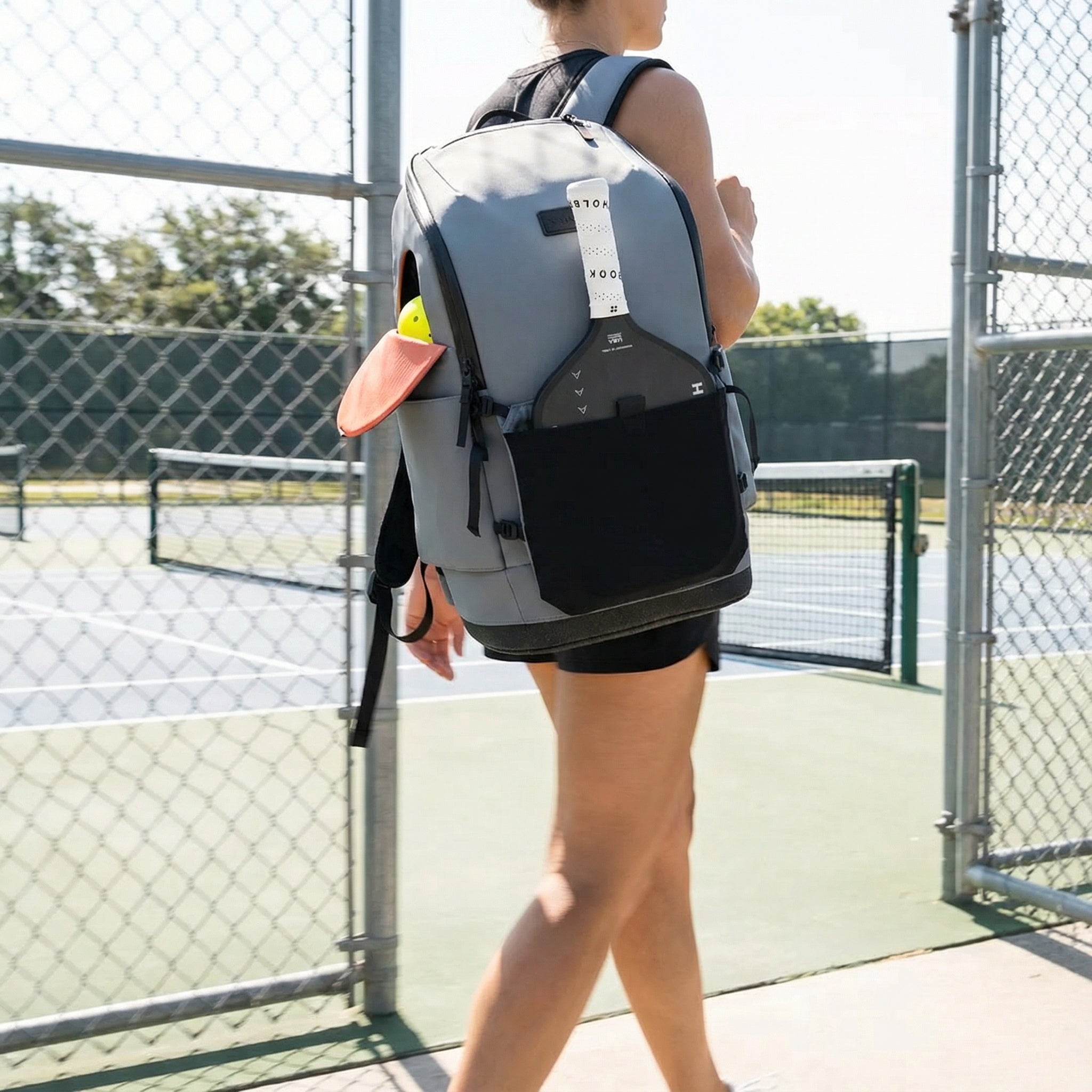
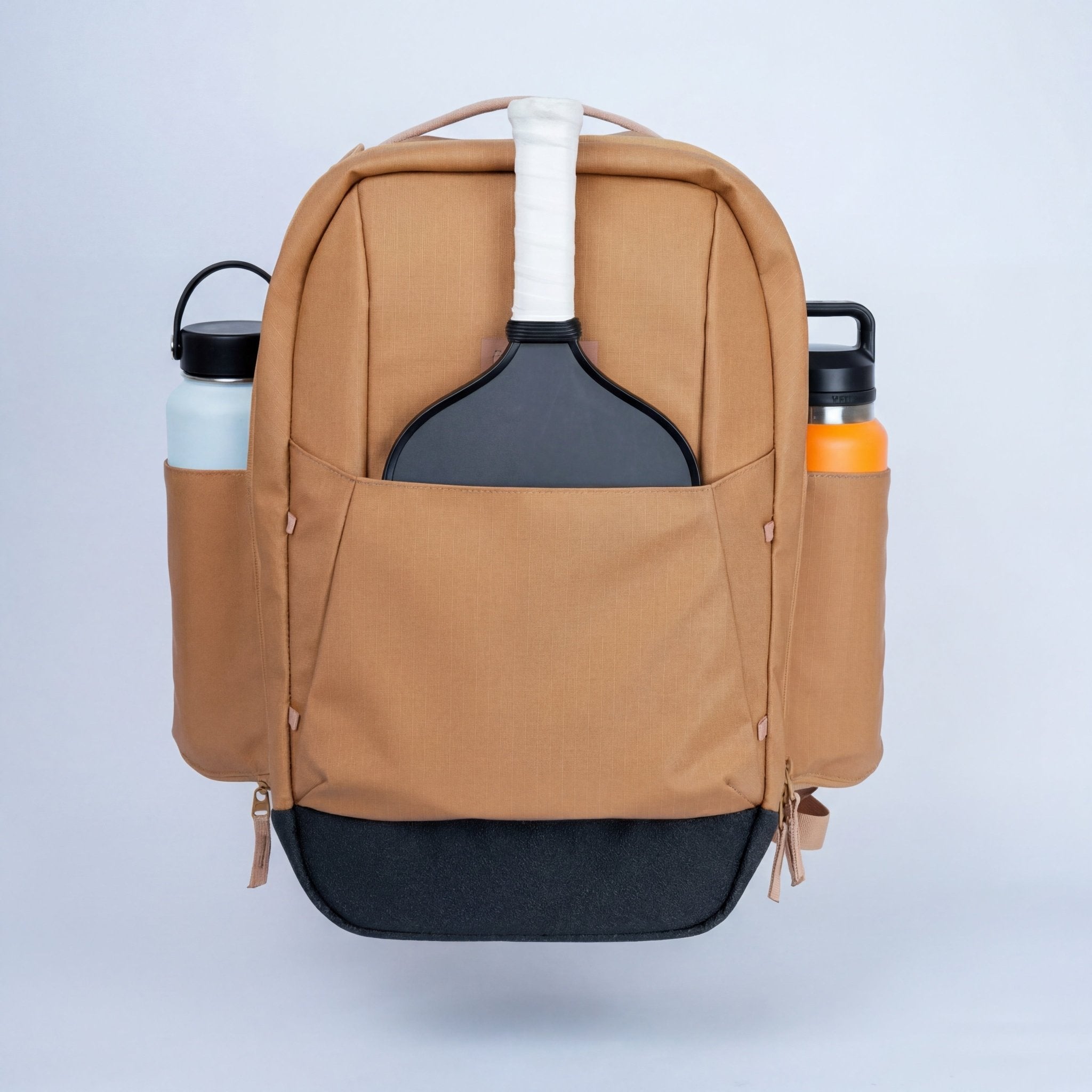
Choose a dedicated pickleball bag like the Selkirk Tour Bag ($150-200) with specialized paddle compartments that protect your expensive equipment during transport. These bags feature reinforced paddle storage areas that prevent damage from impacts or pressure during travel.
Ensure your bag features waterproof or water-resistant material to protect equipment from weather and spills. Tournament days often involve exposure to various weather conditions, and having water protection prevents equipment damage and ensures everything stays functional.
Select bag size based on whether you’re packing for single-day tournaments or multi-day events that require additional clothing, toiletries, and equipment. A weekend tournament requires significantly more gear than a local single-day event, so choose bag size accordingly.
Include separate compartments for organizing wet or dirty items away from clean gear. A dedicated shoe compartment keeps sweaty shoes isolated from clean clothing, while ventilated compartments allow wet items to dry without creating moisture problems.
Packing System
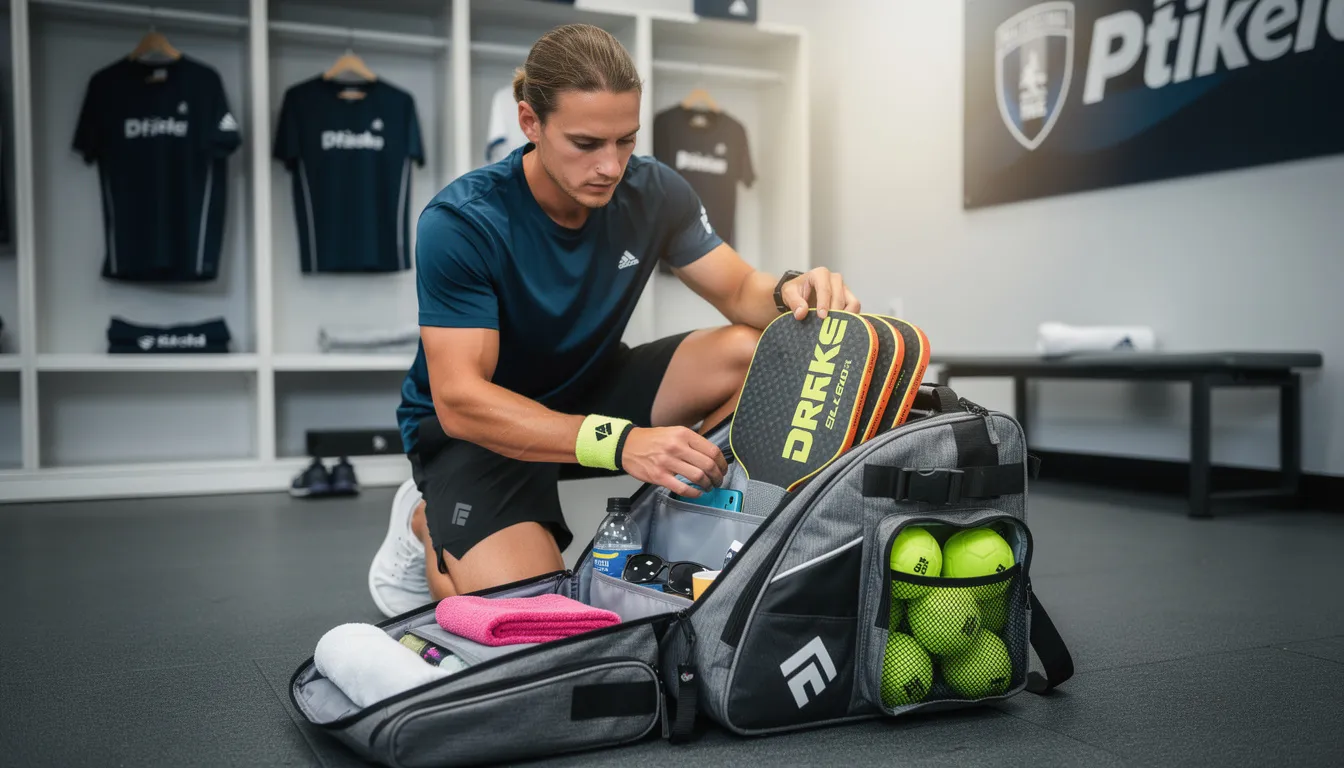
Use packing cubes or stuff sacks to organize categories of items for quick identification and access. Group similar items together - all electronics in one cube, all clothing in another, all snacks and hydration in a third. This system dramatically reduces the time spent searching for specific items.
Place heavy items like shoes and water bottles at the bottom of your bag to maintain balance and prevent lighter items from being crushed. Proper weight distribution also makes the bag more comfortable to carry during long tournament days.
Keep frequently accessed items like balls, snacks, and first aid supplies in external pockets or easily accessible compartments. Items you might need during play should be reachable without unpacking major sections of your bag.
Create a consistent packing routine and checklist to avoid forgetting essential items under tournament pressure. Use the same packing sequence every time so that checking becomes automatic and you can quickly identify if anything is missing. Start your packing routine the night before tournaments to reduce morning stress and ensure you have time to address any missing items.
FAQ
How many pickleball paddles should I bring to a tournament?
Bring a minimum of two paddles - your primary paddle and a backup with similar specifications. Advanced players often carry 3-4 paddles including alternates for different playing conditions or strategic advantages during singles versus doubles play. Tournament paddle breakage is uncommon but catastrophic if you’re unprepared, making backup paddles essential insurance for serious competition.
What’s the difference between indoor and outdoor pickleball balls for packing?
Indoor balls have 40 larger holes and softer plastic for controlled bounce on smooth surfaces, while outdoor balls feature 40 smaller holes and harder plastic to handle wind and rough court conditions. Pack both types if you’re unsure of playing venue specifications, as using the wrong ball type significantly changes game pace and bounce characteristics, potentially affecting your timing and shot selection.
Should I pack my own pickleball balls if the tournament provides them?
Yes, always pack 6-8 balls even when tournaments provide them. You’ll need your own balls for warm-up sessions, practice between matches, and potential equipment failures during play. Having fresh balls also provides a competitive advantage during crucial points, as newer balls maintain more consistent bounce and flight characteristics compared to heavily used tournament balls.
What bag size is recommended for weekend tournament play?
Choose a bag with 4-6 paddle compartments and 40-60 liter capacity for weekend tournaments. This accommodates multiple outfit changes, extra gear, recovery items, and overnight essentials while remaining manageable for court-side transport. Look for bags with multiple compartments to keep clean clothes separate from sweaty gear and wet items isolated from electronics.
How far in advance should I pack my pickleball tournament bag?
Pack your tournament bag completely the night before tournament day to reduce morning stress and avoid forgetting essential items under pressure. Create a standard packing checklist and follow the same routine before every tournament for consistency and confidence. This also gives you time to address any missing items, charge electronics, and prepare snacks without rushing on tournament morning.

Leave a comment
This site is protected by hCaptcha and the hCaptcha Privacy Policy and Terms of Service apply.