

Last Updated: August 2026
Nothing ruins the post-game high like opening your pickleball bag to a wave of nauseating gym bag odor that could knock you backward. That smell isn’t just unpleasant—it’s the result of odor causing bacteria thriving in the warm, moist environment created by your sweaty gear. The good news? Every stinky pickleball bag can be restored to smell free condition with the right approach.
The problem starts with biology. When sweat mixes with bacteria naturally present on skin and in fabrics, it produces volatile organic compounds that create that distinctive gym bag smell. Common culprits include Staphylococcus and Corynebacterium bacteria species, which multiply rapidly in warm environments when moisture gets trapped in your bag’s fabric and compartments. Add shoes, damp towels, and sweaty clothes to the mix, and you’ve created a bacterial playground.
This comprehensive stinky pickleball bag solution guide covers everything from emergency fixes you can implement in the parking lot to professional-grade products that eliminate odors permanently. Whether you’re dealing with a mild mustiness or a smell so strong your family won’t let you in the house, these proven methods will restore your bag to pristine condition and keep it that way.
Immediate Odor Elimination Solutions
When you arrive home from a long day on the courts and your bag smells like a combination of wet socks and old gym clothes, immediate action prevents the odor from becoming entrenched in the bag’s fabric. The first step is conducting a quick assessment to identify the primary odor sources in your pickleball bag.
Start by completely emptying your bag and examining each item. Sweaty clothes, damp towels, and running shoes typically generate the strongest odors. These items trap moisture and provide ideal breeding conditions for bacteria. Once you’ve identified the culprits, remove them immediately and place them in a well ventilated area to air dry.
For emergency deodorizing in the parking lot after games, keep a travel-size antimicrobial spray in your car. Products like Febreze Sport or Lysol Disinfectant Spray can neutralize odors quickly while you’re still at the courts. Simply remove the worst-smelling items, spray the interior of the bag thoroughly, and leave all zippers open for maximum air circulation.
Commercial odor eliminators work by attacking the molecular structure of smell compounds rather than just masking them. Look for enzyme-based cleaners that break down the proteins in sweat and body odor. These products are highly effective because they eliminate the source of the smell rather than covering it up with fragrance.
As a temporary solution until you can properly wash everything, dryer sheets can help mask unpleasant odors. Place one or two sheets in the main compartment and shoe compartment of your bag. While this won’t eliminate bacterial growth, it provides a pleasant scent barrier that makes the bag tolerable until you can implement a more thorough cleaning solution.
The key to preventing immediate odor problems is developing a post-game routine. As soon as your game ends, open all compartments and pockets to promote airflow. Remove wet clothes and shoes, even if you’re planning to wash them later. This simple habit prevents moisture from sitting in enclosed spaces where bacteria multiply rapidly.
Deep Cleaning Methods for Stubborn Odors
When surface treatments aren’t enough to combat persistent gym bag odor, deep cleaning becomes necessary to eliminate odors that have penetrated the bag’s fabric. Machine washing offers the most thorough cleaning for bags made from synthetic materials like nylon and polyester.
Before machine washing, check the manufacturer’s instructions to ensure your bag is washable. Remove all contents and detachable components like padded straps or internal organizers. Pre-treat heavily soiled areas with a stain remover or enzyme cleaner, paying special attention to the shoe compartment and areas where sweaty gear typically sits.
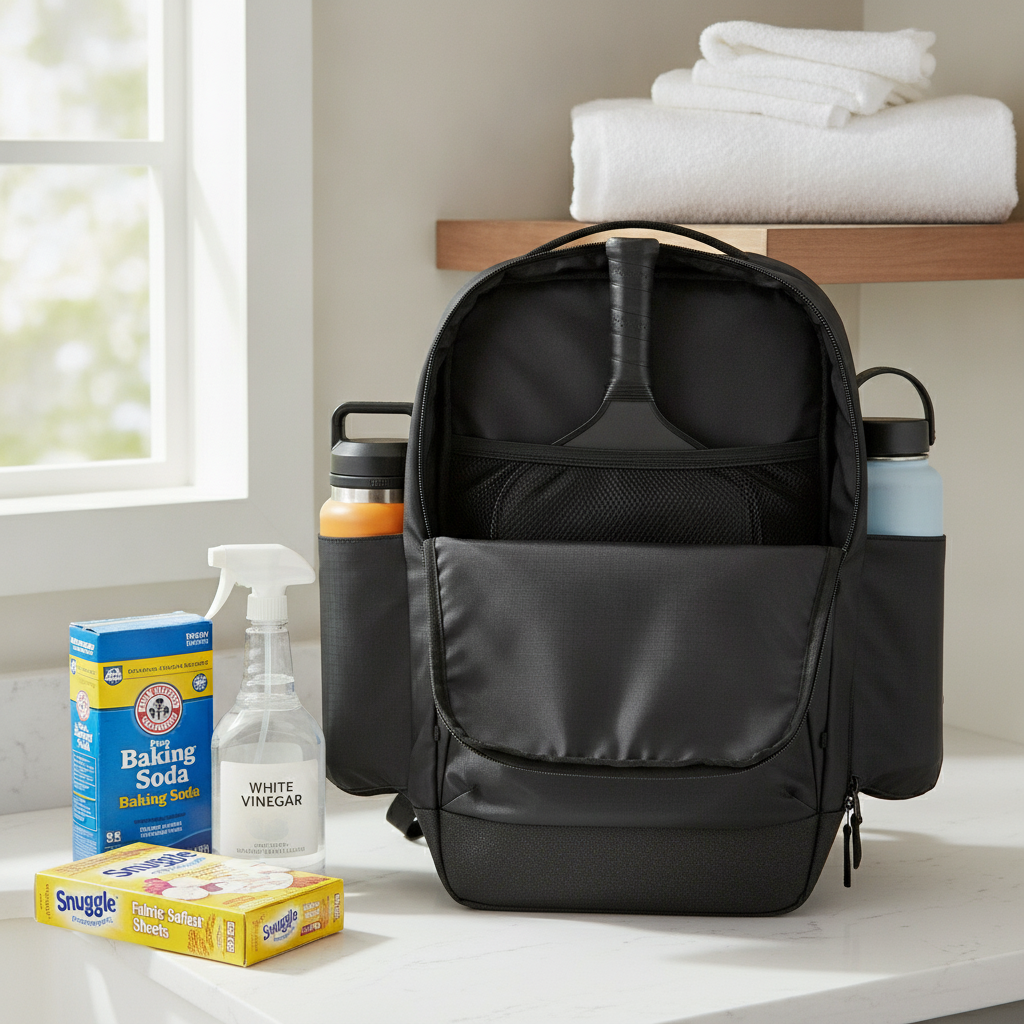
Wash the bag in cold or warm water using mild detergent—avoid bleach or harsh chemicals that can damage the bag’s fabric or water-resistant coatings. Add a cup of white vinegar to the rinse cycle as a natural disinfectant that neutralizes odors without leaving chemical residues. For extra deodorizing power, include a half-cup of baking soda with your regular detergent.
For leather bags or structured bags with internal frames that can’t go in the washing machine, hand-washing techniques are essential. Mix warm water with mild soap in a large basin or bathtub. Using a soft brush, scrub the interior and exterior gently, paying particular attention to seams and corners where bacteria accumulate. Rinse thoroughly with clean water and squeeze out excess moisture without wringing or twisting the bag.
Enzyme cleaners deserve special attention because they break down the protein-based compounds that create persistent odors. These cleaners contain beneficial bacteria that actually consume the organic matter causing the smell. Apply enzyme cleaner to heavily affected areas and let it sit overnight before washing—this gives the enzymes time to break down odor-causing compounds thoroughly.
Don’t forget to disinfect zippers, pockets, and specialized compartments with antibacterial wipes. These areas often harbor bacteria because they’re difficult to reach during regular cleaning. Use wipes specifically designed for sports equipment, as they’re formulated to be safe for synthetic materials while effectively killing bacteria.
Proper drying is crucial to prevent mold and mildew from developing after cleaning. Never put a wet bag in direct sunlight or use high heat, as this can damage materials and cause colors to fade. Instead, hang the bag in a well ventilated area with good air circulation. Open all compartments and pockets, and stuff the bag with clean towels or paper towels to help it maintain its shape while absorbing residual moisture.
For thorough drying, leave the bag open overnight in a room with low humidity. You can speed the process by placing a fan nearby to increase air circulation. The bag should sit overnight until completely dry before storing or using it again—any remaining moisture can quickly lead to new odor problems.
Natural and DIY Odor Solutions
Natural solutions offer effective alternatives to commercial products while being gentler on both your bag and the environment. Baking soda stands out as the most versatile and powerful natural odor absorber for pickleball bags, working by neutralizing acidic odor compounds at the molecular level.
Create baking soda sachets using coffee filters or thin cloth bags filled with two to three tablespoons of baking soda. Place these sachets in different compartments of your bag and let them sit overnight. For intensive treatment, sprinkle baking soda directly into the main compartment and shoe compartment, let it sit for 24 hours, then vacuum thoroughly. This method is particularly effective for eliminating deep-set odors that have penetrated the bag’s fabric.
White vinegar serves as an excellent natural disinfectant and odor neutralizer. Mix equal parts water and white vinegar in a spray bottle to create a versatile cleaning solution. Spray the interior of your bag thoroughly, focusing on areas where sweaty gear typically sits. The vinegar smell will dissipate as it dries, taking other odors with it. This solution also helps prevent future bacterial growth.
Activated charcoal inserts provide long-term moisture and odor control without the need for regular replacement. Unlike baking soda, which absorbs odors temporarily, activated charcoal continues working for months. Place small bags of activated charcoal in your shoe compartment and main compartment—they’ll continuously absorb moisture and neutralize developing odors between games.
Coffee grounds offer another pantry solution for stubborn odors. Used coffee grounds work particularly well because they’ve already released their oils and won’t leave residue. Place dry, used grounds in breathable containers or old socks and position them in smelly compartments overnight. The grounds absorb odors while leaving a subtle, pleasant coffee scent.
Essential oil combinations can add fresh scents after odor removal, but they should only be used after eliminating the source of the smell. Mix tea tree oil (antimicrobial properties) with lavender or eucalyptus oil in a spray bottle with water. This creates a natural freshening spray that also helps prevent bacterial growth. Apply sparingly—too much can be overwhelming and may cause skin irritation.
The beauty of natural solutions lies in their safety and accessibility. Most households already have vinegar and baking soda, making these methods budget-friendly alternatives to expensive commercial products. These natural ingredients are also safe for all types of bag materials and won’t void manufacturer warranties like some harsh chemical cleaners might.
Smart Storage and Compartment Usage
Maximizing your bag’s built-in odor control features is crucial for maintaining freshness between games. The shoe compartment represents the biggest opportunity for odor isolation, as running shoes and sweaty socks generate the most persistent smells in any sports bag.
Modern pickleball bags feature ventilated shoe compartments with large mesh panels designed to promote airflow. Use this compartment exclusively for shoes and never store clean clothes or food items there. The separation prevents cross-contamination and keeps odors contained. Some premium bags offer shoe compartments with mesh on multiple sides—take advantage of this by ensuring the bag sits in positions where air can flow through these panels.
Wet and dry bags like specialized antimicrobial sacks provide additional isolation for your sweatiest gear. These waterproof bags contain moisture and odors while preventing them from spreading to the rest of your equipment. Use them for sweaty clothes immediately after play, even if you’re planning to wash them the same day. The key is preventing damp items from contaminating clean gear during transport.
Proper ventilation techniques go beyond just unzipping compartments after games. Position your bag so that air can circulate through all openings—don’t just crack zippers open. Remove items from pockets and compartments to allow maximum airflow. If possible, store your bag in areas with natural air circulation rather than closed closets or basements where moisture can accumulate.
Creating airflow in storage areas is equally important for preventing moisture buildup when your bag isn’t in use. Avoid storing your bag in damp basements, closed car trunks, or other humid environments. These conditions promote bacterial growth and can cause musty odors to develop even when the bag isn’t being used.
Strategic placement of moisture-absorbing packets enhances your bag’s natural ventilation. Place silica gel packs (the kind found in shoe boxes) in different compartments to absorb residual humidity. These packets work continuously to keep specialized compartments dry, preventing the warm environments that bacteria need to multiply.
Remember that compartmentalization only works if you use it consistently. Develop the habit of separating wet and dry items immediately after play. This means shoes in the shoe compartment, damp towels in wet bags, and clean clothes kept separate from sweaty gear. Consistency in storage habits prevents odor problems from developing in the first place.
Prevention Strategies for Long-Term Freshness
"The single biggest thing players get wrong: they close up the bag in the parking lot. If you leave every zipper open for 10 minutes while you do your stretching or grab water, 90% of the odor problem never happens. Moisture needs airflow to evaporate — give it a chance."
— Topher, Co-founder, FORWRD (3.5-rated competitive player)
Establishing a consistent post-game routine is the most effective stinky pickleball bag solution for preventing odors before they start. The window immediately after play is critical—bacteria multiply exponentially in the first few hours when gear remains damp and enclosed.
Your post-game checklist should begin before you even leave the courts. Open all compartments to promote air circulation while you’re still outdoors. Remove shoes and place them in a separate area of your car or bag where they won’t contaminate other items. If you have extra time, remove sweaty clothes and towels entirely, storing them in a separate bag for the trip home.
Timing guidelines are crucial for effective odor prevention. Wet clothes and damp towels should be removed from your bag within two hours of finishing play. Shoes can remain in ventilated compartments slightly longer, but they should still be removed and aired out within four hours. The longer moisture stays trapped, the more time odor causing bacteria have to establish colonies and create persistent smells.
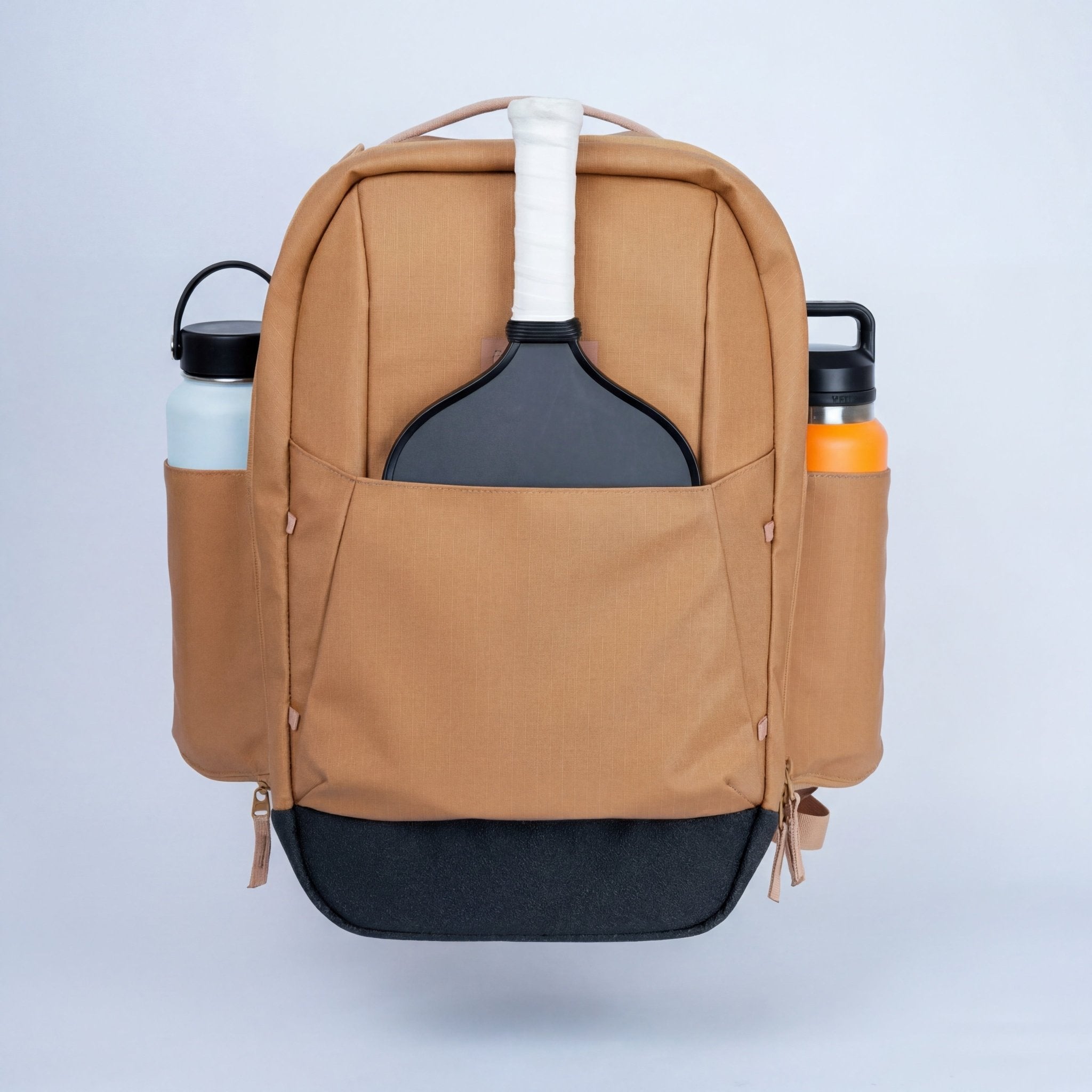
When choosing new pickleball bags, look for YKK AquaGuard zippers (which seal out moisture instead of just resisting it) and modular compartments that keep sweaty gear from contaminating dry clothes. The FORWRD Court Caddy ($325) was designed specifically around this problem — separate paddle sleeve, modular internal organization, and AquaGuard zippers that lock out moisture from the main compartment. The Court Ranger V2 ($195) hits the same waterproofing standard at a lower price point. Both were built with feedback from 500+ real players, most of whom mentioned bag smell as a top frustration.
A weekly maintenance schedule ensures consistent odor prevention without requiring daily intensive cleaning. Every week, completely empty your bag and wipe down the interior with a damp cloth. Check all pockets and compartments for forgotten items like used tissues or snack wrappers that can harbor bacteria. This weekly routine takes only a few minutes but prevents minor issues from becoming major odor problems.
Environmental storage considerations play a significant role in long-term bag freshness. Store your bag in areas with good air circulation and low humidity. Avoid basements, attics, or closets where moisture can accumulate. If you must store your bag in a humid environment, include moisture-absorbing packets and ensure the bag can air dry completely between uses.
Temperature stability also affects odor development. Extreme heat, like leaving your bag in a hot car, creates an ideal environment for rapid bacterial growth. Similarly, very cold temperatures followed by warm conditions create condensation that adds moisture to your bag. When possible, store your bag in temperature-controlled environments.
The money you invest in prevention strategies pays dividends in equipment longevity and hygiene. A bag that stays dry and clean lasts longer, maintains its structural integrity, and provides a better experience every time you play. Prevention is always easier and more cost-effective than dealing with entrenched odor problems that require aggressive cleaning solutions.
Equipment-Specific Odor Control
Different pieces of pickleball equipment contribute to bag odor in unique ways, requiring targeted approaches for each item. Your paddle grip, seemingly innocent, can actually transfer significant amounts of bacteria and body odor into your bag if not properly maintained.
Clean your paddle grip regularly with antibacterial wipes, paying attention to the texture where sweat and skin oils accumulate. Some players prefer to wrap their grips with overwrap tape that can be replaced frequently, while others invest in antimicrobial grip materials. After cleaning, allow the grip to air dry completely before storing the paddle in your bag.
Shoe rotation strategies can dramatically minimize moisture in footwear compartments. Serious players often keep two pairs of court shoes, alternating between games to allow each pair 24-48 hours to dry completely. This prevents the accumulation of moisture that creates ideal conditions for odor causing bacteria and extends the life of both pairs of shoes.
When you only have one pair of court shoes, remove them immediately after play and stuff them with newspaper or paper towels to absorb moisture. Cedar shoe inserts work exceptionally well because they absorb moisture while releasing natural antimicrobial compounds. Replace these inserts regularly, as their effectiveness diminishes over time.
Towel and clothing material choices significantly impact odor retention in your bag. Synthetic moisture-wicking fabrics dry faster and harbor fewer bacteria than cotton materials. Microfiber towels are particularly effective because they absorb more moisture per square inch and dry quickly. Bamboo-fiber clothing offers natural antimicrobial properties that resist odor development even when sweaty.
Water bottle and hydration gear cleaning prevents contamination that can spread throughout your bag. Sports drinks, in particular, can leave sticky residues that attract bacteria and create persistent odors. Clean water bottles with warm soapy water after every use, and periodically deep clean with baking soda and vinegar solution to remove mineral buildup and eliminate bacteria.
Different bag materials require specific care approaches. Nylon bags are generally the most durable and easiest to clean, responding well to machine washing and commercial cleaners. Polyester bags offer good odor resistance but can retain smells if not properly maintained. Canvas bags provide style but require more careful cleaning to prevent shrinkage and color fading.
Leather accents or trim require special attention, as traditional cleaning methods can damage these materials. Use leather-specific cleaners and conditioners, and never soak leather components. For bags with leather elements, focus your deep cleaning efforts on synthetic areas while treating leather parts separately with appropriate products.
The main compartment typically sees the most varied use, housing everything from snacks to spare clothes. Establish zones within this compartment to prevent cross-contamination. Use smaller bags or pouches to separate food items from clothing, and never store damp items directly in the main compartment without protective barriers.
Professional Products and Advanced Solutions
When home remedies aren’t enough to combat severe odor problems, professional-grade products offer powerful solutions that can restore even the most challenging pickleball bags to odor free condition. These advanced methods are particularly valuable for expensive bags or persistent smell issues that haven’t responded to conventional cleaning.
UV sanitizing options kill bacteria and eliminate persistent odors through ultraviolet light exposure. Portable UV sanitizer wands can be used inside bag compartments, effectively killing bacteria, viruses, and fungi that cause odors. This method is particularly effective for items that can’t be washed, like structured bags with internal frames or bags with electronic components.
For severe odor problems in large equipment bags, ozone generators provide industrial-strength odor elimination. These devices produce ozone gas that breaks down odor molecules at the source. Place the bag in a well-ventilated area, insert the ozone generator, and seal the bag for several hours. This method requires careful ventilation afterward, as ozone can be harmful if inhaled in concentrated amounts.
Antimicrobial sprays featuring silver ion technology offer long-lasting protection against bacterial growth. Silver ions are naturally antimicrobial and continue working long after application, providing ongoing protection between cleanings. Products containing natural silver or silver chloride create an environment where bacteria cannot survive, making them highly effective for preventing future odor development.
These professional sprays often combine immediate odor neutralization with long-term bacterial prevention. Unlike temporary solutions that mask smells, silver-based antimicrobials actually prevent the bacterial growth that causes odors. This makes them particularly valuable for players who frequently travel or can’t maintain daily bag maintenance routines.
Replacement parts can solve odor problems when certain components of your bag have become permanently contaminated. Many high-end pickleball bags offer replaceable insoles, linings, or compartment separators. If your shoe compartment lining has absorbed years of moisture and odors, replacing this component can be more effective than attempting to clean it.
Professional cleaning services for expensive or delicate pickleball bags provide expertise and equipment that isn’t available for home use. These services use specialized cleaning agents, industrial drying equipment, and restoration techniques that can save valuable bags from permanent odor damage. The money spent on professional cleaning is often less than replacing a high-quality bag.
When evaluating professional products, look for those specifically designed for sports equipment rather than general household cleaners. Sports-specific products are formulated to be safe for synthetic materials, moisture-wicking fabrics, and specialized coatings commonly found in athletic gear.
The investment in professional-grade odor control pays dividends in equipment longevity and user satisfaction. A bag that consistently stays dry and smell free provides a better experience and maintains its value longer than one that’s constantly battling odor issues. Professional solutions also save time by providing longer-lasting results that require less frequent maintenance.
Remember that professional products work best when combined with good hygiene practices and proper bag maintenance. Even the most advanced antimicrobial treatments can’t overcome consistently poor storage habits or failure to remove wet items promptly after games.
Ready to solve the stinky bag problem once and for all? The Court Ranger V2 is designed with the compartmentalization and moisture barriers that make the whole routine easier — built with 500+ real players.
Upgrade to a Bag That Fights Odor By Design
Court Ranger V2 ($195) — YKK AquaGuard zippers, modular compartments, moisture-resistant shell. Built with 500+ real players. The easiest odor prevention strategy is starting with the right bag.

Frequently Asked Questions
How often should I deep clean my pickleball bag to prevent odors?
Monthly deep cleaning is recommended for regular players, with weekly spot cleaning and daily airing out. Players who compete frequently or play in hot, humid climates may need to deep clean every 2-3 weeks. The key is establishing a routine before odors become entrenched rather than waiting until the bag becomes noticeably smelly.
Can I machine wash any pickleball bag safely?
Only wash bags specifically labeled as machine washable. Synthetic materials like nylon and polyester are generally safer than leather or structured bags with internal frames. Always check the manufacturer’s instructions and remove any detachable components before washing. When in doubt, hand washing with mild soap is the safer option.
What’s the fastest way to eliminate odor before my next game?
Remove all items from the bag, spray with an antimicrobial solution specifically designed for sports equipment, stuff with newspaper or paper towels to absorb moisture, and leave open in fresh air for 2-3 hours minimum. Using a fan to increase air circulation can cut this time in half. This emergency method provides temporary relief but should be followed up with proper deep cleaning.
Are there any odor elimination methods I should avoid with pickleball bags?
Avoid bleach, harsh chemicals, excessive heat from dryers or direct sunlight, and prolonged soaking which can damage materials and fade colors. Never use fabric softeners, as they can reduce the moisture-wicking properties of synthetic materials. Also avoid storing bags in plastic bags or airtight containers while damp, as this creates ideal conditions for mold and mildew growth.
How can I prevent my clean pickleball bag from getting smelly again?
Remove wet items immediately after play, use separate pouches for sweaty gear, store in a well-ventilated area, and do a weekly wipe-down. If you're replacing a bag, look for bags with proper moisture barriers and ventilated compartments — a well-designed bag makes the whole routine easier.

Leave a comment
This site is protected by hCaptcha and the hCaptcha Privacy Policy and Terms of Service apply.