


Last updated: August 2026
Your pickleball paddle represents more than just equipment—it’s your competitive edge on the court and a significant investment in your game. Whether you’re wielding a $50 entry-level paddle or a premium $300 carbon fiber model, proper care can double or even triple its functional lifespan while maintaining peak performance.
Modern pickleball paddles are sophisticated engineered products featuring honeycomb cores, composite face materials, and precision-bonded layers. This complex construction makes them incredibly effective for generating power and spin, but also vulnerable to damage from heat, moisture, and improper handling. The difference between a paddle that lasts one season versus one that performs reliably for years often comes down to simple maintenance habits.
This comprehensive guide will walk you through everything you need to know about paddle care, from daily cleaning routines that preserve surface texture for maximum spin, to storage practices that prevent costly delamination. You’ll learn when to replace components, how to spot early warning signs of damage, and the specific techniques professional players use to keep their gear in tournament-ready condition.
Why Proper Paddle Care Matters
Understanding the importance of paddle maintenance goes beyond simple equipment preservation—it’s about protecting your performance on the court and your financial investment. Most paddles are engineered with specific materials and construction methods that require thoughtful care to maintain their intended playing characteristics.
Financial Impact
Proper paddle care extends paddle lifespan from the average 1-2 years to 3-4 years with regular recreational play. For a $150 paddle, this difference translates to an annual cost of $75 versus $37.50—a significant saving that compounds over time. Tournament players who might otherwise replace paddles annually can often stretch performance for 18-24 months with diligent maintenance.
The prevention aspect is equally valuable. Delaminated paddles, those where the face separates from the honeycomb core, typically cannot be repaired economically. Replacement becomes necessary, often at the worst possible time—during tournament season or right after investing in the perfect setup.
Performance Preservation
The textured surface of your paddle face directly affects ball control and spin generation. As debris, ball residue, and court dust accumulate in the microscopic valleys of the hitting surface, the friction coefficient between ball and paddle decreases. Regular cleaning maintains this crucial texture, ensuring consistent spin and control throughout the paddle’s life.
Temperature-related damage represents another significant performance threat. Extreme heat softens the adhesives holding face layers to the core, while cold makes materials brittle. Either condition can create dead spots—areas where the ball doesn’t rebound properly—or cause the dreaded delamination that makes paddles illegal for tournament play.
Warranty Protection
Manufacturer warranties typically cover defects but exclude damage from misuse, abuse, or environmental factors. Paddles showing evidence of extreme heat exposure, water damage, or chemical cleaning often void warranty coverage. Following proper care guidelines keeps your paddle eligible for warranty service should legitimate manufacturing defects appear.
Daily Cleaning and Maintenance
"I've seen $250 paddles ruined in 6 months and $80 paddles still playing great after 3 years. The difference isn't price. The person with the cheap paddle wiped it down after every session and never left it in a hot car. Paddle care is boring and it works."
-- Topher, Co-founder, FORWRD (3+ years competitive and rec play)
Establishing a post-play cleaning routine takes just minutes but provides the foundation for long-term paddle performance. The key lies in understanding that paddle faces aren’t just smooth surfaces—they’re textured hitting surfaces designed to grip the ball for spin and control.
Basic Cleaning Protocol
After each play session, wipe your paddle face with a slightly damp microfiber cloth using gentle circular motions. Start from the center sweet spot and work outward, paying particular attention to areas where ball contact is heaviest. The microfiber’s fine structure lifts particles from the texture valleys without scratching the surface.
Avoid household cleaners, which can leave a sticky residue that actually attracts more dirt and compromises the paddle’s performance. Glass cleaners, alcohol-based products, and chemical solvents may damage paddle graphics and break down surface textures. Water alone, applied via a damp cloth, effectively removes most accumulated debris without risk.
Allow your paddle to air dry completely before storing it in a paddle bag. Even small amounts of trapped moisture can migrate toward edges and potentially compromise adhesive bonds over time. This drying step is particularly important in humid climates or after playing in damp conditions.
Deep Cleaning Methods
Weekly deep cleaning becomes important for players who use their paddles frequently or play on dusty outdoor courts. For this process, use a soft-bristled toothbrush with water only to gently work stubborn dirt buildup from the textured surface. Work in small circular motions, then immediately wipe clean with a microfiber cloth.
During deep cleaning sessions, inspect your paddle face carefully for cracks, chips, or early signs of delamination. Small surface scratches in graphics are normal, but any separation between layers or hollow-sounding spots when tapped deserve closer attention. Early detection of these issues can sometimes prevent more extensive damage.
Clean paddle edges and frame using the same damp cloth technique. Dirt and debris often accumulate where the edge guard meets the face, and keeping these areas clean makes it easier to spot potential structural problems like edge guard separation.
Proper Storage Guidelines
Where and how you store your paddle between play sessions significantly impacts its longevity and performance. Temperature consistency and protection from environmental factors form the cornerstones of proper storage practices.
Temperature Control
Store paddles indoors at consistent room temperature between 65-75°F. This range keeps all paddle components—honeycomb core, face materials, adhesives, and edge guards—within their optimal operating parameters. Different materials expand and contract at different rates when temperature fluctuates, creating internal stress that can lead to delamination or warping.
Never leave paddles in car trunks where temperatures can exceed 120°F during summer months. Even brief exposure to extreme heat can soften adhesives and create conditions for later structural failure. The glue holding your paddle’s layers together wasn’t designed to withstand the thermal cycling that occurs in vehicles parked in direct sunlight.
Cold temperatures below 40°F make paddle cores brittle and prone to cracking under impact. If you must transport paddles in cold conditions, bring them to room temperature before play. Sudden impacts on cold, brittle materials increase the risk of structural damage that may not become apparent until later use.
Environmental Considerations
Avoid basement storage where humidity levels may exceed 60 percent. Excess moisture can gradually work its way into paddle construction through micro-cracks or edge guard gaps, potentially causing core swelling or adhesive breakdown. Climate-controlled indoor spaces provide the most stable environment for long-term storage.
Use paddle covers or cases to protect from dust and accidental impacts during storage. Quality cases also provide modest thermal insulation, buffering against rapid temperature changes when moving paddles between different environments. Store paddles vertically or flat, avoiding any pressure on the paddle face that might contribute to warping over time.
Transportation Best Practices
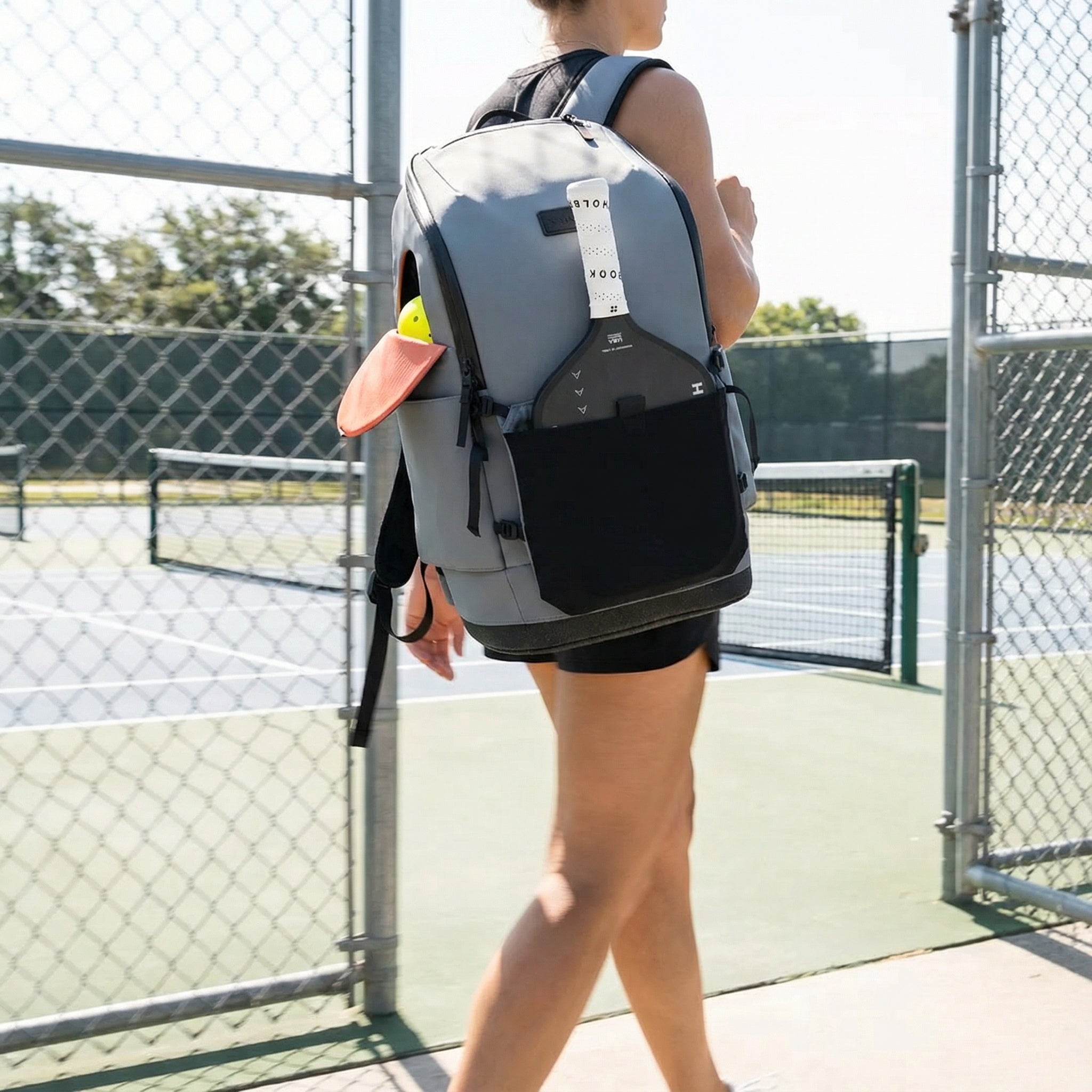
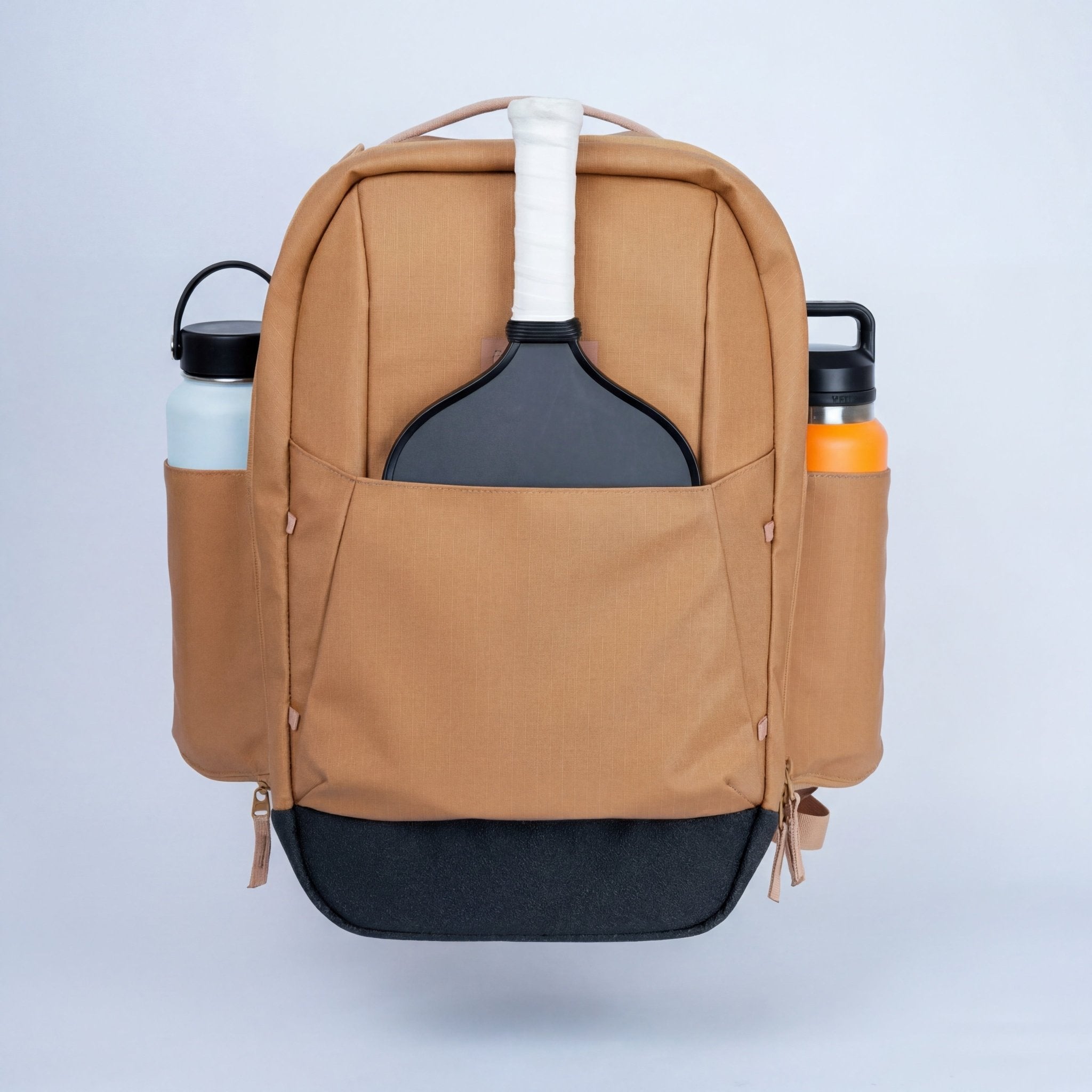
When transporting paddles, a bag with dedicated individual paddle compartments matters more than most players realize. The FORWRD Court Caddy ($325) has a modular paddle sleeve that keeps paddles separated, padded, and away from hard objects. YKK AquaGuard zippers add moisture protection during cold-to-warm transitions. For a lighter-weight option, the Court Ranger V2 ($195) hits the same sleeve standard at a lower price point.
Avoid storing other equipment like water bottles, keys, or tools in the same compartment as your paddle. Hard objects can create pressure points or impact damage, while metal items may scratch paddle surfaces. Dedicated paddle bags with proper compartment separation protect your investment during transport and storage.
Grip and Edge Maintenance
The paddle grip serves as your direct interface with the paddle, making its condition critical for both performance and injury prevention. Similarly, edge protection determines how well your paddle withstands the inevitable ground contact and paddle collisions that occur during aggressive play.
Grip Replacement Timing
Replace paddle grips when they feel slippery or show visible wear patterns from regular use. Professional players typically replace grips every 3-4 months during active seasons due to heavy play volume and the critical importance of consistent feel. Recreational players can generally extend this to 6-8 months, depending on sweat production and play frequency.
Loss of tackiness represents the primary indicator for grip replacement. When you find yourself frequently adjusting your grip during play or squeezing harder to maintain control, the grip has likely reached the end of its useful life. Continuing to play with worn grips forces compensation in your technique and increases forearm strain.
Visible smoothing of textured grip surfaces occurs gradually as hand oils and sweat break down the grip material. While this process is normal, it signals diminished performance that affects your ability to maintain consistent paddle control during powerful shots or overhead slams.
Grip Selection and Installation
Choose grip thickness (4-1/8” to 4-5/8”) based on hand size and playing style preferences. Thicker grips can reduce vibration transmission and provide more cushioning, while thinner grips offer better feel and control for players with larger hands. Many competitive players use overgrips—thin wraps applied over the base grip—to fine-tune thickness and replace them more frequently.
Apply edge tape protection to prevent chips from court contact and paddle clashing during doubles play. Edge guard tape adds a sacrificial layer that can be replaced when worn, protecting the underlying paddle structure. Choose tape designed specifically for paddles, as generic athletic tape may leave residues or lack proper adhesion.
Edge Protection Strategies
Check grip tightness monthly and rewrap if the grip becomes loose or begins unraveling at the edges. Loose grips not only affect feel and control but can also allow moisture to reach the underlying handle construction. Proper wrapping technique maintains consistent thickness and prevents premature wear at stress points.
Edge guards protect against court surface scrapes during aggressive play, but they require occasional inspection for cracks or separation. Small edge guard damage can often be addressed with specialized paddle repair tape, while significant separation may require professional repair or paddle replacement.
Preventing Paddle Damage
Proactive damage prevention involves understanding the most common sources of paddle damage and developing court habits that minimize these risks. Most paddle damage results from predictable scenarios that can be avoided with awareness and technique adjustments.
Court Awareness
Avoid ground scrapes by developing body positioning that keeps your paddle above court surface level during low shots and retrieves. While some ground contact is inevitable in competitive play, excessive scraping wears edge guards and can chip face materials. Practice getting lower with your body position rather than dragging your paddle along the court.
Prevent paddle-to-paddle contact during doubles play through clear communication and established positioning agreements with your partner. Paddle clashes can cause edge chips, loosen edge guards, or even crack faces depending on the force involved. Develop signals and court coverage patterns that minimize collision risk during fast-paced points.
Use paddle covers during transport to prevent damage from other bag contents and accidental impacts. Hard objects like water bottles, tools, or other paddles can create dents, scratches, or pressure points that compromise paddle integrity over time. Quality paddle bags with individual compartments provide the best protection during transport.
Playing Technique Considerations
Proper swing mechanics prevent unnecessary ground strikes that can damage paddle edges or faces. Focus on maintaining paddle face angle and follow-through patterns that naturally lift the paddle away from the court surface after contact. Excessive ground contact often indicates technical issues that affect both paddle longevity and shot quality.
Rotate between multiple paddles if you play frequently to reduce wear on any single paddle. This approach allows each paddle to “rest” between sessions and distributes the stress of regular use across multiple pieces of equipment. Many serious players maintain separate practice and match paddles to preserve their best equipment for competition.
Environmental Damage Prevention
Communication with doubles partners reduces collision-related damage and creates safer playing conditions for both players and equipment. Establish clear protocols for who takes shots in overlapping coverage areas, and develop non-verbal signals for quick decision-making during points.
A bag with a dedicated, padded paddle sleeve is one of the cheapest forms of paddle insurance. The Court Caddy's modular sleeve keeps paddles separated from everything else in the bag: no contact, no scratches, no edge chips from shifting gear.

Signs Your Paddle Needs Replacement
Recognizing when a paddle has reached the end of its useful life requires understanding both performance indicators and structural warning signs. While proper care extends paddle life significantly, all paddles eventually reach a point where replacement becomes necessary for optimal play.
Structural Damage Indicators
A hollow sound when tapping the paddle face indicates potential delamination—separation between the face and honeycomb core. This condition creates inconsistent ball response and may make the paddle illegal for tournament play. Test different areas of your paddle face with gentle tapping; consistent sound indicates structural integrity.
Visible bubbles or separation between paddle face and core layers represent advanced delamination that typically cannot be repaired economically. These areas often feel soft or spongy under pressure and create unpredictable ball reactions. Once delamination begins, it generally continues to spread regardless of care improvements.
Dead spots on the hitting surface manifest as areas where ball response feels inconsistent or noticeably different from the rest of the paddle face. These zones may result from internal damage, adhesive failure, or core compression that affects energy transfer during ball contact.
Performance Degradation Signs
Shots consistently sailing long despite normal swing technique often indicate changes in paddle stiffness or energy transfer characteristics. While technique adjustments can compensate temporarily, significant performance changes usually signal underlying structural issues that affect shot consistency.
Reduced ability to generate spin on serves and third shots may result from surface texture wear that can’t be restored through cleaning. The microscopic roughness that enables spin gradually smooths with use, and heavily worn surfaces eventually require paddle replacement to restore spin capabilities.
Noticeable vibration or sting in hands during ball contact suggests changes in paddle damping characteristics or potential core damage. Properly functioning paddles should feel solid and controlled during contact, with minimal harsh vibrations transmitted to your hands and forearms.
Decision Framework
Changes in paddle weight distribution or balance point affect swing feel and shot timing. These alterations may result from moisture intrusion, internal damage, or component degradation that changes the paddle’s dynamic properties. Consistent feel is crucial for timing and control, making balance changes a serious performance concern.
Cracks in the paddle face extending beyond surface graphics into the actual composite material indicate structural compromise that typically requires replacement. While superficial graphic damage is cosmetic, cracks that penetrate the face material can propagate and eventually lead to face failure.
Consider replacement costs versus repair options for significant damage. Minor edge chips can often be addressed with protective tape, but delamination, face cracks, or core damage typically cost 50-70% of a new paddle’s price to repair professionally, making replacement more economical.
The habits in this guide take maybe 5 minutes a week and can double a paddle's lifespan. Once you have the routine locked in, the next investment is a bag that protects paddles properly -- shop the Court Caddy and see how the modular sleeve keeps everything separated.
Protect Your Paddle Investment: The Court Caddy
Modular paddle sleeve, YKK AquaGuard zippers, and compartment design that keeps gear from damaging paddles. Built with 500+ real players.
Complete Your Setup
A paddle that lasts 3+ years deserves a bag that keeps it protected. The FORWRD Court Caddy ($325) has a dedicated modular paddle sleeve that keeps paddles separated, padded, and away from hard objects — the single best thing you can do for long-term paddle health. Shop the Court Caddy →
Frequently Asked Questions: Pickleball Paddle Care
How often should I clean my pickleball paddle?
Clean your paddle face after every 3-4 games or practice sessions using a slightly damp microfiber cloth. For tournament players or those playing daily, cleaning after each session prevents dirt buildup that affects ball control and spin generation. The frequency depends on court conditions—dusty outdoor courts require more frequent cleaning than clean indoor facilities.
Can I use regular household cleaners on my paddle?
No, avoid household cleaners, glass cleaners, or alcohol-based products entirely. These substances can damage paddle graphics, leave sticky residues that attract more dirt, and potentially break down the surface textures that provide ball grip. Use only water applied with a microfiber cloth, followed by thorough drying before storage.
What’s the difference between paddle delamination and normal wear?
Delamination creates a hollow tapping sound and causes a trampoline effect with uncontrollable power, while normal wear shows gradual surface smoothing and consistent performance decline. Delaminated paddles have structural separation between face and core layers, making them illegal for USAP tournament play and typically requiring replacement rather than repair.
How do I know when to replace my paddle grip?
Replace grips when they feel slippery during play, show visible wear patterns, or require frequent readjustment during games. Loss of tackiness is the primary indicator—if you’re squeezing harder to maintain control or constantly adjusting your grip position, it’s time for replacement. Most recreational players should replace grips every 6-8 months, while competitive players may need replacement every 3-4 months due to higher usage.
Is it worth repairing a damaged paddle or should I buy new?
Minor edge chips can be effectively repaired with specialized paddle tape, but delamination, face cracks, or significant core damage typically require replacement. Professional repair costs often approach 50-70% of new paddle prices for major structural issues, making replacement more economical. Additionally, repaired paddles may not perform exactly like the original, potentially affecting your game consistency.

Leave a comment
This site is protected by hCaptcha and the hCaptcha Privacy Policy and Terms of Service apply.