

Last Updated: May 2026
Running your own pickleball tournament might sound like a massive undertaking, but with the right roadmap, you can transform your local courts into the site of a memorable pickleball event that players talk about for months.
Whether you’re looking to raise funds for a community cause, give your local clubs something to compete for, or simply create a fantastic way to bring players together, this guide breaks down every step from initial planning to post-event wrap-up. You’ll learn how to choose the right venue, select a tournament format that matches your goals, manage registration smoothly, and keep everything running on time when tournament day arrives.
Let’s turn your vision into reality.
Introduction to Pickleball Tournaments
Organizing a pickleball tournament is a fantastic way to bring your community together for a day of fun, friendly competition, and lasting memories. Whether you’re aiming to create a positive experience for seasoned players or newcomers, a successful pickleball tournament starts with careful planning and a clear vision. Choosing the right tournament format—such as round robin for maximum play or double elimination for high-stakes excitement—ensures fair matchups and keeps the atmosphere enjoyable for all participants.
Community engagement is at the heart of every great pickleball event. By partnering with local pickleball clubs, community centers, and local businesses, you can unlock valuable sponsorship opportunities, raise funds for important causes, and generate excitement throughout your area. Social media platforms are powerful tools for spreading the word, managing registration, and recruiting volunteers, helping your tournament reach a wider audience and build momentum.
Understanding how many participants you can accommodate and how many courts you’ll need is essential for smooth operations as the tournament progresses. With the right approach, you’ll create an event that not only delivers fun and fair play, but also leaves a positive impact on your community—promoting healthy competition, social interaction, and a shared love of the game.
Quick Start: Your First Tournament in 90 Days
Here’s the truth: you don’t need a year of planning to run a successful pickleball tournament. With a practical timeline and focused decisions, you can host your first event within three months.
Sample 90-Day Timeline:
|
Week |
Milestone |
|---|---|
|
Week 1 |
Secure your venue and lock in the date (e.g., your target tournament date) |
|
Week 2-3 |
Launch registration and begin promotion |
|
Week 4-8 |
Build brackets, recruit volunteers, finalize sponsors |
|
Week 9-11 |
Confirm equipment, walk the venue, train volunteers |
|
Week 12 |
Tournament day |
Core Decisions to Make This Week:
-
Who is your target audience? Beginners, club members, competitive 3.0–4.0+ players?
-
Singles, doubles, or both?
-
One-day event or weekend format?
-
Indoor or outdoor courts?
For your first event, keep logistics manageable. A 32-player doubles tournament on 4 courts at a local park is an excellent starting point. This gives you enough participants to generate excitement without overwhelming your volunteer crew.
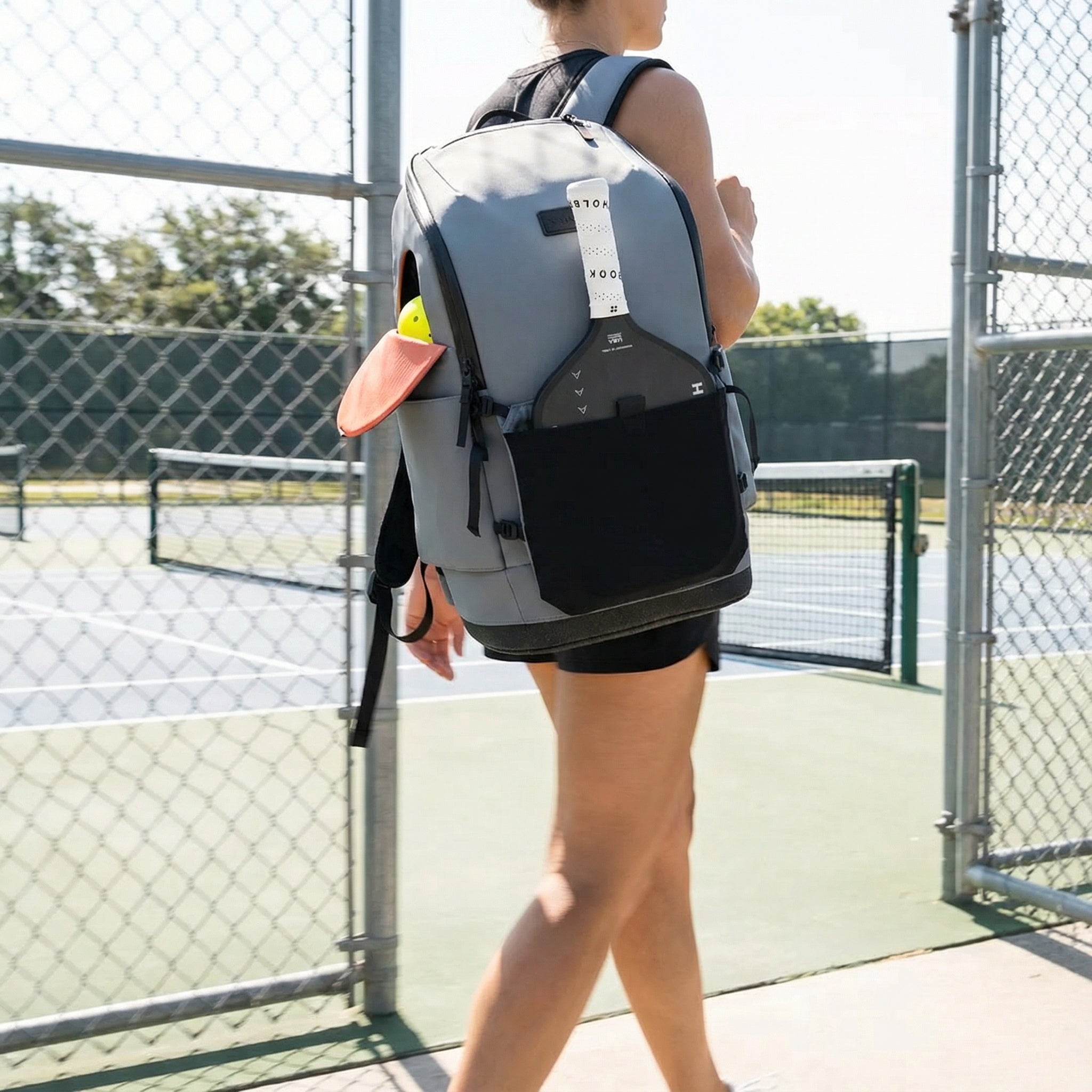
Before you finalize anything, create a basic gear checklist that includes all necessary equipment for a pickleball tournament—such as paddles, balls, nets, scoreboards, first-aid supplies, and a secure place for players to store their belongings. Having premium tournament-style pickleball bags—like FORWRD backpacks and duffels—available at your gear village keeps courtside areas organized and sets a professional tone from the moment players arrive.
Why Organize a Pickleball Tournament?
Local tournaments turn weekly rec play into signature community events. Whether you’re hosting at a city park, a private club, or a regional facility, a well-run tournament creates a focal point for your pickleball community that casual open play simply can’t match.
Community Benefits:
-
Brings together players from different neighborhoods, age groups, and local pickleball clubs
-
Creates an “annual” date people mark on their calendars
-
Strengthens relationships between casual and competitive players
-
Introduces new players to organized competition in a welcoming environment
Competitive and Social Benefits:
Tournaments give league players a true test of their skills while remaining accessible to newer players through beginner divisions. The blend of serious competition and social connection is what makes the pickleball community so unique.
Fundraising Potential:
Entry fees, raffles, and local businesses sponsorships can generate significant revenue for causes you care about. Organizing fundraising events as part of your tournament can further boost revenue and support charitable or community-focused campaigns. Many organizers use tournaments to support youth programs, resurface pickleball courts, or fund equipment for community centers. With careful planning, your fundraising efforts can make a positive impact well beyond the final match. Setting clear fundraising goals is essential to guide your planning process and communicate the purpose of your fundraiser to participants and sponsors.
Tournaments also showcase local brands and equipment. Consider setting up a FORWRD demo table where players can handle tournament-ready pickleball backpacks and court bags between matches—it adds value for participants and elevates the event’s professional feel.
Key Building Blocks of a Successful Tournament
Every strong tournament rests on a few pillars: clear purpose, solid rules, a well-chosen venue, and good communication. Selecting the perfect venue is crucial, as it sets the tone for the event and ensures a successful tournament experience for all participants. Miss any one of these, and you’ll spend tournament day putting out fires instead of enjoying the event.
Core Elements:
-
Defined goal: Is this for fun, fundraising, or competitive ranking?
-
Written rules: No ambiguity when disputes arise
-
Transparent format: Players know exactly what to expect
-
Published schedule: Everyone can plan their day
Create a single event page or PDF that covers rules, schedule, divisions, and what players should bring. This becomes your central source of truth.
Communication Channels:
Before and during the event, you need reliable ways to reach participants. Options include:
-
Email list for pre-event updates
-
Text alerts for day-of changes
-
WhatsApp or Facebook group for real-time announcements
-
Event app for larger tournaments
Plan how you’ll manage player traffic and equipment at the venue. A secure area or tent where players can store their FORWRD bags and personal items between matches prevents clutter and keeps players focused on their games.
Choosing the Right Venue
The venue dictates capacity, schedule, and overall player experience. Get this decision right, and everything else becomes easier.
Ideal Venue Features:
-
At least 4–8 dedicated pickleball courts (or taped tennis courts)
-
Good lighting if playing past 5 PM
-
Shade structures or trees nearby
-
Ample parking for participants and spectators
-
Clean, accessible restrooms
-
Space for spectators and seating areas
Venue Types to Consider:
|
Venue Type |
Pros |
Cons |
|---|---|---|
|
Municipal complexes |
Often affordable, established courts |
May require permits, limited availability |
|
YMCA facilities |
Indoor backup, restrooms, parking |
Membership requirements, scheduling conflicts |
|
Private clubs |
High-quality courts, amenities |
Higher venue rental costs |
|
School gyms |
Weather-proof, portable nets available |
May lack outdoor court feel |
For out-of-town participants, consider proximity to hotels, coffee shops, and restaurants within a 10–15 minute drive. This small detail significantly improves the experience for traveling players.
Logistical Needs:
Map out space for:
-
Registration and check-in table
-
Information board with brackets and schedules
-
Sponsor tent or booth
-
“Gear village” where players keep backpacks and court bags safely off the playing surface
Establishing Clear Tournament Rules
Written tournament rules avoid confusion on game day and build credibility, even for a first-time event. Players want to know you’ve thought things through.
Reference USA Pickleball’s current 2025 rulebook as your default standard. Any modifications should be highlighted separately in your materials.
What to Cover:
-
Scoring: Games to 11, win by 2 (or to 15 for faster formats)
-
Serve rules: Legal serve height, foot faults
-
Let policy: Replay or no-let on serves
-
Timeouts: Number allowed, duration
-
Line calls: Player-called or referee-assisted
-
Dispute resolution: Who makes final calls
Administrative Policies:
-
Late arrival grace period (5 minutes is standard)
-
Forfeit procedures
-
Substitution rules for doubles partners
Create a one-page rules summary handout. Post it at the check-in table and near the court assignment board for instant reference. This saves your tournament director from answering the same questions repeatedly.
Choosing Format, Divisions, and Schedule
Format and divisions should match your expected number of entrants, how many courts you have available, and how competitive you want the event to feel.
Common Formats:
|
Format |
Best For |
Player Experience |
|---|---|---|
|
Round robin |
Small social events (8-16 teams) |
Maximum play time, everyone plays everyone |
|
Pool play into single elimination |
Mid-size tournaments (24-48 teams) |
Group stage plus playoff excitement |
|
Double elimination |
Serious competitive brackets |
Second chances, fair matchups |
|
Single elimination |
Tight time windows, large fields |
Quick, decisive, high stakes |
Organizing Divisions:
-
By age: 18+, 40+, 60+
-
By skill level: 2.5–3.0, 3.5, 4.0+ (use USA Pickleball ratings)
-
By event type: Men’s doubles, women’s doubles, mixed doubles
Some formats, such as reverse handicap, are designed to create fair matchups by giving higher skilled players a disadvantage, which encourages more equitable competition among participants of varying abilities.
Sample One-Day Schedule (32 Mixed Doubles Teams, 6 Courts):
|
Time |
Activity |
|---|---|
|
7:30 AM |
Volunteer arrival, court setup |
|
8:00 AM |
Check-in opens |
|
8:45 AM |
Captain’s meeting |
|
9:00 AM |
First ball in the air (pool play) |
|
12:00 PM |
Lunch break (30 minutes) |
|
12:30 PM |
Bracket play begins |
|
4:00 PM |
Finals |
|
5:00 PM |
Medal ceremony |
Build 10–15 minute buffers between match slots. This gives players time to hydrate, grab snacks from their bags, and reset without creating long waits.
Volunteers, Officials, and Core Roles
Even a “small” 24–32 team tournament runs smoother with a dedicated crew of volunteers and a clear chain of command. Don’t try to do everything yourself.
Key Roles:
-
Tournament director: Overall decision-maker and problem solver
-
Registration lead: Manages check-ins and player data
-
Court assigner: Keeps matches flowing to open courts
-
Scorekeepers: Track and post results in real-time
-
First-aid contact: Handles injuries and emergencies
-
Announcer/MC: Calls matches, keeps energy high
Recruiting Volunteers:
-
Local pickleball clubs (members often want to give back)
-
High school sports teams seeking service hours
-
Community centers with volunteer programs
-
Friends and family who want to help
Host a 60–90 minute orientation the week before the event. Walk volunteers through:
-
Venue layout and their station locations
-
Rules overview and common questions
-
Emergency procedures and contact numbers
-
Communication protocols
Volunteers benefit from having central storage for their personal gear and a shaded break area. Well-organized bags and backpacks help keep their stations clutter-free throughout the day.
Planning and Preparation: From Budget to Brackets
Most of the work happens before the first serve. Budgeting, logistics, and promotion determine whether tournament day runs smoothly or becomes a scramble.
Main Planning Tasks:
-
Building a realistic budget
-
Sourcing the right equipment
-
Confirming necessary permits and insurance
-
Setting up registration and payment systems
-
Creating promotional materials
-
Recruiting and training volunteers
Use a simple project plan or spreadsheet to track tasks, owners, and due dates from initial idea through post-event follow-up. This prevents things from falling through the cracks.
Walk the venue 2–4 weeks before the event with a printed layout map. Mark where courts, signage, gear areas, and sponsor tables will go. Taking photos during this walkthrough helps when briefing volunteers.
Remind players in pre-event communications to bring weather-ready apparel and store it in durable, court-specific bags. This minimizes clutter and lost items throughout the day.
Creating a Practical Budget
Even a modest event needs a written budget so there are no surprises on tournament day. Knowing your numbers upfront helps you set appropriate registration fees and identify sponsorship opportunities.
Typical Expenses:
|
Category |
Estimated Cost |
|---|---|
|
Court rental fees |
$50–200/hour per court |
|
Permits and insurance |
$100–500 |
|
Balls (outdoor, USA-approved) |
$50–150 |
|
Tape or portable nets |
$100–300 |
|
Medals or trophies |
$200–500 |
|
Printing (brackets, signage) |
$50–100 |
|
Volunteer refreshments |
$100–200 |
|
First-aid supplies |
$50–75 |
Example Budget: 48-Player Event at City Facility
|
Item |
Cost |
|---|---|
|
Venue (6 courts, 8 hours) |
$800 |
|
Equipment and supplies |
$350 |
|
Awards |
$300 |
|
Insurance |
$200 |
|
Marketing materials |
$100 |
|
Refreshments |
$150 |
|
Total |
$1,900 |
With 48 players paying $40 entry fees, you’d generate $1,920—covering costs with a small buffer for unexpected expenses.
Allocate a small line item for on-court gear like ball baskets, scoreboards, and durable storage totes or premium court bags for balls and accessories. These details matter.
Securing Equipment and Supplies
Having dependable equipment on hand avoids delays, especially once the brackets are live and matches are running.
Core Items:
-
Regulation pickleballs (with 2–3 dozen extras)
-
Nets (check for proper height and tension)
-
Loaner paddles for emergencies
-
Scoreboards or flip scorers for each court
-
Clipboards, pens, and score sheets
-
Visible master bracket board or TV display
Support Essentials:
-
First-aid kit with ice packs
-
Sunscreen station
-
Shade tents or pop-ups
-
Extension cords for devices
-
Multiple water stations with cups
-
Trash and recycling bins
Organize equipment into labeled containers and dedicated court bags so volunteers know exactly where balls, tools, and accessories live. Nothing kills momentum like searching for a fresh ball sleeve between games.
Investing in rugged, weather-resistant pickleball bags—like FORWRD’s court and tournament bags—keeps balls, towels, tape, and personal items protected and easy to transport between storage and courts.
Setting Up Registration and Payments
Clear, online registration streamlines data collection and reduces errors. Managing registration manually with spreadsheets works for small events, but dedicated platforms save significant time.
What to Capture:
-
Contact information (name, email, phone)
-
Division selection
-
Partner name (for doubles)
-
Skill level or rating
-
Signed waiver
-
Emergency contact
Recommended Platforms:
Software like pickleballtournaments.com or pickleballbrackets.com automates bracketing, prevents same-club first-round matchups, and tracks scores. For USA Pickleball-sanctioned events, approved software is required.
Registration Process Tips:
-
Calculate entry fees based on budget and expected turnout
-
Offer early-bird pricing (10–15% discount) to encourage early sign-ups
-
Accept payments via credit card, Venmo, or PayPal. Participants should be able to pay fees easily during the registration process, whether online or in person, to streamline sign-up and ensure all costs are covered.
-
Send automatic confirmation emails with event details
-
Set clear deadlines for registration and partner changes
If certain divisions consistently under-fill, limit them and make that policy clear during registration. This prevents late cancellations and refund headaches when players discover they won’t have enough competition in their bracket.
Marketing and Promoting Your Tournament
Even a perfectly planned tournament needs promotion to reach full brackets. Start early and stay consistent.
Practical Promotion Channels:
-
Local clubs and their email lists
-
City recreation department newsletters
-
Facebook groups for local pickleball players
-
Instagram posts and stories
-
Flyers at nearby gyms, coffee shops, and sporting goods stores
-
Word of mouth at open play sessions
Creating Effective Materials:
Your flyer or graphic should include:
-
Event title and date
-
Location with address
-
Divisions offered
-
Format (round robin format, single elimination, etc.)
-
Entry fees and registration deadline
-
Registration link or QR code
-
Contact information
Optimize materials for both mobile screens and print. Most people will first see your event on their phone.
Player-Centric Content Ideas:
-
“Player of the Week” spotlights
-
Short reels showing people loading up their pickleball backpacks and heading to courts
-
Countdown posts as the event approaches
-
Behind-the-scenes venue prep photos
Consider inviting local vendors or setting up a FORWRD gear table to increase excitement. This gives participants a chance to upgrade their bags and accessories on-site while generating additional interest in your event.
Formats and Creative Ways to Structure Play
Format shapes the mood of the day, from ultra-casual social play to tightly run competitive brackets. Choose wisely based on your goals and audience.
Main Format Families:
-
Round robin: Everyone plays everyone in their group
-
Single elimination: Lose once, you’re out
-
Double elimination: Losers bracket gives second chances
-
Pool play: Groups feed into playoff brackets
-
Specialty formats: King/Queen of the Court, shootouts
Match format to goals:
-
Maximum play and community engagement: Round robin tournament
-
High-stakes competition: Double elimination
-
Limited time or many teams: Single elimination
-
Best of both: Pool play into brackets
Include at least one social-friendly format or side event, even in competitive tournaments. Allowing players of various skill levels to participate keeps the enjoyable atmosphere alive.
Whatever format you choose, players appreciate clear, printed brackets and an easy place to stash their gear so they can focus purely on their next match.
Round Robin and Pool Play
Round robin is ideal when you want everyone to get multiple matches and consistent time on court. It’s perfect for smaller groups and community-focused events.
Basic Structure:
Each team or player faces every opponent in their group. Standings are determined by:
-
Win-loss record
-
Point differential (tiebreaker)
-
Head-to-head results (secondary tiebreaker)
For larger fields, use pool play: several groups of 4–6 teams, followed by a gold/silver bracket playoff for top finishers. This hybrid approach keeps games manageable while still providing bracket excitement.
Match Length Considerations:
-
Games to 11: Standard format, allows more matches
-
Games to 15: Better for advanced players, requires more time
-
Timed games (15–20 minutes): Keeps schedule predictable
With a round robin format, 8 teams require 28 total games. Calculate your court time carefully—assuming 11–15 minute games—to avoid schedule overruns.
Provide clearly labeled courts and a central scoreboard station where players report results immediately after leaving the court.
Single and Double Elimination
These formats contrast speed and simplicity with more play time and fairness.
Single Elimination:
-
Bracket seeding based on ratings or past results
-
One loss and you’re out
-
Best for tight time windows or limited court availability
-
Risk: Top seeds might clash early if seeding is poor
Double Elimination:
-
Winners bracket and consolation bracket
-
Lose once, drop to consolation; lose twice, eliminated
-
Potential “if-necessary” finals when consolation winner beats winners bracket champion
-
Requires careful scheduling to manage bracket complexity
Seeding Approaches:
|
Method |
When to Use |
|---|---|
|
Known ratings |
Players have USA Pickleball ratings |
|
Past tournament results |
Returning players from previous events |
|
Random draw (drawing names) |
Unknown field, casual event |
Elimination formats pair well with visible, large-format brackets posted at a central hub. Players can check their path while grabbing gear from their bags between matches.
Mixed Doubles, Skill Divisions, and Theme Options
Thoughtful divisions and creative themes can transform a standard event into something people talk about all year.
Mixed Doubles Divisions:
Split by skill level (3.0, 3.5, 4.0+) to encourage couples, friends, and new partnerships to compete. Mixed doubles often attracts the broadest range of participants.
Theme Event Ideas:
-
Retro day: 80s tennis gear encouraged
-
Team color battles: Assign colors to pools
-
Charity brackets: Themed attire matching the cause
-
Holiday tournaments: Ugly sweater December events
Tie themes into prizes and swag. Custom bag tags, patches, or limited-run FORWRD accessories make memorable awards for winners and standout players.
Clearly state any dress or theme expectations in your event description so players can pack the right gear in advance.
Tournament Day Operations and Player Experience
Game day is about execution: check-ins, court flow, score reporting, and keeping participants informed. All your careful planning comes down to these hours.
Key Time Blocks:
|
Phase |
Activities |
|---|---|
|
Early morning |
Setup, volunteer briefing, signage |
|
Check-in window |
Registration, wristbands, welcome |
|
Captain’s meeting |
Rules review, questions |
|
Main play window |
Matches, score tracking, bracket updates |
|
Finals |
Championship matches on feature court |
|
Ceremony |
Medals, photos, sponsor recognition |
|
Teardown |
Cleanup, equipment return |
Establish a central “command center” for registration questions, lost and found, and bracket updates. This is where your tournament director should be most accessible.
Player Comfort Priorities:
-
Shade and seating areas away from active courts
-
Hydration stations
-
Clear signage to restrooms
-
Safe walkways free of stray gear or loose bags
Many players bring multiple paddles, shoes, and clothing layers. Directing them to a dedicated gear zone helps keep courts and walkways uncluttered.
Check-In, Welcome, and Court Assignments
First impressions are formed at check-in. Make it quick, friendly, and organized.
Check-In Table Setup:
-
Printed rosters organized by division
-
Division lists with court assignments
-
Waiver copies (physical backup)
-
Wristbands or badges
-
Venue map with court numbers, restrooms, and gear areas
Captain’s Meeting (15–20 Minutes Before First Match):
-
Welcome and thank participants
-
Review scoring system and match format
-
Explain how to report scores
-
Cover line call procedures
-
Answer questions
Court Assignment Methods:
-
Pre-planned in tournament software
-
Called via PA system
-
Posted on an assignment board with regular updates
Have clear signage directing players where to leave their pickleball bags and backpacks. Benches and sidelines near courts should stay open for active players only.
Keeping Matches Running on Time
Pacing matters. Players don’t want long waits between games, but they also shouldn’t feel rushed.
Schedule Management:
-
Assign a court marshal or scheduler to monitor match progress
-
Reassign courts quickly for forfeits or early finishes
-
Use timers for time-boxed formats
-
Signal starts and ends with a whistle or air horn
Player Instructions at Check-In:
Tell participants to be “ready to play” 1–2 matches ahead. This means:
-
Paddles in hand
-
Proper shoes on
-
Warm and stretched
-
Gear pulled from bags and ready
Record scores immediately at a central station. This keeps brackets accurate and prevents disputes later when the tournament progresses to elimination rounds.
Food, Hydration, and Comfort
Well-fed, hydrated players perform better and have a more positive experience. Don’t overlook these basics.
Basic Provisions:
-
Large water coolers at multiple stations
-
Cups (and encourage refillable bottles)
-
On-site food truck or pre-arranged sandwiches
-
Snack options for purchase or included with registration
Pre-Event Communication:
Ask players to bring:
-
Refillable water bottles
-
Towels
-
Extra layers for weather changes
-
All packed neatly in their tournament bags
Comfort Stations:
-
Pop-up shade tents
-
Sunscreen station
-
Seating away from active courts
-
Clear trash and recycling bins near gear and spectator areas
These touches require minimal investment but significantly improve the memorable experience you’re creating.
Handling Weather, Injuries, and Other Surprises
Even the best plans need backups. Prepare for rain, heat, wind, and unexpected issues.
Written Weather Policy:
-
Define delay thresholds (lightning within X miles, sustained rain)
-
Identify reschedule dates or indoor backup locations
-
Communicate policy in registration materials
-
Have a decision-making tree for tournament director
Safety Protocols:
-
Stocked first-aid kit accessible at command center
-
Designated medical contact (ideally with training)
-
Clear plan for calling emergency services
-
Ice and basic injury treatment supplies
Refund and Credit Policies:
Outline these in advance for rainouts or partially completed events. Options include:
-
Full refund if no matches played
-
Partial refund or credit toward next tournament
-
No refund once bracket play begins
Having players keep extra clothing and gear in high-quality, weather-resistant bags helps protect their items if a sudden storm passes through.
Post-Event Wrap-Up and Future Growth
What happens after the last medal is awarded determines whether this becomes an annual tradition. Don’t rush the finish line.
Immediate Tasks:
-
Final score verification for all divisions
-
Venue cleanup (leave it better than you found it)
-
Confirm all rental equipment accounted for and returned
-
Secure any remaining registration materials and waivers
Thank Your People:
Within 24–48 hours, send thank-you messages via email and social media to:
-
All participants
-
Volunteers (by name if possible)
-
Sponsors
-
Venue staff
Collect Feedback:
Create a short online survey asking about:
-
Format preferences
-
Scheduling and timing
-
Venue quality
-
Suggestions for future divisions or formats
Capture and share photos of players, courts, and tournament setups—including shots of well-organized bags and gear—as part of your event’s visual story. This content fuels promotion for your next tournament.
Analyzing Results and Finances
Review both competitive results and financial performance to improve future events.
Competitive Records:
-
Compile final brackets and champions for each division
-
Post results on your event page, local club bulletin board, and social media
-
Tag winners in posts to increase engagement
Financial Recap Process:
|
Category |
Budgeted |
Actual |
Variance |
|---|---|---|---|
|
Venue rental |
$800 |
$800 |
$0 |
|
Equipment |
$350 |
$380 |
+$30 |
|
Awards |
$300 |
$275 |
-$25 |
|
Registration income |
$1,920 |
$1,880 |
-$40 |
Keep clear records of what was over or under budget. Was food more expensive than expected? Did you order too many balls? These valuable insights improve planning next time.
Note which on-site sales performed best—whether premium pickleball bags, accessories, or branded merchandise—for potential future revenue streams.
Building a Tournament Brand and Community
Consistent, well-run events evolve into a recognizable series or annual “classic” that players anticipate.
Create Brand Identity:
-
Choose a distinctive tournament name
-
Develop a simple logo and color scheme
-
Reuse visual identity each year for recognition
-
Create hashtags for social sharing
Document the Experience:
Build a photo gallery or highlight reel showing:
-
Players arriving with their gear
-
Competitive action on the courts
-
Podium celebrations and medal ceremonies
-
Community moments between matches
Plan Ahead:
Set dates early for your next edition and announce them in thank-you messages. Players will block the weekend immediately if they had a positive experience.
Partnering with a dedicated pickleball gear brand like FORWRD for prizes, court bags, and on-site activations elevates your event’s professionalism and appeal. It signals to participants that you’re serious about creating something special.
Key Takeaways
-
Start with a manageable 32-player doubles tournament on 4 courts
-
Choose a tournament format that matches your goals and court availability
-
Write clear tournament rules referencing USA Pickleball standards
-
Build a realistic budget with entry fees covering expenses
-
Use dedicated software for managing registration and brackets
-
Recruit volunteers from local clubs and train them before tournament day
-
Create a central gear zone to keep courts and walkways clear
-
Document everything and collect feedback for continuous improvement
Frequently asked questions about pickleball tournaments
How many courts do you need for a pickleball tournament?
For a beginner event, 4 courts handle 32-player doubles comfortably. Plan for 5-7 matches per court per hour in round-robin formats. A 64-player event typically needs 6-8 courts and 6-8 hours to complete without rushing participants between rounds.
What software should I use for pickleball tournament brackets?
Pickleball Brackets (pickleballbrackets.com) and Tournament Desk are the most-used free tools. Both handle round-robin and double-elimination formats, auto-generate match schedules, and let you update scores from a phone courtside. Either works well for events up to 64 players without any cost.
How much should I charge for pickleball tournament entry fees?
Community recreational events typically charge $15-$30 per player. More competitive events with prize structures run $35-$75 per player. Calculate venue, equipment, and prize costs first—entry fees should cover 80-90% of expenses, with local business sponsorships handling the rest.
Do I need USA Pickleball sanctioning to run a tournament?
Not unless you want players to earn official ratings or ranking points. Sanctioning requires certified referees, approved equipment, and additional paperwork. For a community fundraiser or club-level event, an unsanctioned tournament is much simpler to run and still delivers an excellent player experience.
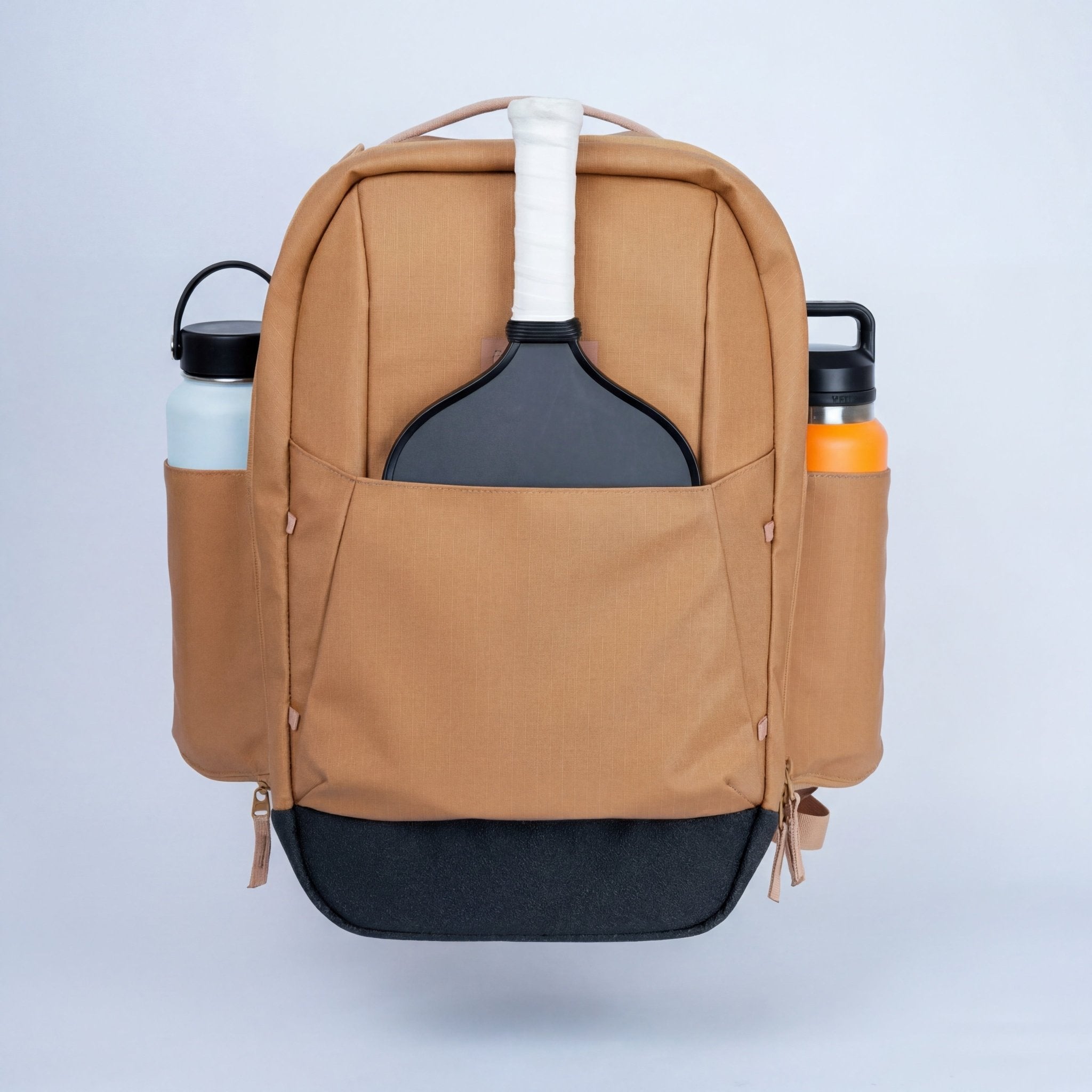
Once your tournament is set, make sure your players show up ready. The Court Ranger V2 is what organized tournament players carry—16" laptop sleeve, modular paddle compartment, and YKK AquaGuard zippers, designed with input from 500+ real players.

Your Next Move
Your first pickleball tournament doesn’t need to be perfect—it needs to happen. Use this guide as your roadmap, start with the 90-day timeline, and secure your venue this week.
The pickleball community is hungry for more opportunities to compete, connect, and have fun. By organizing a tournament, you’re not just running an event—you’re building something players will remember and return to year after year.
Ready to get started? Create your checklist, lock in that date, and make your mark on the local pickleball scene.
Complete Your Setup: Court Caddy Pickleball Bag
Serious tournament players need serious organization. The Court Caddy holds 4 paddles, extra balls, towels, and a 15" laptop—everything you need for a full day of tournament play, with YKK AquaGuard zippers that hold up through every match.

Leave a comment
This site is protected by hCaptcha and the hCaptcha Privacy Policy and Terms of Service apply.