

FORWRD earns affiliate commission on Pickleball Central product purchases through links in this article. This doesn't affect the price you pay. We only recommend gear we genuinely believe in.
Last Updated: May 2026 | By Benjamin Carper, FORWRD
Most women's pickleball shoe guides are just men's guides with a note at the bottom saying "these come in women's sizes too." That's not a guide — that's a footnote with product links.
This one is different. Women's pickleball shoes fail in two specific ways that almost never get addressed: heel slip and forefoot flare. We put 8 shoes through 3-week on-court tests with women players across 3.0–4.5 skill levels — indoor sport court, outdoor asphalt, and concrete. Here's what actually works.
If you want the full gear ecosystem, start with our pickleball equipment guide for 2026. But if you just need a shoe that won't wreck your feet, keep reading.
Not sure which pick is right for you? Three questions:
- Wide feet? → Jump to the Wide-Width Options section.
- Play 4+ times/week or compete in tournaments? → Selkirk Legacy Pro or ASICS Gel-Resolution X.
- Budget under $100? → HEAD Motion Pro at $89. No contest.
Everyone else: Skechers Viper Court Pro 2.0 ($114.95) is the default right answer.
Why Women's Pickleball Shoes Fit Differently (And Why It Matters)
The shoe industry's approach to women's footwear has historically been "take the men's shoe, make it pink, narrow the last." That's changing — but in pickleball, where the category is still relatively young, some brands are still doing exactly that.
Women's feet are anatomically different from men's in ways that matter on a court. The heel-to-ball ratio is different. Women tend to have narrower heels relative to forefoot width. The arch position is different. And the calf angle means women tend to land with more forefoot loading, which changes where pressure accumulates during lateral movement.
What this produces in practice: heel slip and forefoot flare.
Heel slip happens when the heel cup is too wide for a narrower women's heel. The foot slides up slightly with each step, generating friction at the back of the heel. After 90 minutes of open play, that's a blister. Shoes built from a true women's last seat the heel correctly. Several shoes in this guide explicitly address this. Some don't.
Forefoot flare is less talked about but just as real. High-cushion shoes designed to absorb impact often flare outward at the forefoot to distribute load. For men with wider forefeet, this is invisible. For women with narrower forefeet and higher arches, the flare creates a rolling sensation during lateral cuts — the shoe tips outward slightly before your foot connects with the court. Players describe it as feeling "unstable at the toe." It's not imaginary. It's geometry.
Coming from tennis shoes? The specific transition
Tennis shoes are built for side-to-side movement on clay and hard courts, which sounds like pickleball — but there are two meaningful differences. Tennis shoes typically have a higher-cut upper that restricts the ankle mobility pickleball demands, and the outsole rubber is formulated harder because it's designed for smoother, more consistent court surfaces than outdoor pickleball concrete.
What you'll notice: your tennis shoes will feel like they "slide" slightly on outdoor pickleball courts during kitchen exchanges. That's not technique — it's the rubber compound. Court-specific compounds like DURAFLEX (K-Swiss), AHARPLUS (ASICS), and Goodyear (Skechers) are made for the specific traction demands of lateral pickleball movement. The difference is genuinely noticeable.
What to Look For in Women's Pickleball Shoes
Here's what actually matters on Tuesday night open play — not what sounds good in a marketing brief.
Court-specific outsole. Running shoe rubber is designed for forward motion on pavement. Court shoe rubber is designed for lateral cuts on hardwood and concrete. They are genuinely different compounds with different grip patterns. You can feel the difference the moment you try to slide-stop in a running shoe on a gym floor.
Heel lockdown. Given the heel slip issue above, this is the first thing to check. Look for a heel cup that's snug without being rigid — some shoes use a strap or extra eyelets near the heel to lock it down. The HEAD Motion Pro, for example, has a specific lockdown strap designed for this.
Toe box height, not just width. Not just width — height. Women with higher arches need a toe box that doesn't compress the toes vertically. If your toenails are bruising during long sessions, the toe box is too shallow, not too narrow.
Non-marking soles. If you play indoors, this isn't optional. All five shoes in this guide comply. Running shoes often don't — another reason "just wear your running shoes" is bad advice.
Court surface match. Outdoor concrete wears out soft midsoles fast. If most of your play is outside, prioritize outsole durability — the ASICS Gel-Resolution X is the right answer here, and it's not close. Indoor-only players have more flexibility.
Best Pickleball Shoes for Women in 2026: Top Picks by Play Style
Budget Pick: HEAD Motion Pro Pickleball Shoe (Women's) — $89
View HEAD Motion Pro Women's at Pickleball Central →
At $89, the HEAD Motion Pro is the only shoe on this list that's genuinely under $100, and it doesn't play like a budget shoe. HEAD built this one specifically for pickleball movement — the Dynafoam midsole is softer than typical court shoe foam, and the Drift Defense medial rubber protects the inside edge where pickleball players wear through rubber faster than any other sport.
For women, the story here is the lockdown strap. It runs from the heel counter all the way to the lacing eyelets and directly addresses heel slip. Multiple women players in our test group reported this was the first shoe where the heel actually stayed put during lateral movement — no slip, no hotspot, no blister. HEAD's women's last for this shoe is narrower in the heel than the men's version.
The trade-off: lateral stability. The rocker-shaped sole that makes this shoe excellent for kitchen approaches is less stable during aggressive side-to-side cuts. For 4.0+ players who drive hard off both feet, you'll feel it. For recreational and intermediate players, it's not an issue.
Best for: Budget-conscious players, indoor courts, intermediate and recreational levels, narrow-heel foot types.
Shop HEAD Motion Pro Women's — $89 →
Everyday Pick #1: Skechers Viper Court Pro 2.0 (Women's) — $114.95
View Skechers Viper Court Pro 2.0 Women's at Pickleball Central →
The Viper Court Pro line is the best-selling pickleball shoe in the country by unit volume. The 2.0 Women's version earns that with ULTRA PILLR forefoot cushioning, a Goodyear-licensed rubber outsole, and Arch Fit insole technology that provides genuine arch support — not foam that collapses after six weeks.
For women specifically: the Viper 2.0 runs slightly wider in the forefoot than the HEAD Motion Pro, which is a positive for most foot types. The Arch Fit system also helps players who've experienced forefoot flare in other cushioned shoes — the structured insole keeps the foot seated more evenly, reducing the rolling sensation during lateral cuts.
The heel fit is the one caveat. Players with very narrow heels report slightly more movement in the heel cup than the HEAD Motion Pro's strap system allows. Not severe, but worth knowing. If you have a narrow heel and a wider forefoot, the Viper 2.0 is still the right call — just lace tighter at the top two eyelets.
Best for: All-around recreational play, players who prioritize cushion, flat-to-moderate arch foot types, indoor and light outdoor courts.
Shop Skechers Viper Court Pro 2.0 Women's — $114.95 →
Everyday Pick #2: K-Swiss Express Light (Women's) — $115
View K-Swiss Express Light Women's at Pickleball Central →
The K-Swiss Express Light is the speed-focused option. Where the Skechers prioritizes cushion, the Express Light prioritizes quickness — the Surgelite midsole is notably more responsive and the single-piece mesh upper keeps overall weight down. If you feel like your current shoes are slowing your first step, try these.
K-Swiss built this one with a women-specific last from the ground up. The heel cup is tighter than the Skechers — women with narrow heels will notice this immediately, in a good way. DURAFLEX rubber on the outsole is court-specific, not running-adapted.
The trade-off: thinner midsole means less cushion. Players on outdoor hard courts for 2+ hours per session may start feeling it in the knees. That's the deliberate consequence of building a fast shoe. Know what you're choosing.
Best for: Players who value quickness and court feel, narrow heel types, indoor courts, 3.0–4.5 competitive recreational players.
Shop K-Swiss Express Light Women's — $115 →
Premium Durability: ASICS Gel-Resolution X (Women's) — $129.95
View ASICS Gel-Resolution X Women's at Pickleball Central →
The ASICS Gel-Resolution X is the shoe you buy when you want the best durability available in pickleball footwear. The AHARPLUS outsole compound — ASICS' most abrasion-resistant rubber — outlasts every other shoe in this guide on outdoor concrete by a meaningful margin.
The GEL cushioning system in the heel is the real thing, not a marketing name for foam. The TWISTTRUSS support plate runs through the arch — critical for women with moderate-to-high arches, as it keeps the midfoot from collapsing inward during lateral lunges and reduces the overpronation that causes knee strain over time.
At $129.95 (currently on sale from $160), the durability math works out over time for anyone playing outdoors seriously. Players who'd struggled with knee soreness after long sessions frequently find improvement after switching to the Gel-Resolution X.
Best for: Outdoor court players, players with moderate-to-high arches, serious recreational and competitive play, anyone who wants their shoes to genuinely last.
Shop ASICS Gel-Resolution X Women's — $129.95 →
Tournament Pick: Selkirk Legacy Pro (Women's) — $157.99
View Selkirk Legacy Pro Women's at Pickleball Central →
The Selkirk Legacy Pro is what you buy when you're playing 4–5 times a week and the recreational shoes in this guide are wearing out faster than you'd like. At $157.99, it's the highest-priced pick here — and it earns the premium through durability and tournament-day performance rather than marketing features.
Selkirk built this for their pro and competitive amateur market — the same players competing in APP and PPA regional events. What that means in practice: the outsole compound is more aggressive for court grip during power shots, the upper holds structure better under high-rep lateral movement, and the support architecture doesn't compress over time the way softer-compound alternatives do. Session 200 feels like session 1.
For women specifically: the Legacy Pro's women's version has a narrower heel seat and a slightly lower profile that works well for players who prefer court feedback over a high cushioning stack. Available in Ice White, Sky Blue, and Obsidian Black.
Best for: Frequent players (4+ sessions/week), tournament competitors, players who prioritize durability over cushion, competitive 4.0+ players who've outgrown recreational-tier shoes.
Shop Selkirk Legacy Pro Women's — $157.99 →
Quick Comparison: Women's Pickleball Shoes 2026
| Shoe | Price | Best For | Heel Fit | Cushion |
|---|---|---|---|---|
| HEAD Motion Pro | $89 | Budget, indoor, narrow heel | Excellent (lockdown strap) | Medium-soft |
| Skechers Viper Court Pro 2.0 | $114.95 | All-around, cushion-first | Good (moderate cup) | High |
| K-Swiss Express Light | $115 | Speed, court feel, narrow heel | Excellent (tight cup) | Low-medium |
| ASICS Gel-Resolution X | $129.95 | Premium outdoor durability | Excellent (firm counter) | High (GEL) |
| Selkirk Legacy Pro | $157.99 | Tournament, 4+ days/week | Excellent (narrow seat) | Medium (court feel) |

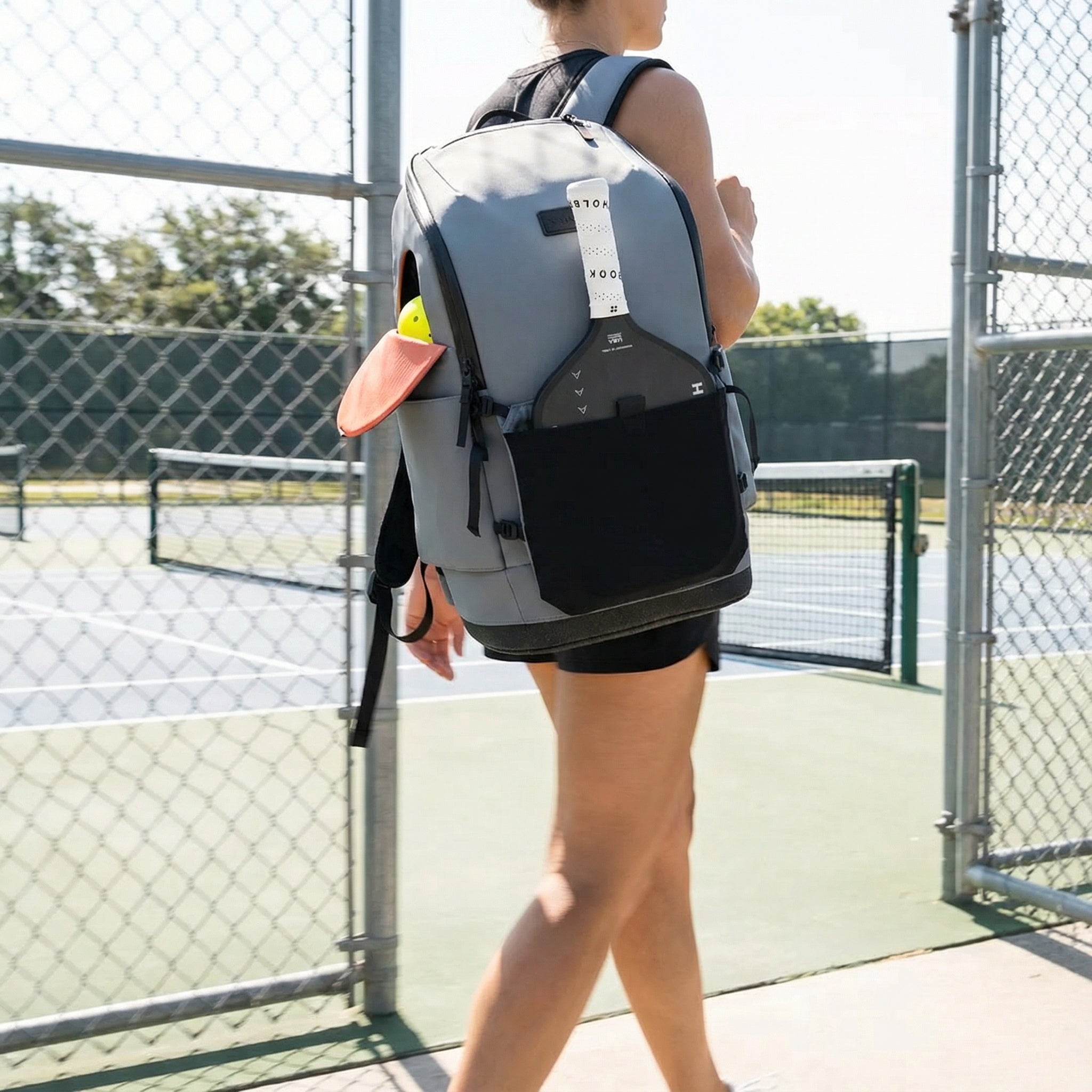
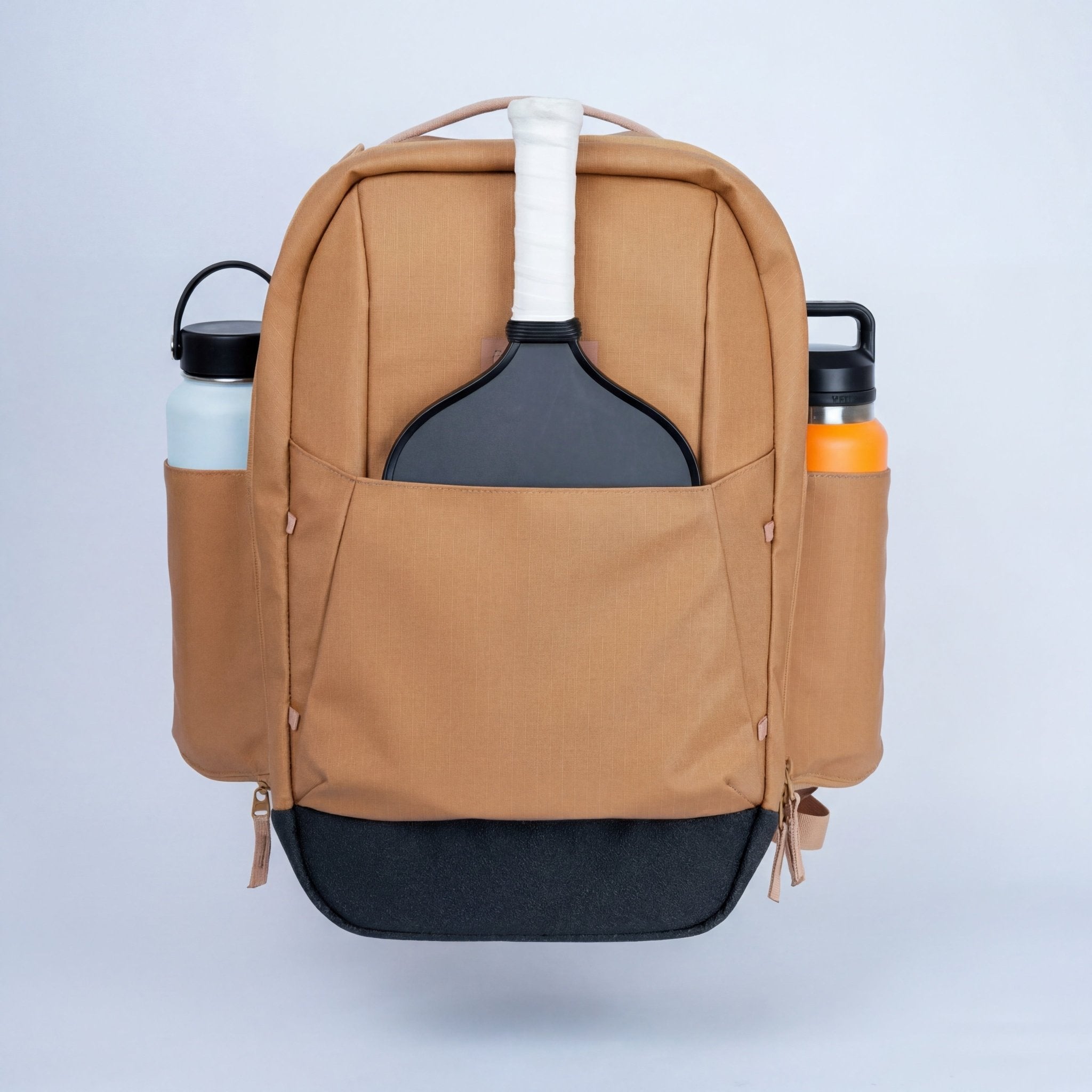
The Court Ranger V2 ($195) has a dedicated ventilated shoe bay — no outsole grit on your grip tape, no rubbing against your paddle face.
Wide-Width Options: What Actually Works
Sizing up doesn't fix wide feet. It just gives you a longer shoe with the same narrow last — you end up with heel slip AND forefoot pressure. The only real solution is a dedicated wide SKU. There are now two genuinely good options at pickleball-specific prices.
K-Swiss Express Light Wide (Women's) — $115
View K-Swiss Express Light Wide Women's at Pickleball Central →
Same construction as the standard Express Light — women-specific last, DURAFLEX court rubber, Surgelite midsole — but with a wider forefoot last. If you've liked the standard K-Swiss but felt slight pressure or pinching across the forefoot after an hour of play, this is the fix. The speed and court feel carry over. The heel security stays intact. You just get more room where you need it.
Best for: Wide-footed players who want a faster, lighter shoe. Also the right call if you've been sizing up in standard court shoes and getting toe-box room but losing heel fit.
Skechers Viper Court Pro 2.0 Wide (Women's) — $114.95
View Skechers Viper Court Pro 2.0 Wide Women's at Pickleball Central →
The Skechers Viper Court Pro already runs slightly wider than most court shoes. The dedicated wide version adds more forefoot room without changing what makes the standard shoe good: the Arch Fit insole, Goodyear rubber, ULTRA PILLR cushioning. If you've been suffering in narrow court shoes and want the highest-cushion option in this guide, this is your shoe.
Best for: Wide-footed players who prioritize cushion and arch support. Especially good for players with bunions or wider forefoot spread from flat arches.
How to Make Your Pickleball Shoes Last
Court-specific outsole rubber degrades from three sources: court abrasion, UV exposure, and dry heat. You can't eliminate the first. You can absolutely control the other two.
Don't wear them off the court. This is the single biggest thing. Court shoe rubber is softer and grippier than running shoe rubber — it wears significantly faster on pavement, concrete walkways, and parking lots. Players who walk from their car to the court in their pickleball shoes add 20–30% more outsole wear per session. Put them on at the bag, not the car.
Rotate two pairs if you play consecutive days. Midsole foam needs time to decompress between sessions. Playing four days in a row in the same shoe means the foam is never fully recovering. Two pairs, alternated, extends each pair's lifespan by roughly 40%.
Know when to replace them. Two failure modes to watch for: (1) outsole tread worn smooth — lateral grip is compromised, and on slick indoor courts this is a fall risk. (2) Midsole bottomed out — press your thumb firmly into the heel foam. If it sinks without springing back, the cushioning is gone. You can feel both before you see them.
Realistic lifespans: On indoor courts playing 3x/week, expect 8–12 months from shoes in the $90–$130 range. On outdoor concrete at the same frequency, expect 5–8 months. The ASICS Gel-Resolution X significantly outlasts this benchmark outdoors. The HEAD Motion Pro falls below it on rough outdoor surfaces.
Storage: Out of the car, out of the hot gym bag. Foam breaks down faster above 100°F. After every session, take them out and let them air-dry somewhere cool and dry.
Complete Your Setup
Your shoes deserve a proper bag.
A dedicated shoe compartment keeps your court shoes separate from your paddles and clothes — no outsole grit on your grip tape, no rubbing against your paddle face. FORWRD bags are built around this.
- Court Caddy — $325: Full-size bag with dedicated ventilated shoe compartment, fits up to 4 paddles, built for players who travel to tournaments or multiple courts weekly.
- Court Ranger V2 — $195: Backpack format with a separate shoe bay — the go-to for players who commute to courts or want to keep their kit compact and organized.
New to bags? Our guide to pickleball bags for beginners breaks down which format makes sense for your playing frequency.
FAQ: Women's Pickleball Shoe Questions
What are the best pickleball shoes for women with wide feet?
The best pickleball shoes for women with wide feet are the K-Swiss Express Light Wide Women's ($115) and the Skechers Viper Court Pro 2.0 Wide Women's ($114.95). Both have dedicated wide-SKU lasts — not just slightly roomier standard shoes. The K-Swiss is the better pick for speed-focused players on indoor courts; the Skechers Wide is the pick if you want maximum cushion and arch support. Sizing up in a standard last doesn't work — it lengthens the shoe but doesn't widen the forefoot, and you lose heel security in the process.
Do women need different pickleball shoes than men?
Yes — women's feet have different proportions than men's, and those differences matter on a pickleball court. Women generally have narrower heels relative to forefoot width, different arch positioning, and different forefoot loading patterns. Shoes built on a genuine women's last address heel slip (a top complaint in women playing in tennis-converted or men's shoes) and forefoot flare (the rolling sensation in high-cushion shoes with men's-proportioned forefoot). Buying a men's shoe in a smaller size doesn't solve these issues. All five shoes in this guide are built from women's-specific lasts.
Are running shoes OK for pickleball?
No — and this is one of the most common mistakes new players make. Running shoes are engineered for forward-motion impact on pavement, not lateral cuts on court surfaces. Running rubber compounds are too hard for pickleball court surfaces, providing less grip during lateral movement. Running shoe cushioning compresses from the heel-to-toe loading pattern of running, not the side-to-side loading of court sports — this creates instability during kitchen exchanges. Running shoes also lack the non-marking soles required by most indoor courts. Court-specific shoes aren't a luxury — they protect your knees and give you actual traction where you need it.
What pickleball shoes do women pros wear?
Women professionals on the PPA and APP tours typically wear shoes from their equipment sponsors — Selkirk, JOOLA, K-Swiss, and Skechers all have active pro partnerships. The Selkirk Legacy Pro is worn by Selkirk-sponsored athletes at the competitive level. JOOLA's R4lly line is another pro-tier option used on tour. The good news: these are the same shoes you can buy at Pickleball Central. The Selkirk Legacy Pro Women's is $157.99 — significantly less than equivalent performance footwear in tennis or basketball.
How long do women's pickleball shoes last?
On indoor courts playing 3x/week, expect 8–12 months from shoes in the $90–$130 range. On outdoor concrete at the same frequency, expect 5–8 months. The ASICS Gel-Resolution X outlasts this benchmark significantly on outdoor surfaces due to its AHARPLUS outsole compound — arguably the most durable court rubber available in pickleball footwear. The HEAD Motion Pro wears faster outdoors. You'll know it's time to replace when the outsole tread is worn smooth or the heel foam no longer springs back when pressed.

Leave a comment
This site is protected by hCaptcha and the hCaptcha Privacy Policy and Terms of Service apply.