

The Pickleball 7-11 Drill and 5 More Scored Games That Build Real Match Skills
Most pickleball drills are cooperative. No pressure, no stakes, no one actually trying to beat you. The 7-11 drill flips that — it's a scored game where the baseline player needs 7 points before the kitchen player hits 11, creating real incentive to execute rather than just go through the motions.
That pressure gap between drilling and match play is exactly what most players never close. Here are the complete rules for 7-11 and five other competitive games, plus how to build them into a session that actually moves your DUPR rating.
Last updated: October 2026
Why Cooperative Drills Alone Won't Get You There
Here's what happens at every clinic: players spend 45 minutes dinking perfectly back and forth — consistent, controlled, nobody messing up. Then open play starts and they fall apart at the kitchen line the moment someone speeds up.
Cooperative drilling builds the mechanical skill. It doesn't build the decision-making under pressure. Those are different things. When you're in a rally and your opponent drives at your hip, you're not consulting your muscle memory of a calm cooperative dink — you're reacting. And if you've never practiced reacting under scoring pressure, the reaction is going to be wrong more often than not.
It's why the top PPA Tour players — Ben Johns, Anna Leigh Waters, Tyson McGuffin — use scored mini-games heavily in training. The scoring creates consequence, and consequence creates the pressure your body actually needs to prepare for match play. USA Pickleball's own coaching framework calls this "training in the performance environment."
The six games below are designed around exactly that principle: simple to set up on any court, scored so both players care about the outcome, and targeted at the situations that separate good recreational players from great ones. They work alongside your regular drilling program — not instead of it. For the full drilling toolkit, see the Complete Pickleball Drills & Training Guide 2026.
Drill 1: The 7-11 Drill
This is the most widely known competitive drill in recreational pickleball — and the most often explained poorly. Here's the exact setup.
Setup: Two players, one side of the court. Player A takes the kitchen line. Player B starts approximately two feet behind the baseline on the opposite side.
Starting the point: Player A feeds the ball deep to Player B — not a serve, just a clean feed. Player B must let the ball bounce before hitting their shot.
Scoring: Player A needs 11 points to win. Player B needs only 7. The asymmetry is the whole point — Player B is rewarded for the harder task (advancing forward and winning a rally from the baseline). Player A scores by forcing Player B to miss or err. Player B scores by reaching the NVZ line and winning the rally from there.
That last condition matters: reaching the kitchen isn't enough. Player B has to earn the net position by winning the rally from it. Creeping forward and shanking the speed-up doesn't count.
What it trains: Third-shot drops, reset mechanics, patience from the baseline, and the discipline not to drive when a drive is going to lose. Player A gets reps at defending the kitchen and finishing balls that land short.
DUPR-level adjustments:
- 2.5–3.0 players: Play 7 vs. 9 instead. Full 7-11 is too one-sided for players still building drop consistency — the kitchen player wins almost every time, and losing streaks don't build confidence, they build bad habits.
- 3.0–3.5 players: Standard 7-11. Play 5 games, rotate, track who wins. If you're winning from the baseline less than 40% of the time over a full session, your drop needs repair before more pressure reps will help.
- 3.5+ players: Standard 7-11 with one added rule — Player A cannot poach. They must play the ball on their side only. This forces Player B to earn the point through shot quality, not lucky angles, and makes the kitchen player work on honest positional defense.
Drill 2: Anything Goes
Two players at the kitchen line. Start with 5 cooperative dinks — no attacks, no speed-ups, just clean crosscourt dinks. On the sixth ball, anything goes: speed-ups, drops, resets, attacks, whatever. Play the point to its end. First to 11 wins, rally scoring.
The cooperative opener is the setup; the point is the drill. It replicates exactly what happens in matches: a measured dink exchange that suddenly turns into a firefight. Players who've only done pure cooperative drills are the ones who either attack too soon (impatient, fires on ball 3) or too late (passive, never pulls the trigger). This game forces you to decide.
Variation: Extend the mandatory cooperative portion to 7 dinks. This raises the stakes of the opening exchange and forces both players to stay patient longer before the attack window opens. Good for players who speed up too early.
What it trains: Speed-up timing, reset recognition, patience at the kitchen, and the decision of when to change the pace.
"We play Anything Goes at the end of every drill session. When you know the speed-up is coming but not when, you stop dreading it and start reading for it. That's the skill transfer you're actually after." — Grub, FORWRD co-founder and 4.5 player
Drill 3: King of the Kitchen
This one works best with 3–4 players, but you can run it with two.
With 3+ players: One player holds the kitchen line. The others form a queue at the baseline on the opposite side. The queue feeds the ball; the king tries to hold position by winning rallies. When the king loses a rally, the player who beat them takes the kitchen. Play for a set time — 10 minutes — and track who holds the kitchen longest.
With 2 players: One holds the kitchen, one plays from anywhere on the court. Play to 7, rally scoring. Winner stays; loser takes the other position. Keep a running tally of hold streaks.
Why it works: in a normal rally, you get a break between points. In King of the Kitchen, the queue keeps feeding so the kitchen player is constantly working. Your fatigue is real, your decision-making degrades, your resets get sloppy — and that's the point. You want to train your kitchen game when you're tired, because that's when matches are actually decided.
What it trains: NVZ hold mechanics, defensive resets under fatigue, put-away decision-making, and endurance at the net position.
Drill 4: Baseline vs. Kitchen Scored Game
This is a full-point scored game with hard zone restrictions. One player is locked at the kitchen line for the entire game. The other player must stay at or behind the baseline — no advancing into the transition zone, ever.
Play to 11, rally scoring. Both players start points by dropping the ball and hitting it over. Rotate positions after each game.
The constraint is the whole lesson. The baseline player can't absorb dinks and inch forward — they're forced to drive, lob, or drop from a permanent positional disadvantage. The kitchen player can't simply outlast the baseline player through attrition — they have to actively construct points and finish them.
What it trains: Baseline drives vs. kitchen defense, lob recognition and overhead tracking, and the strategic tradeoffs of drive vs. drop when you're stuck at the back court with no path forward.
DUPR adjustment for 3.5+ players: Give the baseline player three declared shot types only — drop, lob, or drive. They must say the shot type before they hit it. This removes impulsive shot selection and forces intentional decision-making under real scoring pressure.
Drill 5: Crosscourt-Only Speed-Up Game
Two players, both at the kitchen line, dinking crosscourt only — no down-the-line shots allowed. After 3 cooperative dinks, the speed-up window opens. All attacks must still go crosscourt. If either player hits down the line, they lose the point immediately.
Play to 11, rally scoring.
Crosscourt is the geometrically correct direction for most kitchen battles: it's the longest diagonal, giving you the most margin for error on both the dink and the speed-up. Most players know this, but revert to down-the-line attacks under pressure because they're aiming at where they see open space rather than where the percentages are. This game forces the right habit by making the wrong habit cost you a point.
What it trains: Crosscourt speed-up angles, inside-out attacking mechanics, and directional discipline when you're under pressure and want to go for the wrong ball.
Drill 6: Cooperative-to-Competitive Progression
This is less a single drill and more a session structure — a way to transition from mechanical warmup to match-ready sharpness without a jarring jump.
Phase 1 (10 min): Pure cooperative. Crosscourt dinks, no attacks. Goal is consistency, not pressure. You're calibrating your mechanics.
Phase 2 (10 min): Cooperative with a condition. After 5 consecutive dinks, anyone can attack on the 6th. Both players reset after each point and count dinks again from one.
Phase 3 (15 min): Anything Goes (Drill 2). Full pressure. Track the score. No resetting to cooperative.
The progression works because it moves the player's nervous system from low arousal to high arousal gradually. Players who jump straight into competitive games without warming up properly make more errors in the early rounds and tend to plateau at a lower ceiling. Players who ease in hold their technique longer into the competitive phase.
This is the session architecture FORWRD uses at clinics — we've run it with players from 3.0 trying to break 3.5 all the way to competitive 4.5+ players prepping for PPA-sanctioned events. It's not complicated. It's just structured correctly.
How to Build a 90-Minute Session Around These Games
| Time | Activity | Why |
|---|---|---|
| 0:00–0:15 | Cooperative warmup (crosscourt dinks + drops) | Calibrate mechanics before adding pressure |
| 0:15–0:35 | 7-11 Drill (5 games, rotate) | Baseline pressure, drop and reset reps |
| 0:35–0:55 | Anything Goes (3 games to 11) | Speed-up timing, reset recognition |
| 0:55–1:10 | King of the Kitchen (10 min timed) | NVZ endurance, hold mechanics |
| 1:10–1:25 | Crosscourt Speed-Up Game (2 games) | Directional control under pressure |
| 1:25–1:30 | Cool down + log results | Win rates, what broke down |
You don't have to run all six games in one session — that's the full competitive intensive. For a standard 60-minute session, pick two or three based on what you're working on. But always start cooperative, always end with the most intense scored game, always log.
Tracking Your Win Rate as a Progress Metric
Here's the thing most players never do: they run competitive drills but don't track the outcome. You played five 7-11 games — how many did you win from the baseline? If you don't know, you have no data to work with next session.
Keep it simple. A notes app after practice works fine. Log these three numbers after every session:
- 7-11 baseline win rate — target above 40% from the baseline for 3.5+ players. Below 30% sustained over a month means your drop needs dedicated cooperative repair before more pressure reps will help.
- Anything Goes win rate — should hover around 45–55% if you're evenly matched. Consistent wins above 60% means you've outleveled your partner. Find someone harder.
- King of the Kitchen longest hold streak — compare session to session. Steady improvement in hold streak length is a direct proxy for NVZ mechanics getting sharper.
Review the numbers every four weeks. If you're stuck at the same baseline win rate in 7-11 for a full month, your drop mechanics need cooperative work — not more competitive pressure. If your Anything Goes rate is inconsistent (50% one week, 25% the next), you have a consistency problem, not a technique problem. The data tells you which thing to fix.
For players using DUPR to track their real-match rating improvement, see our guide to DUPR ratings and skill progression — the drill-to-rating correlation is stronger than most players expect when they're training with structure.
Complete Your Setup
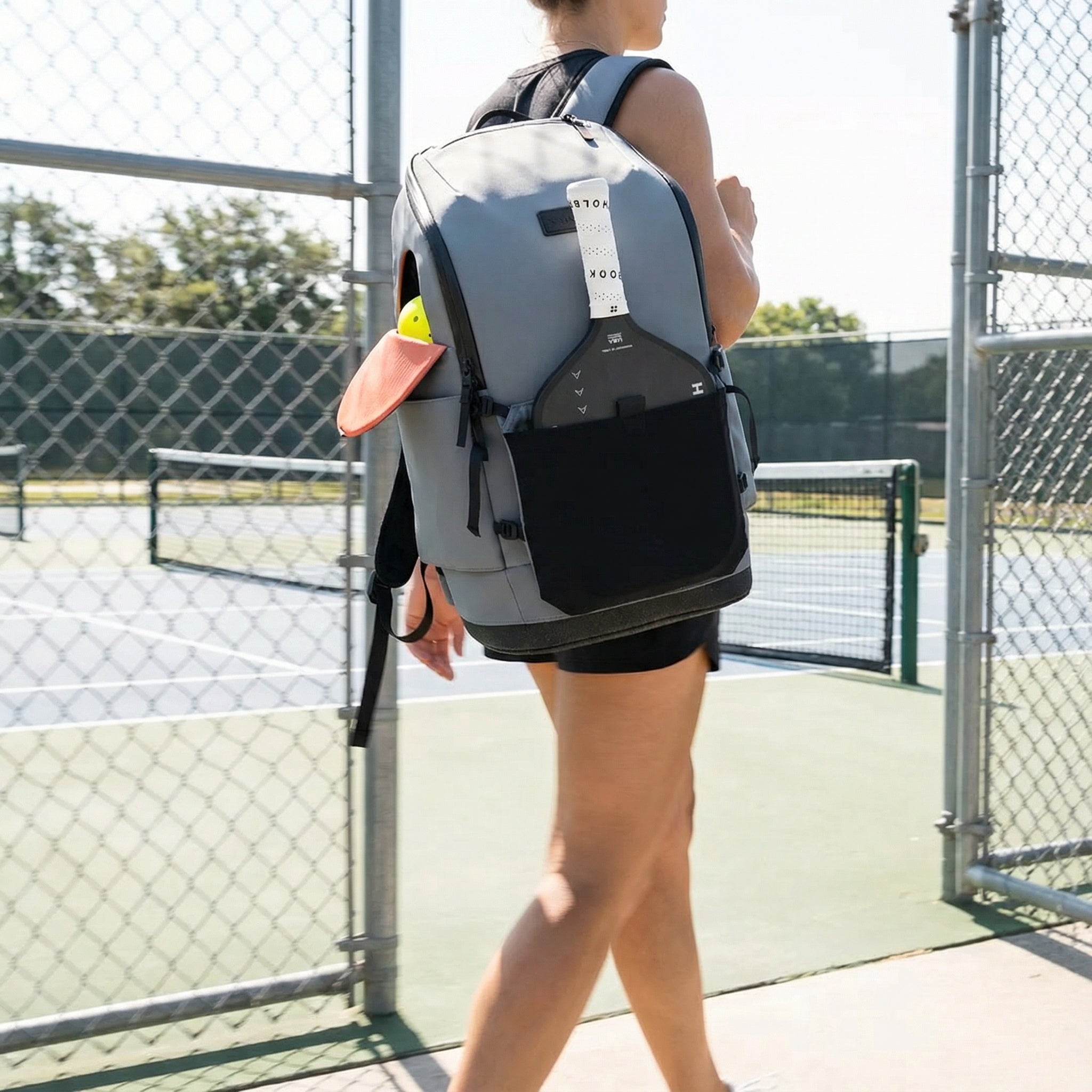
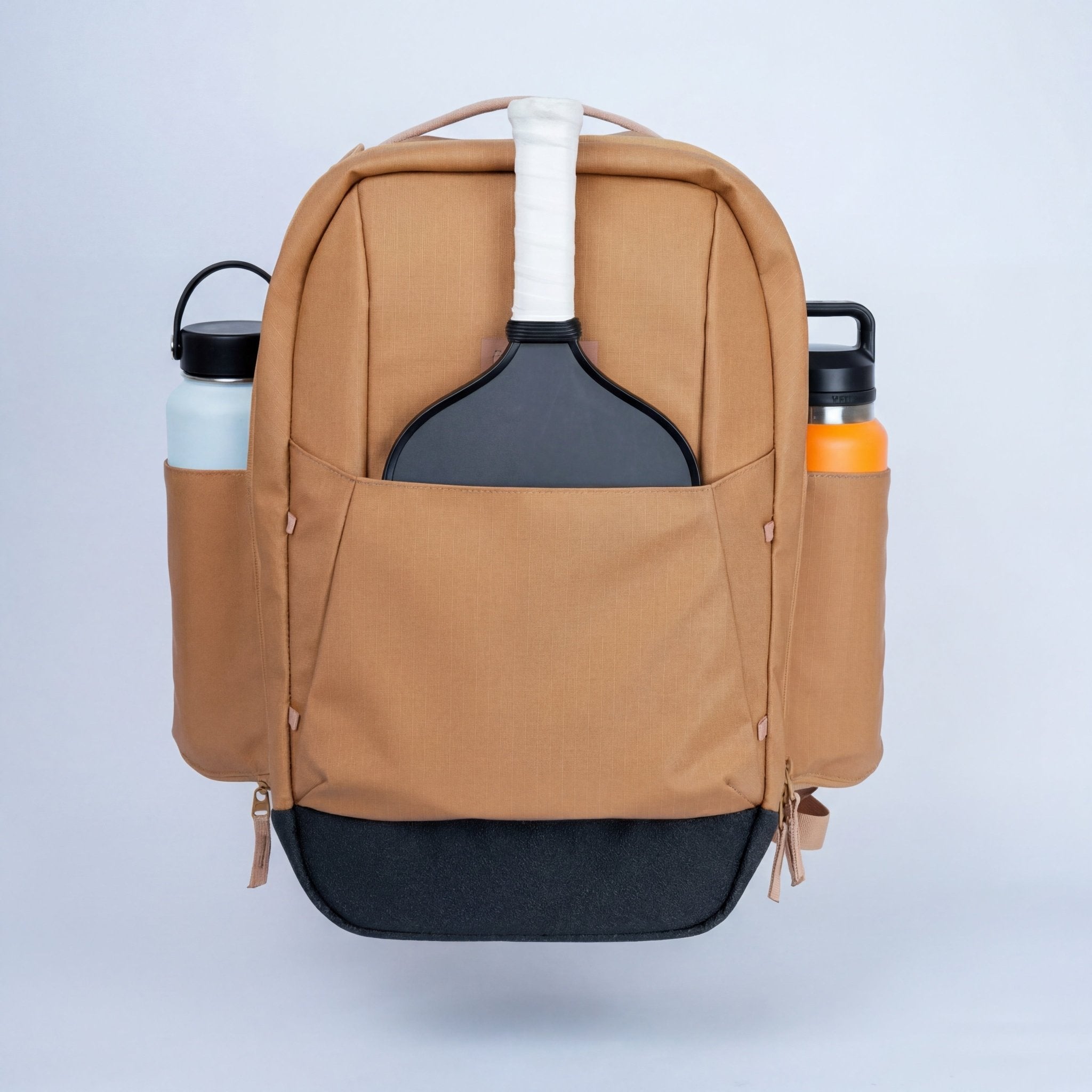
Got the drills down? You still need somewhere to carry everything — two paddles, a ball tube, a water bottle, and your court shoes — without it all getting wrecked in the bag of a car. The Court Ranger V2 fits all of it: 16" laptop sleeve, modular paddle compartment, YKK AquaGuard zippers that don't fail in summer heat. Designed with 500+ real players at $195. The Court Caddy Backpack ($325) if you're running full tournament days and need the maximum organization system.

Frequently Asked Questions
What is the 7-11 drill in pickleball?
The 7-11 drill is a scored game where one player starts at the kitchen line (needs 11 points to win) and one starts at the baseline (needs only 7 points). The scoring imbalance rewards the harder task — advancing from the baseline — and creates real match-like pressure to execute drops, resets, and transitions instead of just going through the motions.
How do competitive pickleball drills differ from cooperative ones?
Cooperative drills have no score — both players work together to hit targets. Competitive drills keep score, so both players are genuinely trying to win. Cooperative drills build the mechanics; competitive drills build the decision-making under pressure. You need both, but most players over-invest in cooperative and wonder why they still fall apart in matches.
How many competitive drills should I do per practice session?
For a 90-minute session: 15 minutes cooperative warmup, then 2–4 scored games (60 minutes), then 10–15 minutes logging. Don't try to run all six games in one session. Pick the two that target your current weaknesses and go deep on those — more reps in fewer games beats light reps in every game.
What should I track to know if my pickleball drills are working?
Track three numbers after every competitive drill session: your 7-11 baseline win rate (target above 40% for 3.5+), your Anything Goes win rate (should hover 45–55% against an evenly matched partner), and your King of the Kitchen longest hold streak. Review trends every four weeks. If you're stuck, the data tells you what to fix.
What drills do pro pickleball players use in training?
Top PPA Tour pros use scored mini-games heavily — 7-11, skinny singles, and competitive dink battle formats. The common thread is scoring pressure. Cooperative drilling builds the mechanical tool; scored games teach you to deploy it under stress. Pros also track session metrics, not just match results.
What's a good pickleball drill for improving third-shot drops?
The 7-11 drill is the best pure third-shot drop drill because it puts real scoring pressure on the exact moment where drops matter most: the transition from baseline to kitchen. For players below 3.0, start with the 7 vs. 9 variant — the full 7-11 favors the kitchen player too heavily at that stage and builds frustration instead of skill.

Leave a comment
This site is protected by hCaptcha and the hCaptcha Privacy Policy and Terms of Service apply.