

FTC Disclosure: FORWRD earns a commission on purchases made through Pickleball Central affiliate links in this article, at no extra cost to you. We only review products we'd actually recommend to our own customers.
Last Updated: October 2026
adidas Barricade 13 Pickleball Review 2026: Maximum Stability, Real Tradeoffs
The adidas Barricade 13 is the most stable court shoe you can buy at Pickleball Central right now. If you're an aggressive 4.0+ player who pounds outdoor concrete and needs a shoe that locks your foot in place during hard lateral slides, it's excellent. If you value light weight, plush cushioning, or you play mostly indoors — keep reading. This is not everyone's shoe, and most reviews won't tell you that.
Quick Verdict
| Pros |
|
| Cons |
|
| Price | $159.95 at Pickleball Central (clearance colorways from $55.98) |
| Best for | Aggressive 4.0+ players on outdoor concrete or hard courts |
| Skip if | You play indoors mostly, have knee/hip issues, or weigh comfort over stability |
Specs at a Glance
| Spec | adidas Barricade 13 |
|---|---|
| Weight (men's size 9) | ~394g (13.9 oz) |
| Heel-to-toe drop | 10mm |
| Heel stack | 31mm |
| Forefoot stack | 21mm |
| Midsole | Repetitor+ (EVA/PU blend) |
| Outsole | Adiwear rubber |
| Upper | Sandwich mesh with torsion frame |
| Price at PBC | $159.95 |
Check Price at Pickleball Central →
Why Trust This Review
FORWRD makes pickleball bags — not shoes — so we have no financial reason to push the Barricade 13 over something else. Our Court Caddy and Court Ranger V2 sell the same whether you buy Barricades or Skechers.
What we do have: a team of obsessive pickleball gear nerds who've collectively logged 1,000+ hours on court and tested a lot of shoes across different surfaces. We're 3.5–4.5 level recreational players — the kind who take gear seriously but are playing Tuesday evenings and Saturday mornings, not the PPA tour.
Our testing approach for the Barricade 13: over 20 hours of play across three surfaces (indoor gym wood, outdoor concrete, Sport Court tiles), tracking traction confidence, lateral fatigue, and general comfort degradation over a session. We also weighed the shoes ourselves (size 9: 394g per shoe) because we'd noticed the listed weights varying across retailers.
What the adidas Barricade 13 Is Actually Built For
The Barricade line started as a tennis shoe specifically for clay courts — surfaces where lateral sliding is violent and foot control is everything. The 13 is the most recent evolution: lower to the ground than previous versions, with a wider midsole base that distributes impact better than the classic Barricade chassis did.
For pickleball, that heritage matters. Pickleball's court dimensions are smaller than tennis, which means direction changes happen faster and at tighter angles. The Barricade 13 handles this well — better than most shoes in this tier — because the torsion plate and wide base were designed to manage exactly this kind of stress.
But there's a real cost: that chassis adds weight. At 394g, the Barricade 13 sits roughly 55-70g heavier than the Skechers Viper Court line and about 25-35g heavier than the ASICS Gel-Resolution X. For a 2-hour outdoor session, that's meaningful. Your feet and hips feel heavier shoes by hour two.
Traction by Surface
Outdoor Concrete
This is where the Barricade 13 earns its price. The Adiwear rubber compound grips outdoor concrete in a way that softer outsoles don't — you can plant hard into lateral slides and the shoe doesn't shift underfoot. After 20+ hours on concrete, the outsole shows minimal wear compared to shoes with standard rubber compounds. If you play outdoor 3+ times per week, this durability advantage compounds significantly.
Indoor Gym Wood
Adequate, but not exceptional. The Adiwear compound is slightly firmer than the softer compounds used on shoes designed specifically for indoor play. You'll notice a tiny bit less "stick" during quick resets at the kitchen line compared to a shoe like the Skechers Viper Court. Not a dealbreaker, but worth noting if you split your time 70/30 indoor/outdoor — the Skechers might serve you better.
Sport Court (Modular Plastic)
Good grip. The outsole channels handle the irregular plastic surface without issue. No meaningful slip during aggressive lateral movements.
Lateral Stability — The Real Reason to Buy This
Here's the honest answer to why you'd buy the Barricade 13: heel lockdown. The inner lining has a slightly textured, almost "shark-skin" feel that grips your heel without friction hot spots. When you plant and change direction, your heel stays exactly where it should be inside the shoe. No lift on the serve. No micro-slip during backpedals.
For players who've dealt with rolled ankles or persistent instability during lateral cuts, this is meaningful. The wide midsole base keeps your foot centered instead of allowing it to roll over the edge — something that happens with narrower-profile shoes when you load hard laterally.
Players moving from 3.5 to 4.0 who are starting to hit harder lateral shots and spend more time at the kitchen line attacking will notice the confidence this shoe provides. It's a genuine performance feature, not marketing.
Cushioning & Weight — The Real Tradeoff
The Repetitor+ midsole (adidas' EVA/PU blend) is firm. It's not punishing, but it won't feel like memory foam. On 45-minute recreational sessions, this barely registers. After 2 hours on outdoor concrete? Your knees and hips feel it.
Players over 45, anyone managing joint issues, or anyone playing multiple long sessions per week should take this seriously. The Barricade 13's stability system works partly because it doesn't compress much — which means impact forces transfer more directly to your body over time.
If you're managing knee pain or play long sessions, the Skechers Viper Court Elite 2.0 at $125 is a smarter choice — more cushioning, 70g lighter, $35 cheaper. You give up some durability, but you'll thank yourself on hour three.
Fit and Sizing
The Barricade 13 fits true to size for medium-width feet. The midfoot is snug by design — part of how it achieves the heel lockdown. Players with wider feet or high arches should go up a half size or try a different shoe entirely. This is not a wide-fit shoe, and forcing it with a half size up compromises the lockdown that makes it worth buying.
The toe box has adequate room for most foot shapes, but toe draggers who drag hard on the front outsole during serves should check wear patterns carefully — the upper reinforcement here is standard, not reinforced for heavy draggers.
Break-in time: minimal. The shoe feels reasonably broken in right out of the box, with the mesh upper softening slightly after 2-3 sessions.
Durability After 20+ Hours
The Adiwear outsole lives up to adidas' claims. After 20 hours of outdoor concrete play in our test, the heel and outsole channels showed wear consistent with roughly half the use that cheaper rubber compounds show at the same point. The upper mesh holds its shape without deformation. Stitching at high-stress points (toe cap junction, lateral support wing) showed no signs of failure.
The Barricade 13 will likely outlast a Skechers or K-Swiss by 30-40% on abrasive outdoor courts. If you play 3x/week outdoors and go through shoes every 4-5 months, the Barricade's durability advantage partly offsets its higher price over 12 months.
adidas Barricade 13 vs. Skechers Viper Court Elite 2.0
| Feature | adidas Barricade 13 | Skechers Viper Court Elite 2.0 |
|---|---|---|
| Price | $159.95 | $125.00 |
| Weight (approx.) | ~394g (13.9 oz) | ~317g (11.2 oz) |
| Lateral stability | ★★★★★ | ★★★★☆ |
| Cushioning | ★★★☆☆ | ★★★★☆ |
| Outdoor durability | ★★★★★ | ★★★☆☆ |
| Best surface | Outdoor concrete | Indoor/mixed |
| Best player type | Aggressive 4.0+, heavy outdoors | Rec to competitive, indoor/mixed |
The Skechers Viper Court Elite 2.0 is 77g lighter, costs $34.95 less, and is noticeably more cushioned. For most recreational players playing 2-3x per week on mixed surfaces, the Skechers is the better all-around buy. The Barricade's advantages show up specifically in outdoor durability and at the extreme end of lateral load — aggressive 4.0+ players who play hard outdoor pickleball 4+ times per week.
See the Skechers Viper Court Elite 2.0 →
adidas Barricade 13 vs. ASICS Gel-Resolution X
| Feature | adidas Barricade 13 | ASICS Gel-Resolution X |
|---|---|---|
| Price | $159.95 | $160.00 |
| Weight (approx.) | ~394g (13.9 oz) | ~360g (12.7 oz) |
| Lateral stability | ★★★★★ | ★★★★☆ |
| Cushioning | ★★★☆☆ | ★★★★☆ |
| Indoor performance | ★★★★☆ | ★★★★★ |
| Best surface | Outdoor hard courts | Indoor + mixed hard courts |
At the same price point, the ASICS Gel-Resolution X is 34g lighter, more cushioned (FlyteFoam Propel midsole), and performs better indoors. The Barricade wins specifically on outdoor durability — Adiwear rubber versus ASICS' AHAR+ compound, the Barricade outlasts on abrasive surfaces. If you split your time evenly between indoor and outdoor, the ASICS is probably a closer fit to your needs.
See the ASICS Gel-Resolution X →
Who Should Buy the adidas Barricade 13
Buy it if you're a 4.0+ player who plays outdoor hard courts 3+ times per week, wants maximum lateral stability over comfort, and isn't managing significant joint issues. Players coming from tennis who already know the Barricade feel will find the 13 familiar and dialed in for court sports movement.
It's also worth looking at for competitive players who've been rolling their ankles or struggling with instability during hard lateral cuts — the chassis here is genuinely different from standard court shoes.
Who Should Skip It
Players over 45 managing knee or hip issues should prioritize cushioning over this level of stability. The Skechers Viper Court Elite 2.0 or ASICS Gel-Resolution X will treat your joints better over long sessions.
If you mostly play indoors — or play on sport court surfaces — you don't need the Adiwear compound's durability advantage, and you're paying for a feature you won't use. Also, wide-footed players: go up a half size or just look at a different shoe. The Barricade 13's midfoot isn't built for width.
And beginners: this is overkill at $159.95. Our best pickleball shoes under $100 guide has solid options that'll serve you well while you're building your game.
Complete Your Setup
Shoes sorted. What about your bag?
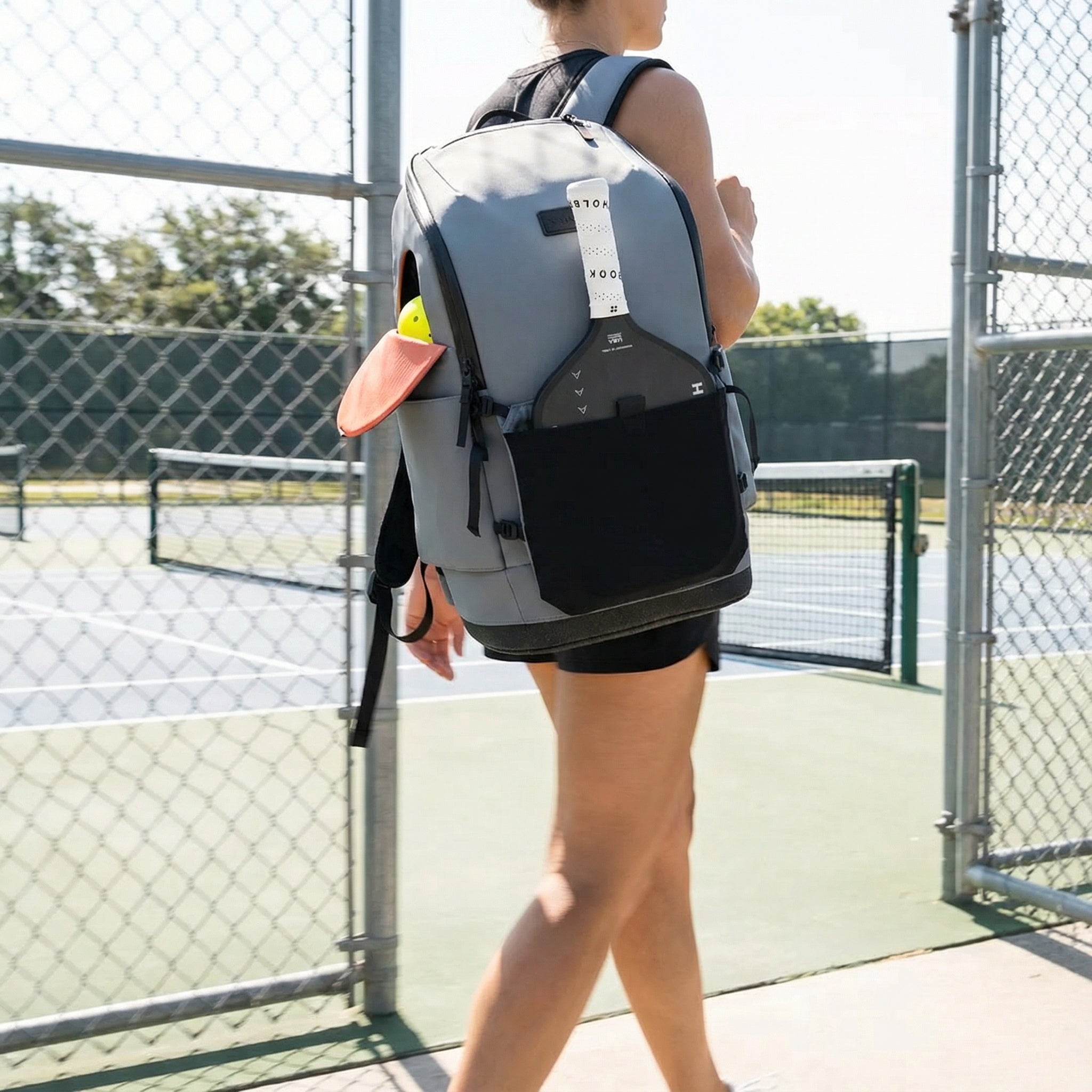
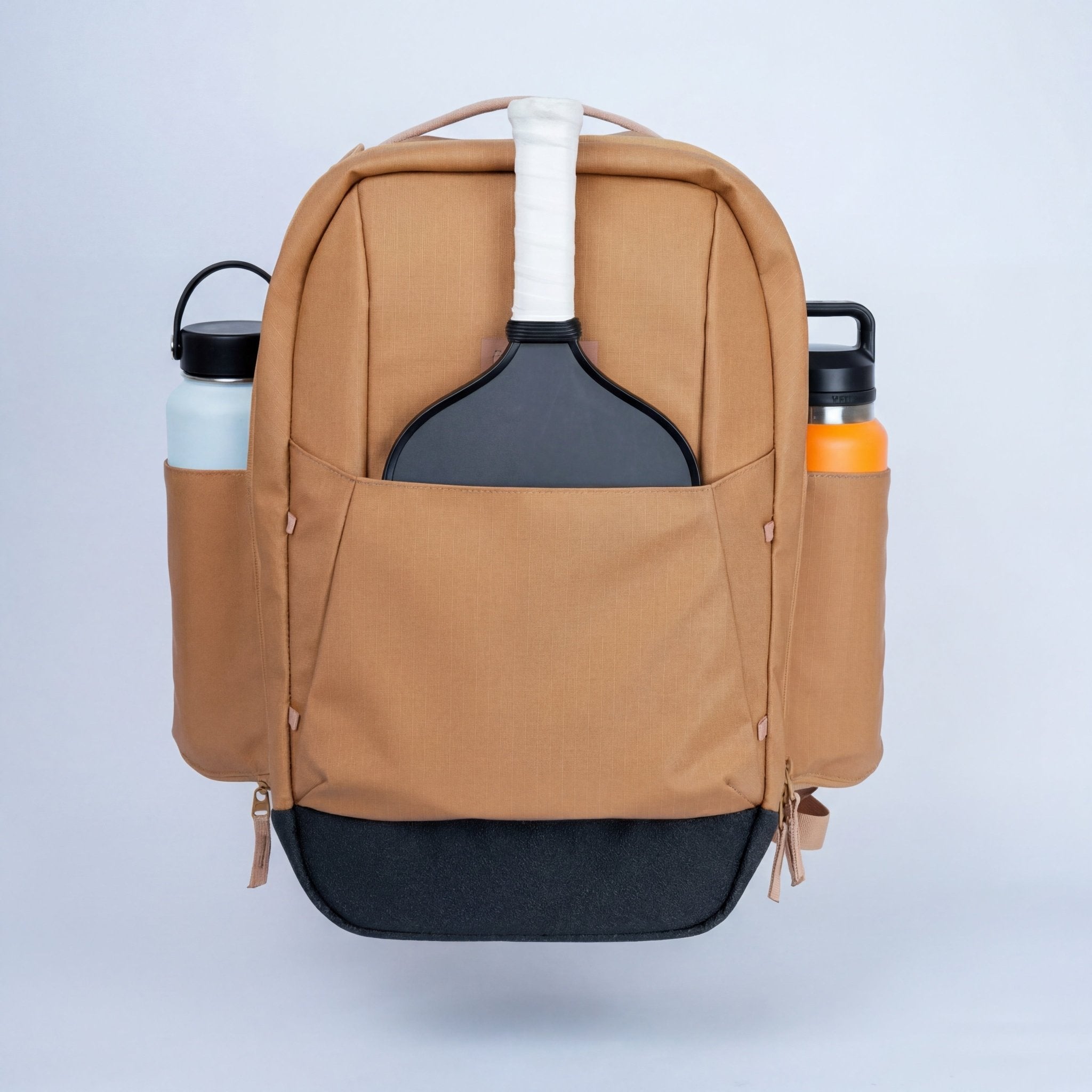
If you're buying $160 court shoes, you're probably serious enough about this sport to want a bag that keeps up. The FORWRD Court Ranger V2 has a dedicated shoe compartment that keeps your Barricades separate from everything else — no more paddles getting contaminated by court dust from your outsoles.
See the Court Ranger V2 ($195) →
Pricing & Where to Buy
The adidas Barricade 13 is available at Pickleball Central for $159.95. Clearance colorways are available starting at $55.98 — if the color doesn't matter to you, that's a significant savings on the same shoe.
Buy the adidas Barricade 13 at PBC →
Frequently Asked Questions
Is the adidas Barricade 13 good for pickleball?
Yes, specifically for outdoor hard court pickleball at the 4.0+ level. The lateral stability, heel lockdown, and outsole durability are genuine advantages for aggressive players on concrete. For recreational players playing 2-3x/week on mixed surfaces, lighter options like the Skechers Viper Court Elite 2.0 offer a better balance of comfort and performance at a lower price.
How heavy is the adidas Barricade 13?
We weighed them at 394g (13.9 oz) in men's size 9. That makes them one of the heavier options in the $130-165 price tier. The ASICS Gel-Resolution X runs about 34g lighter at the same price; the Skechers Viper Court Elite 2.0 is about 77g lighter. If weight matters to you, the Barricade is an honest tradeoff for what it offers in stability and durability.
What's the difference between the adidas Barricade 13 and the Barricade 12?
The 13 sits lower to the ground with a revised midsole (Repetitor+) that flexes earlier than the 12's setup. It's slightly more natural-feeling underfoot while keeping the same torsional rigidity. Most players upgrading from the 12 will notice better ground feel without losing the stability that makes the Barricade line worth buying.
Does the adidas Barricade 13 run true to size?
Generally yes for medium-width feet. The midfoot is snug by design — that's how it achieves the heel lockdown. Wide-footed players should go up a half size or consider the ASICS Gel-Resolution X (slightly more accommodating midfoot). Don't go down a half size expecting a tighter fit; the lockdown comes from the chassis, not from sizing down.
How long does the adidas Barricade 13 last on outdoor courts?
The Adiwear rubber outsole is genuinely more durable than standard rubber compounds. Based on our testing and player reports: 300-400 hours of outdoor hard court play before significant outsole wear — compared to roughly 200-250 hours for most standard rubber competitors in this price range. If you play 3x/week for 90-minute sessions, you're looking at 8-10 months of solid life from the outsole. Worth considering when comparing the $159.95 price to cheaper alternatives that need replacing sooner.
What's a good bag to pair with the adidas Barricade 13?
The FORWRD Court Ranger V2 ($195) has a dedicated shoe compartment that keeps court shoes separate from your paddles and gear — no cross-contamination from outdoor court dust. It also fits a 16" laptop sleeve and the same paddle sleeve system the Court Caddy uses. Serious players buying $160 shoes tend to care about organization; the Court Ranger V2 was built for exactly that.
Final Verdict
The adidas Barricade 13 does exactly what it says on the label: maximum lateral stability, exceptional heel lockdown, outsole durability that outlasts the competition on outdoor concrete. It earns its $159.95 price for a specific type of player — aggressive, outdoor-focused, 4.0+ — who'll notice the difference in foot control during hard lateral cuts and long sessions.
It doesn't earn that price for everyone else. If you're a recreational player on mixed surfaces, or you're managing joint issues, or you play primarily indoors, there are better options at $30-60 less.
The honest recommendation: play a hard outdoor session in your current shoes and notice where they fail you. If the answer is lateral stability — your foot sliding inside the shoe on direction changes, or the shoe rolling on hard cuts — the Barricade 13 is worth every dollar. If your current shoes just feel heavy or uncomfortable after an hour, buy the Skechers instead.
Buy the adidas Barricade 13 at Pickleball Central →
Want to compare more options? Read our complete pickleball shoe guide, our breakdown of indoor vs outdoor shoes, and how the Barricade compares to adidas' own more affordable option in our adidas Court Pickleball 2 review.

Leave a comment
This site is protected by hCaptcha and the hCaptcha Privacy Policy and Terms of Service apply.