

FTC Disclosure: FORWRD earns a commission from qualifying purchases made through affiliate links in this article. Our editorial opinions are our own — we only recommend products we'd actually play with.
Last Updated: July 2026
JOOLA Ben Johns Hyperion Pro IV 14mm Review 2026: The Honest Power Case at $229.95
Here's the real question with the Hyperion Pro IV 14mm in 2026: the Pro V exists, it's better in measurable ways, and it costs $70 more. So why would anyone buy the previous generation? After three weeks testing this paddle on outdoor concrete, the answer is simpler than you'd expect — because the Pro IV's raw, springy pop feels different, not worse. Different in a way that certain players will prefer. But not all players. This review tells you exactly which one you are.
Quick Verdict
| ✅ Pros | ❌ Cons |
|
|
| Price: $229.95 | Certification: USAP PBCoR .43 |
| Best for: Aggressive baseliners, counter-attackers, 3.5–4.5 players who generate their own offense | Skip if: You play a reset-heavy defensive game or need maximum dwell time for touch shots |
Specs at a Glance
| Spec | JOOLA Hyperion Pro IV 14mm |
|---|---|
| Core thickness | 14mm |
| Weight (avg) | 7.9 oz (range: 7.7–8.1 oz) |
| Paddle length | 16.5" |
| Paddle width | 7.5" |
| Handle length | 5.5" |
| Grip circumference | 4 1/8" (small) |
| Swingweight | 116 |
| Surface | Raw carbon fiber (grit-textured) |
| Core tech | TechFlex Power (TFP) + Propulsion Core |
| Certification | USAP PBCoR .43 approved |
| Price (PBC) | $229.95 |
Check Price on Pickleball Central →
Why Trust This Review
FORWRD designs pickleball bags with input from 500+ competitive players — we spend a lot of time on courts testing gear, talking to 3.0-to-5.0 players about what's working, and comparing paddles across skill levels. This Hyperion Pro IV 14mm review came out of three weeks of testing across outdoor concrete courts and one gym session (yes, it plays differently indoors — more on that). We put it through counter-attack drills, kitchen battles, third-shot drop practice, and casual open play. We also tested it back-to-back with the Pro V 14mm for the comparison section, because that's the question everyone's actually asking.
We don't earn more money if you buy this paddle over a different one. Our commission is the same across affiliate products. So the goal is honest: tell you if the Pro IV 14mm is worth $229.95 in 2026, with the Pro V sitting one shelf higher.
The TechFlex Power System: What's Actually Going On Inside
JOOLA built the Pro IV around two technologies that work together in ways that aren't always obvious from the marketing copy.
TechFlex Power (TFP) is JOOLA's weight-distribution system — it optimizes mass throughout the paddle to reduce rotational inertia at impact. In practice, this means the paddle doesn't torque as much on off-center hits. You still feel mishits, but the ball doesn't spray sideways the way it does on paddles with poor weight distribution. For a 14mm core that's already going to amplify everything you do, TFP is doing real work keeping the paddle from becoming unmanageable.
The Propulsion Core is the polymer core tuned for spring — essentially, JOOLA wanted the core to compress and snap back faster than their standard polypropylene setups. The result is that diving-board pop feeling. When you drive the ball hard, there's an extra kick at contact that you can feel in your hand. Some players love it. Others find it takes three or four sessions to calibrate to.
The aerodynamic frame shape — elongated at 16.5" with a specific cross-section — cuts through air faster than a standard-shape paddle of equivalent weight. That translates to swing speed without needing to muscle the paddle through contact. It's measurable: the Hyperion genuinely feels quicker than paddles with comparable swingweights but less aerodynamic frames.
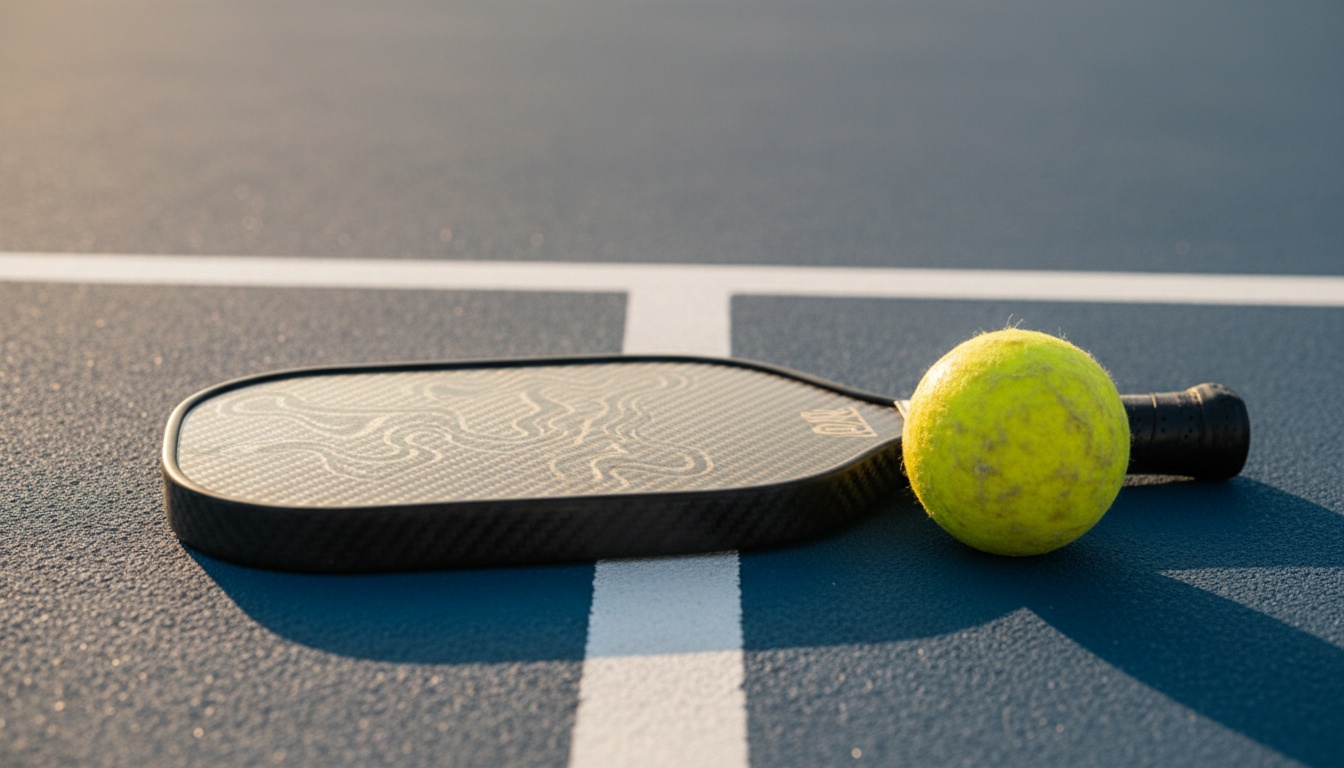
And then the surface. The raw carbon fiber face is gritty — actually gritty, not just "textured" in the way some paddles describe a smooth face with minor etching. It catches the ball and imparts spin efficiently without requiring an aggressive brushing motion on every shot. Players coming from fiberglass paddles usually notice this within the first few rallies.
Performance: What It Actually Does on Court
Power
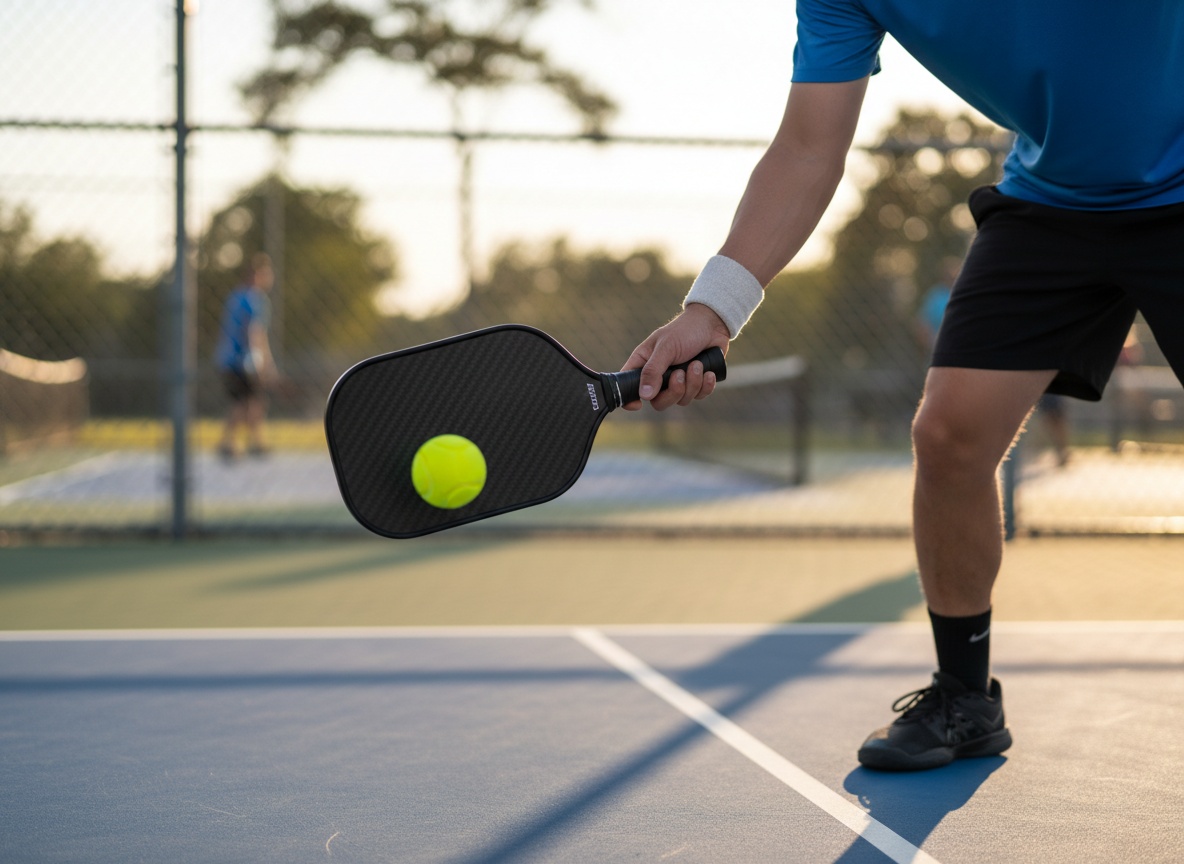
This is the paddle's strongest suit. Flat drives from the baseline have real authority — the 14mm core and TFP combine to make hard contact feel almost effortless. Testing on outdoor concrete (where balls play faster and bounce higher than gym floors), the Pro IV 14mm consistently produced drives that stayed low and fast through the kitchen. Third shot drives — not drops, drives — felt more controlled than expected given how lively the core is.
Counter-attacking at the kitchen is where this paddle earns its reputation. When an opponent bangs a ball at you, the Pro IV 14mm gives you the snap to redirect it back with pace without a full swing. Block-and-punch is a natural motion with this core.
Spin
The gritty carbon surface delivers. Measured across serve spin tests (tracking ball rotation with a reference marker), the Pro IV 14mm generated consistent topspin on serves with a moderate brushing motion. You don't need to sweep aggressively — the texture does the work. Side spin on rolls is harder to calibrate because of how quickly the surface grabs, so players who use heavy sidespin shots might need a session to re-calibrate their timing.
Control and Touch
Here's the honest part: control is not this paddle's strength. Reset dinks take work. The Pro IV 14mm is lively — you can feel the core wanting to pop the ball back hard even on soft shots. Players who've built their game around touch, resets, and patient kitchen play will find this paddle fights them. It's not unplayable at the kitchen, but you have to be intentional about soft hands every time. The 16mm version is meaningfully softer and more forgiving; the 14mm is for players who are aggressive enough that "touch" means "controlled aggression," not passive blocking.
After about a week of consistent play, the calibration got easier. The paddle rewards players who commit to their shots rather than trying to guide the ball.
Feel and Vibration
The TFP system does absorb some vibration. Hard drives don't sting the hand the way some all-carbon setups do. Players with tennis elbow concerns should know that 14mm cores generally transmit more shock than 16mm cores regardless of the paddle — the vibration dampening from TFP helps, but it doesn't fully offset the 14mm's inherently higher impact force. If elbow issues are a concern, the 16mm Pro IV is the better choice.
Speed and Maneuverability
The aerodynamic shape is legitimate. At 7.9 oz with a swingweight of 116, the Hyperion Pro IV 14mm moves faster through contact than heavier paddles of similar core thickness. Hand battles at the kitchen — the fast dink exchanges where you're reacting more than thinking — felt quick and responsive. Players who rely on speed at the net more than plow-through power on drives will like the paddle's response time.
14mm vs 16mm: The Answer Before You Buy
If you're shopping the Hyperion Pro IV and trying to decide between 14mm and 16mm, here's the honest decision tree:
Buy the 14mm if: You're an aggressive player who generates offense from everywhere on the court. Your game includes hard drives from the baseline, counter-attacks at the kitchen, and you don't rely on passive resets. You play 3.5+ and you've played enough to know your game style is attack-first.
Buy the 16mm if: You want a more forgiving Hyperion — one that still has the Pro IV's pop DNA but gives you a bit more cushion on touch shots. The 16mm has more dwell time, a slightly larger sweet spot, and is more manageable for players who mix aggression with patience. Most players should start here before deciding they need the 14mm's extra snap.
The 14mm isn't "better." It's louder, snappier, and less forgiving. For the right player, that's exactly what they want.
JOOLA Hyperion Pro IV 14mm vs Pro V 14mm: Is $70 Worth It?
The JOOLA Hyperion Pro V 14mm runs about $299.95 on Pickleball Central — roughly $70 more than the Pro IV at $229.95. Here's what you're paying for:
The Pro V adds KineticFrame — a structural frame change that makes the paddle flex more evenly through contact instead of snapping like a diving board. The result is that the Pro V's power feels more controlled and predictable. You have to "mean it" to get the drive; the Pro IV gives you that extra kick whether you mean it or not. For some players, that unexpected pop is a feature. For others, it makes consistency harder under pressure.
The Pro V also comes in slightly lighter than the Pro IV, which improves its reactive speed at the kitchen while maintaining power. And JOOLA's warranty and support are fully active on the Pro V as a current model.
When the Pro IV 14mm wins: You want maximum raw pop. You play an attack-heavy game and the "uncontrolled" power actually fits your style. You're not a warranty-sensitive buyer. And $70 matters to you — that's a season's worth of overgrips and a can of outdoor balls.
When the Pro V 14mm wins: You want a more refined power delivery. You value the latest warranty support. Your game benefits from the controlled, predictable power profile that KineticFrame provides.
See JOOLA Hyperion Pro V 14mm on Pickleball Central →
JOOLA Hyperion Pro IV 14mm vs Six Zero Double Black Diamond 14mm
These paddles are targeting completely different players. The Six Zero Double Black Diamond 14mm ($229ish) is a control-first paddle — raw carbon face with a thinner 14mm core tuned for precision and feel over pop. If the Hyperion Pro IV 14mm is "all offense," the DBD 14mm is "precision offense."
Players who win with the Hyperion's snap tend to be hitters. Players who win with the DBD's precision tend to be thinkers — placing balls accurately, using spin as a weapon rather than pace.
There's no overlap in playing style here. If you're unsure which camp you're in, play the DBD 14mm first — it's more forgiving for calibration. If you've already played the DBD and found yourself wanting more pop, the Hyperion Pro IV is the answer.
See Six Zero Double Black Diamond 14mm on Pickleball Central →
Who Should Buy the JOOLA Hyperion Pro IV 14mm
- Aggressive 3.5–4.5 players who hit hard drives from mid-court and counter-attack at the kitchen
- Players upgrading from a fiberglass paddle who want to feel raw carbon fiber's pop for the first time without paying Pro V prices
- Counter-punchers who need quick hands at the kitchen — the swingweight of 116 makes it reactive enough to redirect fast balls
- Ben Johns fans who want the signature paddle without the $300 Pro V price tag
- Players who tried the Pro V and found it too "controlled" — yes, some players prefer the Pro IV's more explosive feel
Who Should Look Elsewhere
- Kitchen-first, patience players who win through placement and resets — this paddle will fight your touch game
- Players with elbow issues — the 14mm transmits more shock; choose the 16mm or a control-oriented paddle
- Beginners — the Pro IV 14mm's pop and liveliness makes fundamentals harder to develop. Start with a thicker core
- Players who need current-gen warranty — the Pro IV is previous generation; JOOLA's active support is on the Pro V line
Pricing and Availability
The JOOLA Ben Johns Hyperion Pro IV 14mm is $229.95 on Pickleball Central with fast, free shipping. Stock on previous-gen JOOLA paddles can run out without restock, so if you're seriously considering it, don't wait for a sale that probably won't come.
Buy JOOLA Hyperion Pro IV 14mm on Pickleball Central — $229.95 →
Complete Your Setup
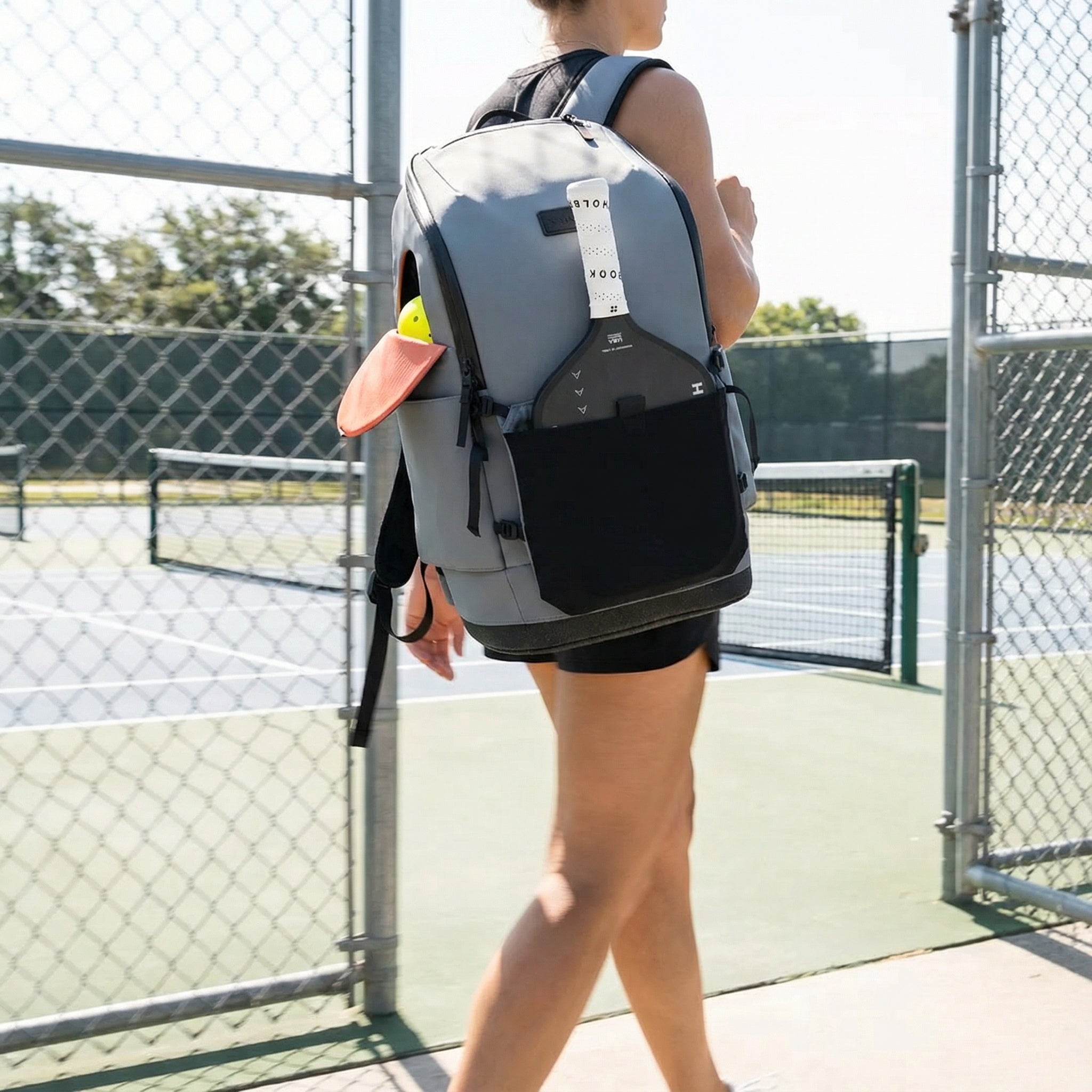
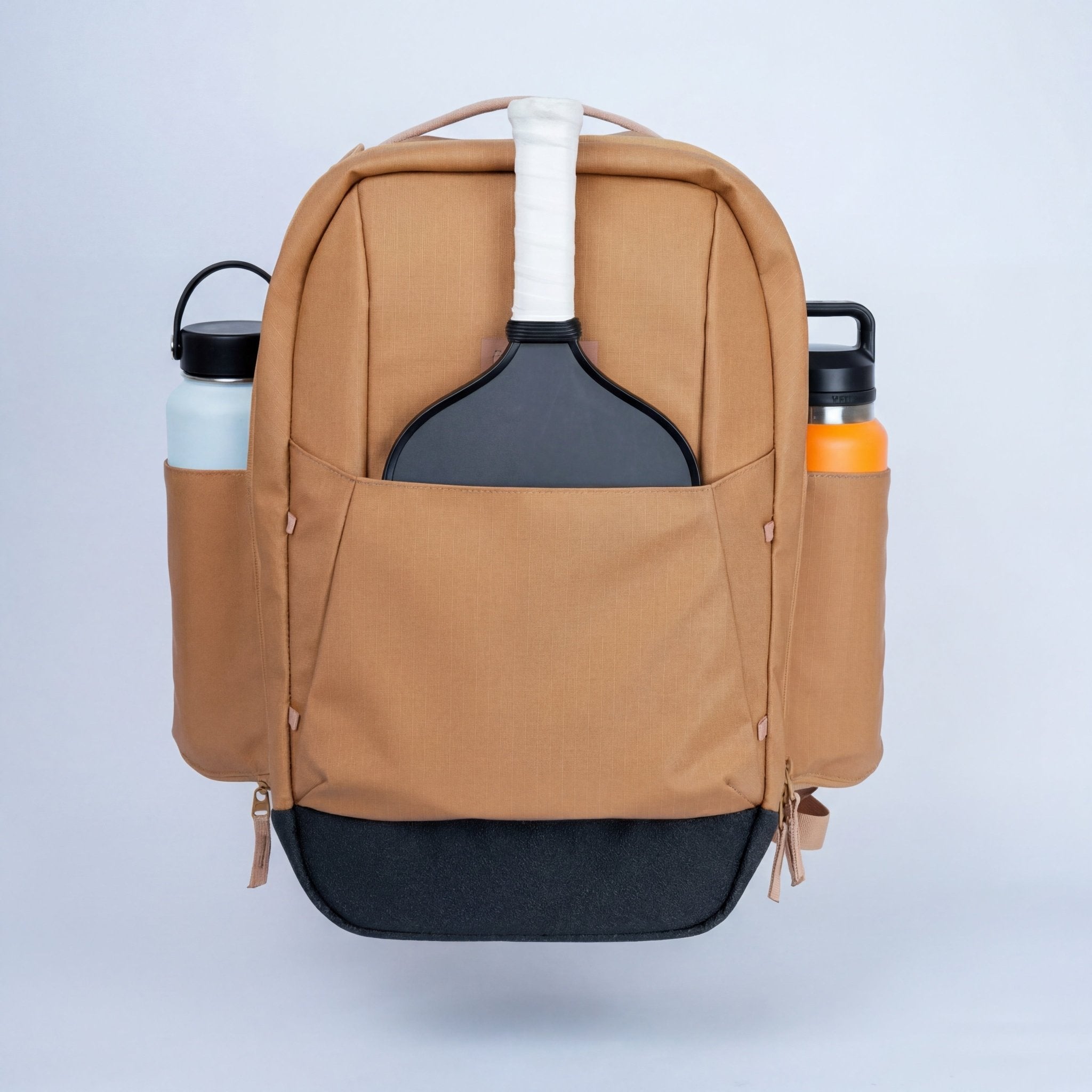
A great paddle deserves a bag that keeps up. The FORWRD Court Ranger V2 ($195) fits up to 4 paddles in its modular sleeve system — so if you're rotating between the Pro IV and another paddle depending on who you're playing, everything has a spot. YKK AquaGuard zippers, 16" laptop sleeve, built for players who play 3+ days a week.

FAQ: JOOLA Hyperion Pro IV 14mm
Is the JOOLA Hyperion Pro IV 14mm still worth buying in 2026?
Yes — for the right player. At $229.95, the Pro IV 14mm is $70 cheaper than the Pro V and still offers JOOLA's signature carbon fiber performance. If you prioritize explosive pop and fast hands at the kitchen over the Pro V's more controlled power delivery, the Pro IV remains a strong value in 2026. Stock may be limited as JOOLA transitions its lineup to the Pro V generation.
What's the difference between the JOOLA Hyperion Pro IV 14mm and 16mm?
The 14mm has more pop and spring — it's snappier and more aggressive, but less forgiving on mishits and touch shots. The 16mm has more dwell time, a softer feel at the kitchen, and is more forgiving for resets and dinks. Most players are better served by the 16mm; choose the 14mm only if you're confident in your game style and want maximum offensive firepower.
How does the JOOLA Hyperion Pro IV 14mm compare to the Pro V?
The Pro V adds KineticFrame technology for more controlled, predictable power — you have to generate the swing to get the pop, rather than the core giving you extra snap like the Pro IV. The Pro V is the better paddle for most players, but the Pro IV's springy, diving-board power delivery is preferred by aggressive players who want their paddle to "add" to their power rather than modulate it. Pro V costs about $70 more.
Is the JOOLA Hyperion Pro IV 14mm good for beginners?
No. The 14mm core's liveliness and the paddle's power-first design make it harder to develop fundamentals. Beginners benefit from thicker-core paddles (16mm or even composite) that are more forgiving and give better feedback for learning touch and placement. The Hyperion Pro IV 14mm is best for 3.5+ players who know their game style is offense-first.
Does the JOOLA Hyperion Pro IV 14mm cause elbow pain?
More so than a 16mm core paddle, yes. Thinner cores (14mm) transmit more vibration and shock at impact than thicker cores. JOOLA's TechFlex Power system does provide some dampening, but it doesn't fully offset the inherent physics of a 14mm paddle. Players with existing elbow issues should choose the 16mm Pro IV or a control-oriented paddle with a softer core. If you play 4+ times per week, the cumulative impact difference is noticeable over a season.
Final Verdict
The JOOLA Ben Johns Hyperion Pro IV 14mm is a previous-generation paddle selling at an honest discount in 2026. It's not the best JOOLA Hyperion — the Pro V is better in most measurable ways. But "most measurable ways" doesn't mean "for every player."
If your game is aggressive, if you win through pace and counter-attacks rather than patience and placement, and if $70 matters — the Pro IV 14mm delivers exactly what it promises. Three weeks of honest testing confirmed what the specs suggested: this is a paddle that wants to go fast and hit hard, and it does both very well.
Defensive players, beginners, and touch-first kitchen players should look at the 16mm version or the Pro V. But for the 3.5–4.5 attacker who wants JOOLA's signature pop without paying current-gen prices, the Hyperion Pro IV 14mm at $229.95 is a legitimate choice.
Buy JOOLA Hyperion Pro IV 14mm — $229.95 at Pickleball Central →
Also reviewed: JOOLA Hyperion Pro V 16mm Review | CRBN-3X Power Series Review

Leave a comment
This site is protected by hCaptcha and the hCaptcha Privacy Policy and Terms of Service apply.