

Disclosure: This post contains affiliate links to Pickleball Central. If you purchase through our links, FORWRD earns a small commission at no extra cost to you. We only link to products we'd recommend regardless.
Last Updated: June 2026
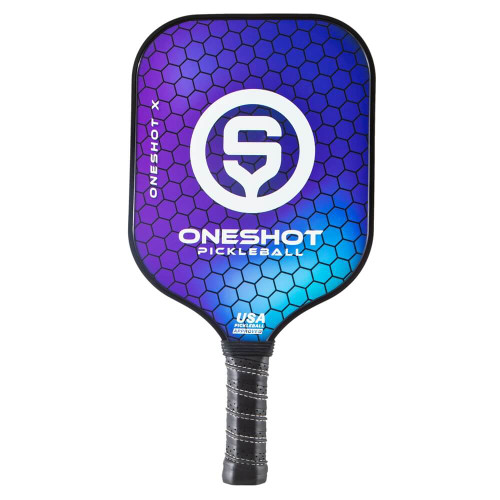
The Oneshot X Composite Paddle exists for one reason: to give players a real paddle at a price that doesn't require a second thought. Forty-nine dollars and ninety-nine cents. You can spend more on a decent dinner. Oneshot Pickleball — a small independent brand whose upper-tier paddles run $130-$140 and are perpetually out of stock — built the X as their door-opener. Buy this, try the brand, maybe graduate to a Proshot Legacy someday.
That's a legitimate strategy. It's also the frame through which you need to evaluate this paddle. The X isn't competing with the Ben Johns signature series. It's competing with the stack of house paddles at your local recreation center, the $35 Amazon mystery paddle your coworker showed up with, and the nagging question of whether you should spend more before you know if you'll stick with this sport.
Spoiler: the Oneshot X is better than most paddles at this price. It's also clearly a budget paddle, and there's no reason to pretend otherwise. Here's what you actually need to know.
Quick Verdict
- Solid composite face with real pop for the price
- Comfortable grip length works for two-handed backhands
- Forgiving sweet spot — beginner-friendly by design
- Weight is predictable and well-balanced mid-paddle
- Edge guard is thin and will chip before the face wears out
- Grip feels slightly waxy out of the box — overgrip recommended
- Core consistency is fine, not exceptional
Price: $49.99 | Who It's For: Beginners who want a real paddle without overthinking it, intermediate players who need a dedicated practice paddle.
Specs at a Glance
| Price | $49.99 |
| Face Material | Composite (fiberglass-blend) |
| Core | Polymer honeycomb |
| Weight Range | Approx. 7.5-8.0 oz (mid-weight) |
| Brand | Oneshot Pickleball (independent) |
| Availability | In Stock |
Buy the Oneshot X — $49.99 at Pickleball Central
The $50 Paddle Reality Check
Every product category has a floor where the rules change. In paddles, that floor is somewhere around $50. Below it, you're buying injection-molded plastic frames, flimsy cores, and whatever grip tape survived a long ocean crossing in a shipping container. The Oneshot X lives right at that threshold. So before anything else, here's what composite construction actually means — because "composite" gets thrown around like a prestige label when it's really just a material descriptor.
Composite vs. Fiberglass vs. Carbon Fiber — What's Actually Different
In pickleball, "composite" typically refers to a woven fiberglass face bonded over a polymer core. Fiberglass generates natural power because it flexes slightly on contact, storing and releasing energy. Carbon fiber is stiffer — better feedback, enhanced spin, more control — but transfers more of the ball's energy back to your arm rather than absorbing it, and costs 2-4x more to produce. That's why you don't find legitimate carbon fiber faces under $100.
The Oneshot X's composite face gives you the power-friendly, slightly softer response of fiberglass. Appropriate for a beginner and intermediate paddle. Forgiving. Mishits don't punish you as severely. The tradeoff is that you won't generate the same spin that a textured carbon surface offers.
Durability at $50: Manage Your Expectations
A $50 paddle is not built to last five years. Playing two or three times a week, expect 12-18 months before the face starts showing meaningful wear. The adhesive layers, core wall thickness, and grade of polymer all get value-engineered at this price point. Play carefully around hard surfaces and you'll get more life out of it.
The One Thing Budget Paddles Always Sacrifice
You can usually spot a budget paddle in three places: edge guard, grip, and core consistency. The Oneshot X shows it most in the edge guard. It's thin, plastic, and the bond between guard and paddle face is functional rather than tight. Drop this paddle on a hard court a few times and you'll see chipping or separation at the seam before the face itself shows real wear. The edge guard protects the face — once it starts separating, moisture and impact degrade the core faster.
The grip is the second tell. Out of the box, a slight waxy texture that doesn't absorb sweat particularly well. Play in any heat or humidity and you'll want to wrap an overgrip over it. That's a $5-7 fix, but worth knowing upfront.
Core consistency — the uniformity of the honeycomb polymer cell structure — is where the Oneshot X actually performs better than you'd expect. Response feels reasonably even across the face without the obvious dead spots you get in the truly cheap paddles. It's not premium, but it's not embarrassing either.
Performance Breakdown: How It Actually Plays
Power
The composite face gives the X a springy, lively response that beginners tend to like. Drives come off the paddle with decent pace without needing a full swing — the natural flex of the fiberglass does some of the work. For rec play, it's more than adequate. You're not going to shortarm drives and wonder why they're dying.
Control
This is where the X is honest about its limitations. The soft-ish response that helps with power also makes precise dink placement a little looser than you want at the net. When you're working a kitchen battle and need to float one six inches past the non-volley zone line, the feedback from the paddle isn't crisp enough to fine-tune those margins consistently. It's workable for beginners still building dink mechanics. For players who've been playing 12+ months and have developed some touch, the control ceiling will feel low.
Feel and Spin
The composite surface has a mild texture but it's not in the same universe as a raw carbon face for spin generation. Topspin drives work, slice shots carry, but you're not going to generate aggressive RPM numbers that give opponents real trouble. Appropriate for the price and target player.
Durability in Practice
After a good stretch of regular use, the face holds up better than the edges. The edge guard is the weak point. Keep the paddle away from wire fencing and concrete edges, store it in a sleeve rather than loose in a bag, and you'll get noticeably more life out of it. The core fades gradually, not suddenly — which at least gives you time to notice and plan a replacement.
Oneshot X vs. Diadem Riptide Composite ($59.47)
The Diadem Riptide costs about $9.50 more. The Riptide has a slightly more refined edge guard construction and a grip that's genuinely comfortable out of the box without needing to be overgripped. The surface texture is also a touch more defined, which helps with spin on serves.
Where the Oneshot X holds its own: weight balance. The X feels more evenly distributed through the swing, which some players prefer over the slightly head-heavy feel of the Riptide at full extension. If you've got the extra $10, the Riptide is a marginal step up. If $49.99 is the number, you're not making a mistake with the Oneshot X.
Oneshot X vs. Gearbox CP7 ($52.49)
The Gearbox CP7 at $52.49 — essentially a $2.50 difference — has different engineering philosophy. Gearbox has been making paddles for a while and the CP7 shows it in the core construction. Honeycomb cell uniformity on the CP7 is noticeably better, translating to more consistent feel across the entire face.
The Oneshot X has a longer grip, though — a real differentiator if you play two-handed on the backhand side. The CP7's grip is shorter and thicker, which suits one-handed players but can feel cramped with bigger hands. At this price separation, it largely comes down to how you hold the paddle.
Who Should Buy the Oneshot X (And Who Should Skip It)
Buy it if: You're brand new to pickleball and don't need a $130 paddle to figure out if you like the sport. You want a dedicated practice paddle for hard drilling sessions. You're buying for a group or family and need to keep total spend reasonable. You left your good paddle somewhere and need something functional fast.
Skip it if: You've been playing regularly for a year or more — you've outgrown the control ceiling of a budget composite. You have arm or elbow sensitivity — a proper thick-core paddle with better vibration dampening will serve you better. You're buying a gift for a serious player — the Diadem Riptide at $59.47 is a better landing spot.
Complete Your Setup
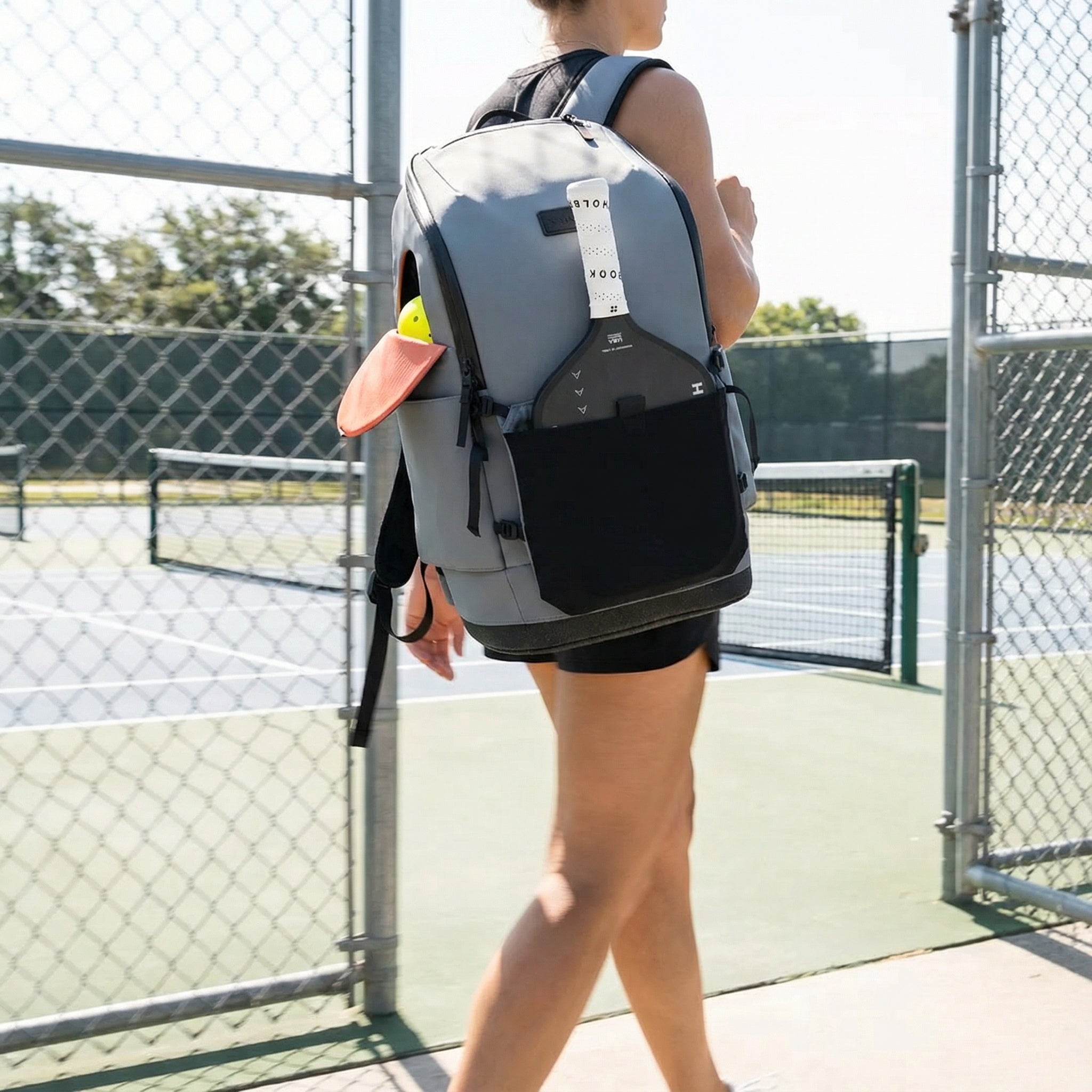
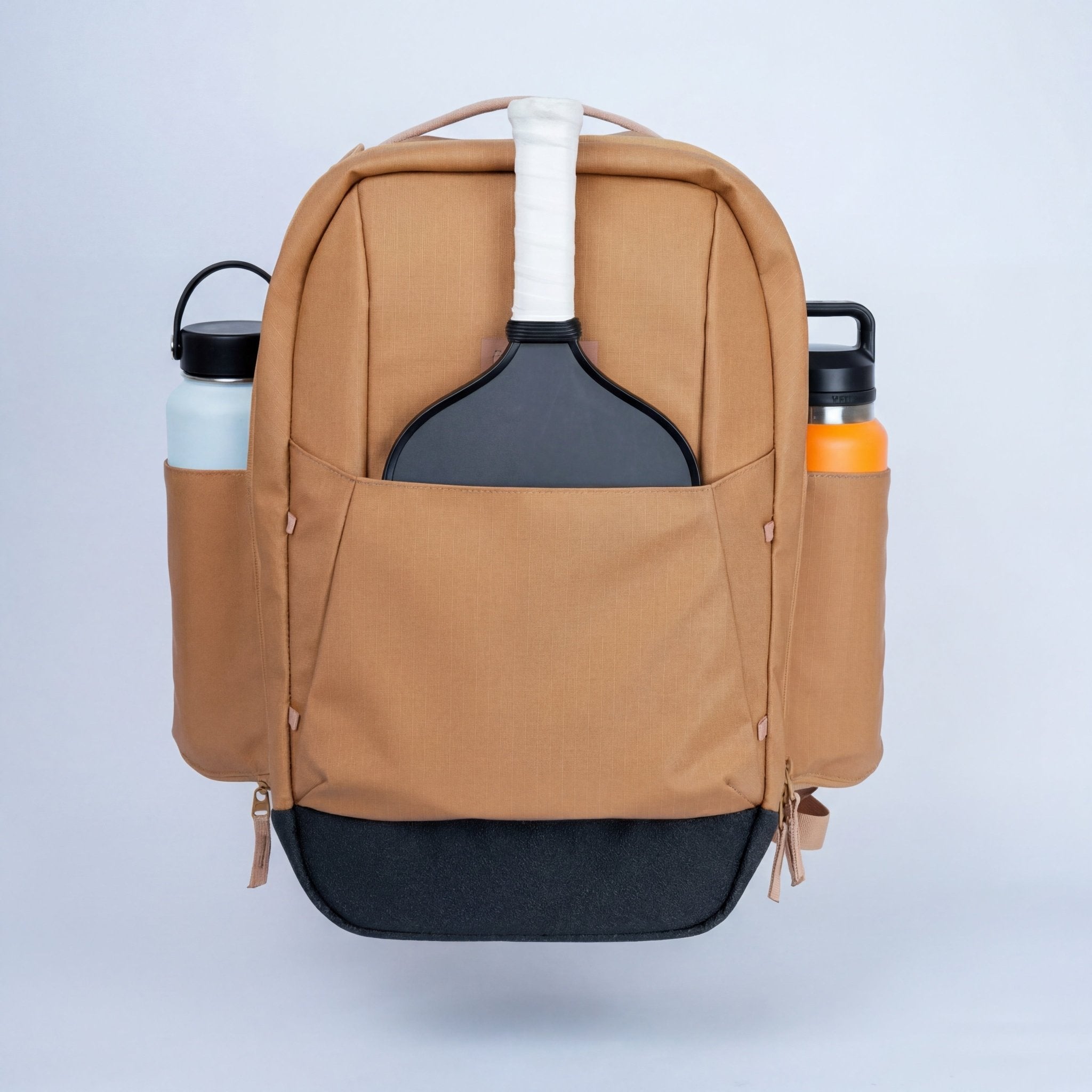
A new paddle deserves a proper home. The FORWRD Court Ranger V2 fits up to 4 paddles in its modular sleeve system — paddles separated, protected, and ready to grab without digging through your bag.
Shop Court Ranger V2 — $195
"The Oneshot X is one of the few sub-$50 paddles I'd actually put in a beginner's hands. The composite face gives you real feedback — you can feel the difference between clean contact and a mishit, which is how you actually get better faster. Most cheap paddles just feel dead."
— Topher, FORWRD Co-Founder
Frequently Asked Questions
Is the Oneshot X good for beginners?
Yes, genuinely. The forgiving sweet spot and composite face make it easier to make contact and keep the ball in play while you're building mechanics. It won't hold you back at the beginner level, and the $49.99 price means you're not over-committed before you know if pickleball is your sport.
How does composite compare to carbon fiber in a pickleball paddle?
Composite (fiberglass-based) faces flex slightly on ball contact, generating power naturally and feeling forgiving on mishits. Carbon fiber faces are stiffer — better feedback, more spin, higher control ceilings — but less forgiving and 2-4x more expensive. For beginners, composite's natural power and forgiveness is often the better fit.
Will the Oneshot X last?
With normal care — a sleeve when it's in your bag, avoiding contact with concrete edges — you can realistically get 12-18 months of regular play before the core or edge guard starts showing meaningful wear. The edge guard is the first thing that'll go. Keep it away from hard surfaces and you'll extend the paddle's life noticeably.
Do I need to add an overgrip to the Oneshot X?
Not strictly required, but recommended. The stock grip has a slightly waxy texture that doesn't manage sweat particularly well in hot or humid conditions. A thin overgrip ($5-7) fixes this immediately. Worth doing before your first session in warm weather.
What's the difference between the Oneshot X and the Proshot Legacy?
The Proshot Legacy ($130, currently out of stock) is Oneshot's step-up paddle with better materials, tighter tolerances, and a higher control ceiling. The X is their accessible entry point. If you love the X after six months, the Legacy is the natural upgrade when it comes back in stock.
Is the Oneshot X approved for USAPA tournament play?
Verify directly with Oneshot Pickleball or check the current USA Pickleball approved paddle list before entering any sanctioned tournament. The X is primarily positioned as a recreational and beginner paddle rather than a competitive tournament option.
Final Verdict
The Oneshot X Composite Pickleball Paddle is exactly what it says it is: a $49.99 paddle that punches at its price point and doesn't pretend otherwise. The composite face delivers more pop than you'd expect at this tier, the balance is solid, and the grip length accommodates two-handed players in a way that some budget paddles don't bother with.
The edge guard is thin, the grip needs an overgrip wrap in hot weather, and players who've been on the courts regularly for a year or more will hit its ceiling. None of that is a surprise. At $50, you're making a rational, low-risk decision to get into the sport with a real paddle — not a toy, not a status symbol, not a lifetime tool. The Oneshot X delivers on that specific promise cleanly. When you're ready to complete your kit, the Court Ranger V2 ($195) handles the bag side with the same practical approach — no-frills, built right, priced honestly.

Leave a comment
This site is protected by hCaptcha and the hCaptcha Privacy Policy and Terms of Service apply.