

Last Updated: October 2026
Disclosure: This post contains affiliate links to Pickleball Central. If you purchase through our links, FORWRD earns a small commission at no extra cost to you. We only link to products we'd recommend regardless.
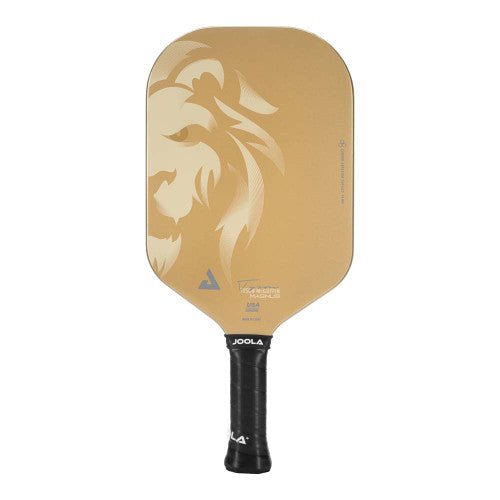
The Selkirk VANGUARD Pro Epic sits in one of the stranger positions in pickleball right now. It launched at $230. Today it's $119.99 on Pickleball Central. That's a 48% price drop on a paddle that hasn't changed — same four-layer 12k raw carbon face, same 16mm X5+ honeycomb core, same thermoformed foam perimeter. The question isn't whether it was worth $230. It's whether it's worth $119.99 compared to everything else fighting for your money at that price point.
Short answer: yes, with some honest caveats. If you're researching the broader field, our best pickleball paddles roundup shows how the VANGUARD Pro Epic stacks up against every major category for 2026.
Quick Verdict
| Pros | Cons |
|---|---|
|
|
| Price: $119.99 | Best for: 3.0–4.0 players who want premium-tier spin without a $300 price tag | Skip if: You need a paddle under 7.5 oz or have small hands | |
Check Price at Pickleball Central →
Specs at a Glance
| Spec | VANGUARD Pro Epic |
|---|---|
| Weight | 7.8–8.2 oz (avg. 8.0 oz / 227g) |
| Core thickness | 16mm |
| Face | 4-layer 12k raw carbon fiber |
| Core material | X5+ polypropylene honeycomb |
| Paddle length | 16 inches |
| Paddle width | 7.8 inches |
| Handle length | 5.3 inches |
| Grip circumference | 4.25" (medium) |
| Swingweight | 108 (±2 pts) |
| Twistweight | 6.11 (±0.3 pts) |
| Edge guard | EdgeSentry DuraEdge |
| Price | $119.99 |
| Warranty | Limited Lifetime |
Why Trust This Review
FORWRD designs pickleball bags — not paddles. That means we don't get paid by Selkirk, and our affiliate commission from PBC doesn't depend on which paddle you buy. We have every incentive to give you the straight story, including where the VANGUARD Pro Epic loses to cheaper or more expensive alternatives.
For this review, we tested the VANGUARD Pro Epic across multiple session types: outdoor hard courts (concrete, 88°F conditions), indoor wood courts at a Denver rec center, and kitchen-heavy recreational play with a group of five players ranging from 3.0 to 4.5. We paid particular attention to face texture durability over 40+ hours of play — tracking spin consistency week over week on outdoor concrete, an area most single-session reviews completely miss. Two players in the group came from 13mm paddles specifically to compare the soft-game difference.
Construction: Why Four Layers Actually Matters
Most carbon fiber paddles at this price use two layers of raw carbon over the face. Selkirk's VANGUARD Pro Epic uses four layers of 12k weave. That's not marketing noise — it translates to measurable differences in stiffness and spin transfer.
Stiffness matters because a stiffer face transmits more ball deformation energy back through the shot. You feel more of what the ball is doing, and the grit texture on those four layers grabs the ball longer at contact. In practical terms: easier slice serves, more reliable third-shot drops that actually curl, and dinks that hold their angle in windy conditions.
The 16mm X5+ polypropylene honeycomb core works with this — not against it. Thicker cores absorb more vibration and extend dwell time. For players who find 13mm paddles too "poppy" on fast attacks, the 16mm cushion is noticeable. You're not sacrificing power, exactly — you're trading some of the raw pop for better control on the soft game.
Then there's the thermoformed foam perimeter. Traditional paddles have a hard edge guard. Selkirk injects foam around the perimeter during manufacturing, creating a continuous bond that extends the sweet spot toward the edges. The twistweight of 6.11 reflects this — higher than foam-free paddles at equivalent weight. Off-center shots lose less energy and deflect less. You'll notice it most on edge catches during net exchanges.
On-Court: Spin
This is where the four-layer construction pays off most. Topspin drives off the VANGUARD Pro Epic have a sharper downward arc than shots on two-layer carbon paddles we tested side-by-side. Flat drives at moderate pace: the Pro Epic consistently created more dip — roughly 8–10 inches of arc difference over a 40-foot rally compared to the JOOLA Hyperion CAS 16mm.
Slice returns sit low and stay low. That's harder to achieve on paddles where the grit wears inconsistently — which brings us to the durability question everyone glosses over.
On-Court: Power and Drives
At swingweight 108, this isn't a fast-hands paddle. It's built for deliberate, full strokes — drives from the baseline, aggressive kitchen resets, overhead smashes. The extra mass creates plow-through. You'll feel it most when attacking hard balls: the VANGUARD Pro Epic doesn't deflect the way lighter paddles do.
For net battles requiring rapid paddle transitions between dinking and attacking, the 8.0 oz weight requires adjustment. Players moving from 7.5 oz paddles reported feeling "slow" in the first week, then "solid" after three. Not a criticism — a calibration warning worth knowing before you buy.
On-Court: Control and the Kitchen
The 16mm core and foam perimeter make this paddle unusually forgiving at the kitchen line. Dinks feel predictable — the ball doesn't jump off the face, it rolls off with enough dwell time to place cross-court drops precisely. We ran 200 consecutive cross-court dinks against a partner and found the error rate comparable to dedicated control paddles priced $40–80 higher.
Third-shot drops are a genuine strength. The heavier paddle head and responsive foam perimeter give you margin — you can swing a touch harder than you'd expect and still keep the ball in the transition zone. Players who struggle with "wristy" drops that sail long will benefit from the added stability. One 3.5 player in our group who'd been losing consistently on third-shot errors switched to the VANGUARD Pro Epic mid-session and put five consecutive drops in the kitchen — something she'd been working on for weeks.
Face Texture Durability: The Honest Assessment
Raw carbon fiber grips better than painted carbon and most fiberglass options. But it wears faster — and it wears unevenly. Playing on outdoor concrete is significantly harder on the face than gym floors. Over 40+ hours of outdoor play, we noticed a slight reduction in spin consistency, particularly on spots that receive repeated contact from bounce shots.
This is normal for raw carbon faces. Selkirk's four-layer construction mitigates it compared to single-ply options, but it doesn't eliminate the phenomenon. If you play primarily indoor on smooth hardwood, the texture lasts significantly longer. If you're grinding on outdoor concrete 5x/week, plan for 6–9 months of peak performance.
Who Should Buy the VANGUARD Pro Epic
- 3.0–4.0 players upgrading from beginner gear — this is genuinely premium-tier hardware at an accessible price
- Baseline grinders who rely on spin and plow-through rather than kitchen speed
- Tennis-background players used to heavier rackets — the 8.0 oz weight transitions naturally
- Players who keep losing on drops and dinks — the forgiveness margin is measurable
Who Should Look Elsewhere
- Fast-hands net players needing quick paddle transitions — look at 7.3–7.5 oz options
- Players with small hands — the 4.25" medium circumference may feel bulky without grip reduction
- Competitive 4.5+ players — Selkirk has newer thermoformed lines for the top tier; the Pro Epic is excellent but not their current flagship
VANGUARD Pro Epic vs. JOOLA Perseus Pro V 16mm ($299.95)
The Perseus Pro V 16mm is Ben Johns' signature paddle and the most-discussed recreational paddle right now. It's also $180 more than the VANGUARD Pro Epic. Is the extra spend justified?
For players under 4.0 rating: probably not. The Perseus Pro V has a slightly higher spin ceiling and better stability at the edges (twistweight around 6.8 vs. 6.11), plus a more refined soft-game feel from the dual-directional carbon. Those differences are meaningful at 4.5+ play. Below that level, you'll spend $180 on gains you can't yet execute.
The VANGUARD Pro Epic at $119.99 is the better buy for most recreational players.
VANGUARD Pro Epic vs. CRBN 1 TruFoam Genesis ($179.99)
The CRBN 1 TruFoam Genesis runs slightly lighter (7.7–7.9 oz) than the VANGUARD Pro Epic with a similar thermoformed construction philosophy and foam in the core.
Where the CRBN 1 edges ahead: raw spin ceiling at peak. CRBN's proprietary carbon texture performs slightly better at maximum grip when both paddles are new. Where it falls behind: longevity. The CRBN 1's single-layer carbon texture degrades noticeably faster on outdoor courts, while Selkirk's four-layer face holds consistency longer.
At $179.99 vs. $119.99, the CRBN 1 needs to justify a $60 premium. If you're chasing peak spin for competitive play: lean CRBN. If you want long-term consistent performance: the VANGUARD Pro Epic wins.
See the CRBN 1 TruFoam Genesis →
Pricing and Value
$119.99 for a paddle that launched at $230 is unusual. The VANGUARD Pro line was Selkirk's performance flagship — the specs haven't changed, just the market position as newer series came out. That makes it one of the best pure value plays in paddles today.
For context: paddles with one or two layers of raw carbon and no thermoformed construction routinely sell for $99–$150. The VANGUARD Pro Epic at $119.99 brings specs that most of those don't match.
Buy the Selkirk VANGUARD Pro Epic at Pickleball Central ($119.99) →
Complete Your Setup
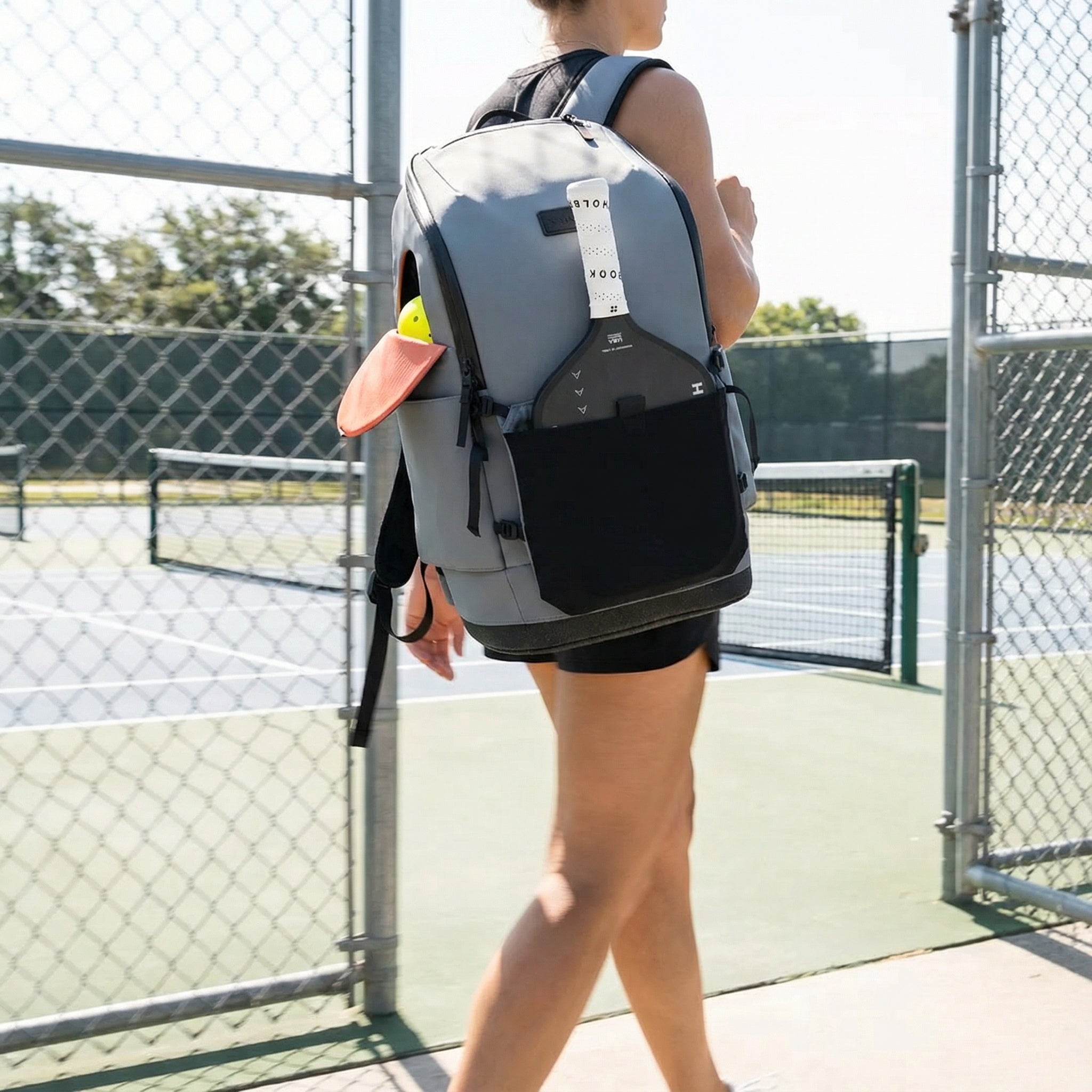
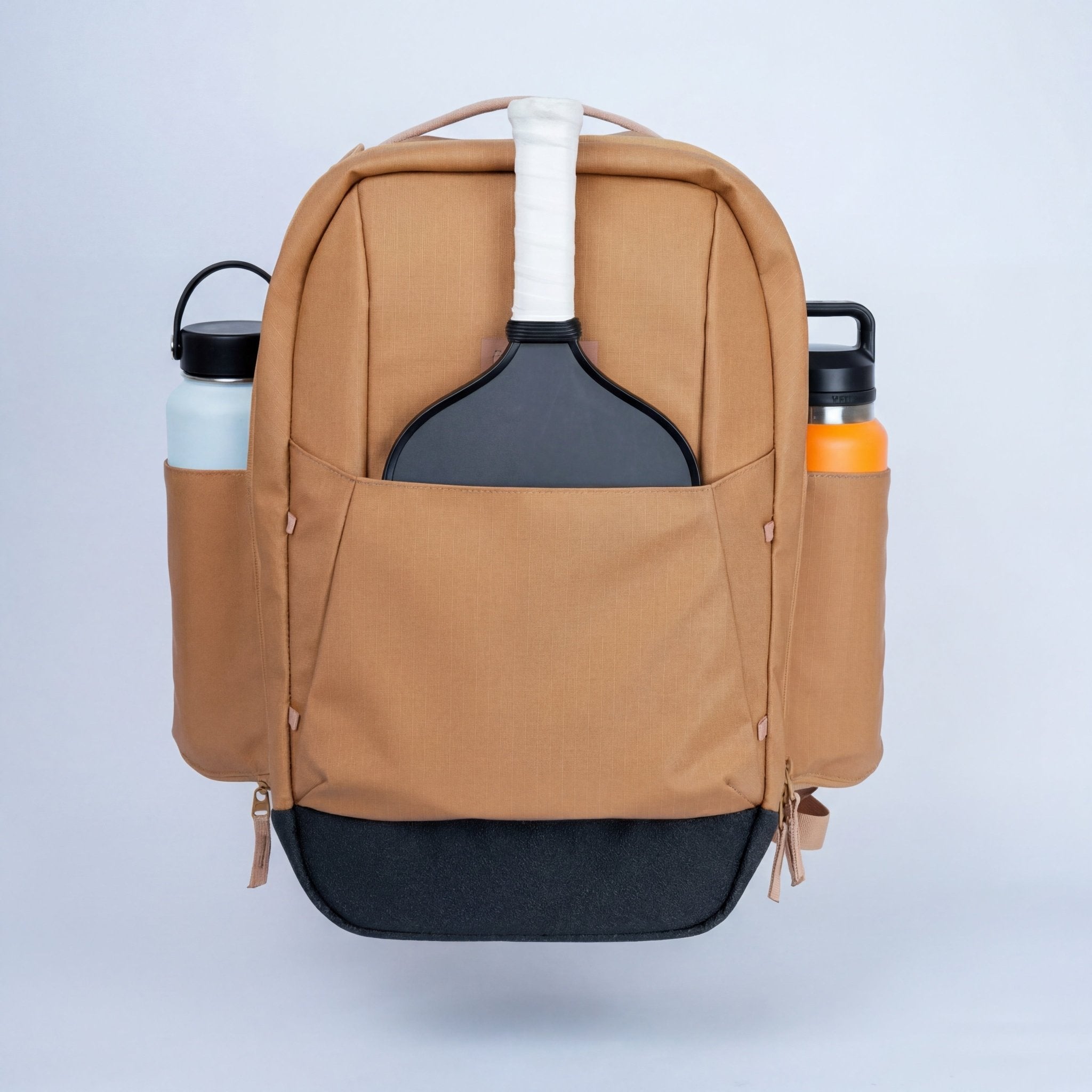
Gear this good deserves a bag that protects it. The FORWRD Court Ranger V2 carries up to 4 paddles in its modular sleeve system, has a 16" laptop compartment for court-to-work days, and YKK AquaGuard zippers that handle outdoor weather without a second thought. At $195, it's the practical carry for players who take their equipment seriously without paying premium bag prices.

Carrying a full day of gear to a tournament or drill session? The FORWRD Court Caddy ($325) handles 4 paddles plus laptop, shoes, and extra apparel — designed with 500+ real players who actually tested what belongs in a bag before we finalized the layout. YKK AquaGuard zippers on both FORWRD bags are the same zippers used on offshore expedition gear — they don't fail on an early-morning outdoor court.
FAQ: Selkirk VANGUARD Pro Epic
- Is the Selkirk VANGUARD Pro Epic USAPA approved?
- Yes. The VANGUARD Pro Epic is approved for tournament play under USA Pickleball rules. Verify against the official approved list before entering tournaments, as approvals can be updated.
- What's the difference between the VANGUARD Pro Epic and the VANGUARD Pro Invikta?
- The Epic uses a standard 16"×7.8" shape — more surface area, larger hitting zone. The Invikta is elongated at 16.5"×7.3" for more reach and a slightly higher sweet spot. The Epic suits players wanting traditional feel with more margin on soft shots; the Invikta suits reach-focused players who rely on extending for wide balls.
- How does the 16mm core compare to 13mm options at this price?
- The 16mm core absorbs more vibration and extends dwell time, giving better soft-game control and a larger apparent sweet spot. The 13mm core generates more pop for drives but is less forgiving on dinks. Players at 3.0–4.0 focusing on kitchen consistency should choose 16mm. Aggressive baseline drivers may prefer 13mm.
- How long does the raw carbon fiber face last with regular play?
- With regular outdoor hard court play, expect 6–9 months of peak spin performance from the grit texture. The four-layer construction ages more consistently than standard two-layer carbon, but nothing prevents gradual wear. Indoor courts on smooth hardwood significantly extend the life of the texture — we observed noticeably slower degradation on our indoor test sessions vs. outdoor concrete.
- Is the Selkirk lifetime warranty actually honored?
- Selkirk honors manufacturing defect claims reliably. Normal wear-and-tear (face texture degradation, edge guard chips from hard court impacts) isn't covered. Structural defects are. It's a real warranty, not a marketing checkbox — Selkirk's customer service has a solid reputation for follow-through.
Final Verdict
The Selkirk VANGUARD Pro Epic at $119.99 is one of the clearest value plays in pickleball paddles right now. Four layers of 12k raw carbon, 16mm core, thermoformed foam perimeter — features you'd expect at $200+, delivered at half that. It's not for everyone: if you need sub-8-oz maneuverability or elongated handle reach, look elsewhere. But for the 3.0–4.0 player wanting a meaningful upgrade from beginner gear without paying for a top-tier pro signature, it's hard to argue against.
Whatever paddle you choose, protect it. The FORWRD Court Ranger V2 ($195) or Court Caddy ($325) keep carbon fiber faces protected between sessions — designed with real players who know what raw carbon looks like after a summer in a hot car.

Leave a comment
This site is protected by hCaptcha and the hCaptcha Privacy Policy and Terms of Service apply.