

Disclosure: This post contains affiliate links to Pickleball Central. If you purchase through our links, FORWRD earns a small commission at no extra cost to you. We only link to products we'd recommend regardless.
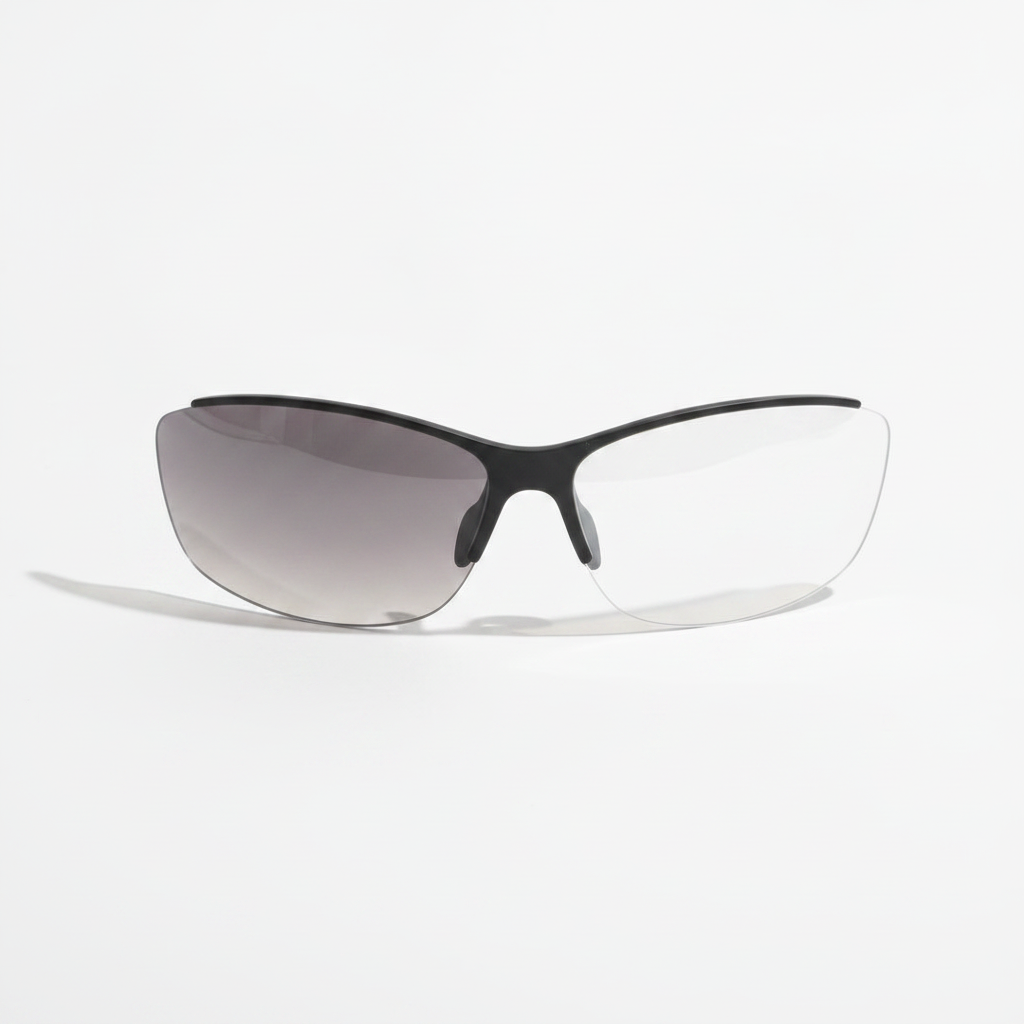
Photochromic pickleball glasses auto-adjust their tint based on UV light — clear indoors, darkened outdoors. The appeal is obvious: one pair covers every court condition without a lens swap. The problem is that transition speed varies enormously between products, and the difference between a 3-second response and a 45-second response determines whether photochromic lenses are actually useful for sport or just a nice feature on paper.
Last updated: August 2026
This guide covers what photochromic lenses actually do, which brands are fast enough to matter on a pickleball court, and the honest verdict on when fixed-tint beats them.
Table of Contents
- What Photochromic Glasses Actually Do (And Why Speed Matters for Sports)
- The Problem With Most Photochromic Glasses for Pickleball
- Best Photochromic Pickleball Glasses 2026: Tested Picks
- Photochromic vs. Fixed-Tint: Which Is Right for Your Playing Schedule?
- Lens Tint Cheat Sheet: Amber, Smoke, Yellow, Clear — When Each Wins
- FAQ: Photochromic Pickleball Glasses Questions
What Photochromic Glasses Actually Do (And Why Speed Matters for Sports)
Photochromic lenses contain silver halide or organic dye molecules that change structure when exposed to UV light. In sunlight, those molecules rearrange to absorb more visible light — the lens darkens. Move indoors or into shade, and the process reverses, returning the lens toward clear. No batteries, no manual swap, no carrying a second pair.
The technology has been around since the 1960s, but most players' mental model of it comes from consumer prescription glasses — the Transitions lenses that slowly darken when you walk outside. Those take 30–50 seconds to fully activate. For a casual walk to the car, fine. For pickleball, where you might move from a shaded warm-up area to a direct-sun court in 20 seconds, that response time is meaningfully slow.
Sport-specific photochromic technology is different. Brands like Bollé (B-Clear technology), Wiley X (CAPTIVATE photochromic), and Rudy Project (ImpactX photochromic) have developed formulations that respond in 2–8 seconds under direct UV exposure. That's a 6–10x speed difference over consumer-grade lenses — and it changes whether the technology actually helps you on the court or just makes your setup feel more sophisticated than it is.
The short version: if you're considering photochromic glasses for pickleball, the brand and lens formulation matter a lot more than the word "photochromic" on the box.
The Problem With Most Photochromic Glasses for Pickleball
Here's the thing most review articles skip: standard photochromic lenses (Transitions-branded and many generic equivalents) were designed for daily wear scenarios — walking from an office to your car, going in and out of shops. They're optimized for gradual light transitions over 1–5 minutes, not the fast court-to-shade-to-court-again pattern that pickleball players experience.
By the time a standard Transitions lens fully darkens on a bright outdoor court, you've already played 3 points in slightly-too-bright conditions. Then when you move to the shaded section of the court to play a rally near the fence, the lens starts lightening — again with a 30-second lag.
A second photochromic problem specific to pickleball: most photochromic lenses don't activate well behind windshields or glass, because UV light is filtered by glass. This doesn't affect play, but it does mean your lenses won't pre-darken while you're driving to the courts — you'll arrive with clear lenses that then need to adjust once you're in direct sunlight. Not a dealbreaker, just worth knowing.
Third: photochromic lenses darken less at high temperatures. This is a documented property of the technology — hot summer days actually slow down activation and reduce the maximum darkness compared to cooler days. If you play outdoor pickleball in summer heat (the peak season for most players), your photochromic lenses will perform slightly worse than the specs suggest. Sport formulations handle this better than consumer formulations, but it's a real effect.
"Players ask us about photochromic constantly. Our answer is always the same: the technology is genuinely useful, but only if you're buying a sport-grade formulation with a fast response time. Slow photochromic is worse than a fixed tint because it gives you the worst of both conditions during the transition." — Topher, FORWRD co-founder
Best Photochromic Pickleball Glasses 2026: Tested Picks
Based on transition speed, ball visibility in varying light, and fit for the pickleball court specifically, here are the photochromic options worth considering in 2026:
| Frame / Lens | Transition Speed | Dark Range | Best Condition | Where to Buy |
|---|---|---|---|---|
| CRBN Pivot | ~5–10 seconds (claimed) | Near-clear to dark | Mixed indoor/outdoor players; comes with interchangeable fixed lenses as backup | Pickleball Central |
| Bollé B-Clear Photochromic | 2–5 seconds (sport grade) | Category 0 to Category 3 | Outdoor players moving between sun and shade; fastest widely-available photochromic tech | Pickleball Central |
| Wiley X CAPTIVATE Photochromic | 3–7 seconds (sport grade) | Category 1 to Category 3 | Players with safety certification requirements (ANSI Z87.1 rated); also works as prescription insert base | Pickleball Central |
| Browse all photochromic options | Varies by formulation | Varies | See full selection at Pickleball Central | Pickleball Central |
The CRBN Pivot Pickleball Glasses Review 2026">CRBN Pivot review on FORWRD goes deep on the photochromic lens performance specifically — including how the interchangeable lens system lets you switch to fixed-tint on tournament days when conditions are predictable. And if you want the full photochromic technology breakdown from a real-world perspective, the Vantage Labs Vue Photochrome 2.0 review addresses exactly the "are self-adjusting lenses useful on the court" question with on-court data.
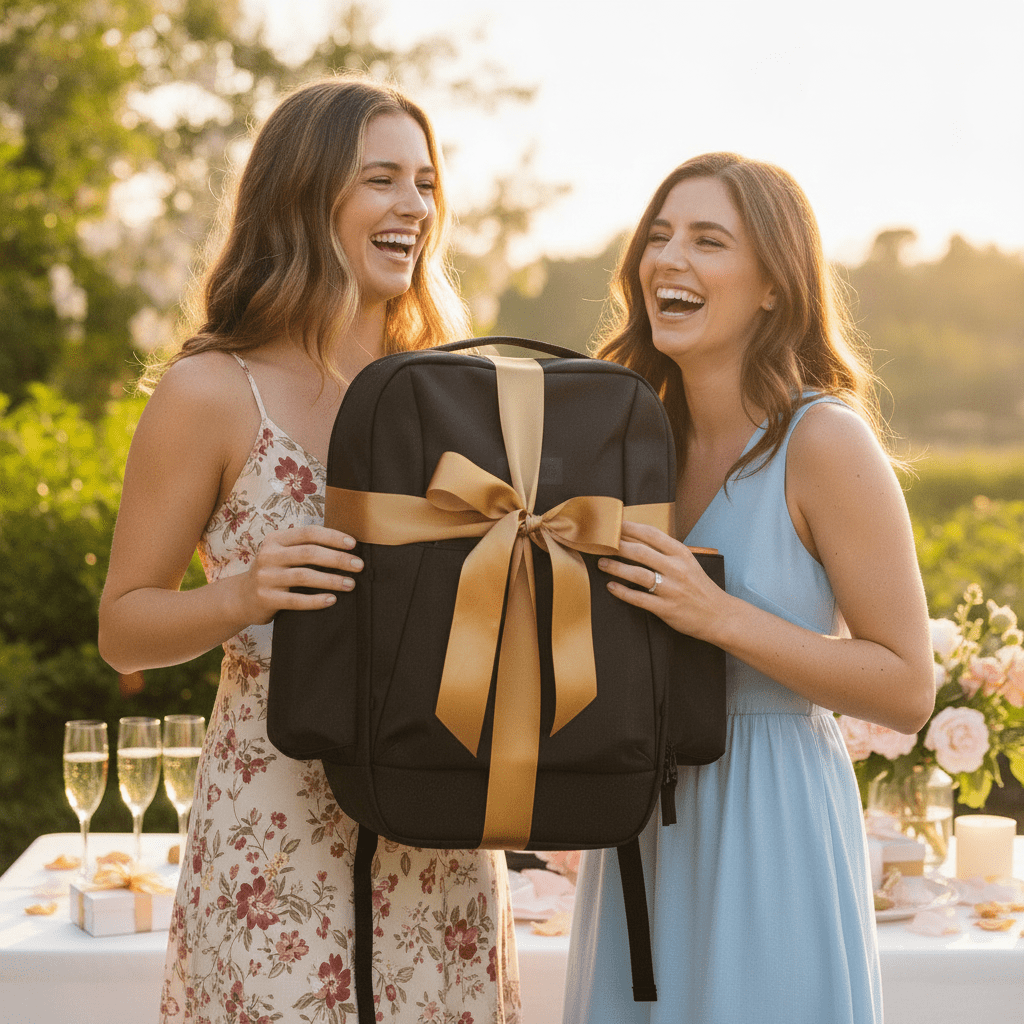
Carry your glasses without scratching them.
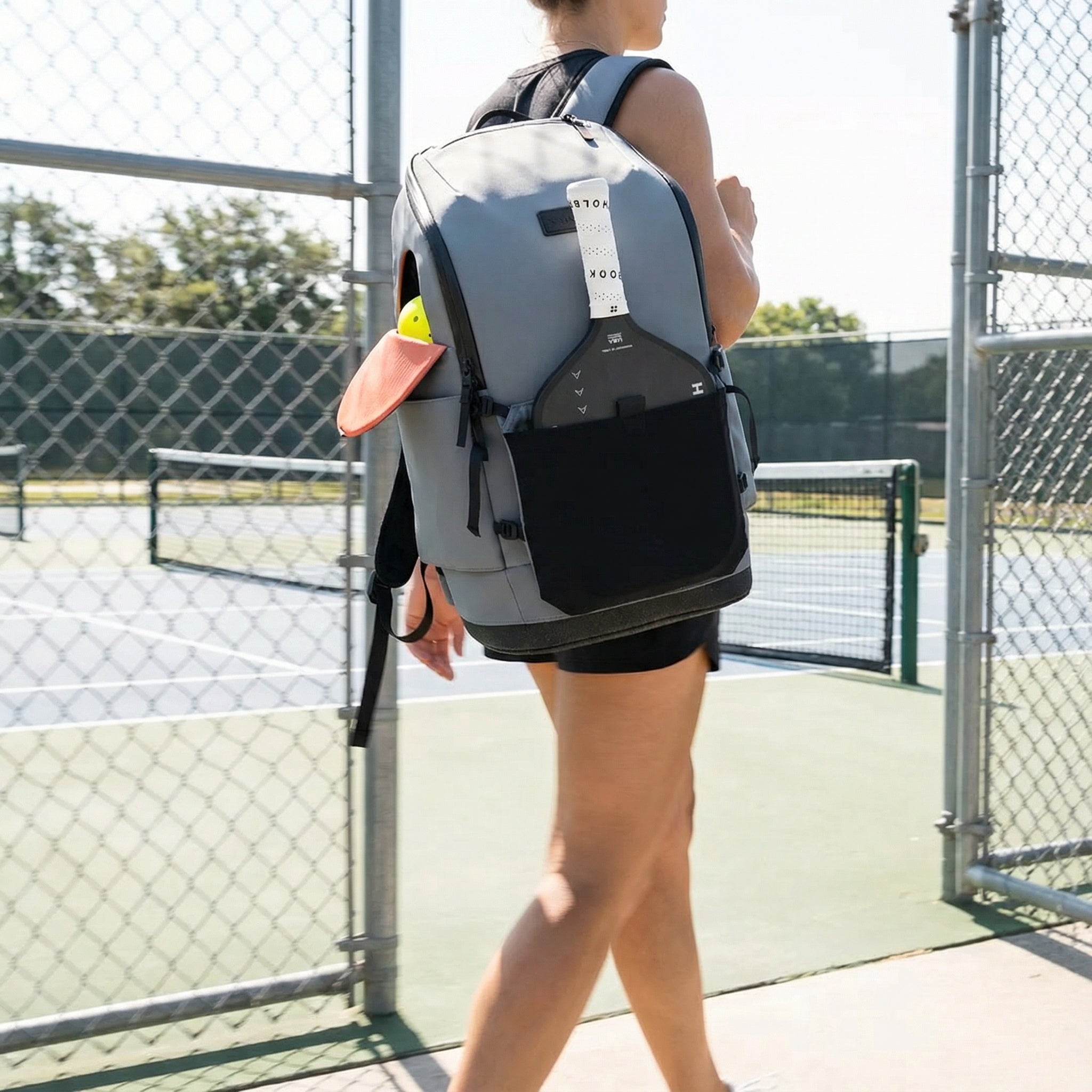
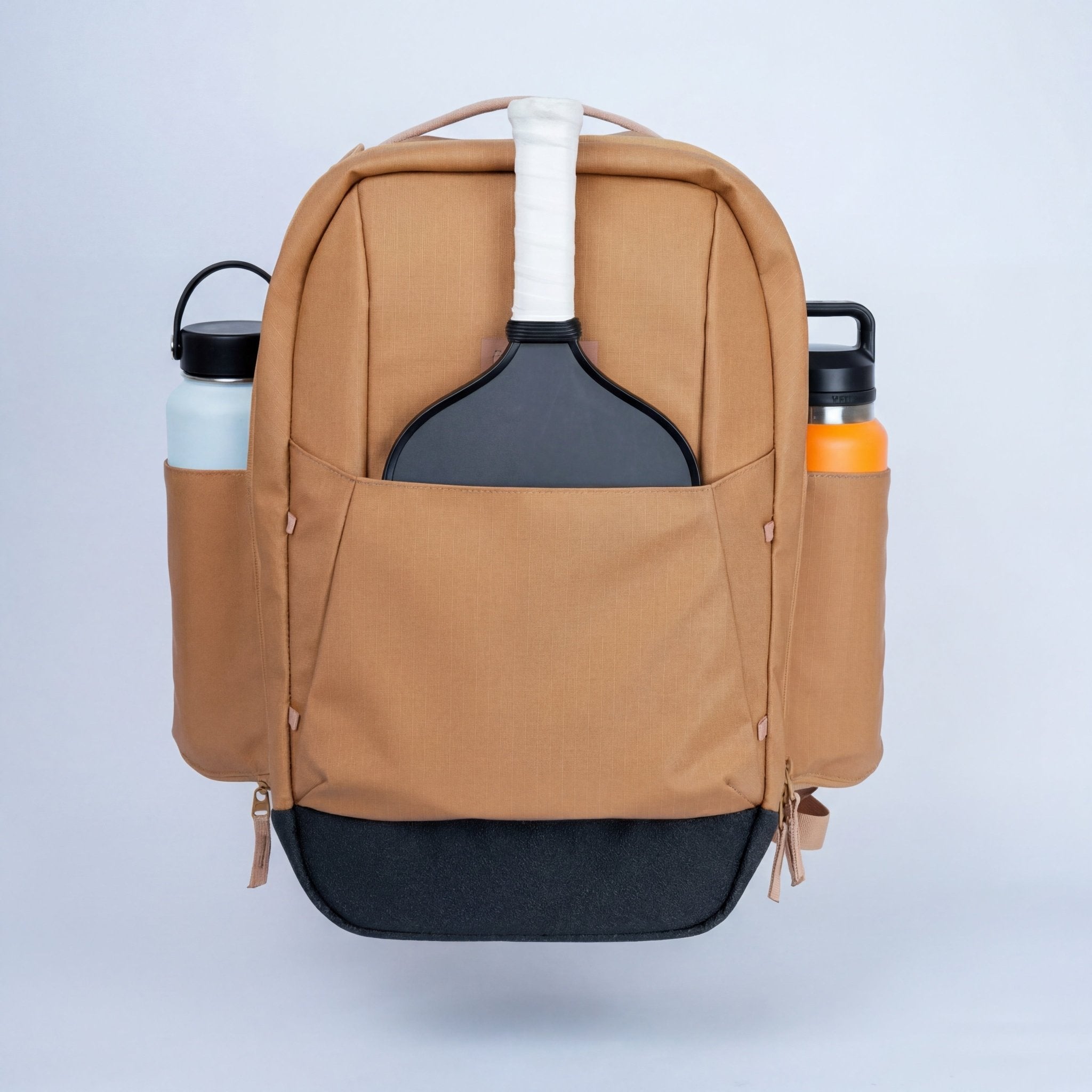
Shop the Court Ranger V2 — $195 → Soft-lined compartments, 16" laptop sleeve, modular paddle storage. Built for players who care about their gear.
Photochromic vs. Fixed-Tint: Which Is Right for Your Playing Schedule?
Photochromic wins specific situations. Fixed-tint wins others. Here's the honest breakdown:
Photochromic makes sense when:
- You play both indoor and outdoor courts regularly and hate carrying two pairs
- You play mixed-condition sessions — warm-up in a shaded area, then move to an exposed court
- Your courts shift from morning shade to afternoon direct sun as the day progresses
- You're choosing between photochromic and a neutral/clear fixed lens (photochromic wins because it at least handles outdoor sun better)
Fixed-tint wins when:
- You play exclusively outdoor in consistent mid-day sun — amber or smoke is already optimized for that condition and doesn't need to adjust
- You play exclusively indoor — a clear or yellow lens outperforms photochromic in gym lighting
- You need to perform at peak optical clarity from the first point — no warm-up period for the lens to adjust
- You're in hot summer conditions where photochromic activation is slower and peak darkness is reduced
- Budget matters — quality photochromic lenses cost $30–$60 more than equivalent fixed-tint options
The honest answer for most recreational players who play 3–5 times a week across both outdoor and indoor courts: photochromic is worth it, but only with a fast sport-grade formulation. For tournament players who know exactly what conditions they'll face and can optimize for that: fixed-tint amber (outdoor) or clear (indoor) is the more reliable choice. See the indoor pickleball glasses guide for indoor-specific lens recommendations.
Lens Tint Cheat Sheet: Amber, Smoke, Yellow, Clear — When Each Wins
This table is what most glasses buying guides don't include. For each lighting condition, here's which lens tint performs best — photochromic included:
| Lighting Condition | Amber (Fixed) | Smoke / Dark (Fixed) | Clear / Yellow (Fixed) | Photochromic (Sport-grade) |
|---|---|---|---|---|
| Direct outdoor sun (10am–3pm) | ✅ Excellent — high contrast, manages glare well | ✅ Best light block — maximum glare control | ❌ Too much light — squinting, eye strain | ✅ Excellent — activates to full dark within seconds |
| Partial shade / overcast outdoor | ✅ Good — still enhances ball contrast | ⚠️ Too dark — ball disappears in shadow areas | ✅ Good — visible and comfortable | ✅ Good — partially lightened to match the conditions |
| Indoor gym (fluorescent / LED) | ❌ Too dark — dims the gym, reduces depth perception | ❌ Way too dark — genuinely unsafe for play | ✅ Best — clear vision, enhanced ball contrast with yellow | ✅ Good — clears to near-transparent without UV |
| Dusk / evening outdoor (fading light) | ⚠️ Borderline — adds some warmth but can dim too much at true dusk | ❌ Too dark — ball visibility drops significantly | ✅ Best — maximum available light to the eye | ✅ Good — lightens toward clear as UV fades (if fast enough) |
| Morning play (6–8am, low sun angle) | ✅ Excellent — amber reduces morning glare effectively | ⚠️ Possibly too dark depending on cloud cover | ✅ Fine — works well until direct sun rises | ✅ Excellent — adjusts as the sun rises |
The verdict: amber fixed-tint wins for single-condition outdoor players. Photochromic (sport-grade only) wins for players who move between conditions. For all-indoor play, see the indoor glasses guide — clear and yellow lenses are optimized specifically for gym lighting.
For more detail on frame options across all tint types, the FORWRD pickleball glasses buyer's guide covers the full landscape including women's lens and frame recommendations.
FAQ: Photochromic Pickleball Glasses Questions
What are photochromic pickleball glasses?
Photochromic pickleball glasses contain lenses that auto-adjust their tint based on UV light exposure — darkening outdoors in sunlight, lightening indoors or in shade. Unlike interchangeable-lens glasses (where you swap manually), photochromic lenses respond automatically. Sport-grade versions like Bollé B-Clear and Wiley X CAPTIVATE respond in 2–8 seconds; consumer-grade Transitions lenses take 30–50 seconds.
Are photochromic glasses good for pickleball?
Yes, with the right formulation. Sport-grade photochromic lenses that respond in under 10 seconds are genuinely useful for players who move between indoor and outdoor courts or play in variable light conditions. Consumer-grade Transitions lenses are too slow for sport — by the time they fully activate or deactivate, you've already played several points in suboptimal conditions.
How fast do photochromic lenses darken for sports?
Sport-grade formulations (Bollé B-Clear, Wiley X CAPTIVATE, Rudy Project ImpactX): 2–8 seconds to reach working darkness. Standard consumer Transitions lenses: 30–50 seconds to fully darken. The difference matters enormously on a pickleball court where light conditions change when you move between zones. Always confirm the transition speed spec before buying.
What lens color is best for outdoor pickleball?
Amber for most conditions — it enhances contrast, manages glare, and makes the yellow-green pickleball "pop" against blue-green courts. Smoke (dark) works best in intense direct midday sun. Photochromic amber combines the benefits of amber tint with auto-adjustment for changing conditions. Clear and yellow are for indoor or low-light play only.
Photochromic vs polarized for pickleball — which is better?
Different features, not competing options. Polarized lenses reduce glare from horizontal reflective surfaces (water, glass, wet courts) but can create issues on some LED courts where the polarization conflicts with the light's wavelength. Photochromic lenses auto-adjust tint but don't specifically target glare. You can get lenses that are both polarized and photochromic — this is the premium option for outdoor players who face both bright sun and reflective surfaces.
Do photochromic lenses work in the shade on outdoor courts?
Partially. In shade, UV exposure is reduced but not zero — most photochromic lenses will lighten toward the middle of their range (not fully clear) in outdoor shade. This is generally good for pickleball — the lens provides some tint without being too dark for shadowed ball tracking. Full indoor lighting (no UV) is where photochromic lenses clear most completely.
Complete Your Setup
Sorted your lens situation? The Court Ranger V2 ($195) has soft-lined internal compartments that won't scratch photochromic lenses, plus paddle storage and a 16" laptop sleeve. Carry your gear the right way. Court Caddy at $325 if you need full tournament organization.

Leave a comment
This site is protected by hCaptcha and the hCaptcha Privacy Policy and Terms of Service apply.