

The around the post shot — the ATP — is completely legal, and the first time you see one in a rec game, you immediately need to know how to hit it yourself. Short version: the ball travels around the outside of the net post instead of over the net. No height restriction. No net-crossing requirement. Land it in bounds and it's a winner. Often an outright one.
Last updated: June 2026
Most ATP guides cover the mechanics and stop there. This one goes further — the Bert shot (the doubles partner version), how to read the setup before it develops, and, probably more valuable for most players, how to stop opponents from running ATPs on you.
What Is the Around the Post (ATP) Shot?
The ATP is exactly what it sounds like: instead of hitting the ball over the net, you go around the outside of the net post. The ball never crosses the net — it travels outside the post, curves around it, and lands on your opponent's side.
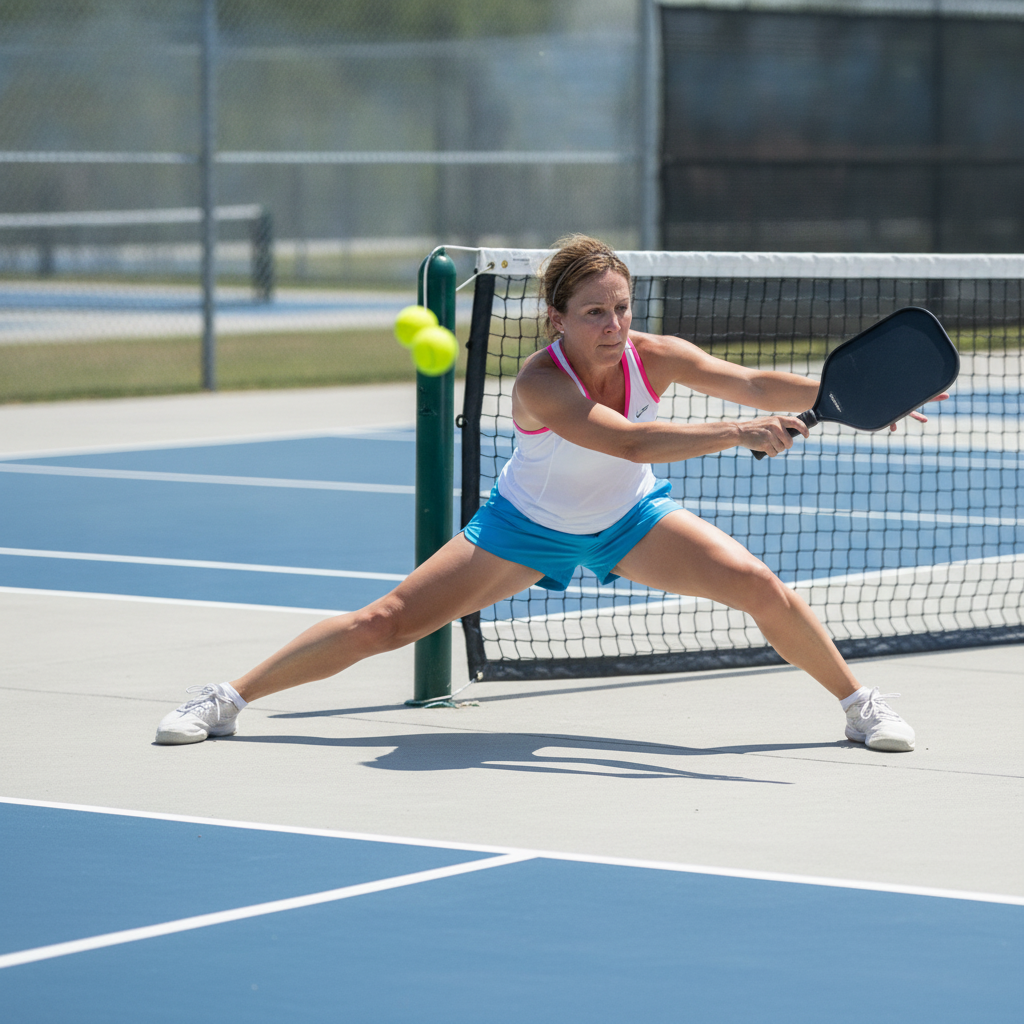
It's most common on wide cross-court returns that pull you off the court. Instead of trying to hit over the net from an impossible angle where the net is 36 inches high, you swing around the outside of the post — where there's no net to worry about at all. The ball can pass at knee height, below the top of the net, whatever height you happen to contact it at. If it lands in bounds, it counts.
That's what makes a well-executed ATP so demoralizing to receive. Your opponent genuinely cannot stop it by positioning at the net — there's no net where you're hitting through.
Is the ATP Shot Legal in Pickleball? (Rules + Common Misconceptions)
100% legal. USA Pickleball Rule 11.M explicitly covers it: a player may go around the outside of the net post to hit a ball, and the shot is valid even if the ball passes below the top of the net. The only requirement is that the ball lands in the correct court.
A few misconceptions that come up constantly:
"The ball has to clear the net." False. On an ATP, the ball goes around the post — it never crosses over the net. Height is irrelevant as long as it travels outside the post and lands in bounds.
"You can't step around the post." Also false. You can follow the ball around the post and even cross the imaginary extension of the net line. What you can't do is touch the net, the net post, or your opponent's court with your body or paddle.
"It's a foot fault if you step off the court." Not on an ATP. You're allowed to leave the court to pursue the ball. Just don't touch the opponent's court surface.
For more on rules that trip up even experienced players, see our breakdown of commonly misunderstood pickleball rules.
Reading the Setup: When an ATP Opportunity Appears
Most players who can execute the ATP mechanically still miss a lot of them — not because of technique, but because they don't recognize the setup early enough to commit.
Four signals that an ATP is developing:
- The ball is angling sharply cross-court, pulling you well outside the sideline before contact
- Your opponent's weight is committed to center — they're not covering the wide angle
- The ball is at or below waist height — this is what makes the around-post trajectory geometrically viable
- You're already off-court pursuing the ball — the setup appears naturally, you don't manufacture it
The mental shift is the hard part. Every instinct says "let this one go — it's way out wide." That instinct is your brain defaulting to "I can't hit over the net from here." Correct. But you're not going over the net. Once you internalize that distinction, ATP opportunities start appearing where you previously saw impossible balls.
Step-by-Step: How to Execute the ATP Shot
Step 1: Commit early. The instant you read the cues, decide on the ATP. Players who hesitate and try to decide while the ball is falling end up making neither the ATP nor a standard return. Early commitment gives you time to set your feet and get around the post.
Step 2: Chase wide, stay low. Pursue the ball outside the sideline. Keep your center of gravity low — you want contact at or below waist height. Higher contact makes the around-post angle harder to keep in bounds.
Step 3: Get around the post before contact. Hit the ball as far around the post as possible — reach past it, not just to it. The farther around the post your contact point, the more landing margin you have on the other side.
Step 4: Short, controlled swing. This isn't a power shot. The angle and trajectory do the work. A short, flat swing with slight topspin is far more reliable than a full groundstroke. Overhitting sends the ball long every time.
Step 5: Follow through down-court. Direct your follow-through toward where you want the ball to land — deep in your opponent's court, as far from where they're standing as possible. They're almost certainly frozen watching you; aim for the open corner.
"The ATP is one of those shots that looks impossible until you try it once in a rec game and it lands. After that, you can't unsee the setup — you start recognizing it everywhere. The trick is committing before you're certain it'll land. That early decision is the whole skill." — Grub, FORWRD co-founder
Common ATP Mistakes (and How to Stop Making Them)
Deciding too late. The most common mistake by a wide margin. The ball is well past the sideline before the player commits to the ATP, and by then the contact window has closed. Fix: practice ATP recognition drills where a partner intentionally feeds wide-angle shots. Your only job is to call "ATP" out loud the moment you see the setup developing — before the ball reaches contact height.
Contact too close to the post. If you're hitting right at the post rather than around it, your trajectory has almost no margin — the ball clips the net or flies wide. Fix: chase harder. Get your body farther around the post before swinging.
Overhitting. Speed kills the ATP more often than it wins points. A controlled, accurate ATP is a winner purely by virtue of the angle. A hard-swung ATP flies long. Think "placement," not "power."
Not aiming. A lot of ATPs land in bounds and still get returned because players don't direct them — they just hope they land somewhere. Good opponents shade toward the ATP corner when they see the setup developing. Aim opposite of where they're moving.
Defending Against an ATP Shot
Most guides stop at the offensive mechanics. This section is the one that'll improve your game faster — because defending the ATP comes up far more often than hitting one.
Prevention is the best defense. ATPs require a very specific ball: angling hard cross-court, pulling the opponent wide off the court. Avoid hitting low cross-court shots to opponents who are already running wide. Hit middle, or drive deep to their feet — not wide and low where the ATP setup develops.
Shade the ATP corner immediately. The moment you see your opponent commit to a wide chase, start moving toward the ATP landing zone — the area near your sideline, around the kitchen. An ATP aimed there is your primary threat. If you're already moving into that zone, many ATPs become manageable rather than automatic winners.
Don't freeze. Watching your opponent sprint off the court is visually surprising — most players stop and stare. That freeze is exactly what turns a makeable ATP into an outright winner. Watch the opponent, not the spectacle. Move while they're still running.
Keep them deep. An ATP from far behind the baseline requires an extreme angle to land in bounds — it's geometrically much harder. Keeping opponents pinned at or behind the baseline with deep drives dramatically reduces their ATP opportunities.
The Bert Shot: When Your Partner Has the ATP Opportunity
The Bert is the doubles partner variant of the ATP, and it's one of the most underused plays in recreational pickleball.
Here's the setup: a ball is angling wide to your partner's side of the court. Your partner is chasing it off-court. But you — standing at the NVZ on the opposite side — are actually closer to the net post the ball will travel around. You sprint over, cross in front of your partner, and hit the ATP yourself.
It's called the Bert because it came from the same family of shot naming that produced the Erne — creative net-post plays named by the pickleball community. Unlike the Erne, which involves jumping across the NVZ corner near the net, the Bert requires crossing in front of your own partner and relies entirely on that ATP around-the-post trajectory.
A few things specific to the Bert:
- You can legally cross in front of your partner — there's no rule against teammates occupying the same area
- Same Rule 11.M applies: going around the post is fine as long as the ball lands in bounds
- Your partner needs to peel off once you call it — both players swinging at the same ball creates a mess
- The verbal signal is simple: "BERT!" called early, while you're still a few steps away
When to use it: the Bert is most effective when you're faster or better positioned than your partner, and when the ball is clearly developing the wide-angle ATP setup. Practice the communication in warmup — call "BERT!" and have your partner immediately step back. The move fails almost entirely from lack of communication, not from any technical difficulty.
If you're building a shot repertoire around the NVZ, our Erne shot guide covers the jumping NVZ poach in full detail.
FAQ: Around the Post Shot Questions
Is an around the post shot legal in pickleball?
Yes — fully legal under USA Pickleball Rule 11.M. The ball can travel around the outside of the net post without crossing over the net, and it can pass below the top of the net. The only requirement is that the ball lands in the correct court in bounds.
Does the ball have to clear the net on an ATP shot?
No. On an ATP, the ball goes around the post — it never crosses the net. There's no height restriction whatsoever. A ball traveling around the post at knee height is as legal as one at shoulder height, as long as it lands in bounds on your opponent's side.
How do you set up an ATP shot in pickleball?
ATP opportunities develop when a ball angles sharply cross-court, pulling you well outside the sideline. Watch for four cues: steep cross-court angle, opponent's weight committed to center, ball at or below waist height, and yourself already off-court pursuing. Recognize it early — commit before the ball reaches contact height, not after.
What's the difference between an ATP shot and an Erne?
Both are advanced net-post shots, but the mechanics differ. The Erne involves jumping over or around the NVZ corner to poach a shot near the net from inside the court. The ATP involves chasing a ball wide off the court and hitting it around the post from outside the sideline. See our Erne shot guide for that technique in depth.
How do you defend against an ATP shot?
Prevention beats reaction: avoid hitting low cross-court balls that pull opponents wide — that's the primary ATP setup. If an opponent commits to a wide chase, shade toward the ATP landing zone near your sideline immediately — don't freeze. And keep opponents deep; ATPs from far behind the baseline are geometrically very hard to land in bounds.
Can a doubles partner also hit an ATP (the Bert shot)?
Yes — that's the Bert shot. When the ATP opportunity develops on your partner's side of the court, you can sprint across and hit it yourself. Same Rule 11.M applies. Call "BERT!" early so your partner peels off and doesn't swing at the same ball. It's underused in rec play and very effective once both partners have practiced the communication.
Ready to Play Aggressive? Carry Your Gear Right
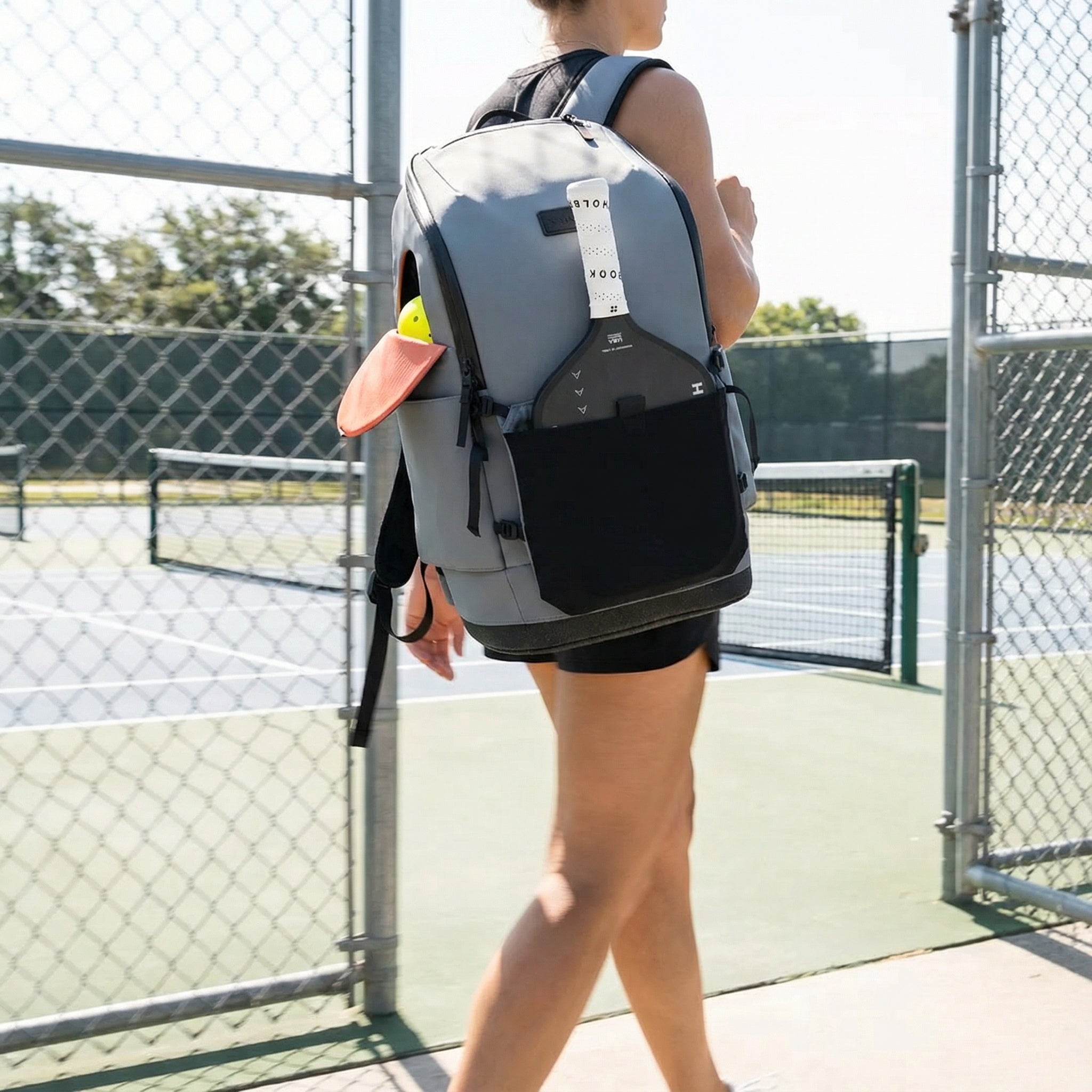
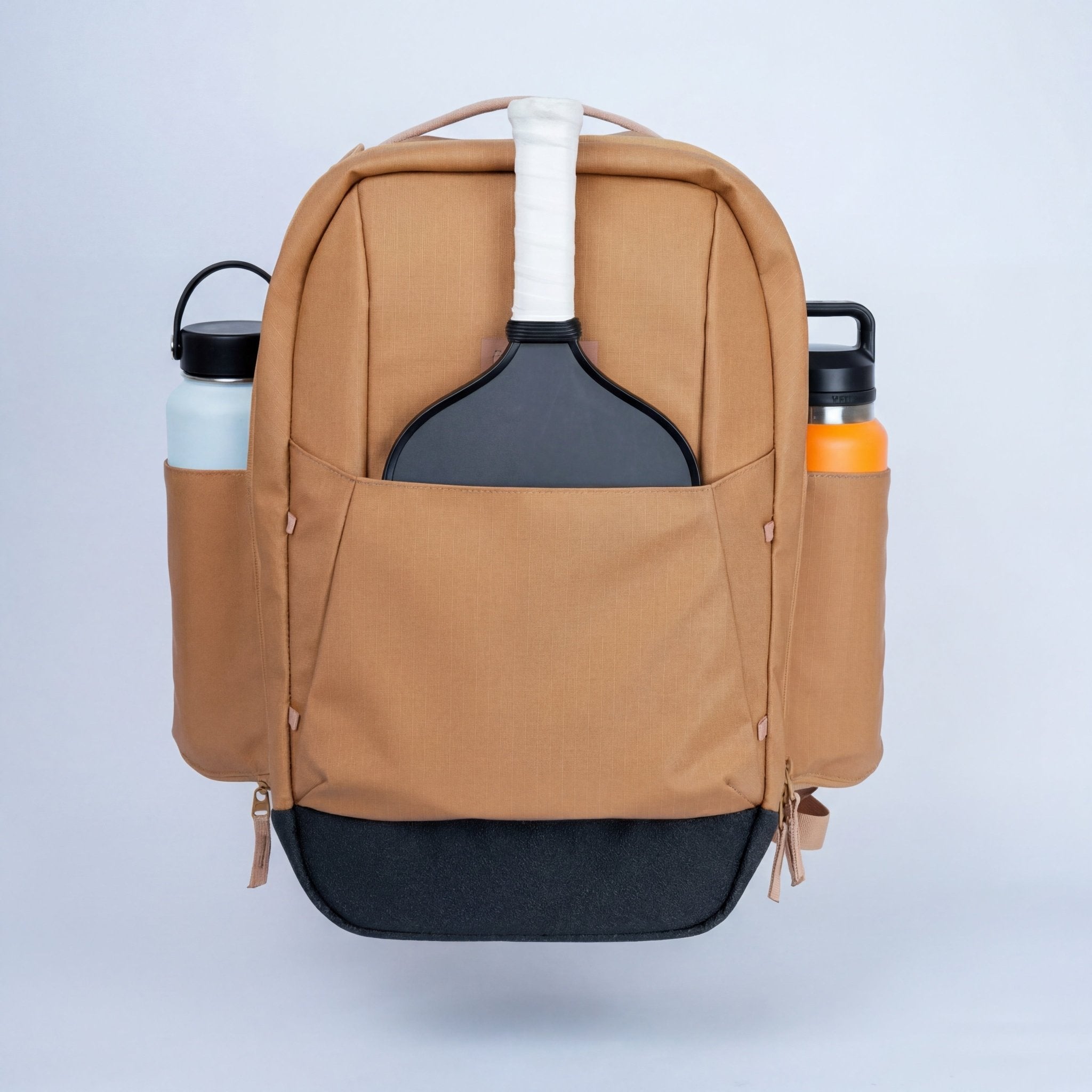
Running ATPs means you're playing the full court. The FORWRD Court Ranger V2 ($195) is built for it — dual metal fence hooks keep your bag off the court surface when you're ranging wide, YKK AquaGuard weatherproof zippers handle any weather, and the modular paddle sleeve gives you clean single-paddle access mid-game. 16" laptop sleeve if you're commuting court-to-work.
If you play 4+ days a week at 4.0+ and want the full build, the Court Caddy ($325) adds a 15" padded laptop sleeve and more internal organization. Both carry a lifetime warranty and were designed with feedback from 500+ real players, featured in The Dink and Pickleball Effect.
Our Pick: FORWRD Court Ranger V2
Dual fence hooks, YKK AquaGuard weatherproof zippers, 16" laptop sleeve, lifetime warranty. Built for players who cover the full court.


Leave a comment
This site is protected by hCaptcha and the hCaptcha Privacy Policy and Terms of Service apply.