

A speed-up in pickleball is an intentional attack from the non-volley zone — a sudden acceleration of pace that forces your opponents out of their dinking rhythm and into a reactive defensive position. It's not just a hard dink. The mechanics, the timing, and the decision trigger are entirely different — and using a speed-up at the wrong moment is one of the most common ways intermediate players give away points they were winning.
Most speed-up guides explain technique. This one gives you the 3-check decision tool that tells you in real time whether to attack or reset — plus the specific failure modes that signal a speed-up will backfire before you even swing.
If you're also drilling doubles positioning, the stacking strategy guide explains how court positioning creates the contact angles where speed-ups land most effectively.
Last updated: June 2026
Table of Contents
- What a Speed-Up Is (And Why It's Not Just a Hard Dink)
- The 4 Speed-Up Triggers: When the Opportunity Is Actually There
- How to Execute the Speed-Up: Mechanics and Contact Point
- Defending the Speed-Up: What Your Partner Needs to Know
- Reset vs. Speed-Up: The Decision You're Making 20 Times a Match
- FAQ: Pickleball Speed-Up Questions
What a Speed-Up Is (And Why It's Not Just a Hard Dink)
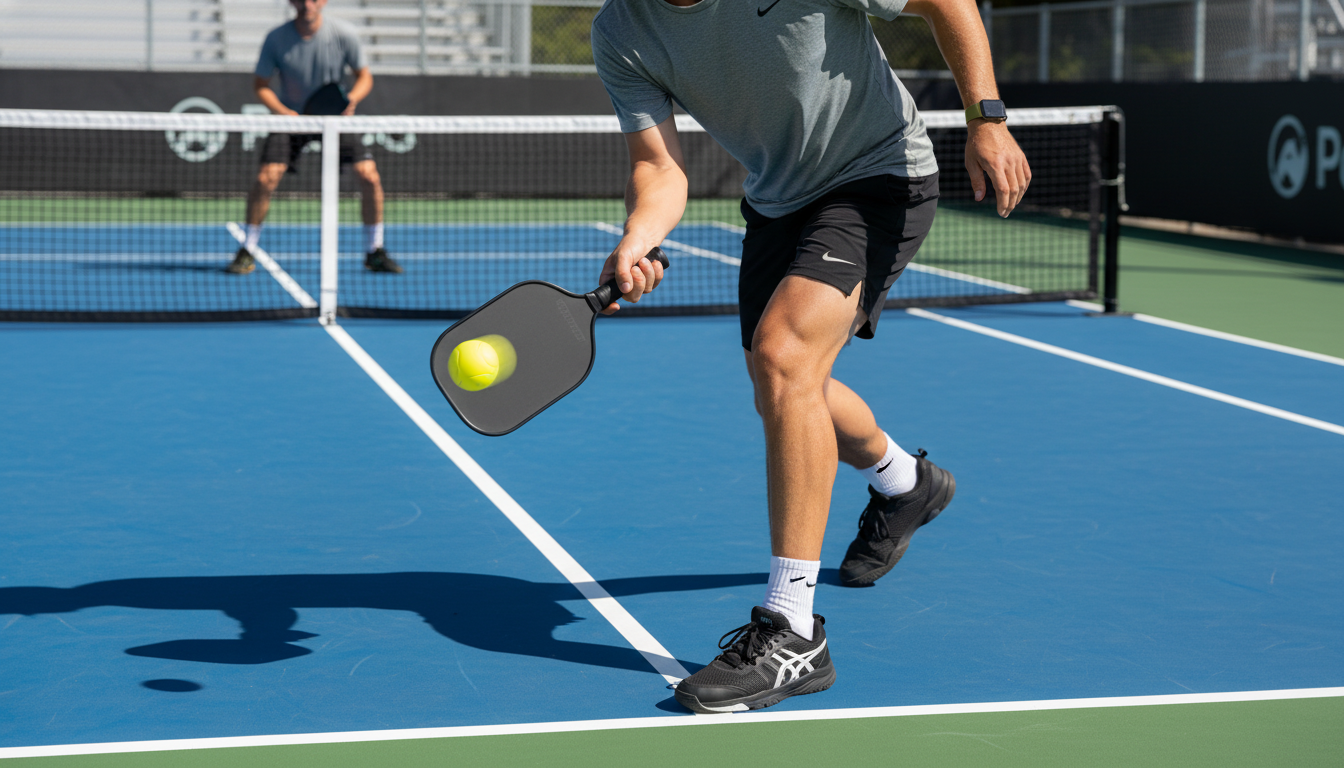
A dink is a soft, controlled shot placed in the kitchen. A speed-up is an intentional transition from soft to fast — hitting the ball with topspin and pace during a dinking exchange to catch your opponent's paddle out of position.
The difference matters because players who think of the speed-up as "just hit it harder" execute it randomly, without reading the conditions that make it effective. And when you speed up into a ball your opponent is ready for, you hand them an easy counter at a downward angle. That's not an attack — it's a gift.
What makes a speed-up different from a put-away: A put-away is hit from a high ball — a ball sitting above net level that you can drive down into the court. A speed-up is hit from a dinking exchange, usually at net level or slightly above, and it's designed to change pace and disrupt your opponent's ready position rather than to win the point outright. Some speed-ups end points directly. Most create a pop-up or weak return that your partner can finish.
The technique — paddle path, contact point, weight transfer — is entirely different from a dink. You're accelerating from below the ball upward, generating topspin to keep it in the court at pace. That's a different motion than either a dink or a put-away drive.
The 4 Speed-Up Triggers: When the Opportunity Is Actually There
Speed-ups aren't random — they're reactions to specific conditions. Here are the four you'll see most often in competitive club play and on the APP and PPA tours:
1. Ball sitting at or above net level with your opponent's paddle low. This is the core trigger. Ball above net height means you can accelerate into it with a flat or slightly downward angle. Opponent's paddle low (below their shoulder) means their reaction time is compromised — they need to bring the paddle up before they can respond. Both conditions must be present. Ball above net alone isn't enough; if your opponent's paddle is already up and ready, you're attacking into a wall.
2. Your opponent just reset a hard ball and their weight is back. After defending a speed-up or drive, players often shift their weight back to absorb the pace. That recovery moment — usually 0.5–1 second — is a window where their paddle and body position are reset-oriented, not attack-ready. A speed-up into that window catches them mid-transition.
3. The dinking exchange is pulling your opponent wide. If crosscourt dinking has pulled your opponent toward the sideline, their body coverage of the middle is reduced. A speed-up aimed at their hip or backhand shoulder — not the sideline they're moving toward — catches them with their weight already committed to one direction.
4. Your opponent shows a pattern in their dink placement. Some players are predictable — they always dink crosscourt, always go to the backhand. Once you've identified the pattern in a match, you can start timing a speed-up to their most likely next ball. You're anticipating the placement rather than purely reacting.
How to Execute the Speed-Up: Mechanics and Contact Point
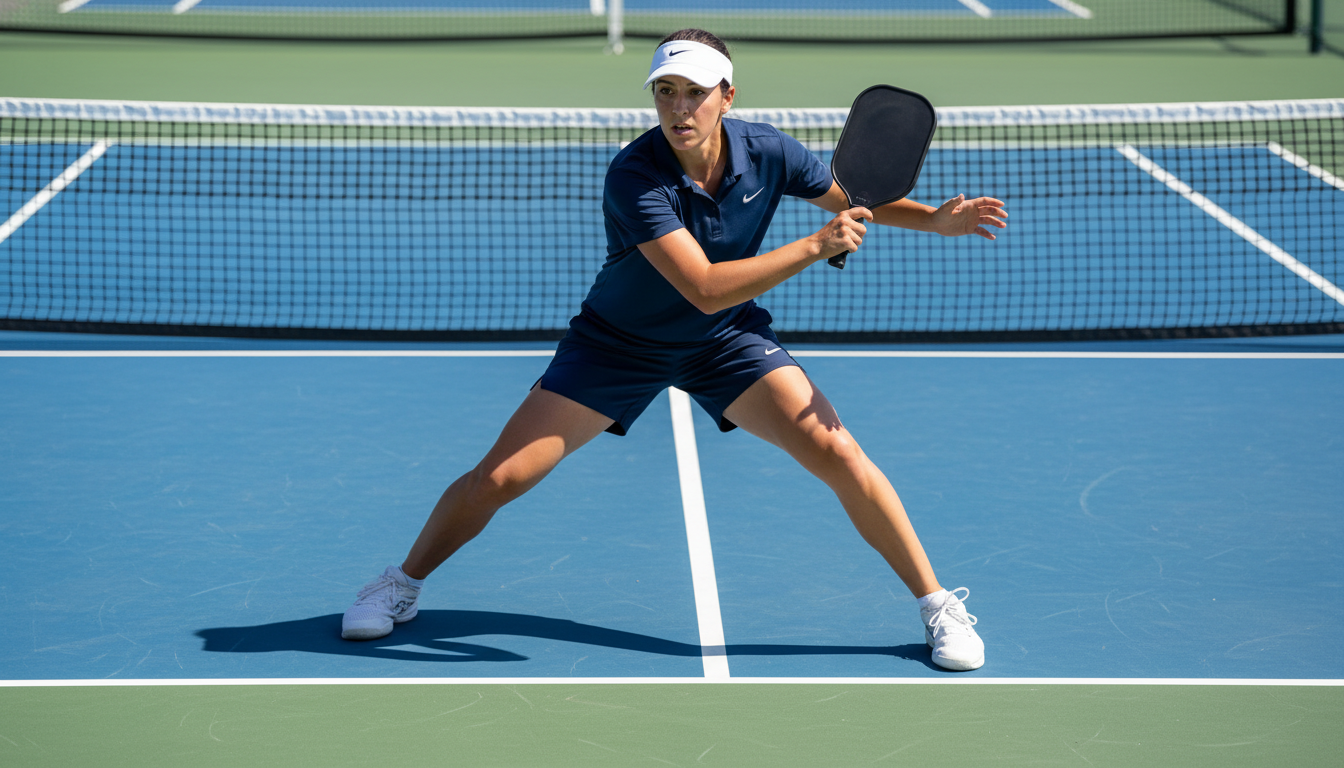
The setup is everything. Paddle should be low — near waist level — before the ball arrives. As the ball rises toward net height, your paddle accelerates upward through the back of the ball, generating topspin that brings it down into the court at pace. Weight transfers forward through contact, not after.
Three targets that consistently produce results from watching competitive club play and pro matches:
- The dominant hip / belly button. Jams your opponent and removes their arm extension. They can't get their paddle cleanly in front of the contact point.
- The backhand shoulder. Most players have a weaker backhand reaction than forehand. A ball at the backhand shoulder — not at the body, but at the shoulder — is particularly difficult to redirect with pace.
- The crosscourt angle. Pulls your opponent off the court if they're positioned center. Creates a wide ball that also compresses their recovery time on the next shot.
What NOT to target: the middle of the court at a comfortable height. That's exactly where your opponent's paddle is already positioned during a dinking exchange. Speed-ups to the middle generate easy counters.
The most common execution mistake isn't a bad speed-up — it's speeding up when the ball is below net level. Below net means you have to hit upward to clear it, which removes the downward angle and forces a slower, more arcing ball. Your opponent sees it coming, their paddle is ready, and your speed-up turns into a setup for their counter.
Defending the Speed-Up: What Your Partner Needs to Know
Your partner needs two things when you get speed-upped: a ready position and a job assignment.
Ready position: Paddle in front of the body, between waist and shoulder height, slight forward lean. Not a dinking grip — a compact blocking grip that can absorb pace. The biggest mistake is dropping the paddle into dinking position during a rally and then scrambling to get it up when the speed-up arrives. Against players who speed up frequently, keep the paddle up throughout the dinking exchange.
The block is the right response to most speed-ups at the kitchen line — not a counter-attack. A well-executed block redirects the ball into a safe landing zone and resets the exchange. Trying to counter-attack a speed-up at full pace from a low ball is exactly the situation where unforced errors spike.
The partner's job: When your partner is in a dinking exchange on one side, you're watching for a speed-up directed at the crosscourt angle. That's the ball aimed to pull your partner off the sideline — and it often creates a pop-up opportunity for you on the next ball. Anticipate it. Don't just stand and watch.
The pair that defends speed-ups best is the one that communicates about speed-up patterns mid-match: "They're going backhand shoulder every time" is information. Use it.
For a complementary pace-change tactic, the lob strategy guide covers when lifting a ball off the kitchen disrupts opponents who've adapted to your speed-up rhythm.
Reset vs. Speed-Up: The Decision You're Making 20 Times a Match
Here's the decision framework most speed-up guides don't give you: a 3-check mental checklist you can run in real time before every potential speed-up opportunity.
The Speed-Up Checklist (3 seconds, 3 questions):
1. Is the ball at or above net level? → If no: reset.
2. Is your opponent's paddle below their shoulder? → If no: reset.
3. Are you balanced and forward on your feet? → If no: reset.
All three yes? You have a legitimate speed-up opportunity. Go.
Any one no? Reset. The risk/reward doesn't support the attack.
The same read-first discipline applies to the third shot — the third shot decision framework uses identical logic: read the conditions before selecting drive or drop. Parallel habits, parallel skill ceiling.
Speed-ups when you're off balance — when you're reaching, stepping back, or caught with your weight on your heels — are the most dangerous kind. Your contact point is compromised, your power is reduced, and your landing zone is unpredictable. That's how speed-ups end up floating and getting countered.
The reset isn't a retreat — it's a tactical pause. A clean reset reestablishes your position, gives your opponent another chance to give you a hittable ball, and keeps the rally going on your terms. Many 4.5+ players deliberately pass on 5-6 speed-up opportunities in a row to wait for the one that's actually clean. Patience is a speed-up weapon.
From watching competitive club play and PPA Tour matches: at the 4.5 level, roughly 15–20% of rally-ending shots come from speed-up attacks. The other 80% come from either unforced errors from rushed speed-ups, third-shot drops, or put-aways after the speed-up forced a pop-up. The speed-up's primary job is often to create the finishing opportunity, not to be the finishing shot itself.
"The players who improve fastest on speed-ups aren't the ones who practice the swing — they're the ones who learn to read the checklist. Once the checklist becomes instinct, the technique takes care of itself." — Grub, FORWRD
FAQ: Pickleball Speed-Up Questions
What is a speed-up in pickleball?
A speed-up is an intentional change of pace during a dinking exchange at the non-volley zone — hitting the ball with topspin and acceleration to disrupt your opponent's ready position. It's different from a put-away (which comes from a high ball) and different from a hard drive (which comes from deeper in the court). The goal is to force a weak return or pop-up, not necessarily to win the point outright.
When should you speed up in pickleball?
Speed up when the ball is at or above net level, your opponent's paddle is below their shoulder, and you're balanced and forward on your feet. All three conditions should be present. If any one is missing, a reset gives you a better risk/reward than an attack from a compromised position.
How do you defend against a speed-up in pickleball?
Keep your paddle between waist and shoulder height throughout dinking exchanges — not dropped into a soft grip. When a speed-up arrives, block it with a compact, absorbing motion rather than counter-attacking. A clean block resets the exchange and puts you back in position. The block is the right response to most speed-ups; counter-attacking from a low ball into pace is how errors compound.
Is it better to reset or speed up in pickleball?
Reset unless all three checklist conditions are met: ball above net, opponent's paddle low, you're balanced. Most dinking exchanges give you 5–10 opportunities where one or two conditions are met but not all three. Patience — passing on almost-good speed-up opportunities to wait for the genuinely clean one — is a real competitive skill at 4.0 and above.
What skill level should you start using speed-ups?
Situational speed-ups (when the ball clearly sits up above net and your opponent is out of position) are appropriate at 3.5+. A consistent, reliable speed-up technique — one you can execute on purpose under pressure — is realistically a 4.0+ skill. Below 4.0, most speed-up attempts come from rushing, not from reading the right conditions. Master the checklist before the technique.
The speed-up rewards players who practice it deliberately — not randomly in rec play, but with specific drilling. Grab extra balls, set up at the kitchen, and have a partner feed you dinkable balls at net level. Run the checklist out loud until it becomes automatic. The players who treat speed-up practice like a specific skill — not just "play more pickleball" — improve significantly faster.
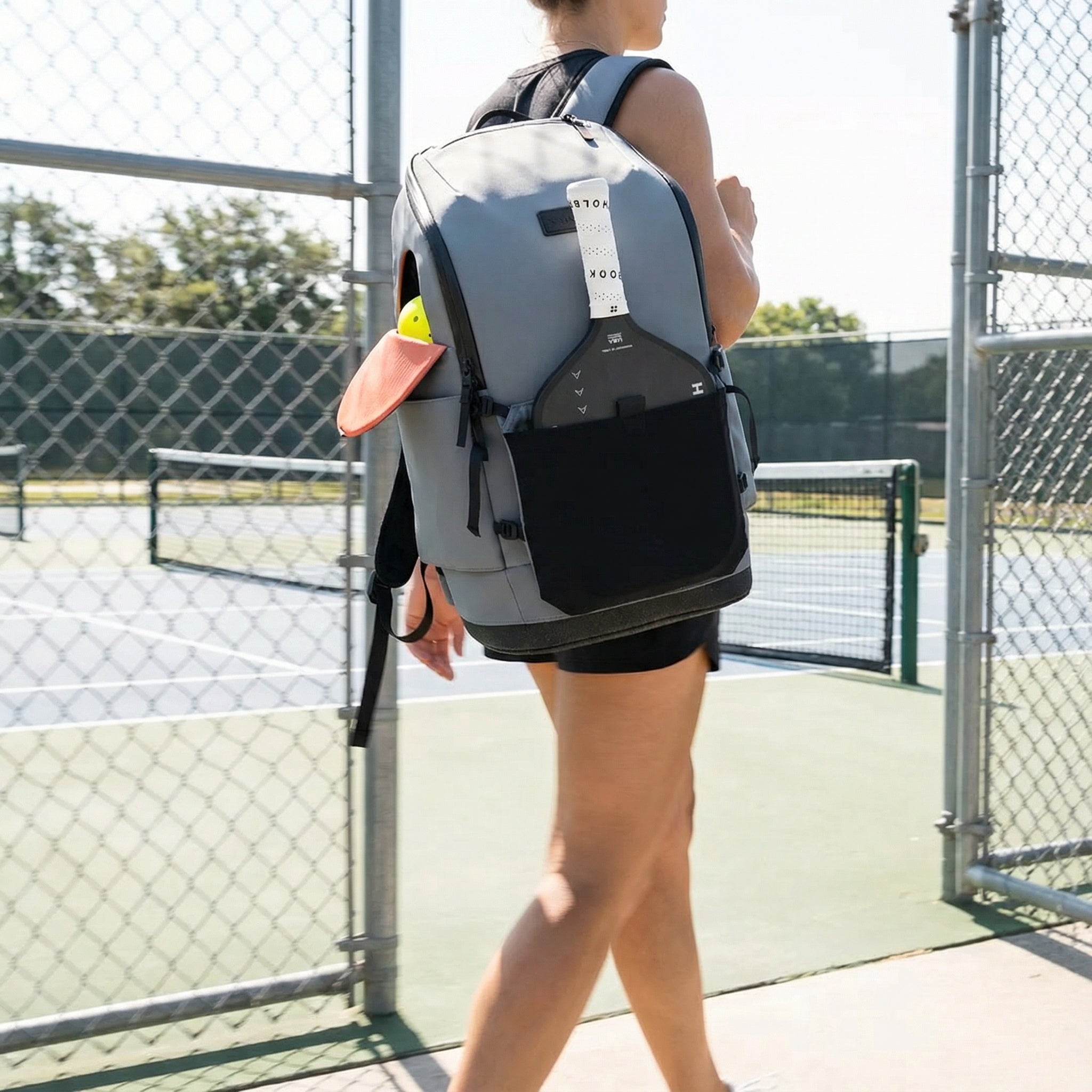
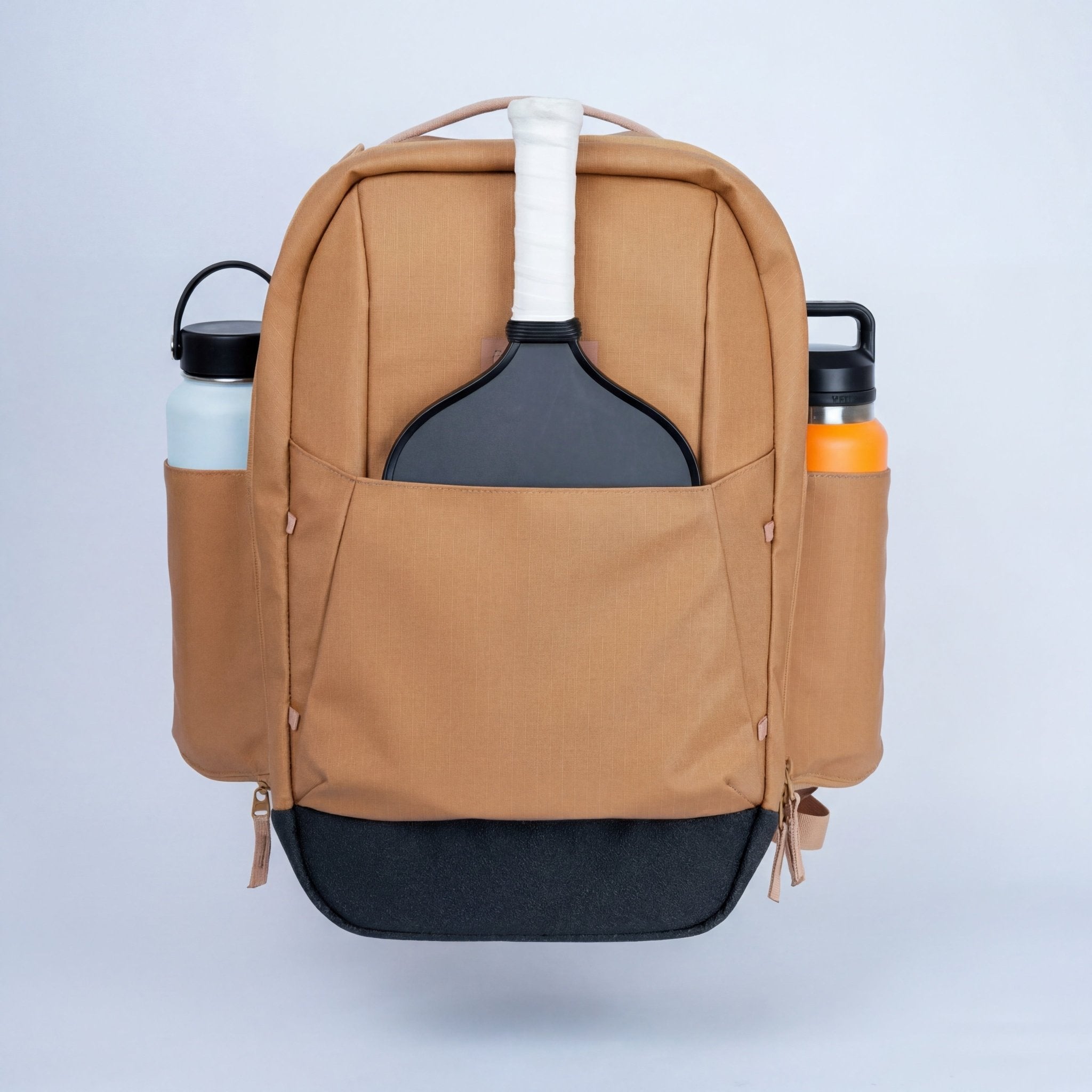
When you're serious about drilling, being organized on the sideline matters more than you'd think. The Court Ranger V2 carries enough balls, water, and gear for a real practice session without the fumbling — so transitions between drilling sets stay tight.


Leave a comment
This site is protected by hCaptcha and the hCaptcha Privacy Policy and Terms of Service apply.