

Last updated: July 2026
Skinny singles is the single most efficient drill you can run with one partner: two players, half a court, every shot with stakes. In 45 minutes you'll expose the exact weaknesses that cost you points in doubles — and start fixing them. No guide on the internet gives you the full session plan. This one does.
Below: the rules, the four variations coaches actually rotate through, a complete 45-minute session template, and a diagnostic breakdown of what your mistakes tell you about your technique.
What Is Skinny Singles? (The Quick Rules Explainer)
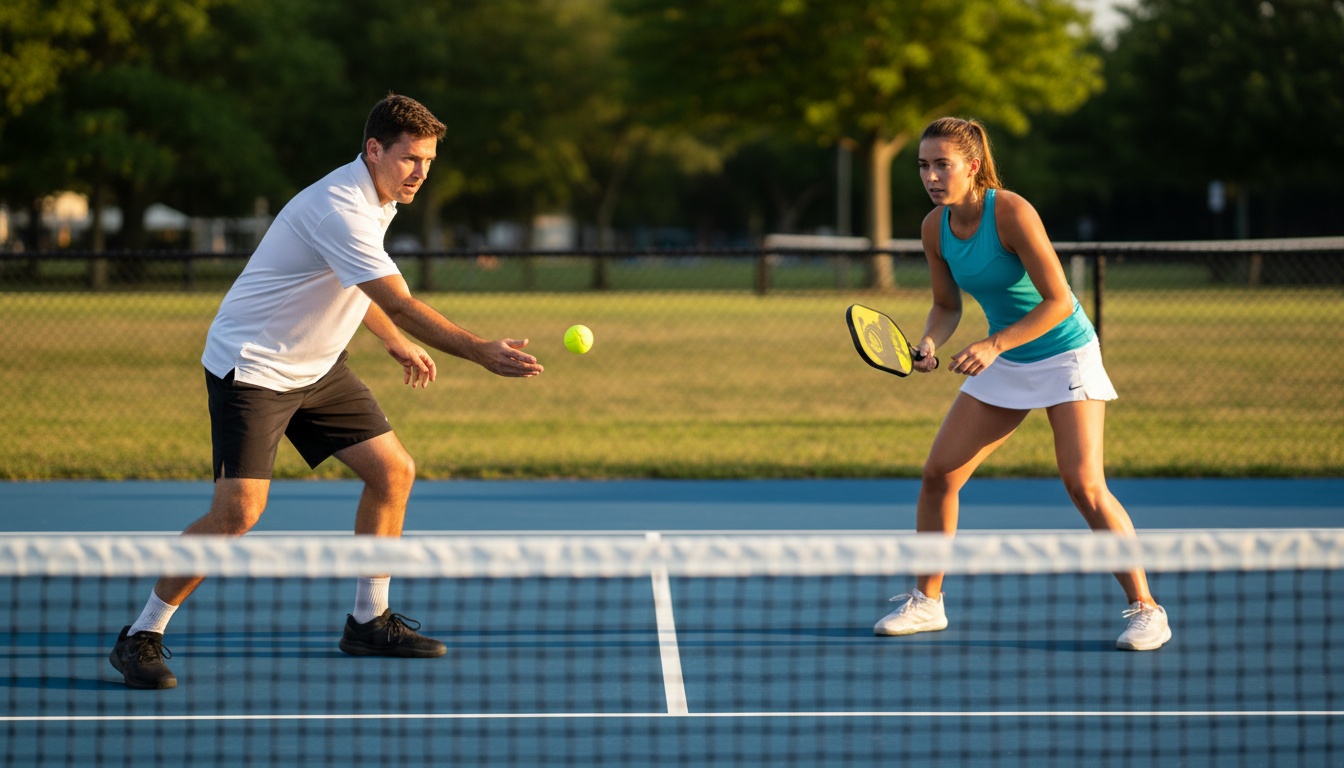
Skinny singles is pickleball played on half a court — one singles lane, two players. You serve cross-court into the same half your opponent is standing in, and all rally balls must stay inside that half-court boundary.
Scoring and service rotation work the same as regular singles strategy: even score (0, 2, 4...) means serving from the right; odd score (1, 3, 5...) means serving from the left. First to 11, win by 2.
The key rule beginners botch: you're always playing within one diagonal strip, not switching sides mid-rally. Both players move freely on their half — the court doesn't pin you anywhere. What it does is demand precision. Wide shots land out. Power without placement hands the point to your opponent immediately. That's the whole lesson, built into the format.
Why Skinny Singles Works: The Shot-Placement Science Behind It
Here's the thing about full-court doubles: you can survive a mediocre cross-court dink behind a decent reset. In skinny singles, there's nowhere to hide. The court width is roughly 10 feet — any ball that drifts 18 inches wide is a clean error.
At a 3.5-level clinic we ran last spring, players dropped an average of 2 mph off their dink pace within 20 minutes of skinny singles. Not from fatigue — from adjustment. The narrow court forced better footwork, tighter weight transfer, cleaner paddle prep. That adjustment carries directly into doubles, where the kitchen game is won or lost by margins even smaller than the court you practiced on.
What skinny singles specifically builds:
- Third shot drops — less court to land in, more precise execution required
- Kitchen dinking accuracy — cross-court angle control, trajectory management
- Movement efficiency — no room to overrun; every step has to be deliberate
- Pressure tolerance — every error costs a point; the mental load matches tournament-level play
4 Skinny Singles Variations to Rotate Through a Practice Session
Running the same version every session gets stale — and misses the full range of skills skinny singles can build. Here are the four variations worth rotating through.
1. Cross-Court Kitchen Battle
Both players start at the kitchen line. All balls must land in the cross-court kitchen. Rally to 11 with standard scoring. This is the purest form — it isolates the dink game completely and punishes floating balls immediately. Start here every session.
2. Down-the-Line Drive Training
Both players play on the same side of the court (straight down the line, not cross-court). This trains the down-the-line ball, which most players under-develop because cross-court is easier in regular doubles. Expect a steep adjustment curve. That adjustment is the point.
3. Serve Constraint Game
Play a full game to 11 with rally scoring, but one player is the designated server for the entire game — they serve every point regardless of score. The server tests 3-4 different serve types across the game (topspin, slice, body, deep). Their partner focuses on return patterns. Swap roles and run it back.
4. Third Shot Pressure Game
Standard skinny singles, but if the serving team doesn't reach the kitchen within the first 3 shots, they automatically lose the point. This forces the third shot drop to be both precise AND functional. No lobbed resets while you shuffle forward — you have to get to the kitchen deliberately.
How to Design a 45-Minute Skinny Singles Session
This is the template we run at intermediate clinics. It scales naturally from 3.0 to 4.5 — the intensity adjusts with the level, not the format.
| Phase | Time | Format | Focus |
|---|---|---|---|
| Warm-Up | 0–8 min | Cross-Court Kitchen (unscored) | Groove tempo, find your pace |
| Cross-Court Emphasis | 8–20 min | Cross-Court Kitchen (scored) | Precision dinking, angle control |
| Down-the-Line Emphasis | 20–32 min | Down-the-Line Drives (scored) | Attack line, break cross-court habit |
| Third Shot Pressure | 32–42 min | Third Shot Pressure Game | Transition footwork, drop quality |
| Debrief | 42–45 min | Unscored free play | Apply lessons under zero pressure |
Two notes from running this template dozens of times:
The unscored warm-up phase matters more than players expect. Those who skip it and jump straight to scored play spend the first 10 minutes correcting sloppy errors instead of building quality reps. Three minutes of intentional low-pace dinking sets the tone for everything after it.
The transition from cross-court to down-the-line around minute 20 is where the most frustration — and the most growth — happens. Players who dominate phase 2 often drop 4-5 consecutive points going down the line before they adjust. That adjustment is where the skill gets built, not the winning streak before it.
"Every player I coach who does consistent skinny singles practice develops court awareness faster than anything else I've seen. Not because it's harder than full-court play — it's harder in the exact ways that matter. Small court, real stakes, nowhere to hide your worst habits." — Grub, FORWRD
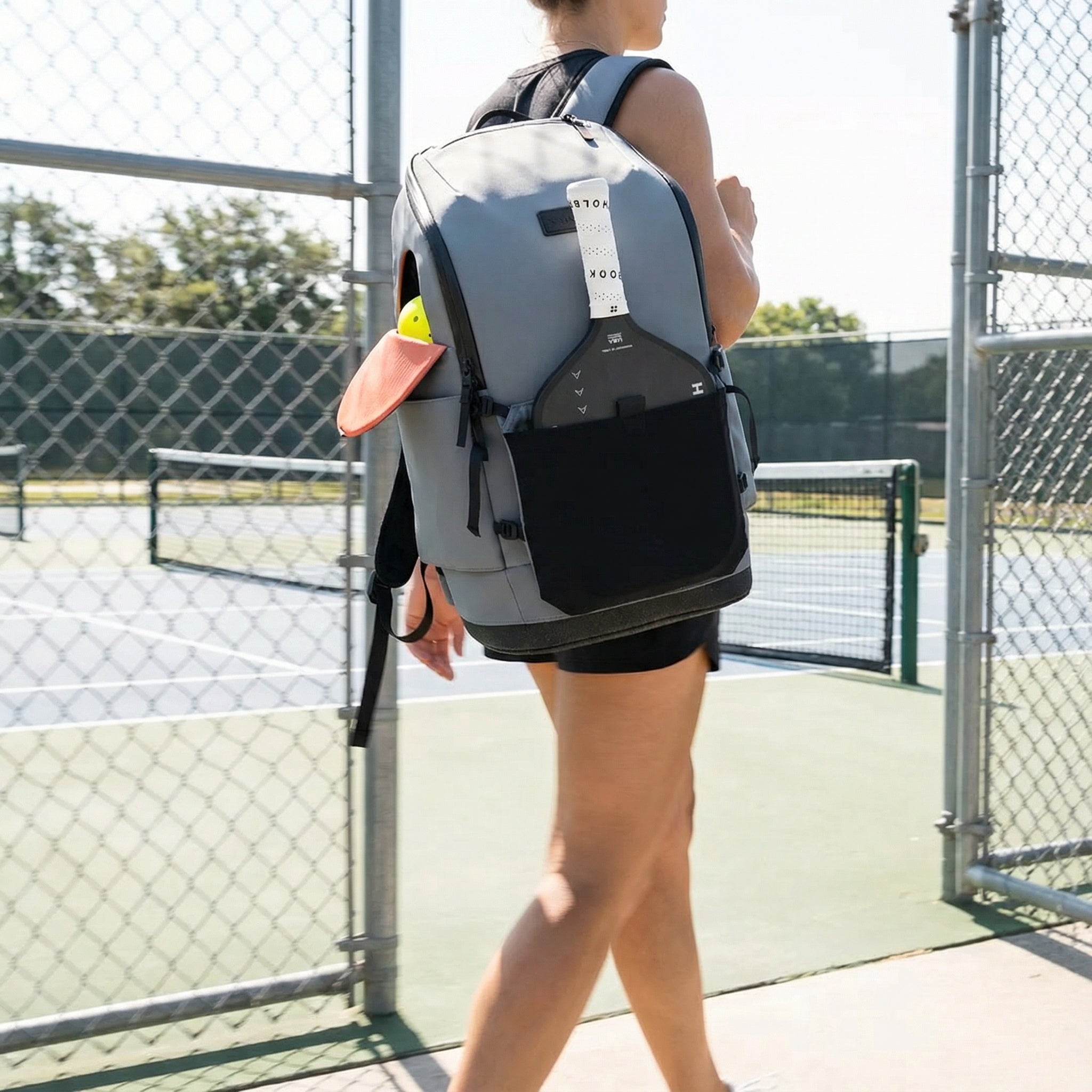
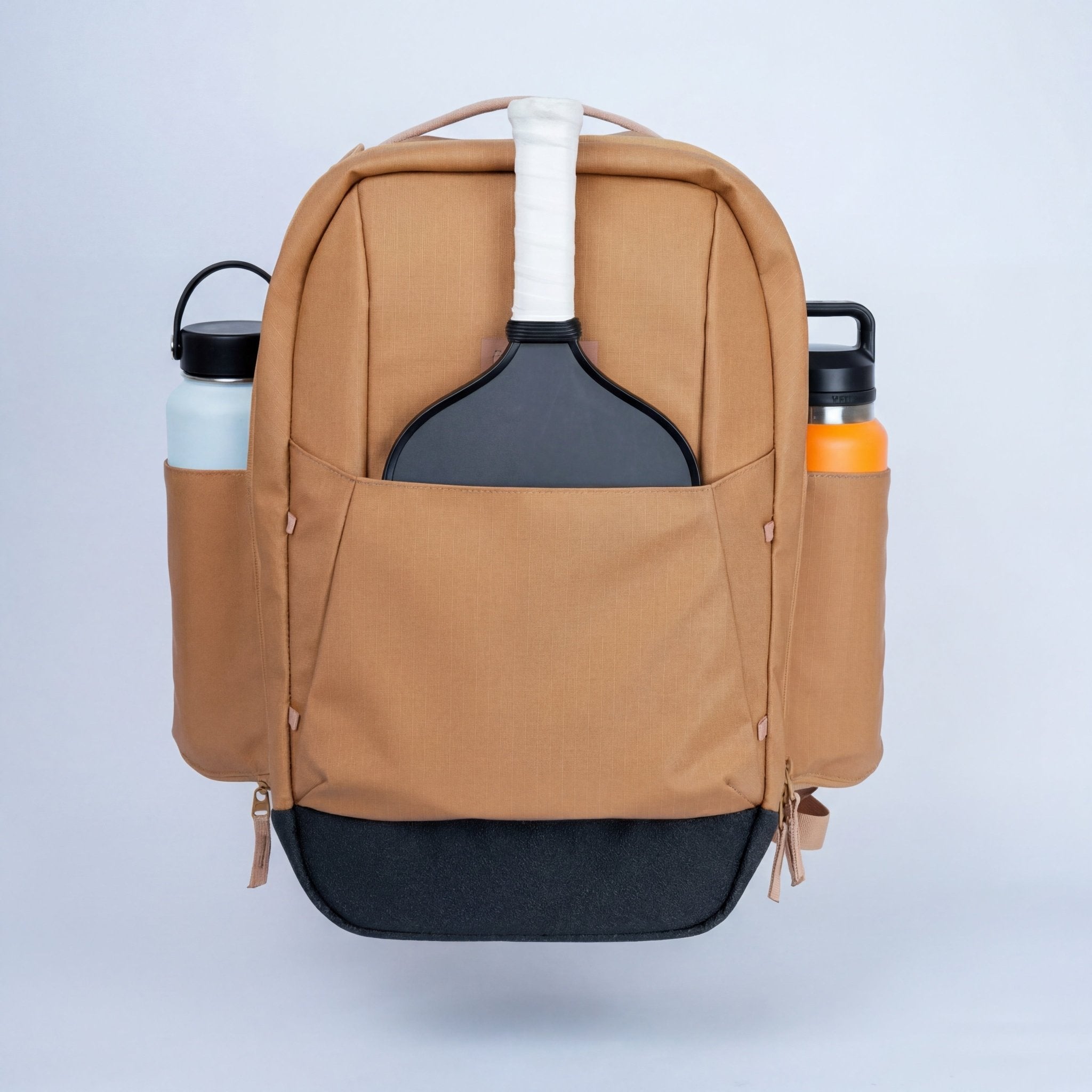
Your practice bag matters, too. Skinny singles moves fast — you want a bag that gets in and out of the car without the usual fumble for gear. The Court Ranger V2 ($195) is built for exactly this: quick-access paddle sleeve, 16" laptop compartment, and YKK AquaGuard zippers that hold up to outdoor sessions.

Common Mistakes (and What They Reveal About Your Game)
Skinny singles doesn't just reveal that you're making errors — it tells you why. Here's the diagnostic:
Pulling Balls Wide on Down-the-Line Shots
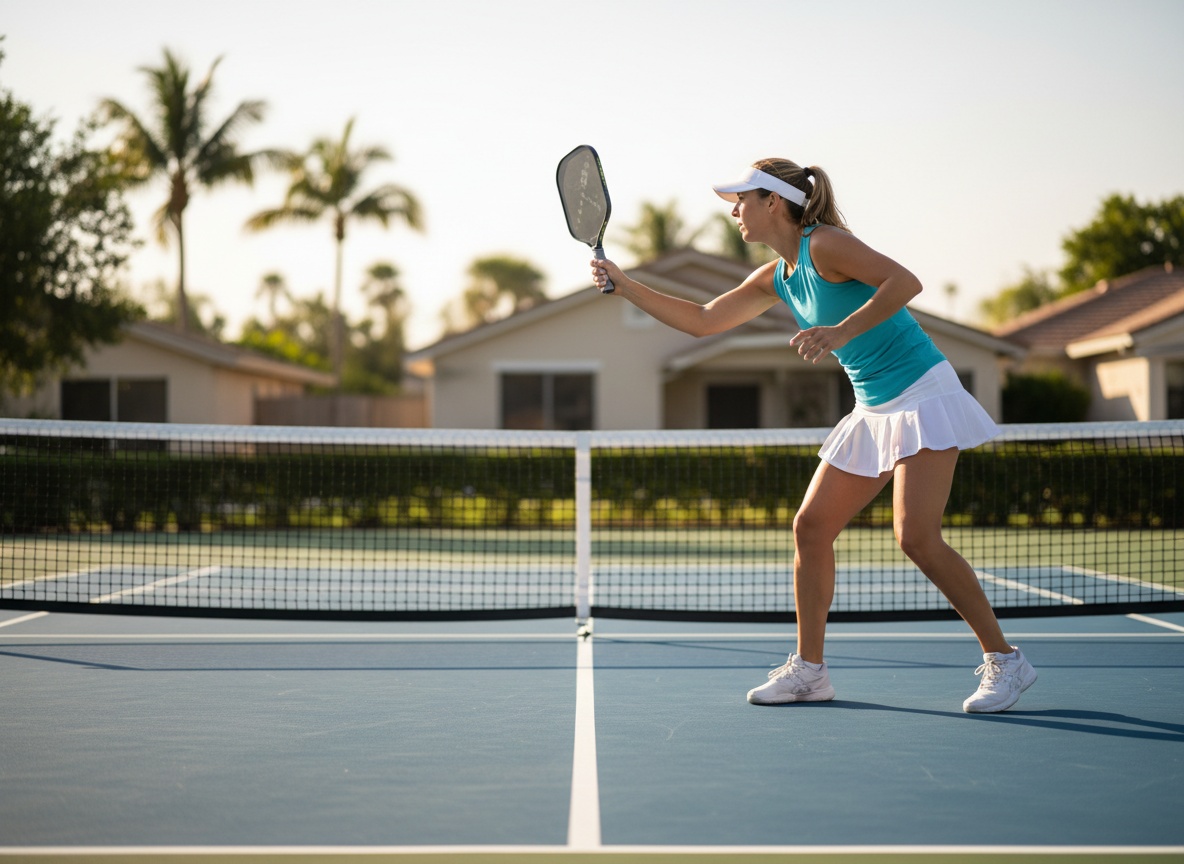
If your down-the-line balls consistently drift cross-court and out, you're closing your paddle face through contact. This is a grip angle issue, not a swing path issue. Fix it with slow shadow swings at half-pace, emphasizing an open face at contact and a finish that points toward your target. Don't fix this with more power — more power on a closed face just sends it wider and faster.
Floating Dinks That Keep Getting Attacked
If your cross-court dinks come up too high and get punished, the problem is almost always late contact. You're hitting the ball after it's already dropping, which forces a scoop instead of a brush. Get to the ball earlier — contact when it's still rising or at peak height. You'll immediately get more natural topspin and a lower, tighter trajectory.
Not Making the Kitchen After the Third Shot
In the third shot pressure variation, players who fail the kitchen transition are almost always watching the flight of their drop instead of moving immediately. The drop doesn't have to be perfect to earn the transition. A decent drop combined with aggressive footwork beats a perfect drop with no movement every time. Move first, then adjust to the return.
Mental Tilt After 3 Bad Points
The narrow court makes a losing streak feel catastrophic. Three errors in a row in skinny singles hits differently than the same run in doubles — there's no partner to absorb the momentum. If you notice sloppiness creeping in when you're down 5-8, that's a pressure response, not a technique breakdown. Slow your serve routine by two seconds and consciously reset between points. That skill — the ability to reset — matters enormously in tournament play.
Ready to build a consistent practice habit? See the complete drill progression guide for the broader training framework skinny singles fits into.
FAQ: Skinny Singles Pickleball
What is skinny singles in pickleball?
Skinny singles is a two-player drill format where both players compete on only half the court — one diagonal lane. It uses standard singles scoring but forces precision by eliminating most of the available court width. It's widely used to improve dinking accuracy, third shot drops, and mental pressure tolerance.
How do you play skinny singles?
Serve cross-court into the same half of the court your opponent is on. All balls must stay within that half-court lane. Standard singles scoring: even score means serving from the right, odd score means serving from the left. First to 11, win by 2. Both players move freely on their half of the court.
What does skinny singles improve?
Primarily kitchen game precision (cross-court dinking and angle control), third shot drops, transition footwork, and tournament-level mental toughness. It also exposes specific technique flaws — wide down-the-line shots reveal grip angle issues; floating dinks reveal late contact — that are harder to diagnose in open-court play.
Is skinny singles good for beginners?
Best for players at 3.0 and above. Complete beginners often find the narrow court too punishing before their shot mechanics are solid enough to benefit from the constraint. At 3.0+, skinny singles accelerates improvement significantly — faster than most traditional drills.
How many people do you need for skinny singles?
Exactly two. It's a two-player format by design. You can rotate with three players, but the core drill is built for a pair. One of its biggest selling points: it's more productive than a 4-player session when a full group isn't available.

Leave a comment
This site is protected by hCaptcha and the hCaptcha Privacy Policy and Terms of Service apply.